

Nocturnal Leg Cramps Treatment Market Report 2026
Global Outlook – By Treatment Type (Pharmaceuticals, Home Remedies, Physical Therapy, Lifestyle Modifications), By Route Of Administration (Oral, Topical, Transdermal Or Injectable), By Patient Demographics (Elderly, Athletes, Pregnant Women, Individuals With Chronic Conditions), By Distribution Channel (Hospital Pharmacy, Retail Pharmacy, Online Pharmacy, Other Distribution Channels), By End-Users (Hospitals, Specialty Clinics, Homecare, Other End-Users) - Market Size, Trends, And Global Forecast 2026-2030
Nocturnal Leg Cramps Treatment Market Overview
• Nocturnal Leg Cramps Treatment market size has reached to $2.35 billion in 2025 • Expected to grow to $3.22 billion in 2030 at a compound annual growth rate (CAGR) of 6.4% • Growth Driver: Rise In Sedentary Lifestyle Fueling The Growth Of The Market Due To Increasing Physical Inactivity And Associated Muscle Discomfort • Market Trend: Regulatory Approvals Fuel Innovation In The Market • North America was the largest region in 2025.Market Gains By 2030 – Top Opportunities By Segment
Market Gain identifies the most promising market opportunities by highlighting the segments or products expected to generate the highest incremental revenue growth over the next five years.
What Is Covered Under Nocturnal Leg Cramps Treatment Market?
Nocturnal leg cramp treatment refers to the management and relief of sudden, involuntary muscle contractions that occur during sleep, typically in the calf or foot. Nocturnal leg cramp treatment utilizes methods such as stretching, hydration, and magnesium supplementation to relieve discomfort and prevent the recurrence of painful muscle contractions during sleep. The main types of nocturnal leg cramp treatment are pharmaceuticals, home remedies, physical therapy, and lifestyle modifications. Pharmaceuticals refer to medicinal drugs that are developed, manufactured, and used to diagnose, treat, or prevent diseases or medical conditions. These are used for various routes of administration, including oral, topical, and intravenous. The various patient demographics include the elderly, athletes, pregnant women, and individuals with chronic conditions. Treatments are distributed through various distribution channels such as hospital pharmacies, retail pharmacies, online pharmacies, and others, and are used by various end users such as hospitals, specialty clinics, home care, and others.
What Is The Nocturnal Leg Cramps Treatment Market Size and Share 2026?
The nocturnal leg cramps treatment market size has grown strongly in recent years. It will grow from $2.35 billion in 2025 to $2.51 billion in 2026 at a compound annual growth rate (CAGR) of 6.7%. The growth in the historic period can be attributed to aging population trends, increased prevalence of muscle fatigue conditions, widespread availability of over-the-counter supplements, growing awareness of sleep health, increased physician recommendations for conservative treatments.What Is The Nocturnal Leg Cramps Treatment Market Growth Forecast?
The nocturnal leg cramps treatment market size is expected to see strong growth in the next few years. It will grow to $3.22 billion in 2030 at a compound annual growth rate (CAGR) of 6.4%. The growth in the forecast period can be attributed to increasing demand for personalized treatment regimens, rising focus on non-drug therapies, expansion of digital health guidance tools, growing consumer preference for self-care solutions, increasing research into muscle function disorders. Major trends in the forecast period include increasing use of nutritional supplement therapies, rising adoption of non-pharmacological management approaches, growing focus on preventive lifestyle modifications, expansion of home-based treatment options, enhanced awareness of sleep-related muscle disorders.
Global Nocturnal Leg Cramps Treatment Market Segmentation
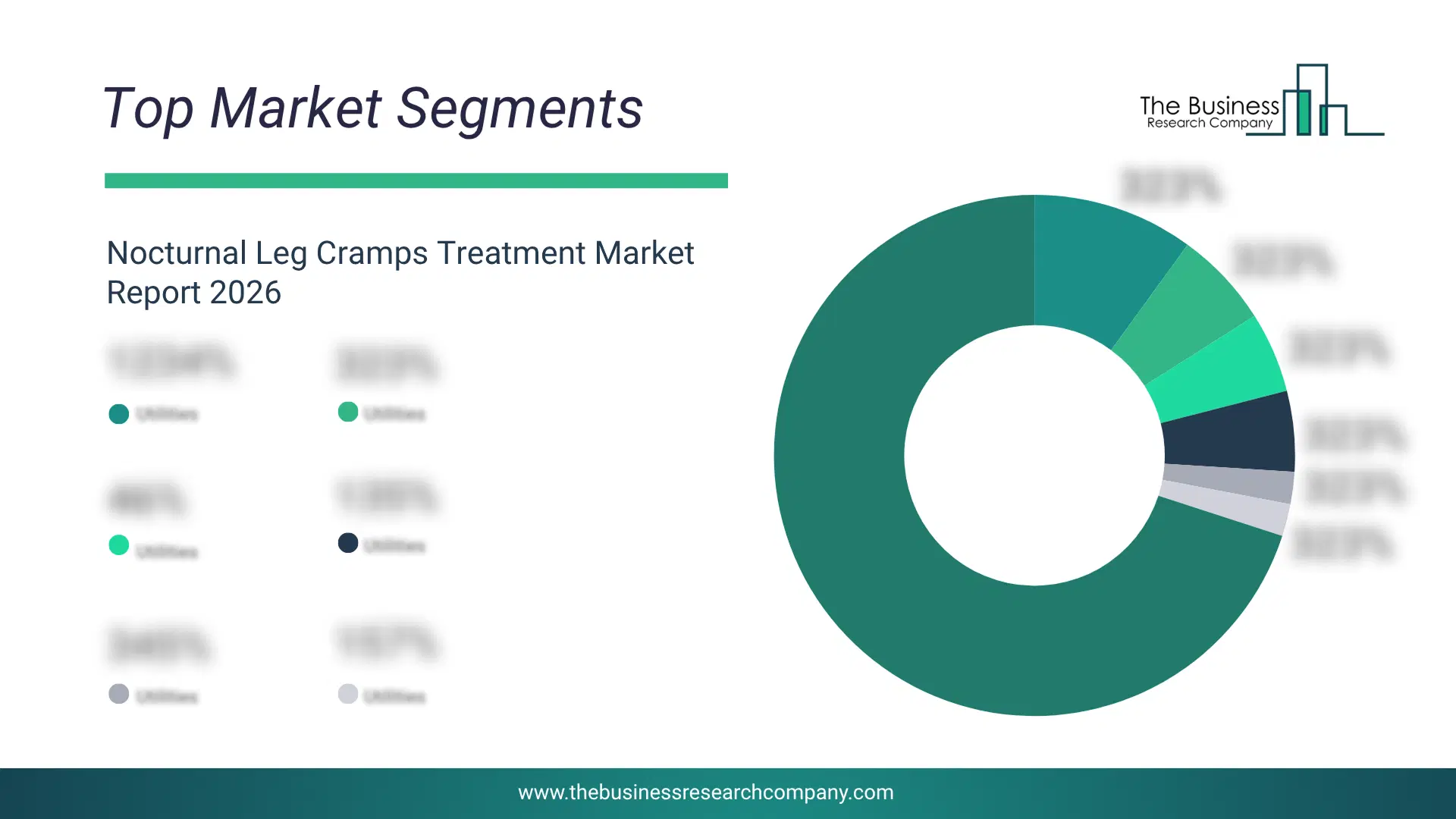
1) By Treatment Type: Pharmaceuticals, Home Remedies, Physical Therapy, Lifestyle Modifications 2) By Route Of Administration: Oral, Topical, Transdermal Or Injectable 3) By Patient Demographics: Elderly, Athletes, Pregnant Women, Individuals With Chronic Conditions 4) By Distribution Channel: Hospital Pharmacy, Retail Pharmacy, Online Pharmacy, Other Distribution Channels 5) By End-Users: Hospitals, Specialty Clinics, Homecare, Other End-Users Subsegments: 1) By Pharmaceuticals: Muscle Relaxants, Magnesium Supplements, Vitamin B Supplements, Anticonvulsants, Nonsteroidal Anti-inflammatory Drugs (NSAIDs) 2) By Home Remedies: Epsom Salt Bath, Hot Or Cold Compress, Hydration With Electrolyte Solutions, Stretching Exercises 3) By Physical Therapy: Stretching And Strengthening Exercises, Massage Therapy, Taping Techniques, Myofascial Release, Physical Therapy Modalities 4) By Lifestyle Modifications: Proper Hydration, Balanced Diet, Regular Exercise, Avoiding Prolonged Sitting Or Standing, Sleep Position And Foot Elevation, Wearing Proper Footwear The top segments in the nocturnal leg cramps treatment market will be: • Oral will reach $2307.1 Million by 2030. • Pharmaceuticals will reach $1939.8 Million by 2030. • Homecare will reach $2187 Million by 2030. • Physical Therapy will reach $1240.6 Million by 2030. • Elderly will reach $1422.4 Million by 2030.What Are The Drivers Of The Nocturnal Leg Cramps Treatment Market?
The rise in sedentary lifestyles is expected to propel the growth of the nocturnal leg cramps treatment market going forward. Sedentary lifestyle refers to a way of living that involves little to no physical activity, typically characterized by prolonged periods of sitting or lying down, with minimal movement or exercise. The rise in sedentary lifestyles due to increased screen time, driven by the widespread use of smartphones, computers, and televisions for work, entertainment, and communication, encourages prolonged sitting and reduces the time spent on physical activities. Nocturnal leg cramp treatment supports individuals with sedentary lifestyles by relieving painful muscle spasms that often occur at night, which may be aggravated by prolonged inactivity, and encouraging improved muscle health, mobility, and sleep quality, factors that can motivate individuals to engage in more regular physical activity. For instance, in June 2024, according to a report published by the World Health Organization, a Switzerland-based intergovernmental organization, 31% of adults worldwide, or about 1.8 billion people, did not meet recommended physical activity levels in 2022, with inactivity rates projected to rise to 35% by 2030 if the trend continues. Therefore, the rise in sedentary lifestyles is driving growth in the nocturnal leg cramps treatment industry. The growing geriatric population is expected to drive the growth in the nocturnal leg cramps treatment market going forward. The geriatric population refers to older adults, typically those aged 65 years and above, who experience age-related physiological, cognitive, and social changes and require focused healthcare due to higher risks of chronic diseases and functional decline. The growing geriatric population is rising due to increased life expectancy from advances in healthcare, with improved treatments and disease prevention allowing people to live longer and expanding the older adult population. Nocturnal leg cramps treatment helps the geriatric population by relieving painful nighttime muscle contractions, improving sleep quality, and enhancing overall mobility and daily functioning. For instance, in June 2025, according to a report published by ONS (Office for National Statistics), a UK-based government agency, between mid-2022 and mid-2032, the population at state pension age is expected to grow by 1.7 million, rising from approximately 12.0 million to 13.7 million, representing a 13.8% increase. Therefore, the growing geriatric population is driving the nocturnal leg cramps treatment industry.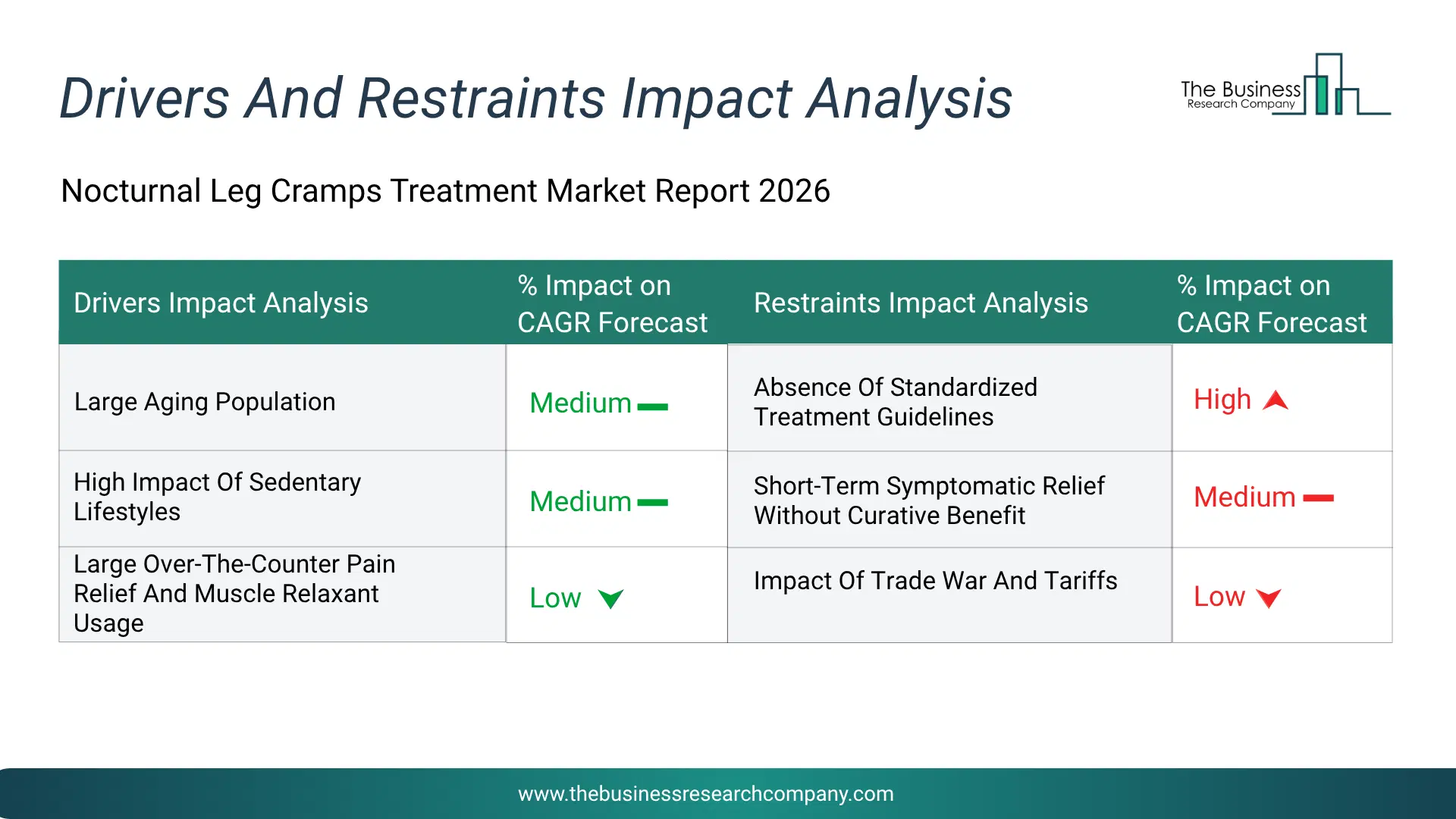
Infographic Chart Showing Key Market Drivers Analysis And Restraints For Nocturnal Leg Cramps Treatment Market
The chart presents an impact analysis of key drivers and restraints, quantifying their relative influence on the market's growth rate and helping assess the balance between growth enablers and limiting factors. This chart offers a high-level perspective; the full report contains more detailed insights.
How Will The Drivers Impact Growth In The Global Nocturnal Leg Cramps Treatment Market?
• Large Aging Population (Medium) – During the forecast period, the growing proportion of the global aging population will propel the growth of the nocturnal leg cramps treatment market. As life expectancy continues to increase worldwide and the share of older adults rises significantly, a larger segment of the population becomes susceptible to age-related physiological changes, including declines in muscle mass, neuromuscular function and electrolyte balance that commonly contribute to nocturnal leg cramp episodes and sleep disturbances. These age-associated conditions often require effective preventive and therapeutic strategies capable of addressing underlying musculoskeletal and neurological contributors to cramping, improving nighttime comfort and enhancing overall quality of life for older individuals. As a result, a range of treatment options, including non-pharmacological recovery devices, neuromuscular stimulation systems, targeted supplementation and hydration solutions, are increasingly adopted to meet the specific needs of aging adults experiencing frequent leg cramps. Consequently, the expanding global aging population is anticipated to remain a key driver of growth in the nocturnal leg cramps treatment market throughout the forecast period. The growing proportion of the global aging population growth contribution during the forecast period in 2025 is 1.5%. • High Impact Of Sedentary Lifestyles (Medium) – During the forecast period, the high impact of sedentary lifestyles will propel the growth of the nocturnal leg cramps treatment market. A sedentary lifestyle, defined by extended periods of sitting or low physical activity has been linked to weakened muscle strength, reduced circulation in the lower limbs and increased risk of musculoskeletal discomfort and neuromuscular dysfunction, all of which are associated with a greater prevalence of nocturnal leg cramps among adults, particularly older populations. These lifestyle influences often necessitate effective treatment and management options that address poor muscle function, circulatory stagnation and risk factors stemming from prolonged inactivity, driving demand for both preventive interventions such as neuromuscular stimulation devices, compression therapies and activity-management solutions, as well as symptomatic relief products. Consequently, the escalating incidence of sedentary behaviors and their adverse effects on leg muscle health and circulation are anticipated to remain a key driver of growth in the nocturnal leg cramps treatment market throughout the forecast period. The high impact of sedentary lifestyles growth contribution during the forecast period in 2025 is 1.2%. • Large Over-The-Counter Pain Relief And Muscle Relaxant Usage (Low) – During the forecast period, the widespread usage of over-the-counter (OTC) pain relief medications and muscle relaxants will propel the growth of the nocturnal leg cramps treatment market. As a substantial proportion of adults, particularly older individuals, increasingly rely on non-prescription analgesics and muscle relaxant products to manage general muscle discomfort and nocturnal cramp pain, there is heightened demand for effective, accessible symptomatic treatments that can be obtained without a prescription. These non-prescription medications — including common OTC analgesics and muscle relaxant preparations used for musculoskeletal pain — are often utilized either as primary self-care options or in combination with other interventions, reflecting broader consumer reliance on readily available solutions to alleviate symptom severity and improve nighttime comfort. Consequently, the pervasive use of OTC pain relief and muscle relaxation products, driven by ease of access and growing self-medication trends, is anticipated to remain a key driver of growth in the nocturnal leg cramps treatment market throughout the forecast period. The widespread usage of over-the-counter (OTC) pain relief medications and muscle relaxants growth contribution during the forecast period in 2025 is 0.9%. • High Diagnosis Of Peripheral Neuropathy (Low) – During the forecast period, the high diagnosis rate of peripheral neuropathy will propel the growth of the nocturnal leg cramps treatment market. Peripheral neuropathy, a condition characterized by damage to the peripheral nerves that transmit signals between the central nervous system and the rest of the body, is increasingly diagnosed in older adults and individuals with underlying health conditions such as diabetes, autoimmune disorders and metabolic imbalances, contributing to symptoms including pain, numbness, muscle weakness and involuntary cramping in the lower limbs. These neurological manifestations frequently overlap with or exacerbate episodes of nocturnal leg cramps, prompting demand for effective management and relief strategies that address underlying nerve dysfunction, improve neuromuscular signaling and support nighttime comfort. Consequently, the growing recognition and diagnosis of peripheral neuropathy and related neuromuscular dysfunctions are anticipated to remain a key driver of growth in the nocturnal leg cramps treatment market throughout the forecast period. The high diagnosis rate of peripheral neuropathy growth contribution during the forecast period in 2025 is 0.5%.How Will The Restraints Impact Growth In The Global Nocturnal Leg Cramps Treatment Market?
• Absence Of Standardized Treatment Guidelines (Medium) – During the forecast period, the absence of standardized treatment guidelines is restricting the growth of the nocturnal leg cramps treatment market. Nocturnal leg cramps are managed through a diverse array of approaches, including pharmacological agents, dietary supplements, hydration strategies, neuromuscular stimulation devices and physical therapy, yet there is a lack of universally accepted, evidence-based clinical protocols that delineate optimal therapy selection, dosage, or treatment sequencing. From a clinical perspective, healthcare providers and patients must navigate inconsistent recommendations, varied efficacy outcomes across intervention types and limited consensus on best practices, which can lead to uncertainty in treatment adoption, inconsistent prescribing behaviors and hesitation to invest in or recommend specific therapeutic solutions. As a result, manufacturers and healthcare stakeholders may face slower uptake of new treatment offerings, reduced confidence among clinicians and patients and fragmented demand patterns, thereby restricting the growth of the nocturnal leg cramps treatment market throughout the forecast period. Growth affected by the absence of standardized treatment guidelines during the forecast period in 2025 is -2.0%. • Short-Term Symptomatic Relief Without Curative Benefit (Medium) – During the forecast period, the predominance of short-term symptomatic relief without curative benefit is restricting the growth of the nocturnal leg cramps treatment market. Most existing treatment approaches for nocturnal leg cramps, including home remedies, stretching techniques, hydration measures, topical applications and dietary interventions, are primarily designed to provide temporary symptom relief rather than addressing underlying neuromuscular, metabolic, or circulatory causes responsible for recurrent cramping. From a clinical and patient-management perspective, reliance on such short-acting remedies results in persistent symptom recurrence, inconsistent treatment outcomes and limited long-term improvement, reducing confidence in available therapies and discouraging sustained adoption of treatment solutions. As a result, patients may continue cycling through temporary remedies without achieving lasting relief, while manufacturers face challenges in demonstrating durable therapeutic value, thereby restricting the growth of the nocturnal leg cramps treatment market throughout the forecast period. Growth affected by the predominance of short-term symptomatic relief without curative benefit during the forecast period in 2025 is -1.0%. • Impact Of Trade War And Tariffs (Low) – During the forecast period, the impact of trade wars and tariffs is restricting the growth of the nocturnal leg cramps treatment market. Trade-related tariffs on medical devices, healthcare equipment and pharmaceutical inputs can increase manufacturing and procurement costs for companies involved in producing and distributing treatments for nocturnal leg cramps, particularly those reliant on imported raw materials or components. From a cost and supply chain perspective, elevated tariffs can lead to higher product prices, disrupted sourcing strategies and reduced affordability of treatment options for both providers and patients. As a result, manufacturers may delay product launches, limit geographic expansion, or pass increased costs onto consumers, thereby restricting the growth of the nocturnal leg cramps treatment market throughout the forecast period. Growth affected by the impact of trade wars and tariffs during the forecast period in 2025 is -0.3%.Key Players In The Global Nocturnal Leg Cramps Treatment Market
Major companies operating in the nocturnal leg cramps treatment market are Teva Pharmaceutical Industries Ltd, Mylan NV, Astellas Pharma Inc, Daiichi Sankyo Company Limited, Apotex Inc, Sun Pharmaceutical Industries Limited, Hylands Inc, Swanson Health Products Inc, Boiron USA, Magnox, Blackmores Limited, Solgar Inc, Genexa Inc, Naveh Pharma Ltd, Hydratis, Crampeze, Zydus Cadila, Flex Pharma Inc, Nature Made, Nature Valley, NOW Foods, Doctor’s Best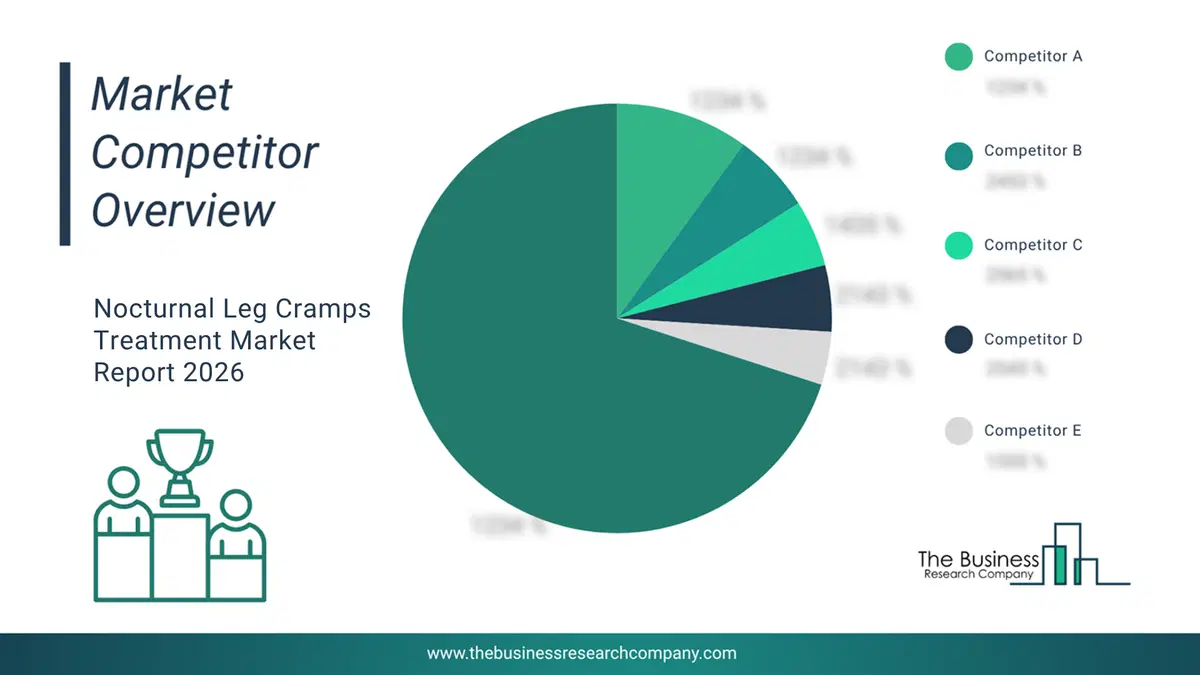
This chart is for illustrative purposes; the full report includes a detailed competitor analysis and comprehensive overview of the top 10 companies in the market.
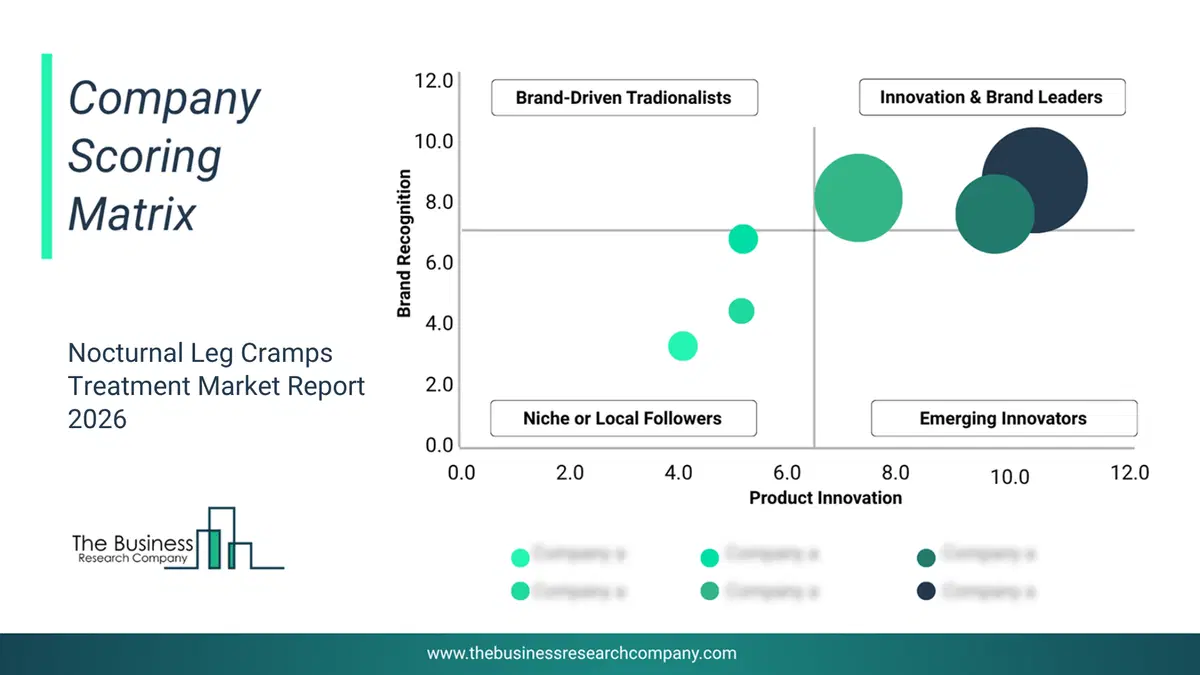
This chart maps companies by product innovation and brand strength, with bubble size indicating relative revenue, helping identify market leaders, challengers, and niche players. This is an illustrative chart; the full report provides a complete and accurate competitive analysis.
Global Nocturnal Leg Cramps Treatment Market Trends and Insights
Major companies operating in the nocturnal leg cramps treatment market are focusing on getting regulatory approvals for new drugs to expand market reach and improve patient outcomes. Regulatory approvals refer to the formal authorization granted by governmental or regulatory bodies for a drug, medical device, or treatment to be marketed and used by the public. For instance, in April 2023, Noctrix Health, a US-based medical equipment company, received FDA De Novo approval for its NTX100 Tonic Motor Activation (TOMAC) System to treat symptoms of moderate to severe restless legs syndrome (RLS) and improve sleep quality in patients who are refractory to medications. The system comprises two therapy units worn on the lower legs, delivering low-level electrical stimulation to the peroneal nerves, inducing tonic muscle activation to suppress RLS symptoms. Clinical trials, including the RESTFUL study, demonstrated significant improvements in RLS symptoms and sleep quality, with no severe adverse events reported.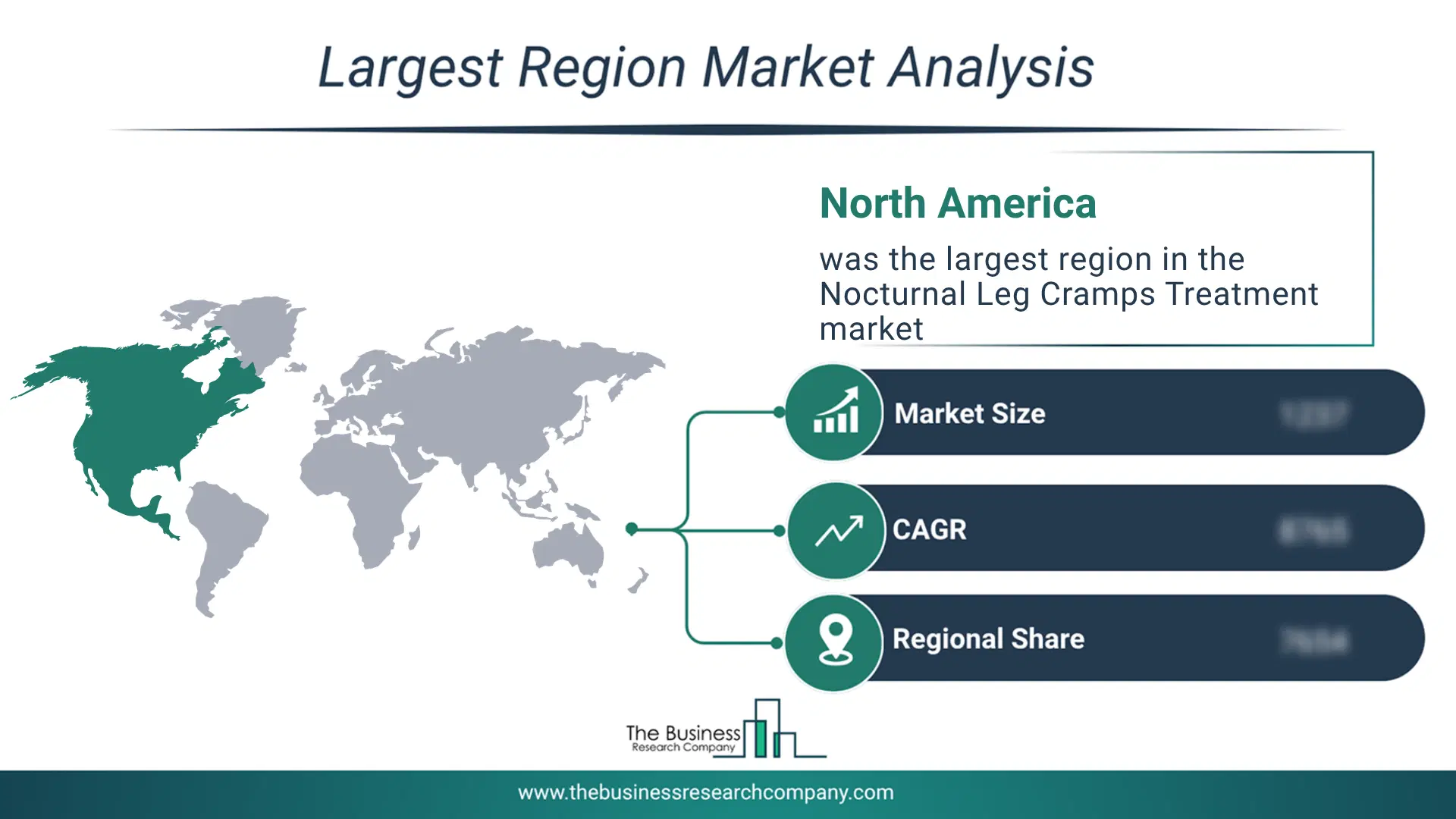
Regional Outlook
North America was the largest region in the nocturnal leg cramps treatment market in 2025. The regions covered in this market report are Asia-Pacific, South East Asia, Western Europe, Eastern Europe, North America, South America, Middle East, Africa. The countries covered in this market report are Australia, Brazil, China, France, Germany, India, Indonesia, Japan, Taiwan, Russia, South Korea, UK, USA, Canada, Italy, Spain.What Defines the Nocturnal Leg Cramps Treatment Market?
The nocturnal leg cramps treatment market consists of revenues earned by entities by providing services such as personalized therapy plans, over-the-counter medications, magnesium supplements, muscle relaxants, and physical therapy. The market value includes the value of related goods sold by the service provider or included within the service offering. The nocturnal leg cramps treatment market also includes sales of products including magnesium supplements, muscle relaxants, compression socks, topical creams, and heating pads. Values in this market are ‘factory gate’ values, that is, the value of goods sold by the manufacturers or creators of the goods, whether to other entities (including downstream manufacturers, wholesalers, distributors, and retailers) or directly to end customers. The value of goods in this market includes related services sold by the creators of the goods.How is Market Value Defined and Measured?
The market value is defined as the revenues that enterprises gain from the sale of goods and/or services within the specified market and geography through sales, grants, or donations in terms of the currency (in USD unless otherwise specified). The revenues for a specified geography are consumption values that are revenues generated by organizations in the specified geography within the market, irrespective of where they are produced. It does not include revenues from resales along the supply chain, either further along the supply chain or as part of other products.
This chart presents market attractiveness based on a quantitative evaluation of growth, competition, strategic alignment, and risk, offering a clear view of opportunity areas for decision-making. This chart is for illustrative purposes; the full report contains the complete analysis.

This chart highlights the Total Addressable Market (TAM) by estimating the maximum revenue opportunity using an assumption-driven approach, supporting strategic planning and opportunity sizing across markets. The chart is illustrative; the full report provides a more comprehensive analysis.
What Key Data and Analysis Are Included in the Nocturnal Leg Cramps Treatment Market Report 2026?
The nocturnal leg cramps treatment market research report is one of a series of new reports from The Business Research Company that provides market statistics, including industry global market size, regional shares, competitors with the market share, detailed market segments, market trends and opportunities, and any further data you may need to thrive in the nocturnal leg cramps treatment industry. The market research report delivers a complete perspective of everything you need, with an in-depth analysis of the current and future state of the industry.Nocturnal Leg Cramps Treatment Market Report Forecast Analysis
| Report Attribute | Details |
|---|---|
| Market Size Value In 2026 | $2.51 billion |
| Revenue Forecast In 2030 | $3.22 billion |
| Growth Rate | CAGR of 6.7% from 2026 to 2030 |
| Base Year For Estimation | 2025 |
| Actual Estimates/Historical Data | 2020-2025 |
| Forecast Period | 2026 - 2030 - 2035 |
| Market Representation | Revenue in USD Billion and CAGR from 2026 to 2030 |
| Segments Covered | Treatment Type, Route Of Administration, Patient Demographics, Distribution Channel, End-Users |
| Regional Scope | Asia-Pacific, Western Europe, Eastern Europe, North America, South America, Middle East, Africa |
| Country Scope | The countries covered in the report are Australia, Brazil, China, France, Germany, India, Indonesia, Japan, Taiwan, Russia, South Korea, UK, USA, Canada, Italy, Spain. |
| Key Companies Profiled | Teva Pharmaceutical Industries Ltd, Mylan NV, Astellas Pharma Inc, Daiichi Sankyo Company Limited, Apotex Inc, Sun Pharmaceutical Industries Limited, Hylands Inc, Swanson Health Products Inc, Boiron USA, Magnox, Blackmores Limited, Solgar Inc, Genexa Inc, Naveh Pharma Ltd, Hydratis, Crampeze, Zydus Cadila, Flex Pharma Inc, Nature Made, Nature Valley, NOW Foods, Doctor’s Best |
| Customization Scope | Request for Customization |
| Pricing And Purchase Options | Explore Purchase Options |