

Pharma 5.0 Market Report 2026
Global Outlook – By Type (Personalized Medicine Platforms, Digital Therapeutics, Artificial Intelligence-Driven Drug Discovery, Smart Manufacturing, Artificial Intelligence-Based Diagnostics), By Technology (Cloud Computing, Artificial Intelligence (AI), Machine Learning (ML), Internet of Things (IoT), Robotic Process Automation (RPA)), By Deployment Mode (On-Premise, Cloud-Based), By Therapeutic Area (Cardiovascular Diseases, Oncology, Infectious Diseases, Neurology, Other Therapeutic Areas), By End-User (Pharmaceutical And Biotech Companies, Healthcare Providers, Contract Research Organizations (CROs), Research Institutes) – Market Size, Trends, Strategies, and Forecast to 2030
Pharma 5.0 Market Overview
• Pharma 5.0 market size has reached to $78.31 billion in 2025 • Expected to grow to $104.32 billion in 2030 at a compound annual growth rate (CAGR) of 5.8% • Growth Driver: Surge In Digital Health Technologies Fueling The Growth Of The Market Due To Increasing Demand For Remote And Integrated Healthcare Solutions • Market Trend: Cutting-Edge Artificial Intelligence Innovations Driving Next-Generation Pharmaceutical Research • North America was the largest region in 2025 and Asia-Pacific is the fastest growing region.Market Gains By 2030 – Top Opportunities By Segment
Market Gain identifies the most promising market opportunities by highlighting the segments or products expected to generate the highest incremental revenue growth over the next five years.
What Is Covered Under Pharma 5.0 Market?
Pharma 5.0 refers to the next generation of pharmaceutical development that integrates advanced digital technologies with patient-centric healthcare solutions. It focuses on precision treatment and automation to enhance therapeutic outcomes while reducing costs and improving operational efficiency across the pharmaceutical value chain. The main types of pharma 5.0 include personalized medicine platforms, digital therapeutics, artificial intelligence-driven drug discovery, smart manufacturing, and artificial intelligence-based diagnostics. Personalized medicine platforms refer to technologies that analyze individual genetic, environmental, and lifestyle data to tailor medical treatments specifically for each patient. These platforms use various technologies such as cloud computing, artificial intelligence (AI), machine learning (ML), the Internet of Things (IoT), and robotic process automation (RPA) and are deployed in different modes, including on-premise and cloud-based. They are applied across various therapeutic areas, such as cardiovascular diseases, oncology, infectious diseases, neurology, and others, by key end users, including pharmaceutical and biotech companies, healthcare providers, contract research organizations (CROs), and research institutes.
What Is The Pharma 5.0 Market Size and Share 2026?
The pharma 5.0 market size has grown strongly in recent years. It will grow from $78.31 billion in 2025 to $83.12 billion in 2026 at a compound annual growth rate (CAGR) of 6.1%. The growth in the historic period can be attributed to reliance on traditional pharmaceutical R&D processes, limited adoption of digital tools, growing demand for personalized therapies, increasing regulatory focus on patient outcomes, investment in conventional manufacturing technologies.What Is The Pharma 5.0 Market Growth Forecast?
The pharma 5.0 market size is expected to see strong growth in the next few years. It will grow to $104.32 billion in 2030 at a compound annual growth rate (CAGR) of 5.8%. The growth in the forecast period can be attributed to deployment of ai-driven drug discovery platforms, expansion of cloud-based healthcare solutions, integration of rpa and digital twins in manufacturing, rising adoption of genomic sequencing and pharmacogenomics, increasing collaboration between pharma and digital health startups. Major trends in the forecast period include integration of patient-centric digital health solutions, growth in precision medicine and personalized treatment plans, adoption of smart manufacturing and automation in pharma, expansion of remote monitoring and virtual healthcare platforms, increasing use of predictive analytics for drug development and clinical trials.
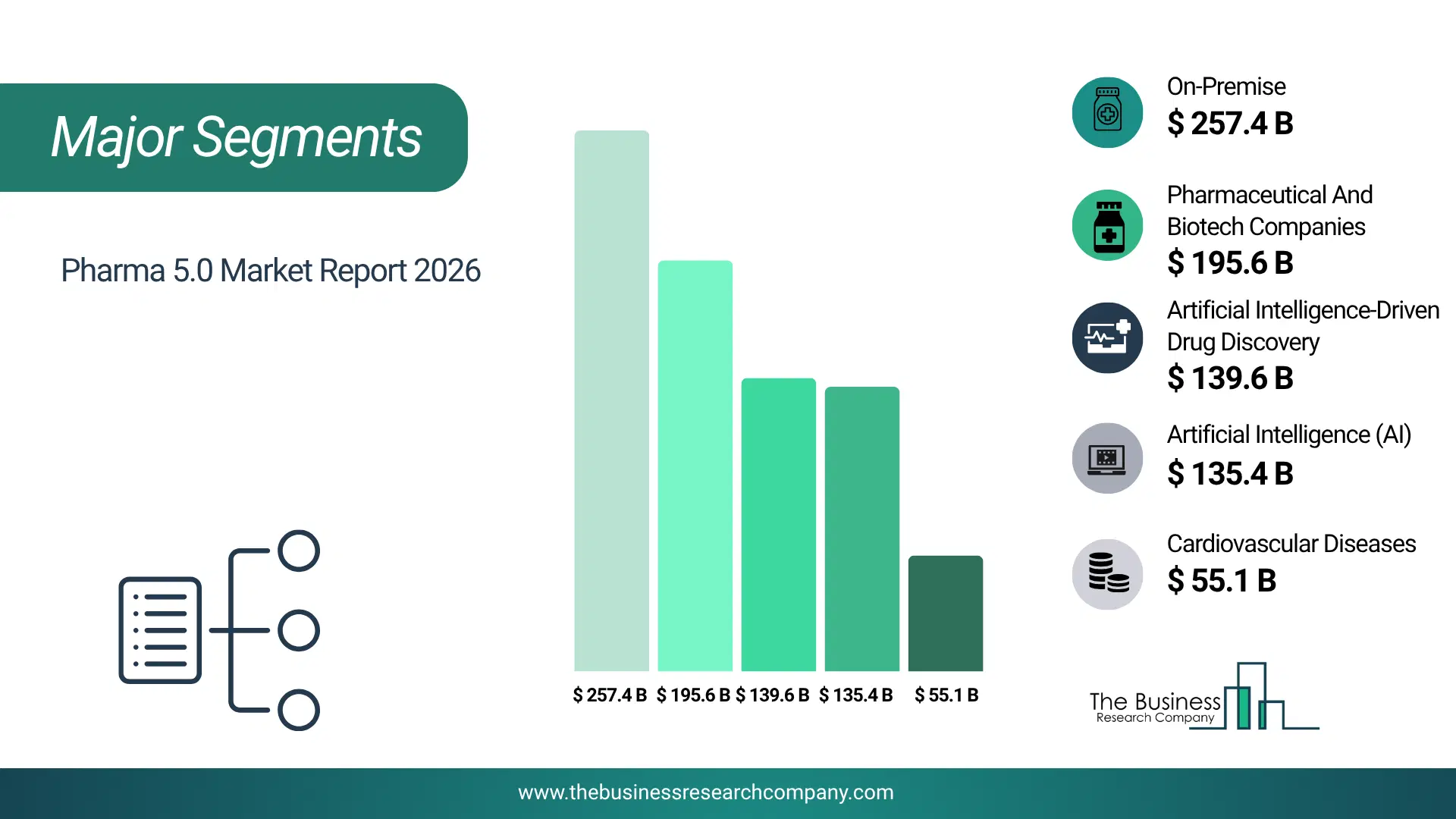
Global Pharma 5.0 Market Segmentation
1) By Type: Personalized Medicine Platforms, Digital Therapeutics, Artificial Intelligence-Driven Drug Discovery, Smart Manufacturing, Artificial Intelligence-Based Diagnostics 2) By Technology: Cloud Computing, Artificial Intelligence (AI), Machine Learning (ML), Internet of Things (IoT), Robotic Process Automation (RPA) 3) By Deployment Mode: On-Premise, Cloud-Based 4) By Therapeutic Area: Cardiovascular Diseases, Oncology, Infectious Diseases, Neurology, Other Therapeutic Areas 5) By End-User: Pharmaceutical And Biotech Companies, Healthcare Providers, Contract Research Organizations (CROs), Research Institutes Subsegments: 1) By Personalized Medicine Platforms: Genomic Sequencing, Biomarker Identification, Pharmacogenomics, Patient Data Integration, Precision Drug Formulation 2) By Digital Therapeutics: Mobile Health Applications, Cognitive Behavioral Therapy (CBT) Tools, Chronic Disease Management Software, Remote Monitoring Devices 3) By Artificial Intelligence-Driven Drug Discovery: Target Identification, Molecule Screening, Predictive Toxicology, Drug Repurposing, Clinical Trial Optimization 4) By Smart Manufacturing (Digital Twins and Automation): Process Automation, Digital Twin Simulation, Predictive Maintenance, Quality Control Systems, Robotics In Manufacturing 5) By Artificial Intelligence-Based Diagnostics: Medical Imaging Analysis, Genomic Data Interpretation, Predictive Risk Modeling, Diagnostic Decision Support Systems The top segments in the pharma 5.0 market will be: • On-Premise will reach $257394.08 Million by 2030. • Pharmaceutical And Biotech Companies will reach $195652.7 Million by 2030. • Cardiovascular Diseases will reach $55126.01 Million by 2030. • Artificial Intelligence-Driven Drug Discovery will reach $139647.43 Million by 2030. • Artificial Intelligence (AI) will reach $135471.43 Million by 2030.What Is The Driver Of The Pharma 5.0 Market?
The surge in digital health technologies is expected to propel the growth of the pharmacy 5.0 market going forward. Digital health technologies refer to a broad range of tools and solutions that use digital platforms, software, and devices to support health care delivery, improve patient outcomes, and enhance the efficiency of health systems. The rise in digital health technologies is due to increasing demand for remote healthcare solutions that provide convenient, real-time access to medical services. Pharma 5.0 helps digital health technologies by enabling seamless integration of AI-driven insights, personalized medicine, and automated processes, which together improve patient monitoring, treatment accuracy, and healthcare delivery efficiency. For instance, in October 2024, according to the Kaiser Family Foundation (KFF), a US-based non-profit health policy organization, telehealth utilization among Medicare beneficiaries showed notable variation across demographics, with 27% of urban residents and 19% of rural residents using telehealth services. By race and ethnicity, usage reached 31% among Asian/Pacific Islander beneficiaries, 30% among Hispanic beneficiaries, 26% among Black beneficiaries, 25% among American Indian/Alaska Native beneficiaries, and 24% among non-Hispanic White beneficiaries, reflecting sustained adoption of digital healthcare solutions. Therefore, the surge in digital health technologies is driving the growth of the pharmacy 5.0 market.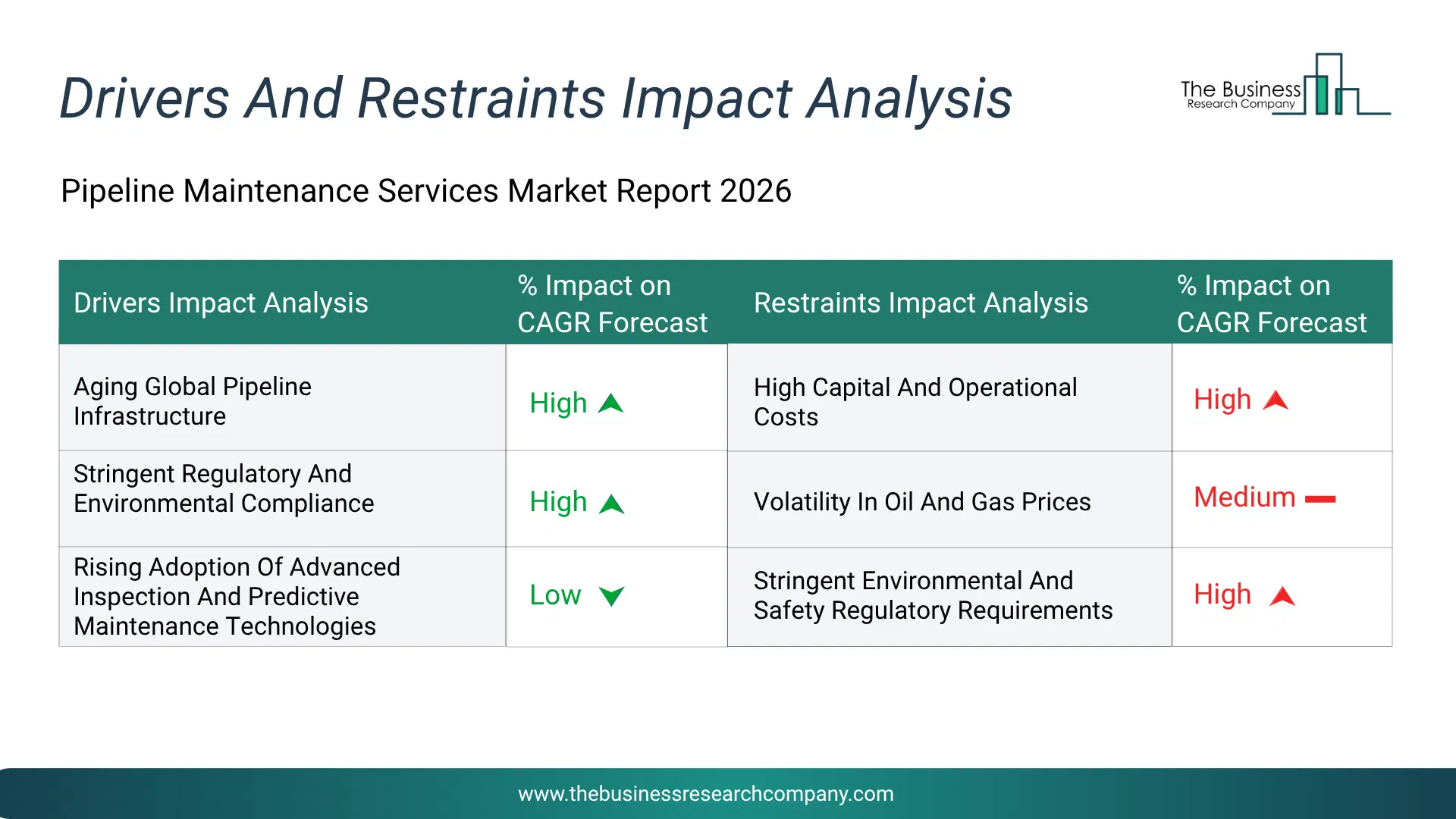
Infographic Chart Showing Key Market Drivers Analysis And Restraints For Pharma 5.0 Market
The chart presents an impact analysis of key drivers and restraints, quantifying their relative influence on the market's growth rate and helping assess the balance between growth enablers and limiting factors. This chart offers a high-level perspective; the full report contains more detailed insights.
How Will The Drivers Impact Growth In The Global Pharma 5.0 Market?
• Adoption Of Human–Machine Collaborative Automation In Pharmaceutical (High) – During the forecast period, the adoption of human-machine collaborative automation in pharmaceutical will become a key driver of growth in the pharma 5.0 market by 2030. as pharmaceutical companies increasingly deploy artificial intelligence tools alongside human expertise to support drug discovery, development and manufacturing activities, the expansion of collaborative automation drives the need for intelligent systems that can augment scientific judgment, streamline workflows and support faster, data-informed decision-making. industry reporting indicates that leading pharmaceutical organizations are rapidly scaling the use of ai-enabled platforms while simultaneously investing in workforce training to ensure humans remain central to model oversight, validation and interpretation, reflecting a broader shift toward human-centric automation rather than full autonomy. as pharmaceutical companies integrate ai capabilities across research, clinical operations and manufacturing environments that rely on close interaction between human expertise and machine intelligence, the implementation of pharma 5.0 frameworks becomes essential to enhance productivity, accelerate development timelines and improve operational outcomes, thereby significantly driving demand for human-machine collaborative solutions during the forecast period. as a result, the adoption of human-machine collaborative automation in pharmaceutical is anticipated to contributing to a 3.0% annual growth in the market. • Growing Focus On Sustainable And Cost-Efficient Drug Development (Medium) – During the forecast period, the growing focus on sustainable and cost-efficient drug development will emerge as a major factor driving the expansion of the pharma 5.0 market by 2030. as pharmaceutical companies increasingly prioritize energy efficiency, emissions reduction and resource optimization across research, development and manufacturing activities, the emphasis on sustainability drives the need for advanced systems and processes that can reduce operational costs while maintaining regulatory compliance and product quality. industry reporting highlights a rising trend among leading pharmaceutical manufacturers to invest in renewable energy infrastructure and low-carbon manufacturing solutions to support long-term cost control and environmental targets, reflecting a broader shift toward sustainable pharmaceutical value chains. as organizations operate more complex global development and manufacturing networks that require both economic efficiency and environmental responsibility, the integration of pharma 5.0 principles becomes essential to optimize operations, improve cost predictability and support sustainable growth, thereby significantly driving demand for sustainable and cost-efficient drug development solutions during the forecast period. consequently, the growing focus on sustainable and cost-efficient drug development is projected to contributing to a 2.0% annual growth in the market. • Increasing Burden Of Chronic Diseases (Medium) – During the forecast period, the increasing burden of chronic diseases will serve as a key growth catalyst for the pharma 5.0 market by 2030. as global populations experience rising prevalence of long-term conditions such as cardiovascular diseases, diabetes, cancer and other non-communicable disorders, the sustained demand for pharmaceutical interventions drives greater focus on advanced drug development and manufacturing systems. evidence from epidemiological research indicates that chronic diseases represent a dominant share of global disease burden, with aging populations and lifestyle-related risk factors contributing to a continuous increase in patient numbers worldwide. as pharmaceutical companies respond to expanding and more complex treatment needs across chronic disease segments, the adoption of pharma 5.0 approaches becomes essential to support scalable, patient-centric development, improve therapeutic effectiveness and optimize operational efficiency, thereby significantly driving demand for advanced pharmaceutical solutions during the forecast period. therefore, this increasing burden of chronic diseases is projected to supporting to a 1.5% annual growth in the market. • Rising Investments In Big Data Analytics And Cloud Computing In Healthcare (Low) – During the forecast period, the rising investments in big data analytics and cloud computing in healthcare will propel the growth of the pharma 5.0 market. As healthcare systems and pharmaceutical organizations increasingly adopt digital platforms to collect, store and analyze large volumes of clinical, operational and real-world health data, the expansion of cloud-based infrastructure and advanced analytics drives the need for intelligent pharmaceutical systems that can process and generate actionable insights at scale. Evidence from international health system assessments indicates that investments in interoperable data platforms, cloud environments and digital health infrastructure are increasing steadily across countries, reflecting a broader shift toward data-driven and digitally enabled healthcare ecosystems. As pharmaceutical companies operate across more data-intensive research, development and manufacturing environments that rely on continuous data integration and analytics, the adoption of pharma 5.0 capabilities becomes essential to support automated insights, optimize decision-making and improve operational efficiency, thereby significantly driving demand for advanced pharmaceutical solutions during the forecast period. therefore, this rising investments in big data analytics and cloud computing in healthcare is projected to supporting to a 1.0% annual growth in the market.How Will The Restraints Impact Growth In The Global Pharma 5.0 Market?
• Impact Of Trade War And Tariff (High) – During the forecast period, the impact of trade war and tariff pressures is restricting the growth of the pharma 5.0 market during the forecast period. many pharmaceutical companies engaged in global operations face increased uncertainty and elevated costs due to ongoing geopolitical tensions, trade disputes and the potential imposition of tariffs on imported raw materials, active pharmaceutical ingredients (apis) and finished products, all of which can raise input prices and disrupt supply chains. from an economic standpoint, these additional costs and regulatory barriers can make it difficult for organizations to justify investment in advanced pharma 5.0 technologies, including digital platforms, ai systems and intelligent manufacturing solutions, particularly when capital budgets are strained by rising operational expenses tied to tariff risk. as a result, many pharmaceutical companies may postpone or scale back their adoption of pharma 5.0 frameworks to manage budgetary and geopolitical pressures, thereby restricting the growth of the pharma 5.0 market. growth affected by impact of trade war and tariffs during the forecast period in 2025 is -0.2%. • Regulatory Uncertainty And Uneven Global Acceptance (Medium) – During the forecast period, regulatory uncertainty and uneven global acceptance are restricting the growth of the pharma 5.0 market during the forecast period. many pharmaceutical companies adopting advanced digital, data-driven and ai-enabled approaches face unclear and inconsistent regulatory requirements across regions, including variations in approval pathways, validation standards and compliance expectations for emerging pharmaceutical technologies. from an operational and compliance standpoint, these regulatory ambiguities can make it difficult for organizations to justify large-scale investments in pharma 5.0 frameworks, particularly when market access, reimbursement and long-term regulatory acceptance remain uncertain across different geographies. as a result, many pharmaceutical companies may delay implementation, limit geographic deployment, or scale back adoption of pharma 5.0 initiatives to manage regulatory risk, thereby restricting the growth of the pharma 5.0 market. growth affected by regulatory uncertainty and uneven global acceptance during the forecast period in 2025 is -2.0%. • Unclear Return On Investment (ROI) (Medium) – During the forecast period, unclear return on investment (roi) is restricting the growth of the pharma 5.0 market during the forecast period. many pharmaceutical companies pursuing pharma 5.0 initiatives face difficulty in clearly quantifying financial returns due to rising drug development complexity, escalating clinical trial costs and long timelines required to realize benefits from advanced digital, data-driven and automation-enabled systems. from a financial standpoint, these uncertainties make it challenging for organizations to justify large upfront investments in pharma 5.0 frameworks, particularly when cost savings and productivity gains are realized gradually and remain dependent on successful clinical and regulatory outcomes. as a result, many pharmaceutical companies may delay, limit, or scale back investments in pharma 5.0 initiatives to manage financial risk and budgetary constraints, thereby restricting the growth of the pharma 5.0 market during the forecast period. growth affected by unclear return on investment (roi) during the forecast period in 2025 is -1.0%.Key Players In The Global Pharma 5.0 Market
Major companies operating in the pharma 5.0 market are Pfizer Incorporated, Johnson & Johnson, Roche Holding AG, Sanofi S.A., Bristol Myers Squibb Company, AstraZeneca Plc, Novartis AG, GSK Plc, Eli Lilly and Company, Ericsson AB, Merck KGaA, Moderna Inc., BioNTech SE, Teva Pharmaceuticals Industries Ltd., Rockwell Automation Inc., Sun Pharmaceutical Industries Ltd., 3D Systems Corporation, XtalPi Inc., Insilico Medicine Inc.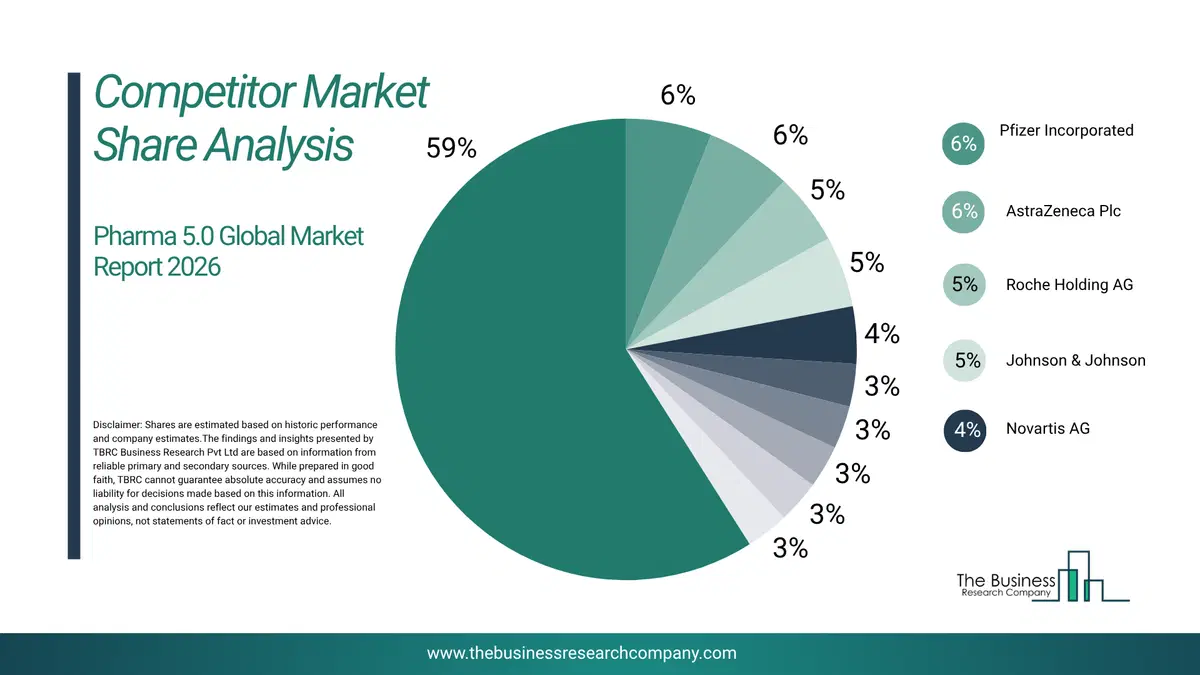
This chart is for illustrative purposes; the full report includes a detailed competitor analysis and comprehensive overview of the top 10 companies in the market.
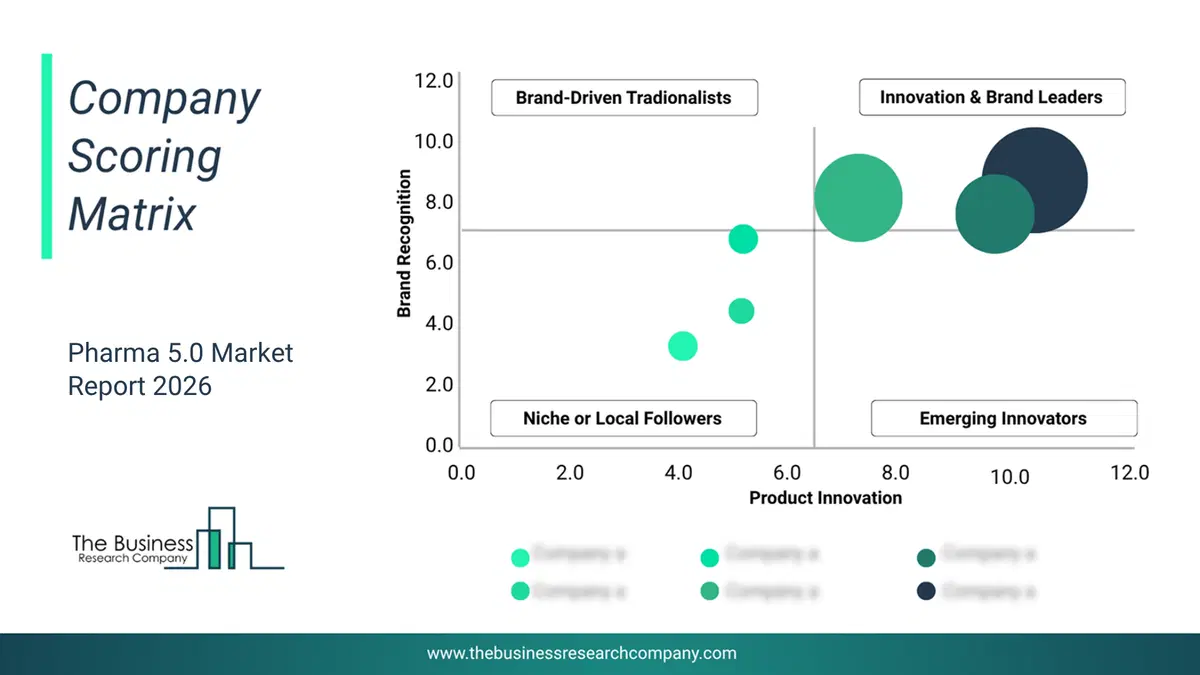
This chart maps companies by product innovation and brand strength, with bubble size indicating relative revenue, helping identify market leaders, challengers, and niche players. This is an illustrative chart; the full report provides a complete and accurate competitive analysis.
Global Pharma 5.0 Market Trends and Insights
Major companies operating in the pharma 5.0 market are focusing on developing advanced solutions, such as generative artificial intelligence (AI) cloud services, to accelerate drug discovery, optimize clinical trials, enhance personalized treatment plans, and improve overall operational efficiency. Generative artificial intelligence (AI) cloud services refer to cloud-based platforms that use AI models to create new content, insights, or solutions by learning patterns from existing data. For instance, in March 2023, NVIDIA Corporation, a US-based technology company, launched BioNeMo Cloud, a revolutionary generative artificial intelligence (AI) platform designed to transform life sciences research and development. The new service was developed in collaboration with leading biotech and pharmaceutical companies, including Amgen and AstraZeneca, to deliver cutting-edge AI models for accelerated drug discovery. BioNeMo Cloud provides researchers with large language models (LLMs) tailored for biomolecular data, enabling rapid prediction of protein structures, molecular interactions, and novel drug candidates.What Are Latest Mergers And Acquisitions In The Pharma 5.0 Market?
In May 2025, AstraZeneca plc, a UK-based pharmaceutical industry company, acquired EsoBiotec BV for an undisclosed amount. With this acquisition, AstraZeneca aims to rapidly advance EsoBiotec’s innovative in vivo cell therapy platform, transform the accessibility and delivery of cell therapies by reducing treatment time from weeks to minutes, and expand the reach of cost-effective, scalable cancer and immune-mediated disease treatments to more patients globally. EsoBiotec BV is a Belgium-based biotechnology company specializing in pioneering AI-based in vivo cell therapies.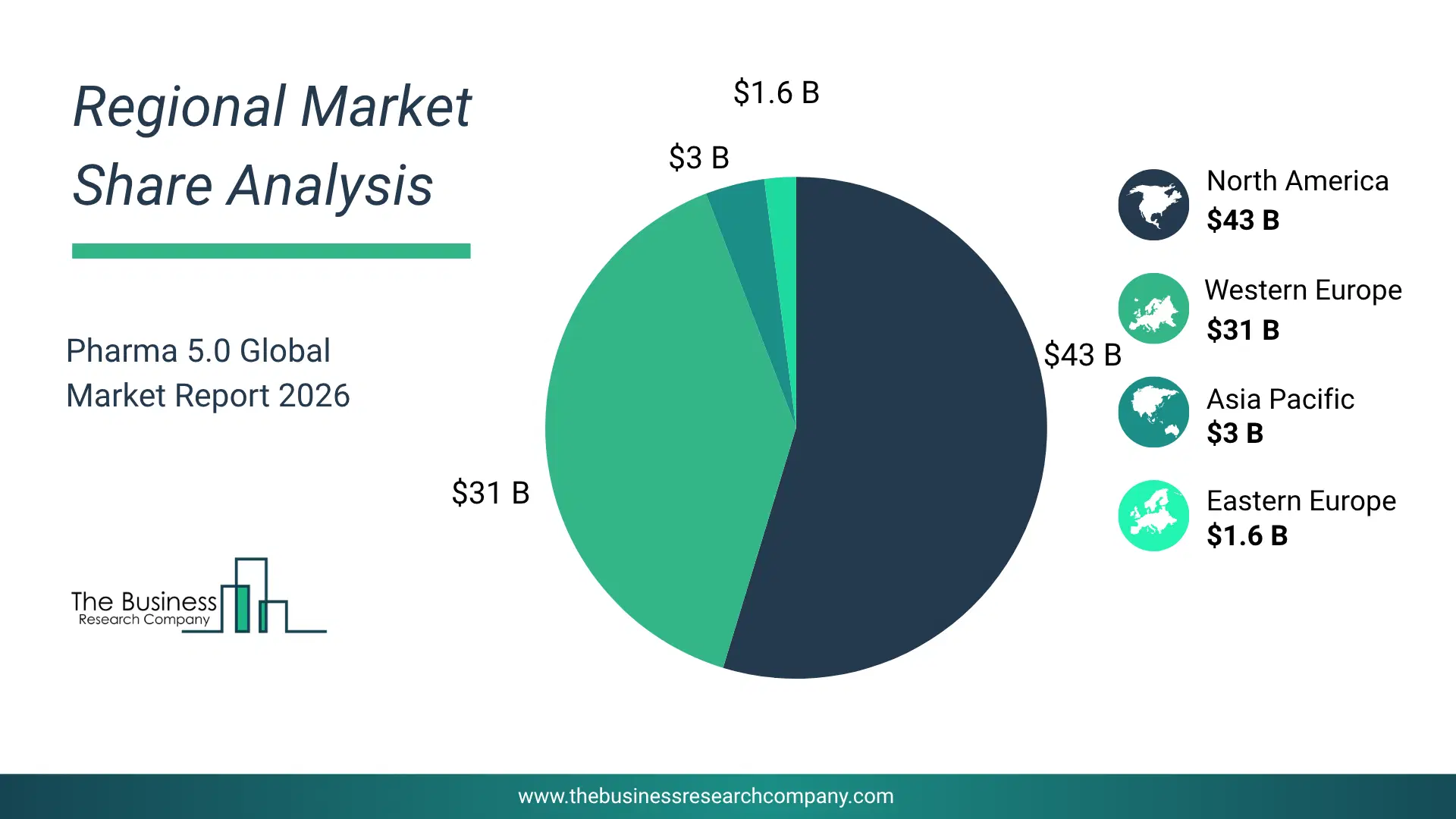
Regional Insights
North America was the largest region in the pharma 5.0 market in 2025. Asia-Pacific is expected to be the fastest-growing region in the forecast period. The regions covered in this market report are Asia-Pacific, South East Asia, Western Europe, Eastern Europe, North America, South America, Middle East, Africa. The countries covered in this market report are Australia, Brazil, China, France, Germany, India, Indonesia, Japan, Taiwan, Russia, South Korea, UK, USA, Canada, Italy, Spain.What Defines the Pharma 5.0 Market?
The pharma 5.0 market consists of revenues earned by entities by providing services such as remote patient monitoring, quality assurance support, pharmacovigilance services, and virtual healthcare services. The market value includes the value of related goods sold by the service provider or included within the service offering. The pharma 5.0 market consists of sales of personalized medicine products, automated manufacturing equipment, and smart wearable devices for patient monitoring. Values in this market are ‘factory gate’ values, that is, the value of goods sold by the manufacturers or creators of the goods, whether to other entities (including downstream manufacturers, wholesalers, distributors, and retailers) or directly to end customers. The value of goods in this market includes related services sold by the creators of the goods.How is Market Value Defined and Measured?
The market value is defined as the revenues that enterprises gain from the sale of goods and/or services within the specified market and geography through sales, grants, or donations in terms of the currency (in USD unless otherwise specified). The revenues for a specified geography are consumption values that are revenues generated by organizations in the specified geography within the market, irrespective of where they are produced. It does not include revenues from resales along the supply chain, either further along the supply chain or as part of other products.
This chart presents market attractiveness based on a quantitative evaluation of growth, competition, strategic alignment, and risk, offering a clear view of opportunity areas for decision-making. This chart is for illustrative purposes; the full report contains the complete analysis.

This chart highlights the Total Addressable Market (TAM) by estimating the maximum revenue opportunity using an assumption-driven approach, supporting strategic planning and opportunity sizing across markets. The chart is illustrative; the full report provides a more comprehensive analysis.
What Key Data and Analysis Are Included in the Pharma 5.0 Market Report 2026?
The pharma 5.0 market research report is one of a series of new reports from The Business Research Company that provides market statistics, including industry global market size, regional shares, competitors with the market share, detailed market segments, market trends and opportunities, and any further data you may need to thrive in the pharma 5.0 industry. The market research report delivers a complete perspective of everything you need, with an in-depth analysis of the current and future state of the industry.Pharma 5.0 Market Report Forecast Analysis
| Report Attribute | Details |
|---|---|
| Market Size Value In 2026 | $83.12 billion |
| Revenue Forecast In 2030 | $104.32 billion |
| Growth Rate | CAGR of 6.1% from 2026 to 2030 |
| Base Year For Estimation | 2025 |
| Actual Estimates/Historical Data | 2020-2025 |
| Forecast Period | 2026 - 2030 - 2035 |
| Market Representation | Revenue in USD Billion and CAGR from 2026 to 2030 |
| Segments Covered | Type, Technology, Deployment Mode, Therapeutic Area, End-User |
| Regional Scope | Asia-Pacific, Western Europe, Eastern Europe, North America, South America, Middle East, Africa |
| Country Scope | The countries covered in the report are Australia, Brazil, China, France, Germany, India, Indonesia, Japan, Taiwan, Russia, South Korea, UK, USA, Canada, Italy, Spain. |
| Key Companies Profiled | Pfizer Incorporated, Johnson & Johnson, Roche Holding AG, Sanofi S.A., Bristol Myers Squibb Company, AstraZeneca Plc, Novartis AG, GSK Plc, Eli Lilly and Company, Ericsson AB, Merck KGaA, Moderna Inc., BioNTech SE, Teva Pharmaceuticals Industries Ltd., Rockwell Automation Inc., Sun Pharmaceutical Industries Ltd., 3D Systems Corporation, XtalPi Inc., Insilico Medicine Inc. |
| Customization Scope | Request for Customization |
| Pricing And Purchase Options | Explore Purchase Options |