
Biosimilar Monoclonal Antibodies Market Report 2026
Global Outlook – By Type (Biopharmaceuticals, Other Types), By Compound (Infliximab, Rituximab, Abciximab, Trastuzumab, Adalimumab, Bevacizumab), By Application (Chronic & Autoimmune Diseases, Oncology, Other Applications) – Market Size, Trends, Strategies, and Forecast to 2030
Biosimilar Monoclonal Antibodies Market Overview
• Biosimilar Monoclonal Antibodies market size has reached to $10.64 billion in 2025 • Expected to grow to $14.58 billion in 2030 at a compound annual growth rate (CAGR) of 6.6% • Growth Driver: Rising Incidence Of Autoimmune Diseases Fuels Growth In The Biosimilar Monoclonal Antibodies Market • Market Trend: Biocon Biologics and Janssen Biotech Enter Agreement to Enhance Access to Trastuzumab Biosimilar • North America was the largest region in 2025.Market Gains By 2030 – Top Opportunities By Segment
Market Gain identifies the most promising market opportunities by highlighting the segments or products expected to generate the highest incremental revenue growth over the next five years.
What Is Covered Under Biosimilar Monoclonal Antibodies Market?
Biosimilar monoclonal antibodies refer to a member of the family of biosimilars. Large, intricate proteins are typically given as part of the treatment for conditions like cancer or rheumatoid arthritis. They are employed by the immune system to recognize and destroy foreign substances, including bacteria, viruses, and others. The main types of biosimilar monoclonal antibodies are synthetic chemicals, biopharmaceuticals, and others. Any pharmaceutical drug product made from, derived from, or semi-synthesized from biological sources is known as a ‘biopharmaceutical’, sometimes known as a ‘biologic medical product’, or ‘biologic’. The different compounds include infliximab, rituximab, abciximab, trastuzumab, adalimumab, and bevacizumab and are used in various applications such as chronic and autoimmune diseases, oncology, and others.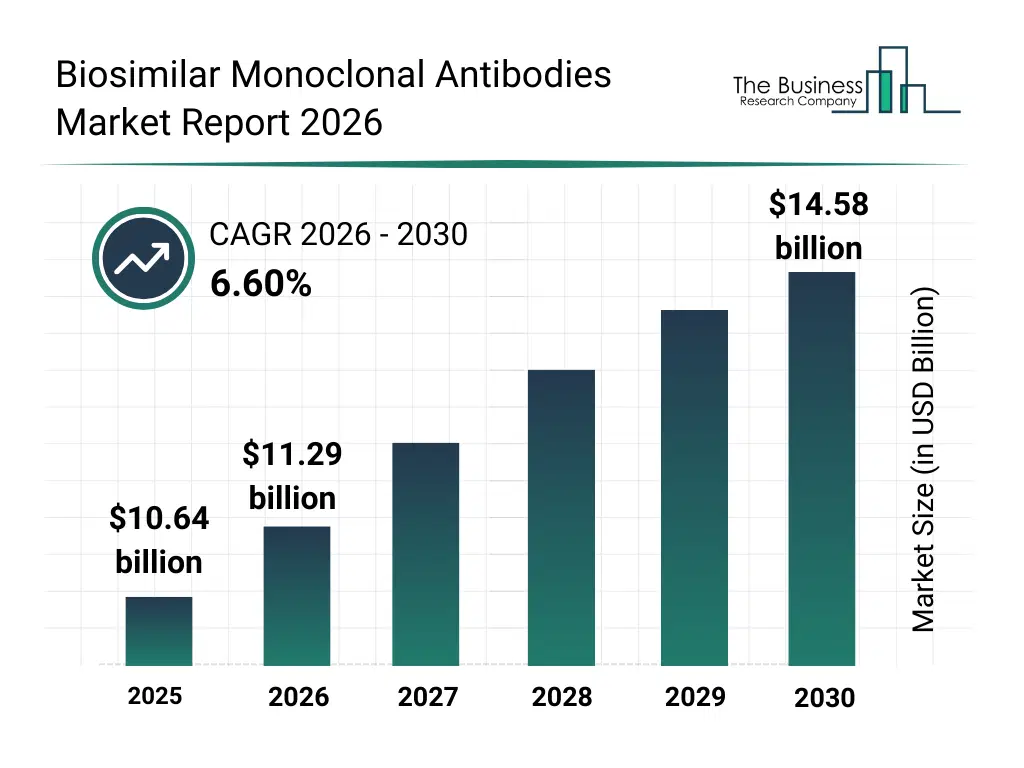
What Is The Biosimilar Monoclonal Antibodies Market Size and Share 2026?
The biosimilar monoclonal antibodies market size has grown strongly in recent years. It will grow from $10.64 billion in 2025 to $11.29 billion in 2026 at a compound annual growth rate (CAGR) of 6.2%. The growth in the historic period can be attributed to high cost of originator biologics, growing burden of chronic and autoimmune diseases, patent expirations of blockbuster monoclonal antibodies, increasing healthcare expenditure, gradual regulatory clarity for biosimilars.What Is The Biosimilar Monoclonal Antibodies Market Growth Forecast?
The biosimilar monoclonal antibodies market size is expected to see strong growth in the next few years. It will grow to $14.58 billion in 2030 at a compound annual growth rate (CAGR) of 6.6%. The growth in the forecast period can be attributed to expansion of biosimilar pipelines, rising demand for affordable biologic treatments, increasing approvals in emerging markets, advancements in biopharmaceutical manufacturing, supportive government policies for biosimilar adoption. Major trends in the forecast period include rising adoption of cost-effective biosimilar monoclonal antibodies, increasing use of biosimilars in oncology and autoimmune disorders, growing physician and patient acceptance of biosimilars, expansion of regulatory approvals across global markets, increased focus on improving access to biologic therapies.
Global Biosimilar Monoclonal Antibodies Market Segmentation
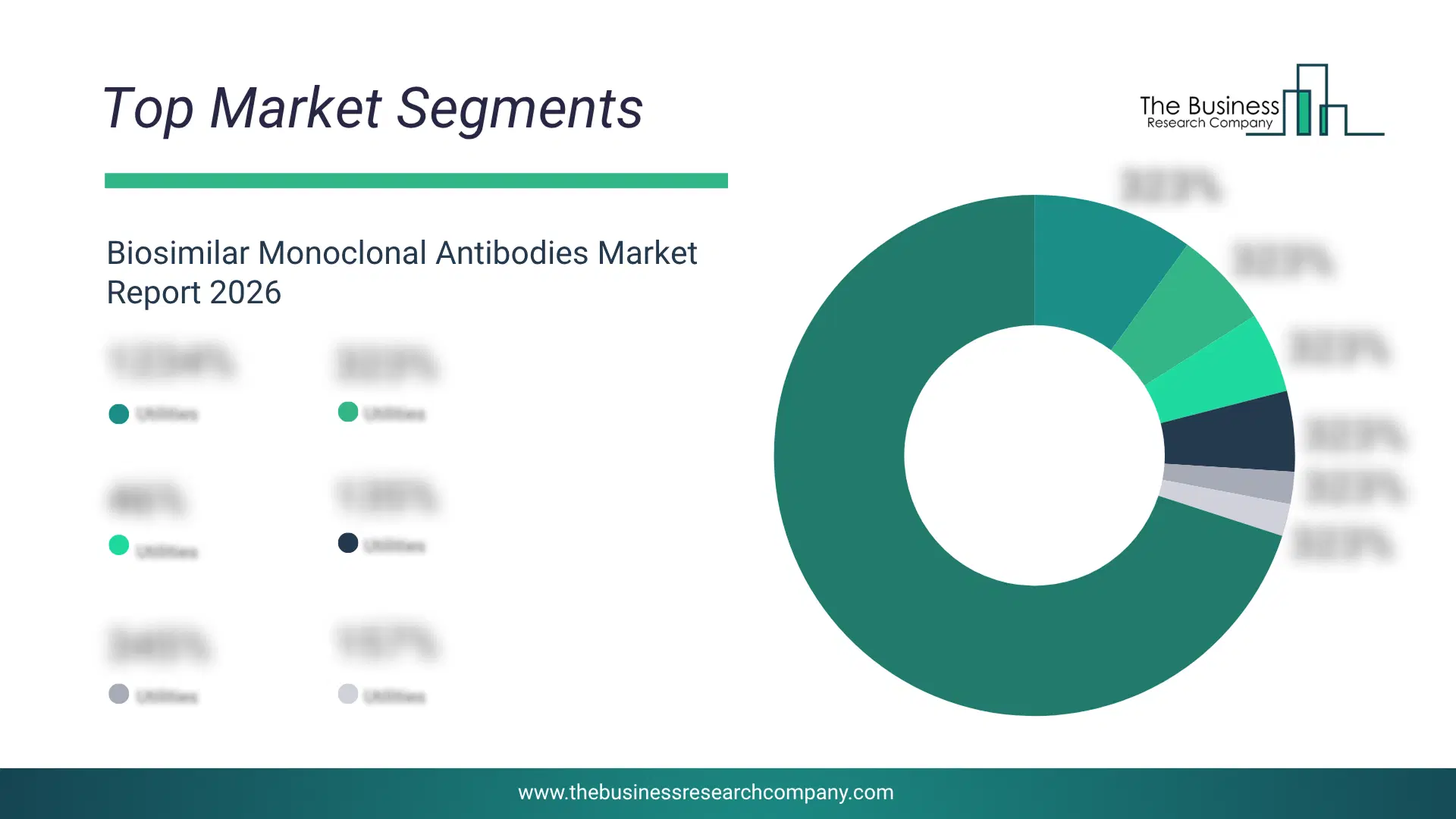
1) By Type: Biopharmaceuticals, Other Types 2) By Compound: Infliximab, Rituximab, Abciximab, Trastuzumab, Adalimumab, Bevacizumab 3) By Application: Chronic & Autoimmune Diseases, Oncology, Other Applications Subsegments: 1) By Biopharmaceuticals: Monoclonal Antibodies, Recombinant Proteins, Vaccines, Other Biopharmaceuticals 2) By Other Types: Antibody-Drug Conjugates, Fusion Proteins, Biosimilars Of Other Biologics The top segments in the bispecific monoclonal antibodies market will be: • Hemlibra will reach $39.62 Billion by 2030. • Other Drugs will reach $9.01 Billion by 2030. • BLINCYTO will reach $4.04 Billion by 2030.What Is The Driver Of The Biosimilar Monoclonal Antibodies Market?
The rising incidence of autoimmune diseases is expected to propel the growth of the biosimilar monoclonal antibodies market going forward. Autoimmune diseases are a group of disorders in which the immune system mistakenly targets and attacks the body's tissues and organs. The rise in autoimmune diseases is primarily driven by increased environmental triggers, such as pollution and chemicals, which can disrupt immune system balance and promote abnormal immune responses. Biosimilar monoclonal antibodies help address the rising incidence of autoimmune diseases by providing affordable, effective, and widely accessible targeted therapies that manage overactive immune responses in affected patients. For instance, in February 2024 according to the Arthritis Australia is a Australia-based non-profit organization In 2025, an estimated 212,136 males and 362,137 females are projected to have rheumatoid arthritis (RA), with the numbers expected to rise by 2040 to approximately 280,040 males and 479,828 females. Therefore, the rising incidence of autoimmune diseases is driving the growth of the biosimilar monoclonal antibodies industry.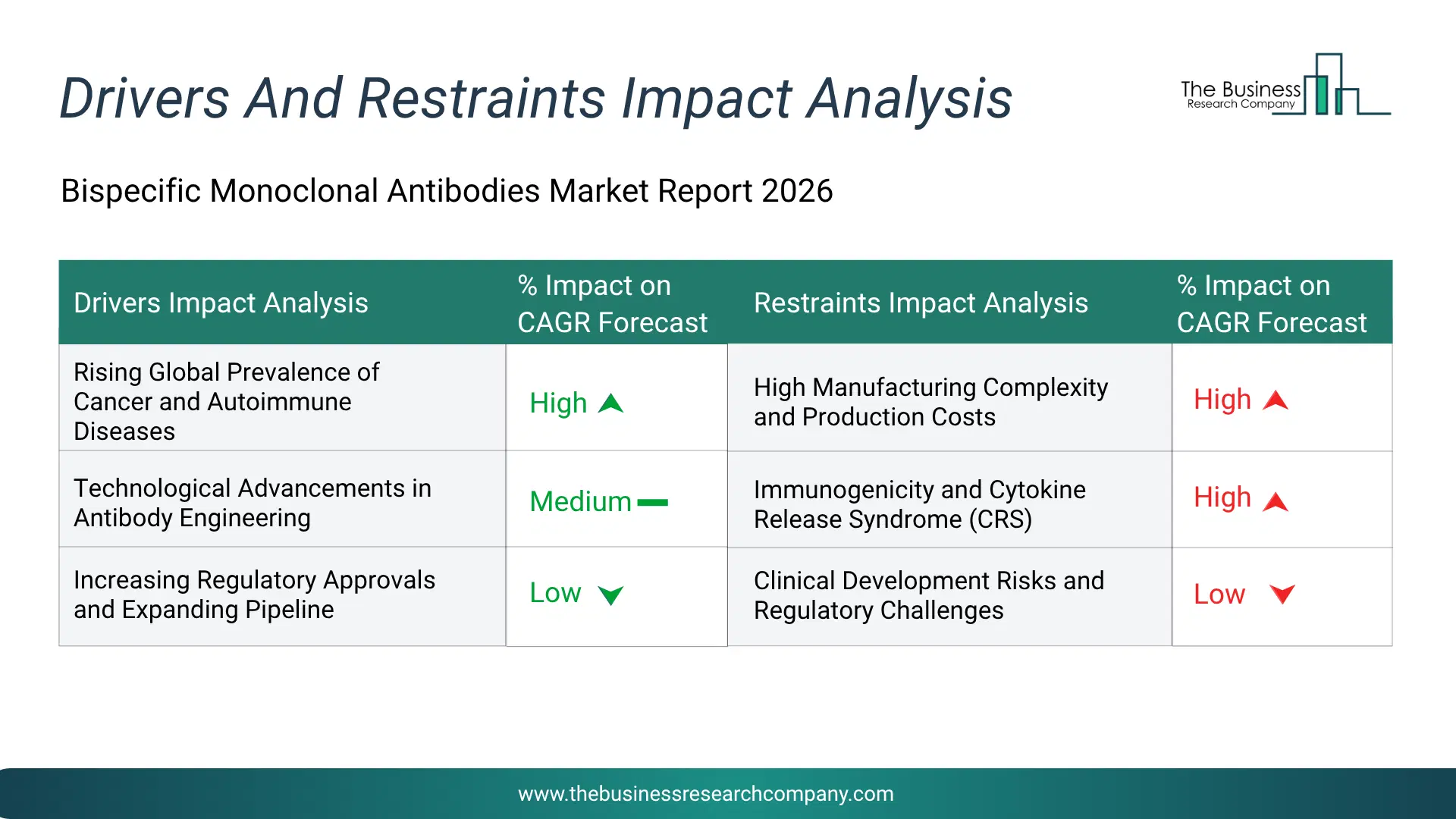
Infographic Chart Showing Key Market Drivers Analysis And Restraints For Biosimilar Monoclonal Antibodies Market
The chart presents an impact analysis of key drivers and restraints, quantifying their relative influence on the market's growth rate and helping assess the balance between growth enablers and limiting factors. This chart offers a high-level perspective; the full report contains more detailed insights.
How Will The Drivers Impact Growth In The Global Bispecific Monoclonal Antibodies Market?
• Rising Global Prevalence of Cancer and Autoimmune Diseases (High) – During the forecast period, the rising global prevalence of cancer and autoimmune diseases is expected to become a key growth driver for the bispecific monoclonal antibodies market by 2030. Increasing incidence of complex chronic disorders is creating strong demand for highly targeted biologic therapies capable of addressing multiple disease pathways simultaneously. Bispecific monoclonal antibodies offer enhanced therapeutic precision by binding to two distinct targets, improving treatment effectiveness in conditions with limited conventional treatment options. Healthcare systems and pharmaceutical developers are therefore expanding focus on advanced biologics to support long-term disease management outcomes. This growing clinical demand is reinforcing steady market expansion. • Technological Advancements in Antibody Engineering (Medium) – During the forecast period, the technological advancements in antibody engineering are expected to emerge as a major factor driving the expansion of the bispecific monoclonal antibodies market by 2030. Continuous progress in antibody discovery platforms, molecular design capabilities, and protein engineering technologies is enabling development of more stable and effective bispecific therapeutics. Advanced engineering approaches are improving target specificity, reducing manufacturing complexities, and enhancing therapeutic performance across multiple disease indications. Research institutions and biopharmaceutical companies are further accelerating innovation efforts to strengthen next-generation antibody development capabilities. • Increasing Regulatory Approvals and Expanding Pipeline (Low) – During the forecast period, the increasing regulatory approvals and expanding pipeline are expected to act as a key growth catalyst for the bispecific monoclonal antibodies market by 2030. Growing clinical success and broader regulatory acceptance are encouraging pharmaceutical companies to strengthen development programs for novel bispecific therapies. Expanding clinical pipelines across oncology, hematology, and immunology applications are increasing commercialization opportunities and supporting long-term market penetration. Strategic investments in late-stage clinical development are also accelerating product availability across major healthcare markets.How Will The Restraints Impact Growth In The Global Bispecific Monoclonal Antibodies Market?
• High Manufacturing Complexity and Production Costs (High) – During the forecast period, the bispecific antibodies are structurally more complex than conventional monoclonal antibodies, requiring sophisticated engineering to ensure correct folding, stability, and dual target specificity. Such high complexity in manufacturing requires more advanced purification techniques, resulting in higher production costs. Maintaining batch consistency and meeting stringent regulatory quality standards adds further time and expense. These elevated costs constrain the ability of smaller biotechnology companies to develop and commercialize bispecific mAbs, effectively reducing competitive diversity in the market. The process of producing bispecific antibodies involves very advanced biotech technology, making the production cost high, with clinical trials alone exceeding USD 1 billion. The production cost is a barrier to accessibility, especially in developing nations. As a result, cost-driven access barriers limit global market penetration and slow the volume-based revenue potential that wider patient access could otherwise generate. • Immunogenicity and Cytokine Release Syndrome (CRS) (Medium) – During the forecast period, the concerns about potential toxicity and immunogenicity may affect the development and acceptance of bispecific antibodies and hinder market growth. Unlike conventional mAbs, bispecific molecules engage the immune system through dual mechanisms, which can trigger more complex and unpredictable adverse events in patients. Challenges such as immunogenicity, off-target effects, and cytokine release syndrome (CRS), especially in patients receiving T-cell-targeting BsAbs, may influence patient outcomes, with up to 30% of patients experiencing CRS. These safety concerns necessitate extensive risk mitigation protocols, specialized clinical monitoring, and post-market surveillance, which add regulatory burden, increase costs, and reduce the overall attractiveness of bispecific mAbs compared to better-established therapeutic alternatives. Clinical translation challenges, including issues with toxicity, immunogenicity, and suboptimal efficacy in late-stage trials, could lead to costly delays or even program cancellations. • Clinical Development Risks and Regulatory Challenges (Low) – During the forecast period, the bispecific antibody therapies often involve complex clinical evaluation processes due to safety considerations, efficacy validation requirements, and immunogenicity assessments. Lengthy clinical development timelines and evolving regulatory expectations may delay product approvals. Such uncertainties can create commercialization risks and affect market growth momentum during the forecast period.Key Players In The Global Biosimilar Monoclonal Antibodies Market
Major companies operating in the biosimilar monoclonal antibodies market are Pfizer Inc., Novartis AG, AbbVie Inc., Coherus BioSciences, Biocon Limited, Amgen Inc., Boehringer Ingelheim International GmbH, Celltrion Inc., BioXpress Therapeutics SA, Intas Pharmaceuticals Limited, Genor BioPharma Co. Ltd., BIOCAD, Dr. Reddy's Laboratories Ltd., 3SBio Inc., Reliance Life Sciences, Hisun Pharmaceuticals, Celgen Biopharmaceuticals, Torrent Pharmaceuticals Ltd., Cadila Healthcare Ltd., Shanghai Henlius Biotech Inc., Teva Pharmaceutical Industries Ltd., Alvotech, Xentria Inc., Lazuline Biotech Private Limited, Epygen Biotech Pvt Ltd., Mabpharm Limited, Qilu Pharmaceutical Co. Ltd., Chiatai Tianqing Pharmaceutical Group Co. Ltd., YL Biologics Ltd., Aprogen Biologics, UNDBIO Co Ltd., Samsung Bioepis Co. Ltd., ISU Abxis Corp., Bio-Rad Laboratories Inc.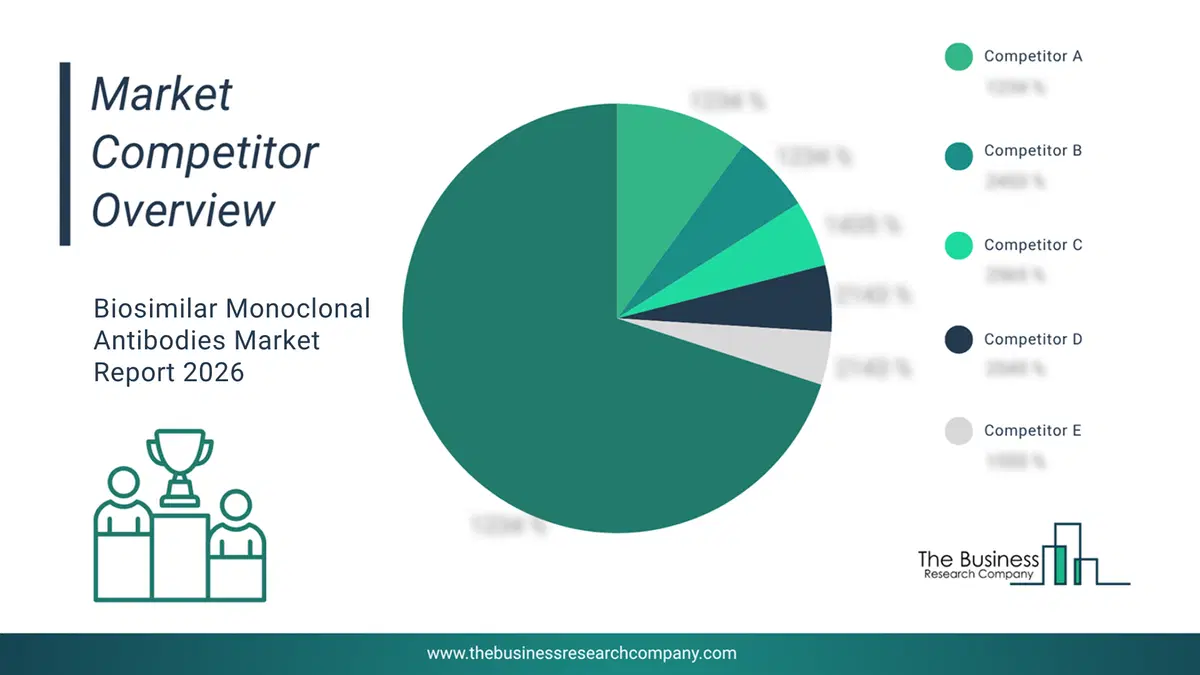
This chart is for illustrative purposes; the full report includes a detailed competitor analysis and comprehensive overview of the top 10 companies in the market.
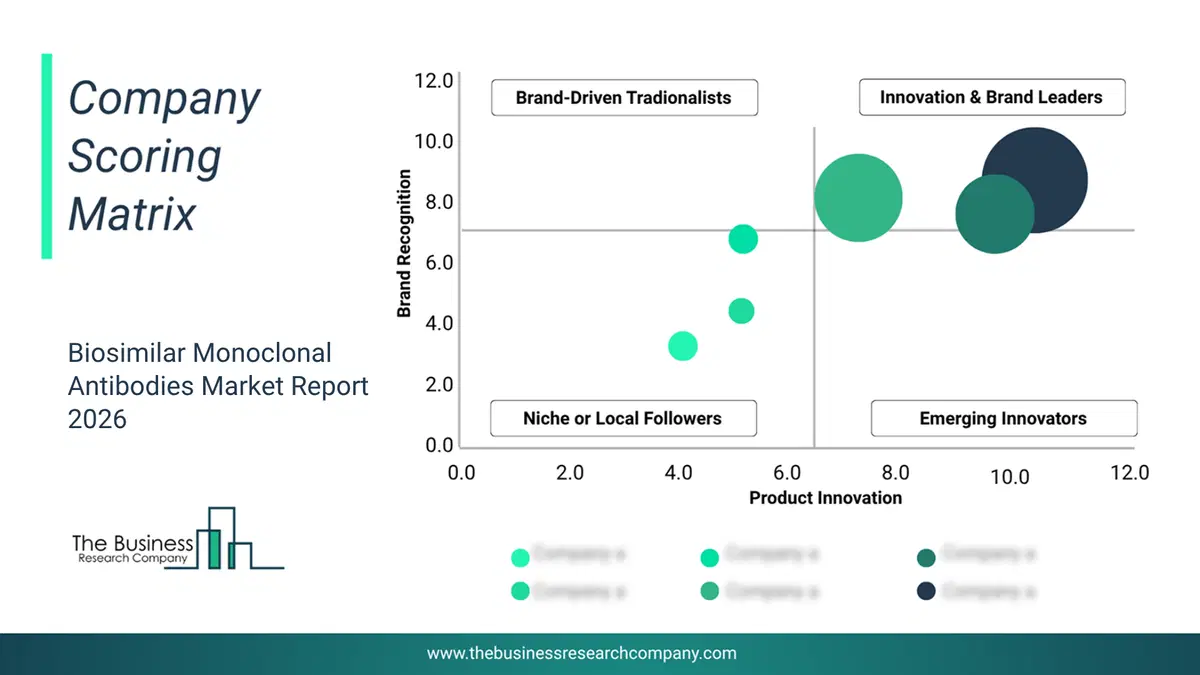
This chart maps companies by product innovation and brand strength, with bubble size indicating relative revenue, helping identify market leaders, challengers, and niche players. This is an illustrative chart; the full report provides a complete and accurate competitive analysis.
Global Biosimilar Monoclonal Antibodies Market Trends and Insights
Major companies in the biosimilar monoclonal antibody market are developing biosimilar versions of the monoclonal antibody to offer cost-effective alternatives to original monoclonal antibody therapies, improving access and affordability in healthcare. Intravenous formulation refers to a preparation of the antibody designed to be administered directly into the bloodstream through a vein for rapid therapeutic effect. For instance, in May 2024, Bio-Thera Solutions, a China-based biopharmaceutical company, and Biogen Inc., a US-based biopharmaceutical company launched TOFIDENCE (tocilizumab-bavi) in an intravenous formulation in the United States. The U.S. Food and Drug Administration approved TOFIDENCE in September 2023 for treating moderately to severely active rheumatoid arthritis, polyarticular juvenile idiopathic arthritis, and systemic juvenile idiopathic arthritis. At launch, TOFIDENCE is available in three vial sizes 80 mg/4 mL, 200 mg/10 mL, and 400 mg/20 mL for intravenous infusion, with subcutaneous formulations planned for future release.What Are Latest Mergers And Acquisitions In The Biosimilar Monoclonal Antibodies Market?
In October 2025, Ipca Laboratories Limited, an India-based pharmaceutical company, partnered with BioSimilar Sciences PR LLC to develop and for US based manufacturing of next-generation biosimilars, including anti-cancer and anti-inflammatory monoclonal antibodies. With this partnership, Ipca and BSS aim to leverage their respective scientific and manufacturing strengths, combining Ipca’s expertise in biosimilar development with BSS’s 200,000-square-foot sterile facility in Aguadilla, Puerto Rico, to accelerate clinical manufacturing, streamline production timelines, and enhance global access to affordable biologics. BioSimilar Sciences PR LLC is a US-based biotechnology company specializing in advanced biologics manufacturing and regulatory-compliant sterile filling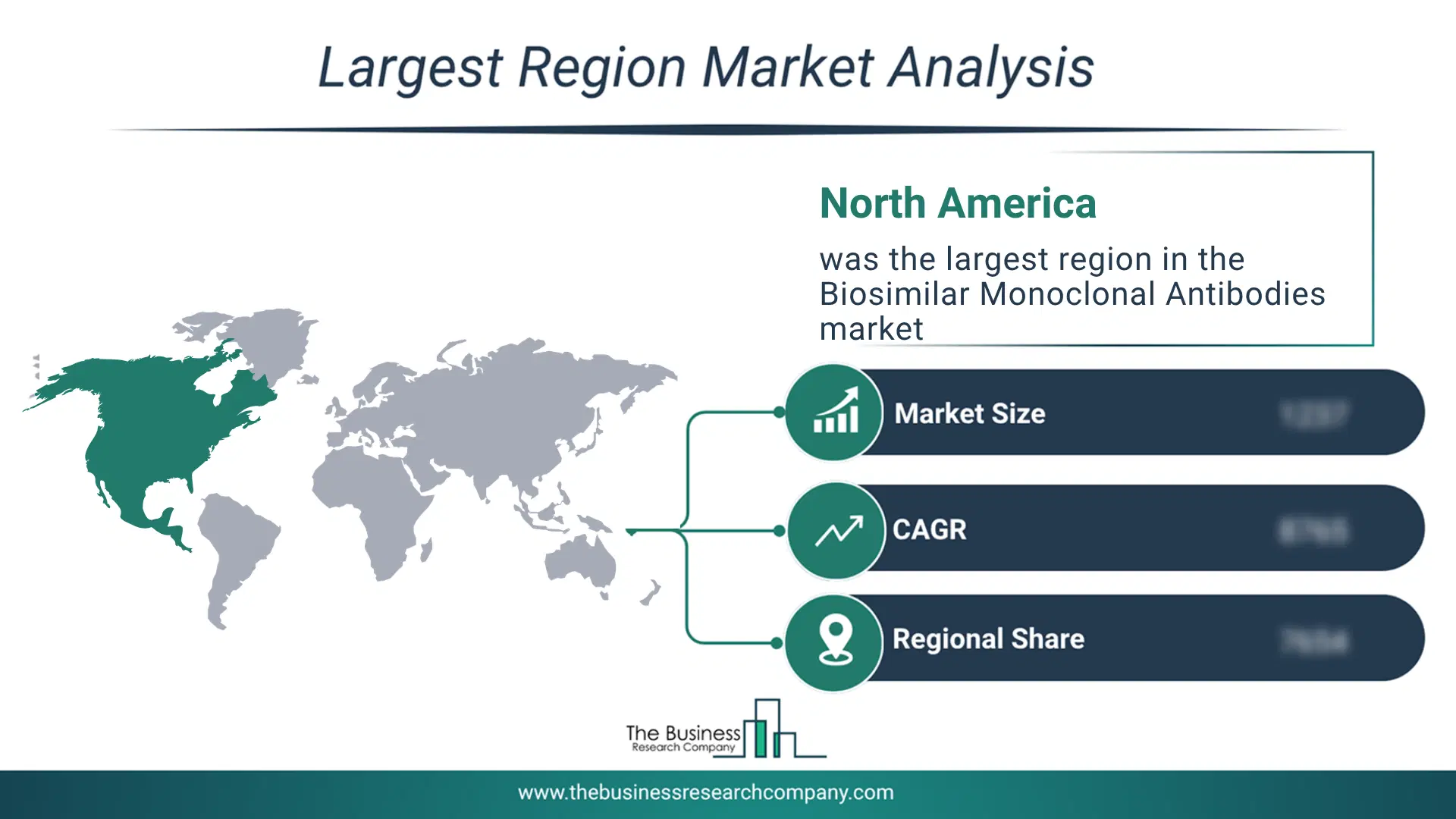
Regional Insights
North America was the largest region in the biosimilar monoclonal antibodies market in 2025. The regions covered in this market report are Asia-Pacific, South East Asia, Western Europe, Eastern Europe, North America, South America, Middle East, Africa. The countries covered in this market report are Australia, Brazil, China, France, Germany, India, Indonesia, Japan, Taiwan, Russia, South Korea, UK, USA, Canada, Italy, Spain.What Defines the Biosimilar Monoclonal Antibodies Market?
The biosimilar monoclonal antibodies market consists of sales of Blitzima, Ritemvia, Rituzena, and Truxima. Values in this market are """"factory gate values,"""" that is the value of goods sold by the manufacturers or creators of the goods, whether to other entities (including downstream manufacturers, wholesalers, distributors, and retailers) or directly to end customers. The value of goods in this market includes related services sold by the creators of the goods.How is Market Value Defined and Measured?
The market value is defined as the revenues that enterprises gain from the sale of goods and/or services within the specified market and geography through sales, grants, or donations in terms of the currency (in USD unless otherwise specified). The revenues for a specified geography are consumption values that are revenues generated by organizations in the specified geography within the market, irrespective of where they are produced. It does not include revenues from resales along the supply chain, either further along the supply chain or as part of other products.
This chart presents market attractiveness based on a quantitative evaluation of growth, competition, strategic alignment, and risk, offering a clear view of opportunity areas for decision-making. This chart is for illustrative purposes; the full report contains the complete analysis.

This chart highlights the Total Addressable Market (TAM) by estimating the maximum revenue opportunity using an assumption-driven approach, supporting strategic planning and opportunity sizing across markets. The chart is illustrative; the full report provides a more comprehensive analysis.
What Key Data and Analysis Are Included in the Biosimilar Monoclonal Antibodies Market Report 2026?
The biosimilar monoclonal antibodies market research report is one of a series of new reports from The Business Research Company that provides market statistics, including industry global market size, regional shares, competitors with the market share, detailed market segments, market trends and opportunities, and any further data you may need to thrive in the biosimilar monoclonal antibodies industry. The market research report delivers a complete perspective of everything you need, with an in-depth analysis of the current and future state of the industry.Biosimilar Monoclonal Antibodies Market Report Forecast Analysis
| Report Attribute | Details |
|---|---|
| Market Size Value In 2026 | $11.29 billion |
| Revenue Forecast In 2030 | $14.58 billion |
| Growth Rate | CAGR of 6.2% from 2026 to 2030 |
| Base Year For Estimation | 2025 |
| Actual Estimates/Historical Data | 2020-2025 |
| Forecast Period | 2026 - 2030 |
| Market Representation | Revenue in USD Billion and CAGR from 2026 to 2030 |
| Segments Covered | Type, Compound, Application |
| Regional Scope | Asia-Pacific, Western Europe, Eastern Europe, North America, South America, Middle East, Africa |
| Country Scope | The countries covered in the report are Australia, Brazil, China, France, Germany, India, Indonesia, Japan, Taiwan, Russia, South Korea, UK, USA, Canada, Italy, Spain. |
| Key Companies Profiled | Pfizer Inc., Novartis AG, AbbVie Inc., Coherus BioSciences, Biocon Limited, Amgen Inc., Boehringer Ingelheim International GmbH, Celltrion Inc., BioXpress Therapeutics SA, Intas Pharmaceuticals Limited, Genor BioPharma Co. Ltd., BIOCAD, Dr. Reddy's Laboratories Ltd., 3SBio Inc., Reliance Life Sciences, Hisun Pharmaceuticals, Celgen Biopharmaceuticals, Torrent Pharmaceuticals Ltd., Cadila Healthcare Ltd., Shanghai Henlius Biotech Inc., Teva Pharmaceutical Industries Ltd., Alvotech, Xentria Inc., Lazuline Biotech Private Limited, Epygen Biotech Pvt Ltd., Mabpharm Limited, Qilu Pharmaceutical Co. Ltd., Chiatai Tianqing Pharmaceutical Group Co. Ltd., YL Biologics Ltd., Aprogen Biologics, UNDBIO Co Ltd., Samsung Bioepis Co. Ltd., ISU Abxis Corp., Bio-Rad Laboratories Inc. |
| Customization Scope | Request for Customization |
| Pricing And Purchase Options | Explore Purchase Options |