
HER2 Inhibitors Market Report 2026
Global Outlook – By Treatment (Monotherapy, Combination Therapy), By Application (Squamous Cell Carcinoma, Adenocarcinoma, Large Cell Carcinoma, Breast Cancer, Other Applications), By End User (Hospitals, Clinics, Other End Users) – Market Size, Trends, Strategies, and Forecast to 2030
HER2 Inhibitors Market Overview
• HER2 Inhibitors market size has reached to $9.64 billion in 2025 • Expected to grow to $14.85 billion in 2030 at a compound annual growth rate (CAGR) of 8.8% • Growth Driver: Government Initiatives To Improve Breast Cancer Care And Treatment Boost Her2 Inhibitors Market • Market Trend: Increasing Focus On Developing Treatment Forpre-Treated Hr+/Her2- Metastatic Breast Cancerto Gain A Competitive Edge • North America was the largest region in 2025 and Middle East is the fastest growing region.Market Gains By 2030 – Top Opportunities By Segment
Market Gain identifies the most promising market opportunities by highlighting the segments or products expected to generate the highest incremental revenue growth over the next five years.
What Is Covered Under HER2 Inhibitors Market?
HER2 inhibitors refer to a group of drugs used to treat certain HER2-low breast malignancies as well as all stages of HER2-positive breast cancer, from early-stage to metastatic. Anti-HER2 drugs bind to the HER2 receptor proteins on the surface of breast cancer cells, and they function by preventing the HER2 receptors in HER2-positive breast cancer from receiving growth impulses. The main types of treatments for the HER2 inhibitors market are monotherapy and combination therapy. Monotherapy refers to the use of a single medicine to treat a specific condition or disease. The different applications include squamous cell carcinoma, adenocarcinoma, large cell carcinoma, breast cancer, and others and involve several sectors such as hospitals, clinics, and others.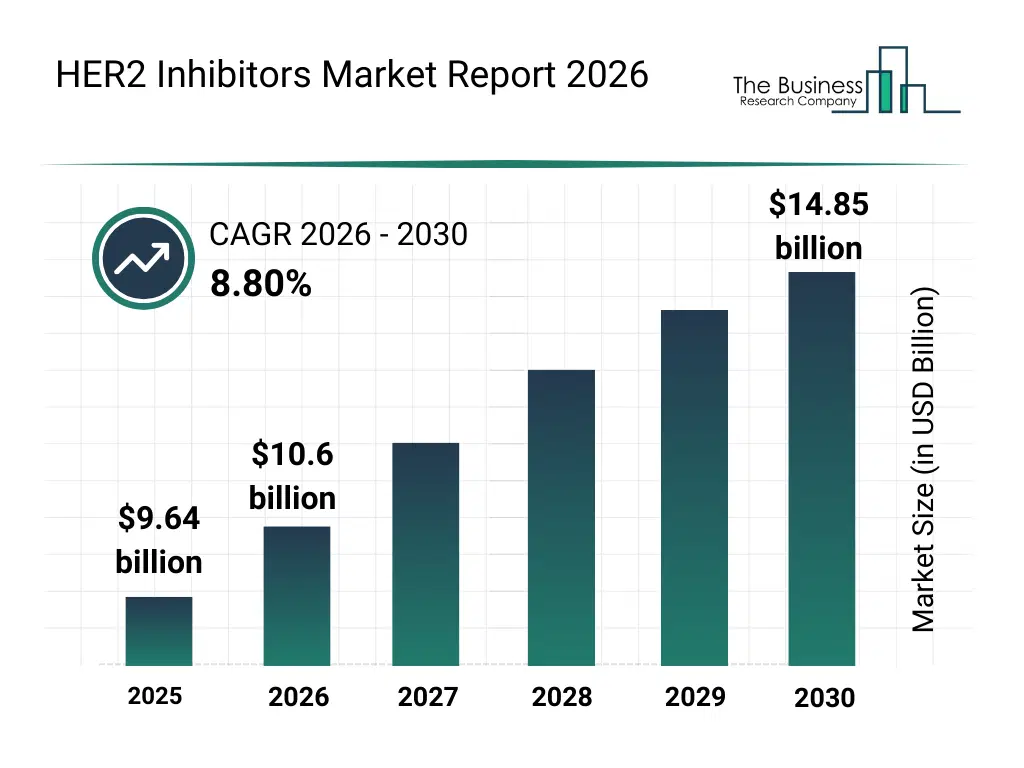
What Is The HER2 Inhibitors Market Size and Share 2026?
The her2 inhibitors market size has grown strongly in recent years. It will grow from $9.64 billion in 2025 to $10.6 billion in 2026 at a compound annual growth rate (CAGR) of 9.9%. The growth in the historic period can be attributed to approval of first her2-targeted therapies, rising breast cancer incidence, improved her2 diagnostic testing, strong clinical trial outcomes, adoption of targeted oncology treatments.What Is The HER2 Inhibitors Market Growth Forecast?
The her2 inhibitors market size is expected to see strong growth in the next few years. It will grow to $14.85 billion in 2030 at a compound annual growth rate (CAGR) of 8.8%. The growth in the forecast period can be attributed to growth in her2-low patient identification, pipeline expansion of novel her2 inhibitors, increasing use of combination regimens, expansion into metastatic and adjuvant settings, rising oncology healthcare spending. Major trends in the forecast period include expansion of her2-targeted combination therapies, rising adoption of her2 inhibitors in early-stage cancer, increased focus on her2-low breast cancer treatment, development of next-generation antibody drug conjugates, improved patient stratification and biomarker testing.
Global HER2 Inhibitors Market Segmentation
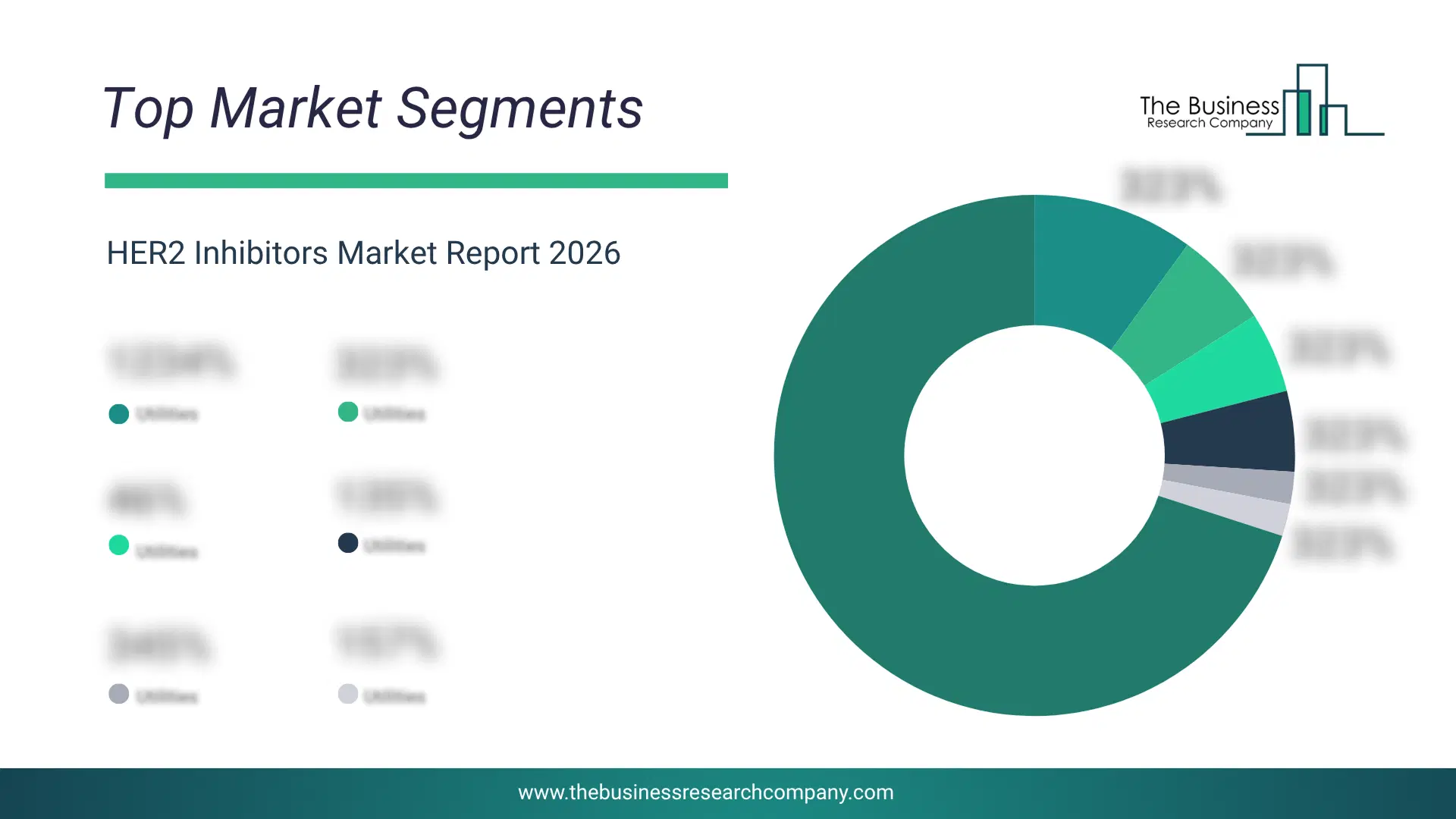
1) By Treatment: Monotherapy, Combination Therapy 2) By Application: Squamous Cell Carcinoma, Adenocarcinoma, Large Cell Carcinoma, Breast Cancer, Other Applications 3) By End User: Hospitals, Clinics, Other End Users Subsegments: 1) By Monotherapy: Single-Agent HER2 Inhibitors, Targeted HER2 Therapies 2) By Combination Therapy: HER2 Inhibitors Combined With Chemotherapy, HER2 Inhibitors Combined With Targeted Therapies, HER2 Inhibitors Combined With Hormonal Therapies The top segments in the her2 inhibitors market will be: • Combination Therapy will reach $12.39 Billion by 2030. • Monotherapy will reach $11.52 Billion by 2030.What Is The Driver Of The HER2 Inhibitors Market?
The government's initiatives to improve breast cancer care and treatment are expected to propel the growth of the HER2 inhibitors market going forward. Government initiatives aimed at enhancing breast cancer care and treatment involve policies, funding, and programs implemented by the government to improve the accessibility, affordability, and quality of care for individuals diagnosed with breast cancer. Government initiatives have enhanced access to HER2 inhibitors, a breast cancer treatment, through subsidized programs and research funding, advancing care and outcomes for patients. For instance, in February 2023, according to the World Health Organization, a Switzerland-based intergovernmental organization, The World Health Organization (WHO) released a new Global Breast Cancer Initiative Framework today providing a roadmap to attain the targets to save 2.5 million lives from breast cancer by 2040. Therefore, government initiatives to improve breast cancer care and treatment are driving the growth of the HER2 inhibitors industry.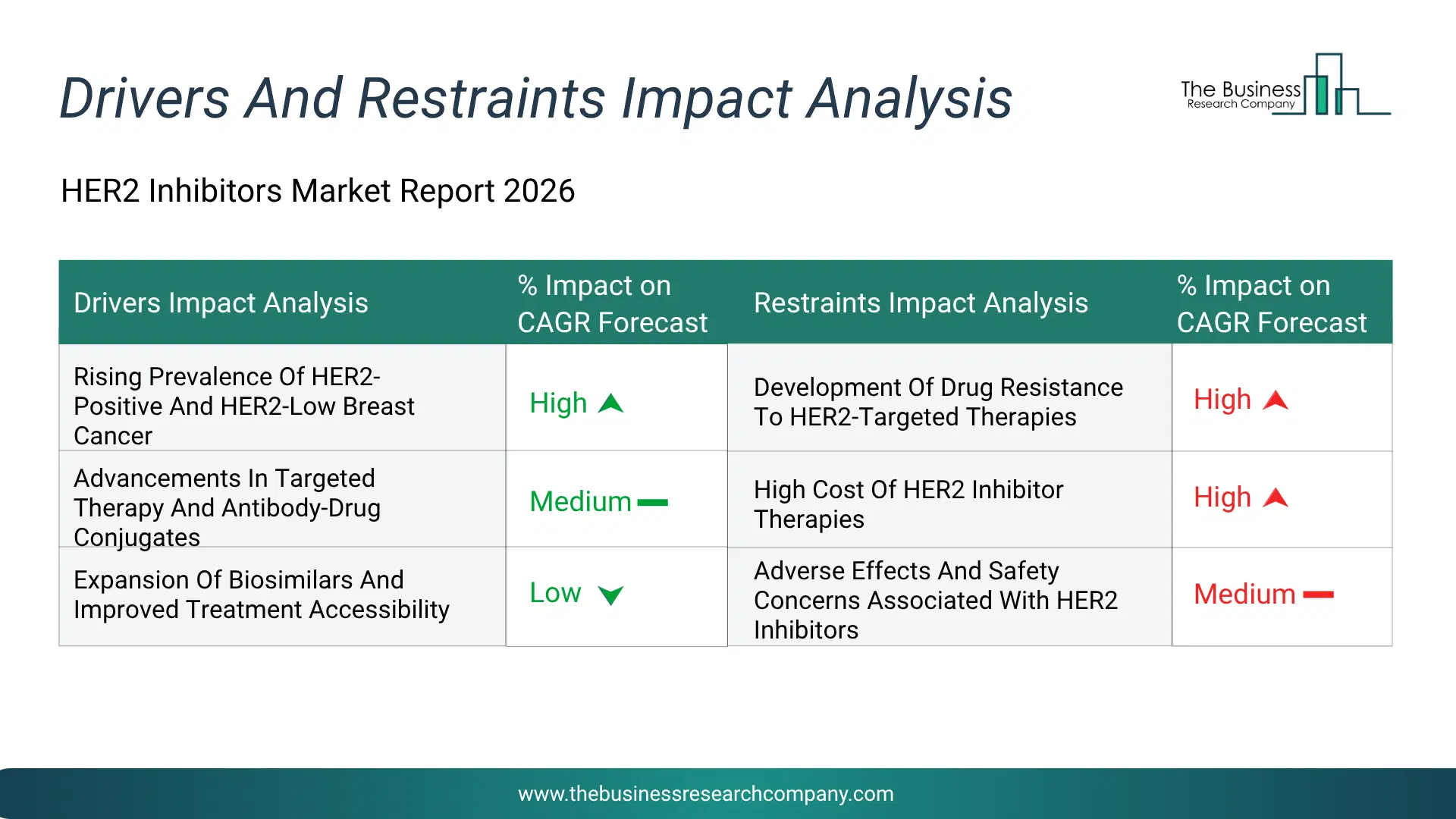
Infographic Chart Showing Key Market Drivers Analysis And Restraints For Her2 Inhibitors Market
The chart presents an impact analysis of key drivers and restraints, quantifying their relative influence on the market's growth rate and helping assess the balance between growth enablers and limiting factors. This chart offers a high-level perspective; the full report contains more detailed insights.
How Will The Drivers Impact Growth In The Global HER2 Inhibitors Market?
• Rising Prevalence Of HER2-Positive And HER2-Low Breast Cancer (High) – During the forecast period, the rising prevalence of HER2-positive and HER2-low breast cancer is expected to become a key growth driver for the HER2 inhibitors market by 2030. The increasing incidence of HER2-associated malignancies is strengthening demand for targeted treatment options designed to improve survival outcomes and disease management. Expanding awareness initiatives and broader screening programs are supporting earlier identification of eligible patient populations requiring HER2-directed therapies. In addition, the growing recognition of HER2-low disease categories is expanding the addressable treatment landscape for manufacturers and healthcare providers. This trend toward broader patient eligibility is reinforcing steady market expansion. • Advancements In Targeted Therapy And Antibody-Drug Conjugates (Medium) – During the forecast period, the advancements in targeted therapy and antibody-drug conjugates are expected to emerge as a major factor driving the expansion of the HER2 inhibitors market by 2030. Continuous innovation in molecular targeting technologies is improving therapeutic precision while reducing off-target treatment impact. The introduction of advanced HER2-directed modalities is expanding treatment possibilities across multiple tumor settings and disease stages. Research investments focused on enhancing efficacy profiles and overcoming therapeutic resistance are further strengthening development pipelines. • Expansion Of Biosimilars And Improved Treatment Accessibility (Low) – During the forecast period, the expansion of biosimilars and improved treatment accessibility is expected to act as a key growth catalyst for the HER2 inhibitors market by 2030. Increasing availability of cost-effective treatment alternatives is improving patient access to HER2-targeted therapies across both developed and emerging healthcare systems. Healthcare providers are increasingly incorporating affordable biologic options into treatment pathways to support broader therapeutic coverage. Additionally, expanded healthcare infrastructure and oncology treatment availability are creating stronger long-term opportunities for HER2 inhibitor adoption. As accessibility improves globally, treatment utilization rates are expected to increase steadily.How Will The Restraints Impact Growth In The Global HER2 Inhibitors Market?
• Development Of Drug Resistance To HER2-Targeted Therapies (High) – During the forecast period, the during the forecast period, the major restraints affecting the HER2 inhibitors market is the increasing development of resistance to HER2-targeted therapies such as trastuzumab and tyrosine kinase inhibitors. Cancer cells can activate alternative signaling pathways including PI3K/AKT/mTOR, reducing treatment effectiveness over time. Tumor heterogeneity and genetic mutations further complicate long-term therapeutic response in patients. Resistance mechanisms often lead to disease recurrence and progression despite ongoing treatment. This creates challenges for clinicians in maintaining durable responses and increases the need for more complex combination therapies. Additionally, resistance-related treatment failures can negatively impact physician confidence and increase healthcare costs associated with advanced cancer management. • High Cost Of HER2 Inhibitor Therapies (Medium) – During the forecast period, the during the forecast period, the HER2 inhibitors and advanced antibody-drug conjugates are associated with extremely high treatment costs, which limits accessibility for many patients worldwide. Premium biologics and targeted oncology drugs often require prolonged administration, increasing the overall financial burden on healthcare systems and patients. In low- and middle-income economies, limited reimbursement coverage and inadequate insurance support further restrict treatment adoption. The high cost of molecular diagnostic testing for HER2 status also contributes to affordability challenges. Hospitals and healthcare providers may face budgetary constraints when implementing advanced targeted therapies on a large scale. These economic barriers can slow market penetration, particularly in resource-constrained healthcare environments. • Adverse Effects And Safety Concerns Associated With HER2 Inhibitors (Low) – During the forecast period, the during the forecast period, the HER2-targeted therapies are often associated with serious adverse events that may limit their long-term use in cancer patients. Common side effects include cardiotoxicity, fatigue, nausea, diarrhea, pulmonary toxicity, and hematological complications. Certain advanced therapies such as antibody-drug conjugates may increase the risk of interstitial lung disease, which can become life-threatening if not managed properly. Safety concerns frequently require intensive patient monitoring and dose adjustments during treatment. These complications may reduce patient compliance and negatively affect overall treatment outcomes. Furthermore, physicians may hesitate to prescribe aggressive HER2-targeted regimens for elderly or medically vulnerable patients due to elevated toxicity risks.Key Players In The Global HER2 Inhibitors Market
Major companies operating in the her2 inhibitors market are Pfizer Inc., Johnson & Johnson Services Inc., F Hoffmann-La Roche Ltd., Merck & Co. Inc., Novartis AG, Sanofi SA, Bristol-Myers Squibb Company, AstraZeneca plc, Takeda Pharmaceutical Company Limited, Eli Lilly International Corp., C.H. Boehringer Sohn AG & Co. KG, Teva Pharmaceutical Industries Ltd., Daiichi Sankyo Company Limited, Ipsen SA, the Pierre Fabre Group, Biocon Biopharmaceuticals Pvt. Ltd., Innovent Biologics Inc., Seattle Genetics Inc., Zymeworks Inc., Puma Biotechnology Inc., MacroGenics Inc., Mersana Therapeutics Inc., Cellestia Biotech AG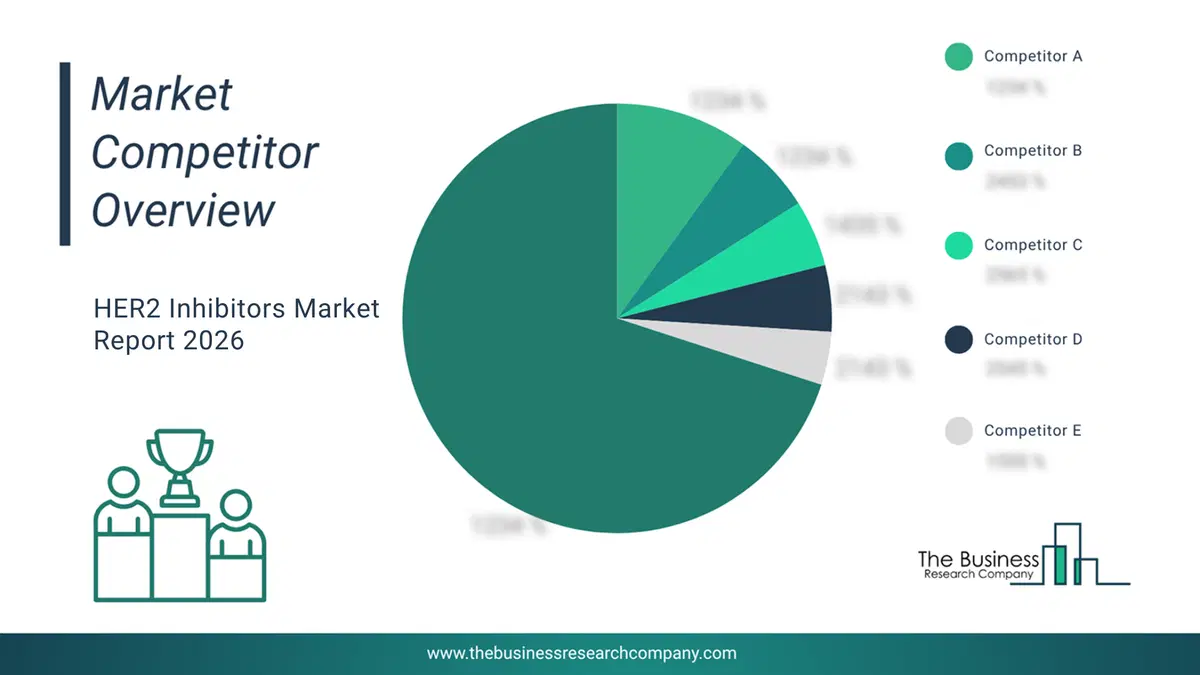
This chart is for illustrative purposes; the full report includes a detailed competitor analysis and comprehensive overview of the top 10 companies in the market.
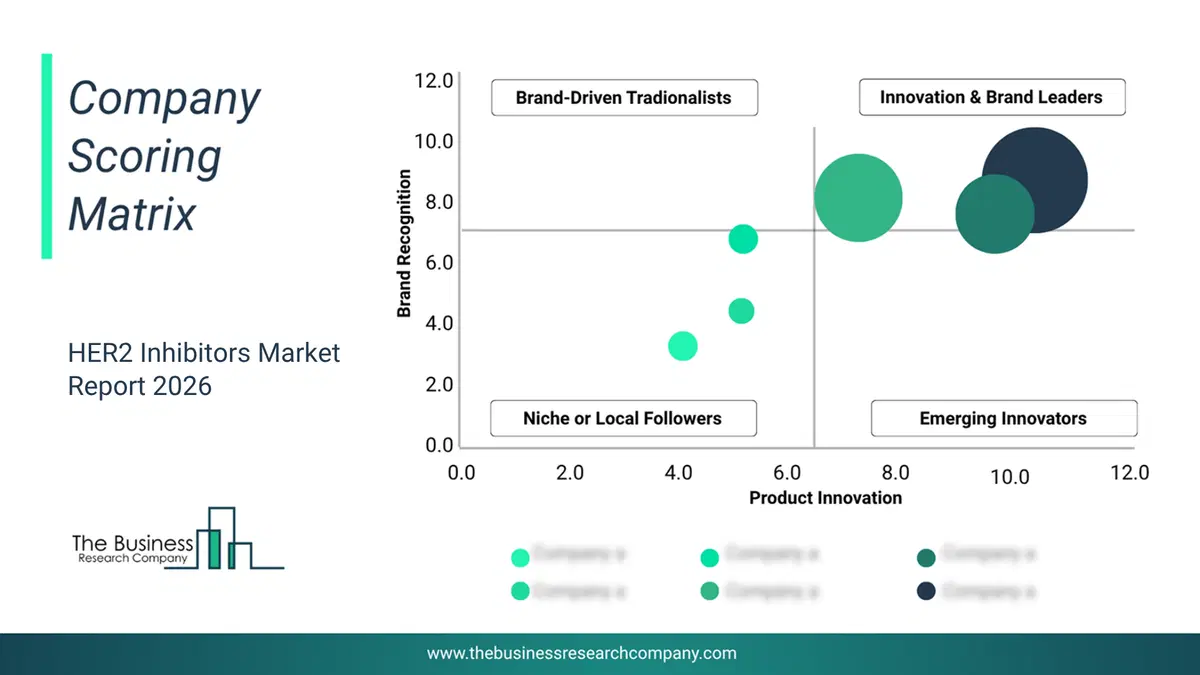
This chart maps companies by product innovation and brand strength, with bubble size indicating relative revenue, helping identify market leaders, challengers, and niche players. This is an illustrative chart; the full report provides a complete and accurate competitive analysis.
Global HER2 Inhibitors Market Trends and Insights
Major companies operating in the HER2 inhibitor market are focused on developing treatments for pre-treated HR+/HER2-metastatic breast cancer to gain a competitive edge in the market. HR+/HER2-metastatic breast cancer is a subtype of metastatic breast cancer characterized by the presence of hormone receptors (HR+). For instance, in February 2023, Gilead Sciences, Inc., a US-based biopharmaceutical company, received approval from the U.S. FDA for Trodelvy (Sacituzumab govitecan-hziy) to treat adults with unresectable locally advanced or metastatic HR-positive, HER2-negative breast cancer, following prior endocrine-based and two additional systemic therapies in the metastatic setting.What Are Latest Mergers And Acquisitions In The HER2 Inhibitors Market?
In December 2023, Pfizer, a US-based multinational pharmaceutical and biotechnology corporation, acquired Seagen for approximately $43 billion. The acquisition aims to solidify Pfizer's position as a leader in oncology by integrating Seagen's cutting-edge cancer treatments and technologies. This strategic initiative is designed to accelerate the development of transformative therapies for cancer patients. Seagen is a US-based biotechnology company that specialises in providing HER2 inhibitors.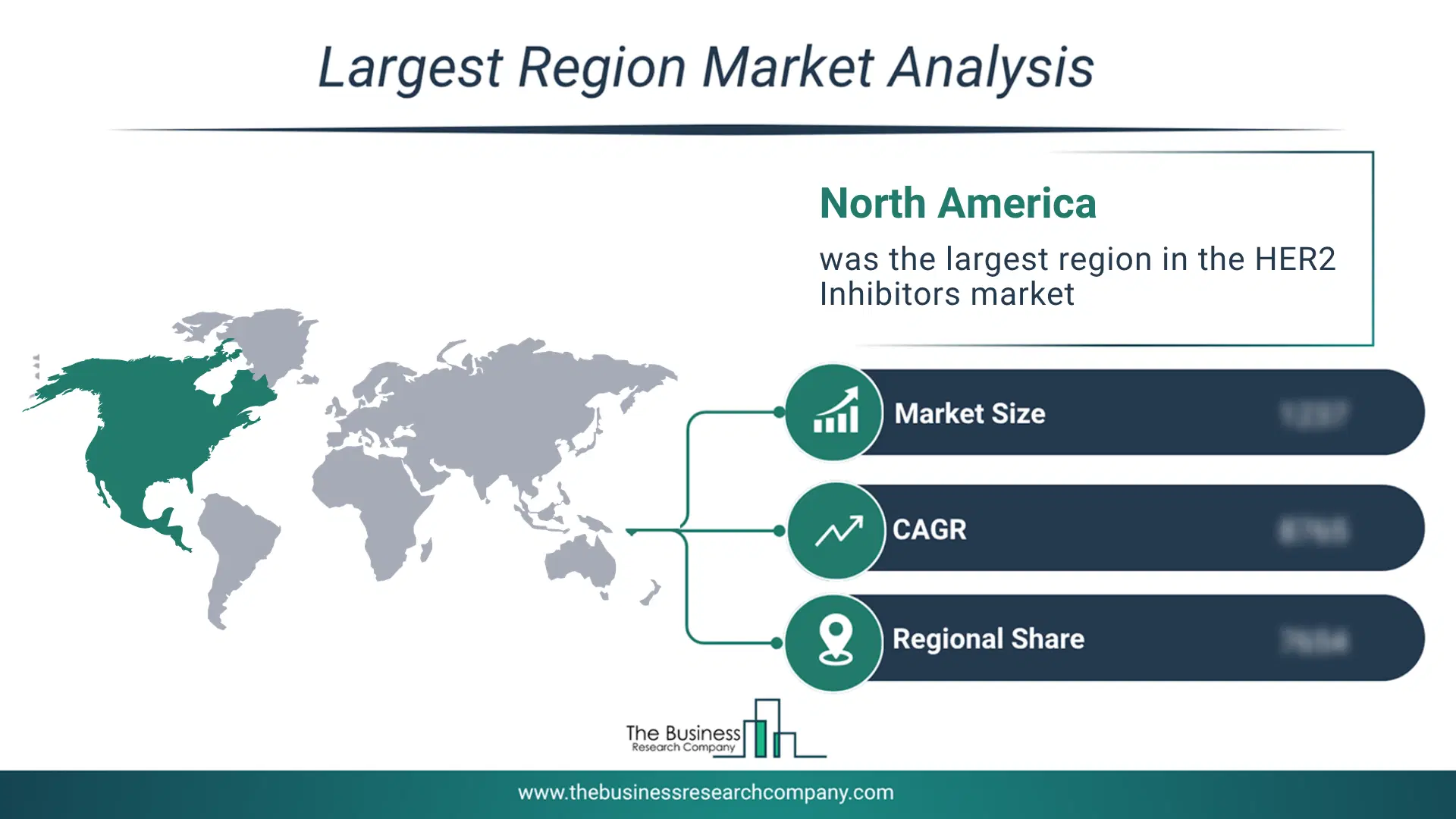
Regional Insights
North America was the largest region in the HER2 inhibitors market in 2025. Middle East is expected to be the fastest-growing region in the HER2 inhibitors market report during the forecast period. The regions covered in this market report are Asia-Pacific, South East Asia, Western Europe, Eastern Europe, North America, South America, Middle East, Africa. The countries covered in this market report are Australia, Brazil, China, France, Germany, India, Indonesia, Japan, Taiwan, Russia, South Korea, UK, USA, Canada, Italy, Spain.What Defines the HER2 Inhibitors Market?
The HER2 inhibitor market consists of sales of lapatinib, neratinib, tucatinib, and pyrotinib. Values in this market are """"factory gate values,"""" that is the value of goods sold by the manufacturers or creators of the goods, whether to other entities (including downstream manufacturers, wholesalers, distributors, and retailers) or directly to end customers. The value of goods in this market includes related services sold by the creators of the goods.How is Market Value Defined and Measured?
The market value is defined as the revenues that enterprises gain from the sale of goods and/or services within the specified market and geography through sales, grants, or donations in terms of the currency (in USD unless otherwise specified). The revenues for a specified geography are consumption values that are revenues generated by organizations in the specified geography within the market, irrespective of where they are produced. It does not include revenues from resales along the supply chain, either further along the supply chain or as part of other products.
This chart presents market attractiveness based on a quantitative evaluation of growth, competition, strategic alignment, and risk, offering a clear view of opportunity areas for decision-making. This chart is for illustrative purposes; the full report contains the complete analysis.

This chart highlights the Total Addressable Market (TAM) by estimating the maximum revenue opportunity using an assumption-driven approach, supporting strategic planning and opportunity sizing across markets. The chart is illustrative; the full report provides a more comprehensive analysis.
What Key Data and Analysis Are Included in the HER2 Inhibitors Market Report 2026?
The her2 inhibitors market research report is one of a series of new reports from The Business Research Company that provides market statistics, including industry global market size, regional shares, competitors with the market share, detailed market segments, market trends and opportunities, and any further data you may need to thrive in the her2 inhibitors industry. The market research report delivers a complete perspective of everything you need, with an in-depth analysis of the current and future state of the industry.HER2 Inhibitors Market Report Forecast Analysis
| Report Attribute | Details |
|---|---|
| Market Size Value In 2026 | $10.6 billion |
| Revenue Forecast In 2030 | $14.85 billion |
| Growth Rate | CAGR of 9.9% from 2026 to 2030 |
| Base Year For Estimation | 2025 |
| Actual Estimates/Historical Data | 2020-2025 |
| Forecast Period | 2026 - 2030 |
| Market Representation | Revenue in USD Billion and CAGR from 2026 to 2030 |
| Segments Covered | Treatment, Application, End User |
| Regional Scope | Asia-Pacific, Western Europe, Eastern Europe, North America, South America, Middle East, Africa |
| Country Scope | The countries covered in the report are Australia, Brazil, China, France, Germany, India, Indonesia, Japan, Taiwan, Russia, South Korea, UK, USA, Canada, Italy, Spain. |
| Key Companies Profiled | Pfizer Inc., Johnson & Johnson Services Inc., F Hoffmann-La Roche Ltd., Merck & Co. Inc., Novartis AG, Sanofi SA, Bristol-Myers Squibb Company, AstraZeneca plc, Takeda Pharmaceutical Company Limited, Eli Lilly International Corp., C.H. Boehringer Sohn AG & Co. KG, Teva Pharmaceutical Industries Ltd., Daiichi Sankyo Company Limited, Ipsen SA, the Pierre Fabre Group, Biocon Biopharmaceuticals Pvt. Ltd., Innovent Biologics Inc., Seattle Genetics Inc., Zymeworks Inc., Puma Biotechnology Inc., MacroGenics Inc., Mersana Therapeutics Inc., Cellestia Biotech AG |
| Customization Scope | Request for Customization |
| Pricing And Purchase Options | Explore Purchase Options |