
Acquired Immunodeficiency Syndrome (AIDS) Market Report 2026
Global Outlook – By Type (Human Immunodeficiency Virus 1, Human Immunodeficiency Virus 2), By Drug Type (Nucleoside-Analog Reverse Transcriptase Inhibitors, Non-Nucleoside Reverse Transcriptase Inhibitors, Fusion Inhibitors, CCR5 Anatagonists And Post-Attachment Inhibitors, Protease Inhibitors, Integrase Inhibitors, Pre-Exposure Prophylaxis And Post-Exposure Prophylaxis), By Route Of Administration (Oral, Parenteral), By Application (Hospital Pharmacy, Retail Pharmacy, Other Applications), By Distribution Channel (Offline, Online) - Market Size, Trends, Strategies, and Forecast to 2030
Acquired Immunodeficiency Syndrome (AIDS) Market Overview
• Acquired Immunodeficiency Syndrome (AIDS) market size has reached to $33.75 billion in 2025 • Expected to grow to $43.28 billion in 2030 at a compound annual growth rate (CAGR) of 5.1% • Growth Driver: Increasing HIV Infections Driving Demand For Diagnosis, Treatment And Prevention Strategies • Market Trend: Innovative Long-Acting Injectable Therapies Revolutionizing HIV Treatment for Improved Adherence • North America was the largest region in 2025 and Asia-Pacific is the fastest growing region.What Is Covered Under Acquired Immunodeficiency Syndrome (AIDS) Market?
Acquired immunodeficiency syndrome (AIDS) is a chronic, life-threatening condition caused by the human immunodeficiency virus (HIV), which progressively weakens the immune system by destroying CD4 T cells, leaving the body vulnerable to opportunistic infections, severe illnesses, and certain cancers in the absence of effective antiretroviral treatment. It is managed by a combination of antiretroviral therapy (ART), regular monitoring of immune function, prevention of opportunistic infections, and comprehensive healthcare support to improve patient outcomes and quality of life. The main types of acquired immunodeficiency syndrome (AIDS) are human immunodeficiency virus 1 and human immunodeficiency virus 2. Human Immunodeficiency Virus 1 (HIV-1) is a retrovirus that primarily targets the immune system by infecting CD4+ T cells, leading to progressive immunodeficiency and, if untreated, the development of acquired immunodeficiency syndrome (AIDS). The types of drugs include nucleoside-analog reverse transcriptase inhibitors, non-nucleoside reverse transcriptase inhibitors, fusion inhibitors, CCR5 antagonists, post-attachment inhibitors, protease inhibitors, integrase inhibitors, and pre-exposure prophylaxis and post-exposure prophylaxis, which are given by route of administration such as oral and parenteral. These are used in applications including hospital pharmacy, retail pharmacy, and others, which are distributed through offline and online channels.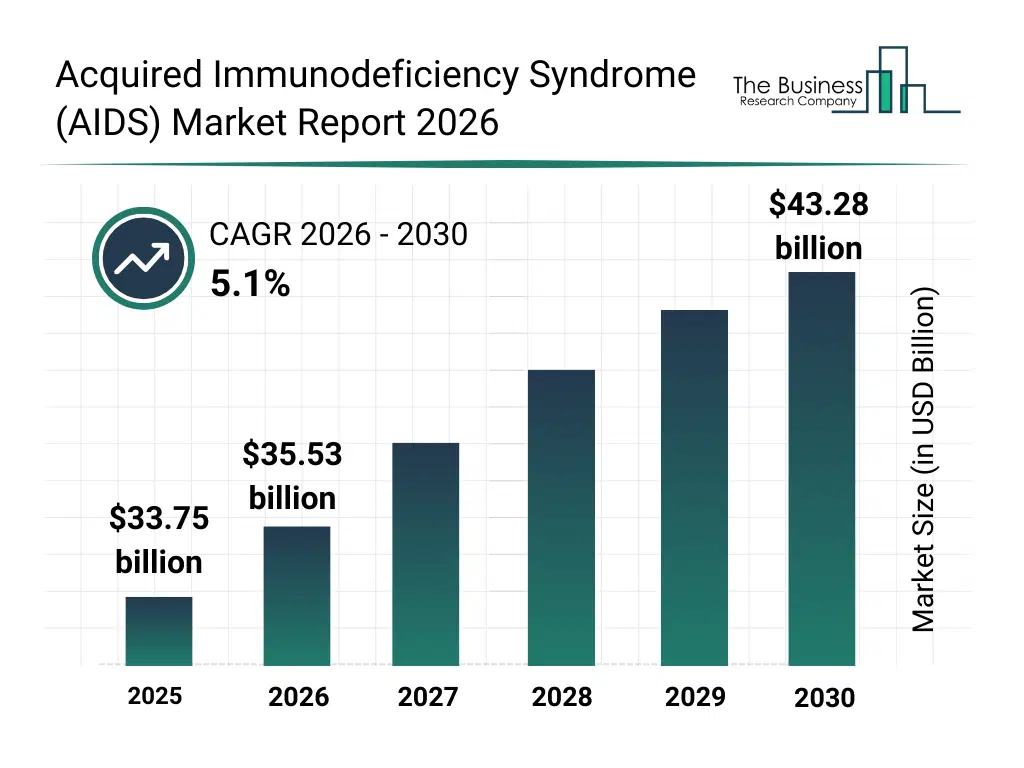
What Is The Acquired Immunodeficiency Syndrome (AIDS) Market Size and Share 2026?
The acquired immunodeficiency syndrome (aids) market size has grown strongly in recent years. It will grow from $33.75 billion in 2025 to $35.53 billion in 2026 at a compound annual growth rate (CAGR) of 5.3%. The growth in the historic period can be attributed to high prevalence of hiv infections worldwide, increasing awareness and screening programs, government-funded hiv treatment initiatives, availability of first-generation antiretroviral drugs, rising incidence of opportunistic infections.What Is The Acquired Immunodeficiency Syndrome (AIDS) Market Growth Forecast?
The acquired immunodeficiency syndrome (aids) market size is expected to see strong growth in the next few years. It will grow to $43.28 billion in 2030 at a compound annual growth rate (CAGR) of 5.1%. The growth in the forecast period can be attributed to development of next-generation antiretroviral therapies, expansion of prep and pep programs, growth in hiv vaccine research, adoption of digital health monitoring solutions, increasing public-private partnerships for hiv management. Major trends in the forecast period include increasing adoption of antiretroviral therapy (art), rising use of pre-exposure prophylaxis (prep) and post-exposure prophylaxis (pep), expansion of hiv diagnostic and surveillance programs, growing focus on hiv vaccine research and development, integration of hospital and retail pharmacy services.
Global Acquired Immunodeficiency Syndrome (AIDS) Market Segmentation
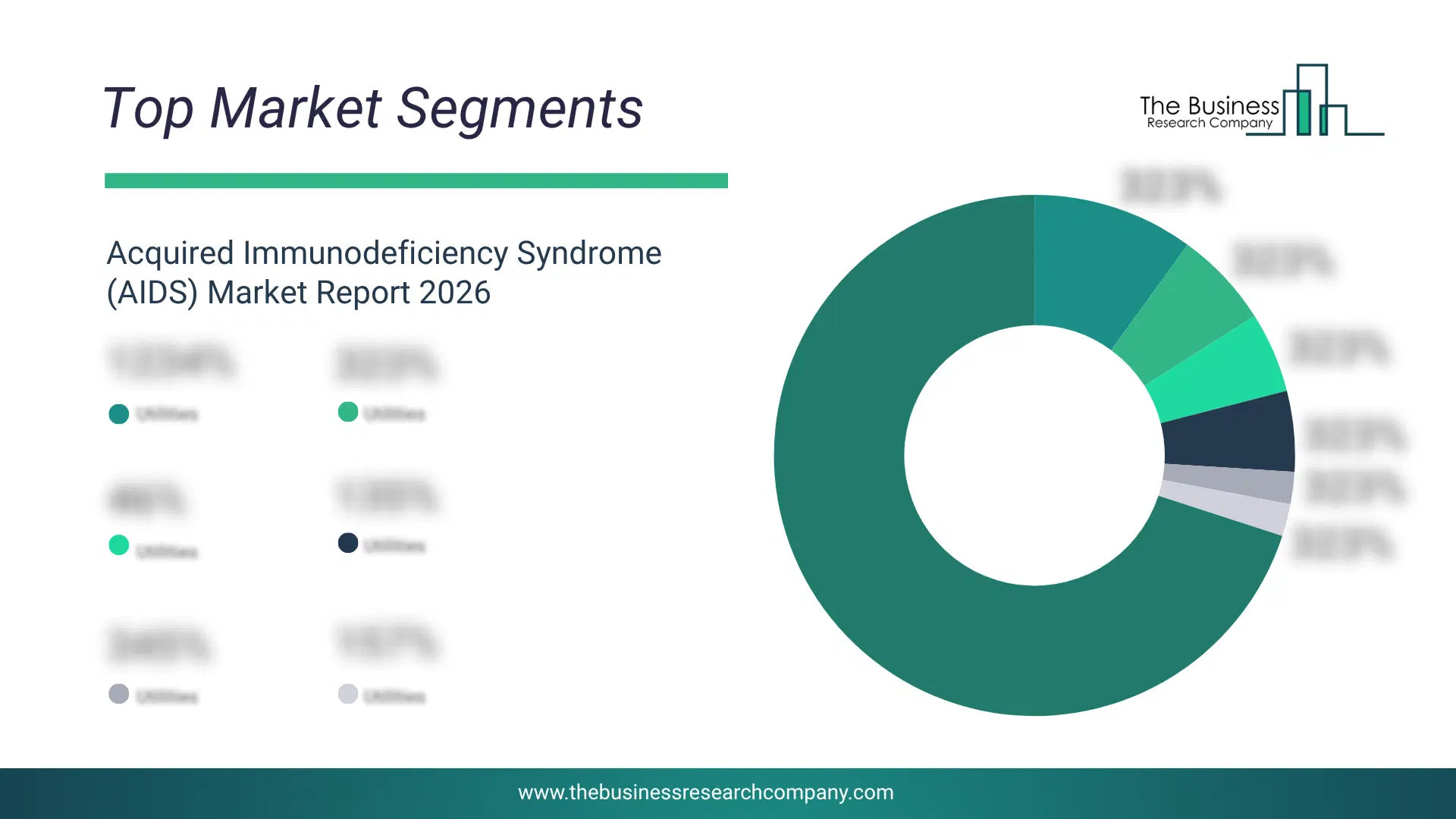
1) By Type: Human Immunodeficiency Virus 1, Human Immunodeficiency Virus 2 2) By Drug Type: Nucleoside-Analog Reverse Transcriptase Inhibitors, Non-Nucleoside Reverse Transcriptase Inhibitors, Fusion Inhibitors, CCR5 Anatagonists And Post-Attachment Inhibitors, Protease Inhibitors, Integrase Inhibitors, Pre-Exposure Prophylaxis And Post-Exposure Prophylaxis 3) By Route Of Administration: Oral, Parenteral 4) By Application: Hospital Pharmacy, Retail Pharmacy, Other Applications 5) By Distribution Channel: Offline, Online Subsegments: 1) By Human Immunodeficiency Virus 1 (HIV-1): Antiretroviral Therapy (ART), Pre-Exposure Prophylaxis (PrEP), Post-Exposure Prophylaxis (PEP), HIV-1 Diagnostic Tests, HIV-1 Vaccine Development, HIV-1 Opportunistic Infection Management 2) By Human Immunodeficiency Virus 2 (HIV-2): Antiretroviral Therapy (ART) For HIV-2, HIV-2 Diagnostic Tests, HIV-2 Surveillance And Epidemiology, HIV-2 Vaccine Research, Management Of HIV-2 Co-InfectionsWhat Is The Driver Of The Acquired Immunodeficiency Syndrome (AIDS) Market?
The increasing rates of HIV infections are expected to propel the growth of the acquired immunodeficiency syndrome (AIDS) market going forward. HIV infections refer to the condition caused by the human immunodeficiency virus (HIV), which attacks the immune system, weakening the body's ability to fight off infections and diseases. The increasing rates of HIV infections are due to unprotected sexual intercourse with an infected person, sharing needles or syringes, receiving contaminated blood products, having multiple sexual partners, and a weakened immune system or pre-existing sexually transmitted infections. Acquired immunodeficiency syndrome (AIDS) management helps HIV infection patients by promoting early diagnosis, expanding access to effective antiretroviral therapies, enhancing prevention strategies, and strengthening healthcare systems that contribute to better control of the virus's spread. For instance, in November 2024, according to the data published by the European Centre for Disease Prevention and Control (ECDC) Sweden-based European Union agency, a total of 112,883 HIV diagnoses were reported in 2023 across 47 out of 53 countries in the region, with 24,731 cases recorded in the European Union/European Economic Area (EU/EEA). The overall crude rate of HIV diagnoses reached 12.7 per 100,000 population, reflecting a 2.4% increase compared to the 12.4 per 100,000 rate observed in 2022. Therefore, increasing HIV infections are driving the acquired immunodeficiency syndrome (AIDS) industry.Key Players In The Global Acquired Immunodeficiency Syndrome (AIDS) Market
Major companies operating in the acquired immunodeficiency syndrome (aids) market are Pfizer Inc., Johnson and Johnson, F. Hoffmann-La Roche Ltd, Merck & Co. Inc., Sanofi SA, Bristol-Myers Squibb Company, Abbott, GSK plc, Takeda Pharmaceuticals, Gilead Sciences, Viatris Inc., Teva Pharmaceuticals, Aurobindo Pharma, Cipla Ltd, Shionogi and Co., Dr. Reddy's Laboratories, Lupin, Hetero Drugs Limited, Glenmark Pharmaceuticals Limited, ViiV Healthcare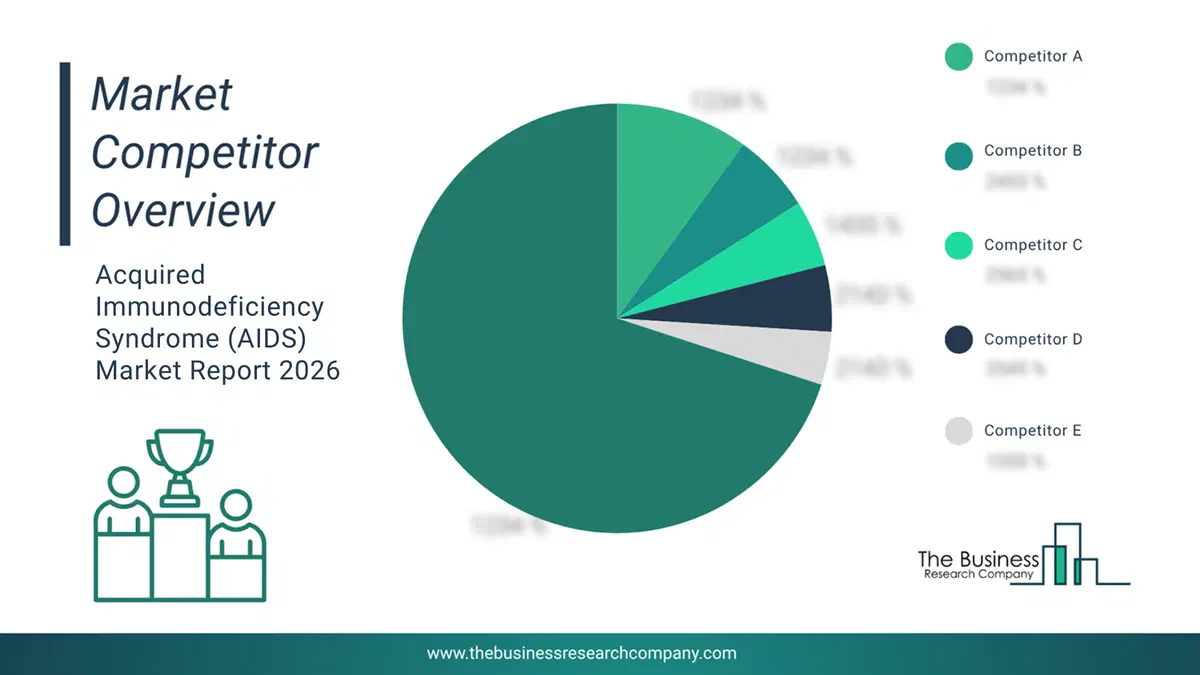
This chart is for illustrative purposes; the full report includes a detailed competitor analysis and comprehensive overview of the top 10 companies in the market.
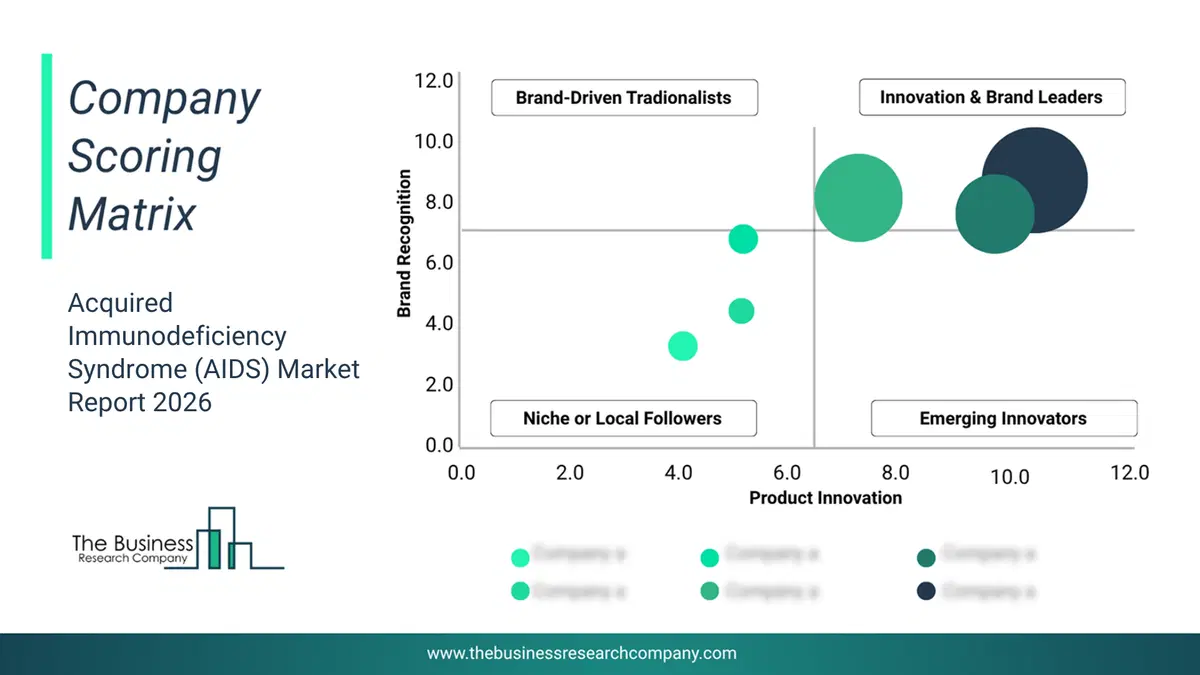
This chart maps companies by product innovation and brand strength, with bubble size indicating relative revenue, helping identify market leaders, challengers, and niche players. This is an illustrative chart; the full report provides a complete and accurate competitive analysis.
Global Acquired Immunodeficiency Syndrome (AIDS) Market Trends and Insights
Major companies operating in the acquired immunodeficiency syndrome (AIDS) market are focusing on developing innovative therapies such as long-acting injectables, which offer improved patient compliance, reduce the frequency of dosing, and provide a more convenient alternative to daily oral antiretroviral treatments. Long-acting injectables are medications administered via injection that are designed to release their active ingredients slowly over an extended period, allowing for less frequent dosing compared to traditional oral medications. For instance, in January 2025, GSK plc, a UK-based pharmaceutical company, announced the approval from the European Commission for long-acting injectable treatment, Vocabria (cabotegravir) plus Rekambys (rilpivirine). It is approved for use in adolescents aged 12 years and older who are living with HIV. This is administered via intramuscular injection, typically every one or two months, depending on the specific treatment plan. The long-acting nature of the injections may improve adherence rates among adolescents who struggle with daily pill regimens.What Are Latest Mergers And Acquisitions In The Acquired Immunodeficiency Syndrome (AIDS) Market?
In November 2024, Gilead Sciences Inc., a US-based biopharmaceutical company that develops pharmaceuticals, acquired investigational assets related to the HTI therapeutic HIV vaccine of AELIX Therapeutics for an undisclosed amount. With this acquisition, Gilead Sciences aims to strengthen its HIV treatment portfolio by leveraging AELIX Therapeutics' investigational HTI therapeutic HIV vaccine to advance research in functional HIV cures and potentially reduce the need for lifelong antiretroviral therapy. AELIX Therapeutics is a Spain-based company that offers treatment and vaccines for acquired immunodeficiency syndrome (AIDS).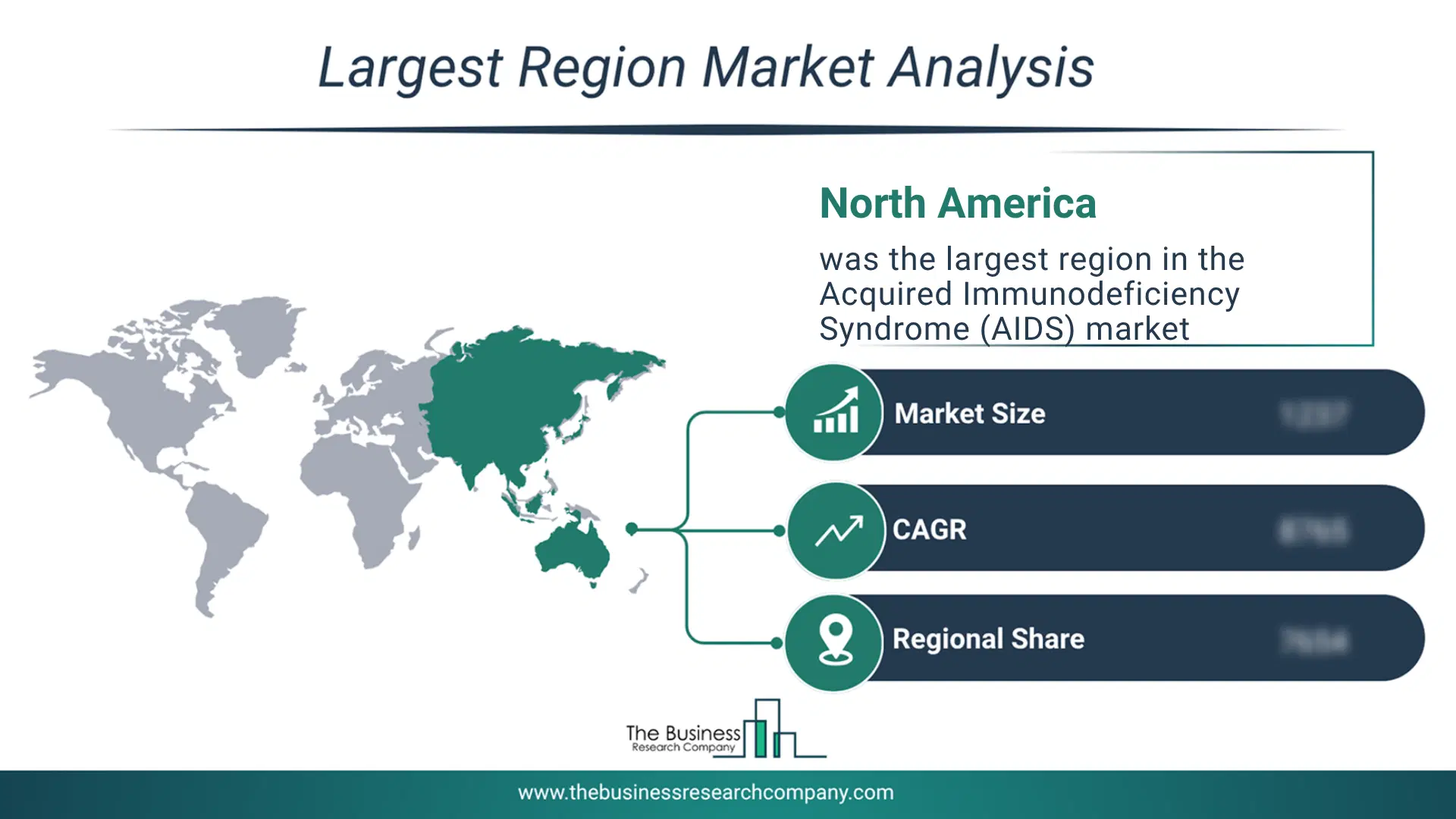
Regional Outlook
North America was the largest region in the acquired immunodeficiency syndrome (AIDS) market in 2025. Asia-Pacific is expected to be the fastest-growing region in the forecast period. The regions covered in this market report are Asia-Pacific, South East Asia, Western Europe, Eastern Europe, North America, South America, Middle East, Africa. The countries covered in this market report are Australia, Brazil, China, France, Germany, India, Indonesia, Japan, Taiwan, Russia, South Korea, UK, USA, Canada, Italy, Spain.What Defines the Acquired Immunodeficiency Syndrome (AIDS) Market?
The acquired immunodeficiency syndrome (AIDS) market consists of sales of products such as long-acting injectable antiretrovirals, broadly neutralizing antibodies (bNAbs), therapeutic HIV vaccines, latency-reversing agents, capsid inhibitors, attachment inhibitors, maturation inhibitors, and pharmacokinetic enhancers. Values in this market are ‘factory gate’ values, that is, the value of goods sold by the manufacturers or creators of the goods, whether to other entities (including downstream manufacturers, wholesalers, distributors, and retailers) or directly to end customers. The value of goods in this market includes related services sold by the creators of the goods.How is Market Value Defined and Measured?
The market value is defined as the revenues that enterprises gain from the sale of goods and/or services within the specified market and geography through sales, grants, or donations in terms of the currency (in USD unless otherwise specified). The revenues for a specified geography are consumption values that are revenues generated by organizations in the specified geography within the market, irrespective of where they are produced. It does not include revenues from resales along the supply chain, either further along the supply chain or as part of other products.
This chart presents market attractiveness based on a quantitative evaluation of growth, competition, strategic alignment, and risk, offering a clear view of opportunity areas for decision-making. This chart is for illustrative purposes; the full report contains the complete analysis.

This chart highlights the Total Addressable Market (TAM) by estimating the maximum revenue opportunity using an assumption-driven approach, supporting strategic planning and opportunity sizing across markets. The chart is illustrative; the full report provides a more comprehensive analysis.
What Key Data and Analysis Are Included in the Acquired Immunodeficiency Syndrome (AIDS) Market Report 2026?
The acquired immunodeficiency syndrome (aids) market research report is one of a series of new reports from The Business Research Company that provides market statistics, including industry global market size, regional shares, competitors with the market share, detailed market segments, market trends and opportunities, and any further data you may need to thrive in the acquired immunodeficiency syndrome (aids) industry. The market research report delivers a complete perspective of everything you need, with an in-depth analysis of the current and future state of the industry.Acquired Immunodeficiency Syndrome (AIDS) Market Report Forecast Analysis
| Report Attribute | Details |
|---|---|
| Market Size Value In 2026 | $35.53 billion |
| Revenue Forecast In 2030 | $43.28 billion |
| Growth Rate | CAGR of 5.1% from 2026 to 2030 |
| Base Year For Estimation | 2025 |
| Actual Estimates/Historical Data | 2020-2025 |
| Forecast Period | 2026 - 2030 |
| Market Representation | Revenue in USD Billion and CAGR from 2026 to 2030 |
| Segments Covered | Type, Drug Type, Route Of Administration, Application, Distribution Channel |
| Regional Scope | Asia-Pacific, Western Europe, Eastern Europe, North America, South America, Middle East, Africa |
| Country Scope | The countries covered in the report are Australia, Brazil, China, France, Germany, India, Indonesia, Japan, Taiwan, Russia, South Korea, UK, USA, Canada, Italy, Spain |
| Key Companies Profiled | Pfizer Inc., Johnson and Johnson, F. Hoffmann-La Roche Ltd, Merck & Co. Inc., Sanofi SA, Bristol-Myers Squibb Company, Abbott, GSK plc, Takeda Pharmaceuticals, Gilead Sciences, Viatris Inc., Teva Pharmaceuticals, Aurobindo Pharma, Cipla Ltd, Shionogi and Co., Dr. Reddy's Laboratories, Lupin, Hetero Drugs Limited, Glenmark Pharmaceuticals Limited, ViiV Healthcare |
| Customization Scope | Request for Customization |
| Pricing And Purchase Options | Explore Purchase Options |