
Alzheimer’s Disease Diagnostic Market Report 2026
Global Outlook – By Type (Triage, Diagnosis, Screening), By Diagnostic Technique (Biomarkers, Imaging Techniques, Genetic Testing, Cognitive Assessment Tests), By End User (Clinics, Hospitals, Diagnostic Centers, Pharmaceutical Companies, Academic Research Center) - Market Size, Trends, And Global Forecast 2026-2030
Alzheimer’s Disease Diagnostic Market Overview
• Alzheimer’s Disease Diagnostic market size has reached to $7.26 billion in 2025 • Expected to grow to $11.89 billion in 2030 at a compound annual growth rate (CAGR) of 10.3% • Growth Driver: Impact Of Chronic Disease Growth On Alzheimer’s Disease Diagnostic Industry • Market Trend: Advancements In Technology In Alzheimer’s Diagnostic With Accurate Test Results • North America was the largest region in 2025 and Asia-Pacific is the fastest growing region.Market Gains By 2030 – Top Opportunities By Segment
Market Gain identifies the most promising market opportunities by highlighting the segments or products expected to generate the highest incremental revenue growth over the next five years.
What Is Covered Under Alzheimer’s Disease Diagnostic Market?
Alzheimer’s disease diagnostics encompass methods and tools used to detect and confirm the presence of Alzheimer’s disease, a progressive neurodegenerative disorder. These diagnostics include cognitive assessments, imaging techniques such as magnetic resonance imaging (MRI) and positron emission tomography (PET) scans, and biomarker tests analyzing cerebrospinal fluid (CSF) or blood for amyloid-beta and tau proteins. The main types of alzheimer’s disease diagnostics are triage, diagnosis, and screening. Triage is a systematic approach for prioritizing patients depending on the urgency and severity of their cognitive symptoms. The diagnostic techniques include biomarkers, imaging techniques, genetic testing, and cognitive assessment tests, and they are used by various end users such as clinics, hospitals, diagnostic centers, pharmaceutical companies, and academic research centers.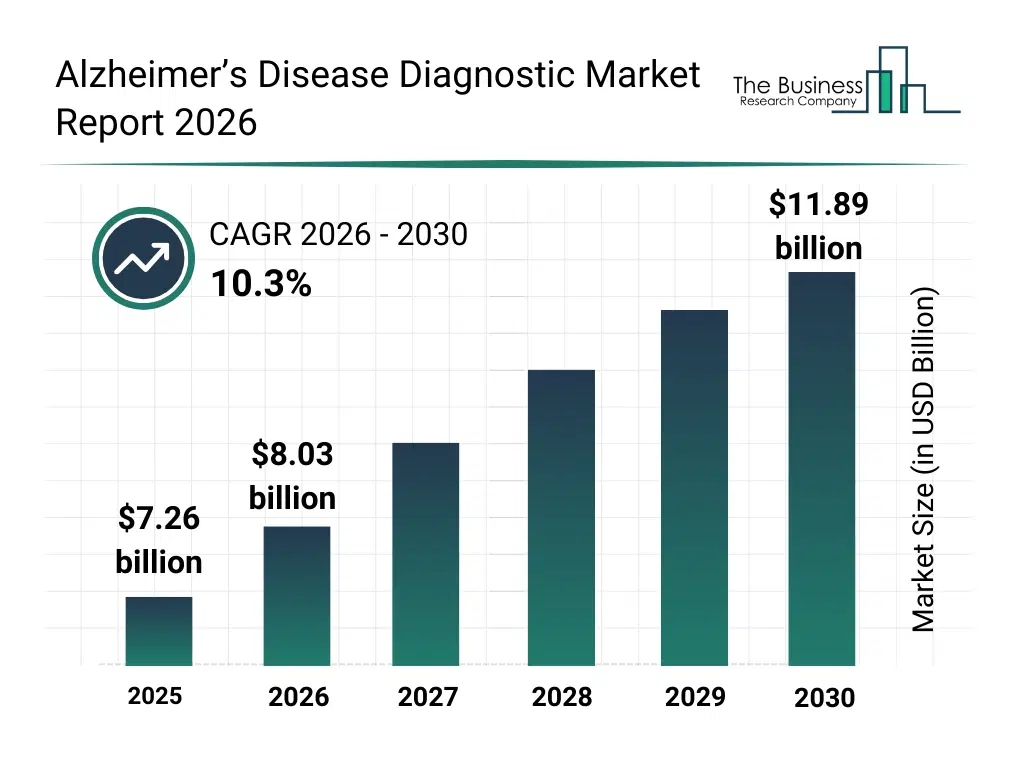
What Is The Alzheimer’s Disease Diagnostic Market Size and Share 2026?
The alzheimer’s disease diagnostic market size has grown rapidly in recent years. It will grow from $7.26 billion in 2025 to $8.03 billion in 2026 at a compound annual growth rate (CAGR) of 10.6%. The growth in the historic period can be attributed to rising prevalence of alzheimer’s disease, increased awareness of neurodegenerative disorders, adoption of mri and pet imaging, growth of diagnostic centers and hospitals, investment in cognitive assessment research.What Is The Alzheimer’s Disease Diagnostic Market Growth Forecast?
The alzheimer’s disease diagnostic market size is expected to see rapid growth in the next few years. It will grow to $11.89 billion in 2030 at a compound annual growth rate (CAGR) of 10.3%. The growth in the forecast period can be attributed to development of novel biomarkers and imaging tracers, integration of ai for early diagnosis, rising government and private funding for alzheimer’s research, expansion of personalized medicine initiatives, growth in multi-center clinical trials. Major trends in the forecast period include increasing adoption of biomarker-based diagnostics, rising use of neuroimaging techniques for early detection, growth in cognitive assessment testing, expansion of genetic testing for alzheimer’s risk assessment, integration of multi-modal diagnostic approaches.
Global Alzheimer’s Disease Diagnostic Market Segmentation
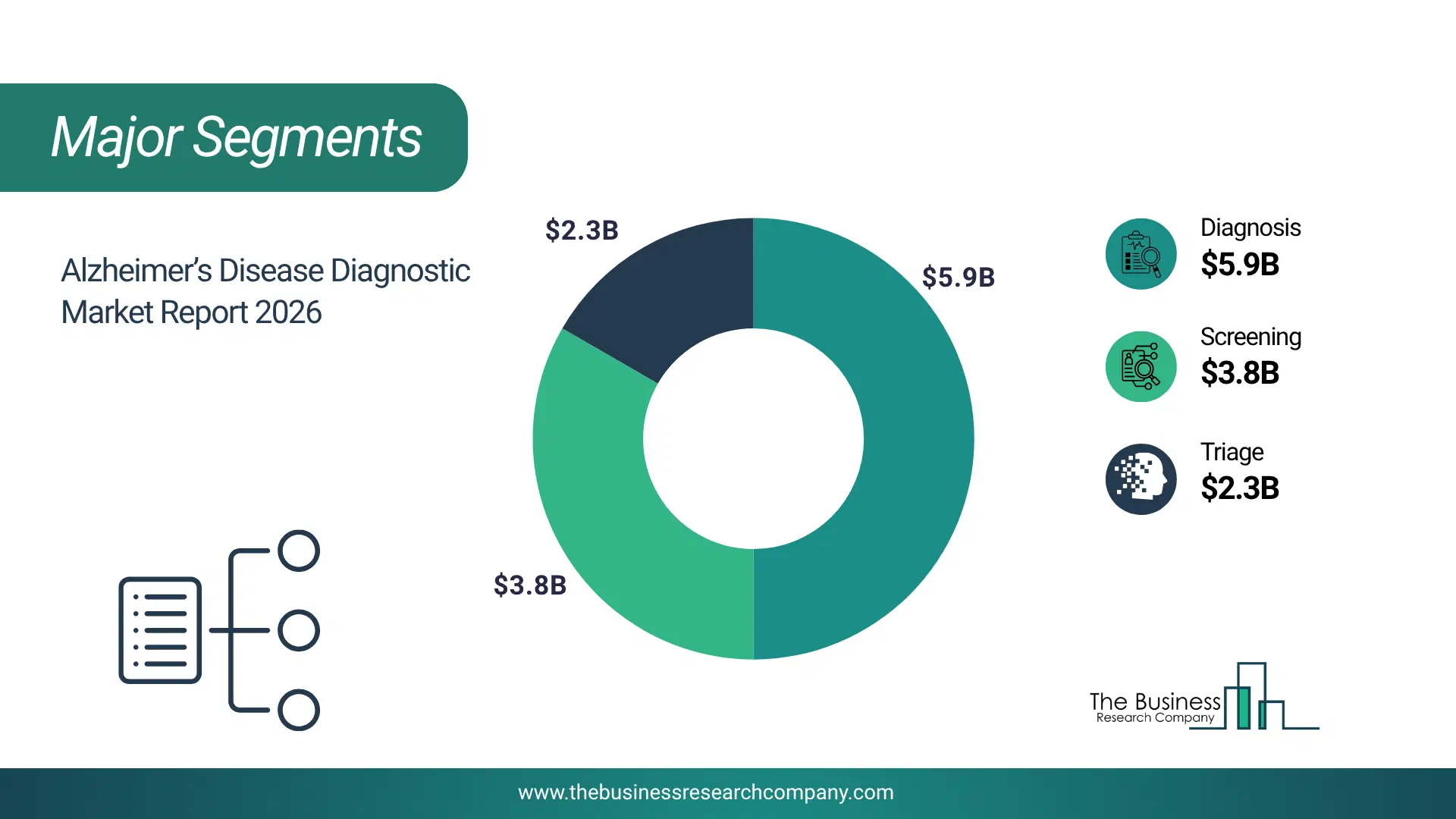
1) By Type: Triage, Diagnosis, Screening 2) By Diagnostic Technique: Biomarkers, Imaging Techniques, Genetic Testing, Cognitive Assessment Tests 3) By End User: Clinics, Hospitals, Diagnostic Centers, Pharmaceutical Companies, Academic Research Center Subsegments: 1) By Triage: Cognitive Testing, Imaging Techniques 2) By Diagnosis: Biomarker Testing, Neuroimaging 3) By Screening: Neuropsychological Testing, Genetic Testing The top segments in the alzheimer’s disease diagnostic market will be: • Diagnosis will reach $5.83 billion by 2030. • Screening will reach $3.72 billion by 2030. • Triage will reach $2.28 billion by 2030.What Is The Driver Of The Alzheimer’s Disease Diagnostic Market?
The increase in chronic disease is expected to propel the growth of the Alzheimer’s disease diagnostic market going forward. Chronic diseases such as cardiovascular disease, diabetes, and hypertension are strongly associated with an increased risk of Alzheimer’s and other dementias, which drives demand for early and accurate diagnostic solutions. A major factor behind the increase in chronic diseases is the widespread rise in sedentary lifestyles, as extensive epidemiological research consistently shows significantly higher rates of conditions such as diabetes and cardiovascular disease among physically inactive populations. Alzheimer’s diagnostics support healthcare systems by enabling early detection, facilitating timely interventions, and guiding patient management to slow disease progression. For instance, in November 2023, according to Heritage Health Services, a US-based nonprofit organization focused on healthcare research, 6.7 million Americans aged 65 or older were living with Alzheimer’s dementia, with prevalence increasing by age: 5.0% for 65–74 years, 13.1% for 75–84 years, and 33.3% for 85+ years. By 2050, this number is projected to rise to nearly 13 million. Therefore, the increase in chronic disease is driving the growth of the Alzheimer’s disease diagnostic industry.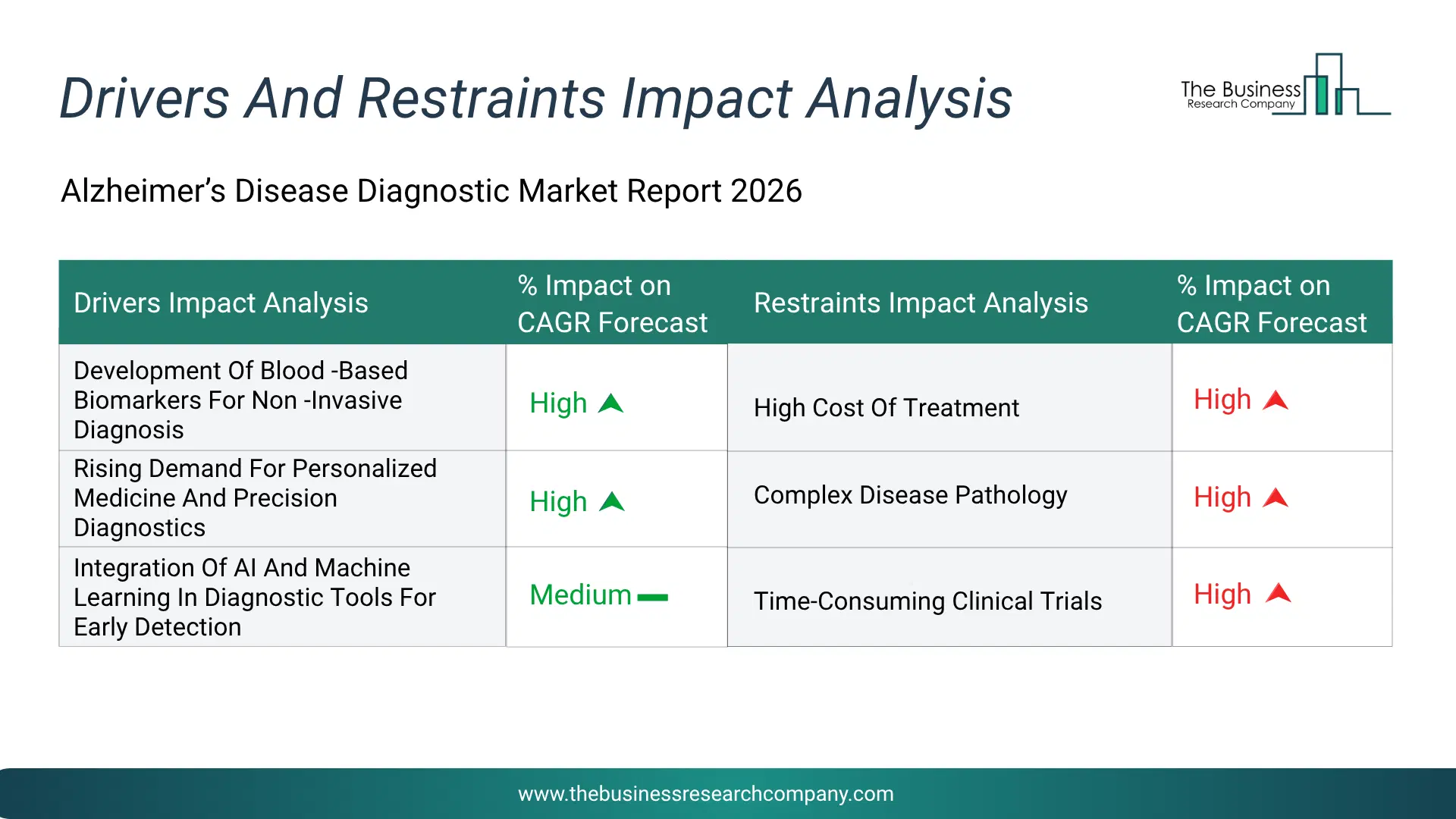
Infographic Chart Showing Key Market Drivers Analysis And Restraints For Alzheimer’S Disease Diagnostic Market
The chart presents an impact analysis of key drivers and restraints, quantifying their relative influence on the market's growth rate and helping assess the balance between growth enablers and limiting factors. This chart offers a high-level perspective; the full report contains more detailed insights.
How Will The Drivers Impact Growth In The Global Alzheimer’s Disease Diagnostic Market?
• Development Of Blood -Based Biomarkers For Non -Invasive Diagnosis (High) – During the forecast period, the development of blood -based biomarkers for non -invasive diagnosis is expected to become a major growth driver for the alzheimer’s disease diagnostic market by 2030. Traditional diagnostic methods such as cerebrospinal fluid (csf) analysis and neuroimaging are often invasive, expensive, and less accessible, creating a strong need for simpler alternatives. Blood -based biomarker tests offer a minimally invasive, cost -effective, and scalable solution for early detection and monitoring of alzheimer’s disease. These tests enable broader population screening, improve patient compliance, and support earlier clinical intervention. Diagnostic companies are increasingly investing in high -sensitivity assays targeting biomarkers such as amyloid -beta and tau proteins. • Rising Demand For Personalized Medicine And Precision Diagnostics (High) – During the forecast period, the rising demand for personalized medicine and precision diagnostics is expected to significantly drive the alzheimer’s disease diagnostic market by 2030. Advances in genomics, proteomics, and biomarker profiling are enabling more tailored diagnostic approaches that align with individual patient characteristics and disease progression patterns. Personalized diagnostics support targeted therapeutic strategies, improve clinical outcomes, and enhance the effectiveness of emerging disease-modifying treatments. Healthcare providers are increasingly adopting precision diagnostic tools to stratify patients, monitor disease progression, and optimize treatment plans. This shift toward individualized care is reinforcing the importance of advanced diagnostic solutions. • Integration Of AI And Machine Learning In Diagnostic Tools For Early Detection (Medium) – During the forecast period, the integration of ai and machine learning in diagnostic tools for early detection is expected to emerge as a key factor accelerating the growth of the alzheimer’s disease diagnostic market by 2030. Ai-driven algorithms are enhancing the accuracy and speed of diagnostic processes by analyzing complex datasets from imaging, biomarkers, and clinical records. These technologies enable early identification of subtle disease patterns that may not be detectable through conventional methods. Ai-powered diagnostic platforms also improve workflow efficiency, reduce diagnostic variability, and support clinical decision-making. As healthcare systems increasingly adopt digital health solutions, the role of ai in alzheimer’s diagnostics is expanding rapidly.How Will The Restraints Impact Growth In The Global Alzheimer’s Disease Diagnostic Market?
• High Cost Of Treatment (High) – During the forecast period, the the high cost associated with alzheimer’s disease treatment and diagnostic procedures acts as a major barrier to market growth. Advanced diagnostic techniques such as pet scans, biomarker analysis, and genetic testing often require expensive equipment and specialized healthcare facilities. These costs can limit patient access, particularly in low- and middle-income regions where healthcare budgets are constrained. In many cases, insurance coverage for advanced diagnostic testing is also limited. As a result, high treatment and diagnostic costs reduce the adoption rate of alzheimer’s diagnostic solutions. • Complex Disease Pathology (High) – During the forecast period, the alzheimer’s disease has a highly complex and multifactorial pathology, making accurate diagnosis challenging. The disease involves multiple biological mechanisms including amyloid plaque accumulation, tau protein abnormalities, neuroinflammation, and neuronal degeneration. Because these processes develop gradually over many years, early detection becomes difficult. The complexity also complicates the development of reliable diagnostic biomarkers and testing methods. This scientific uncertainty slows innovation and limits the rapid expansion of the alzheimer’s disease diagnostics market. • Time-Consuming Clinical Trials (High) – During the forecast period, the clinical trials for alzheimer’s disease diagnostics and related therapies are lengthy and resource intensive. Researchers must conduct long-term studies to monitor disease progression and validate diagnostic accuracy. Since alzheimer’s develops slowly, trials often require extended follow-up periods and large patient populations. This increases development timelines and delays the introduction of new diagnostic technologies. The prolonged approval and validation process can discourage investment and slow market growth.Key Players In The Global Alzheimer’s Disease Diagnostic Market
Major companies operating in the alzheimer’s disease diagnostic market are Hoffmann-La Roche, Eli Lilly and Company, Quest Diagnostics Incorporated, Laboratory Corporation of America Holdings, Lantheus, Quanterix, C2N Diagnostics, Sysmex, Royal Philips, Bruker Corporation, Revvity, Alamar Biosciences, ADx Neurosciences, Randox Laboratories, DiaSorin, Shenzhen Mindray Bio-Medical Electronics, Nipro Corporation, Canon Inc, Hitachi Ltd, Eisai Co Ltd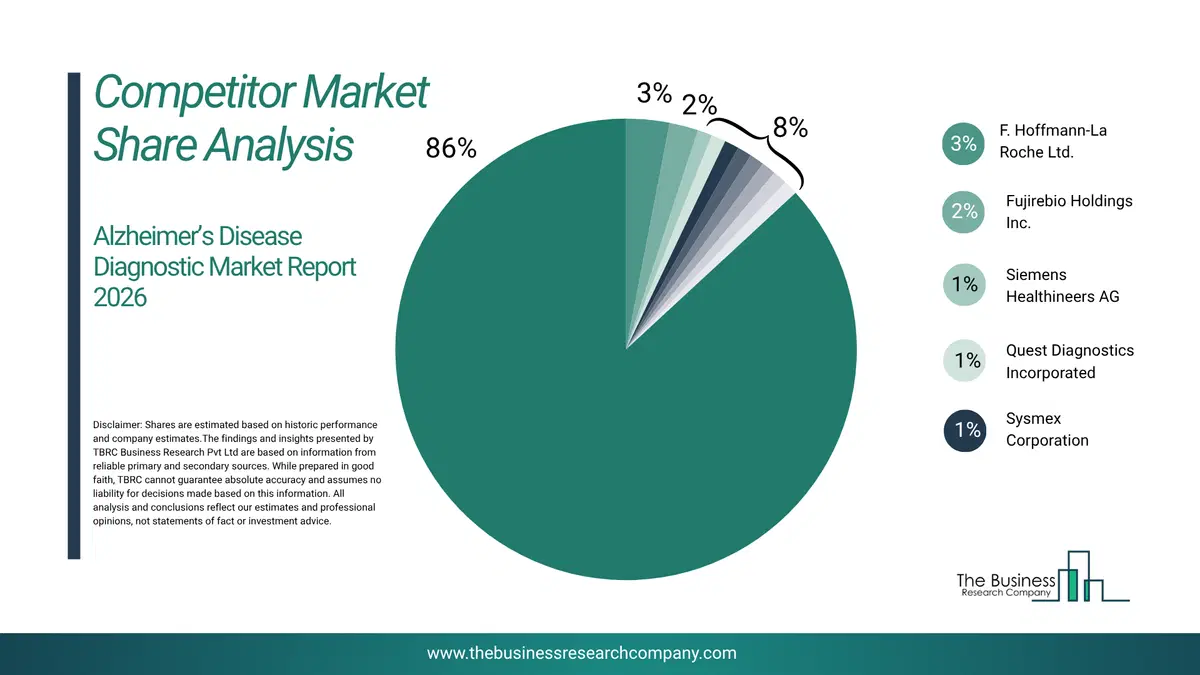
This chart is for illustrative purposes; the full report includes a detailed competitor analysis and comprehensive overview of the top 10 companies in the market.
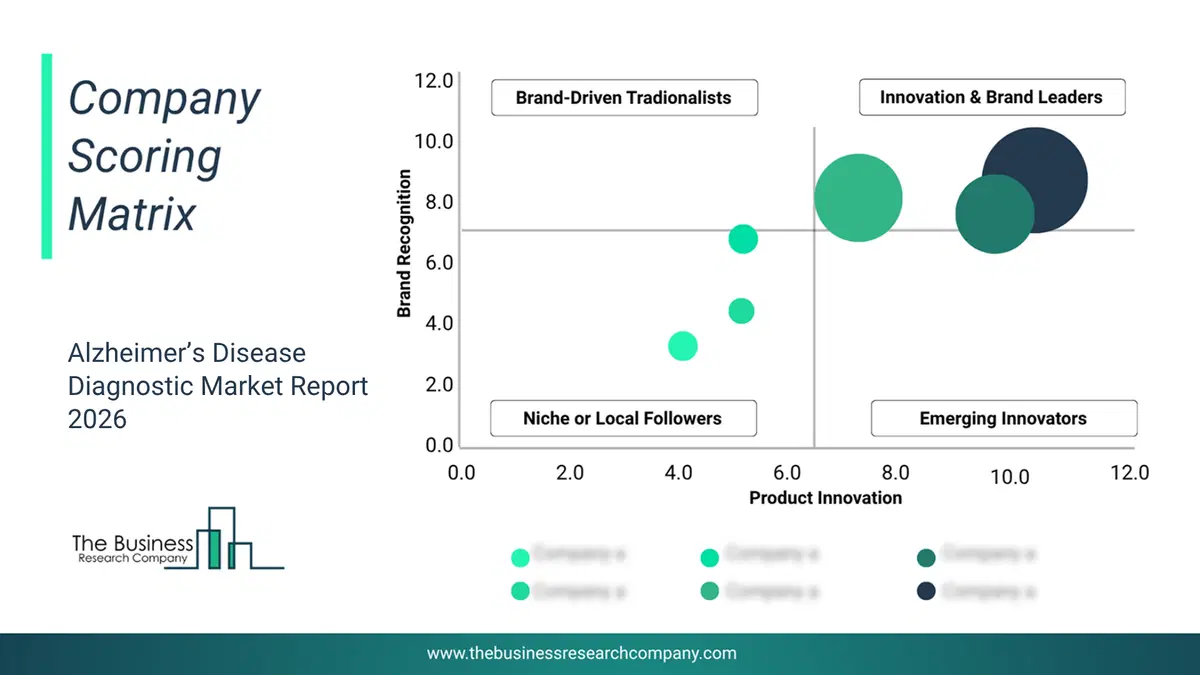
This chart maps companies by product innovation and brand strength, with bubble size indicating relative revenue, helping identify market leaders, challengers, and niche players. This is an illustrative chart; the full report provides a complete and accurate competitive analysis.
Global Alzheimer’s Disease Diagnostic Market Trends and Insights
Major companies operating in the alzheimer’s disease diagnostic market are focusing on advancements of blood-based biomarker test which is expected to simplify the diagnostic process for Alzheimer's disease, reducing reliance on more invasive procedures and improving access to timely treatment for patients. For instance, in October 2023, Quanterix, a US-based biotechnology research company, launched LucentAD p-Tau 217 test, a biomarker for Alzheimer's pathology with clinical sensitivity and specificity in blood. Traditional approaches for cerebrospinal fluid (CSF) biomarkers include positron emission tomography (PET) or lumbar puncture, both of which are costly, invasive, and not widely available. Additionally, it combines Quanterix's ultra-sensitive SimoaÒ technology with J&J Innovative Medicine's well tested p-Tau 217 antibodies for excellent accuracy and a simpler process.What Are Latest Mergers And Acquisitions In The Alzheimer’s Disease Diagnostic Market?
In July 2024, Lantheus, a US-based radiopharmaceutical company, acquired Meilleur Technologies for an undisclosed amount. Through this acquisition, Lantherus aims in expanding its holdings of PET imaging agents for Alzheimer’s disease. Meilleur Technologies is a US biopharma company that has collaborated with research institutions to develop imaging biomarkers for Alzheimer's disease.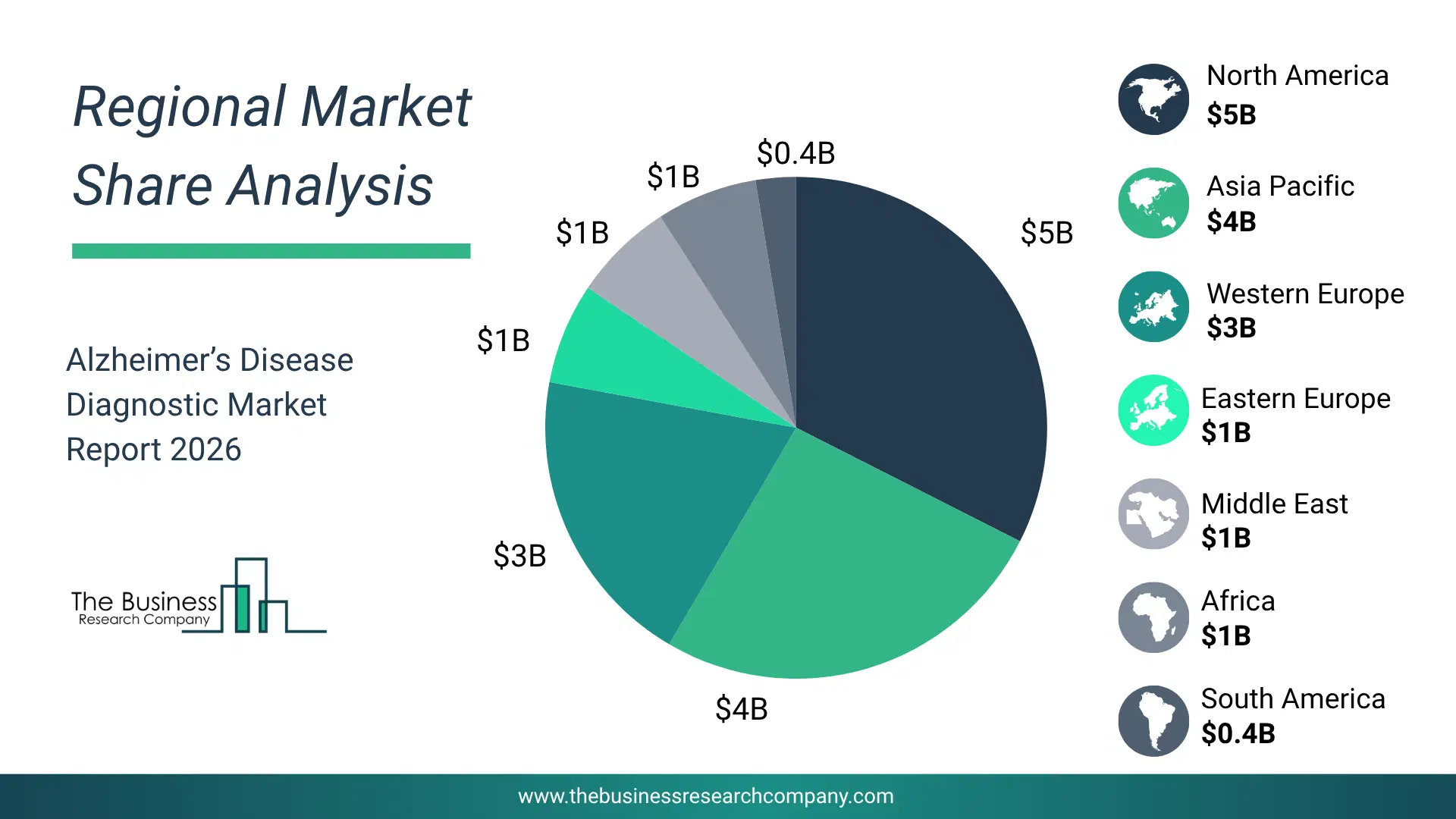
Regional Outlook
North America was the largest region in the alzheimer's disease diagnostic market in 2025. Asia-Pacific is expected to be the fastest-growing region in the forecast period. The regions covered in the alzheimer’s disease diagnostic market report are Asia-Pacific, South East Asia, Western Europe, Eastern Europe, North America, South America, Middle East, Africa. The countries covered in the alzheimer’s disease diagnostic market report are Australia, Brazil, China, France, Germany, India, Indonesia, Japan, Taiwan, Russia, South Korea, UK, USA, Canada, Italy, Spain.What Defines the Alzheimer’s Disease Diagnostic Market?
The alzheimer's disease diagnostic market consists of revenues earned by entities by providing services such as cognitive assessment tests, genetic tests, biomarker tests, and cerebrospinal fluid analysis. The market value includes the value of related goods sold by the service provider or included within the service offering. The alzheimer's disease diagnostic market also includes sales of genetic testing kits, cognitive assessment tools, imaging equipment, biomarker kits, and wearable devices. Values in this market are ‘factory gate’ values, that is, the value of goods sold by the manufacturers or creators of the goods, whether to other entities (including downstream manufacturers, wholesalers, distributors, and retailers) or directly to end customers. The value of goods in this market includes related services sold by the creators of the goods.How is Market Value Defined and Measured?
The market value is defined as the revenues that enterprises gain from the sale of goods and/or services within the specified market and geography through sales, grants, or donations in terms of the currency (in USD unless otherwise specified). The revenues for a specified geography are consumption values that are revenues generated by organizations in the specified geography within the market, irrespective of where they are produced. It does not include revenues from resales along the supply chain, either further along the supply chain or as part of other products.
This chart presents market attractiveness based on a quantitative evaluation of growth, competition, strategic alignment, and risk, offering a clear view of opportunity areas for decision-making. This chart is for illustrative purposes; the full report contains the complete analysis.

This chart highlights the Total Addressable Market (TAM) by estimating the maximum revenue opportunity using an assumption-driven approach, supporting strategic planning and opportunity sizing across markets. The chart is illustrative; the full report provides a more comprehensive analysis.
What Key Data and Analysis Are Included in the Alzheimer’s Disease Diagnostic Market Report 2026?
The alzheimer’s disease diagnostic market research report is one of a series of new reports from The Business Research Company that provides market statistics, including industry global market size, regional shares, competitors with the market share, detailed market segments, market trends and opportunities, and any further data you may need to thrive in the alzheimer’s disease diagnostic industry. The market research report delivers a complete perspective of everything you need, with an in-depth analysis of the current and future state of the industry.Alzheimer’s Disease Diagnostic Market Report Forecast Analysis
| Report Attribute | Details |
|---|---|
| Market Size Value In 2026 | $8.03 billion |
| Revenue Forecast In 2030 | $11.89 billion |
| Growth Rate | CAGR of 10.3% from 2026 to 2030 |
| Base Year For Estimation | 2025 |
| Actual Estimates/Historical Data | 2020-2025 |
| Forecast Period | 2026 - 2030 |
| Market Representation | Revenue in USD Billion and CAGR from 2026 to 2030 |
| Segments Covered | Type, Diagnostic Technique, End User |
| Regional Scope | Asia-Pacific, Western Europe, Eastern Europe, North America, South America, Middle East, Africa |
| Country Scope | The countries covered in the report are Australia, Brazil, China, France, Germany, India, ... |
| Key Companies Profiled | Hoffmann-La Roche, Eli Lilly and Company, Quest Diagnostics Incorporated, Laboratory Corporation of America Holdings, Lantheus, Quanterix, C2N Diagnostics, Sysmex, Royal Philips, Bruker Corporation, Revvity, Alamar Biosciences, ADx Neurosciences, Randox Laboratories, DiaSorin, Shenzhen Mindray Bio-Medical Electronics, Nipro Corporation, Canon Inc, Hitachi Ltd, Eisai Co Ltd |
| Customization Scope | Request for Customization |
| Pricing And Purchase Options | Explore Purchase Options |