
Artificial Intelligence (AI) In Predictive Toxicology Market Report 2026
Global Outlook – By Component (Solution, Services), By Technology (Machine Learning, Other Technologies), By Toxicity Endpoints (Genotoxicity, Hepatotoxicity, Neurotoxicity, Cardiotoxicity, Other Toxicity Endpoints), By End User (Pharmaceutical And Biotechnology Companies, Chemical And Cosmetics, Contract Research Organizations, Other End Users) – Market Size, Trends, Strategies, and Forecast to 2030
Artificial Intelligence (AI) In Predictive Toxicology Market Overview
• Artificial Intelligence (AI) In Predictive Toxicology market size has reached to $0.64 billion in 2025 • Expected to grow to $2.29 billion in 2030 at a compound annual growth rate (CAGR) of 28.9% • Growth Driver: Increasing Demand For Efficient And Ethical Drug Discovery Processes Driving AI In Predictive Toxicology Market Growth • Market Trend: Key Players Driving Innovation Through Strategic Collaborations In The Pharmaceutical Industry • North America was the largest region in 2025 and Asia-Pacific is the fastest growing region.Market Gains By 2030 – Top Opportunities By Segment
Market Gain identifies the most promising market opportunities by highlighting the segments or products expected to generate the highest incremental revenue growth over the next five years.
What Is Covered Under Artificial Intelligence (AI) In Predictive Toxicology Market?
Artificial intelligence (AI) in predictive toxicology refers to the use of artificial intelligence techniques to analyze biological, chemical, and environmental data to predict the potential toxicity of chemicals and compounds. It is used to expedite chemical safety assessments, predict drug toxicity, and prioritize chemicals for further testing. The main components of artificial intelligence (AI) in predictive toxicology include solutions and services. Solutions refer to software platforms or systems designed to analyze data and predict toxicological outcomes and also utilize advanced algorithms and models to assess the potential risks of chemical compounds, offering comprehensive tools for toxicity prediction and risk assessment and aiding in drug development and chemical safety evaluation. It includes several types of technologies, such as machine learning, natural language processing, computer vision, and others, which are used in several toxicity endpoint applications, including genotoxicity, hepatotoxicity, neurotoxicity, cardiotoxicity, and others. These are used by various end users, such as pharmaceutical and biotechnology companies, chemical and cosmetics companies, contract research organizations, and others.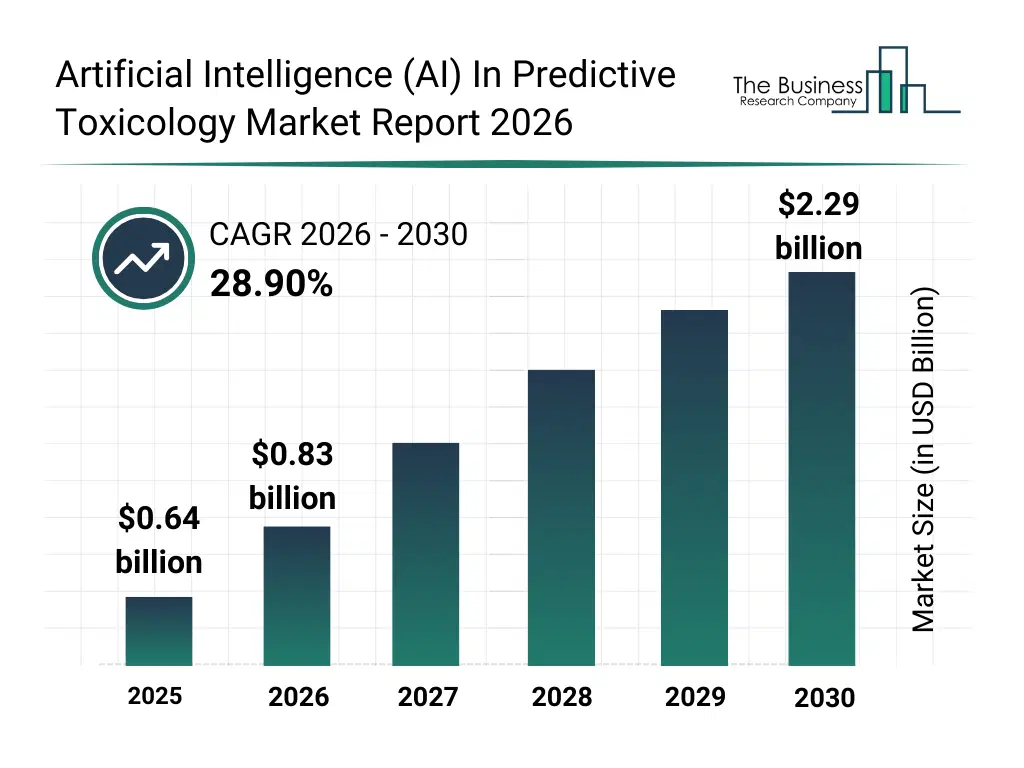
What Is The Artificial Intelligence (AI) In Predictive Toxicology Market Size and Share 2026?
The artificial intelligence (ai) in predictive toxicology market size has grown exponentially in recent years. It will grow from $0.64 billion in 2025 to $0.83 billion in 2026 at a compound annual growth rate (CAGR) of 29.3%. The growth in the historic period can be attributed to growing demand for safer chemicals, increasing pharmaceutical research and development, rising regulatory pressure for chemical safety, early adoption of computational toxicology, advancements in bioinformatics tools.What Is The Artificial Intelligence (AI) In Predictive Toxicology Market Growth Forecast?
The artificial intelligence (ai) in predictive toxicology market size is expected to see exponential growth in the next few years. It will grow to $2.29 billion in 2030 at a compound annual growth rate (CAGR) of 28.9%. The growth in the forecast period can be attributed to increasing adoption of ai-driven predictive models, expansion of cloud-based toxicology platforms, integration of genomics and chemical data, growing collaborations between pharma and biotech companies, rising demand for rapid chemical safety assessment. Major trends in the forecast period include integration of multi-omics data for toxicity prediction, in silico drug toxicity modeling, high-throughput toxicological screening, ai-driven chemical prioritization, cloud-based toxicology data management.
Global Artificial Intelligence (AI) In Predictive Toxicology Market Segmentation
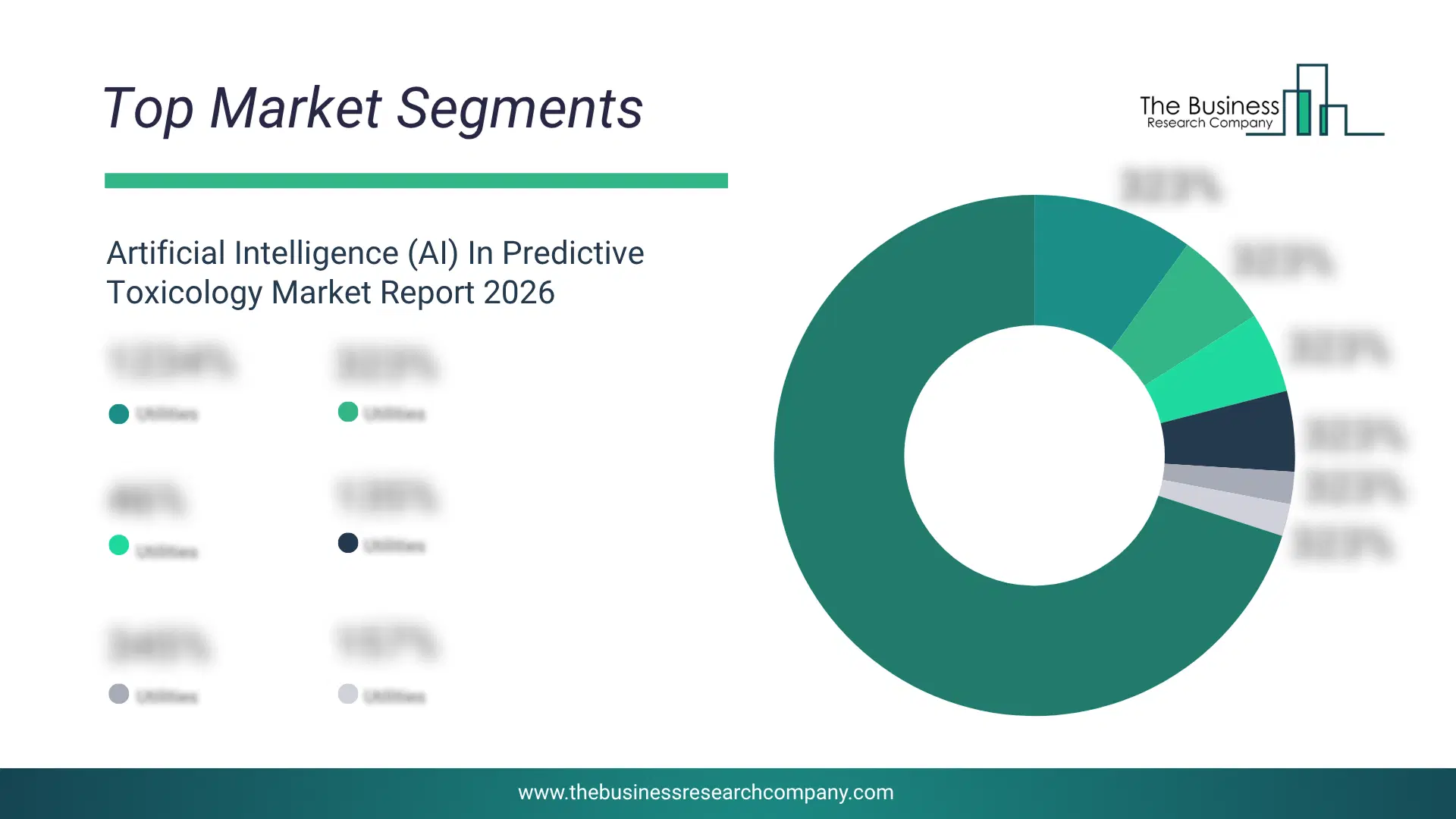
1) By Component: Solution, Services 2) By Technology: Machine Learning, Other Technologies 3) By Toxicity Endpoints: Genotoxicity, Hepatotoxicity, Neurotoxicity, Cardiotoxicity, Other Toxicity Endpoints 4) By End User: Pharmaceutical And Biotechnology Companies, Chemical And Cosmetics, Contract Research Organizations, Other End Users Subsegments: 1) By Solution: Software Platforms, Data Analysis Tools, Predictive Modeling Solutions, Database And Information Systems 2) By Services: Consulting Services, Training And Support Services, Data Management And Integration Services, Research And Development Services The top segments in the artificial intelligence (ai) in predictive toxicology market will be: • Solution will reach $437.4 Million by 2025. • Pharmaceutical And Biotechnology Companies will reach $328.02 Million by 2025. • Machine Learning will reach $311.82 Million by 2025. • Genotoxicity will reach $218.14 Million by 2025. • Services will reach $204.27 Million by 2025.What Is The Driver Of The Artificial Intelligence (AI) In Predictive Toxicology Market?
The increasing demand for efficient and ethical drug discovery processes is expected to propel the growth of artificial intelligence (AI) in predictive toxicology market going forward. Drug discovery is an intricate and dynamic process that involves the systematic exploration, synthesis, and evaluation of chemical compounds to discover potential therapeutic agents to alleviate diseases and enhance overall well-being, while efficient and ethical drug discovery processes involve leveraging advanced technologies and prioritizing responsible research practices to develop new therapeutic agents. The demand for efficient and ethical drug discovery processes is driven by rising chronic diseases, growing trend towards personalized medicine, and an increased prevalence of age-related diseases. Artificial intelligence (AI) in predictive toxicology enhances drug discovery processes by efficiently analyzing vast datasets to predict potential toxicological outcomes, thereby accelerating drug development while ensuring ethical standards are met. For instance, in 2023, according to Office for National Statistics, a UK-based, government agency, the UK government’s net spending on research and development (R&D) increased to £17.4 ($22.1 billion) billion in 2023, up from £16.1 billion ($20.45 billion) in 2022, marking an 8.2% rise. Therefore, the increasing demand for efficient and ethical drug discovery processes is driving the growth of the artificial intelligence (AI) in predictive toxicology industry.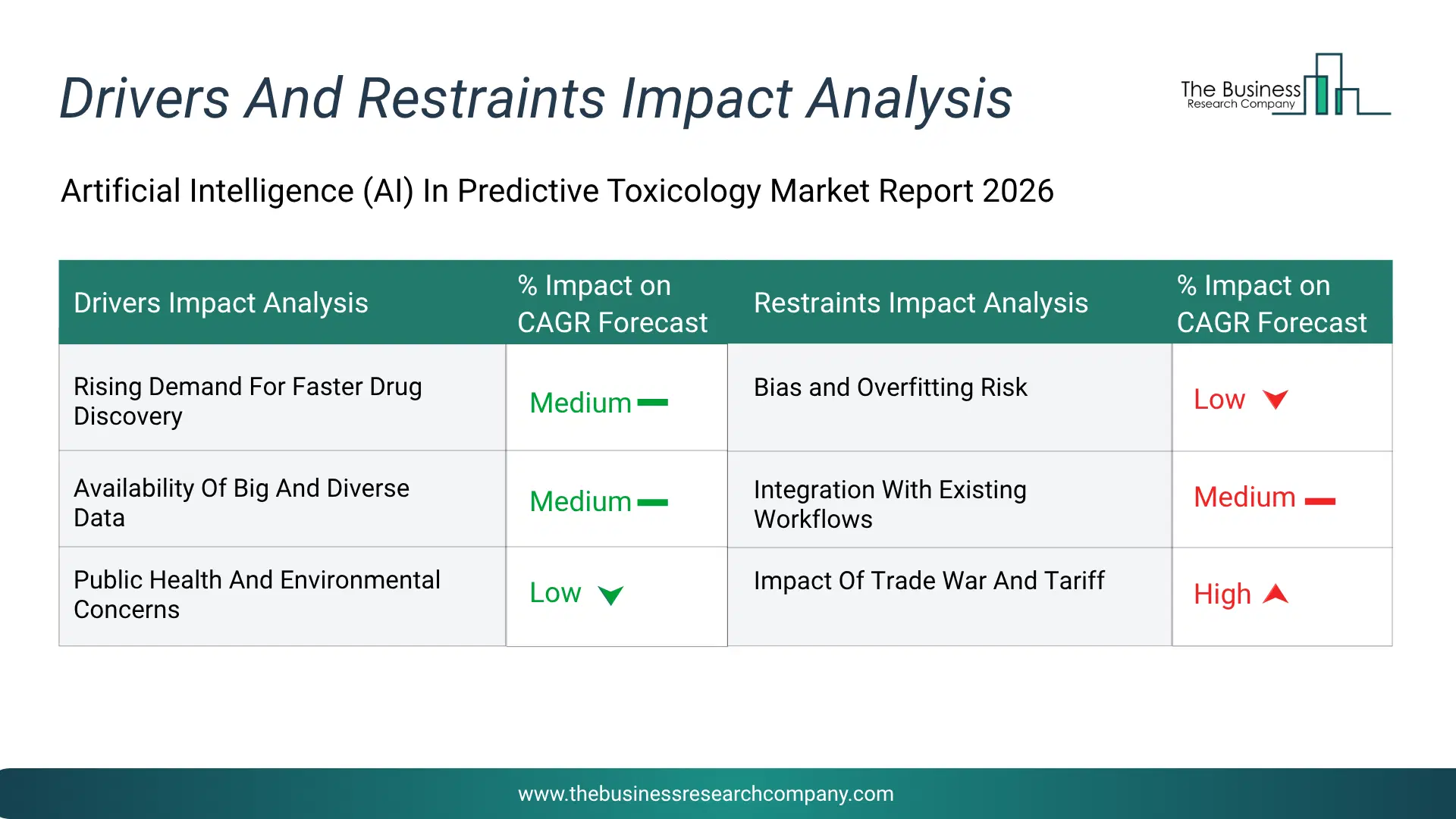
Infographic Chart Showing Key Market Drivers Analysis And Restraints For Artificial Intelligence (Ai) In Predictive Toxicology Market
The chart presents an impact analysis of key drivers and restraints, quantifying their relative influence on the market's growth rate and helping assess the balance between growth enablers and limiting factors. This chart offers a high-level perspective; the full report contains more detailed insights.
How Will The Drivers Impact Growth In The Global Artificial Intelligence (AI) In Predictive Toxicology Market?
• Rising Demand For Faster Drug Discovery (Medium) – The rising demand for faster drug discovery and development will become a key driver of growth in the artificial intelligence (AI) in predictive toxicology market by 2030. Pharmaceutical companies are under pressure to shorten the timelines and reduce the costs associated with bringing new drugs to market. AI-driven predictive toxicology solutions enable early identification of potential safety concerns, allowing for more informed decision-making and prioritization of drug candidates. By 2026, it is estimated that AI will drive new drug discoveries, cutting costs and accelerating personalized treatments. This shift towards AI integration in the drug development process not only enhances efficiency but also improves the success rates of clinical trials, thereby addressing the industry's need for expedited and cost-effective drug development. As a result, the rising demand for faster drug discovery and development is anticipated to contributing to a 1.5% annual growth in the market. • Availability Of Big And Diverse Data (Medium) – The availability of big and diverse data in toxicology will emerge as a major factor driving the expansion of the market by 2030. Large datasets from in vitro and in vivo studies, chemical libraries and clinical trials provide AI models with the breadth and depth needed to accurately predict toxicological outcomes. Access to such comprehensive data enables AI algorithms to detect complex patterns, improve prediction reliability and enhance model generalizability across different chemical classes and biological systems. As more diverse and extensive datasets become available, AI-powered predictive toxicology solutions will increasingly support drug development, regulatory compliance and environmental safety assessments, thereby driving market growth. Consequently, the availability of big and diverse data in toxicology is projected to contributing to a 1.0% annual growth in the market. • Public Health And Environmental Concerns (Low) – The public health and environmental concerns will serve as a key growth catalyst for the market by 2030. Increasing awareness of the potential risks posed by chemicals and environmental pollutants is driving demand for safer and more accurate toxicity assessments. AI-enabled predictive toxicology platforms allow researchers to rapidly analyze complex datasets, identify hazardous compounds and model potential health impacts without relying heavily on traditional animal testing. Moreover, these technologies support regulatory compliance by providing data-driven insights that align with evolving safety standards and environmental protection guidelines. As organizations prioritize human health and environmental sustainability, the adoption of artificial intelligence (AI) in predictive toxicology is expected to increase, thereby driving market growth. Therefore, this public health and environmental concerns is projected to supporting to a 0.8% annual growth in the market. • Rising Clinical Trials (Low) – The rising clinical trials will become a significant driver contributing to the growth of the market by 2030 AI enables rapid and accurate prediction of toxic effects in new drug compounds, significantly reducing the time and cost associated with traditional animal testing and laboratory studies. As clinical trials increase, the demand for AI solutions capable of analysing extensive toxicology datasets and predicting adverse reactions continues to rise. By leveraging machine learning algorithms, AI enhances drug safety assessments, identifies potentially toxic chemicals, and supports faster, data-driven decision-making in drug development and regulatory approval processes. Consequently, the rising clinical trials is projected to contributing to a 0.5% annual growth in the market.How Will The Restraints Impact Growth In The Global Artificial Intelligence (AI) In Predictive Toxicology Market?
• Bias and Overfitting Risk (Medium) – Bias and Overfitting Risk will restrict the growth of the Artificial Intelligence (AI) In Predictive Toxicology market during the forecast period. AI models used in predictive toxicology are susceptible to algorithmic bias and overfitting, where models perform well on training data but fail to generalize to new compounds or diverse biological systems. This can lead to inaccurate toxicity predictions, potentially resulting in drug development failures, regulatory setbacks, or safety concerns. The risk of unreliable predictions undermines trust in AI-driven toxicology solutions. • Integration With Existing Workflows (Medium) – Integration With Existing Workflows will restrict the growth of the Artificial Intelligence (AI) In Predictive Toxicology market during the forecast period. Incorporating AI-based predictive toxicology tools into established drug discovery and safety assessment workflows presents significant challenges. Legacy systems, data silos, and resistance to change from traditional toxicologists can impede adoption. The need for substantial workflow redesign and employee retraining adds to implementation complexity and costs, slowing market penetration. • Impact Of Trade War And Tariff (Low) – Impact Of Trade War And Tariff will restrict the growth of the Artificial Intelligence (AI) In Predictive Toxicology market during the forecast period. Trade tensions and tariffs affect the availability and cost of high-performance computing hardware, specialized software, and data infrastructure essential for AI toxicology applications. Increased costs for cloud computing services, GPUs, and data storage solutions make AI adoption less affordable for smaller research institutions and pharmaceutical companies, limiting market expansion.Key Players In The Global Artificial Intelligence (AI) In Predictive Toxicology Market
Major companies operating in the artificial intelligence (ai) in predictive toxicology market are Certara Inc, Schrödinger Inc, Instem plc, Simulations Plus Inc, Lhasa Limited, Chemaxon Ltd, Algorithme Pharma, Benevolent AI, Berg Health, Biovista Inc, Recursion Pharmaceuticals Inc, Exscientia plc, Insilico Medicine Inc, Celsius Therapeutics Inc, ArisGlobal, Merative L.P., BioTeam Inc, Leadscope Inc, MultiCASE Inc, ACD Labs, Optibrium Ltd, Chemotargets SL, Toxys BV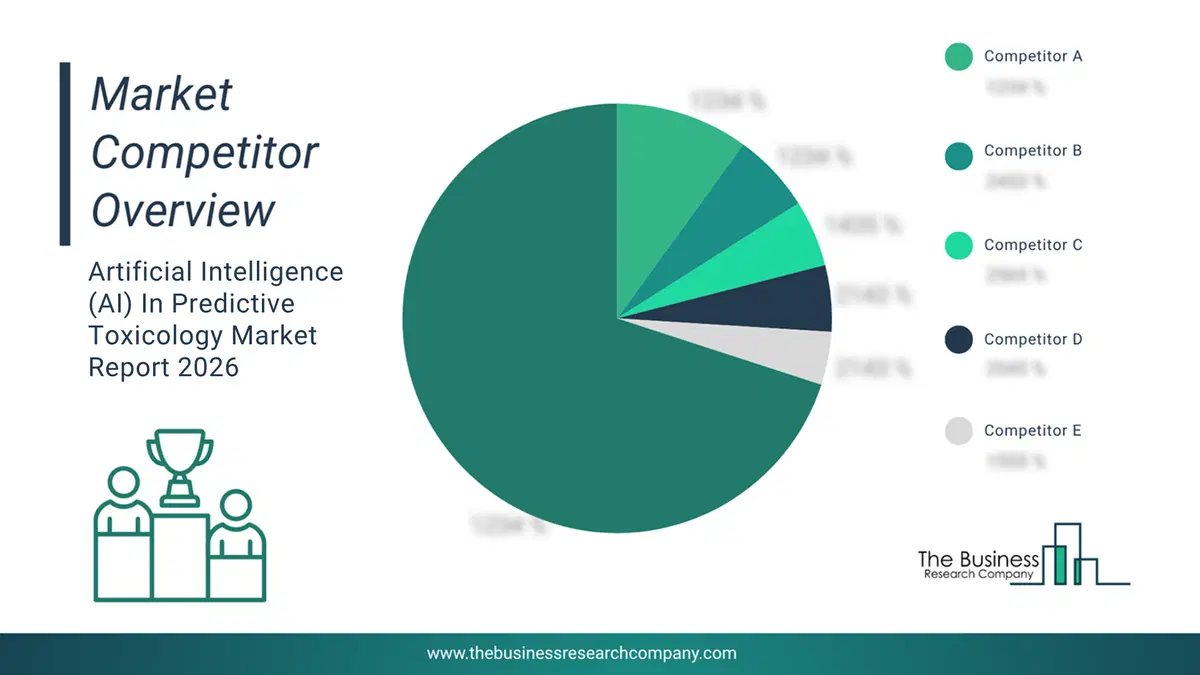
This chart is for illustrative purposes; the full report includes a detailed competitor analysis and comprehensive overview of the top 10 companies in the market.
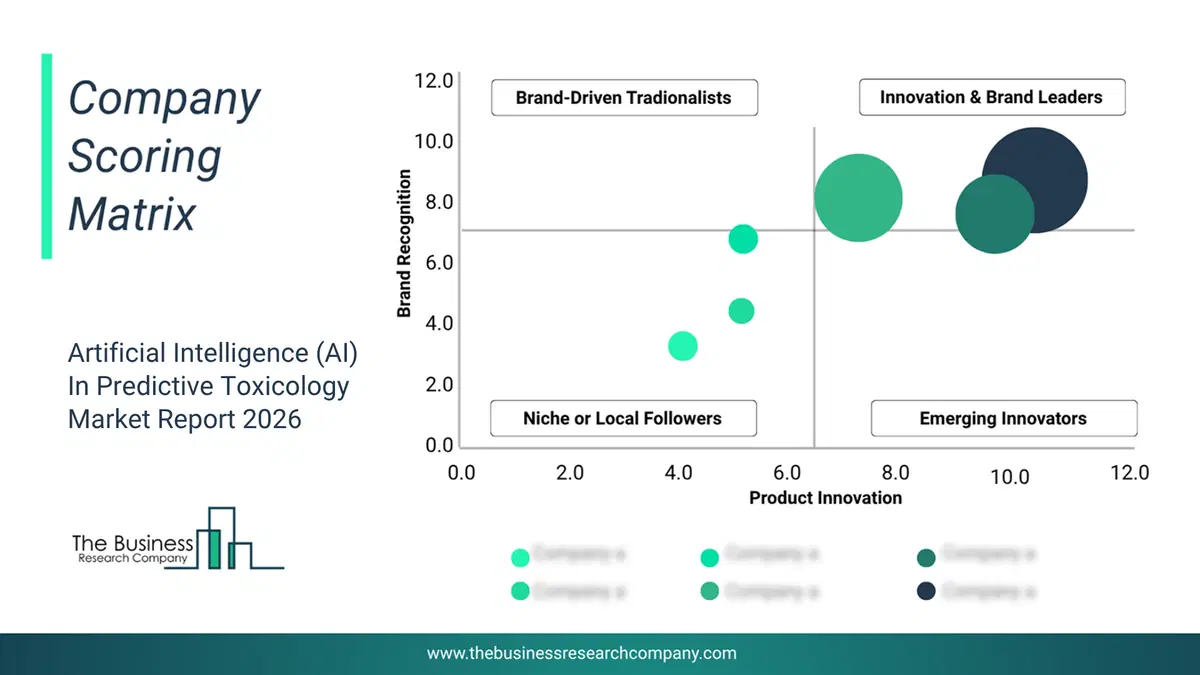
This chart maps companies by product innovation and brand strength, with bubble size indicating relative revenue, helping identify market leaders, challengers, and niche players. This is an illustrative chart; the full report provides a complete and accurate competitive analysis.
Global Artificial Intelligence (AI) In Predictive Toxicology Market Trends and Insights
Major companies operating in the artificial intelligence (AI) predictive toxicology market are adopting a strategic collaboration approaches to enhance market presence and innovation. These collaborations aim to leverage AI and machine learning techniques to improve the prediction and assessment of the toxicity of chemical compounds and pharmaceuticals. For instance, in January 2024, SyntheticGestalt, a UK-based AI research and development company offering AI drug discovery solutions, partnered with Enamine, a Ukraine-based provider of chemical building blocks, screening compounds, and integrated drug discovery services, to develop a set of AI models facilitating the generation of synthetically accessible biologically active compounds, optimizing their physicochemical and ADME or Tox (Absorption, Distribution, Metabolism, and Excretion or Toxicity) properties. These models will find application in SyntheticGestalt's compound discovery endeavors, catering to both academic users and pharmaceutical companies through their services. Enamine has made its extensive Enamine REAL database, containing 38 billion molecules, available for access. SyntheticGestalt will integrate this database into its Drug Discovery Service, utilizing proprietary AI models to predict the physicochemical and ADME or Tox properties of compounds. The service will promptly suggest improved alternative compounds for those with issues.What Are Latest Mergers And Acquisitions In The Artificial Intelligence (AI) In Predictive Toxicology Market?
In October 2024, Certara, Inc., a US-based pharmaceutical company that provides drug development software and services, acquired Chemaxon Ltd. for an undisclosed amount. With this acquisition, Certara Inc. aims to enhance its drug development capabilities by integrating advanced cheminformatics software to improve predictive accuracy and streamline the drug discovery process. Chemaxon Ltd. is a Hungary-based IT company that specializes in cheminformatics solutions, which are critical for drug discovery and predictive toxicology.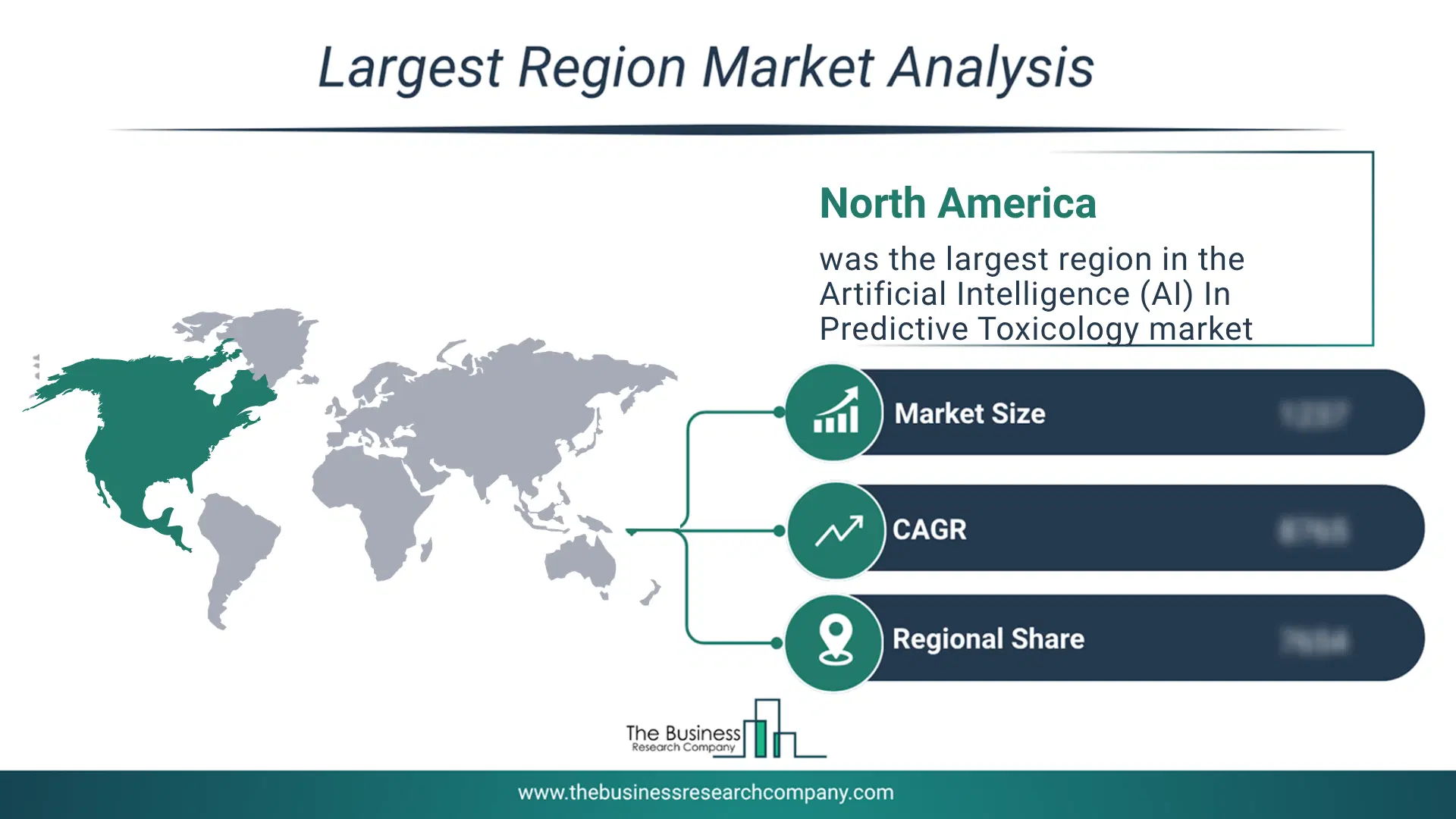
Regional Insights
North America was the largest region in the artificial intelligence (AI) in predictive toxicology market in 2025. Asia-Pacific is expected to be the fastest-growing region in the forecast period. The regions covered in this market report are Asia-Pacific, South East Asia, Western Europe, Eastern Europe, North America, South America, Middle East, Africa. The countries covered in this market report are Australia, Brazil, China, France, Germany, India, Indonesia, Japan, Taiwan, Russia, South Korea, UK, USA, Canada, Italy, Spain.What Defines the Artificial Intelligence (AI) In Predictive Toxicology Market?
Artificial intelligence (AI) in predictive toxicology market includes revenues earned by entities by providing services such as toxicity prediction modeling, risk assessment, chemical prioritization, and toxicity data analysis. The market value includes the value of related goods sold by the service provider or included within the service offering. Only goods and services traded between entities or sold to end consumers are included.How is Market Value Defined and Measured?
The market value is defined as the revenues that enterprises gain from the sale of goods and/or services within the specified market and geography through sales, grants, or donations in terms of the currency (in USD unless otherwise specified). The revenues for a specified geography are consumption values that are revenues generated by organizations in the specified geography within the market, irrespective of where they are produced. It does not include revenues from resales along the supply chain, either further along the supply chain or as part of other products.
This chart presents market attractiveness based on a quantitative evaluation of growth, competition, strategic alignment, and risk, offering a clear view of opportunity areas for decision-making. This chart is for illustrative purposes; the full report contains the complete analysis.

This chart highlights the Total Addressable Market (TAM) by estimating the maximum revenue opportunity using an assumption-driven approach, supporting strategic planning and opportunity sizing across markets. The chart is illustrative; the full report provides a more comprehensive analysis.
What Key Data and Analysis Are Included in the Artificial Intelligence (AI) In Predictive Toxicology Market Report 2026?
The artificial intelligence (ai) in predictive toxicology market research report is one of a series of new reports from The Business Research Company that provides market statistics, including industry global market size, regional shares, competitors with the market share, detailed market segments, market trends and opportunities, and any further data you may need to thrive in the artificial intelligence (ai) in predictive toxicology industry. The market research report delivers a complete perspective of everything you need, with an in-depth analysis of the current and future state of the industry.Artificial Intelligence (AI) In Predictive Toxicology Market Report Forecast Analysis
| Report Attribute | Details |
|---|---|
| Market Size Value In 2026 | $0.83 billion |
| Revenue Forecast In 2030 | $2.29 billion |
| Growth Rate | CAGR of 29.3% from 2026 to 2030 |
| Base Year For Estimation | 2025 |
| Actual Estimates/Historical Data | 2020-2025 |
| Forecast Period | 2026 - 2030 |
| Market Representation | Revenue in USD Billion and CAGR from 2026 to 2030 |
| Segments Covered | Component, Technology, Toxicity Endpoints, End User |
| Regional Scope | Asia-Pacific, Western Europe, Eastern Europe, North America, South America, Middle East, Africa |
| Country Scope | The countries covered in the report are Australia, Brazil, China, France, Germany, India, Indonesia, Japan, Taiwan, Russia, South Korea, UK, USA, Canada, Italy, Spain. |
| Key Companies Profiled | Certara Inc, Schrödinger Inc, Instem plc, Simulations Plus Inc, Lhasa Limited, Chemaxon Ltd, Algorithme Pharma, Benevolent AI, Berg Health, Biovista Inc, Recursion Pharmaceuticals Inc, Exscientia plc, Insilico Medicine Inc, Celsius Therapeutics Inc, ArisGlobal, Merative L.P., BioTeam Inc, Leadscope Inc, MultiCASE Inc, ACD Labs, Optibrium Ltd, Chemotargets SL, Toxys BV |
| Customization Scope | Request for Customization |
| Pricing And Purchase Options | Explore Purchase Options |