
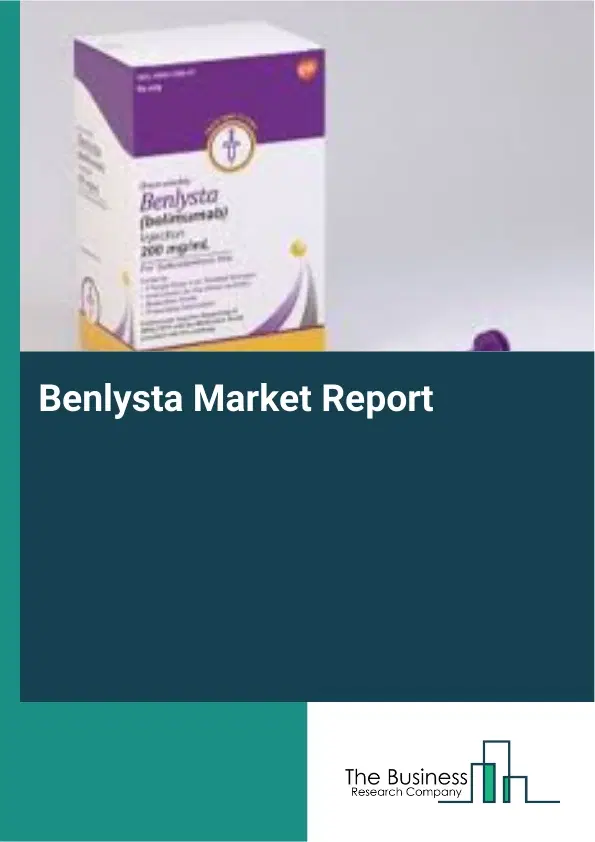
Benlysta Market Report 2026
Epidemiology, Pipeline Analysis, Market Insights & Forecasts
Benlysta Market Overview
• The Benlysta market growth in the historic period has been driven by limited effective sle therapies, biologic drug innovation • Market expansion is supported by rising lupus diagnosis rates, expanded indications such as lupus nephritis • Growth Driver: Autoimmune Disease Rise Boosts Demand For Benlysta In SLE Treatment • Market Trend: Innovative Autoinjectors Enable At-Home Lupus Treatment Enhancing Convenience For Caregivers • North America was the largest region in 2025.Market Gains By 2030 – Top Opportunities By Segment
Market Gain identifies the most promising market opportunities by highlighting the segments or products expected to generate the highest incremental revenue growth over the next five years.
What Is Covered Under Benlysta Market?
Benlysta refers to a biologic medication known as belimumab, which is used primarily for the treatment of systemic lupus erythematosus (SLE), an autoimmune disease. It works by targeting and inhibiting the BLyS protein to reduce the survival of B cells, thus helping decrease disease activity and organ damage, and is administered via intravenous infusion or subcutaneous injection. The main types of benlysta administration include intravenous (IV) and subcutaneous (SC) methods. Intravenous (IV) refers to the administration of medications, fluids, or nutrients directly into a vein, allowing for rapid absorption into the bloodstream. Its clinical indications encompass systemic lupus erythematosus (SLE), lupus nephritis (LN), and others. Benlysta is utilized across various end users, including hospitals, clinics, home care settings, and specialty pharmacies, ensuring widespread accessibility and flexibility in treatment delivery.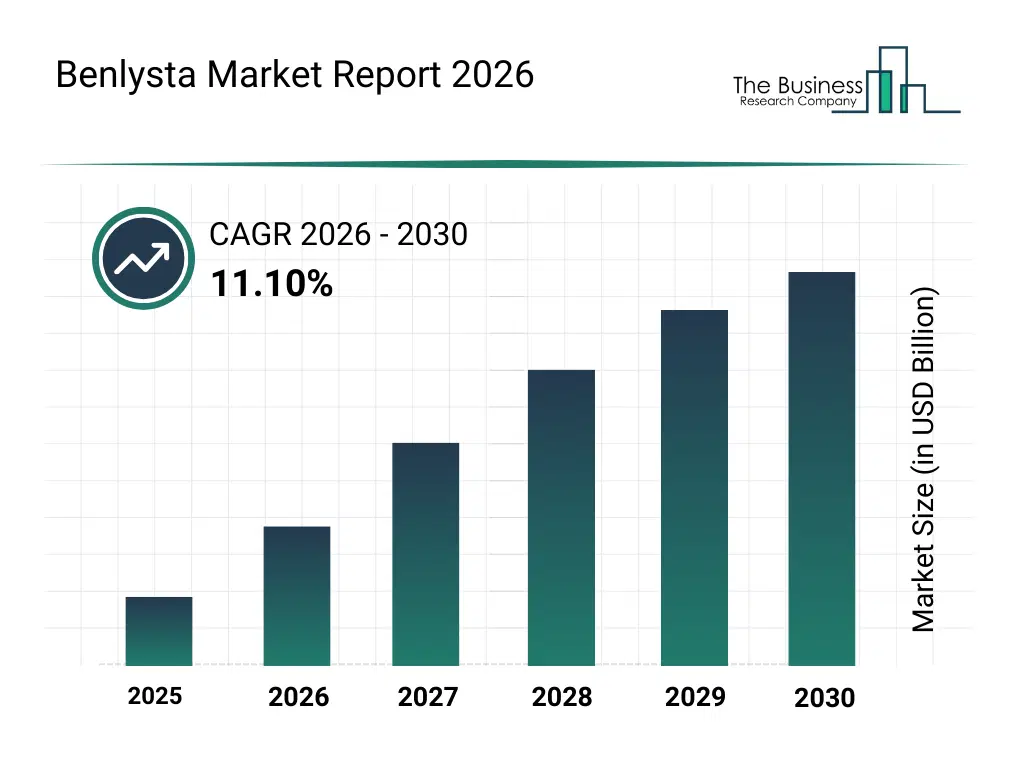
What Is The Benlysta Market Size and Share 2026?
The benlysta market size has grown rapidly in recent years. It will grow from $2404.67 million in 2025 to $2677.94 million in 2026 at a compound annual growth rate (CAGR) of 11.4%. The growth in the historic period can be attributed to limited effective sle therapies, biologic drug innovation, early belimumab approvals, specialist rheumatology adoption, unmet autoimmune treatment needs.What Is The Benlysta Market Growth Forecast?
The benlysta market size is expected to see rapid growth in the next few years. It will grow to $4073.18 million in 2030 at a compound annual growth rate (CAGR) of 11.1%. The growth in the forecast period can be attributed to rising lupus diagnosis rates, expanded indications such as lupus nephritis, improved biologic access, stronger reimbursement support, increased specialist awareness. Major trends in the forecast period include growing adoption of targeted autoimmune therapies, expansion of biologic treatments in lupus care, shift toward long term disease modifying agents, increased use of subcutaneous administration, rising focus on organ damage prevention.
Global Benlysta Market Segmentation
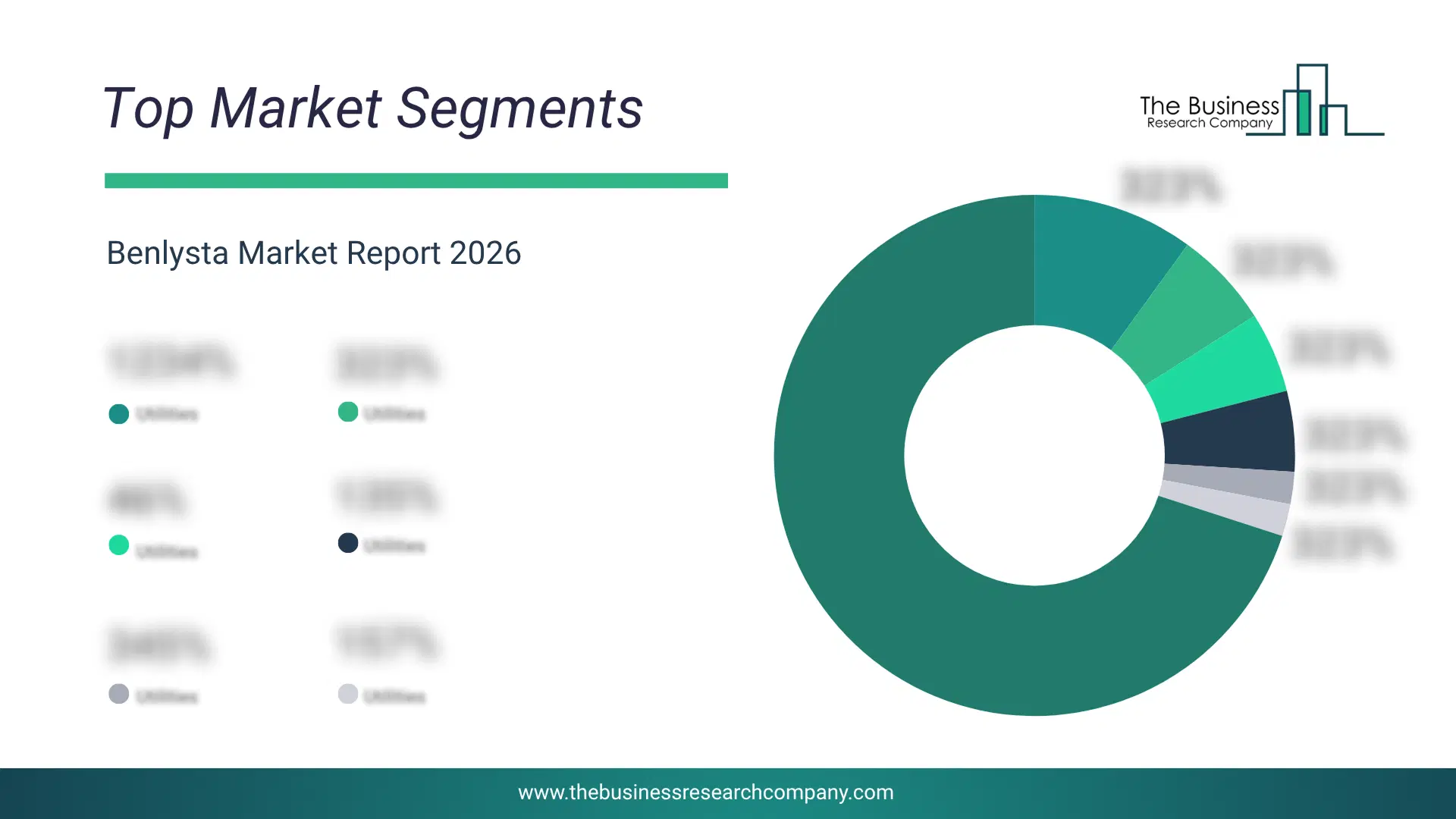
1) By Route Of Administration: Intravenous (IV), Subcutaneous (SC) 2) By Clinical Indication: Systemic Lupus Erythematosus (SLE), Lupus Nephritis (LN), Other Related Conditions 3) By End Users: Hospitals, Clinics, Home Care Settings, Specialty Pharmacies The top segments in the benlysta market will be: • Subcutaneous (SC) will reach $1.98 Billion by 2030. • Intravenous (IV) will reach $1.84 Billion by 2030.What Are The Drivers Of The Benlysta Market?
The increase in new cases of autoimmune diseases is expected to drive the benlysta market going forward. Autoimmune diseases refer to a group of conditions where the body's immune system mistakenly attacks its own healthy cells, tissues, and organs. The prevalence of autoimmune diseases is increasing due to factors such as better diagnosis, environmental triggers, lifestyle changes, genetic predisposition, and an aging population. Benlysta helps manage autoimmune diseases, particularly systemic lupus erythematosus (SLE), by targeting and inhibiting the B-lymphocyte stimulator (BLyS) protein, which plays a key role in the overactive immune response, thus reducing the survival of harmful B cells and preventing them from attacking healthy tissues, ultimately helping to control disease activity, reduce flare-ups, and improve patient outcomes. For instance, in March 2024, according to the National Health Council, a US-based nonprofit organization, autoimmune diseases reportedly impact around 50 million people in the United States, though this figure may underestimate the true prevalence due to diagnostic challenges. Worryingly, autoimmunity is on the rise, with some studies suggesting an annual increase ranging from 3% to 12%. Moreover, in February 2024, according to the National Library of Medicine, a US-based biomedical library, global incidence of autoimmune diseases increases by 19.1% annually, while the prevalence rises by 12.5% each year. Therefore, the increase in new cases of autoimmune diseases is driving the growth of benlysta industry. The growth in healthcare expenditure is expected to drive the benlysta market. Healthcare expenditure refers to the total spending on medical goods and services, including hospital care, pharmaceuticals, and healthcare administration. It encompasses both public and private sector spending on the prevention, treatment, and management of health conditions. Healthcare expenditure is growing due to an aging population, increasing prevalence of chronic diseases, and advancements in medical technology. Additionally, rising healthcare demands and inflation contribute to higher costs across the sector. Rising healthcare expenditure supports the Benlysta market by increasing investment in treatments for chronic autoimmune conditions like lupus, leading to higher demand for biologic therapies. For instance, in May 2024, according to the Office for National Statistics, a UK-based government department, between 2022 and 2023, healthcare spending in the UK increased by 5.6% compared with growth of 0.9% in 2022. The UK healthcare expenditure in the UK healthcare expenditure was around $317.63 billion (£292 billion) in 2023. Therefore, the growth in healthcare expenditure is driving the benlysta industry.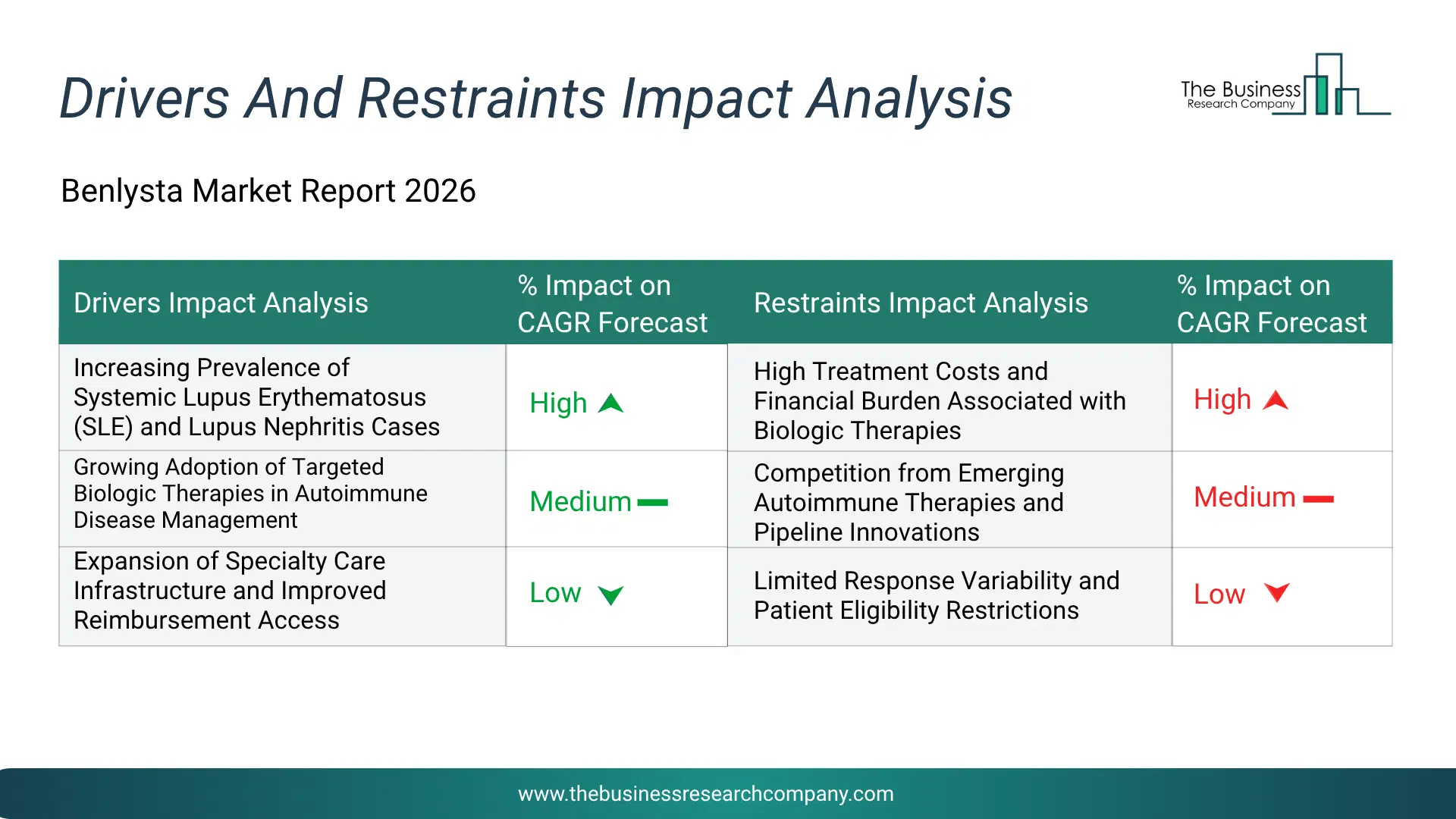
Infographic Chart Showing Key Market Drivers Analysis And Restraints For Benlysta Market
The chart presents an impact analysis of key drivers and restraints, quantifying their relative influence on the market's growth rate and helping assess the balance between growth enablers and limiting factors. This chart offers a high-level perspective; the full report contains more detailed insights.
How Will The Drivers Impact Growth In The Global Benlysta Market?
• Increasing Prevalence of Systemic Lupus Erythematosus (SLE) and Lupus Nephritis Cases (High) – During the forecast period, the increasing prevalence of systemic lupus erythematosus (SLE) and lupus nephritis cases is expected to become a key growth driver for the benlysta market by 2030. Rising diagnosis rates of chronic autoimmune disorders are creating higher demand for advanced therapies capable of improving disease control and reducing organ damage progression. Lupus nephritis remains one of the most severe complications associated with lupus, requiring long-term treatment strategies and specialized biologic interventions. Healthcare providers are increasingly emphasizing earlier therapeutic intervention to improve patient outcomes and minimize disease burden. This expanding patient population is reinforcing sustained market expansion. • Growing Adoption of Targeted Biologic Therapies in Autoimmune Disease Management (Medium) – During the forecast period, the growing adoption of targeted biologic therapies in autoimmune disease management is expected to emerge as a major factor driving the expansion of the benlysta market by 2030. Healthcare systems are increasingly transitioning toward biologic treatment approaches that provide more selective immune pathway modulation compared to conventional therapies. Physicians are incorporating advanced biologics into treatment protocols to improve disease activity management and reduce dependency on long-term corticosteroid usage. Expanding clinical confidence surrounding precision-targeted therapeutic approaches is also strengthening utilization across autoimmune care settings. • Expansion of Specialty Care Infrastructure and Improved Reimbursement Access (Low) – During the forecast period, the expansion of specialty care infrastructure and improved reimbursement access is expected to act as a key growth catalyst for the benlysta market by 2030. Expansion of specialty treatment centers and broader healthcare coverage accessibility are improving patient access to advanced biologic therapies. Greater reimbursement support is reducing financial barriers associated with long-term autoimmune disease management and encouraging treatment continuity. Healthcare organizations are also strengthening specialized care pathways to improve diagnosis efficiency and long-term monitoring capabilities. As healthcare accessibility improves globally, biologic therapy utilization rates are expected to rise.How Will The Restraints Impact Growth In The Global Benlysta Market?
• High Treatment Costs and Financial Burden Associated with Biologic Therapies (High) – During the forecast period, the benlysta treatment involves substantial healthcare expenditure, which can create affordability challenges in regions with limited reimbursement coverage. High biologic therapy costs may restrict patient access, particularly in emerging healthcare markets. Cost sensitivity among payers and healthcare systems may also influence prescribing trends and adoption rates. • Competition from Emerging Autoimmune Therapies and Pipeline Innovations (Medium) – During the forecast period, the autoimmune treatment landscape is evolving rapidly with ongoing development of novel biologics, biosimilars, and next-generation immunology therapies. Increasing competition may create pricing pressure and influence treatment preferences among physicians and healthcare providers. The availability of alternative therapeutic approaches could moderate Benlysta market expansion over the forecast period. • Limited Response Variability and Patient Eligibility Restrictions (Low) – During the forecast period, the limited response variability and patient eligibility restrictions are expected to restrain the growth of the Benlysta market. Benlysta is primarily approved for specific systemic lupus erythematosus (SLE) patient populations, and not all patients achieve significant clinical benefits from treatment. Variations in disease severity, biological characteristics, and treatment response can limit its effectiveness across broader patient groups. Additionally, eligibility requirements and physician caution in selecting appropriate candidates may restrict adoption, particularly in cases where alternative therapies are considered more suitable. This can reduce the overall addressable patient population and moderate market expansion.Key Players In The Global Benlysta Market
Major companies operating in the benlysta market are GlaxoSmithKline plc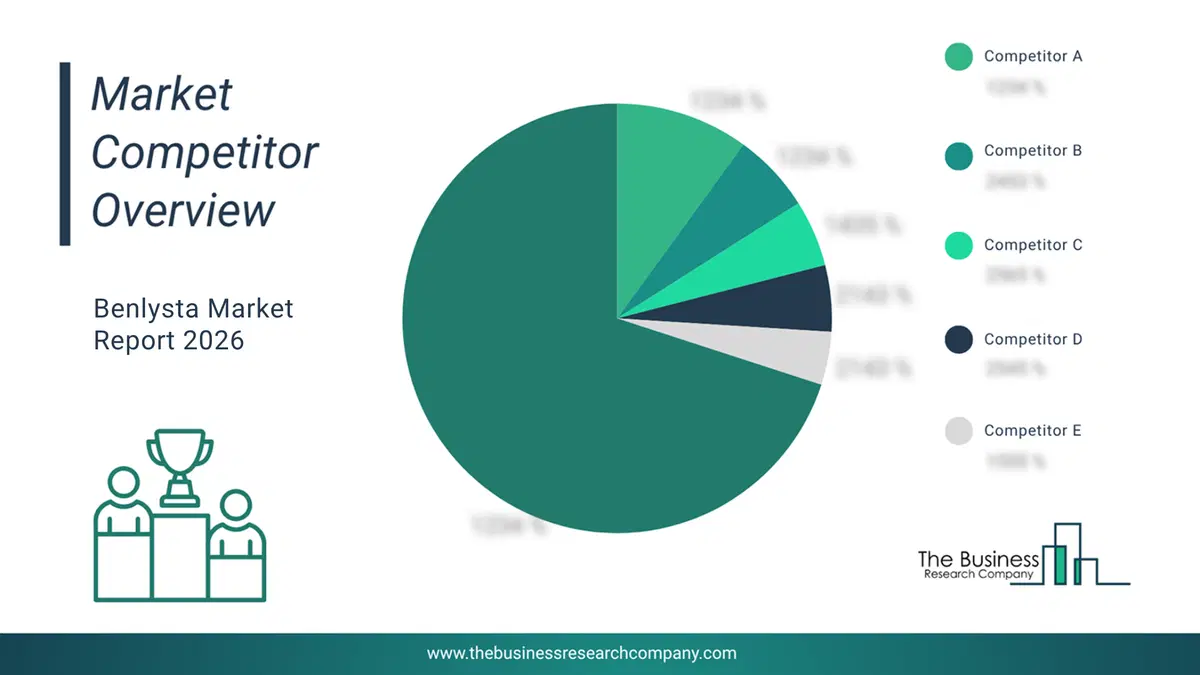
This chart is for illustrative purposes; the full report includes a detailed competitor analysis and comprehensive overview of the top 10 companies in the market.
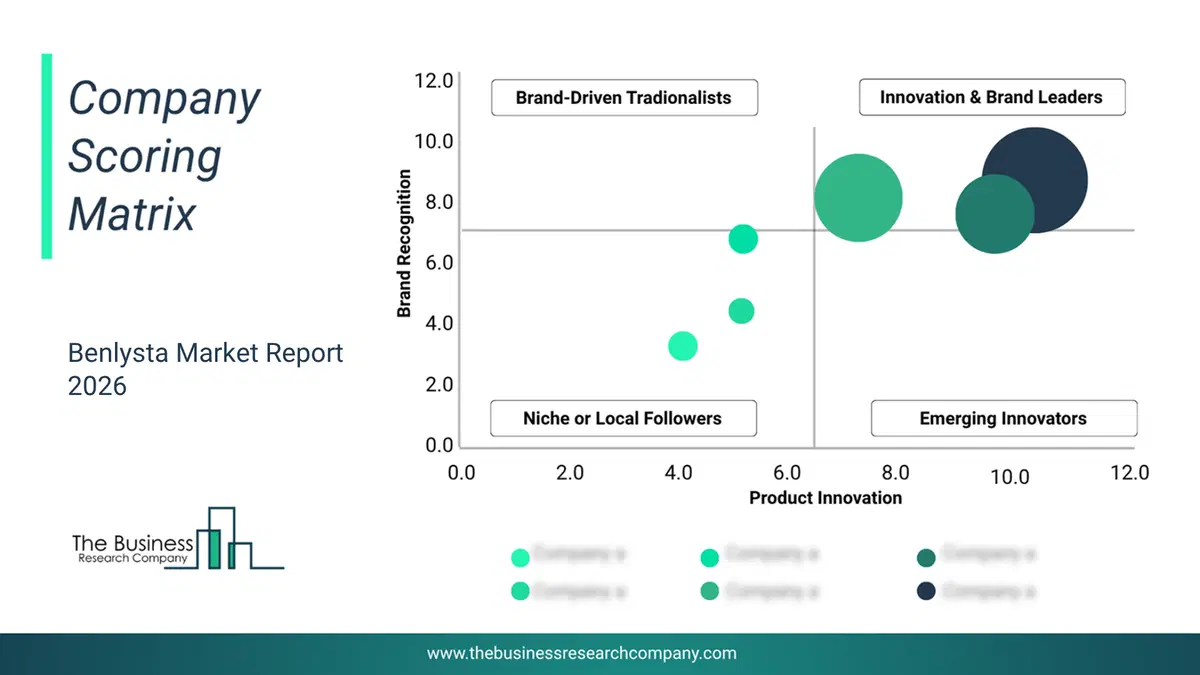
This chart maps companies by product innovation and brand strength, with bubble size indicating relative revenue, helping identify market leaders, challengers, and niche players. This is an illustrative chart; the full report provides a complete and accurate competitive analysis.
Global Benlysta Market Trends and Insights
Major companies operating in the Benlysta market are focusing on developing innovative solutions, such as autoinjectors, to improve treatment accessibility, adherence, and patient convenience. Autoinjectors are devices designed to deliver a precise dose of medication quickly and easily, often allowing patients or caregivers to self-administer therapy at home, reducing the need for clinic visits. For instance, in May 2024, GlaxoSmithKline plc, a UK-based pharmaceutical and biotechnology company, announced the FDA approval of the Benlysta (belimumab) autoinjector for pediatric patients aged 5 years and older with systemic lupus erythematosus (SLE). This approval introduces the first at-home treatment option for children requiring belimumab, allowing subcutaneous administration and eliminating the need for clinical visits every four weeks. The new autoinjector offers enhanced convenience and flexibility for caregivers, addressing the severe impact lupus has on children, including higher organ damage rates.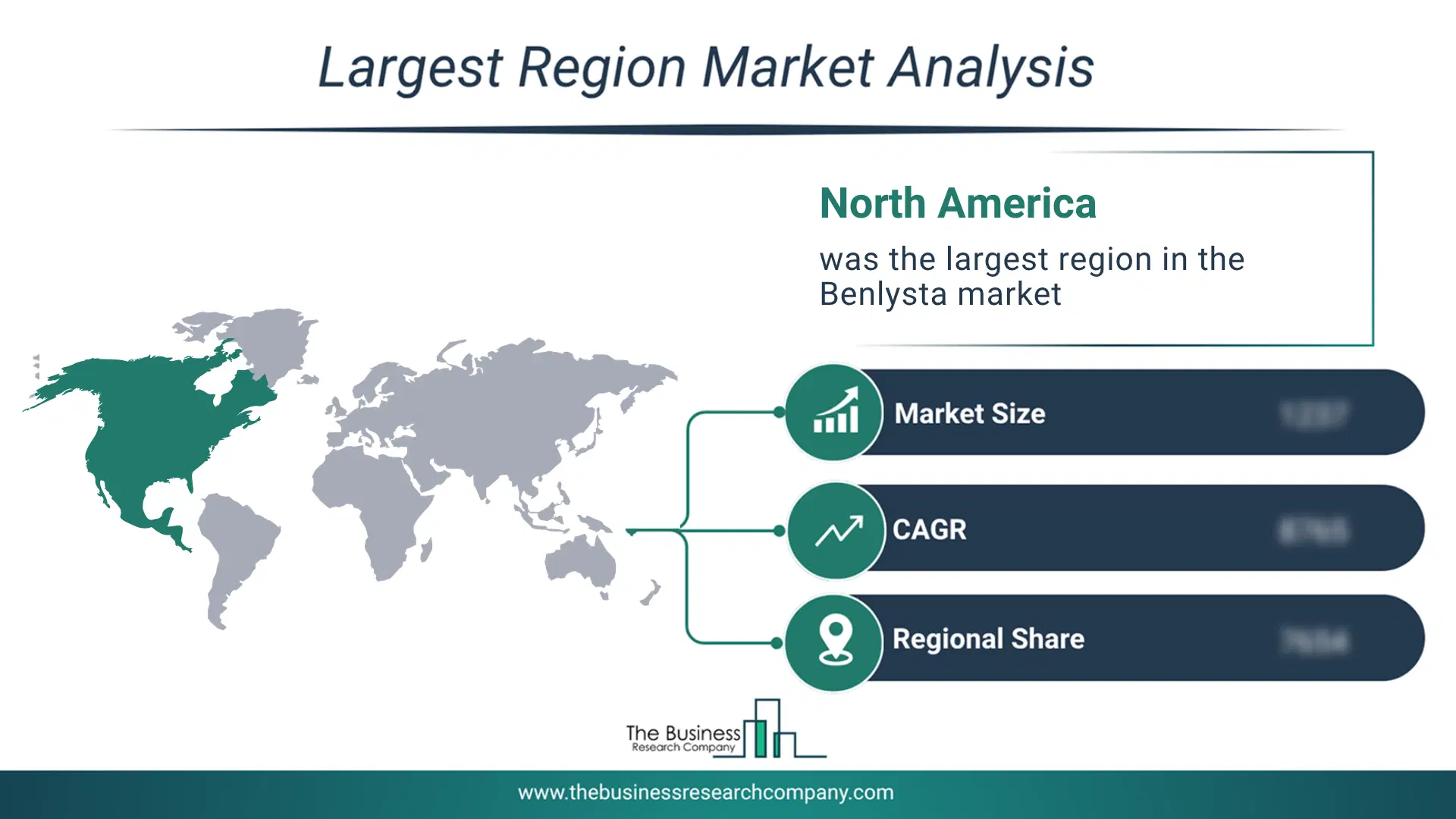
Regional Insights
North America was the largest region in the benlysta market in 2025. The regions covered in this market report are Asia-Pacific, Western Europe, Eastern Europe, North America, South America, Middle East, Africa. The countries covered in this market report are Australia, India, China, South Korea, Japan, UK, France, Germany, USA, Canada.What Defines the Benlysta Market?
The benlysta market consists of sales of products such as immune system modulators, infusion equipment and biologic drugs. Values in this market are ‘factory gate’ values, that is the value of goods sold by the manufacturers or creators of the goods, whether to other entities (including downstream manufacturers, wholesalers, distributors and retailers) or directly to end customers. The value of goods in this market includes related services sold by the creators of the goods.How is Market Value Defined and Measured?
The market value is defined as the revenues that enterprises gain from the sale of goods and/or services within the specified market and geography through sales, grants, or donations in terms of the currency (in USD unless otherwise specified). The revenues for a specified geography are consumption values that are revenues generated by organizations in the specified geography within the market, irrespective of where they are produced. It does not include revenues from resales along the supply chain, either further along the supply chain or as part of other products.
This chart presents market attractiveness based on a quantitative evaluation of growth, competition, strategic alignment, and risk, offering a clear view of opportunity areas for decision-making. This chart is for illustrative purposes; the full report contains the complete analysis.

This chart highlights the Total Addressable Market (TAM) by estimating the maximum revenue opportunity using an assumption-driven approach, supporting strategic planning and opportunity sizing across markets. The chart is illustrative; the full report provides a more comprehensive analysis.
What Key Data and Analysis Are Included in the Benlysta Market Report 2026?
The benlysta market research report is one of a series of new reports from The Business Research Company that provides market statistics, including industry global market size, regional shares, competitors with the market share, detailed market segments, market trends and opportunities, and any further data you may need to thrive in the benlysta industry. The market research report delivers a complete perspective of everything you need, with an in-depth analysis of the current and future state of the industry.Benlysta Market Report Forecast Analysis
| Report Attribute | Details |
|---|---|
| Market Size Value In 2026 | $ billion |
| Revenue Forecast In 2030 | $ billion |
| Growth Rate | CAGR of 11.4% from 2026 to 2030 |
| Base Year For Estimation | 2025 |
| Actual Estimates/Historical Data | 2020-2025 |
| Forecast Period | 2026 - 2030 |
| Market Representation | Revenue in USD Billion and CAGR from 2026 to 2030 |
| Segments Covered | Route Of Administration, Clinical Indication, End Users |
| Regional Scope | Asia-Pacific, Western Europe, Eastern Europe, North America, South America, Middle East, Africa |
| Country Scope | The countries covered in the report are Australia, Brazil, China, France, Germany, India, Indonesia, Japan, Taiwan, Russia, South Korea, UK, USA, Canada, Italy, Spain. |
| Key Companies Profiled | GlaxoSmithKline plc |
| Customization Scope | Request for Customization |
| Pricing And Purchase Options | Explore Purchase Options |