
Biological Crop Protection Market Report 2026
Global Outlook – By Product Type (Microbial Pesticides, Plant-Incorporated Protectants, Biochemical Pesticides), By Crop Type (Cereals And Grains, Oilseeds And Pulses, Fruits And Vegetables, Other Crop Types), By Formulation (Liquid, Dry), By Application (Foliar Spray, Seed Treatment, Soil Treatment, Post-Harvest) – Market Size, Trends, Strategies, and Forecast to 2030
Biological Crop Protection Market Overview
• Biological Crop Protection market size has reached to $6.5 billion in 2025 • Expected to grow to $11.53 billion in 2030 at a compound annual growth rate (CAGR) of 12.2% • Growth Driver: Organic Farming Growth Fuels The Biological Crop Protection Market Expansion • Market Trend: Innovative Plant Extract-Based Biocontrol Products Enhance Crop Yield And Disease Resistance In Sustainable Agriculture • North America was the largest region in 2025 and Europe is the fastest growing region.Market Gains By 2030 – Top Opportunities By Segment
Market Gain identifies the most promising market opportunities by highlighting the segments or products expected to generate the highest incremental revenue growth over the next five years.
What Is Covered Under Biological Crop Protection Market?
Biological crop protection refers to using natural organisms or their by-products to control pests, diseases, and weeds in agricultural systems. This method focuses on managing harmful species by introducing or encouraging beneficial organisms, such as predators, parasites, or pathogens, that naturally keep pest populations in check. Biological crop protection is a key component of sustainable agriculture, as it reduces reliance on chemical pesticides and promotes ecological balance. The main types of biological crop protection are microbial pesticides, plant-incorporated protectants, and biochemical pesticides. Microbial pesticides use living microorganisms like bacteria, fungi, or viruses to control pests, offering an eco-friendly alternative to chemical pesticides for sustainable agriculture. They are used for various crop types, such as cereals and grains, oilseeds and pulses, fruits and vegetables, and others. It is formulated as liquid and dry for several applications, including foliar spray, seed treatment, soil treatment, and post-harvest.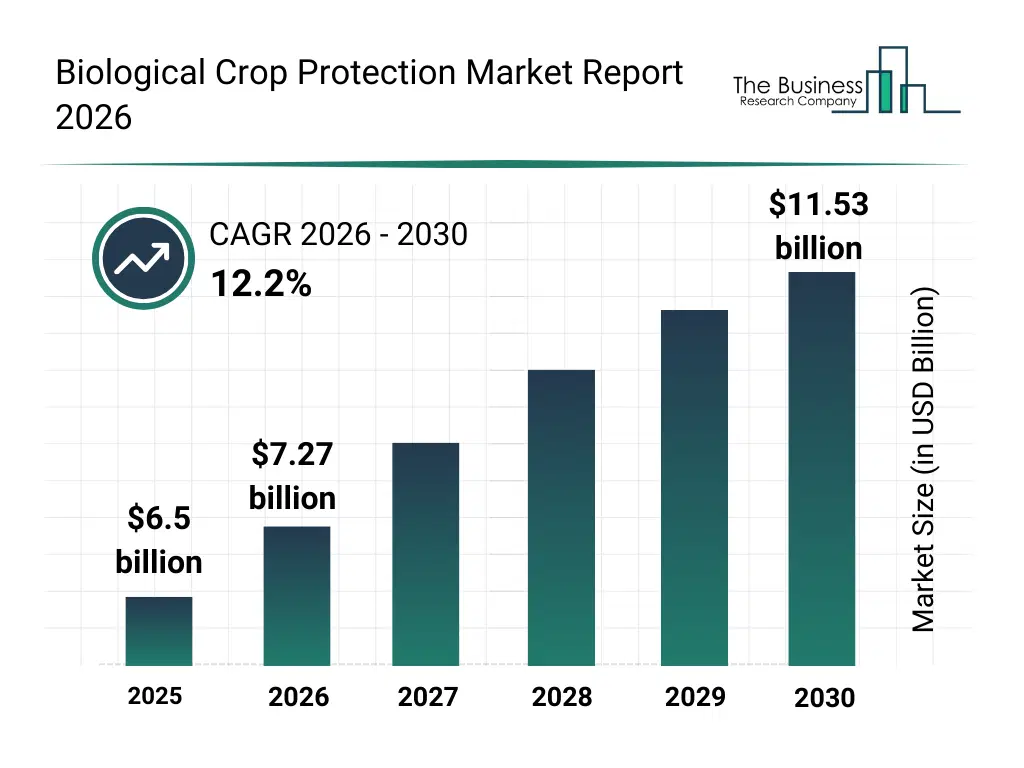
What Is The Biological Crop Protection Market Size and Share 2026?
The biological crop protection market size has grown rapidly in recent years. It will grow from $6.5 billion in 2025 to $7.27 billion in 2026 at a compound annual growth rate (CAGR) of 11.8%. The growth in the historic period can be attributed to growing concerns over chemical pesticide residues, early adoption of microbial pest control agents, rising awareness of ecological farming practices, regulatory pressure on synthetic pesticides, expansion of integrated pest management programs.What Is The Biological Crop Protection Market Growth Forecast?
The biological crop protection market size is expected to see rapid growth in the next few years. It will grow to $11.53 billion in 2030 at a compound annual growth rate (CAGR) of 12.2%. The growth in the forecast period can be attributed to increasing demand for residue-free crop production, continued growth of organic farming, rising investment in microbial biocontrol r&d, technological improvements in biological formulation, greater emphasis on climate-resilient agriculture. Major trends in the forecast period include increased adoption of natural predator-driven pest management, expansion of microbial and biochemical crop protection solutions, rising development of crop-specific biological pest control products, growing use of post-harvest biological protection treatments, advancements in soil-integrated biological pest management.
Global Biological Crop Protection Market Segmentation
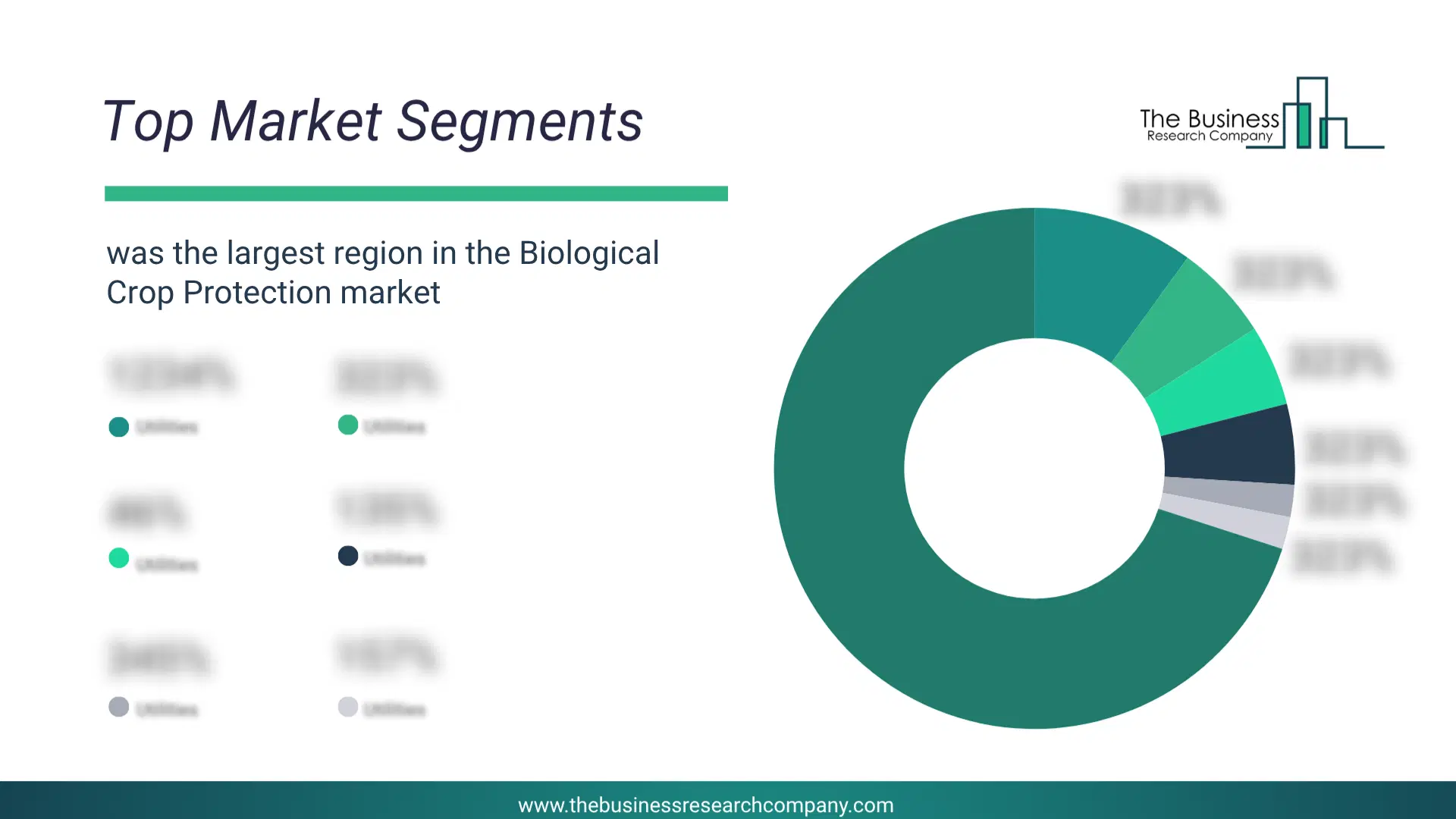
1) By Product Type: Microbial Pesticides, Plant-Incorporated Protectants, Biochemical Pesticides 2) By Crop Type: Cereals And Grains, Oilseeds And Pulses, Fruits And Vegetables, Other Crop Types 3) By Formulation: Liquid, Dry 4) By Application: Foliar Spray, Seed Treatment, Soil Treatment, Post-Harvest Subsegments: 1) By Microbial Pesticides: Bacterial Pesticides, Fungal Pesticides, Viral Pesticides 2) By Plant-Incorporated Protectants: Genetically Modified Crops With Built-In Pest Resistance, Plant-Derived Insecticides 3) By Biochemical Pesticides: Natural Compounds, Semiochemicals, Insect Growth Regulators (IGRs) The top segments in the biological crop protection market will be: • Liquid will reach $4165.29 Million by 2025. • Microbial Pesticides will reach $3555.19 Million by 2025. • Foliar Spray will reach $3255.87 Million by 2025. • Dry will reach $2336.79 Million by 2025. • Fruits And Vegetables will reach $2258.74 Million by 2025.What Is Driver Of The Biological Crop Protection Market?
The growing organic farming sector is expected to propel the growth of the biological crop protection market going forward. The organic farming sector is an agricultural system that prioritizes natural processes and materials, avoiding synthetic fertilizers and pesticides to promote biodiversity, soil health, and sustainability. The growth of the organic farming sector is due to factors such as demand for healthier food options, environmental concerns, and sustainable agricultural practices. Biological crop protection uses natural strategies to control pests and diseases, aligning with organic farming principles prioritizing sustainability, biodiversity, and ecological balance. For instance, in February 2024, according to the IFOAM (International Federation of Organic Agriculture Movements), a Germany-based an international organization, the global area under organic farming expanded by 2.5 million hectares in 2023, bringing the total to nearly 99 million hectares. Meanwhile, global sales of organic food rose to approximately 136 billion euros that same year. Therefore, the growing organic farming sector is driving the growth of the biological crop protection industry.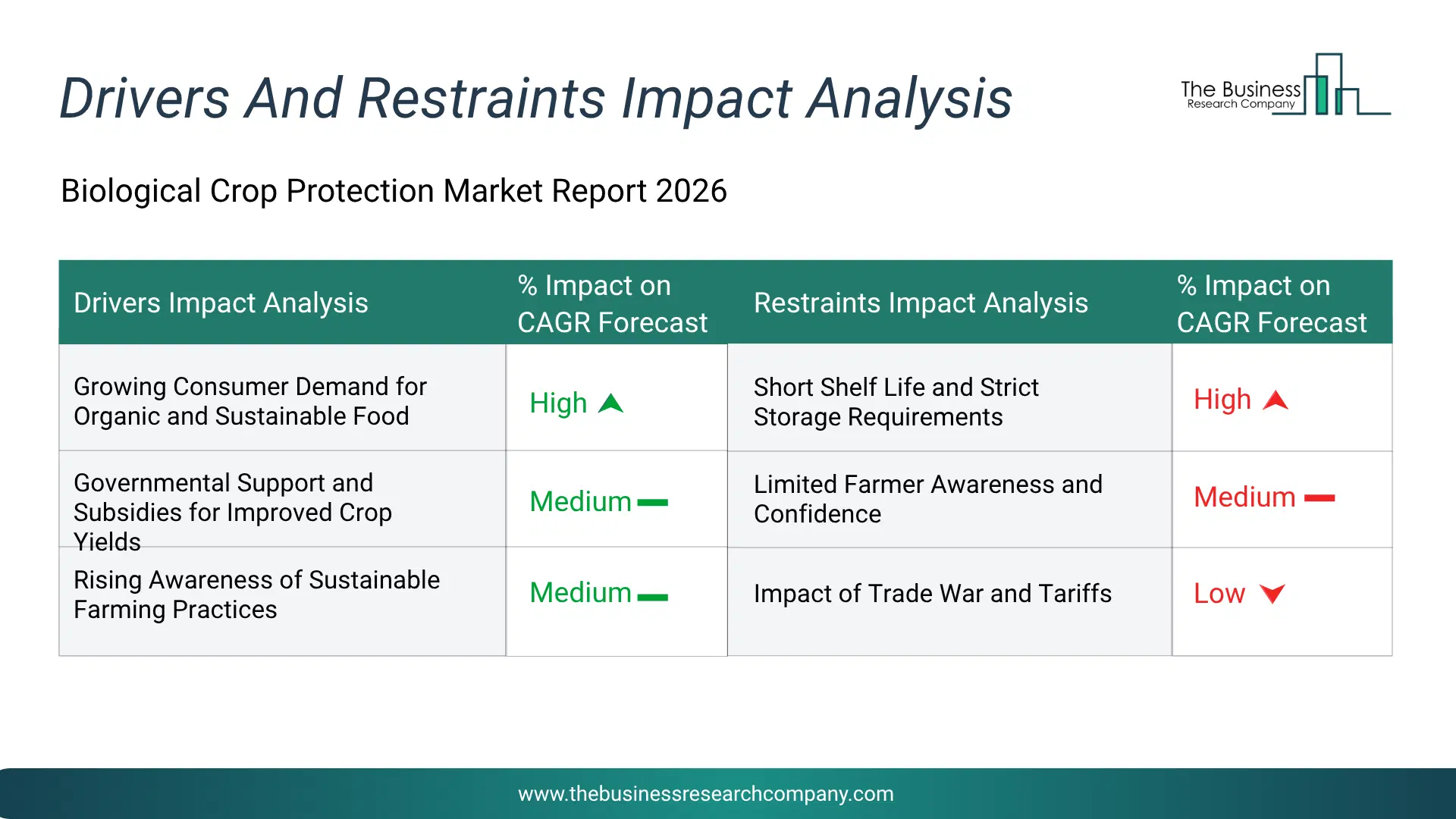
Infographic Chart Showing Key Market Drivers Analysis And Restraints For Biological Crop Protection Market
The chart presents an impact analysis of key drivers and restraints, quantifying their relative influence on the market's growth rate and helping assess the balance between growth enablers and limiting factors. This chart offers a high-level perspective; the full report contains more detailed insights.
How Will The Drivers Impact Growth In The Global Biological Crop Protection Market?
• Growing Consumer Demand for Organic and Sustainable Food (High) – The growing consumer demand for organic and sustainable food will become a key driver of growth in the biological crop protection market by 2030. Organic and sustainable food refers to products grown and produced using environmentally friendly methods that avoid synthetic chemicals, promote biodiversity, and support long-term ecological and human health. Consumer demand for organic and sustainable food is rising as more people seek healthier diets free from synthetic pesticides and chemical residues. Biological crop protection uses naturally derived solutions such as beneficial microbes, plant extracts, and pheromones to manage pests and diseases in a safe and eco-friendly way, reducing dependence on synthetic chemicals. This approach supports organic and sustainable food production by maintaining soil fertility, protecting biodiversity, minimizing chemical residues, and promoting healthier, more environmentally responsible farming practices. As a result, the growing consumer demand for organic and sustainable food is anticipated to contributing to a 2.0% annual growth in the market. • Governmental Support and Subsidies for Improved Crop Yields (Medium) – The governmental support and subsidies for improved crop yields will emerge as a major factor driving the expansion of the biological crop protection market by 2030. Such support reduces costs and makes these products more competitive compared to conventional pesticides, encouraging wider usage among farmers. Governments are increasingly providing support to ensure food security, tackle climate change challenges, and promote sustainable agricultural practices, while also motivating farmers to adopt modern technologies that enhance productivity and efficiency. These subsidies and incentives make biological crop protection more affordable, foster the adoption of eco-friendly alternatives to synthetic pesticides, and can fund research, training, and awareness programs that boost the effectiveness, acceptance, and overall sustainability of biological solutions. Consequently, the governmental support and subsidies for improved crop yields is projected to contributing to a 1.5% annual growth in the market. • Rising Awareness of Sustainable Farming Practices (Medium) – The rising awareness of sustainable farming practices as a major factor driving the expansion of the biological crop protection market by 2030. Sustainable farming practices involve agricultural methods that fulfill present food and fiber requirements without compromising the ability of future generations to meet their needs. These practices focus on preserving or enhancing soil health, conserving water, minimizing chemical inputs, protecting biodiversity, reducing environmental impact, and ensuring economic and social sustainability for farmers. Promoting awareness of sustainable farming supports biological crop protection by encouraging the use of eco-friendly pest management approaches, such as beneficial insects, bio-pesticides, and crop rotation, rather than conventional synthetic chemicals. Consequently, rising awareness of sustainable farming practices is projected to contributing to a 1.0% annual growth in the market. • Increasing Demand for Resilient and Climate-Adaptive Biological Solutions (Low) – The increasing demand for resilient and climate-adaptive biological solutions will emerge as a major factor driving the expansion of the biological crop protection market by 2030. These solutions support biological crop protection by helping crops endure environmental stresses and shifting pest patterns, ensuring effective and sustainable pest management even under challenging climatic conditions. Demand is increasing as climate change leads to more frequent extreme weather events, unpredictable pest outbreaks, and fluctuating growing conditions that threaten crop yields. Climate-adaptive solutions are particularly valuable because they enable crops to withstand and recover from climate-related challenges such as extreme temperatures, irregular rainfall, and heightened pest and disease pressure. By employing microorganisms, bio-pesticides, and other eco-friendly agents designed to perform under diverse environmental conditions, these solutions help maintain plant health and productivity. Consequently, the increasing demand for resilient and climate-adaptive biological solutions are projected to contributing to a 0.5% annual growth in the market.How Will The Restraints Impact Growth In The Global Biological Crop Protection Market?
• Short Shelf Life and Strict Storage Requirements (Medium) – Short Shelf Life and Strict Storage Requirements will restrict the growth of the Biological Crop Protection market during the forecast period. Biological crop protection products often have short shelf life and strict storage requirements compared to chemical alternatives. Product stability issues affect distribution and inventory management. Shelf life limitations can increase product waste and reduce the availability of biological solutions in certain regions. • Limited Farmer Awareness and Confidence (Medium) – Limited Farmer Awareness and Confidence will restrict the growth of the Biological Crop Protection market during the forecast period. Many farmers lack awareness of biological crop protection products and their benefits. Limited understanding of application methods and efficacy can affect adoption decisions. Confidence gaps and preference for conventional chemicals can limit the adoption of biological alternatives, affecting market growth. • Impact of Trade War and Tariffs (Low) – Impact of Trade War and Tariffs will restrict the growth of the Biological Crop Protection market during the forecast period. Biological crop protection products rely on imported raw materials and microbial cultures subject to trade tariffs. Trade barriers can increase production costs and affect product availability. Trade tensions may also impact agricultural trade and crop protection product demand.Key Players In The Global Biological Crop Protection Market
Major companies operating in the biological crop protection market are BASF SE, Bayer AG, Syngenta AG, Corteva Agriscience, FMC Corporation, ADAMA Ltd., UPL Limited, Coromandel International Limited, Novozymes A/S, Nufarm Limited, Koppert Biological Systems Ltd., Certis USA L.L.C, Valent BioSciences LLC, AgriLife (India) Pvt Ltd., Jaivik Crop Care LLP, Andermatt Biocontrol, BioSafe Systems LLC, Seipasa, Futureco Bioscience, KN Biosciences India Pvt. Ltd., IPL Biologicals Limited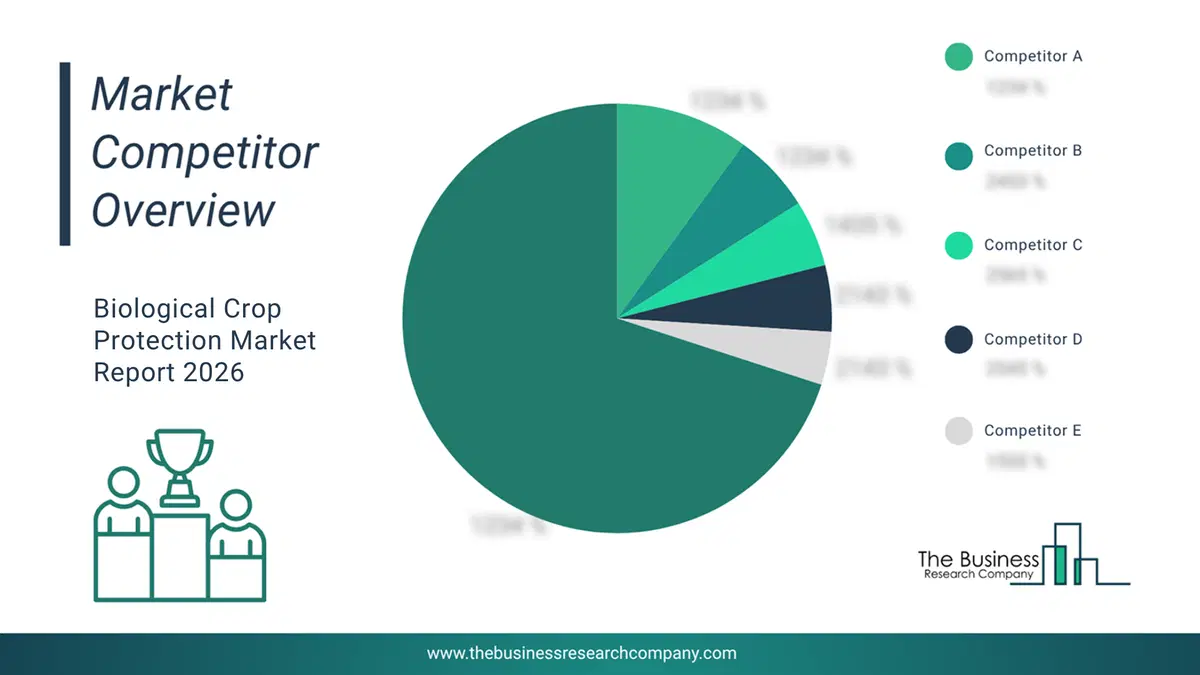
This chart is for illustrative purposes; the full report includes a detailed competitor analysis and comprehensive overview of the top 10 companies in the market.
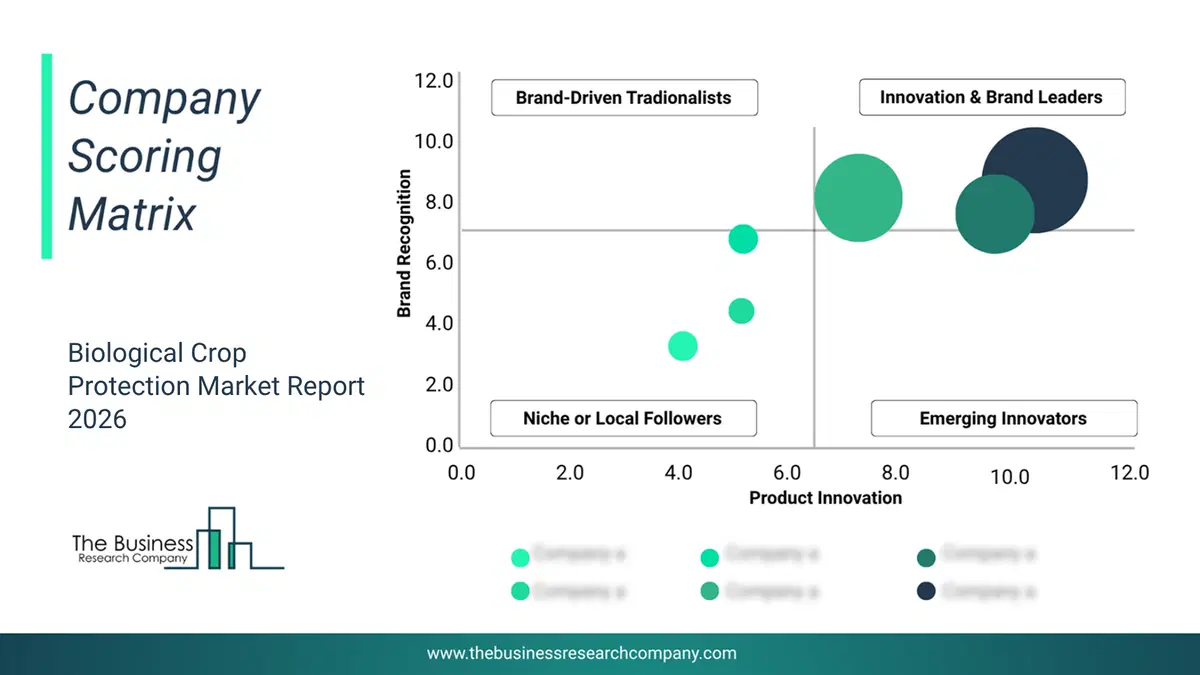
This chart maps companies by product innovation and brand strength, with bubble size indicating relative revenue, helping identify market leaders, challengers, and niche players. This is an illustrative chart; the full report provides a complete and accurate competitive analysis.
Global Biological Crop Protection Market Trends and Insights
Major companies operating in the biological crop protection market are focused on developing innovative products, such as bio-fungicide, to enhance crop yield and improve disease resistance. A bio-fungicide is a type of biological crop protection product that uses natural organisms or their by-products to control fungal diseases affecting plants. These bio-fungicides are typically derived from living microorganisms, such as bacteria, fungi, or viruses, which can suppress or eliminate pathogenic fungi responsible for crop diseases. For instance, in August 2023, ADAMA Ltd., an Israel-based crop protection company, announced the registration of ACTAVAN in Peru. ADAMA’s first bio-fungicide prevents fruit rot in crops like grapes, berries, and certain vegetables while enhancing sugar content, peel firmness, size, and weight of berries. It stimulates the plant’s immune system for consistent results and allows flexible crop treatment schedules with no pre-harvest waiting period. ACTAVAN is ideal for organic farming and integrated pest management (IPM), supporting sustainable agriculture practices. It is registered in Peru, and ADAMA plans to expand its use across Latin America, Asia-Pacific, and Europe.What Are Latest Mergers And Acquisitions In The Biological Crop Protection Market? Andermatt Group Acquires Biotepp To Expand Biological Pest Control Solutions Globally
In July 2024, The Andermatt Group, a Switzerland-based agritech company, acquired BioTEPP Inc. for an undisclosed amount. With this acquisition, Andermatt Group aims to advance sustainable agriculture globally by expanding innovative biological pest control solutions like Virosoft CP4, enabling the production of healthy food and a healthy environment, and leveraging combined expertise to benefit growers worldwide. BioTEPP Inc. is a Canada-based biotechnology company that offers biological crop protection.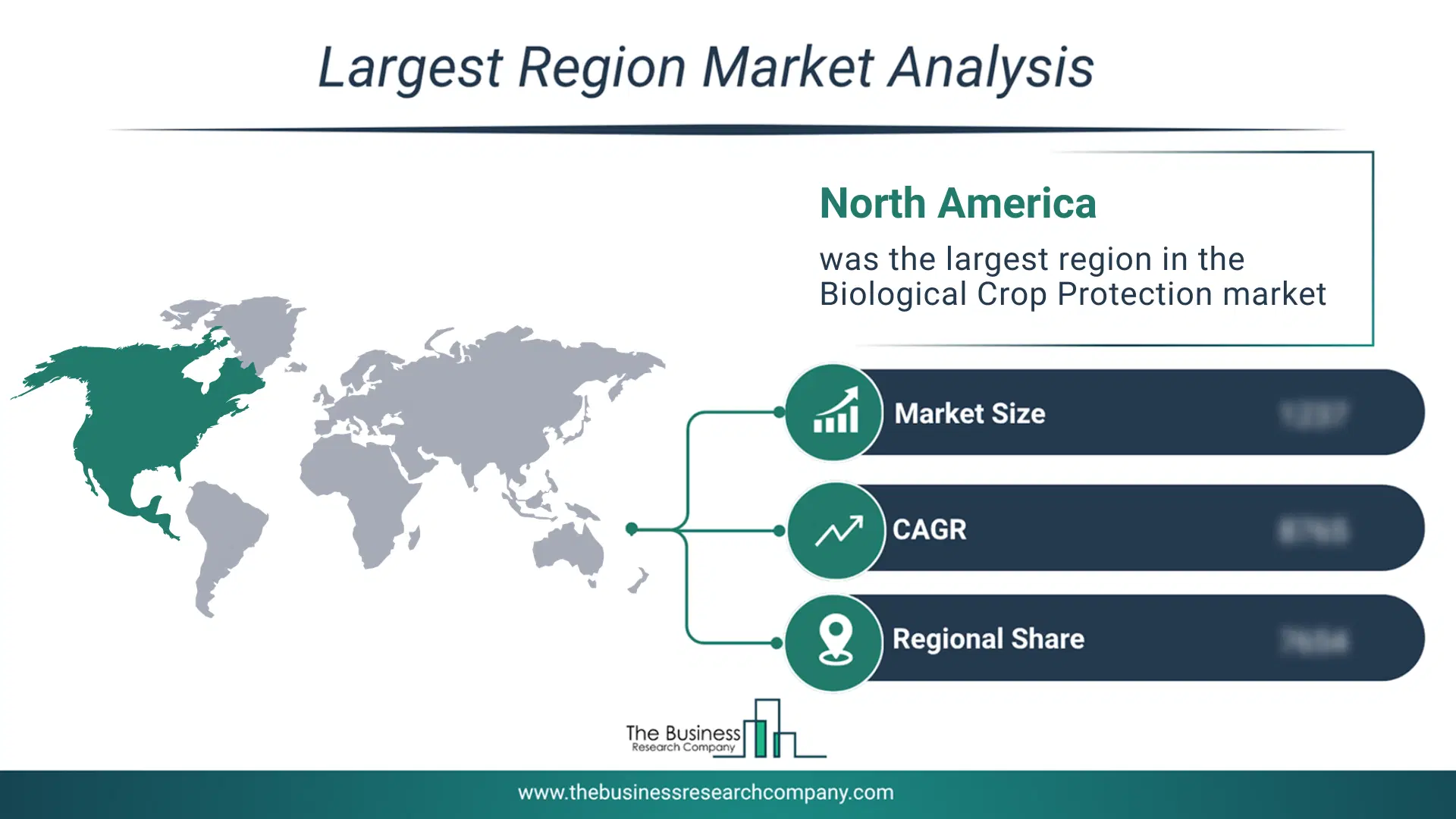
Regional Outlook
North America was the largest region in the biological crop protection market in 2025. Europe is expected to be the fastest-growing region in the forecast period. The regions covered in this market report are Asia-Pacific, South East Asia, Western Europe, Eastern Europe, North America, South America, Middle East, Africa. The countries covered in this market report are Australia, Brazil, China, France, Germany, India, Indonesia, Japan, Taiwan, Russia, South Korea, UK, USA, Canada, Italy, SpainWhat Defines the Biological Crop Protection Market?
The biological crop protection market consists of sales of natural extracts, beneficial microorganisms, organic fertilizers, and companion plants. Values in this market are ‘factory gate’ values, that is, the value of goods sold by the manufacturers or creators of the goods, whether to other entities (including downstream manufacturers, wholesalers, distributors, and retailers) or directly to end customers. The value of goods in this market includes related services sold by the creators of the goods.How is Market Value Defined and Measured?
The market value is defined as the revenues that enterprises gain from the sale of goods and/or services within the specified market and geography through sales, grants, or donations in terms of the currency (in USD unless otherwise specified). The revenues for a specified geography are consumption values that are revenues generated by organizations in the specified geography within the market, irrespective of where they are produced. It does not include revenues from resales along the supply chain, either further along the supply chain or as part of other products.
This chart presents market attractiveness based on a quantitative evaluation of growth, competition, strategic alignment, and risk, offering a clear view of opportunity areas for decision-making. This chart is for illustrative purposes; the full report contains the complete analysis.

This chart highlights the Total Addressable Market (TAM) by estimating the maximum revenue opportunity using an assumption-driven approach, supporting strategic planning and opportunity sizing across markets. The chart is illustrative; the full report provides a more comprehensive analysis.
What Key Data and Analysis Are Included in the Biological Crop Protection Market Report 2026?
The biological crop protection market research report is one of a series of new reports from The Business Research Company that provides market statistics, including industry global market size, regional shares, competitors with the market share, detailed market segments, market trends and opportunities, and any further data you may need to thrive in the biological crop protection industry. The market research report delivers a complete perspective of everything you need, with an in-depth analysis of the current and future state of the industry.Biological Crop Protection Market Report Forecast Analysis
| Report Attribute | Details |
|---|---|
| Market Size Value In 2026 | $7.27 billion |
| Revenue Forecast In 2030 | $5.72 billion |
| Growth Rate | CAGR of 11.8% from 2026 to 2030 |
| Base Year For Estimation | 2025 |
| Actual Estimates/Historical Data | 2020-2025 |
| Forecast Period | 2026 - 2030 |
| Market Representation | Revenue in USD Billion and CAGR from 2026 to 2030 |
| Segments Covered | Product Type, Crop Type, Formulation, Application |
| Regional Scope | Asia-Pacific, Western Europe, Eastern Europe, North America, South America, Middle East, Africa |
| Country Scope | The countries covered in the report are Australia, Brazil, China, France, Germany, India, Indonesia, Japan, Taiwan, Russia, South Korea, UK, USA, Canada, Italy, Spain. |
| Key Companies Profiled | BASF SE, Bayer AG, Syngenta AG, Corteva Agriscience, FMC Corporation, ADAMA Ltd., UPL Limited, Coromandel International Limited, Novozymes A/S, Nufarm Limited, Koppert Biological Systems Ltd., Certis USA L.L.C, Valent BioSciences LLC, AgriLife (India) Pvt Ltd., Jaivik Crop Care LLP, Andermatt Biocontrol, BioSafe Systems LLC, Seipasa, Futureco Bioscience, KN Biosciences India Pvt. Ltd., IPL Biologicals Limited |
| Customization Scope | Request for Customization |
| Pricing And Purchase Options | Explore Purchase Options |