

Connective Tissue Disease Treatment Market Report 2026
Global Outlook – By Drug Class (Anti-Inammatory Drugs, Immunosuppressants, Biologics And Targeted Therapy, Disease-Modifying Anti-Rheumatic Drugs (DMARDs), Other Drug Classes), By Disease Type (Systemic Lupus Erythematosus (SLE), Rheumatoid Arthritis (RA), Scleroderma, Dermatomyositis, Mixed Connective Tissue Disease (MCTD), Polymyositis, Sjögren's Syndrome, Vasculitis, Antiphospholipid Syndrome (APS)), By Route Of Administration (Oral, Injectable, Topical), By Distribution Channel (Hospital Pharmacies, Retail Pharmacies, Online Pharmacies), By End-User (Hospitals, Clinics, Homecare Settings) – Market Size, Trends, Strategies, and Forecast to 2030
Connective Tissue Disease Treatment Market Overview
• Connective Tissue Disease Treatment market size has reached to $24.55 billion in 2025 • Expected to grow to $32.97 billion in 2030 at a compound annual growth rate (CAGR) of 6% • Growth Driver: he Rising Incidence Of Autoimmune Diseases Is Fueling The Market Growth Due To Increasing Demand For Targeted Treatment Options • Market Trend: Innovative Cell-Based Therapies In Autoimmune Disease Management • North America was the largest region in 2025 and Asia-Pacific is the fastest growing region.What Is Covered Under Connective Tissue Disease Treatment Market?
Connective tissue disease treatment refers to the medical management of a group of autoimmune or inflammatory disorders that affect the body’s connective tissues, including joints, skin, muscles, and internal organs. The treatment aims to reduce inflammation, control immune system activity, relieve symptoms such as pain and fatigue, and prevent disease progression and organ damage. The main drug classes used for treating connective tissue diseases include anti-inflammatory drugs, immunosuppressants, biologics and targeted therapies, disease-modifying anti-rheumatic drugs (DMARDs), and others. Anti-inflammatory drugs are medications that reduce inflammation, pain, and swelling by blocking the body’s inflammatory response and are commonly used in treating connective tissue diseases. These drugs are used for various disease types such as systemic lupus erythematosus (SLE), rheumatoid arthritis (RA), scleroderma, dermatomyositis, mixed connective tissue disease (MCTD), polymyositis, Sjögren's syndrome, vasculitis, and antiphospholipid syndrome (APS). Drug administration routes include oral, injectable, and topical forms. These drugs are distributed through various channels, including hospital pharmacies, retail pharmacies, and online pharmacies, and are used across different end-user settings such as hospitals, clinics, and homecare environments.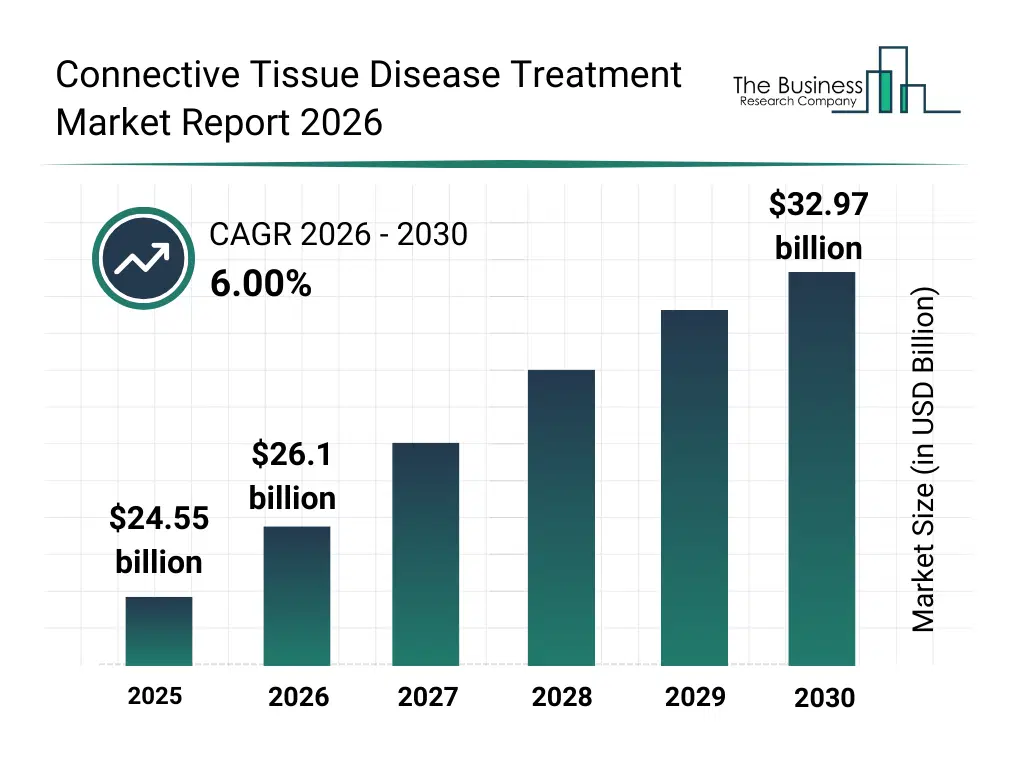
What Is The Connective Tissue Disease Treatment Market Size and Share 2026?
The connective tissue disease treatment market size has grown strongly in recent years. It will grow from $24.55 billion in 2025 to $26.1 billion in 2026 at a compound annual growth rate (CAGR) of 6.3%. The growth in the historic period can be attributed to limited availability of biologic therapies, reliance on conventional dmards, growing prevalence of autoimmune connective tissue diseases, increasing hospital-based treatment adoption, awareness of disease management programs.What Is The Connective Tissue Disease Treatment Market Growth Forecast?
The connective tissue disease treatment market size is expected to see strong growth in the next few years. It will grow to $32.97 billion in 2030 at a compound annual growth rate (CAGR) of 6.0%. The growth in the forecast period can be attributed to development of targeted synthetic dmards and jaks, rising investment in biologics and immunosuppressants, expansion of homecare and outpatient treatment facilities, increasing focus on personalized medicine and patient-centric care, integration of digital health and telemedicine solutions. Major trends in the forecast period include rising adoption of biologics and targeted therapies, increasing preference for personalized treatment approaches, expansion of homecare and outpatient treatment settings, growing demand for oral and injectable drug delivery, focus on early diagnosis and disease management programs.
Global Connective Tissue Disease Treatment Market Segmentation
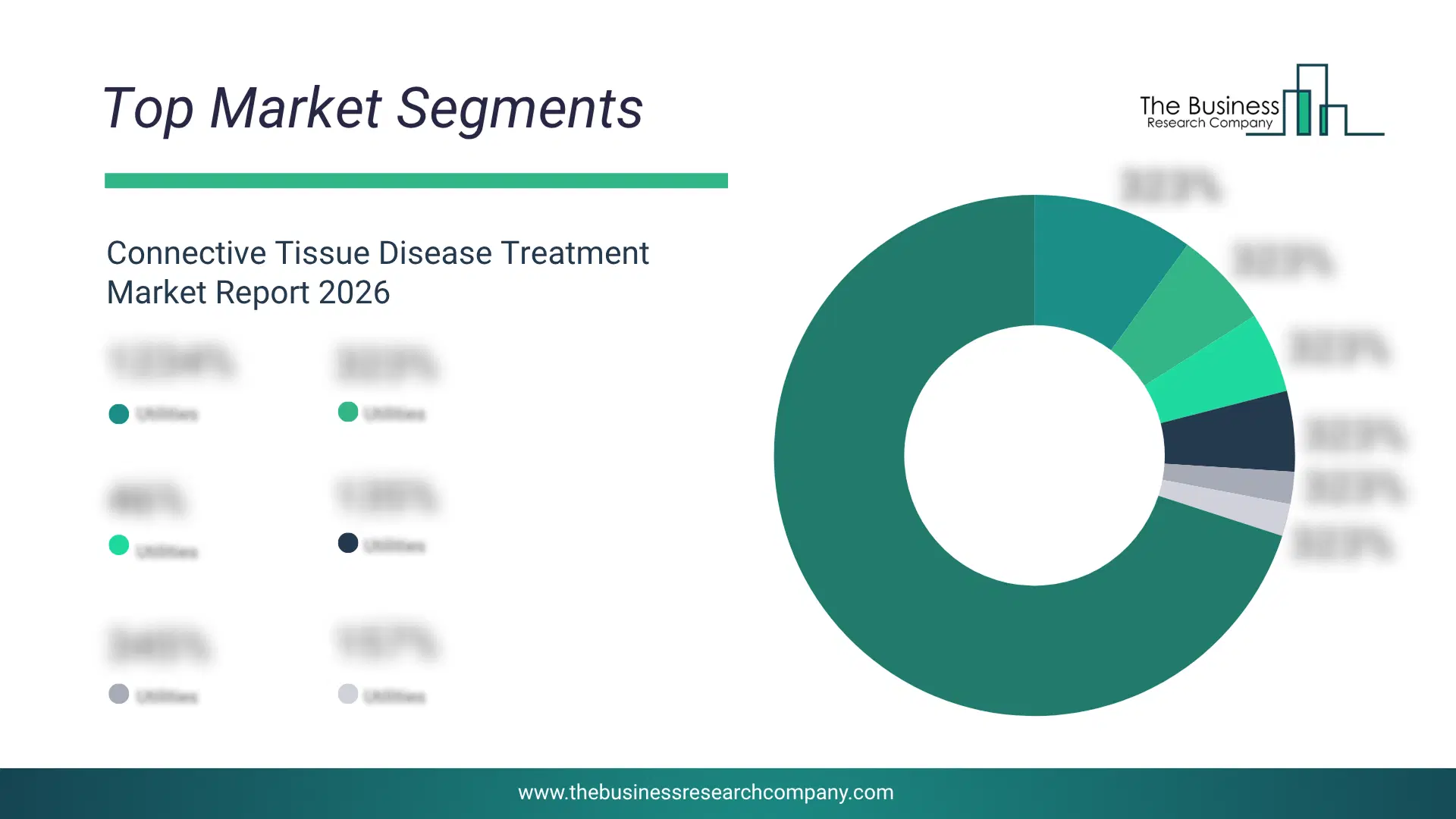
1) By Drug Class: Anti-Inammatory Drugs, Immunosuppressants, Biologics And Targeted Therapy, Disease-Modifying Anti-Rheumatic Drugs (DMARDs), Other Drug Classes 2) By Disease Type: Systemic Lupus Erythematosus (SLE), Rheumatoid Arthritis (RA), Scleroderma, Dermatomyositis, Mixed Connective Tissue Disease (MCTD), Polymyositis, Sjögren's Syndrome, Vasculitis, Antiphospholipid Syndrome (APS) 3) By Route Of Administration: Oral, Injectable, Topical 4) By Distribution Channel: Hospital Pharmacies, Retail Pharmacies, Online Pharmacies 5) By End-User: Hospitals, Clinics, Homecare Settings Subsegments: 1) By Anti-Inflammatory Drugs: Nonsteroidal Anti-Inflammatory Drugs (NSAIDs), Systemic Corticosteroids 2) By Immunosuppressants: Calcineurin Inhibitors, Mammalian Target Of Rapamycin (mTOR) Inhibitors, Antimetabolites, Alkylating Agents 3) By Biologics And Targeted Therapy: Tumor Necrosis Factor (TNF) Inhibitors, Interleukin-6 (IL-6) Inhibitors, B-Cell Inhibitors, T-Cell Co-Stimulation Modulators, Janus Kinase (JAK) Inhibitors 4) By Disease-Modifying Anti-Rheumatic Drugs (DMARDs): Conventional Synthetic Disease-Modifying Anti-Rheumatic Drugs (DMARDs), Biologic Disease-Modifying Anti-Rheumatic Drugs (DMARDs), Targeted Synthetic Disease-Modifying Anti-Rheumatic Drugs (DMARDs) 5) By Other Drug Classes: Analgesics, Antimalarial Drugs, Antibiotics, Monoclonal AntibodiesWhat Is The Driver Of The Connective Tissue Disease Treatment Market?
The rising incidence of autoimmune diseases is expected to propel the growth of the connective tissue disease treatment market going forward. Autoimmune diseases refer to conditions in which the body's immune system mistakenly attacks its healthy tissues and organs. The increasing incidence of autoimmune diseases is primarily due to a combination of genetic susceptibility, which makes certain individuals more prone to immune system malfunctions, and environmental factors such as infections, diet, stress, and exposure to toxins, which can trigger or worsen these conditions. Connective tissue disease treatment helps manage autoimmune diseases by targeting the underlying immune system dysfunction that causes inflammation and tissue damage, thereby alleviating symptoms, slowing disease progression, and improving overall quality of life for patients affected by conditions such as lupus, rheumatoid arthritis, and scleroderma. For instance, in February 2024, according to the Arthritis Australia, an Australia-based non-profit organization, an estimated 562,378 Australians will be living with RA in 2025, accounting for 14% of all arthritis cases that year. By 2040, this number is expected to rise by 33% to 748,721 people. This represents an additional 186,343 Australians living with RA in 2040 compared with 2025. Therefore, the rising incidence of autoimmune diseases is driving the growth of the connective tissue disease treatment industry.Key Players In The Global Connective Tissue Disease Treatment Market
Major companies operating in the connective tissue disease treatment market are Pfizer Inc., F. Hoffmann‑La Roche AG, AbbVie Inc., Sanofi S.A., Bristol Myers Squibb Company, AstraZeneca PLC, Novartis AG, GlaxoSmithKline (GSK) PLC, Eli Lilly and Company, Amgen Inc., Biogen Inc., Vertex Pharmaceuticals, UCB S.A., Hikma Pharmaceuticals PLC, Innovent Biologics Inc., RemeGen Co. Ltd, Kymera Therapeutics, Adicet Bio, Equillium Inc.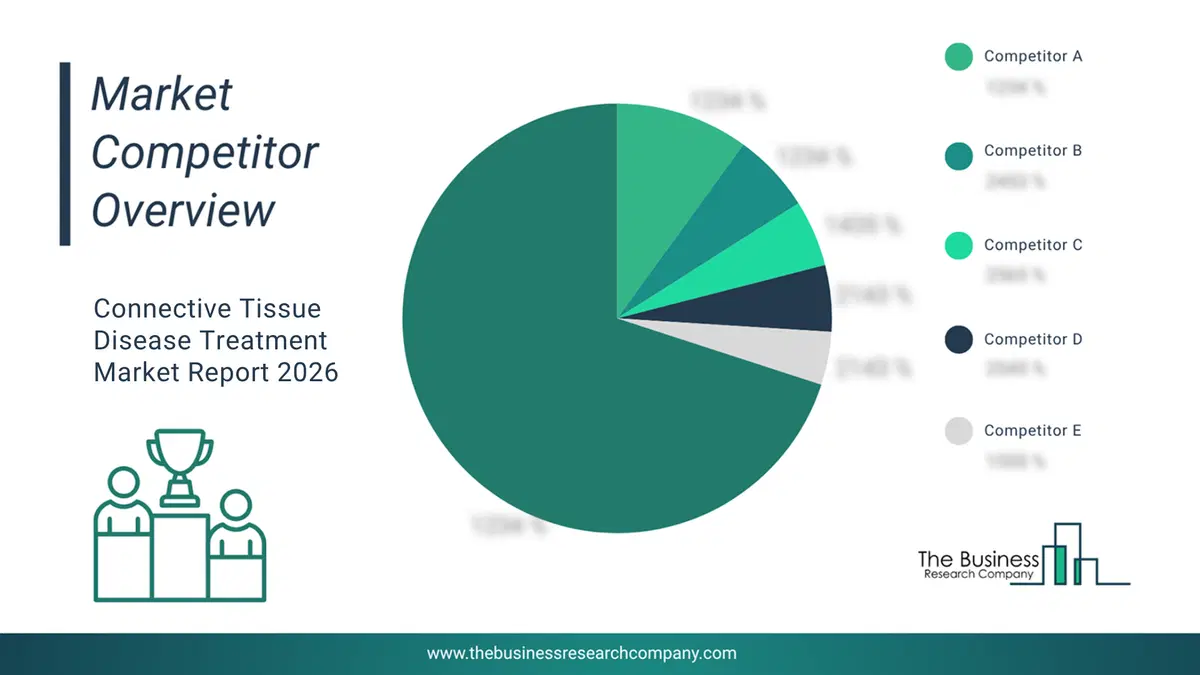
This chart is for illustrative purposes; the full report includes a detailed competitor analysis and comprehensive overview of the top 10 companies in the market.
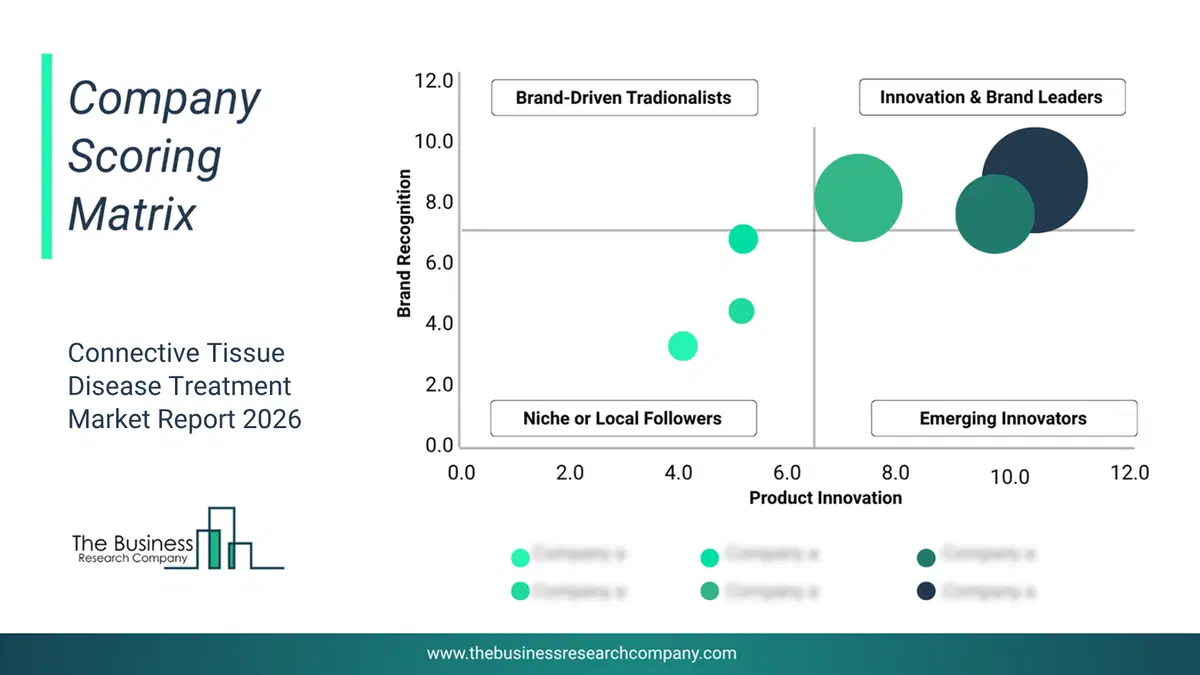
This chart maps companies by product innovation and brand strength, with bubble size indicating relative revenue, helping identify market leaders, challengers, and niche players. This is an illustrative chart; the full report provides a complete and accurate competitive analysis.
Global Connective Tissue Disease Treatment Market Trends and Insights
Major companies operating in the connective tissue disease treatment market are focusing on conducting clinical trials to develop innovative treatments, such as allogeneic CAR-NK cell therapy, to enhance efficacy and address unmet needs in autoimmune conditions. Allogeneic CAR-NK cell therapy is a treatment that uses natural killer (NK) cells from healthy donors, genetically modified with a chimeric antigen receptor (CAR), to target and destroy disease-causing cells. It helps by enhancing the immune system's ability to eliminate harmful B-cells involved in autoimmune diseases, offering a potentially safer and more accessible alternative to traditional cell therapies. For instance, in July 2024, Nkarta Inc., a US-based clinical-stage biotechnology company, launched the Ntrust-1 clinical trial to evaluate NKX019, an investigational allogeneic CAR-NK cell therapy, for the treatment of lupus nephritis, and received FDA clearance to initiate a separate trial (Ntrust-2) for systemic sclerosis, idiopathic inflammatory myopathy, and ANCA-associated vasculitis, aiming to address significant unmet needs in autoimmune diseases by improving the safety, accessibility, and efficacy of cell-based therapies through genetically engineered NK cells that selectively target CD19-expressing B-cells.What Are Latest Mergers And Acquisitions In The Connective Tissue Disease Treatment Market?
In October 2023, Amgen Inc., a US-based biopharmaceutical company, acquired Horizon Therapeutics plc for $27.8 billion. With this acquisition, Amgen aimed to expand its presence in the rare and autoimmune disease market by adding Horizon Therapeutics’ portfolio of innovative, high-growth biologic therapies, including Tepezza, Krystexxa, and Uplizna, to strengthen its pipeline, diversify revenue sources, and enhance its leadership in specialty therapeutics. Horizon Therapeutics plc is an Ireland-based biopharmaceutical company specializing in developing treatments for Sjögren’s syndrome and rheumatoid arthritis.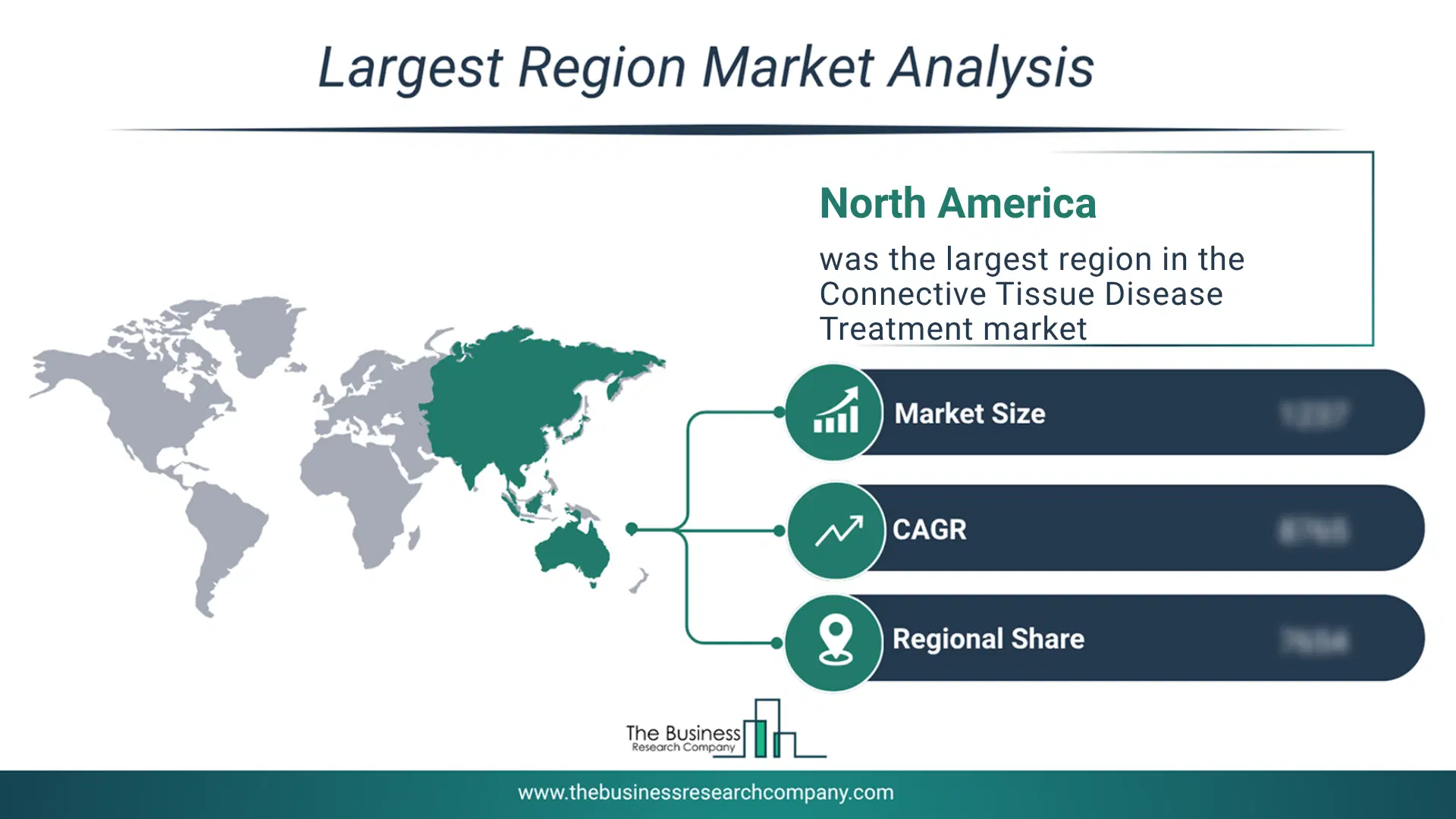
Regional Insights
North America was the largest region in the connective tissue disease treatment market in 2025. Asia-Pacific is expected to be the fastest-growing region in the forecast period. The regions covered in this market report are Asia-Pacific, South East Asia, Western Europe, Eastern Europe, North America, South America, Middle East, Africa. The countries covered in this market report are Australia, Brazil, China, France, Germany, India, Indonesia, Japan, Taiwan, Russia, South Korea, UK, USA, Canada, Italy, Spain.What Defines the Connective Tissue Disease Treatment Market?
The connective tissue disease treatment market includes revenues earned by entities by providing services such as medication administration, physical rehabilitation, patient education, genetic counselling, long-term disease monitoring, and laboratory testing. The market value includes the value of related goods sold by the service provider or included within the service offering. The connective tissue disease treatment market also includes sales of monoclonal antibodies, biologic agents, and corticosteroids. Values in this market are ‘factory gate’ values, that is, the value of goods sold by the manufacturers or creators of the goods, whether to other entities (including downstream manufacturers, wholesalers, distributors, and retailers) or directly to end customers. The value of goods in this market includes related services sold by the creators of the goods.How is Market Value Defined and Measured?
The market value is defined as the revenues that enterprises gain from the sale of goods and/or services within the specified market and geography through sales, grants, or donations in terms of the currency (in USD unless otherwise specified). The revenues for a specified geography are consumption values that are revenues generated by organizations in the specified geography within the market, irrespective of where they are produced. It does not include revenues from resales along the supply chain, either further along the supply chain or as part of other products.
This chart presents market attractiveness based on a quantitative evaluation of growth, competition, strategic alignment, and risk, offering a clear view of opportunity areas for decision-making. This chart is for illustrative purposes; the full report contains the complete analysis.

This chart highlights the Total Addressable Market (TAM) by estimating the maximum revenue opportunity using an assumption-driven approach, supporting strategic planning and opportunity sizing across markets. The chart is illustrative; the full report provides a more comprehensive analysis.
What Key Data and Analysis Are Included in the Connective Tissue Disease Treatment Market Report 2026?
The connective tissue disease treatment market research report is one of a series of new reports from The Business Research Company that provides market statistics, including industry global market size, regional shares, competitors with the market share, detailed market segments, market trends and opportunities, and any further data you may need to thrive in the connective tissue disease treatment industry. The market research report delivers a complete perspective of everything you need, with an in-depth analysis of the current and future state of the industry.Connective Tissue Disease Treatment Market Report Forecast Analysis
| Report Attribute | Details |
|---|---|
| Market Size Value In 2026 | $26.1 billion |
| Revenue Forecast In 2030 | $32.97 billion |
| Growth Rate | CAGR of 6.3% from 2026 to 2030 |
| Base Year For Estimation | 2025 |
| Actual Estimates/Historical Data | 2020-2025 |
| Forecast Period | 2026 - 2030 |
| Market Representation | Revenue in USD Billion and CAGR from 2026 to 2030 |
| Segments Covered | Drug Class, Disease Type, Route Of Administration, Distribution Channel, End-User |
| Regional Scope | Asia-Pacific, Western Europe, Eastern Europe, North America, South America, Middle East, Africa |
| Country Scope | The countries covered in the report are Australia, Brazil, China, France, Germany, India, Indonesia, Japan, Taiwan, Russia, South Korea, UK, USA, Canada, Italy, Spain. |
| Key Companies Profiled | Pfizer Inc., F. Hoffmann‑La Roche AG, AbbVie Inc., Sanofi S.A., Bristol Myers Squibb Company, AstraZeneca PLC, Novartis AG, GlaxoSmithKline (GSK) PLC, Eli Lilly and Company, Amgen Inc., Biogen Inc., Vertex Pharmaceuticals, UCB S.A., Hikma Pharmaceuticals PLC, Innovent Biologics Inc., RemeGen Co. Ltd, Kymera Therapeutics, Adicet Bio, Equillium Inc. |
| Customization Scope | Request for Customization |
| Pricing And Purchase Options | Explore Purchase Options |