
Crop Protection Chemicals Market Report 2026
Global Outlook – By Type (Fungicide, Insecticide, Nematicide, Herbicide), By Origin (Synthetic, Bio-Based), By Mode Of Applications (Foliar Spray, Soil Treatments, Other Modes of Application), By Applications (Grains And Cereals, Pulses And Oilseeds, Fruits And Vegetables) – Market Size, Trends, Strategies, and Forecast to 2030
Crop Protection Chemicals Market Overview
• Crop Protection Chemicals market size has reached to $74.64 billion in 2025 • Expected to grow to $106.43 billion in 2030 at a compound annual growth rate (CAGR) of 7.3% • Growth Driver: Rising Agricultural Productivity to Drive Growth in the Crop Protection Chemical Market • Market Trend: Innovative Insecticidal Technologies Driving Advanced Crop Protection • North America was the largest region in 2025 and Asia-Pacific is the fastest growing region.Market Gains By 2030 – Top Opportunities By Segment
Market Gain identifies the most promising market opportunities by highlighting the segments or products expected to generate the highest incremental revenue growth over the next five years.
What Is Covered Under Crop Protection Chemicals Market?
The crop protection chemicals are used to manage and minimize weeds and plant diseases. The crop protection chemicals are known as a class of agrochemicals that consists of chemical substances which help in preventing crop deterioration from pests and insects’ infestation. The main types of crop protection chemicals are fungicide, insecticide, nematicide, and herbicide. Fungicide is a pesticide that is used by farmers to control the fungi which damage the plants in fields. They can be of synthetic and bio-based origin and can be applied by various modes of applications such as foliar spray, soil treatments, seeds treatments, others. The main applications are grains and cereals, pulses and oilseeds, fruits and vegetables, and commercials crops.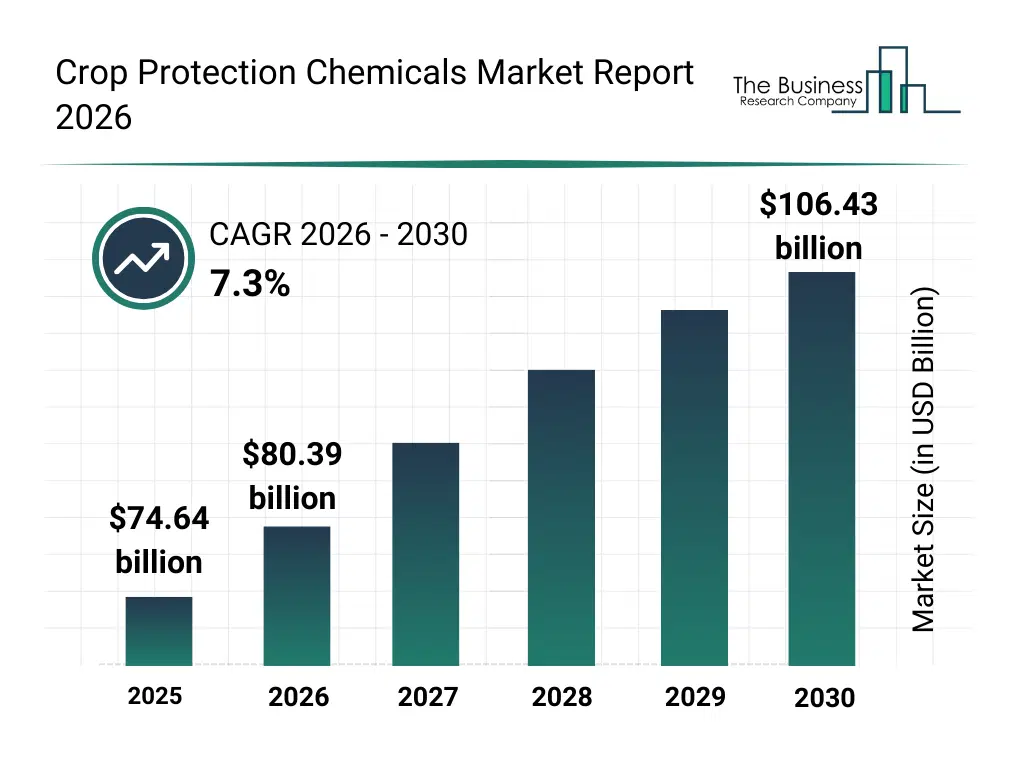
What Is The Crop Protection Chemicals Market Size and Share 2026?
The crop protection chemicals market size has grown strongly in recent years. It will grow from $74.64 billion in 2025 to $80.39 billion in 2026 at a compound annual growth rate (CAGR) of 7.7%. The growth in the historic period can be attributed to increasing global food demand, expansion of commercial crop cultivation, rising incidence of pest infestations, growth in agrochemical usage across cereals and oilseeds, availability of synthetic crop protection solutions.What Is The Crop Protection Chemicals Market Growth Forecast?
The crop protection chemicals market size is expected to see strong growth in the next few years. It will grow to $106.43 billion in 2030 at a compound annual growth rate (CAGR) of 7.3%. The growth in the forecast period can be attributed to growing adoption of sustainable agriculture practices, rising demand for bio-based pesticides, expansion of precision agriculture applications, increasing regulatory push for safer chemicals, growing investment in crop yield optimization. Major trends in the forecast period include shift toward bio-based crop protection solutions, rising adoption of integrated pest management practices, growing focus on target-specific agrochemicals, expansion of seed treatment applications, increased emphasis on resistance management.
Global Crop Protection Chemicals Market Segmentation
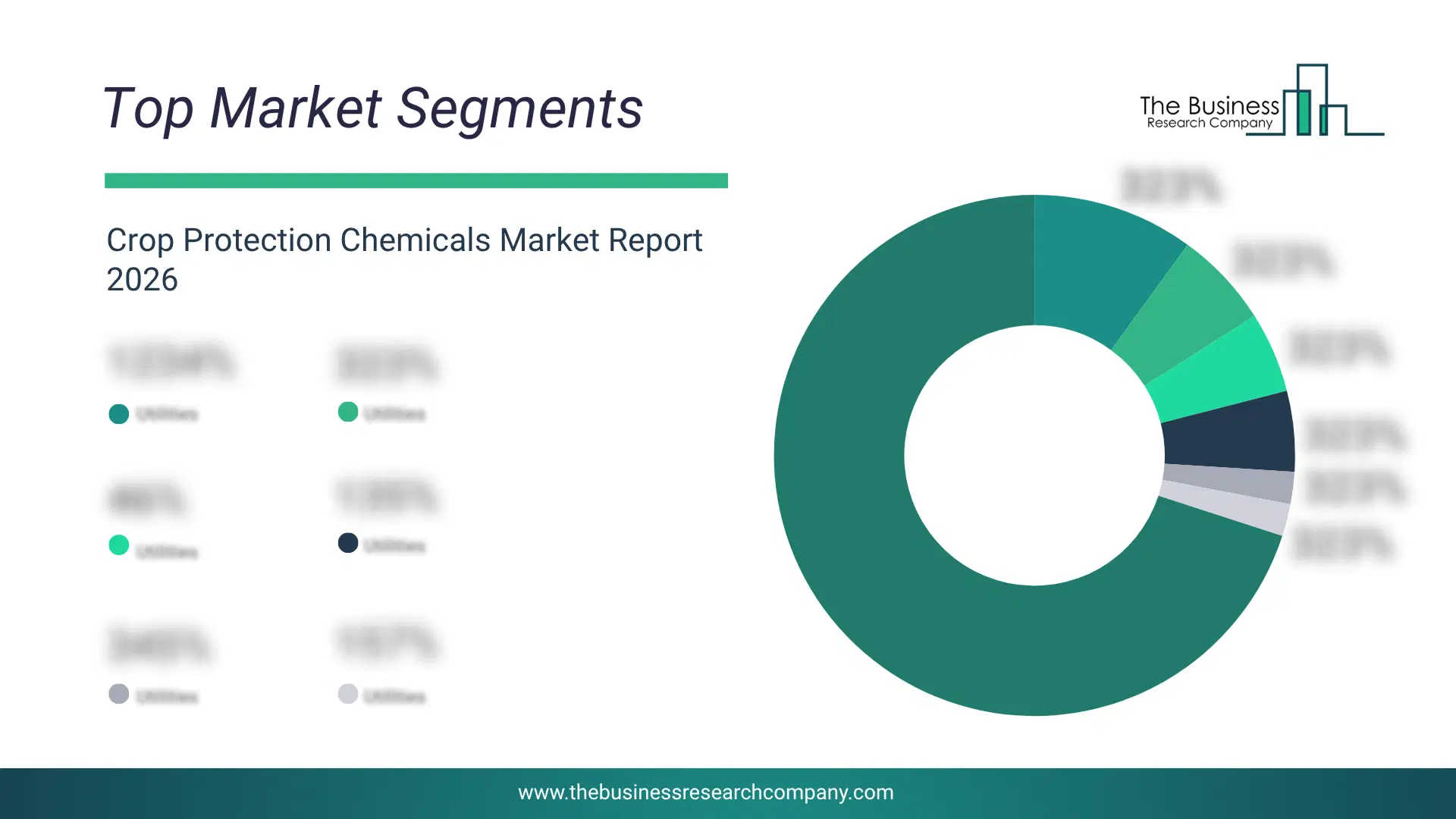
1) By Type: Fungicide, Insecticide, Nematicide, Herbicide 2) By Origin: Synthetic, Bio-Based 3) By Mode Of Applications: Foliar Spray, Soil Treatments, Other Modes of Application 4) By Applications: Grains And Cereals, Pulses And Oilseeds, Fruits And Vegetables Subsegments: 1) By Fungicide: Systemic Fungicides, Contact Fungicides, Biofungicides 2) By Insecticide: Pyrethroids, Neonicotinoids, Organophosphates, Insect Growth Regulators (IGRs), Biological Insecticides 3) By Nematicide: Chemical Nematicides, Biological Nematicides, Fumigant Nematicides 4) By Herbicide: Selective Herbicides, Non-Selective Herbicides, Pre-emergent Herbicides, Post-emergent Herbicides, Glyphosate-based Herbicides, Biological Herbicides The top segments in the crop protection chemicals market will be: • Herbicide will reach $46.39 Billion by 2030. • Insecticide will reach $28.23 Billion by 2030. • Fungicide will reach $19.53 Billion by 2030. • Nematicide will reach $9.57 Billion by 2030.What Is The Driver Of The Crop Protection Chemicals Market?
The increasing agricultural productivity is expected to propel the crop protection chemical market going forward. Agricultural productivity refers to the measure of the market value of the crop yield of an agricultural production system that uses inputs such as land, labor, capital, and other resources to produce yield. Crop protection chemicals are used to protect seeds and crops from attacks by pests and insects, which propels the agricultural productivity. For instance, in December 2025, according to the Department for Environment, Food and Rural Affairs (Defra), a UK-based government department, from 2023 to 2024, the Total Factor Productivity of the agricultural industry in England was 20.1% higher. Therefore, the increasing agricultural productivity will drive the crop protection chemical industry.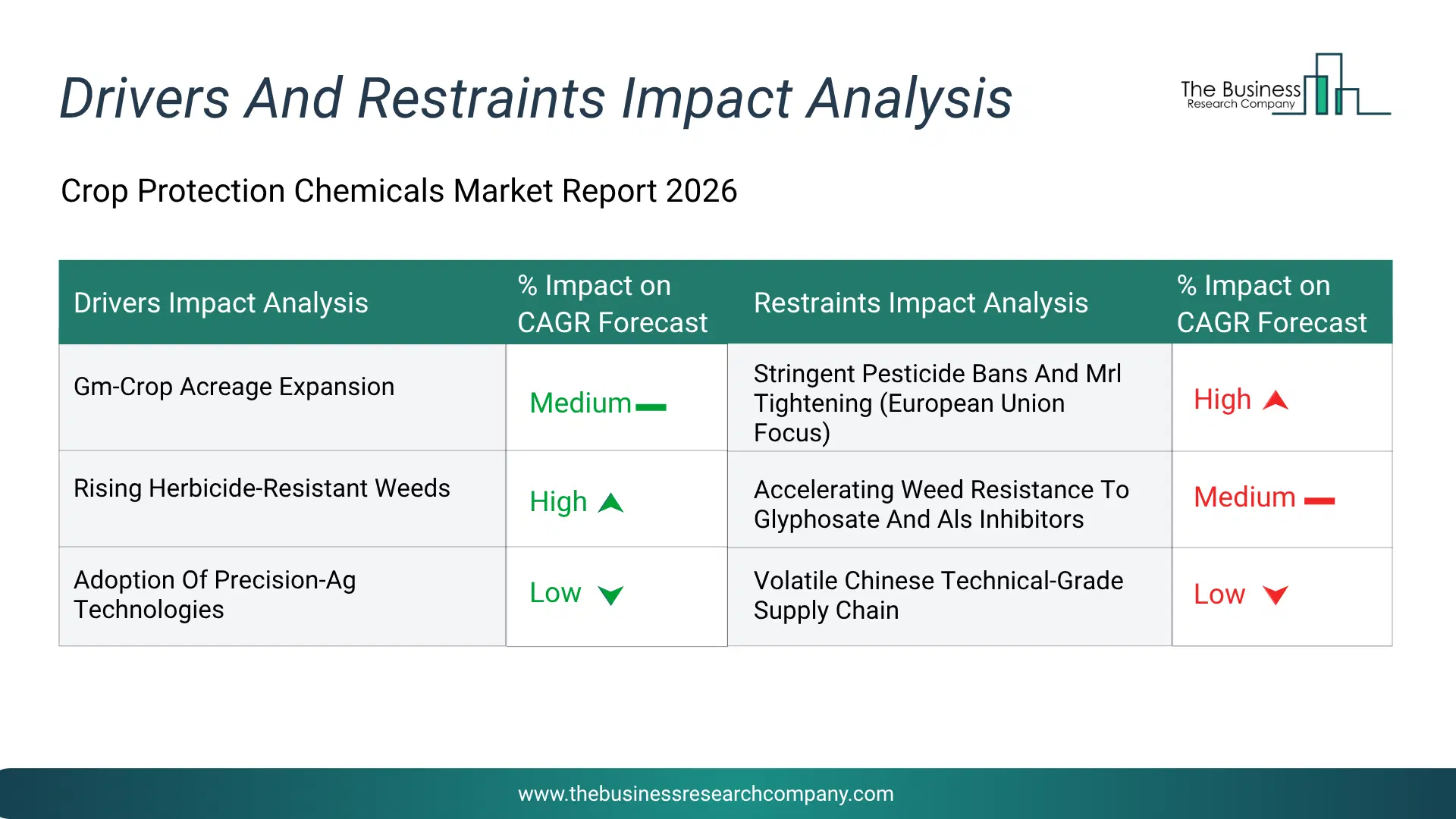
Infographic Chart Showing Key Market Drivers Analysis And Restraints For Crop Protection Chemicals Market
The chart presents an impact analysis of key drivers and restraints, quantifying their relative influence on the market's growth rate and helping assess the balance between growth enablers and limiting factors. This chart offers a high-level perspective; the full report contains more detailed insights.
How Will The Drivers Impact Growth In The Global Crop Protection Chemicals Market?
• Gm-Crop Acreage Expansion (Medium) – During the forecast period, the expansion of gm-crop acreage is expected to become a major growth driver for the crop protection chemicals market by 2030. The increasing cultivation of genetically modified crops such as soybean, corn, and cotton is driving higher demand for compatible herbicides and integrated crop protection solutions. Farmers are increasingly adopting gm crops to improve resistance against pests, diseases, and environmental stress while maximizing agricultural productivity. This trend is encouraging agrochemical manufacturers to develop advanced formulations specifically designed for gm-crop cultivation systems. The growing commercialization of biotech crops across both developed and emerging economies is further strengthening market demand. • Rising Herbicide-Resistant Weeds (High) – During the forecast period, the rising prevalence of herbicide-resistant weeds is expected to emerge as a major factor driving the expansion of the crop protection chemicals market by 2030. The continuous use of single-mode herbicides has accelerated weed resistance across key agricultural regions, creating the need for more advanced and diversified crop protection solutions. Farmers are increasingly adopting combination herbicides, rotational chemical strategies, and next-generation active ingredients to maintain weed control efficiency and protect crop yields. Agrochemical companies are therefore investing in innovative formulations and resistance management programs to address evolving weed challenges. • Adoption Of Precision-Ag Technologies (Low) – During the forecast period, the adoption of precision-ag technologies is expected to act as a key growth catalyst for the crop protection chemicals market by 2030. The growing use of GPS-guided equipment, drone-based spraying systems, smart sensors, and AI-enabled crop monitoring solutions is improving the accuracy and efficiency of chemical applications across farms. Precision agriculture technologies enable farmers to optimize pesticide usage, minimize input costs, and reduce environmental impact while improving crop productivity. In addition, data-driven farming practices are supporting targeted application methods that enhance the effectiveness of fungicides, insecticides, and herbicides. As precision farming adoption expands globally, demand for technologically compatible crop protection solutions is expected to rise steadily.How Will The Restraints Impact Growth In The Global Crop Protection Chemicals Market?
• Stringent Pesticide Bans And Mrl Tightening (European Union Focus) (Medium) – During the forecast period, the stringent pesticide regulations and Maximum Residue Level (MRL) tightening, particularly in the European Union, act as a significant restraint on the market. These regulations limit the use of certain active ingredients, forcing manufacturers to reformulate or withdraw products. Compliance with these standards increases research, testing, and regulatory costs for companies. It also restricts market entry for new products due to lengthy approval processes. Export-oriented producers face additional challenges in meeting varying international standards. Farmers may experience reduced availability of effective crop protection solutions, impacting productivity. These regulatory pressures can slow innovation and reduce profit margins. Overall, strict policies create operational and financial barriers for market players. • Accelerating Weed Resistance To Glyphosate And Als Inhibitors (High) – During the forecast period, the rapid acceleration of weed resistance to widely used herbicides such as glyphosate and ALS inhibitors poses a major restraint. As resistance builds, the effectiveness of these commonly used chemicals declines, reducing their market demand. Farmers are forced to use alternative or multiple herbicides, increasing operational complexity and costs. This also leads to uncertainty in crop protection outcomes, affecting yield stability. The need for continuous innovation puts pressure on manufacturers to develop new active ingredients, which is time-consuming and expensive. Resistance also limits the lifespan of existing products, reducing return on investment. Consequently, it disrupts market stability and growth prospects. • Volatile Chinese Technical-Grade Supply Chain (Low) – During the forecast period, the volatility in China's technical-grade agrochemical supply chain significantly restrains the market. China is a major global supplier of raw materials and intermediates used in agrochemical production. Any disruptions due to environmental regulations, factory shutdowns, or geopolitical issues can impact global supply. Price fluctuations in raw materials increase production costs for manufacturers worldwide. This unpredictability affects inventory planning and profit margins. Companies become dependent on alternative suppliers, which may not be cost-effective or reliable. Such instability can lead to delayed product availability in the market. Overall, supply chain volatility creates uncertainty and operational challenges for industry players.Key Players In The Global Crop Protection Chemicals Market
Major companies operating in the crop protection chemicals market are BASF SE, Bayer CropScience AG, Syngenta International AG, Sumitomo Chemical Company Limited, Nufarm Limited, China National Chemical Corporation, Corteva Inc., UPL Limited, FMC Corporation, American Vanguard Corporation, ISAGRO S.p.A., BioWorks Inc., Ishihara Sangyo Kaisha Ltd., Marrone Bio Innovations Inc., Rotam CropScience Ltd., Arysta LifeScience Corporation, ADAMA Agricultural Solutions Ltd., Nippon Soda Co. Ltd., Gowan Company LLC, Albaugh LLC, Sinochem Group Co. Ltd., Jiangsu Yangnong Chemical Group Co. Ltd., Nutrichem Company Limited, Sipcam Oxon Group, Certis LLC, Cheminova A/S, Nihon Nohyaku Co. Ltd., Rallis India Limited, Sino-Agri United Biotechnology Co. Ltd.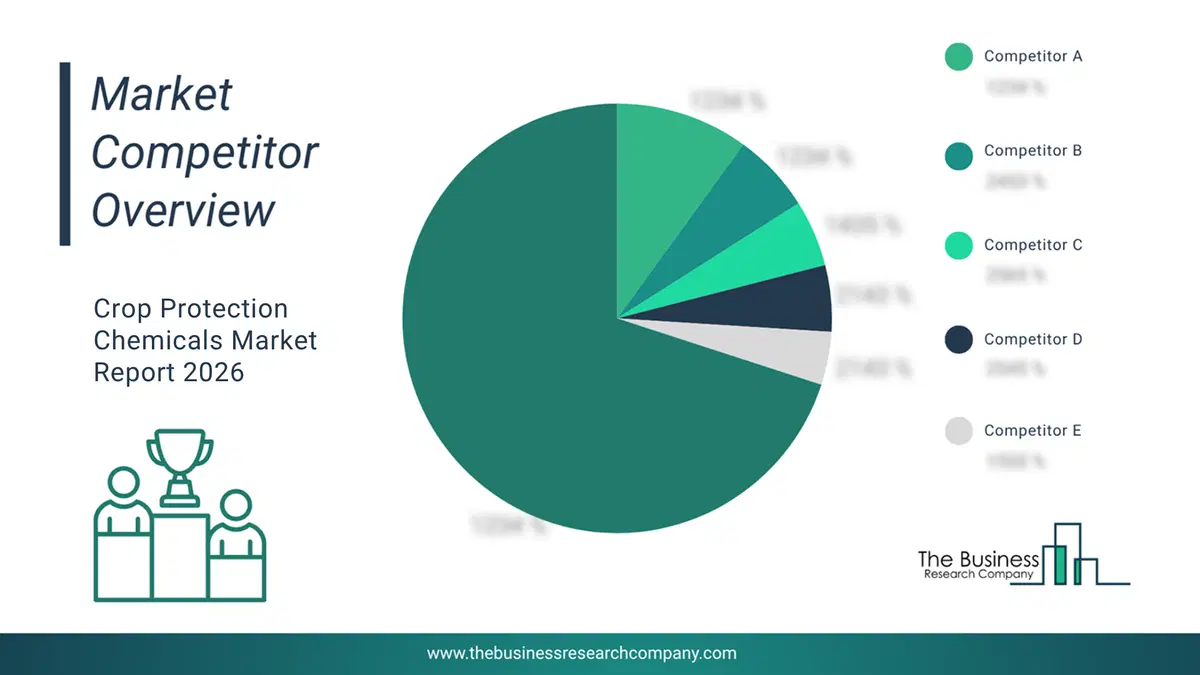
This chart is for illustrative purposes; the full report includes a detailed competitor analysis and comprehensive overview of the top 10 companies in the market.
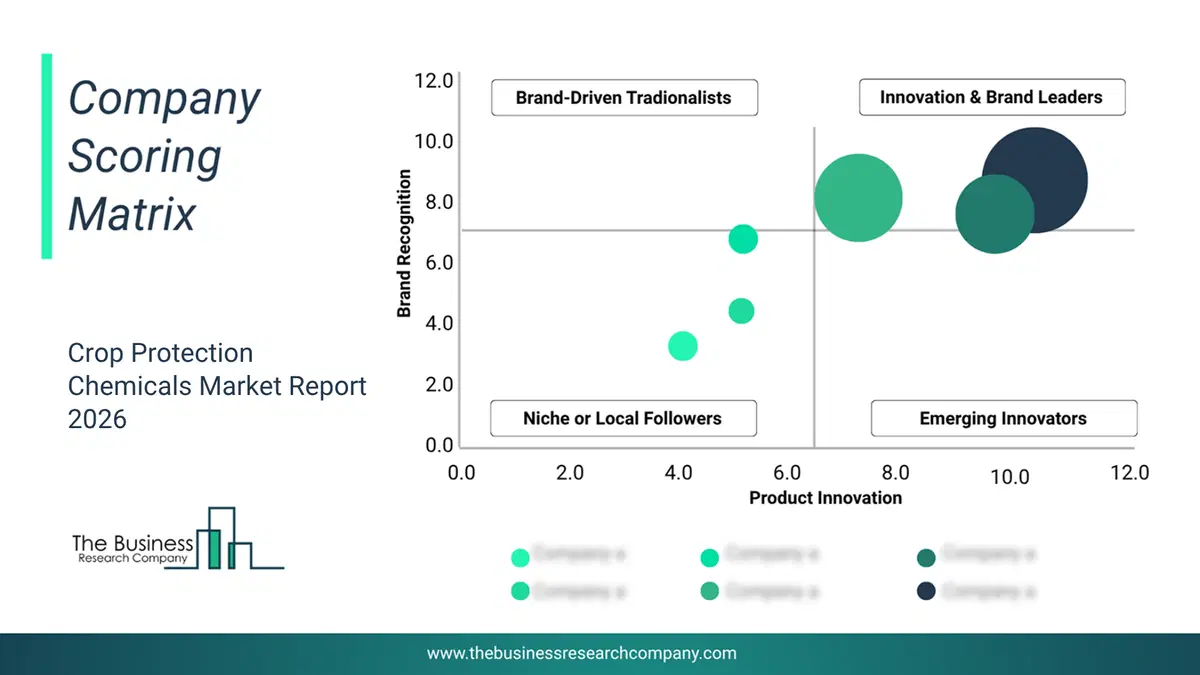
This chart maps companies by product innovation and brand strength, with bubble size indicating relative revenue, helping identify market leaders, challengers, and niche players. This is an illustrative chart; the full report provides a complete and accurate competitive analysis.
Global Crop Protection Chemicals Market Trends and Insights
Major companies are operating in the crop protection chemicals market, focusing on technological advancements such as novel insecticidal technology platform to enhance targeted pest control and crop protection efficiency. A novel insecticidal technology platform refers to an innovative system or framework of biologically or chemically engineered solutions designed to control, manage, or suppress insect populations in agricultural settings. For instance, in June 2024, Syngenta Professional Solutions, a Switzerland-based crop protection company, introduced PLINAZOLIN technology, designed to address key challenges in modern insect control. It is a novel insecticidal active ingredient offering broad-spectrum efficacy against pests such as stinkbugs, thrips, mites, caterpillars, flies, and beetles. It provides rapid feeding cessation, long-lasting crop protection, and flexibility in application methods including foliar, soil, and seed treatments ensuring improved pest management, resistance mitigation, and enhanced crop yield stability, making it ideal for integrated pest management programs across multiple crops.What Are Latest Mergers And Acquisitions In The Crop Protection Chemicals Market?
In January 2023, Sumitomo Chemical Company Limited, a Japan-based chemical company, acquired FBSciences Holdings, Incorporated for an undisclosed amount. Through this acquisition, Sumitomo Chemical Company Limited aims to expand its bio-rational division and accelerate the development of crop improvement and protection solutions. FBSciences Holdings, Incorporated is a US-based plant health technologies company that provide Crop Protection Chemicals.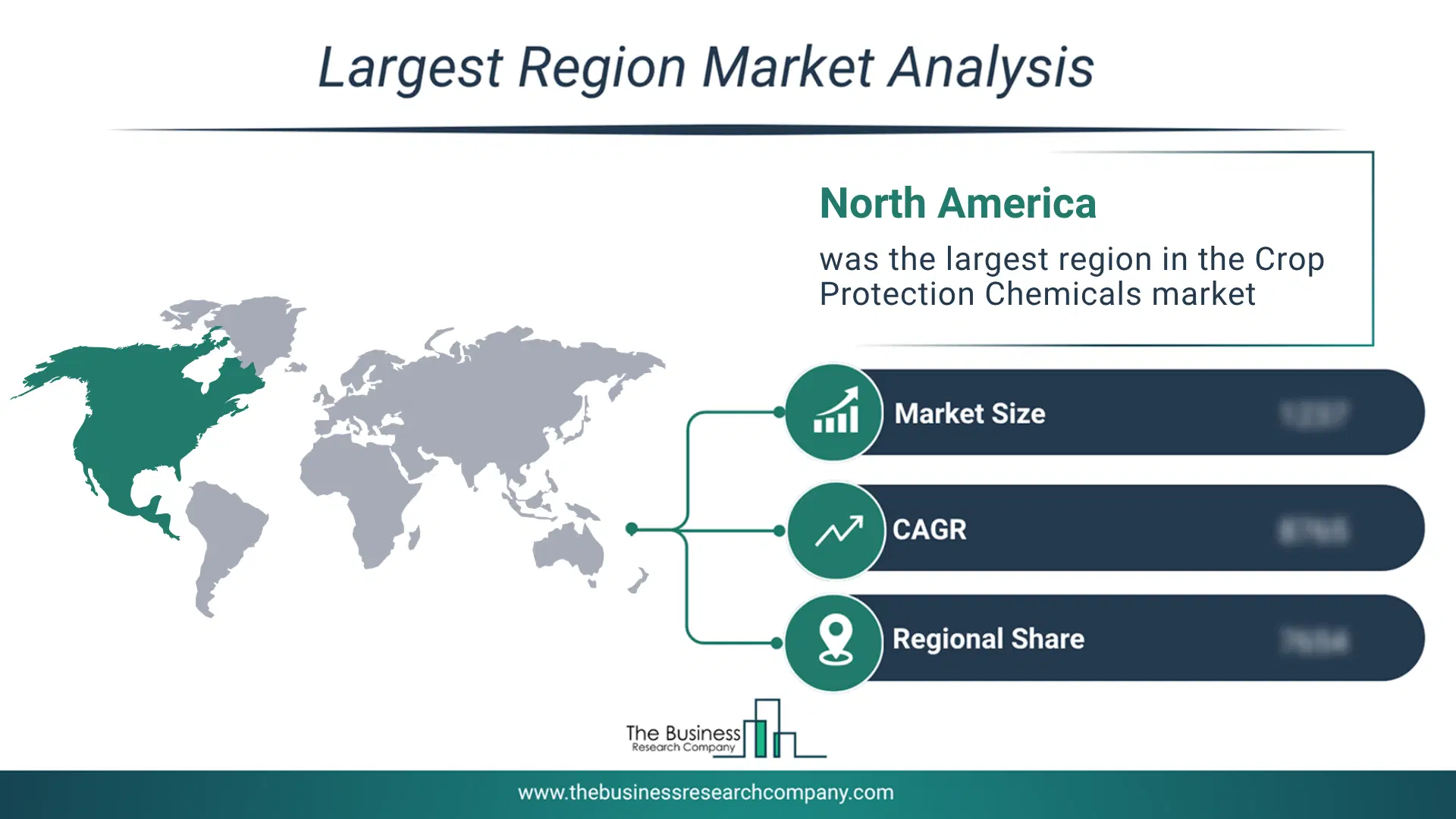
Regional Insights
North America was the largest region in the crop protection chemicals market in 2025. Asia-Pacific is expected to be the fastest-growing region in the forecast period. The regions covered in this market report are Asia-Pacific, South East Asia, Western Europe, Eastern Europe, North America, South America, Middle East, Africa The countries covered in this market report are Australia, Brazil, China, France, Germany, India, Indonesia, Japan, Taiwan, Russia, South Korea, UK, USA, Canada, Italy, SpainWhat Defines the Crop Protection Chemicals Market?
The crop protection chemicals market consists of sales of rodenticides and baceticides. Values in this market are ‘factory gate’ values, that is the value of goods sold by the manufacturers or creators of the goods, whether to other entities (including downstream manufacturers, wholesalers, distributors, and retailers) or directly to end customers. The value of goods in this market includes related services sold by the creators of the goods.How is Market Value Defined and Measured?
The market value is defined as the revenues that enterprises gain from the sale of goods and/or services within the specified market and geography through sales, grants, or donations in terms of the currency (in USD unless otherwise specified). The revenues for a specified geography are consumption values that are revenues generated by organizations in the specified geography within the market, irrespective of where they are produced. It does not include revenues from resales along the supply chain, either further along the supply chain or as part of other products.
This chart presents market attractiveness based on a quantitative evaluation of growth, competition, strategic alignment, and risk, offering a clear view of opportunity areas for decision-making. This chart is for illustrative purposes; the full report contains the complete analysis.

This chart highlights the Total Addressable Market (TAM) by estimating the maximum revenue opportunity using an assumption-driven approach, supporting strategic planning and opportunity sizing across markets. The chart is illustrative; the full report provides a more comprehensive analysis.
What Key Data and Analysis Are Included in the Crop Protection Chemicals Market Report 2026?
The crop protection chemicals market research report is one of a series of new reports from The Business Research Company that provides market statistics, including industry global market size, regional shares, competitors with the market share, detailed market segments, market trends and opportunities, and any further data you may need to thrive in the crop protection chemicals industry. The market research report delivers a complete perspective of everything you need, with an in-depth analysis of the current and future state of the industry.Crop Protection Chemicals Market Report Forecast Analysis
| Report Attribute | Details |
|---|---|
| Market Size Value In 2026 | $80.39 billion |
| Revenue Forecast In 2030 | $106.43 billion |
| Growth Rate | CAGR of 7.7% from 2026 to 2030 |
| Base Year For Estimation | 2025 |
| Actual Estimates/Historical Data | 2020-2025 |
| Forecast Period | 2026 - 2030 |
| Market Representation | Revenue in USD Billion and CAGR from 2026 to 2030 |
| Segments Covered | Type, Origin, Mode Of Applications, Applications |
| Regional Scope | Asia-Pacific, Western Europe, Eastern Europe, North America, South America, Middle East, Africa |
| Country Scope | The countries covered in the report are Australia, Brazil, China, France, Germany, India, Indonesia, Japan, Taiwan, Russia, South Korea, UK, USA, Canada, Italy, Spain. |
| Key Companies Profiled | BASF SE, Bayer CropScience AG, Syngenta International AG, Sumitomo Chemical Company Limited, Nufarm Limited, China National Chemical Corporation, Corteva Inc., UPL Limited, FMC Corporation, American Vanguard Corporation, ISAGRO S.p.A., BioWorks Inc., Ishihara Sangyo Kaisha Ltd., Marrone Bio Innovations Inc., Rotam CropScience Ltd., Arysta LifeScience Corporation, ADAMA Agricultural Solutions Ltd., Nippon Soda Co. Ltd., Gowan Company LLC, Albaugh LLC, Sinochem Group Co. Ltd., Jiangsu Yangnong Chemical Group Co. Ltd., Nutrichem Company Limited, Sipcam Oxon Group, Certis LLC, Cheminova A/S, Nihon Nohyaku Co. Ltd., Rallis India Limited, Sino-Agri United Biotechnology Co. Ltd. |
| Customization Scope | Request for Customization |
| Pricing And Purchase Options | Explore Purchase Options |