

Cultured Meat Market Report 2026
Global Outlook – By Type (Poultry, Beef, Seafood, Pork, Duck ), By Application (Nuggets, Sausages, Burgers, Hot Dogs, Meatballs, Other Applications), By Distribution Channel (Hypermarkets, Food And Drink Specialty Stores, Convenience Stores, Online Retail, Other Distribution Channels), By End-User (Household, Food Services ) – Market Size, Trends, Strategies, and Forecast to 2030
Cultured Meat Market Overview
• Cultured Meat market size has reached to $0.28 billion in 2025 • Expected to grow to $0.63 billion in 2030 at a compound annual growth rate (CAGR) of 17.7% • Growth Driver: Rising Meat Consumption To Drive Market Growth • Market Trend: Cultivated Meat Pilot Plant To Enhance Production And Food Security • North America was the largest region in 2025.Market Gains By 2030 – Top Opportunities By Segment
Market Gain identifies the most promising market opportunities by highlighting the segments or products expected to generate the highest incremental revenue growth over the next five years.
What Is Covered Under Cultured Meat Market?
Cultured meat is animal meat created in culture using different tissue of animals and bio-engineered techniques. Cultured meat is also known as clean meat or in vitro meat and acts as a healthier alternative to conventional animal meat. The cultured meat is grown in a laboratory using animal stem cells or also called building block cells. These cells are soaked in liquid containing nutrients to help them duplicate and then transferred to the bioreactor, where the meat is grown. The main types of cultured meat are poultry, beef, seafood, pork, duck. Poultry is a type that raises the birds for commercial purposes eggs, feathers, others. The meat cells are procured from the poultry and grown in the lab for cultured meat. The cultured meat is used by household or food services for cooking nuggets, sausages, burgers, hot dogs, meatballs, others. The cultured meat is distributed through hypermarkets, food and drink specialty stores, convenience stores, online retail, and others.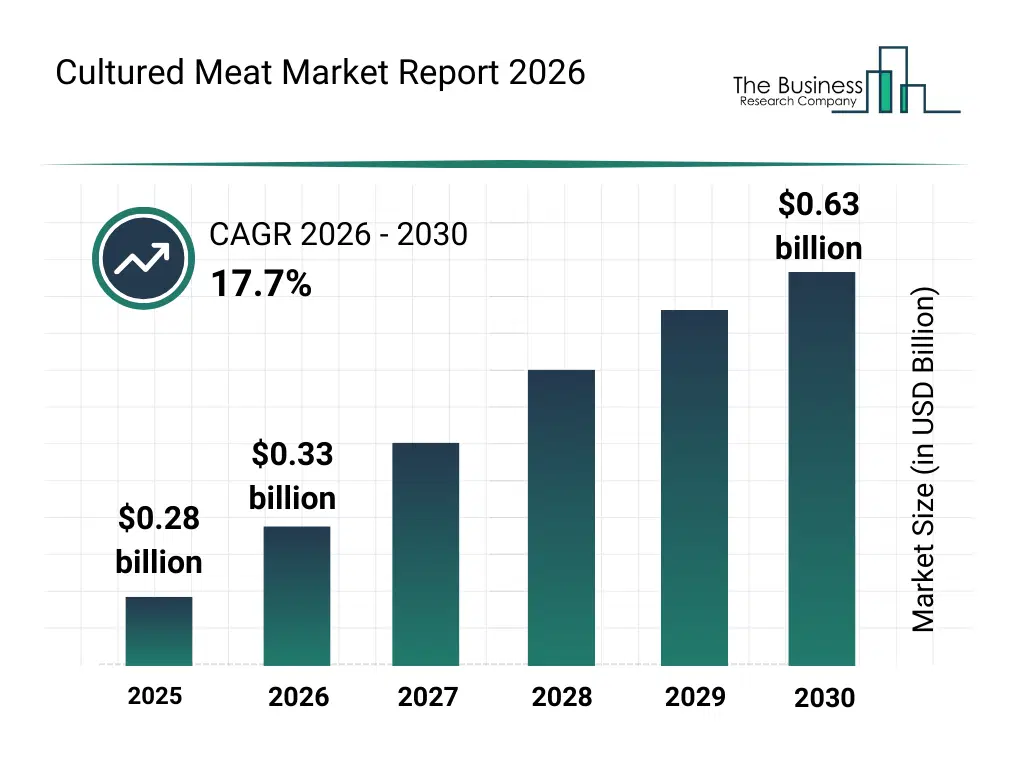
What Is The Cultured Meat Market Size and Share 2026?
The cultured meat market size has grown rapidly in recent years. It will grow from $0.28 billion in 2025 to $0.33 billion in 2026 at a compound annual growth rate (CAGR) of 19.9%. The growth in the historic period can be attributed to rising concerns over conventional meat sustainability, early-stage laboratory meat production trials, increasing investment in food biotechnology startups, growing awareness of alternative proteins, initial regulatory approvals for cultured meat.What Is The Cultured Meat Market Growth Forecast?
The cultured meat market size is expected to see rapid growth in the next few years. It will grow to $0.63 billion in 2030 at a compound annual growth rate (CAGR) of 17.7%. The growth in the forecast period can be attributed to increasing demand for sustainable protein sources, expansion of commercial-scale cultured meat facilities, growing consumer acceptance of alternative meats, rising investments from food multinationals, advancements in cost reduction technologies. Major trends in the forecast period include advancements in cell culture and tissue engineering, scaling of bioreactor-based meat production, development of cost-effective growth media, expansion of hybrid cultured meat products, enhanced focus on texture and taste optimization.
Global Cultured Meat Market Segmentation
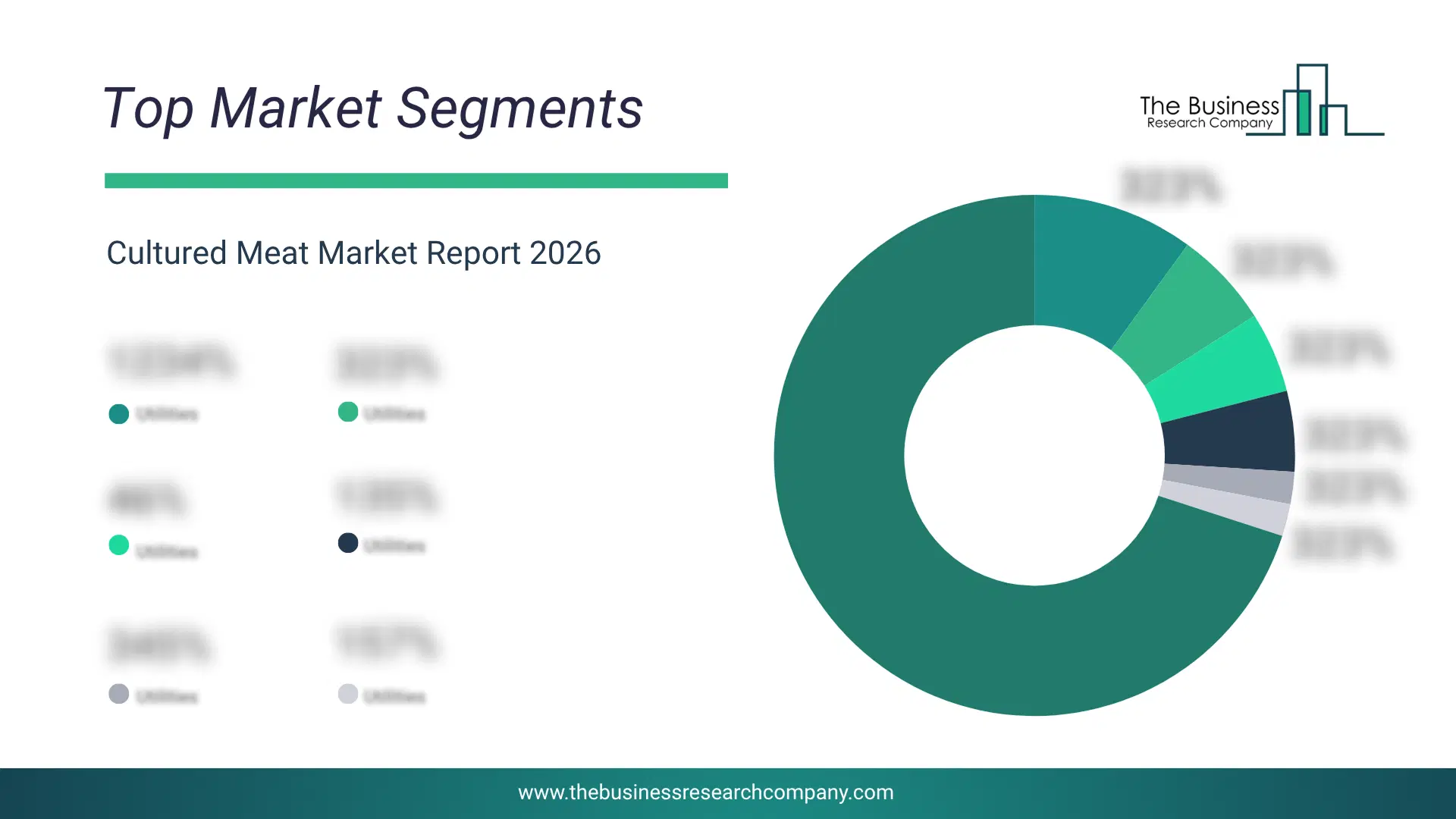
1) By Type: Poultry, Beef, Seafood, Pork, Duck 2) By Application: Nuggets, Sausages, Burgers, Hot Dogs, Meatballs, Other Applications 3) By Distribution Channel: Hypermarkets, Food And Drink Specialty Stores, Convenience Stores, Online Retail, Other Distribution Channels 4) By End-User: Household, Food Services Subsegments: 1) By Poultry: Chicken, Turkey 2) By Beef: Ground Beef, Steak 3) By Seafood: Fish, Shellfish 4) By Pork: Bacon, Sausage, Pork Chops 5) By Duck: Duck Breast, Duck Leg The top segments in the cultured meat market will be: • Poultry will reach $0.27 Billion by 2030. • Beef will reach $0.16 Billion by 2030. • Seafood will reach $0.1 Billion by 2030. • Pork will reach $0.07 Billion by 2030. • Duck will reach $0.03 Billion by 2030.What Is The Driver Of The Cultured Meat Market?
The increasing consumption of meat across the globe is contributing to the growth of the cultured meat market. Cultured meat is consumed as a healthy alternative to animal meat as it is less contaminated than animal meat. Around the world, people are eating more meat than before due to the increasing need for protein consumption and an increase in disposable income. For instance, in June 2024, according to the Australian Bureau of Statistics, an Australian government agency that collects and analyzes statistics on economic, population, environmental, and social issues, red meat production increased by 3.6% from March 2024 to June 2024. During the same period, chicken meat production saw a more substantial increase of 5.4%, totaling 374,602 tonnes. Beef production rose by 2.8% in the June 2024 quarter, reaching a total of 626,781 tonnes.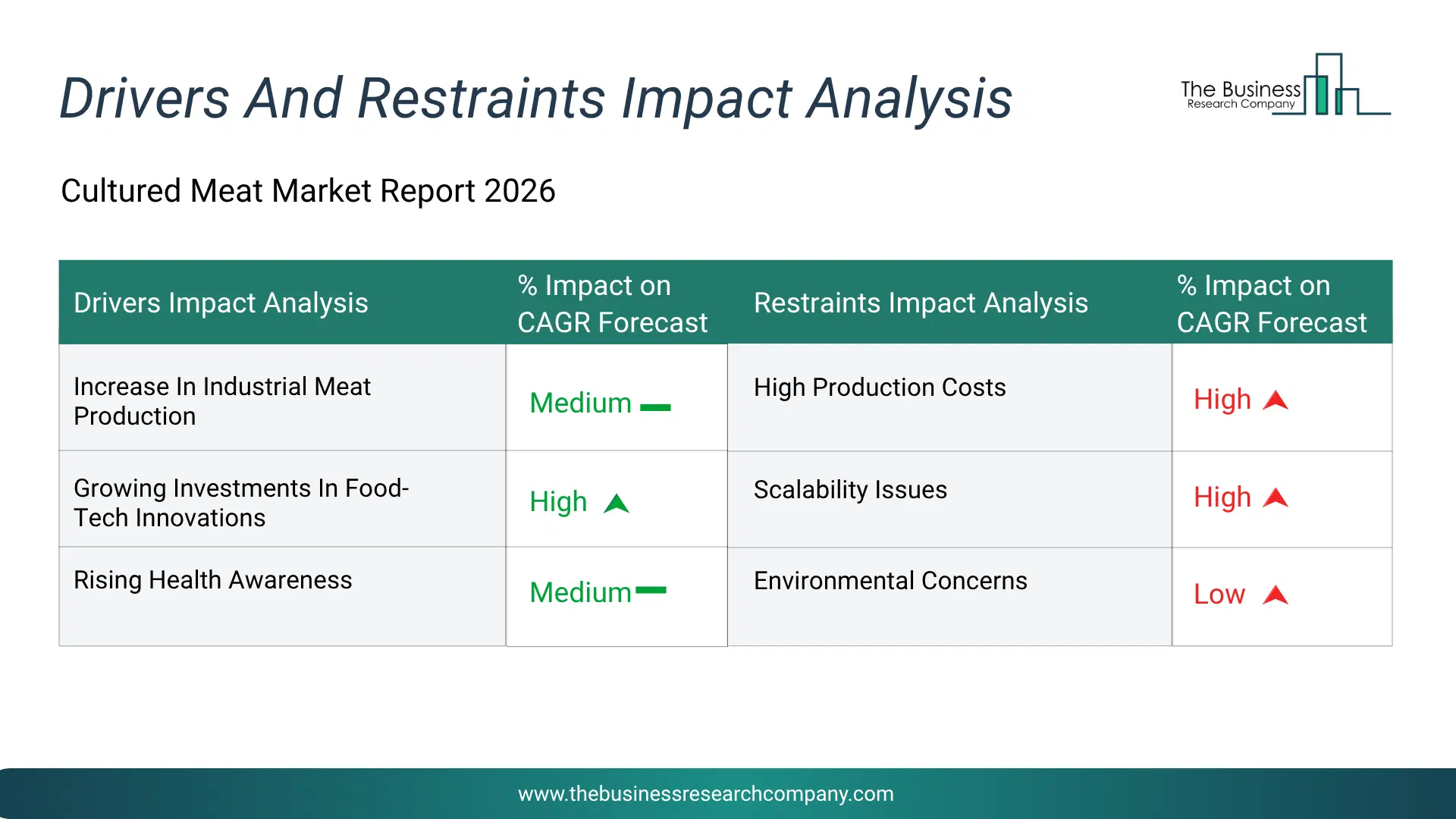
Infographic Chart Showing Key Market Drivers Analysis And Restraints For Cultured Meat Market
The chart presents an impact analysis of key drivers and restraints, quantifying their relative influence on the market's growth rate and helping assess the balance between growth enablers and limiting factors. This chart offers a high-level perspective; the full report contains more detailed insights.
How Will The Drivers Impact Growth In The Global Cultured Meat Market?
• Increase In Industrial Meat Production (Medium) – During the forecast period, the increase in industrial meat production is expected to become a key growth driver for the cultured meat market by 2030. Rising global meat consumption is placing significant pressure on conventional livestock farming systems, creating challenges related to resource utilization, environmental sustainability, and supply chain efficiency. Cultured meat offers an alternative production pathway capable of supplementing traditional meat supplies while reducing dependence on large-scale animal farming. Food producers are increasingly exploring scalable cell-cultivation technologies to address future protein demand and strengthen supply resilience. This growing need for alternative production methods is supporting market expansion. • Growing Investments In Food-Tech Innovations (High) – During the forecast period, the growing investments in food-tech innovations are expected to emerge as a major factor driving the expansion of the cultured meat market by 2030. Increasing capital allocation toward bioreactor development, cell culture media optimization, and production efficiency improvements is accelerating the commercialization of cultivated meat products. Industry participants are focusing on reducing production costs and improving scalability to enhance market competitiveness. Strategic collaborations between technology developers, food manufacturers, and research organizations are further strengthening innovation pipelines. • Rising Health Awareness (Medium) – During the forecast period, the rising health awareness is expected to act as a key growth catalyst for the cultured meat market by 2030. Consumers are increasingly seeking food products that align with health-conscious lifestyles, transparency requirements, and nutritional preferences. Cultured meat producers are developing products with controlled composition and consistent quality standards, helping address evolving consumer expectations. Growing interest in clean-label protein sources and awareness of food safety considerations are also encouraging exploration of cultivated meat alternatives.How Will The Restraints Impact Growth In The Global Cultured Meat Market?
• High Production Costs (Medium) – During the forecast period, the high production costs act as a significant restraint on the cultured meat market by limiting its affordability and widespread adoption. The process of producing cultured meat involves expensive growth media, advanced bioreactors, and highly controlled laboratory conditions, all of which increase overall operational expenses. These high costs make the final product significantly more expensive than conventional meat, restricting its accessibility to a broader consumer base. Additionally, companies require substantial capital investment for research, development, and infrastructure, which can slow down market entry for new players. The lack of cost-efficient production methods further delays price competitiveness. Until economies of scale and technological advancements reduce these expenses, market growth may remain constrained. Therefore, high production costs continue to challenge the commercial viability of cultured meat. • Scalability Issues (High) – During the forecast period, the scalability issues present a major hurdle for the cultured meat market by making it difficult to transition from small-scale production to mass manufacturing. While lab-scale production has shown promising results, replicating the same processes on an industrial scale requires significant technological innovation and infrastructure development. Maintaining consistency in texture, taste, and quality during large-scale production is complex and resource-intensive. Additionally, scaling up bioreactor systems without compromising efficiency or increasing contamination risks remains a challenge. These limitations hinder the ability to meet growing consumer demand and delay widespread commercialization. Companies must invest heavily in process optimization and automation to overcome these barriers. As a result, scalability challenges continue to slow the overall growth trajectory of the market. • Environmental Concerns (Medium) – During the forecast period, the environmental concerns, while often seen as a benefit of cultured meat, can also act as a restraint due to uncertainties surrounding its true sustainability impact. The production process requires significant energy input, particularly for maintaining controlled environments and operating bioreactors, which may offset some environmental advantages. If the energy used is derived from non-renewable sources, the overall carbon footprint could remain substantial. Additionally, large-scale production facilities may require considerable resource inputs, raising questions about long-term sustainability. There is also limited large-scale data available to conclusively prove its environmental superiority over traditional meat production. These uncertainties can create skepticism among consumers, investors, and regulators. Consequently, unresolved environmental concerns may hinder the pace of adoption and market growth.Key Players In The Global Cultured Meat Market
Major companies operating in the cultured meat market are Shiok Meats Pte. Ltd., Lab Farm Foods Ltd., Mosa Meat BV, Higher Steaks Cultivated Meat Ltd., UPSIDE Foods Inc., Eat Just Inc., Mission Barns Food Inc., Memphis Meats Inc., Mirai Foods Co. Ltd., Aleph Farms Ltd., Vow Foods Pty. Ltd., BioTech Foods Ltd., Meatable Pte. Ltd., Future Meat Technologies Ltd., Hoxton Farms Inc., MeaTech 3D Ltd., Finless Foods Inc., SuperMeat Ltd., Cell Farm Food Tech Ltd., Avant Meats Company Inc., Cultured Decadence LLC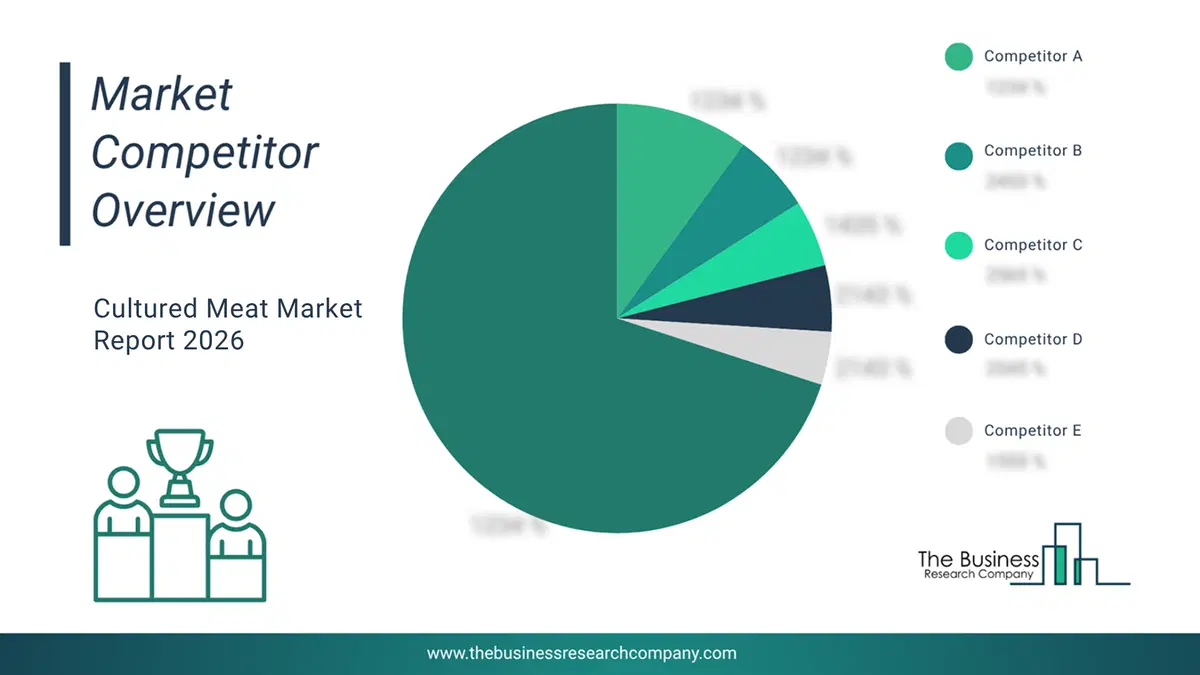
This chart is for illustrative purposes; the full report includes a detailed competitor analysis and comprehensive overview of the top 10 companies in the market.
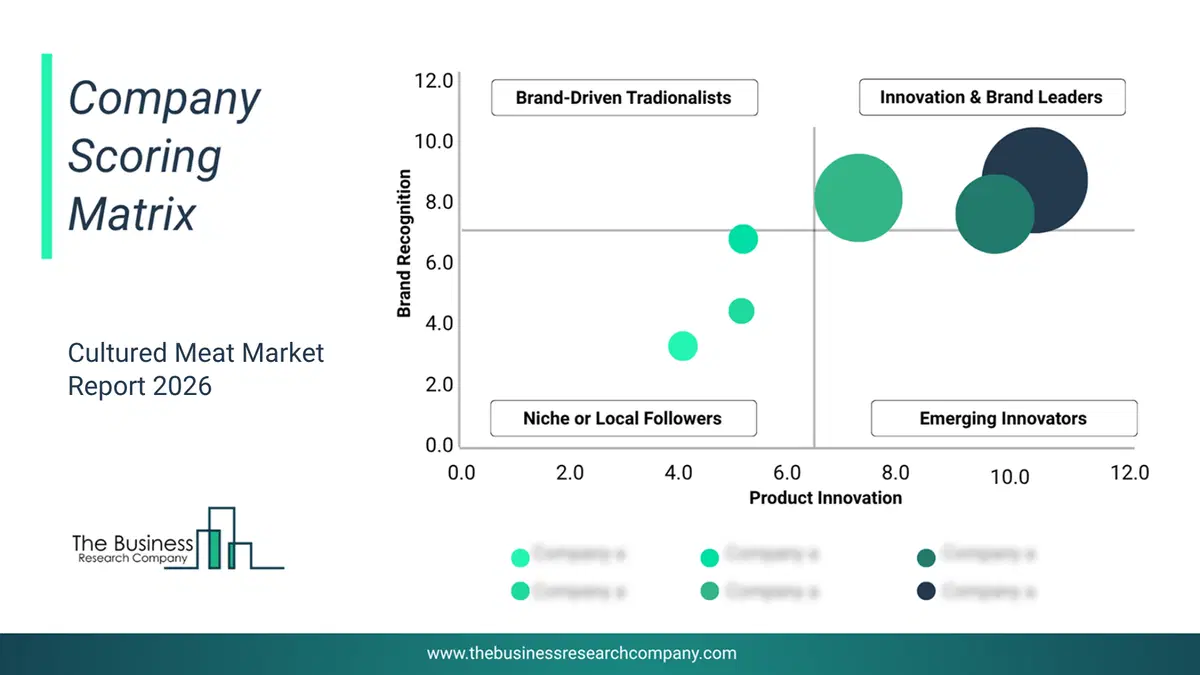
This chart maps companies by product innovation and brand strength, with bubble size indicating relative revenue, helping identify market leaders, challengers, and niche players. This is an illustrative chart; the full report provides a complete and accurate competitive analysis.
Global Cultured Meat Market Trends and Insights
Major companies operating in the cultured meat market are focusing on innovations and capacity expansion, such as establishing pilot plants to enhance production capabilities and reduce reliance on traditional livestock. Pilot plants are essential facilities for testing and optimizing production processes in the cultured meat industry, enabling companies to scale up and refine their technology before full commercial production. For instance, in August 2023, CellX, a China-based cell and gene therapy technologies company, launched first pilot plant for cultivated meat. The pilot facility features a 2,000-litre bioreactor capable of producing ""single-digit tonnes"" of cultivated meat annually, with plans to expand its capacity through additional bioreactors. This initiative aims to support China’s goal of food security for its 1.4 billion population while reducing reliance on traditional livestock breeding and imports.What Are Latest Mergers And Acquisitions In The Cultured Meat Market?
In November 2025, Fork & Good, a US-based cultivated meat company, acquired Orbillion, for an undisclosed amount. With this acquisition, Fork & Good aims to expand its cultivated red meat production capacity, accelerate product development, strengthen its market presence in alternative proteins, and advance the commercialization of sustainable meat solutions. Orbillion is a US-based cultivated meat company specializing in producing high-quality, lab-grown red meat.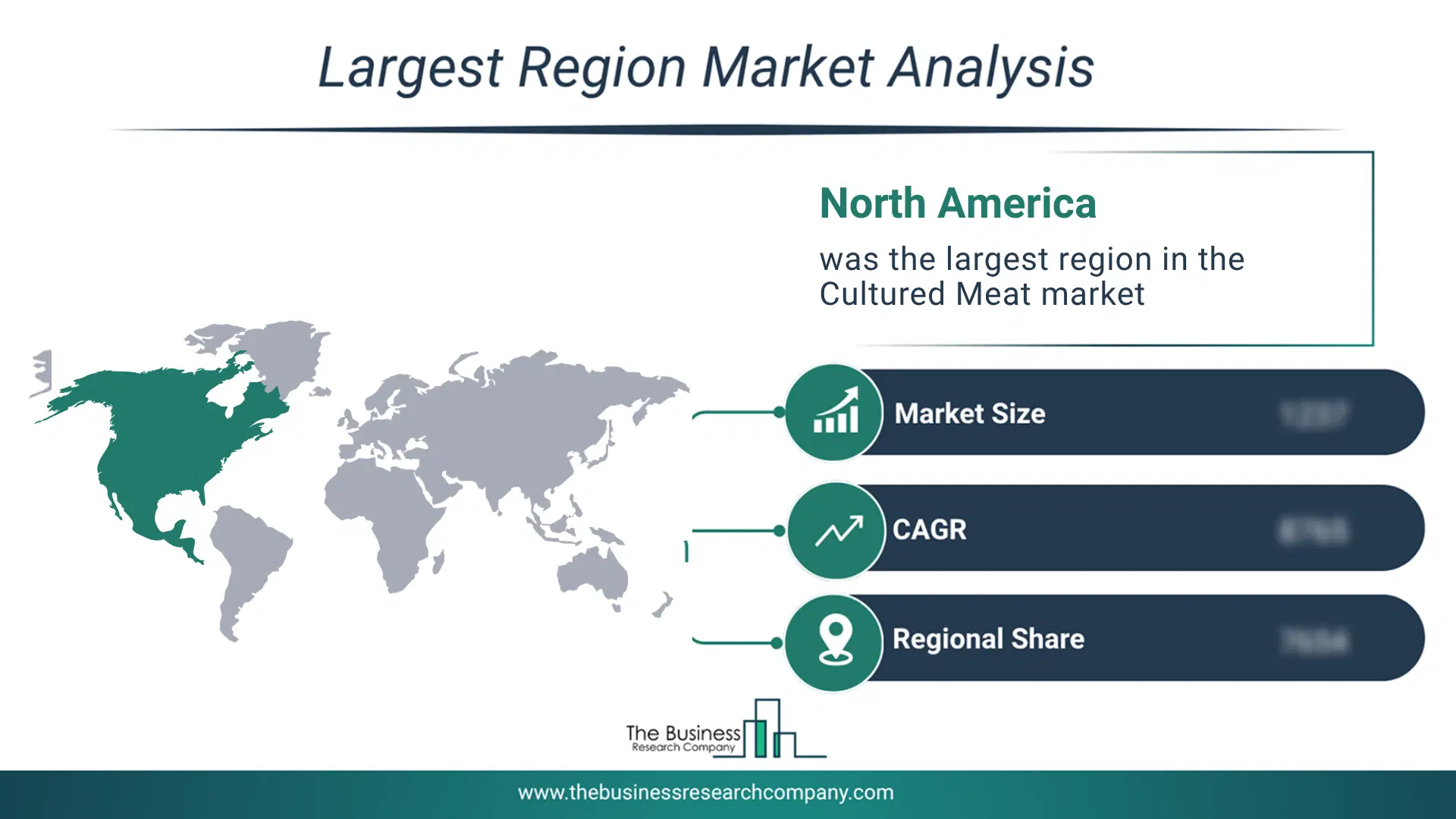
Regional Outlook
North America was the largest region in the cultured meat market in 2025. The regions covered in this market report are Asia-Pacific, South East Asia, Western Europe, Eastern Europe, North America, South America, Middle East and Africa. The countries covered in this market report are Australia, Brazil, China, France, Germany, India, Indonesia, Japan, Taiwan, Russia, South Korea, UK, USA, Italy, Spain, CanadaWhat Defines the Cultured Meat Market?
The cultured meat market consists of sales of cultured beef meat, cultured poultry meat, cultured pork meat, cultured seafood meat, and other cultured meat. Values in this market are ‘factory gate’ values, that is the value of goods sold by the manufacturers or creators of the goods, whether to other entities (including downstream manufacturers, wholesalers, distributors and retailers) or directly to end customers. The value of goods in this market includes related services sold by the creators of the goods.How is Market Value Defined and Measured?
The market value is defined as the revenues that enterprises gain from the sale of goods and/or services within the specified market and geography through sales, grants, or donations in terms of the currency (in USD unless otherwise specified). The revenues for a specified geography are consumption values that are revenues generated by organizations in the specified geography within the market, irrespective of where they are produced. It does not include revenues from resales along the supply chain, either further along the supply chain or as part of other products.
This chart presents market attractiveness based on a quantitative evaluation of growth, competition, strategic alignment, and risk, offering a clear view of opportunity areas for decision-making. This chart is for illustrative purposes; the full report contains the complete analysis.

This chart highlights the Total Addressable Market (TAM) by estimating the maximum revenue opportunity using an assumption-driven approach, supporting strategic planning and opportunity sizing across markets. The chart is illustrative; the full report provides a more comprehensive analysis.
What Key Data and Analysis Are Included in the Cultured Meat Market Report 2026?
The cultured meat market research report is one of a series of new reports from The Business Research Company that provides market statistics, including industry global market size, regional shares, competitors with the market share, detailed market segments, market trends and opportunities, and any further data you may need to thrive in the cultured meat industry. The market research report delivers a complete perspective of everything you need, with an in-depth analysis of the current and future state of the industry.Cultured Meat Market Report Forecast Analysis
| Report Attribute | Details |
|---|---|
| Market Size Value In 2026 | $0.33 billion |
| Revenue Forecast In 2030 | $0.63 billion |
| Growth Rate | CAGR of 19.9% from 2026 to 2030 |
| Base Year For Estimation | 2025 |
| Actual Estimates/Historical Data | 2020-2025 |
| Forecast Period | 2026 - 2030 |
| Market Representation | Revenue in USD Billion and CAGR from 2026 to 2030 |
| Segments Covered | Type, Application, Distribution Channel, End-User |
| Regional Scope | Asia-Pacific, Western Europe, Eastern Europe, North America, South America, Middle East, Africa |
| Country Scope | The countries covered in the report are Australia, Brazil, China, France, Germany, India, Indonesia, Japan, Taiwan, Russia, South Korea, UK, USA, Canada, Italy, Spain. |
| Key Companies Profiled | Shiok Meats Pte. Ltd., Lab Farm Foods Ltd., Mosa Meat BV, Higher Steaks Cultivated Meat Ltd., UPSIDE Foods Inc., Eat Just Inc., Mission Barns Food Inc., Memphis Meats Inc., Mirai Foods Co. Ltd., Aleph Farms Ltd., Vow Foods Pty. Ltd., BioTech Foods Ltd., Meatable Pte. Ltd., Future Meat Technologies Ltd., Hoxton Farms Inc., MeaTech 3D Ltd., Finless Foods Inc., SuperMeat Ltd., Cell Farm Food Tech Ltd., Avant Meats Company Inc., Cultured Decadence LLC |
| Customization Scope | Request for Customization |
| Pricing And Purchase Options | Explore Purchase Options |