
Cystic Fibrosis (CF) Therapeutics Market Report 2026
Global Outlook – By Drug Class (Pancreatic Enzyme Supplements, Mucolytic, Bronchodilators, CFTR Modulators), By Route Of Administration (Oral, Inhaled), By Treatment Method (Medication, Devices) – Market Size, Trends, Strategies, and Forecast to 2030
Cystic Fibrosis (CF) Therapeutics Market Overview
• Cystic Fibrosis (CF) Therapeutics market size has reached to $8.34 billion in 2025 • Expected to grow to $11.72 billion in 2030 at a compound annual growth rate (CAGR) of 7.1% • Growth Driver: Growing Patient Numbers Drive Momentum in Cystic Fibrosis Therapeutics Market • Market Trend: Fibrosis Innovation Hub Network To Accelerate CF Treatment Development • North America was the largest region in 2025 and Asia-Pacific is the fastest growing region.Market Gains By 2030 – Top Opportunities By Segment
Market Gain identifies the most promising market opportunities by highlighting the segments or products expected to generate the highest incremental revenue growth over the next five years.
What Is Covered Under Cystic Fibrosis (CF) Therapeutics Market?
Cystic fibrosis (CF) therapeutics refers to medications that thin and facilitate coughing up lung mucus. It is an inherited disorder that causes severe damage to the lungs, digestive system, and other organs in the body. The main drug classes for cystic fibrosis (CF) therapeutics are pancreatic enzyme supplements, mucolytics, bronchodilators and CFTR modulators. Pancreatic enzyme supplements refer to supplements produced by the pancreas and containing pancreatin or pancrelipase, which is a combination of lipase, amylase, and protease. There are two routes of administration such as oral and inhaled. It includes methods of cystic fibrosis treatment with medication and devices.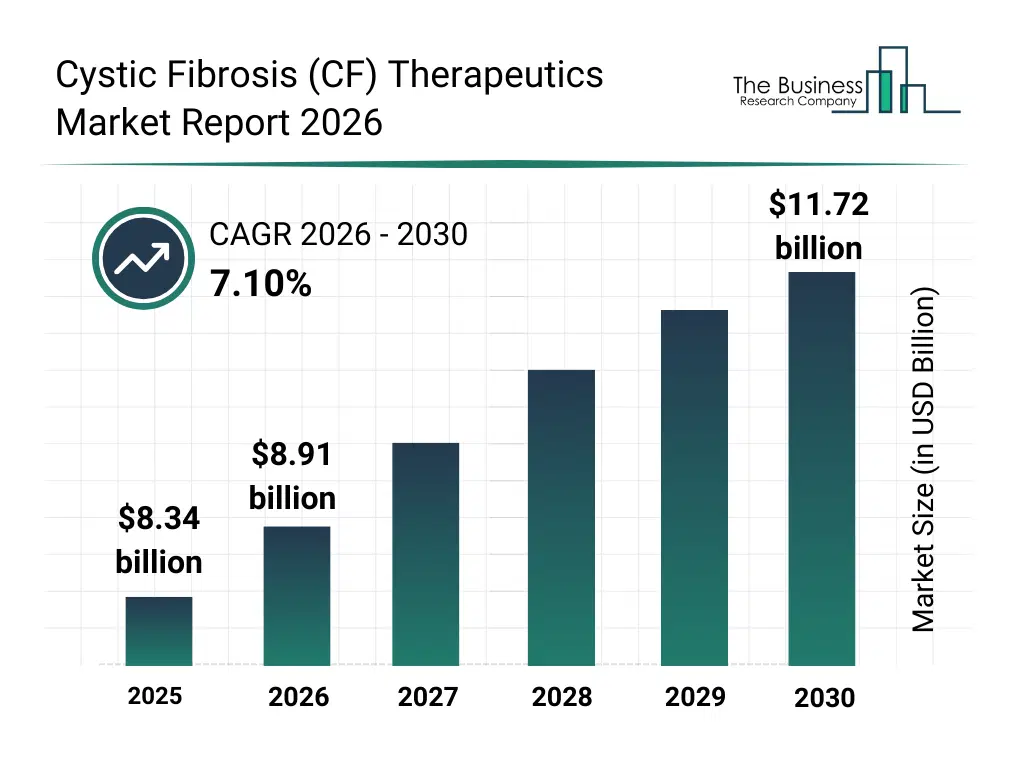
What Is The Cystic Fibrosis (CF) Therapeutics Market Size and Share 2026?
The cystic fibrosis (cf) therapeutics market size has grown strongly in recent years. It will grow from $8.34 billion in 2025 to $8.91 billion in 2026 at a compound annual growth rate (CAGR) of 6.8%. The growth in the historic period can be attributed to high prevalence of cystic fibrosis, limited early diagnostic tools, reliance on conventional mucolytic therapies, gradual adoption of cftr modulators, regional healthcare infrastructure variability.What Is The Cystic Fibrosis (CF) Therapeutics Market Growth Forecast?
The cystic fibrosis (cf) therapeutics market size is expected to see strong growth in the next few years. It will grow to $11.72 billion in 2030 at a compound annual growth rate (CAGR) of 7.1%. The growth in the forecast period can be attributed to advancements in gene therapy, increased adoption of digital health solutions, rise in precision medicine applications, expansion of pediatric cf treatment programs, growing investment in rare disease therapeutics. Major trends in the forecast period include personalized cystic fibrosis therapies, advanced pulmonary drug delivery systems, gene editing & cftr gene therapy research, patient adherence & remote monitoring solutions, orphan drug development for rare cf mutations.
Global Cystic Fibrosis (CF) Therapeutics Market Segmentation
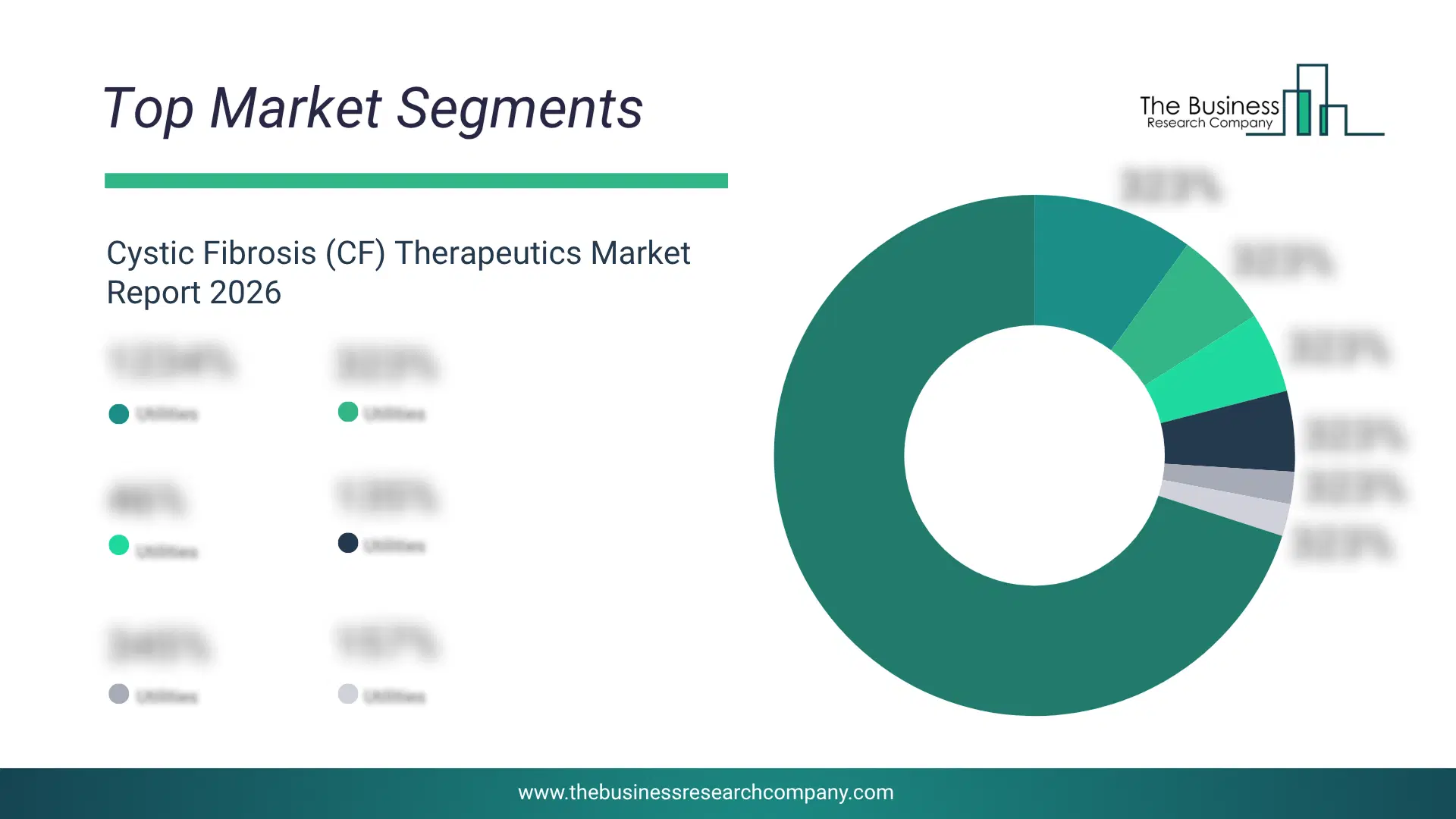
1) By Drug Class: Pancreatic Enzyme Supplements, Mucolytic, Bronchodilators, CFTR Modulators 2) By Route Of Administration: Oral, Inhaled 3) By Treatment Method: Medication, Devices Subsegments: 1) By Pancreatic Enzyme Supplements: Lipase, Amylase, Protease 2) By Mucolytics: Dornase Alfa (Pulmozyme), Hypertonic Saline 3) By Bronchodilators: Short-Acting Beta Agonists (SABAs), Long-Acting Beta Agonists (LABAs), Anticholinergics 4) By CFTR Modulators: Ivacaftor, Lumacaftor Or Ivacaftor (Orkambi), Tezacaftor Or Ivacaftor (Symdeko), Elexacaftor Or Tezacaftor Or Ivacaftor The top segments in the cystic fibrosis (cf) therapeutics market will be: • CFTR Modulators will reach $12.39 Billion by 2030. • Pancreatic Enzyme Supplements will reach $8.83 Billion by 2030. • Mucolytic will reach $2.67 Billion by 2030. • Bronchodilators will reach $2.29 Billion by 2030.What Is The Driver Of The Cystic Fibrosis (CF) Therapeutics Market?
An increase in the number of patients suffering from cystic fibrosis is expected to propel the growth of the cystic fibrosis (CF) therapeutics market going forward. Cystic fibrosis (CF) is an inherited condition that severely harms the body's lungs, digestive system, and other organs. Cystic fibrosis therapeutics are used to treat cystic fibrosis disorder by making the mucus in the lungs thinner and easier to cough up. Thus, an increase in the number of patients suffering from cystic fibrosis is expected to boost the cystic fibrosis (CF) therapeutics market. For instance, in 2023, according to the Cystic Fibrosis Foundation, a U.S.-based nonprofit, non-governmental organization (NGO), there were 32,547 individuals in the CF Patient Registry in 2022 compared to 33,288 in 2023, representing a growth of nearly 2.3%. Therefore, an increase in the number of patients suffering from cystic fibrosis is driving the growth of the cystic fibrosis (CF) therapeutics industry.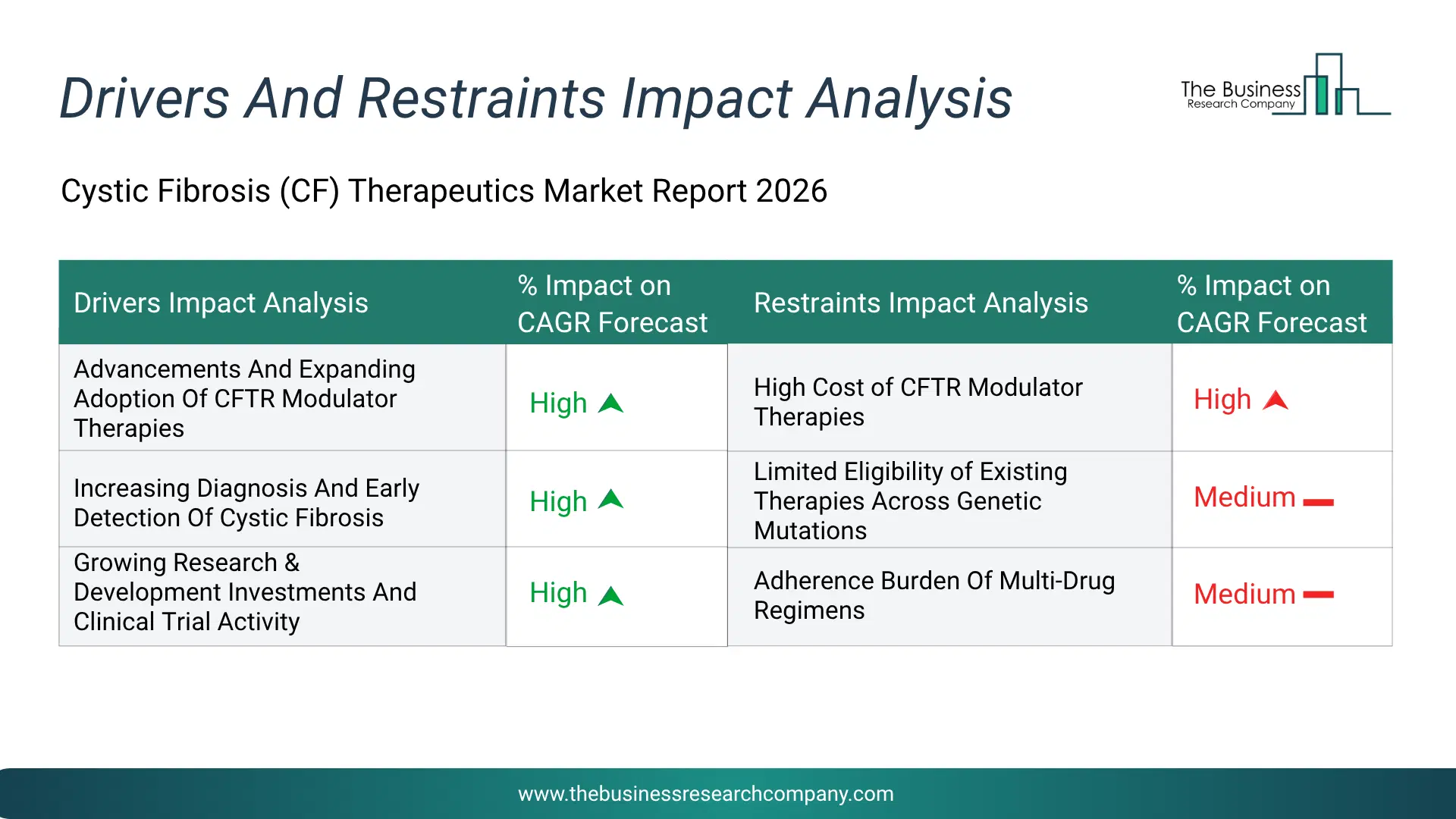
Infographic Chart Showing Key Market Drivers Analysis And Restraints For Cystic Fibrosis (Cf) Therapeutics Market
The chart presents an impact analysis of key drivers and restraints, quantifying their relative influence on the market's growth rate and helping assess the balance between growth enablers and limiting factors. This chart offers a high-level perspective; the full report contains more detailed insights.
How Will The Drivers Impact Growth In The Global Cystic Fibrosis (CF) Therapeutics Market?
• Advancements And Expanding Adoption Of CFTR Modulator Therapies (High) – During the forecast period, the advancements and expanding adoption of CFTR modulator therapies is expected to become a key growth driver for the cystic fibrosis (CF) therapeutics market by 2030. CFTR modulators have transformed the treatment landscape for cystic fibrosis by addressing the underlying genetic causes of the disease rather than solely managing symptoms. Continuous advancements in these therapies have significantly improved lung function, reduced the frequency of pulmonary exacerbations, and enhanced overall quality of life for eligible patients. Expanding regulatory approvals and broader treatment eligibility are enabling a larger patient population to benefit from these innovative therapies. In addition, increasing physician confidence and favorable clinical outcomes are supporting wider adoption across global healthcare systems. • Increasing Diagnosis And Early Detection Of Cystic Fibrosis (High) – During the forecast period, the increasing diagnosis and early detection of cystic fibrosis is expected to emerge as a major factor driving the expansion of the cystic fibrosis (CF) therapeutics market by 2030. Improved newborn screening programs, advancements in diagnostic technologies, and growing awareness among healthcare professionals are enabling earlier identification of cystic fibrosis patients. Early diagnosis allows timely initiation of treatment, helping to delay disease progression, reduce complications, and improve long-term patient outcomes. Healthcare systems are increasingly emphasizing early intervention strategies to enhance disease management and reduce the burden of advanced-stage complications. As more patients are diagnosed and enrolled in treatment pathways, the demand for cystic fibrosis therapeutics continues to increase. • Growing Research & Development Investments And Clinical Trial Activity (High) – During the forecast period, the growing research and development investments and clinical trial activity is expected to act as a key growth catalyst for the cystic fibrosis (CF) therapeutics market by 2030. Pharmaceutical companies, biotechnology firms, and research organizations are increasing investments in the development of novel cystic fibrosis therapies and next-generation CFTR modulators. A growing number of clinical trials is expanding the treatment pipeline and exploring innovative therapeutic approaches for patients with rare genetic mutations and unmet medical needs. These efforts are accelerating scientific discoveries, improving treatment options, and supporting the development of more personalized therapies. Furthermore, continued investment in research is expected to enhance the long-term growth potential of the market by introducing new and more effective treatment solutions.How Will The Restraints Impact Growth In The Global Cystic Fibrosis (CF) Therapeutics Market?
• High Cost of CFTR Modulator Therapies (High) – During the forecast period, the high cost of CFTR modulator therapies is expected to remain a significant restraint on the cystic fibrosis therapeutics market. Advanced CFTR modulators are among the most expensive treatments available, limiting patient access, particularly in low- and middle-income countries. Even in developed markets, reimbursement restrictions, insurance limitations, and high out-of-pocket costs can delay treatment initiation or reduce long-term adherence. The substantial financial burden also places pressure on healthcare systems and payer budgets, limiting widespread adoption. Consequently, affordability challenges are expected to constrain market penetration and overall market growth during the forecast period. • Limited Eligibility of Existing Therapies Across Genetic Mutations (High) – During the forecast period, the limited eligibility of existing therapies across genetic mutations is expected to restrain the cystic fibrosis therapeutics market. Most currently approved CFTR modulators are designed to treat specific CFTR gene mutations, leaving many patients with rare or less common mutations without effective targeted treatment options. This restricts the addressable patient population for existing therapies and highlights the continued unmet medical need. Although research is focused on expanding treatment coverage across additional mutations, limited therapeutic eligibility continues to hinder broader market adoption and revenue growth. • Adherence Burden Of Multi-Drug Regimens (High) – During the forecast period, the adherence burden associated with multi-drug regimens is expected to restrain the cystic fibrosis therapeutics market. Patients often require complex treatment schedules involving CFTR modulators, inhaled therapies, pancreatic enzyme replacement therapies, antibiotics, and nutritional supplements. Managing multiple medications on a daily basis can be time-consuming and challenging, leading to reduced treatment adherence and inconsistent clinical outcomes. Poor adherence may accelerate disease progression, increase healthcare utilization, and reduce the overall effectiveness of available therapies. As a result, treatment complexity is expected to remain a moderate challenge limiting optimal therapeutic outcomes and market growth.Key Players In The Global Cystic Fibrosis (CF) Therapeutics Market
Major companies operating in the cystic fibrosis (cf) therapeutics market are Teva Pharmaceutical Industries Ltd., F. Hoffmann-La Roche AG, Vertex Pharmaceuticals Incorporated, Chiesi Farmaceutici SpA, PTC Therapeutics LIMITED, Genentech Inc., Alaxia, AstraZeneca, Beyond Air Inc., Pfizer Inc., Alcresta Therapeutics Inc., Laurent Pharmaceuticals, Nestlé HealthScience, Pharmaxis, Bayer AG, AbbVie Inc., Novartis AG, Arcturus Therapeutics Holdings Inc., Arrowhead Pharmaceuticals Inc, ProQR Therapeutics N.V., Enterprise Therapeutics Ltd. , Corbus Pharmaceuticals Holdings Inc, Eloxx Pharmaceuticals , Translate Bio Inc, Zambon S.p.A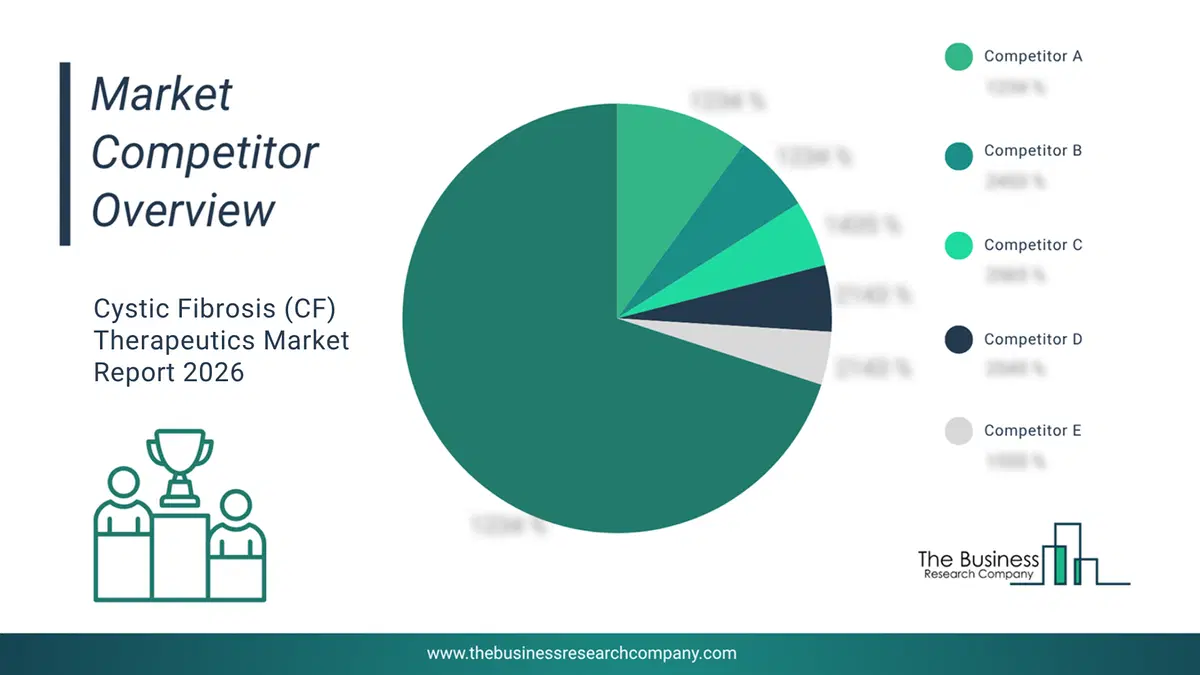
This chart is for illustrative purposes; the full report includes a detailed competitor analysis and comprehensive overview of the top 10 companies in the market.
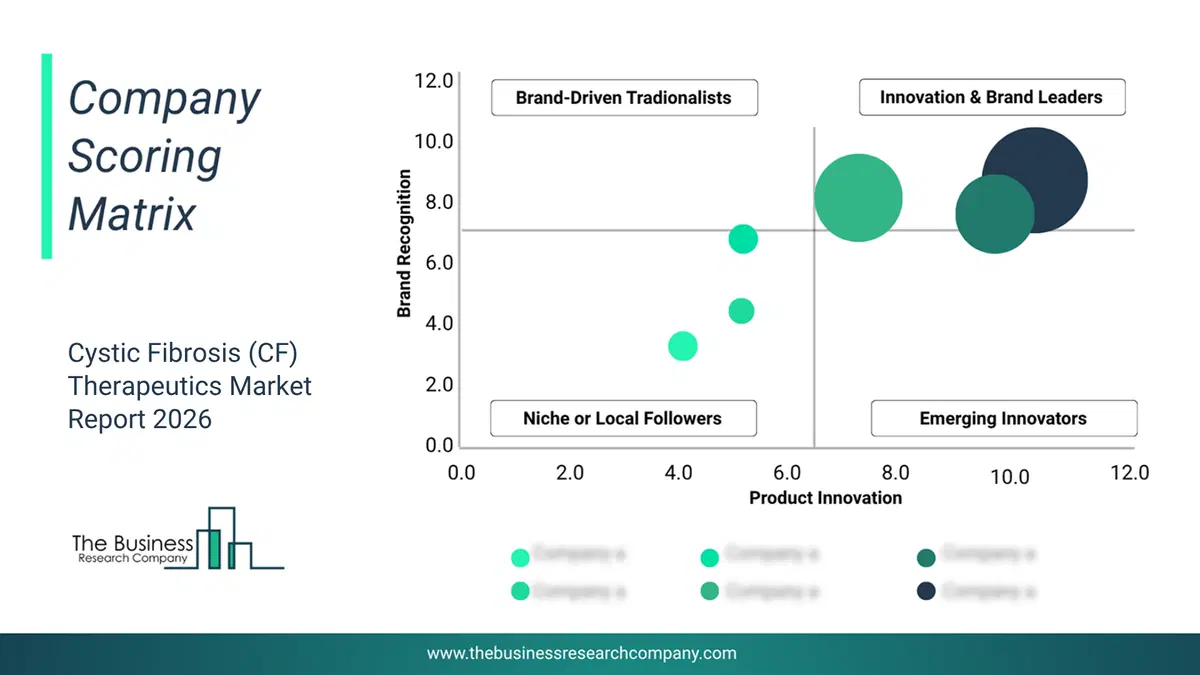
This chart maps companies by product innovation and brand strength, with bubble size indicating relative revenue, helping identify market leaders, challengers, and niche players. This is an illustrative chart; the full report provides a complete and accurate competitive analysis.
Global Cystic Fibrosis (CF) Therapeutics Market Trends and Insights
Major companies operating in the cystic fibrosis (CF) therapeutics market are innovating treatment and patient care solutions, such as the cystic fibrosis innovation hub network, to accelerate research, improve treatment options, and enhance collaboration in the development of new therapies for CF patients. The cystic fibrosis innovation hub network is a collaborative platform or initiative designed to accelerate the research and development of new treatments for cystic fibrosis (CF). For instance, in October 2024, LifeArc, a UK-based charity and life sciences company that focuses on translating scientific research into viable healthcare solutions, launched the UK’s first Cystic Fibrosis Innovation Hub Network. Cystic Fibrosis Innovation Hub Network is designed to enhance research and development for cystic fibrosis (CF) treatments, fostering collaboration between healthcare providers, researchers, and patients. Launched as part of a broader initiative to accelerate innovation in cystic fibrosis therapies, the hub focuses on identifying new pathways for drug development and improving patient outcomes.What Are Latest Mergers And Acquisitions In The Cystic Fibrosis (CF) Therapeutics Market?
In July 2024, Sionna Therapeutics, a US-based healthcare organization acquired rights to develop and commercialize multiple cystic fibrosis (CF) compounds from AbbVie inc, for an undisclosed amount. With this acquisition, Sionna commercializes three specific compounds such as ABBV-2222, ABBV-3067, and ABBV-2851 to improve efficiency for cystic fibrosis (CF) treatment. AbbVie Inc. is a US-based company that provides cystic fibrosis (CF) therapeutics.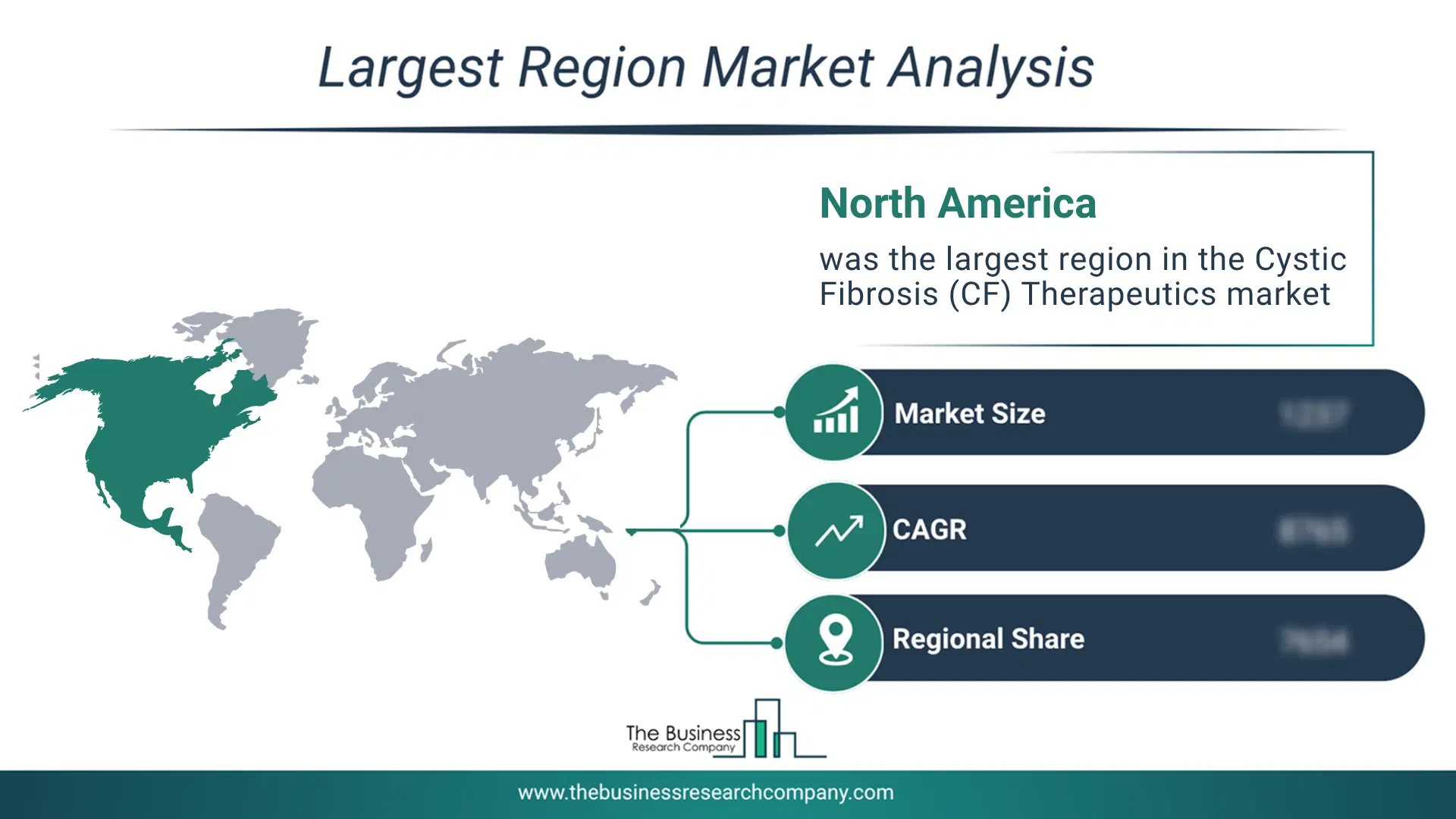
Regional Insights
North America was the largest region in the cystic fibrosis (CF) therapeutics market in 2025. Asia-Pacific is expected to be the fastest-growing region in the cystic fibrosis (CF) therapeutics market during the forecast period. The regions covered in this market report are Asia-Pacific, South East Asia, Western Europe, Eastern Europe, North America, South America, Middle East, Africa. The countries covered in this market report are Australia, Brazil, China, France, Germany, India, Indonesia, Japan, Taiwan, Russia, South Korea, UK, USA, Canada, Italy, Spain.What Defines the Cystic Fibrosis (CF) Therapeutics Market?
The cystic fibrosis (CF) therapeutics market includes revenues earned by entities by providing services that include administration of mucus thinner, airway clearance, and antibiotics. The market value includes the value of related goods sold by the service provider or included within the service offering. Only goods and services traded between entities or sold to end consumers are included.How is Market Value Defined and Measured?
The market value is defined as the revenues that enterprises gain from the sale of goods and/or services within the specified market and geography through sales, grants, or donations in terms of the currency (in USD unless otherwise specified). The revenues for a specified geography are consumption values that are revenues generated by organizations in the specified geography within the market, irrespective of where they are produced. It does not include revenues from resales along the supply chain, either further along the supply chain or as part of other products.
This chart presents market attractiveness based on a quantitative evaluation of growth, competition, strategic alignment, and risk, offering a clear view of opportunity areas for decision-making. This chart is for illustrative purposes; the full report contains the complete analysis.

This chart highlights the Total Addressable Market (TAM) by estimating the maximum revenue opportunity using an assumption-driven approach, supporting strategic planning and opportunity sizing across markets. The chart is illustrative; the full report provides a more comprehensive analysis.
What Key Data and Analysis Are Included in the Cystic Fibrosis (CF) Therapeutics Market Report 2026?
The cystic fibrosis (cf) therapeutics market research report is one of a series of new reports from The Business Research Company that provides market statistics, including industry global market size, regional shares, competitors with the market share, detailed market segments, market trends and opportunities, and any further data you may need to thrive in the cystic fibrosis (cf) therapeutics industry. The market research report delivers a complete perspective of everything you need, with an in-depth analysis of the current and future state of the industry.Cystic Fibrosis (CF) Therapeutics Market Report Forecast Analysis
| Report Attribute | Details |
|---|---|
| Market Size Value In 2026 | $8.91 billion |
| Revenue Forecast In 2030 | $11.72 billion |
| Growth Rate | CAGR of 6.8% from 2026 to 2030 |
| Base Year For Estimation | 2025 |
| Actual Estimates/Historical Data | 2020-2025 |
| Forecast Period | 2026 - 2030 |
| Market Representation | Revenue in USD Billion and CAGR from 2026 to 2030 |
| Segments Covered | Drug Class, Route Of Administration, Treatment Method |
| Regional Scope | Asia-Pacific, Western Europe, Eastern Europe, North America, South America, Middle East, Africa |
| Country Scope | The countries covered in the report are Australia, Brazil, China, France, Germany, India, Indonesia, Japan, Taiwan, Russia, South Korea, UK, USA, Canada, Italy, Spain. |
| Key Companies Profiled | Teva Pharmaceutical Industries Ltd., F. Hoffmann-La Roche AG, Vertex Pharmaceuticals Incorporated, Chiesi Farmaceutici SpA, PTC Therapeutics LIMITED, Genentech Inc., Alaxia, AstraZeneca, Beyond Air Inc., Pfizer Inc., Alcresta Therapeutics Inc., Laurent Pharmaceuticals, Nestlé HealthScience, Pharmaxis, Bayer AG, AbbVie Inc., Novartis AG, Arcturus Therapeutics Holdings Inc., Arrowhead Pharmaceuticals Inc, ProQR Therapeutics N.V., Enterprise Therapeutics Ltd. , Corbus Pharmaceuticals Holdings Inc, Eloxx Pharmaceuticals , Translate Bio Inc, Zambon S.p.A |
| Customization Scope | Request for Customization |
| Pricing And Purchase Options | Explore Purchase Options |