
Deep Frozen Packaging Logistics Market Report 2026
Global Outlook – By Type (Air Transport; Land Transport; Maritime Transport), By Materials (Clinical Trials; Cell And Gene Therapies; Reagents; Cell Culture Media), By Application (Food Industry; Medical Industry; Other Applications) – Market Size, Trends, Strategies, and Forecast to 2030
Deep Frozen Packaging Logistics Market Overview
• Deep Frozen Packaging Logistics market size has reached to $24.56 billion in 2025 • Expected to grow to $36 billion in 2030 at a compound annual growth rate (CAGR) of 7.7% • Growth Driver: Online Grocery Shopping Fuels Growth In Deep Frozen Packaging Logistics Market • Market Trend: Advancing Ultra-Low-Temperature Capabilities In Pharmaceutical Cold-Chain Logistics • Europe was the largest region in 2025 and Asia-Pacific is the fastest growing region.Market Gains By 2030 – Top Opportunities By Segment
Market Gain identifies the most promising market opportunities by highlighting the segments or products expected to generate the highest incremental revenue growth over the next five years.
What Is Covered Under Deep Frozen Packaging Logistics Market?
Deep frozen packaging logistics refer to the comprehensive process of packaging, storing, and transporting products that require ultra-low temperatures to maintain their integrity and quality. The process involves specialized packaging materials and technologies to ensure thermal insulation, advanced cold chain monitoring systems for real-time temperature tracking, and adherence to stringent regulatory standards to ensure safety and compliance. The main types of deep frozen packaging logistics are air transport, land transport, maritime and transport. Air transport involves the use of airplanes to move goods quickly over long distances. They are used for the transport of various materials including clinical trials, cell and gene therapies, reagents, and cell culture media for food industry, medical industry, others.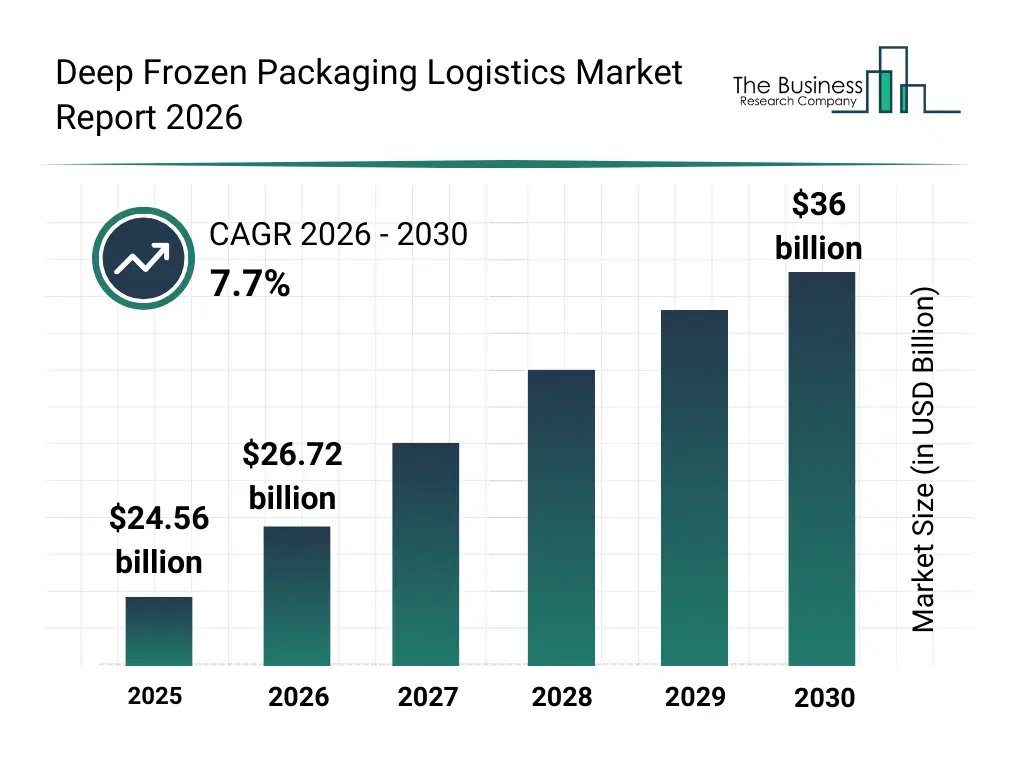
What Is The Deep Frozen Packaging Logistics Market Size and Share 2026?
The deep frozen packaging logistics market size has grown strongly in recent years. It will grow from $24.56 billion in 2025 to $26.72 billion in 2026 at a compound annual growth rate (CAGR) of 8.8%. The growth in the historic period can be attributed to expansion of frozen food trade, growth in pharmaceutical cold chain needs, adoption of insulated packaging materials, development of refrigerated transport infrastructure, increasing use of temperature-controlled warehousing.What Is The Deep Frozen Packaging Logistics Market Growth Forecast?
The deep frozen packaging logistics market size is expected to see strong growth in the next few years. It will grow to $36 billion in 2030 at a compound annual growth rate (CAGR) of 7.7%. The growth in the forecast period can be attributed to increasing demand for cell and gene therapy logistics, rising investments in ultra-cold storage facilities, expansion of global vaccine distribution networks, growing adoption of smart cold chain monitoring, increasing focus on supply chain integrity. Major trends in the forecast period include increasing adoption of advanced cold chain packaging solutions, rising use of real-time temperature tracking technologies, growing demand for deep frozen pharma logistics, expansion of multi-modal cold storage networks, enhanced focus on regulatory compliance and validation.
Global Deep Frozen Packaging Logistics Market Segmentation
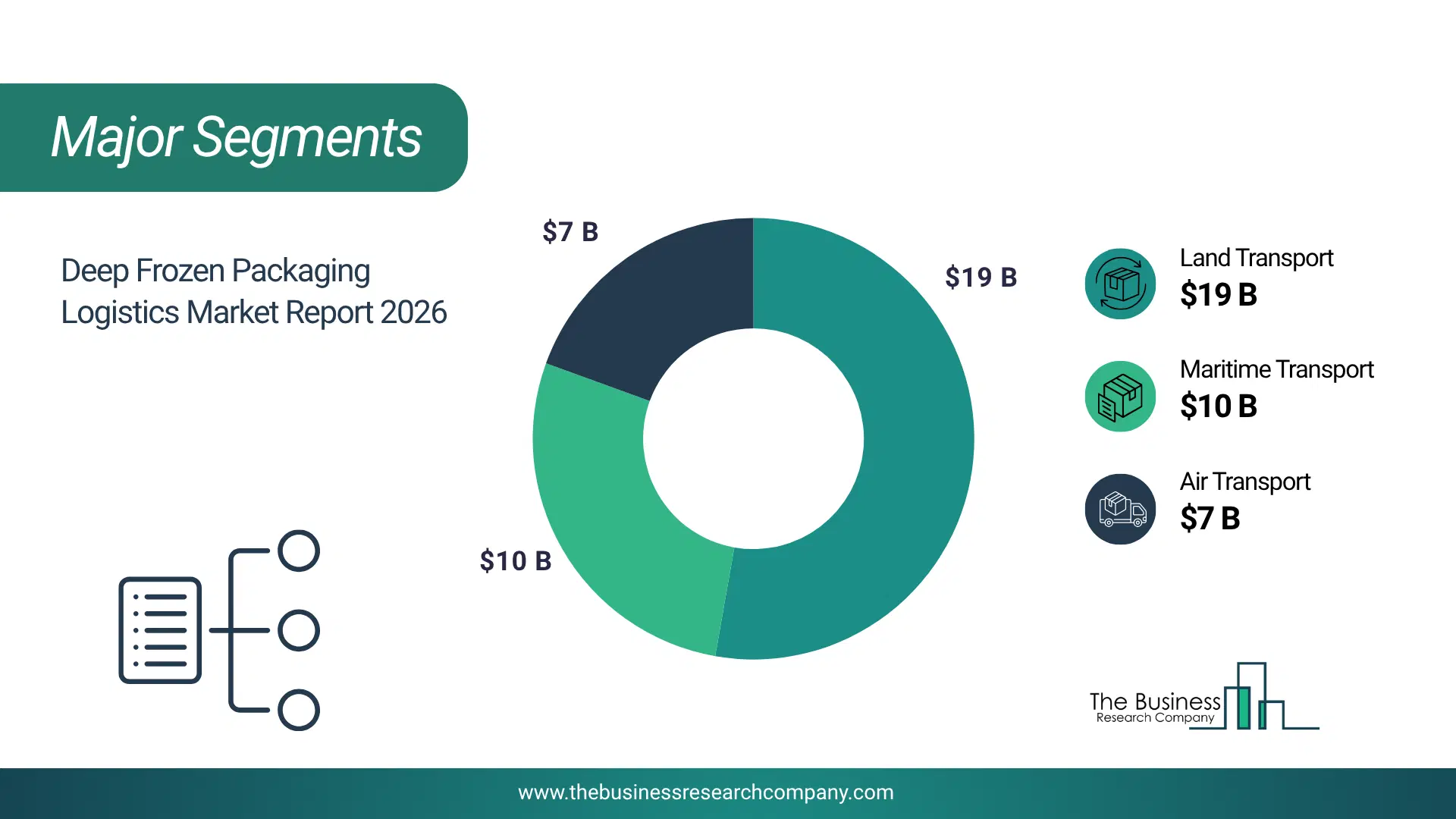
1) By Type: Air Transport, Land Transport, Maritime Transport 2) By Materials: Clinical Trials, Cell And Gene Therapies, Reagents, Cell Culture Media 3) By Application: Food Industry, Medical Industry, Other Applications Subsegments: 1) By Air Transport: Express Air Cargo, Standard Air Cargo, Charter Services 2) By Land Transport: Road Transport (Trucks), Rail Transport 3) By Maritime Transport: Container Shipping, Bulk Shipping, Refrigerated Vessel Shipping The top segments in the deep frozen packaging logistics market will be: • Land Transport will reach $18.99 Billion by 2030. • Maritime Transport will reach $9.96 Billion by 2030. • Air Transport will reach $6.87 Billion by 2030.What Is The Driver Of The Deep Frozen Packaging Logistics Market?
The increase in online grocery shopping is expected to propel the growth of the deep-frozen packaging logistics market going forward. Online grocery shopping involves buying groceries through websites and apps. Online grocery shopping is growing due to its convenience, time savings, broad product selection, busy lifestyles, technological advancements, competitive pricing, and improved delivery services. Deep frozen packaging logistics ensure that frozen foods, such as vegetables, meats, and ready-to-eat meals, are kept at low temperatures during transit. This prevents spoilage, maintains nutritional value, and ensures the products reach customers optimally. For instance, in November 2024, according to the U.S. Department of Agriculture, Economic Research Service, a US. government economic analysis unit, about 19.4% of U.S. grocery shoppers aged 15 and older bought groceries online at least once in the past 30 days in 2022–2023. Therefore, the increase in online grocery shopping is driving the growth of the deep-frozen packaging logistics market.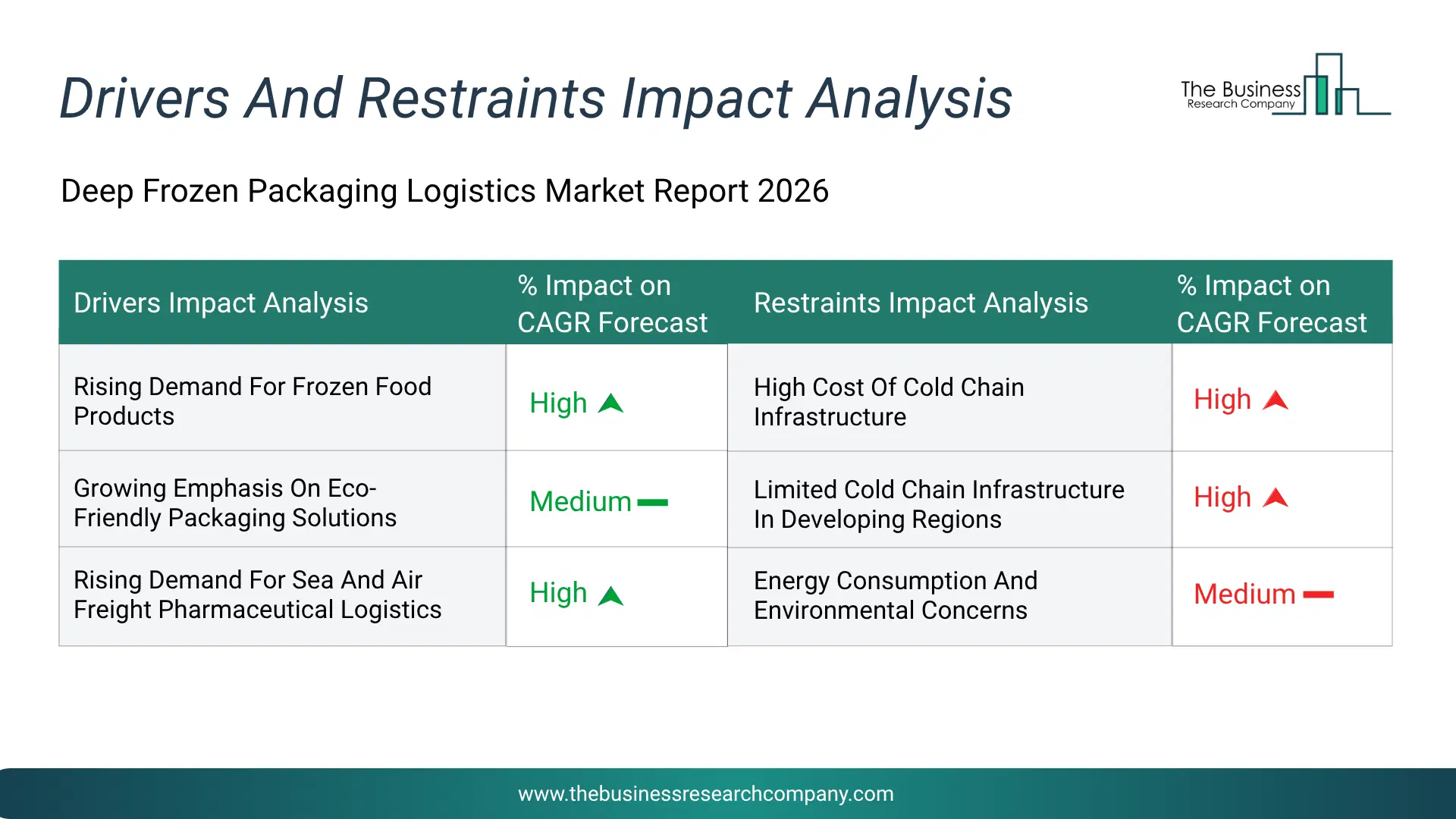
Infographic Chart Showing Key Market Drivers Analysis And Restraints For Deep Frozen Packaging Logistics Market
The chart presents an impact analysis of key drivers and restraints, quantifying their relative influence on the market's growth rate and helping assess the balance between growth enablers and limiting factors. This chart offers a high-level perspective; the full report contains more detailed insights.
How Will The Drivers Impact Growth In The Global Deep Frozen Packaging Logistics Market?
• Rising Demand For Frozen Food Products (High) – During the forecast period, the rising demand for frozen food products is expected to become a key growth driver for the deep frozen packaging logistics market by 2030. Changing consumer lifestyles, increasing urbanization, and growing preference for convenient meal options are significantly boosting consumption of frozen foods worldwide. Food manufacturers and retailers are expanding frozen product portfolios, creating greater requirements for reliable temperature-controlled transportation and storage systems. Logistics providers are strengthening distribution networks to ensure product quality and shelf-life preservation throughout the supply chain. This sustained expansion in frozen food consumption is reinforcing long-term demand for deep frozen logistics services. • Growing Emphasis On Eco-Friendly Packaging Solutions (Medium) – During the forecast period, the growing emphasis on eco-friendly packaging solutions is expected to emerge as a major factor driving the expansion of the deep frozen packaging logistics market by 2030. Companies are increasingly adopting sustainable insulated containers, recyclable packaging materials, and reusable cold chain solutions to reduce environmental impact and comply with evolving sustainability objectives. Advances in packaging technology are improving thermal efficiency while lowering material waste and operational costs. Businesses across food and healthcare sectors are integrating environmentally responsible logistics practices into their supply chains, supporting broader adoption of advanced packaging systems. • Rising Demand For Sea And Air Freight Pharmaceutical Logistics (High) – During the forecast period, the rising demand for sea and air freight pharmaceutical logistics is expected to act as a key growth catalyst for the deep frozen packaging logistics market by 2030. Increasing global distribution of temperature-sensitive medicines, vaccines, biologics, and specialty therapeutics is generating substantial demand for highly controlled transportation environments. Pharmaceutical manufacturers are expanding international supply networks, requiring reliable long-distance logistics solutions that maintain strict temperature integrity. Enhanced cold chain infrastructure and specialized handling capabilities are further supporting growth in cross-border pharmaceutical shipments.How Will The Restraints Impact Growth In The Global Deep Frozen Packaging Logistics Market?
• High Cost Of Cold Chain Infrastructure (High) – During the forecast period, the high cost of cold chain infrastructure restrains market growth by increasing the initial investment required for refrigerated warehouses, insulated packaging systems, and temperature-controlled transport vehicles. These high capital expenditures make it difficult for small and medium logistics providers to enter or expand in the market. Operational costs, including energy consumption for maintaining ultra-low temperatures, further add financial pressure. Continuous maintenance of cold storage systems also increases long-term expenses. In developing regions, limited funding availability slows infrastructure development. This cost burden ultimately restricts widespread adoption of deep frozen logistics solutions. • Limited Cold Chain Infrastructure In Developing Regions (Medium) – During the forecast period, the limited cold chain infrastructure in developing regions acts as a major barrier to market expansion due to inadequate storage facilities and poor transportation networks. Many regions lack reliable refrigerated transport systems, leading to temperature deviations and product spoilage. This reduces efficiency in handling frozen food and pharmaceutical products. Weak infrastructure also limits market penetration of global logistics providers. High dependency on traditional storage methods further increases losses in the supply chain. As a result, inconsistent cold chain coverage slows overall market growth. • Energy Consumption And Environmental Concerns (High) – During the forecast period, the energy consumption and environmental concerns restrain the market as deep frozen logistics require continuous refrigeration, leading to high electricity usage and carbon emissions. Increasing regulatory pressure on sustainability is pushing companies to reduce environmental impact. Traditional refrigeration systems also depend heavily on fossil-fuel-based energy sources. This raises operational costs and environmental compliance challenges for logistics providers. Growing scrutiny from governments and consumers forces companies to invest in greener but expensive technologies. These factors collectively limit cost efficiency and slow adoption of conventional deep frozen logistics systems.Key Players In The Global Deep Frozen Packaging Logistics Market
Major companies operating in the deep frozen packaging logistics market are Cardinal Health Inc., DHL, United Parcel Service of America Inc., FedEx Corporation, Kuehne + Nagel International AG, Sonoco ThermoSafe, Catalent Inc., Marken, Glatt group, Cryoport Systems LLC, BioLife Solutions Inc., Biocair, CEVA Logistics, va-Q-tec, Envirotainer, Csafe, Peli BioThermal Limited, SkyCell AG, Cryopak, World Courier, Yourway, Intelsius, B.P.L. GmbH, WuliuAir, Chill-Pak.com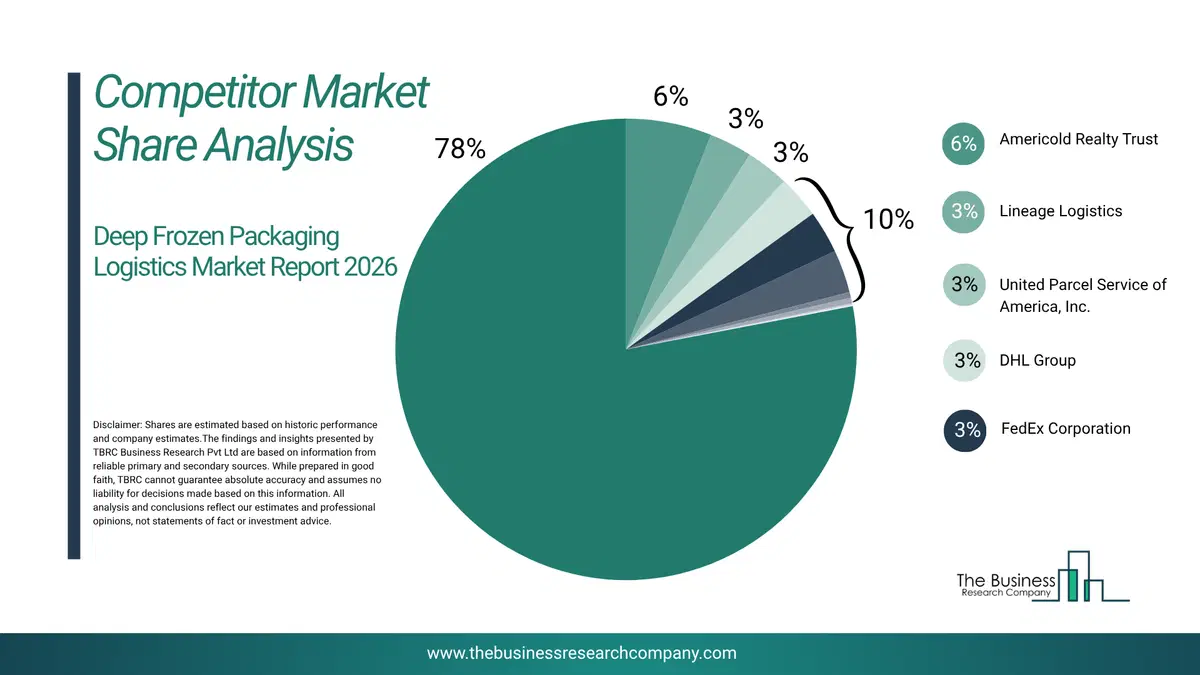
This chart is for illustrative purposes; the full report includes a detailed competitor analysis and comprehensive overview of the top 10 companies in the market.
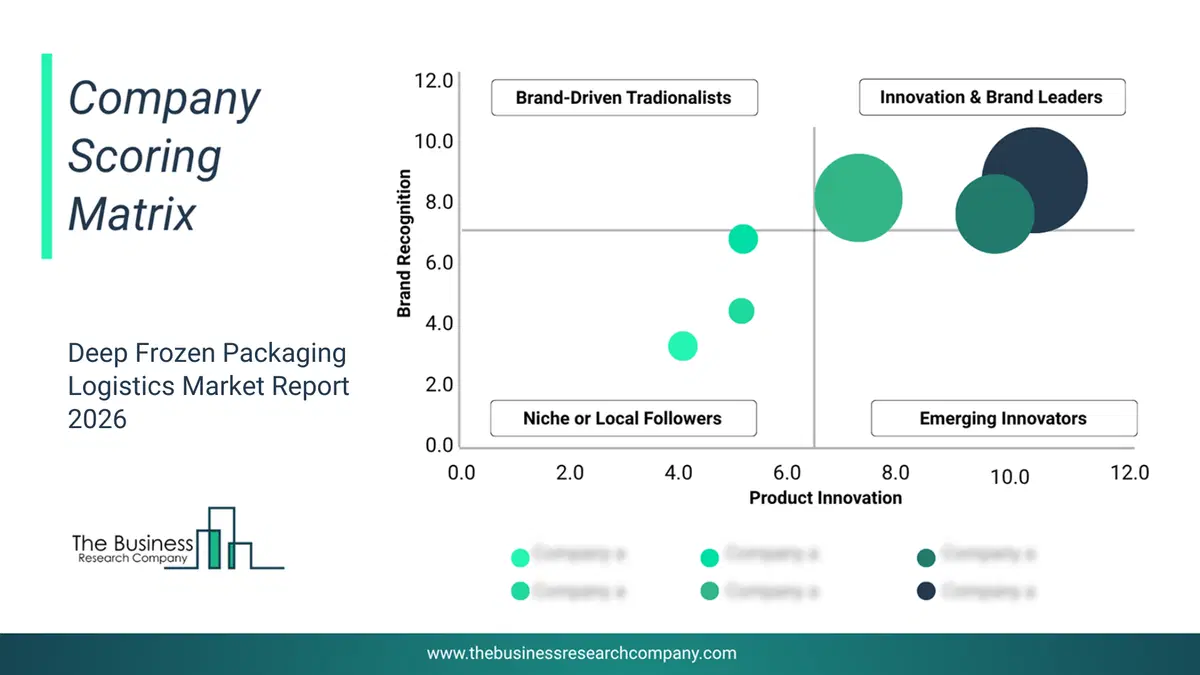
This chart maps companies by product innovation and brand strength, with bubble size indicating relative revenue, helping identify market leaders, challengers, and niche players. This is an illustrative chart; the full report provides a complete and accurate competitive analysis.
Global Deep Frozen Packaging Logistics Market Trends and Insights
Major companies operating in the deep frozen packaging logistics market are focusing on developing innovative solutions such as advanced ultra-low temperature dry shipper technology to improve temperature stability and increase supply chain flexibility. Advanced ultra-low temperature dry shipper technology consists of specialized thermal containers that use liquid nitrogen-absorbing materials to maintain temperatures as low as –196 °C, enabling ultra-cold preservation and the safe transport of highly temperature-sensitive pharmaceutical products. For instance, in April 2024, Logistics4Pharma, a Germany-based GDP-compliant pharmaceutical cold-chain logistics provider, launched an ultra-low temperature dry shipper service designed to transport pharmaceutical products across a wide temperature range from +25 °C down to –196 °C. This service incorporates liquid nitrogen-based thermal insulation and supports the shipment of highly sensitive and complex biologics, while integrating with existing customs and bonded logistics services. The dry shipper enhances cold-chain adaptability, extends operational temperature capabilities, and provides biotech customers with more reliable deep-freeze transportation solutions.What Are Latest Mergers And Acquisitions In The Deep Frozen Packaging Logistics Market?
In October 2024, Nissin Foods Holdings Co., Ltd., a Japan-based food company, acquired ABC Pastry for $33.7 million. With this acquisition, Nissin Foods Holdings Co., Ltd. aims to expand its product portfolio and strengthen its position in the global food market. ABC Pastry is an Australia-based bakery company that manufactures frozen food.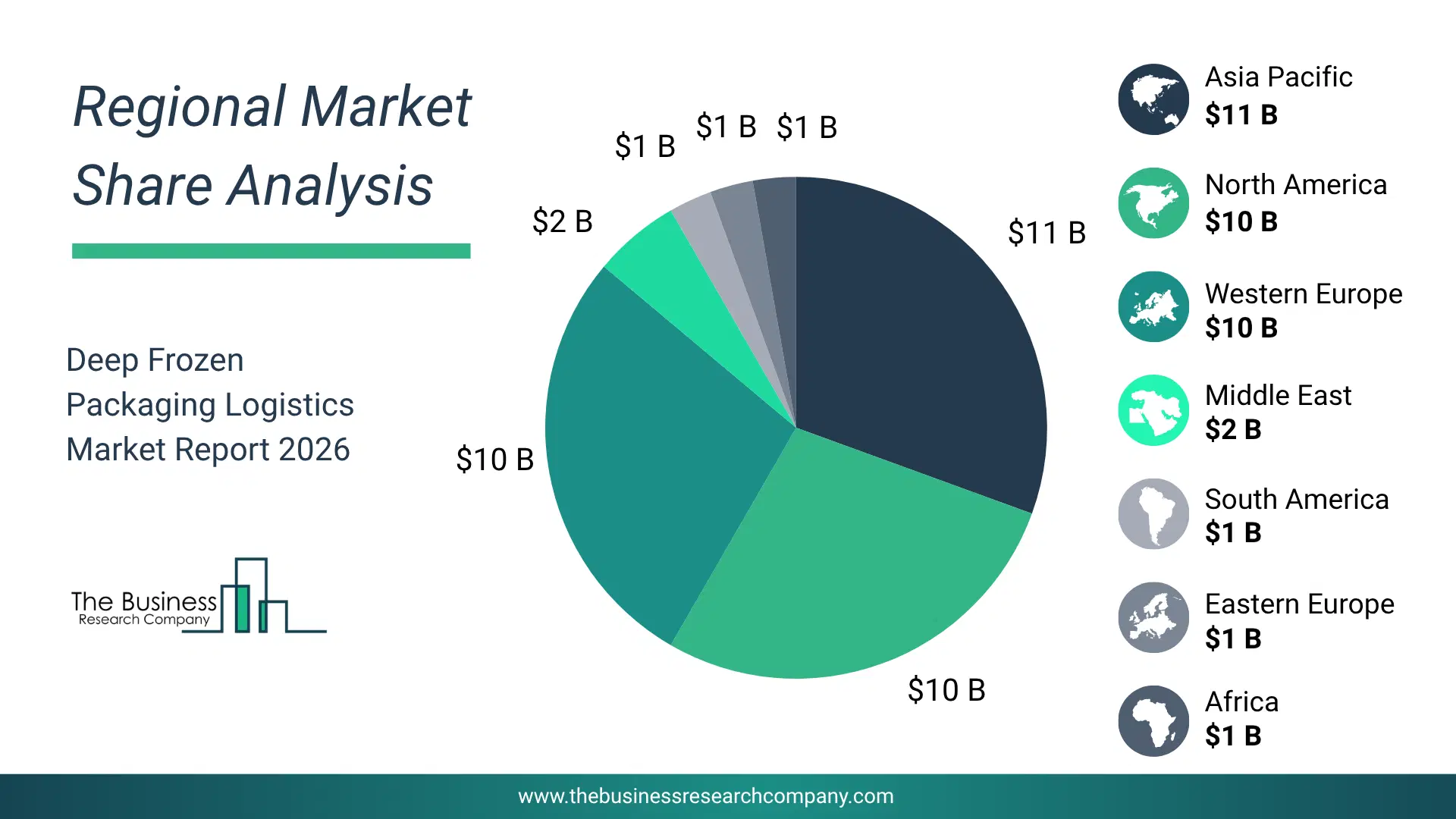
Regional Outlook
Europe was the largest region in the deep frozen packaging logistics market in 2025. Asia-Pacific is expected to be the fastest-growing region in the forecast period. The regions covered in this market report are Asia-Pacific, South East Asia, Western Europe, Eastern Europe, North America, South America, Middle East, Africa. The countries covered in this market report are Australia; Brazil; China; France; Germany; India; Indonesia; Japan; Taiwan; Russia; South Korea; UK; USA; Canada; Italy; Spain.What Defines the Deep Frozen Packaging Logistics Market?
The deep-frozen packaging logistics market includes revenues earned by entities by providing services such as controlled transport, specialized packaging, cold storage, real-time monitoring, and logistics management. The market value includes the value of related goods sold by the service provider or included within the service offering. Only goods and services traded between entities or sold to end consumers are included.How is Market Value Defined and Measured?
The market value is defined as the revenues that enterprises gain from the sale of goods and/or services within the specified market and geography through sales, grants, or donations in terms of the currency (in USD unless otherwise specified). The revenues for a specified geography are consumption values that are revenues generated by organizations in the specified geography within the market, irrespective of where they are produced. It does not include revenues from resales along the supply chain, either further along the supply chain or as part of other products.
This chart presents market attractiveness based on a quantitative evaluation of growth, competition, strategic alignment, and risk, offering a clear view of opportunity areas for decision-making. This chart is for illustrative purposes; the full report contains the complete analysis.

This chart highlights the Total Addressable Market (TAM) by estimating the maximum revenue opportunity using an assumption-driven approach, supporting strategic planning and opportunity sizing across markets. The chart is illustrative; the full report provides a more comprehensive analysis.
What Key Data and Analysis Are Included in the Deep Frozen Packaging Logistics Market Report 2026?
The deep frozen packaging logistics market research report is one of a series of new reports from The Business Research Company that provides market statistics, including Market Report 2026?global market size, regional shares, competitors with the market share, detailed market segments, market trends and opportunities, and any further data you may need to thrive in the deep frozen packaging logistics Market Report 2026? The market research report delivers a complete perspective of everything you need, with an in-depth analysis of the current and future state of the Market Report 2026?Deep Frozen Packaging Logistics Market Report Forecast Analysis
| Report Attribute | Details |
|---|---|
| Market Size Value In 2026 | $26.72 billion |
| Revenue Forecast In 2030 | $36 billion |
| Growth Rate | CAGR of 8.8% from 2026 to 2030 |
| Base Year For Estimation | 2025 |
| Actual Estimates/Historical Data | 2020-2025 |
| Forecast Period | 2026 - 2030 |
| Market Representation | Revenue in USD Billion and CAGR from 2026 to 2030 |
| Segments Covered | Type, Materials, Application |
| Regional Scope | Asia-Pacific, Western Europe, Eastern Europe, North America, South America, Middle East, Africa |
| Country Scope | The countries covered in the report are Australia, Brazil, China, France, Germany, India, Indonesia, Japan, Taiwan, Russia, South Korea, UK, USA, Canada, Italy, Spain. |
| Key Companies Profiled | Cardinal Health Inc., DHL, United Parcel Service of America Inc., FedEx Corporation, Kuehne + Nagel International AG, Sonoco ThermoSafe, Catalent Inc., Marken, Glatt group, Cryoport Systems LLC, BioLife Solutions Inc., Biocair, CEVA Logistics, va-Q-tec, Envirotainer, Csafe, Peli BioThermal Limited, SkyCell AG, Cryopak, World Courier, Yourway, Intelsius, B.P.L. GmbH, WuliuAir, Chill-Pak.com |
| Customization Scope | Request for Customization |
| Pricing And Purchase Options | Explore Purchase Options |