
Dermatomyositis Treatment Market Report 2026
Global Outlook – By Treatment Type (Pharmacological Treatments, Immunosuppressants, Corticosteroids, Biologics, Physical Therapy), By Route Of Administration (Oral, Intravenous, Subcutaneous), By Patient Demographics (Age Group, Gender), By Distribution Channel (Hospital Pharmacy, Online Pharmacy, Retail Pharmacy), By End User (Hospitals, Homecare, Specialty Clinics, Other End Users) – Market Size, Trends, Strategies, and Forecast to 2030
Dermatomyositis Treatment Market Overview
• Dermatomyositis Treatment market size has reached to $0.91 billion in 2025 • Expected to grow to $1.28 billion in 2030 at a compound annual growth rate (CAGR) of 6.8% • Growth Driver: Surge In Autoimmune Diseases Fueling The Growth Of The Market Due To Rising Diagnosis Rates And Immune-Targeted Treatment Needs • Market Trend: Advancing Targeted Therapies Through Selective Complement-Pathway Inhibition • North America was the largest region in 2025 and Asia-Pacific is the fastest growing region.Market Gains By 2030 – Top Opportunities By Segment
Market Gain identifies the most promising market opportunities by highlighting the segments or products expected to generate the highest incremental revenue growth over the next five years.
What Is Covered Under Dermatomyositis Treatment Market?
Dermatomycosis’s treatment refers to the use of antifungal therapies aimed at eliminating fungal infections of the skin. It typically involves the application of topical antifungal creams or ointments such as clotrimazole, miconazole, or terbinafine for mild to moderate infections. In more severe or resistant cases, oral antifungal medications such as fluconazole or itraconazole may be prescribed. The main treatment types for dermatomyositis include pharmacological treatments, immunosuppressants, corticosteroids, biologics, and physical therapy. Pharmacological treatments refer to the use of medications to manage, alleviate, or treat symptoms and underlying causes of a disease. The routes of administration include oral, intravenous, and subcutaneous, with patient demographics given as age group and gender. The distribution channels are hospital pharmacies, online pharmacies, and retail pharmacies and serve end users such as hospitals, home care, specialty clinics, and other end users.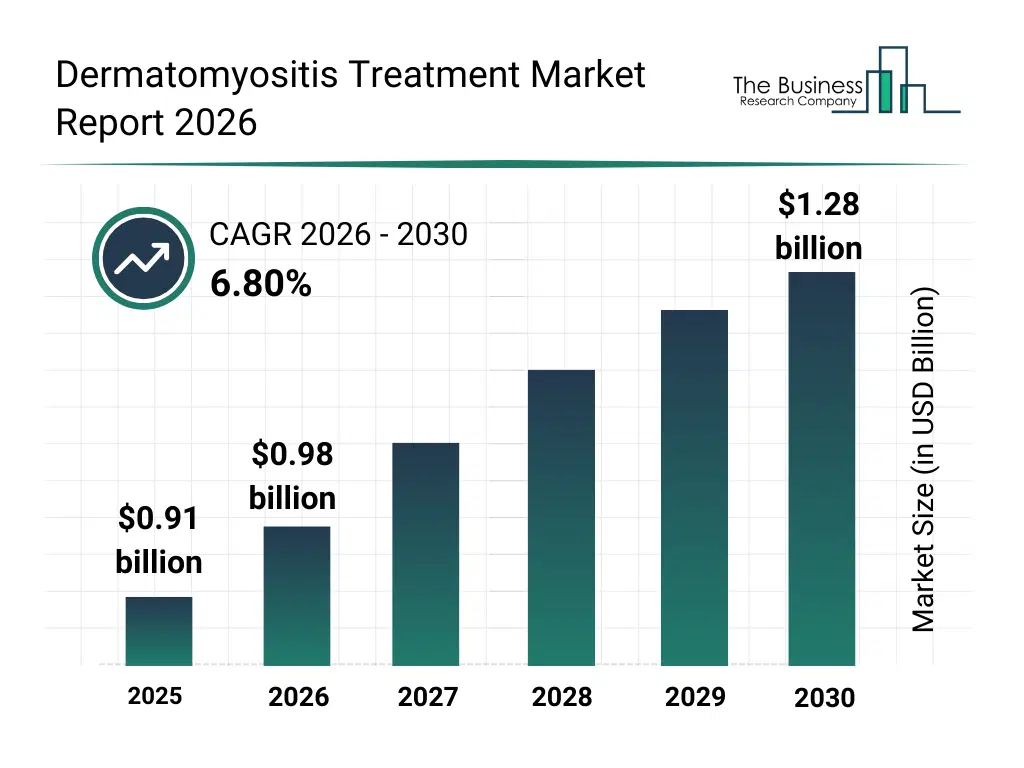
What Is The Dermatomyositis Treatment Market Size and Share 2026?
The dermatomyositis treatment market size has grown strongly in recent years. It will grow from $0.91 billion in 2025 to $0.98 billion in 2026 at a compound annual growth rate (CAGR) of 7.2%. The growth in the historic period can be attributed to autoimmune disease recognition, corticosteroid availability, rheumatology clinic expansion, hospital-based immunotherapy, supportive care development.What Is The Dermatomyositis Treatment Market Growth Forecast?
The dermatomyositis treatment market size is expected to see strong growth in the next few years. It will grow to $1.28 billion in 2030 at a compound annual growth rate (CAGR) of 6.8%. The growth in the forecast period can be attributed to biologic pipeline expansion, precision immunology, early autoimmune screening, personalized treatment protocols, specialty clinic growth. Major trends in the forecast period include increased use of biologic therapies, growing reliance on immunosuppressive drugs, expansion of combination treatment approaches, rising adoption of long-term physical therapy, improved early diagnosis and disease monitoring.
Global Dermatomyositis Treatment Market Segmentation
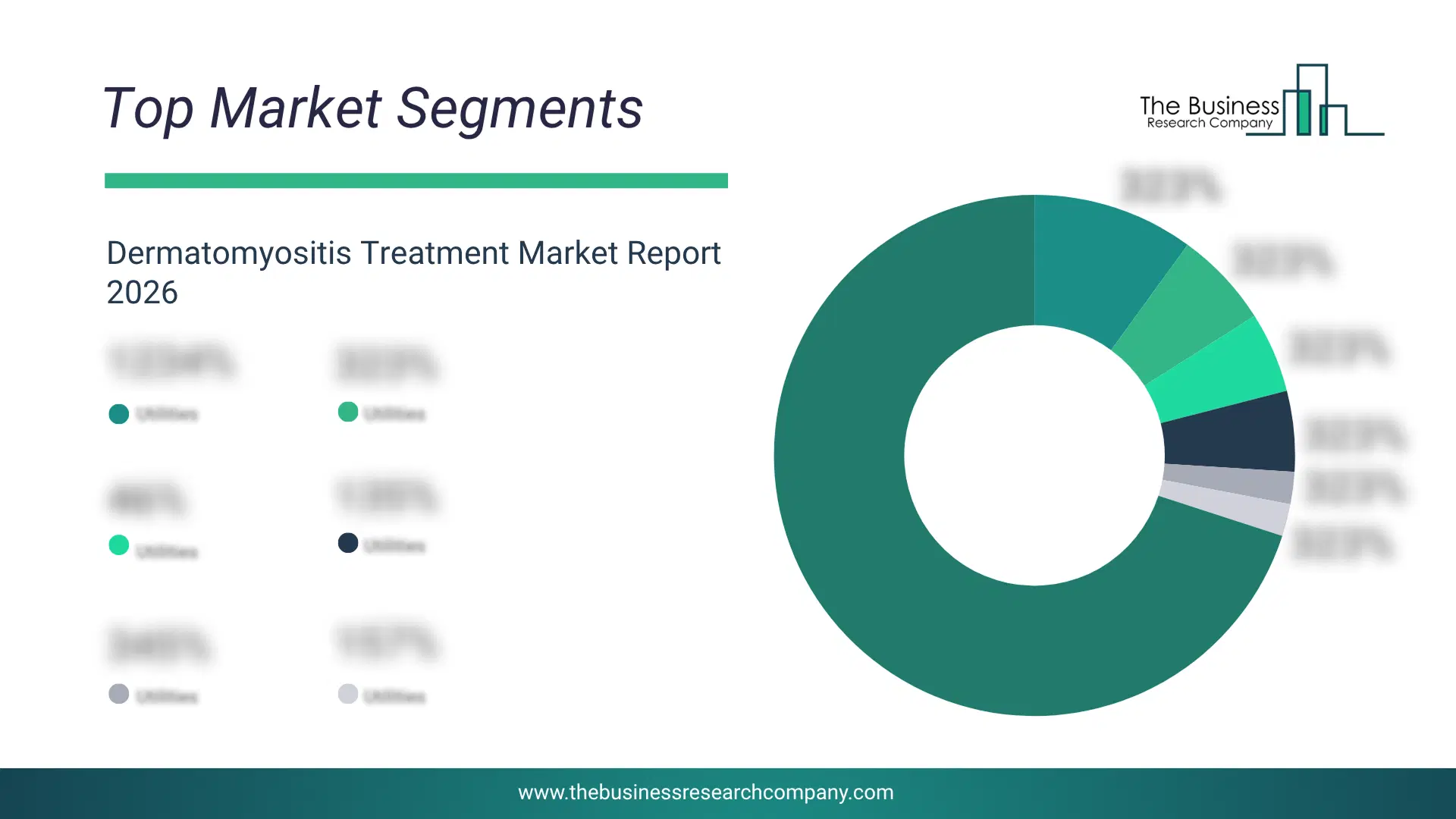
1) By Treatment Type: Pharmacological Treatments, Immunosuppressants, Corticosteroids, Biologics, Physical Therapy 2) By Route Of Administration: Oral, Intravenous, Subcutaneous 3) By Patient Demographics: Age Group, Gender 4) By Distribution Channel: Hospital Pharmacy, Online Pharmacy, Retail Pharmacy 5) By End User: Hospitals, Homecare, Specialty Clinics, Other End Users Subsegments: 1) By Pharmacological Treatments: Antimalarials, Antiviral Agents, Muscle Relaxants, Analgesics 2) By Immunosuppressants: Methotrexate, Azathioprine, Mycophenolate Mofetil, Cyclophosphamide 3) By Corticosteroids: Prednisone, Methylprednisolone, Hydrocortisone, Dexamethasone 4) By Biologics: Rituximab, Intravenous Immunoglobulin (IVIG), Tocilizumab, Abatacept 5) By Physical Therapy: Stretching Exercises, Strength Training, Aerobic Conditioning, Occupational Therapy The top segments in the dermatomyositis treatment market will be: • Pharmacological Treatments will reach $0.53 Billion by 2030. • Immunosuppressants will reach $0.23 Billion by 2030. • Corticosteroids will reach $0.2 Billion by 2030. • Physical Therapy will reach $0.18 Billion by 2030. • Biologics will reach $0.11 Billion by 2030.What Is The Driver Of The Dermatomyositis Treatment Market?
The increasing prevalence of autoimmune diseases is expected to propel the growth of the dermatomyositis treatment market going forward. Autoimmune diseases are conditions where the body’s defense system mistakenly attacks its own healthy cells and tissues. The rise in autoimmune disease prevalence is driven by improved diagnostic techniques, increasing awareness, and environmental factors, leading to higher detection rates and more reported cases. Dermatomyositis treatment helps address the increasing prevalence of autoimmune diseases by offering targeted therapies that reduce harmful immune responses and improve the quality of life for affected patients. For instance, in February 2024, according to the Autoimmune Institute, a US-based nonprofit organization, autoimmune diseases collectively impact 5–10% of the population in industrialized nations. Therefore, the increasing prevalence of autoimmune diseases is driving the growth of the dermatomyositis treatment industry.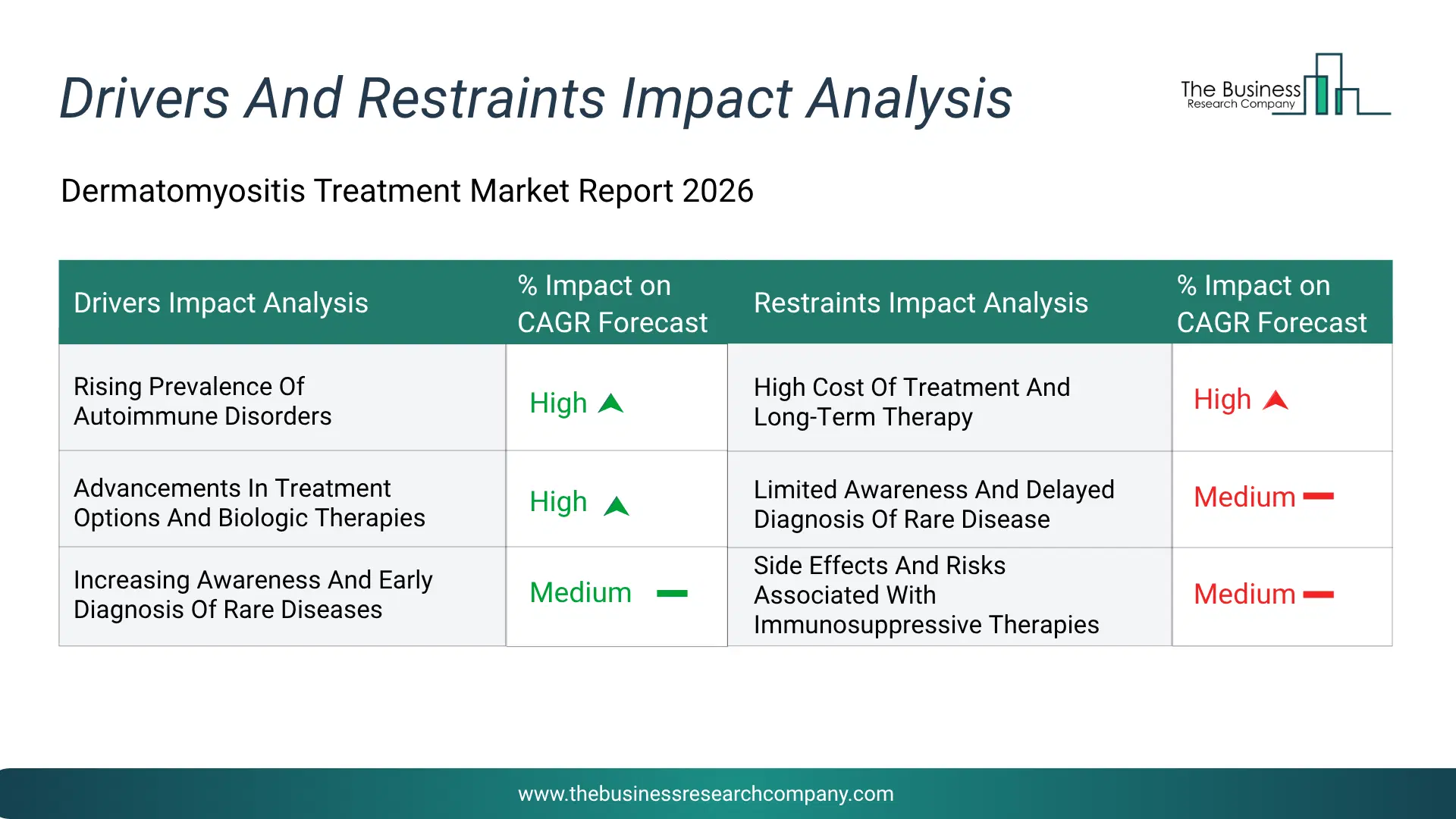
Infographic Chart Showing Key Market Drivers Analysis And Restraints For Dermatomyositis Treatment Market
The chart presents an impact analysis of key drivers and restraints, quantifying their relative influence on the market's growth rate and helping assess the balance between growth enablers and limiting factors. This chart offers a high-level perspective; the full report contains more detailed insights.
How Will The Drivers Impact Growth In The Global Dermatomyositis Treatment Market?
• Rising Prevalence Of Autoimmune Disorders (High) – During the forecast period, the rising prevalence of autoimmune disorders is expected to become a key growth driver for the dermatomyositis treatment market by 2030. The increasing incidence of immune-mediated conditions is contributing to a larger patient pool requiring long-term and specialized treatment interventions. Dermatomyositis, being closely associated with systemic autoimmune dysfunction, is witnessing higher diagnosis rates alongside related comorbidities. Healthcare systems are therefore expanding capabilities to manage chronic autoimmune diseases through integrated care models and advanced therapeutics. This growing burden of autoimmune diseases is reinforcing sustained demand for effective treatment options. • Advancements In Treatment Options And Biologic Therapies (High) – During the forecast period, advancements in treatment options and biologic therapies are expected to emerge as a major factor driving the expansion of the dermatomyositis treatment market by 2030. Continuous progress in targeted immunotherapies, monoclonal antibodies, and precision-based treatment approaches is improving clinical outcomes and reducing disease progression. Pharmaceutical companies are increasingly focusing on developing biologics that specifically modulate immune system activity with higher efficacy and fewer side effects. These innovations are transforming treatment protocols and expanding available therapeutic choices for patients with varying disease severity. • Increasing Awareness And Early Diagnosis Of Rare Diseases (Medium) – During the forecast period, increasing awareness and early diagnosis of rare diseases are expected to act as a key growth catalyst for the dermatomyositis treatment market by 2030. Educational initiatives, improved screening programs, and enhanced physician training are enabling earlier identification of symptoms and timely intervention. Early diagnosis reduces complications and supports better disease management, encouraging greater adoption of treatment solutions. Additionally, patient advocacy groups and digital health platforms are playing a significant role in spreading awareness about rare autoimmune conditions. As awareness continues to improve globally, treatment uptake and demand are expected to rise.How Will The Restraints Impact Growth In The Global Dermatomyositis Treatment Market?
• High Cost Of Treatment And Long-Term Therapy (High) – During the forecast period, high cost of treatment and long-term therapy is restricting the growth of the dermatomyositis treatment market. Expensive biologics, prolonged treatment duration, and ongoing monitoring requirements are increasing financial burden on patients and healthcare systems, thereby limiting access to effective therapies especially in low- and middle-income regions • Limited Awareness And Delayed Diagnosis Of Rare Disease (High) – During the forecast period, limited awareness and delayed diagnosis of rare disease is restricting the growth of the dermatomyositis treatment market. Lack of disease awareness among patients and healthcare professionals, along with diagnostic complexities, is leading to delayed treatment initiation and reduced demand for advanced therapies • Side Effects And Risks Associated With Immunosuppressive Therapies (Medium) – During the forecast period, side effects and risks associated with immunosuppressive therapies are restricting the growth of the dermatomyositis treatment market. Adverse effects such as increased infection risk and long-term health complications are discouraging treatment adherence and limiting the widespread use of these therapiesKey Players In The Global Dermatomyositis Treatment Market
Major companies operating in the dermatomyositis treatment market are Pfizer Inc., F. Hoffmann-La Roche Ltd, Merck & Co. Inc., Bristol-Myers Squibb Company, AstraZeneca plc, Novartis AG, GlaxoSmithKline plc, Eli Lilly and Company, Amgen Inc., Fresenius SE & Co. KGaA, Bausch Health Companies Inc., Biotest AG, Galapagos NV, argenx SE, Roivant Sciences Ltd., Kymera Therapeutics Inc., Cabaletta Bio Inc., ImmunoForge Inc., NovelMed Therapeutics Inc., Corbus Pharmaceuticals Holdings Inc.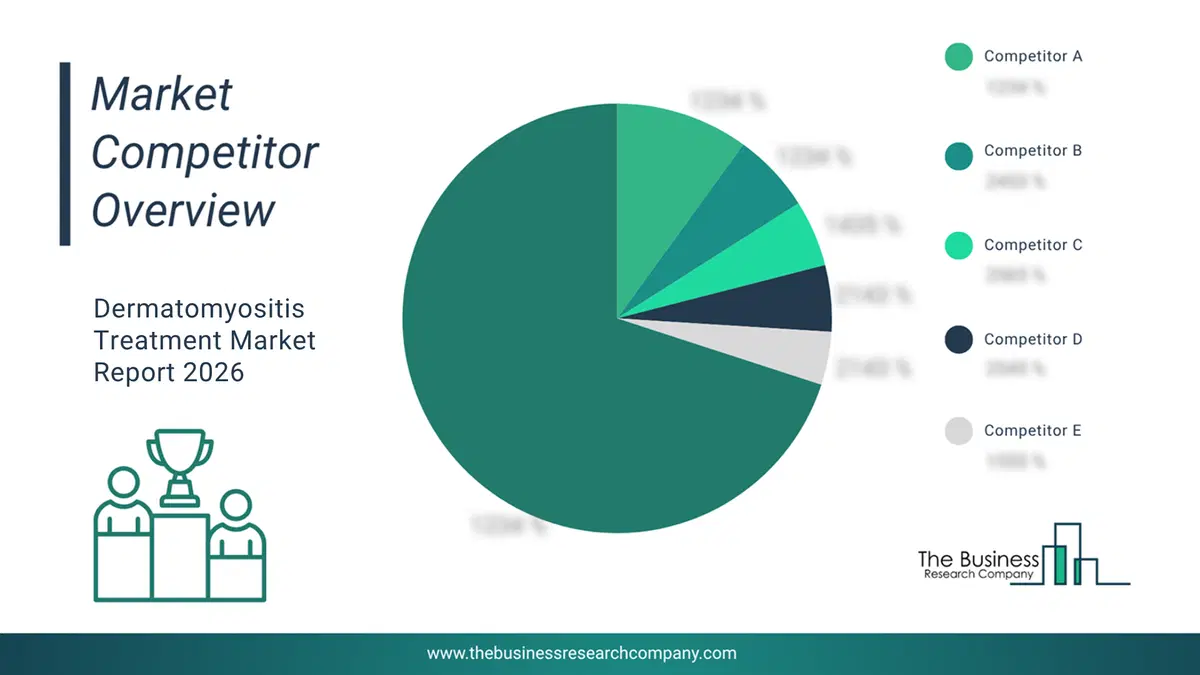
This chart is for illustrative purposes; the full report includes a detailed competitor analysis and comprehensive overview of the top 10 companies in the market.
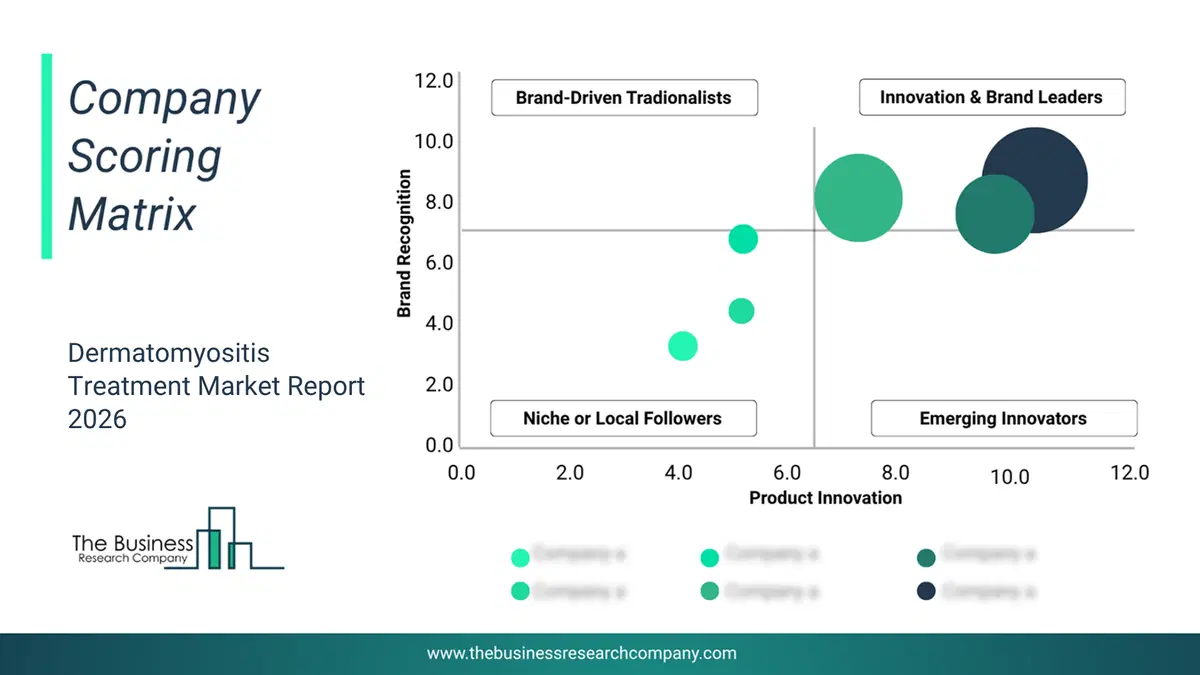
This chart maps companies by product innovation and brand strength, with bubble size indicating relative revenue, helping identify market leaders, challengers, and niche players. This is an illustrative chart; the full report provides a complete and accurate competitive analysis.
Global Dermatomyositis Treatment Market Trends and Insights
Major companies operating in the dermatomyositis treatment market are focusing on developing innovative solutions, such as selective complement‑pathway inhibitors, to meet the rising demand for more targeted, safer therapies that avoid the broad immunosuppression of traditional treatments. Selective complement‑pathway inhibitors specifically block components of the complement cascade that drive inflammation in dermatomyositis, offering a more precise mechanism than conventional immunosuppressive agents, which can broadly dampen immune function. For example, in February 2025, NovelMed Therapeutics Inc., a US-based clinical-stage biotech company, received U.S. Food and Drug Administration (FDA) clearance to start a Phase II trial of Ruxoprubart (NM8074), a highly selective blocker of the alternative complement pathway that targets Factor Bb. Ruxoprubart has been shown to modulate immune response by reducing key inflammatory drivers while preserving essential immune functions such as opsonization and bacterial clearance, thus potentially minimizing risk compared to broader complement blockers. This novel therapy is being evaluated for its efficacy and safety in dermatomyositis.What Are Latest Mergers And Acquisitions In The Dermatomyositis Treatment Market?
In April 2025, Syneron Bio, a China-based biotechnology company, collaborated with AstraZeneca to jointly develop and commercialize innovative oral peptide therapies for chronic and autoimmune conditions. The collaboration leverages Syneron Bio’s proprietary macrocyclic peptide technology alongside AstraZeneca’s global drug development expertise. AstraZeneca is a UK-based pharmaceutical company that specializes in developing treatments for cancer, cardiovascular, and respiratory diseases.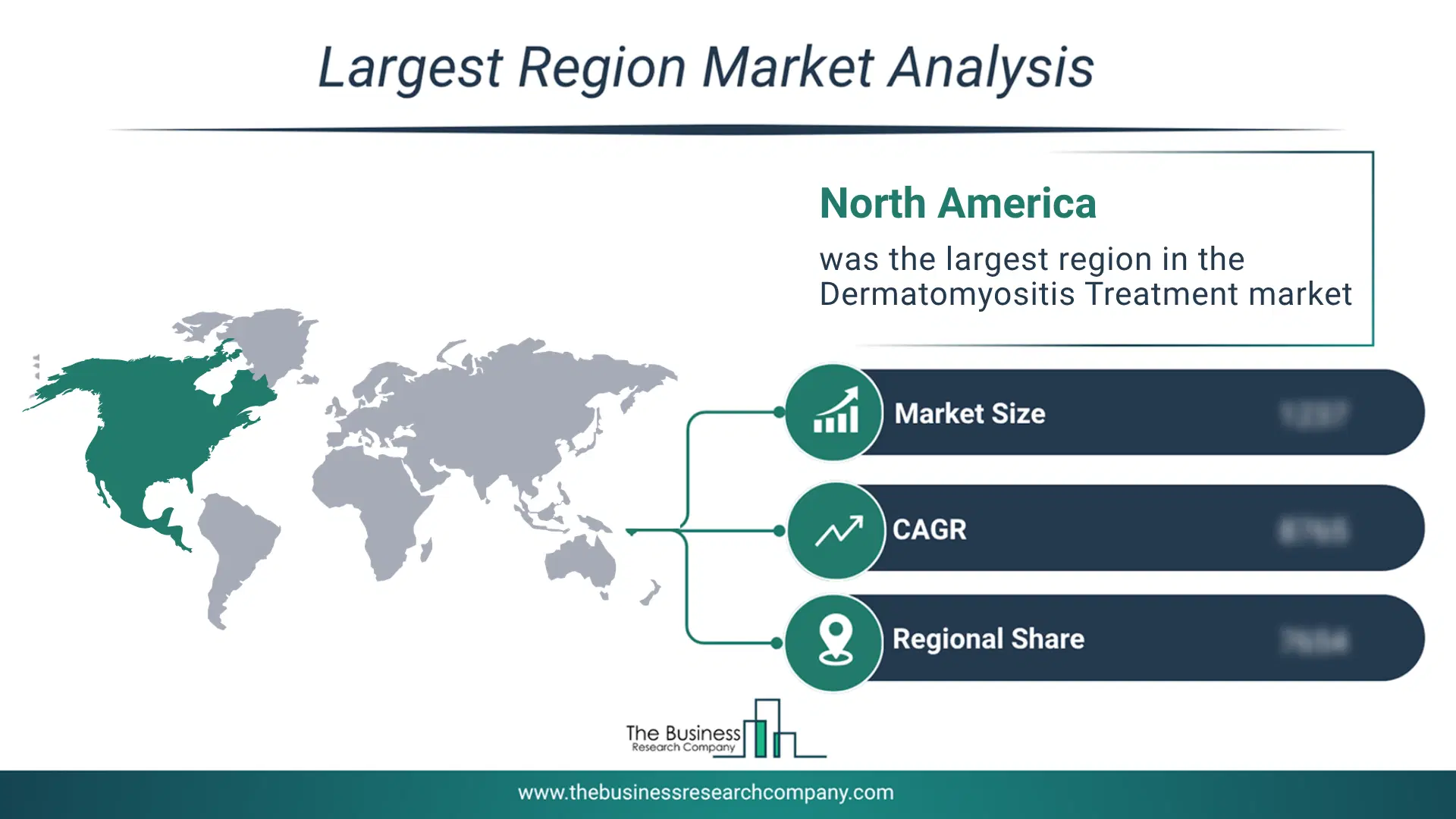
Regional Insights
North America was the largest region in the dermatomyositis treatment market in 2025. Asia-Pacific is expected to be the fastest-growing region in the forecast period. The regions covered in this market report are Asia-Pacific, South East Asia, Western Europe, Eastern Europe, North America, South America, Middle East, Africa. The countries covered in this market report are Australia, Brazil, China, France, Germany, India, Indonesia, Japan, Taiwan, Russia, South Korea, UK, USA, Canada, Italy, Spain.What Defines the Dermatomyositis Treatment Market?
The dermatomycosis treatment market consists of revenues earned by entities by providing services such as natural and herbal remedies, antifungal shampoos, and immune-modulating treatments. The market value includes the value of related goods sold by the service provider or included within the service offering. The dermatomycosis treatment market also includes sales of antifungal nail lacquers, oral suspensions, and pediatric formulations. Values in this market are ‘factory gate’ values, that is, the value of goods sold by the manufacturers or creators of the goods, whether to other entities (including downstream manufacturers, wholesalers, distributors, and retailers) or directly to end customers. The value of goods in this market includes related services sold by the creators of the goods.How is Market Value Defined and Measured?
The market value is defined as the revenues that enterprises gain from the sale of goods and/or services within the specified market and geography through sales, grants, or donations in terms of the currency (in USD unless otherwise specified). The revenues for a specified geography are consumption values that are revenues generated by organizations in the specified geography within the market, irrespective of where they are produced. It does not include revenues from resales along the supply chain, either further along the supply chain or as part of other products.
This chart presents market attractiveness based on a quantitative evaluation of growth, competition, strategic alignment, and risk, offering a clear view of opportunity areas for decision-making. This chart is for illustrative purposes; the full report contains the complete analysis.

This chart highlights the Total Addressable Market (TAM) by estimating the maximum revenue opportunity using an assumption-driven approach, supporting strategic planning and opportunity sizing across markets. The chart is illustrative; the full report provides a more comprehensive analysis.
What Key Data and Analysis Are Included in the Dermatomyositis Treatment Market Report 2026?
The dermatomyositis treatment market research report is one of a series of new reports from The Business Research Company that provides market statistics, including industry global market size, regional shares, competitors with the market share, detailed market segments, market trends and opportunities, and any further data you may need to thrive in the dermatomyositis treatment industry. The market research report delivers a complete perspective of everything you need, with an in-depth analysis of the current and future state of the industry.Dermatomyositis Treatment Market Report Forecast Analysis
| Report Attribute | Details |
|---|---|
| Market Size Value In 2026 | $0.98 billion |
| Revenue Forecast In 2030 | $1.28 billion |
| Growth Rate | CAGR of 7.2% from 2026 to 2030 |
| Base Year For Estimation | 2025 |
| Actual Estimates/Historical Data | 2020-2025 |
| Forecast Period | 2026 - 2030 |
| Market Representation | Revenue in USD Billion and CAGR from 2026 to 2030 |
| Segments Covered | Treatment Type, Route Of Administration, Patient Demographics, Distribution Channel, End User |
| Regional Scope | Asia-Pacific, Western Europe, Eastern Europe, North America, South America, Middle East, Africa |
| Country Scope | The countries covered in the report are Australia, Brazil, China, France, Germany, India, Indonesia, Japan, Taiwan, Russia, South Korea, UK, USA, Canada, Italy, Spain. |
| Key Companies Profiled | Pfizer Inc., F. Hoffmann-La Roche Ltd, Merck & Co. Inc., Bristol-Myers Squibb Company, AstraZeneca plc, Novartis AG, GlaxoSmithKline plc, Eli Lilly and Company, Amgen Inc., Fresenius SE & Co. KGaA, Bausch Health Companies Inc., Biotest AG, Galapagos NV, argenx SE, Roivant Sciences Ltd., Kymera Therapeutics Inc., Cabaletta Bio Inc., ImmunoForge Inc., NovelMed Therapeutics Inc., Corbus Pharmaceuticals Holdings Inc. |
| Customization Scope | Request for Customization |
| Pricing And Purchase Options | Explore Purchase Options |