
Dermatophytosis Treatment Market Report 2026
Global Outlook – By Treatment Type (Topical Antifungals, Oral Antifungals, Combination Therapy, Other Treatment Types), By Route Of Administration (Topical, Oral), By Distribution Channel (Hospital Pharmacies, Retail Pharmacies, Online Pharmacies Or E-Commerce, Clinics And Dermatology Centers), By Application (Tinea Corporis, Tinea Pedis, Tinea Cruris, Tinea Capitis, Onychomycosis, Other Applications), By End-User (Hospitals, Dermatology Clinics, Homecare Or Self-Medication, Other End-Users) - Market Size, Trends, Strategies, and Forecast to 2030
Dermatophytosis Treatment Market Overview
• Dermatophytosis Treatment market size has reached to $11.03 billion in 2025 • Expected to grow to $14.6 billion in 2030 at a compound annual growth rate (CAGR) of 5.6% • Growth Driver: Fungal Infections Fuel Dermatophytosis Market Growth • Market Trend: Advancement in Investigational Antifungal Treatment Development • North America was the largest region in 2025.What Is Covered Under Dermatophytosis Treatment Market?
Dermatophytosis, commonly known as ringworm, is a fungal infection of the skin, hair, or nails caused by dermatophytes. It leads to symptoms like redness, itching, and ring-shaped rashes, and spreads through direct contact with infected individuals or surfaces. The treatment typically involves the use of topical antifungal medications, such as clotrimazole or terbinafine, and in more severe cases, oral antifungal drugs such as itraconazole or fluconazole. The main types of dermatophytosis treatment are prescribed and over-the-counter. Anti Infective products are medications that work against infectious organisms like bacteria, viruses, fungi, and parasites. The product types are categorized as anti-infective, antifungal, steroid, and others, which are administered through routes such as oral and topical by end users, including hospitals, clinics, and others.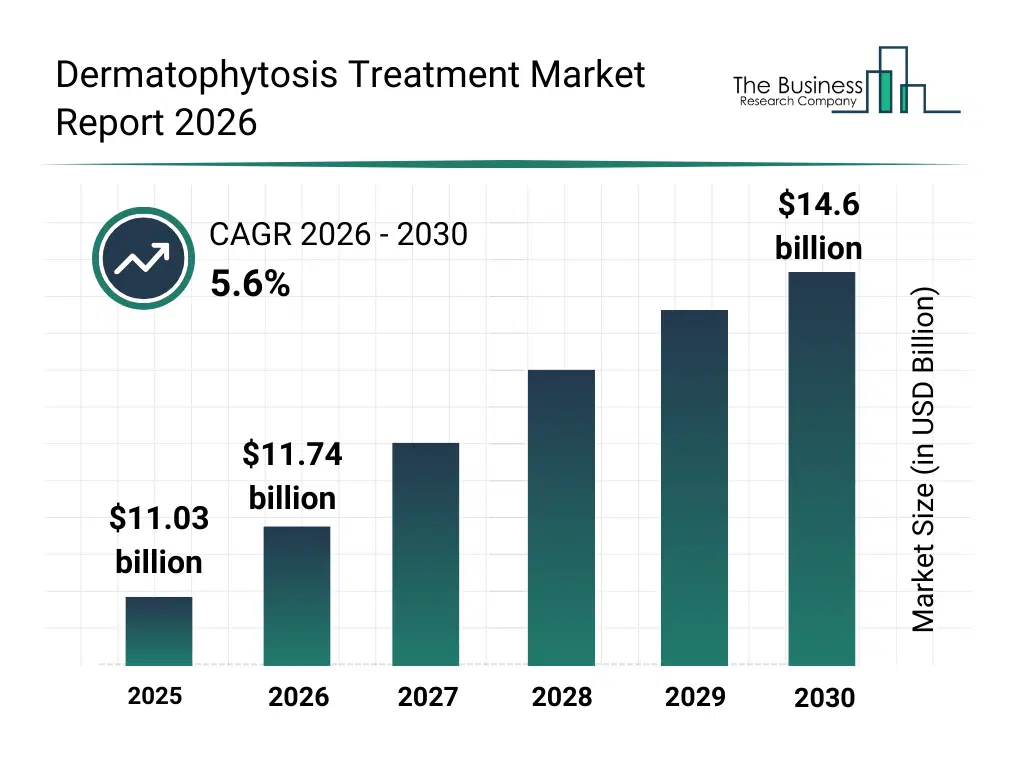
What Is The Dermatophytosis Treatment Market Size and Share 2026?
The dermatophytosis treatment market size has grown strongly in recent years. It will grow from $11.03 billion in 2025 to $11.74 billion in 2026 at a compound annual growth rate (CAGR) of 6.4%. The growth in the historic period can be attributed to high transmission rates, poor hygiene conditions, reliance on topical antifungals, limited early diagnosis, community spread.What Is The Dermatophytosis Treatment Market Growth Forecast?
The dermatophytosis treatment market size is expected to see strong growth in the next few years. It will grow to $14.6 billion in 2030 at a compound annual growth rate (CAGR) of 5.6%. The growth in the forecast period can be attributed to growth of otc medication use, improved treatment compliance, rising dermatology awareness, expanding pharmacy access, improved antifungal efficacy. Major trends in the forecast period include increased use of otc antifungal products, growth of combination therapy approaches, rising awareness of ringworm infections, expansion of topical treatment adoption, focus on rapid symptom relief.
Global Dermatophytosis Treatment Market Segmentation
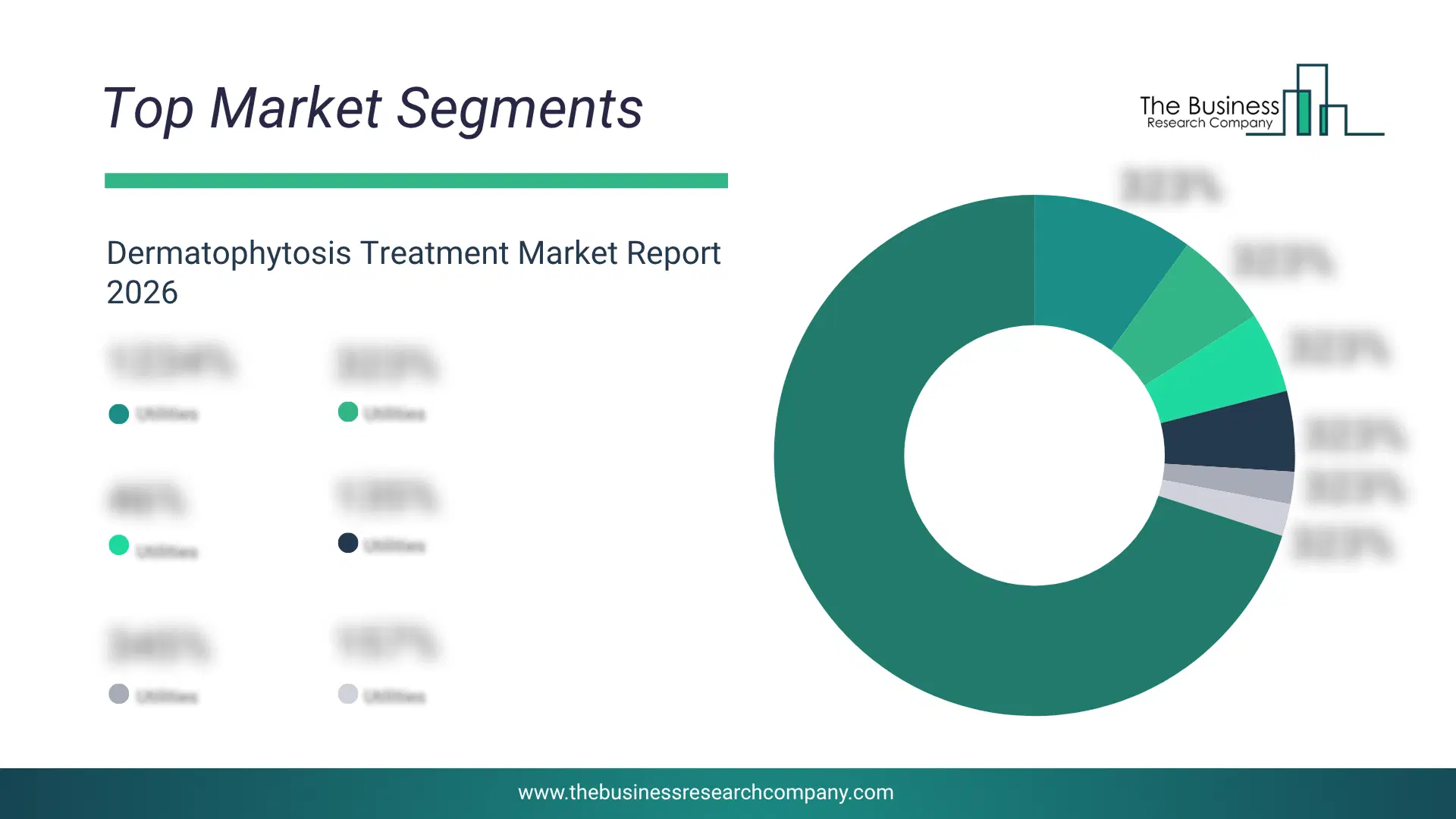
1) By Treatment Type: Topical Antifungals, Oral Antifungals, Combination Therapy, Other Treatment Types 2) By Route Of Administration: Topical, Oral 3) By Distribution Channel: Hospital Pharmacies, Retail Pharmacies, Online Pharmacies Or E-Commerce, Clinics And Dermatology Centers 4) By Application: Tinea Corporis, Tinea Pedis, Tinea Cruris, Tinea Capitis, Onychomycosis, Other Applications 5) By End-User: Hospitals, Dermatology Clinics, Homecare Or Self-Medication, Other End-Users Subsegments: 1) By Topical Antifungals: Creams, Lotions, Gels, Sprays, Powders 2) By Oral Antifungals: Tablets, Capsules 3) By Combination Therapy: Topical + Oral 4) By Other Treatment Types: Adjunctive Therapies, Supportive CareWhat Is The Driver Of The Dermatophytosis Treatment Market?
The increasing number of fungal infections among people globally is expected to propel the growth of the dermatophytosis treatment market going forward. A fungal infection is a health condition caused by the overgrowth of fungi on or inside the body, resulting in symptoms such as itching, redness, and discomfort. Fungal infections are increasing due to a combination of factors, including climate change, globalization, urbanization, and the growing population of immunocompromised individuals. Dermatophytosis treatment is used to treat fungal infections on the skin, hair, and nails caused by certain types of fungi, helping to relieve symptoms and stop the infection from spreading. For instance, in September 2024, according to the World Health Organization, a Switzerland-based health organization, over 6.5 million people are affected by fungal infections each year, leading to around 3.8 million deaths annually, underscoring the significant mortality associated with these diseases, particularly those caused by pathogens like Aspergillus fumigatus. Therefore, the rising burden of fungal infections among people globally is expected to propel the growth of the dermatophytosis treatment industry.Key Players In The Global Dermatophytosis Treatment Market
Major companies operating in the dermatophytosis treatment market are Pfizer Inc., Johnson & Johnson, Bayer AG, GlaxoSmithKline plc, Teva Pharmaceutical Industries Ltd., Merck & Co. Inc., Mylan N.V., Valeant Pharmaceuticals International Inc., Sun Pharmaceutical Industries Ltd., Perrigo Company plc, Fougera Pharmaceuticals Inc., Galderma S.A., Dr. Reddy’s Laboratories Ltd., LEO Pharma A/S, Glenmark Pharmaceuticals Ltd., Taro Pharmaceutical Industries Ltd., Novartis AG, Sanofi‑Aventis, Astellas Pharma Inc., SCYNEXIS Inc., Leadiant Biosciences Inc., Kaken Pharmaceutical Co Ltd, Gufic Biosciences Ltd.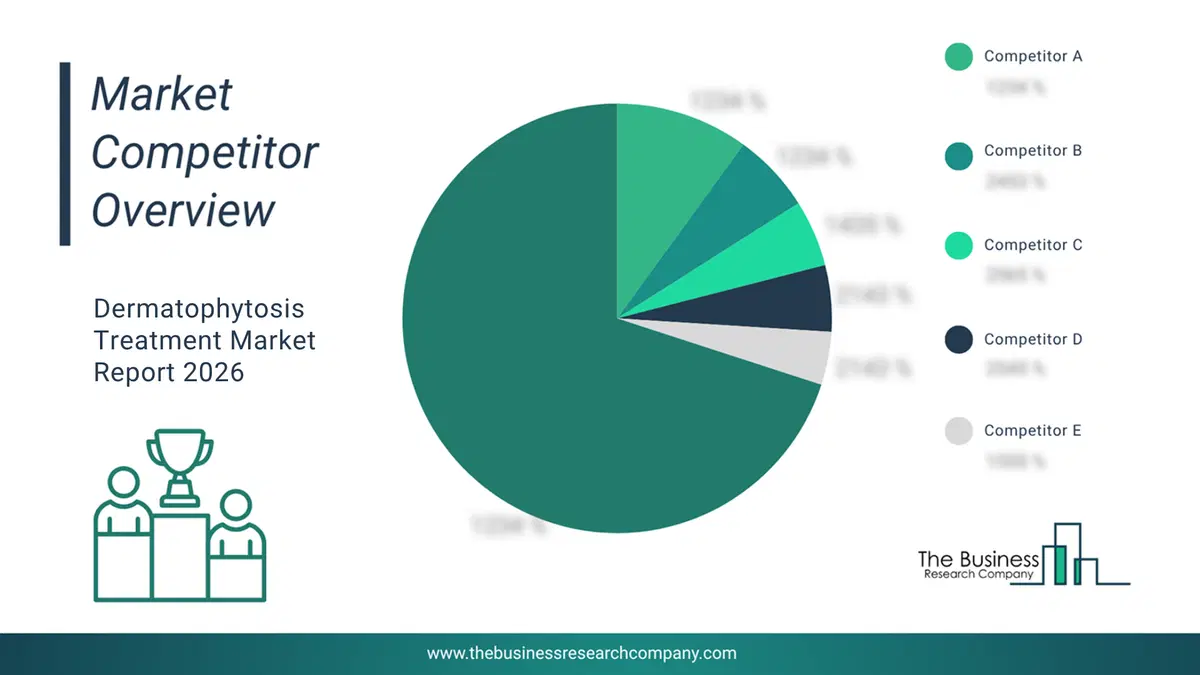
This chart is for illustrative purposes; the full report includes a detailed competitor analysis and comprehensive overview of the top 10 companies in the market.
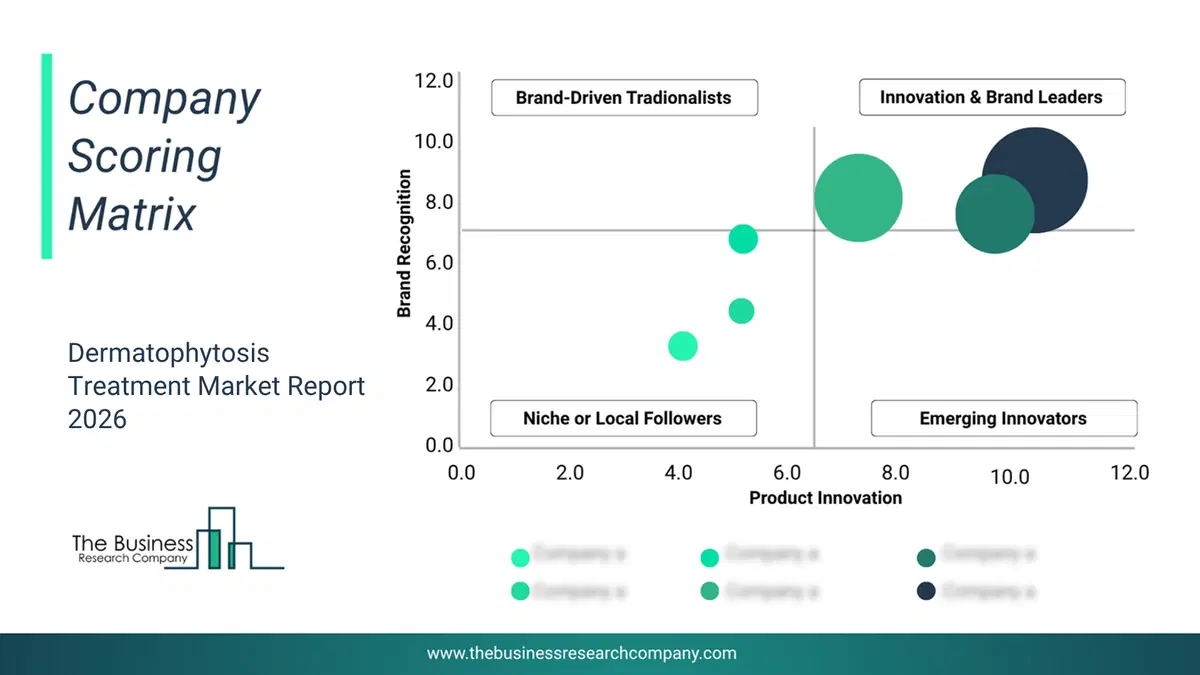
This chart maps companies by product innovation and brand strength, with bubble size indicating relative revenue, helping identify market leaders, challengers, and niche players. This is an illustrative chart; the full report provides a complete and accurate competitive analysis.
Global Dermatophytosis Treatment Market Trends and Insights
Major companies operating in the dermatophytosis treatment market are focusing on incorporating innovative topical antifungal solutions such as novel small-molecule drug candidates to enhance treatment precision and clinical effectiveness. Novel small-molecule antifungal candidates are topically delivered therapeutic compounds that inhibit fungal cell growth and replication, enabling capabilities such as targeted drug penetration, reduced systemic exposure, and improved local antifungal action. For instance, in January 2024, Vanda Pharmaceuticals Inc., a US-based biopharmaceutical company, received U.S. Food and Drug administration approval to proceed with VTR-297, an investigational topical antifungal therapy designed to treat onychomycosis by suppressing dermatophyte proliferation within the nail unit, featuring a novel topical formulation and a targeted delivery mechanism. VTR-297 improves treatment efficiency and therapeutic outcomes in dermatophyte-associated nail infections.What Are Latest Mergers And Acquisitions In The Dermatophytosis Treatment Market?
In March 2025, Alumis Inc., a US-based clinical-stage biopharmaceutical company, partnered with Kaken Pharmaceutical Co. Ltd. to develop, manufacture, and commercialize ESK-001 in dermatology in Japan. With this partnership, Alumis and Kaken aim to accelerate the development of ESK-001, streamline regulatory progress, expand treatment options for immune-mediated skin conditions, and enhance patient access through shared development and commercialization efforts. Kaken Pharmaceutical Co. Ltd. is a Japan-based pharmaceutical company that specializes in prescription dermatology and other therapeutic areas.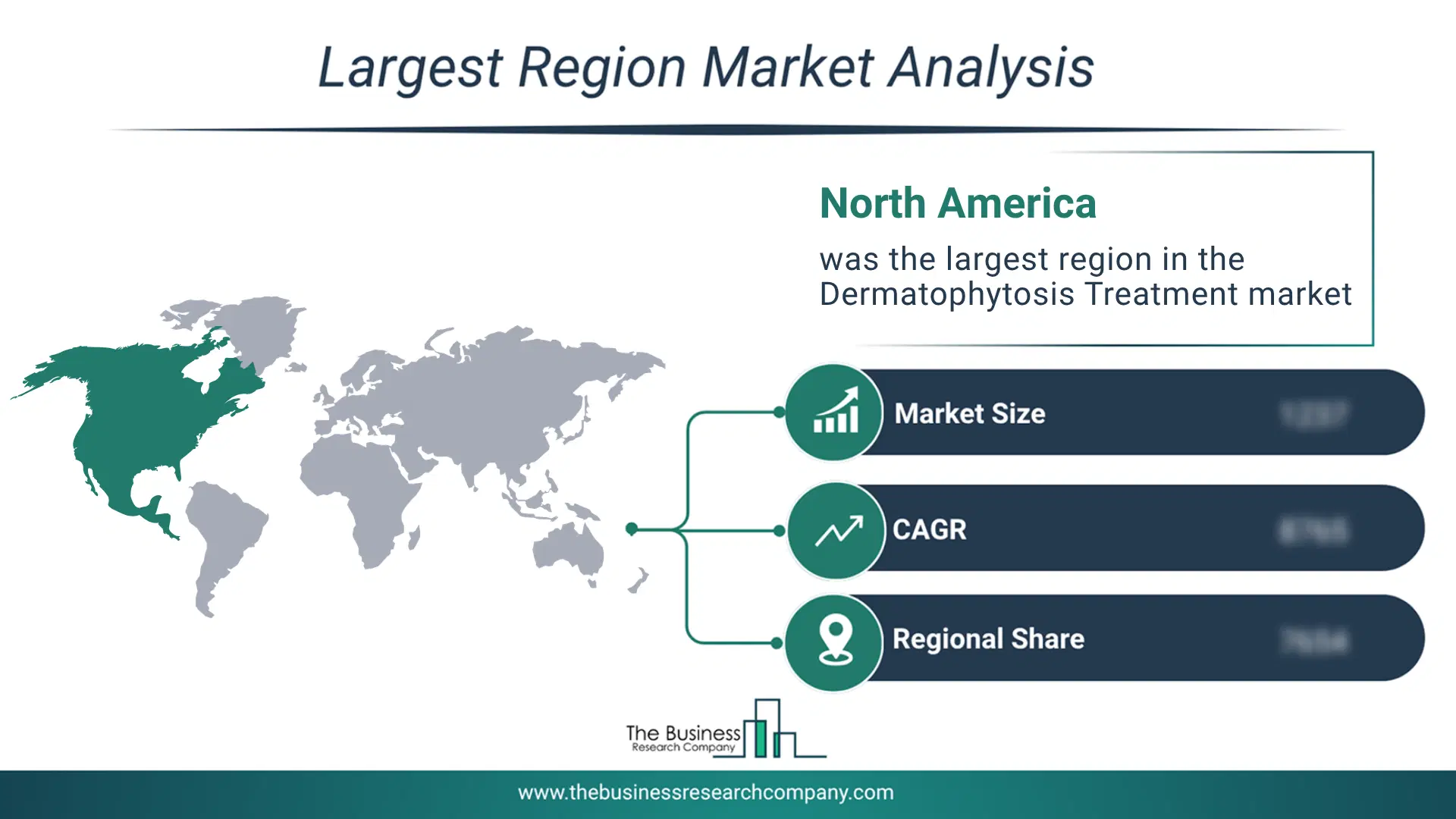
Regional Outlook
North America was the largest region in the dermatophytosis treatment market in 2025. The regions covered in this market report are Asia-Pacific, South East Asia, Western Europe, Eastern Europe, North America, South America, Middle East, Africa. The countries covered in this market report are Australia, Brazil, China, France, Germany, India, Indonesia, Japan, Taiwan, Russia, South Korea, UK, USA, Canada, Italy, Spain.What Defines the Dermatophytosis Treatment Market?
The dermatophytosis treatment market consists of revenues earned by entities by providing services such as patient education programs, telemedicine consultations, home delivery of medications, dermatology specialist referrals, laboratory testing services, follow-up care, preventive healthcare initiatives. The market value includes the value of related goods sold by the service provider or included within the service offering. The dermatophytosis treatment market also includes sales of medicated shampoos, antifungal creams, prescription lotions, therapeutic powders, herbal remedies, fungal nail treatments, antifungal sprays. Values in this market are ‘factory gate’ values, that is the value of goods sold by the manufacturers or creators of the goods, whether to other entities (including downstream manufacturers, wholesalers, distributors and retailers) or directly to end customers. The value of goods in this market includes related services sold by the creators of the goods.How is Market Value Defined and Measured?
The market value is defined as the revenues that enterprises gain from the sale of goods and/or services within the specified market and geography through sales, grants, or donations in terms of the currency (in USD unless otherwise specified). The revenues for a specified geography are consumption values that are revenues generated by organizations in the specified geography within the market, irrespective of where they are produced. It does not include revenues from resales along the supply chain, either further along the supply chain or as part of other products.
This chart presents market attractiveness based on a quantitative evaluation of growth, competition, strategic alignment, and risk, offering a clear view of opportunity areas for decision-making. This chart is for illustrative purposes; the full report contains the complete analysis.

This chart highlights the Total Addressable Market (TAM) by estimating the maximum revenue opportunity using an assumption-driven approach, supporting strategic planning and opportunity sizing across markets. The chart is illustrative; the full report provides a more comprehensive analysis.
What Key Data and Analysis Are Included in the Dermatophytosis Treatment Market Report 2026?
The dermatophytosis treatment market research report is one of a series of new reports from The Business Research Company that provides market statistics, including industry global market size, regional shares, competitors with the market share, detailed market segments, market trends and opportunities, and any further data you may need to thrive in the dermatophytosis treatment industry. The market research report delivers a complete perspective of everything you need, with an in-depth analysis of the current and future state of the industry.Dermatophytosis Treatment Market Report Forecast Analysis
| Report Attribute | Details |
|---|---|
| Market Size Value In 2026 | $11.74 billion |
| Revenue Forecast In 2030 | $14.6 billion |
| Growth Rate | CAGR of 5.6% from 2026 to 2030 |
| Base Year For Estimation | 2025 |
| Actual Estimates/Historical Data | 2020-2025 |
| Forecast Period | 2026 - 2030 |
| Market Representation | Revenue in USD Billion and CAGR from 2026 to 2030 |
| Segments Covered | Treatment Type, Route Of Administration, Distribution Channel, Application, End-User |
| Regional Scope | Asia-Pacific, Western Europe, Eastern Europe, North America, South America, Middle East, Africa |
| Country Scope | The countries covered in the report are Australia, Brazil, China, France, Germany, India, Indonesia, Japan, Taiwan, Russia, South Korea, UK, USA, Canada, Italy, Spain |
| Key Companies Profiled | Pfizer Inc., Johnson & Johnson, Bayer AG, GlaxoSmithKline plc, Teva Pharmaceutical Industries Ltd., Merck & Co. Inc., Mylan N.V., Valeant Pharmaceuticals International Inc., Sun Pharmaceutical Industries Ltd., Perrigo Company plc, Fougera Pharmaceuticals Inc., Galderma S.A., Dr. Reddy’s Laboratories Ltd., LEO Pharma A/S, Glenmark Pharmaceuticals Ltd., Taro Pharmaceutical Industries Ltd., Novartis AG, Sanofi‑Aventis, Astellas Pharma Inc., SCYNEXIS Inc., Leadiant Biosciences Inc., Kaken Pharmaceutical Co Ltd, Gufic Biosciences Ltd. |
| Customization Scope | Request for Customization |
| Pricing And Purchase Options | Explore Purchase Options |