

Fecal Incontinence Market Report 2026
Global Outlook – By Product Type (Absorbent Products, Anal Inserts, Electrical Stimulation Devices, Other Product Types), By Age Group (Pediatric, Adult, Geriatric), By Application (Hospitals, Clinics, Home Care Settings, Other Applications), By Distribution Channel (Online Stores, Pharmacies, Specialty Stores, Other Distribution Channels) - Market Size, Trends, And Global Forecast 2026-2030
Fecal Incontinence Market Overview
• Fecal Incontinence market size has reached to $2.32 billion in 2025 • Expected to grow to $3.18 billion in 2030 at a compound annual growth rate (CAGR) of 6.5% • Growth Driver: Rising Prevalence Of Gastrointestinal Disorders Driving The Growth Of The Market Due To Increasing Cases And Lifestyle Changes • Market Trend: Revolutionizing Fecal Incontinence Treatment with At-Home Non-Invasive Solutions For Women With Chronic Conditions • North America was the largest region in 2025.Market Gains By 2030 – Top Opportunities By Segment
Market Gain identifies the most promising market opportunities by highlighting the segments or products expected to generate the highest incremental revenue growth over the next five years.
What Is Covered Under Fecal Incontinence Market?
Fecal incontinence is the involuntary loss of bowel control, leading to the unintentional passing of stool or gas. It can range from occasional leakage of stool while passing gas to a complete loss of bowel control. Causes may include muscle or nerve damage, diarrhea, constipation, or underlying medical conditions such as inflammatory bowel disease or neurological disorders. The main product types in fecal incontinence include absorbent products, anal inserts, electrical stimulation devices, and other product types. Absorbent products help manage fecal incontinence by preventing leaks and providing comfort. These products are used across different age groups, including pediatric, adult, and geriatric populations, and are applied in hospitals, clinics, home care settings, and other applications. They are distributed through various channels, including online stores, pharmacies, specialty stores, and other distribution channels.
What Is The Fecal Incontinence Market Size and Share 2026?
The fecal incontinence market size has grown strongly in recent years. It will grow from $2.32 billion in 2025 to $2.47 billion in 2026 at a compound annual growth rate (CAGR) of 6.6%. The growth in the historic period can be attributed to rising geriatric population levels, increasing prevalence of gastrointestinal disorders, wider availability of disposable continence products, growing awareness of bowel health conditions, improved diagnosis of pelvic floor dysfunction.What Is The Fecal Incontinence Market Growth Forecast?
The fecal incontinence market size is expected to see strong growth in the next few years. It will grow to $3.18 billion in 2030 at a compound annual growth rate (CAGR) of 6.5%. The growth in the forecast period can be attributed to increasing adoption of non-invasive treatment approaches, rising demand for personalized continence care, growing home healthcare penetration, expansion of digital pelvic floor therapy tools, increasing healthcare focus on quality of life improvement. Major trends in the forecast period include increasing adoption of advanced absorbent products, rising use of electrical stimulation therapies, growing preference for home-based management solutions, expansion of minimally invasive treatment options, enhanced focus on patient comfort and discretion.
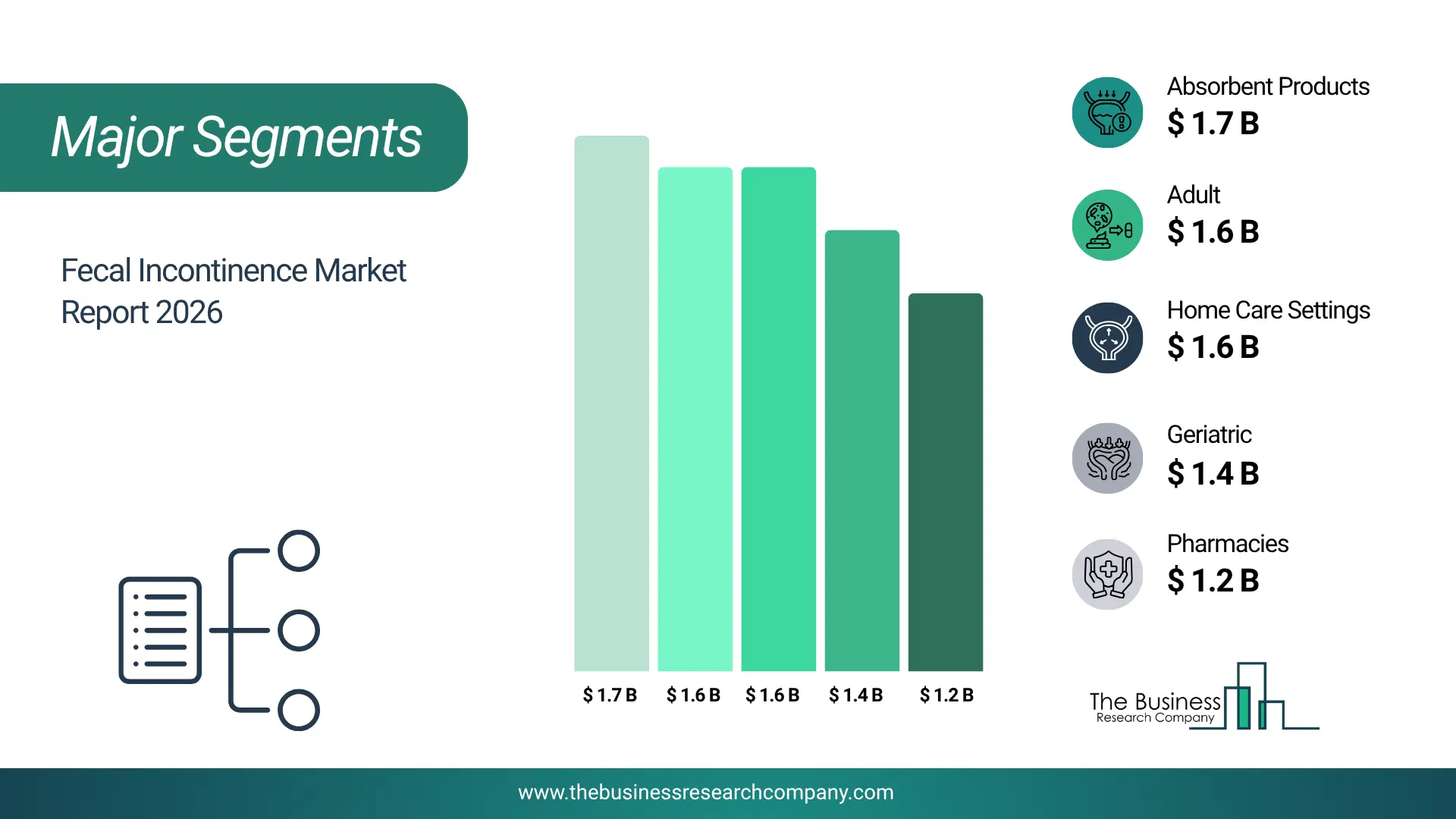
Global Fecal Incontinence Market Segmentation
1) By Product Type: Absorbent Products, Anal Inserts, Electrical Stimulation Devices, Other Product Types 2) By Age Group: Pediatric, Adult, Geriatric 3) By Application: Hospitals, Clinics, Home Care Settings, Other Applications 4) By Distribution Channel: Online Stores, Pharmacies, Specialty Stores, Other Distribution Channels Subsegments: 1) By Absorbent Products: Adult Diapers, Protective Underwear, Pads And Liners 2) By Anal Inserts: Disposable Anal Inserts, Reusable Anal Inserts 3) By Electrical Stimulation Devices: Implantable Devices, Non-Implantable Devices 4) By Other Product Types: Biofeedback Systems, Injectable Bulking Agents, Surgical Devices The top segments in the fecal incontinence market will be: • Absorbent Products will reach $1741.52 Million by 2030. • Adult will reach $1649.98 Million by 2030. • Home Care Settings will reach $1593.96 Million by 2030. • Pharmacies will reach $1286.1 Million by 2030. • Geriatric will reach $1429.28 Million by 2030.What Is The Driver Of The Fecal Incontinence Market?
The rising prevalence of gastrointestinal disorders is expected to propel the growth of the fecal incontinence market going forward. Gastrointestinal (GI) disorders are conditions that affect the digestive system, including the esophagus, stomach, intestines, liver, pancreas, and gallbladder. The prevalence of gastrointestinal disorders is increasing due to poor dietary habits and lifestyle changes, such as high consumption of processed foods and low fiber intake. Gastrointestinal disorders such as inflammatory bowel disease (IBD), chronic diarrhea, and irritable bowel syndrome (IBS) can cause fecal incontinence by disrupting bowel function in multiple ways. For instance, in June 2023, Crohn's and Colitis Canada, a Canada-based charity focused on helping and improving the lives of people living with Crohn's or colitis, the number of people living with inflammatory bowel disease (IBD) is expected to rise from 322,600 in 2023 (0.8% of the population) to 470,000 by 2035 (1.1% of the population). Additionally, 11,000 new cases were projected for 2023 (equivalent to one diagnosis every 48 minutes), increasing to 14,000 new cases in 2035 (one every 38 minutes). Therefore, the rising prevalence of gastrointestinal disorders is driving the growth of the fecal incontinence industry.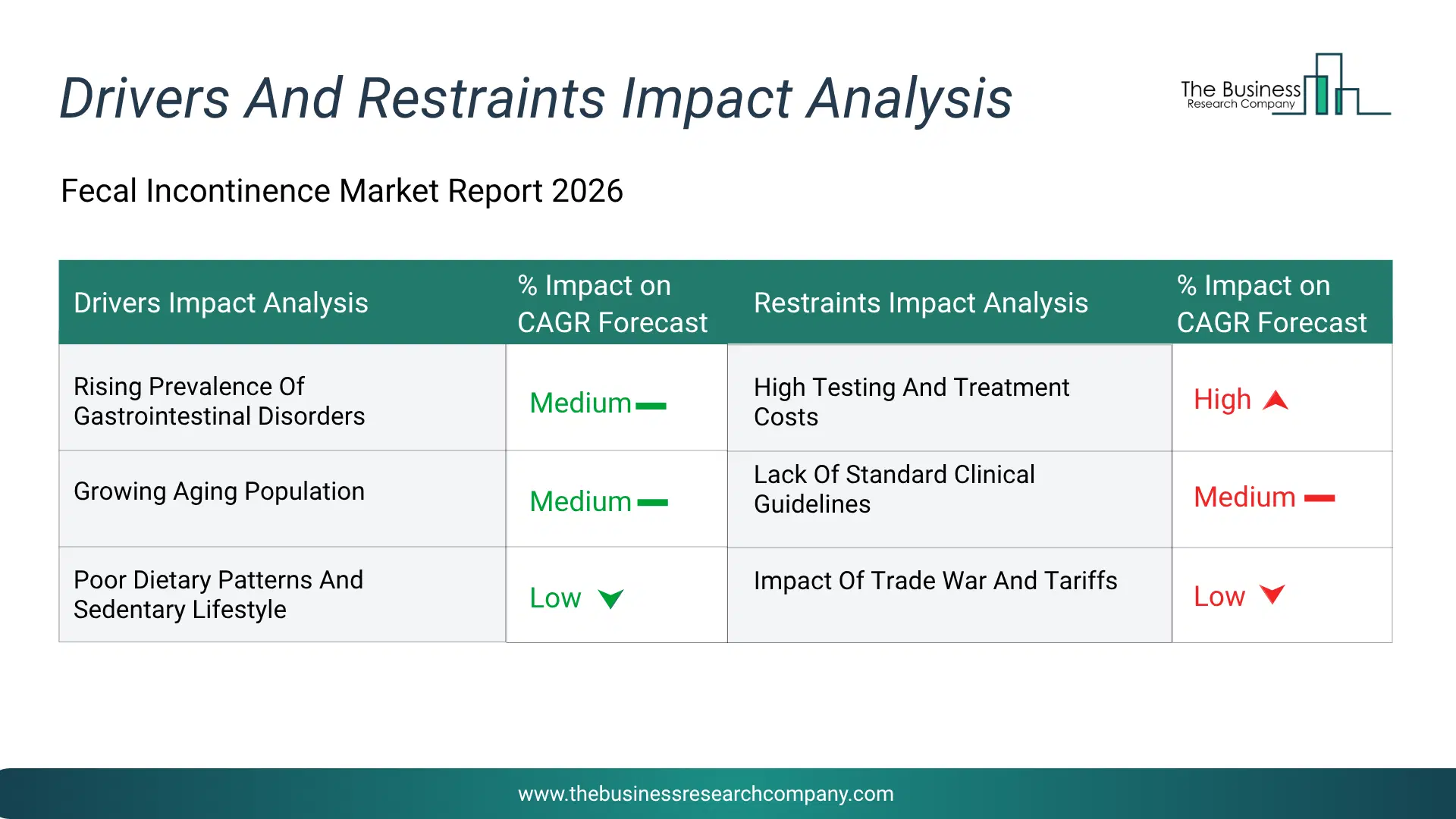
Infographic Chart Showing Key Market Drivers Analysis And Restraints For Fecal Incontinence Market
The chart presents an impact analysis of key drivers and restraints, quantifying their relative influence on the market's growth rate and helping assess the balance between growth enablers and limiting factors. This chart offers a high-level perspective; the full report contains more detailed insights.
How Will The Drivers Impact Growth In The Global Fecal Incontinence Market?
• Rising Prevalence Of Gastrointestinal Disorders (Medium) – During the forecast period, the rising prevalence of gastrointestinal disorders is driving demand for fecal incontinence. chronic conditions such as inflammatory bowel disease, irritable bowel syndrome, chronic diarrhea, and colorectal disorders often disrupt normal bowel function, weaken rectal compliance, and impair sphincter control, all of which elevate the likelihood of fecal incontinence. as these disorders become more common and are diagnosed earlier, fecal incontinence is increasingly recognized as a direct and indirect consequence requiring structured management. this will drive sustained demand for a broad range of solutions, including absorbent products for daily management, anal inserts and fecal management systems for symptom control, and electrical stimulation devices for longer-term therapeutic intervention. the rising prevalence of gastrointestinal disorders growth contribution during the forecast period in 2025 is 1.5%. • Growing Aging Population (Medium) – During the forecast period, the growing aging population is driving increased demand for fecal incontinence. older adults are more likely to experience weakened anal sphincter muscles, reduced rectal sensation, slower gastrointestinal motility, and higher rates of neurological and metabolic conditions that contribute to incontinence. in addition, age-related mobility limitations and cognitive decline can make timely bathroom access more difficult, further increasing incontinence risk. as the proportion of geriatric individuals rises, healthcare systems and caregivers will face growing demand for reliable, easy-to-use, and dignity-preserving fecal incontinence solutions. this demographic shift will support long-term growth in absorbent products, fecal management systems, and minimally invasive therapeutic devices, particularly within nursing homes, long-term care facilities, and home care settings, while also encouraging innovation in comfort-focused and caregiver-friendly product designs. the growing aging population growth contribution during the forecast period in 2025 is 1.3%. • Poor Dietary Patterns And Sedentary Lifestyle (Low) – During the forecast period, the poor dietary patterns and sedentary lifestyle accelerating the adoption of fecal incontinence. diets low in fiber and high in processed foods can lead to chronic constipation, diarrhea, and irregular bowel movements, all of which strain rectal muscles and increase the risk of incontinence over time. at the same time, physical inactivity is associated with reduced muscle tone, including in the pelvic floor and abdominal muscles that play a key role in bowel control. as these lifestyle patterns persist and spread across urban and semi-urban populations, a larger share of adults is likely to experience bowel irregularities that progress into fecal incontinence. this trend will drive growing demand for both preventive and management-oriented solutions, including discreet absorbent wearables, at-home therapeutic devices, and supportive bowel training systems, reinforcing steady growth across home care and outpatient application segments. the poor dietary patterns and sedentary lifestyle growth contribution during the forecast period in 2025 is 0.8%. • Postpartum And Delivery-Related Injury (Low) – During the forecast period, postpartum and delivery-related injury are accelerating the adoption of fecal incontinence. as maternal health awareness improves and postpartum care becomes more comprehensive, fecal incontinence is more likely to be recognized, reported, and treated rather than being dismissed or underdiagnosed. this shift will drive demand for non-surgical, rehabilitation-focused solutions such as pelvic floor training devices, anal inserts, and supportive absorbent products that can be used discreetly in home care settings. the growing focus on women’s pelvic health and long-term postpartum quality of life will further normalize early intervention and sustained management, contributing to steady market growth in the forecast period. the postpartum and delivery-related injury growth contribution during the forecast period in 2025 is 0.5%.How Will The Restraints Impact Growth In The Global Fecal Incontinence Market?
• High Testing And Treatment Costs (Medium) – During the forecast period, the high testing and treatment costs remains a significant barrier to market expansion. advanced diagnostic procedures, specialist consultations, and device-based therapies such as sacral neuromodulation or structured bowel management systems can be financially burdensome, particularly in regions with limited insurance coverage or high out-of-pocket payment requirements. even routine management using premium absorbent products or reusable inserts can accumulate substantial recurring costs over time, discouraging consistent use. these financial barriers often lead patients to delay seeking care, opt for lower-quality alternatives, or discontinue treatment prematurely, reducing overall market penetration. growth affected by high testing and treatment costs during the forecast period in 2025 is -2.0%. • Lack Of Standard Clinical Guidelines (Medium) – During the forecast period, the lack of standard clinical guidelines a significant barrier to market expansion. without clear consensus protocols, healthcare providers often rely on individual experience or local practices, leading to inconsistent use of therapies such as neuromodulation, anal inserts, bowel management systems, and structured pelvic floor interventions. this lack of uniformity reduces clinician confidence in newer or device-based solutions and slows their integration into routine care. it also complicates reimbursement decisions and payer coverage policies, as inconsistent clinical standards make it harder to justify treatment necessity. growth affected by lack of standard clinical guidelines during the forecast period in 2025 is -1.0%. • Impact Of Trade War And Tariffs (Low) – During the forecast period, the impact of trade war and tariffs remains a significant barrier to market expansion. many fecal incontinence solutions rely on cross-border supply chains for raw materials, electronic components, silicone parts, and specialized medical-grade plastics. tariffs on these inputs raise production costs, which are often passed on to healthcare providers and end users in the form of higher product prices. in addition, trade uncertainty can delay product launches, disrupt inventory planning, and reduce investment in regional market expansion. these pressures limit affordability, constrain supply availability, and create pricing volatility, collectively weakening demand growth and reducing the competitiveness of both global and regional players in the fecal incontinence market. growth affected by impact of trade war and tariffs during the forecast period in 2025 is -0.2%.Key Players In The Global Fecal Incontinence Market
Major companies operating in the fecal incontinence market are 3M Company, Medtronic plc, Medline Industries LP, Essity AB, B. Braun Melsungen AG, Domtar Corporation, Coloplast Corp., HARTMANN Direct, ConvaTec Group plc, Ontex Group NV, Hollister Incorporated, Abena Group, Laborie Medical Technologies, Home Care Delivered, 180 Medical, Attends Healthcare Products Inc., Principle Business Enterprises Inc., Carewell, NorthShore Care Supply, InControl Medical, Tranquility Products, Aeroflow Urology, Reliance Medical Inc., TZMO SA, Allegro Medical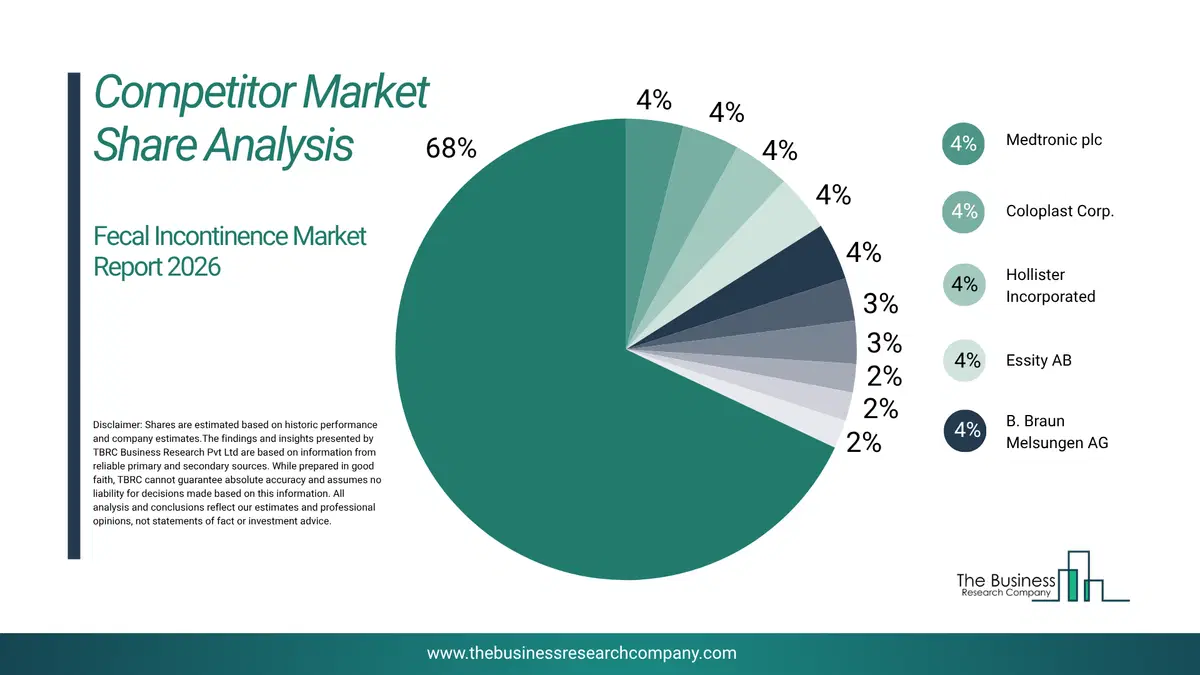
This chart is for illustrative purposes; the full report includes a detailed competitor analysis and comprehensive overview of the top 10 companies in the market.
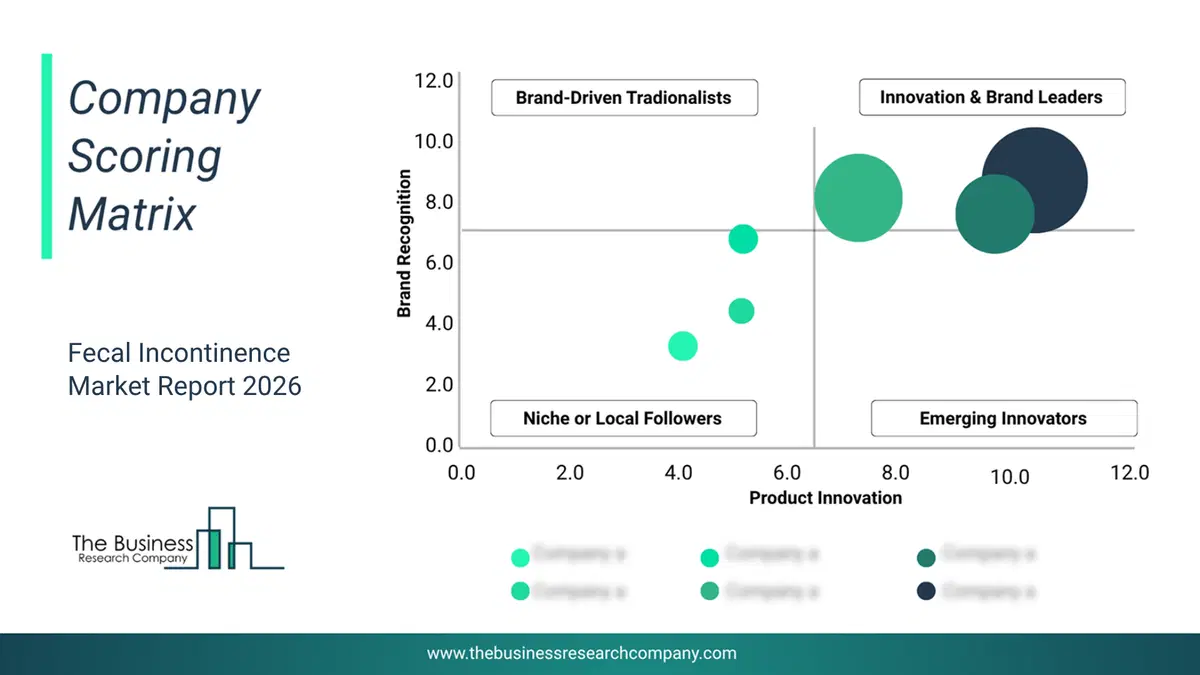
This chart maps companies by product innovation and brand strength, with bubble size indicating relative revenue, helping identify market leaders, challengers, and niche players. This is an illustrative chart; the full report provides a complete and accurate competitive analysis.
Global Fecal Incontinence Market Trends and Insights
Major companies operating in the fecal incontinence market are focusing on developing innovative solutions such as pelvic health systems to improve patient comfort, enhance treatment outcomes, and expand market reach. A pelvic health system refers to a range of medical technologies, services, and treatments aimed at diagnosing, managing, and improving the health of the pelvic organs and structures. These systems are typically designed to address conditions affecting the pelvic floor, including incontinence, pelvic pain, and reproductive health issues. For instance, in June 2023, Axena Health Inc., a US-based medical device company, introduced the Leva pelvic health system with U.S. Food and Drug Administration clearance. This innovative system offers a convenient, non-invasive, and drug-free approach to strengthening pelvic floor muscles, using motion sensors and real-time feedback to guide users through effective five-minute daily exercises. By improving accessibility and efficacy through telehealth integration, the system specifically targets fecal incontinence, offering a practical solution for patients.What Are Latest Mergers And Acquisitions In The Fecal Incontinence Market?
In January 2024, Boston Scientific Corporation, a US-based medical technology company, acquired Axonics Inc. for $3.7 billion. With this acquisition, Boston Scientific Corporation aims to significantly enhance its urology portfolio by integrating Axonics' innovative technologies for treating urinary and bowel dysfunction. Axonics Inc. is a US-based medical device company specializing in neuromodulation solutions for treating conditions such as overactive bladder (OAB), fecal incontinence, and urinary retention.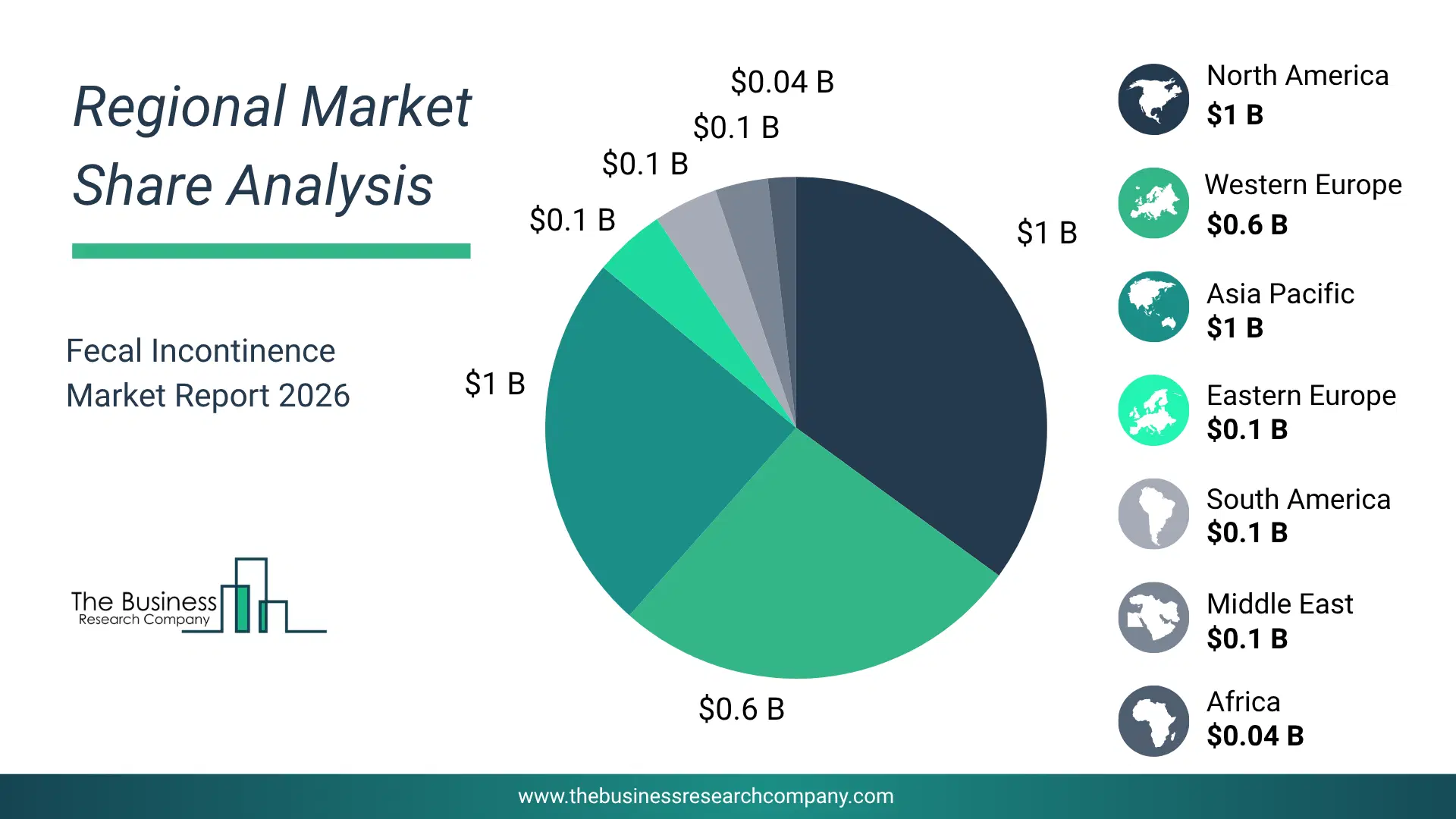
Regional Outlook
North America was the largest region in the fecal incontinence market in 2025. The regions covered in this market report are Asia-Pacific, South East Asia, Western Europe, Eastern Europe, North America, South America, Middle East, Africa. The countries covered in this market report are Australia, Brazil, China, France, Germany, India, Indonesia, Japan, Taiwan, Russia, South Korea, UK, USA, Canada, Italy, Spain.What Defines the Fecal Incontinence Market?
The fecal incontinence market consists of revenues earned by entities by providing services such as medical treatments, pelvic floor rehabilitation, surgical interventions, consultation, and diagnostic services. The market value includes the value of related goods sold by the service provider or included within the service offering. The fecal incontinence market also includes sales of bowel management systems, anti-diarrheal drugs, laxatives, stool softeners, artificial sphincters, and nerve stimulators. Values in this market are ‘factory gate’ values, that is the value of goods sold by the manufacturers or creators of the goods, whether to other entities (including downstream manufacturers, wholesalers, distributors and retailers) or directly to end customers. The value of goods in this market includes related services sold by the creators of the goods.How is Market Value Defined and Measured?
The market value is defined as the revenues that enterprises gain from the sale of goods and/or services within the specified market and geography through sales, grants, or donations in terms of the currency (in USD unless otherwise specified). The revenues for a specified geography are consumption values that are revenues generated by organizations in the specified geography within the market, irrespective of where they are produced. It does not include revenues from resales along the supply chain, either further along the supply chain or as part of other products.
This chart presents market attractiveness based on a quantitative evaluation of growth, competition, strategic alignment, and risk, offering a clear view of opportunity areas for decision-making. This chart is for illustrative purposes; the full report contains the complete analysis.

This chart highlights the Total Addressable Market (TAM) by estimating the maximum revenue opportunity using an assumption-driven approach, supporting strategic planning and opportunity sizing across markets. The chart is illustrative; the full report provides a more comprehensive analysis.
What Key Data and Analysis Are Included in the Fecal Incontinence Market Report 2026?
The fecal incontinence market research report is one of a series of new reports from The Business Research Company that provides market statistics, including industry global market size, regional shares, competitors with the market share, detailed market segments, market trends and opportunities, and any further data you may need to thrive in the fecal incontinence industry. The market research report delivers a complete perspective of everything you need, with an in-depth analysis of the current and future state of the industry.Fecal Incontinence Market Report Forecast Analysis
| Report Attribute | Details |
|---|---|
| Market Size Value In 2026 | $2.47 billion |
| Revenue Forecast In 2030 | $3.18 billion |
| Growth Rate | CAGR of 6.6% from 2026 to 2030 |
| Base Year For Estimation | 2025 |
| Actual Estimates/Historical Data | 2020-2025 |
| Forecast Period | 2026 - 2030 - 2035 |
| Market Representation | Revenue in USD Billion and CAGR from 2026 to 2030 |
| Segments Covered | Product Type, Age Group, Application, Distribution Channel |
| Regional Scope | Asia-Pacific, Western Europe, Eastern Europe, North America, South America, Middle East, Africa |
| Country Scope | The countries covered in the report are Australia, Brazil, China, France, Germany, India, Indonesia, Japan, Taiwan, Russia, South Korea, UK, USA, Canada, Italy, Spain. |
| Key Companies Profiled | 3M Company, Medtronic plc, Medline Industries LP, Essity AB, B. Braun Melsungen AG, Domtar Corporation, Coloplast Corp., HARTMANN Direct, ConvaTec Group plc, Ontex Group NV, Hollister Incorporated, Abena Group, Laborie Medical Technologies, Home Care Delivered, 180 Medical, Attends Healthcare Products Inc., Principle Business Enterprises Inc., Carewell, NorthShore Care Supply, InControl Medical, Tranquility Products, Aeroflow Urology, Reliance Medical Inc., TZMO SA, Allegro Medical |
| Customization Scope | Request for Customization |
| Pricing And Purchase Options | Explore Purchase Options |