

Feed And Animal Nutrition Market Report 2026
Global Outlook – By Product Type (Amino Acids, Vitamins, Minerals, Enzymes, Fish Oils And Nutrition Lipids, Eubiotics, Carotenoids, Other Product Types), By Species (Poultry, Swine, Ruminants, Pets, Other Species), By Administrative Method (Oral, Topical, Injection), By Application (Veterinarians, Animal Feed Manufacturers, Households, Farms, Other Applications) – Market Size, Trends, Strategies, and Forecast to 2030
Feed And Animal Nutrition Market Overview
• Feed And Animal Nutrition market size has reached to $569.82 billion in 2025 • Expected to grow to $765.65 billion in 2030 at a compound annual growth rate (CAGR) of 5.9% • Growth Driver: Rising Global Consumption of Meat, Dairy, And Poultry Products Boosts Feed And Animal Nutrition Market Growth • Market Trend: Adoption Of Next-Generation Amino Acid Feed Supplements In Animal Nutrition • Asia-Pacific was the largest region in 2025.Market Gains By 2030 – Top Opportunities By Segment
Market Gain identifies the most promising market opportunities by highlighting the segments or products expected to generate the highest incremental revenue growth over the next five years.
What Is Covered Under Feed And Animal Nutrition Market?
Feed and animal nutrition refers to the diet and dietary management of domesticated animals to ensure their health, growth, and productivity. This involves understanding and optimizing the nutrient content and balance in feed to meet specific animal needs while considering factors such as species, age, weight, and activity level. The main product types of feed and animal nutrition are amino acids, vitamins, minerals, enzymes, fish oils and nutrition lipids, eubiotics, carotenoids, and others. Amino acid refers to a vital nutrient that is a building block of protein, essential for the growth and health of animals. For various species, including poultry, swine, ruminants, pets, and others, it is administered orally, topically, and in injections for applications such as veterinarians, animal feed manufacturers, households, farms, and others.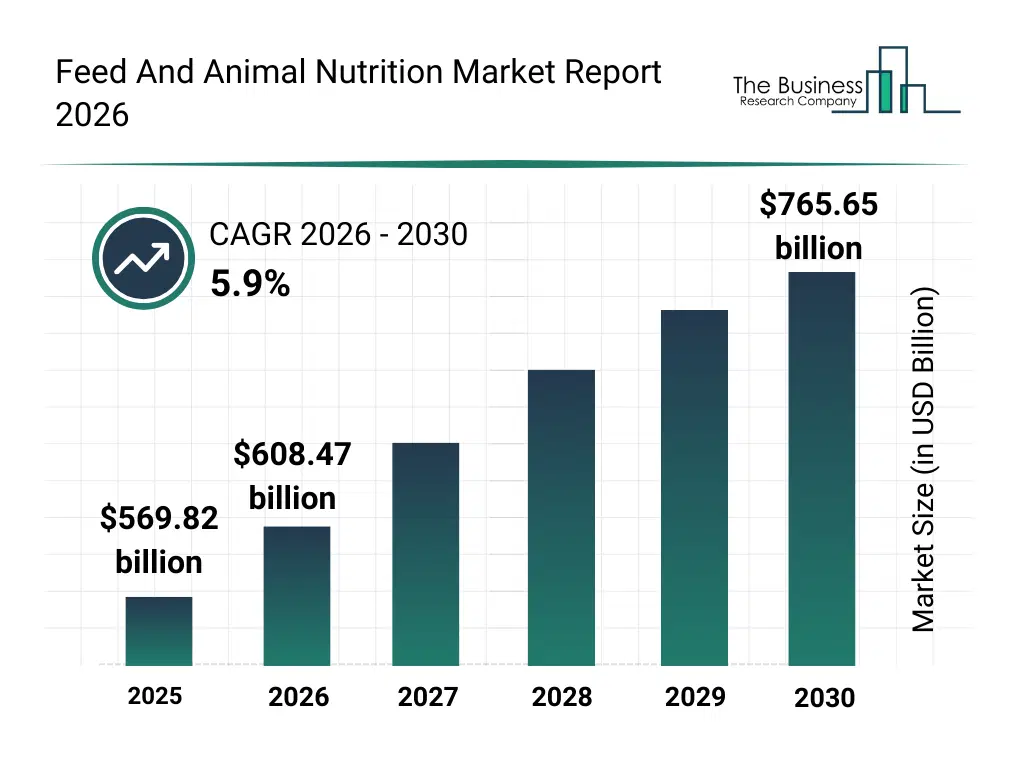
What Is The Feed And Animal Nutrition Market Size and Share 2026?
The feed and animal nutrition market size has grown strongly in recent years. It will grow from $569.82 billion in 2025 to $608.47 billion in 2026 at a compound annual growth rate (CAGR) of 6.8%. The growth in the historic period can be attributed to growing global livestock population, rising demand for animal-derived protein, advancements in animal nutrition science, expansion of commercial feed manufacturing, increasing awareness of animal health and productivity.What Is The Feed And Animal Nutrition Market Growth Forecast?
The feed and animal nutrition market size is expected to see strong growth in the next few years. It will grow to $765.65 billion in 2030 at a compound annual growth rate (CAGR) of 5.9%. The growth in the forecast period can be attributed to development of precision nutrition solutions, increasing use of sustainable and plant-based feed ingredients, adoption of digital feed management systems, rising demand for specialty feed additives, growing focus on pet nutrition and functional foods. Major trends in the forecast period include increasing use of probiotics and prebiotics in animal feed, rising demand for omega-3 and omega-6 fatty acids, adoption of amino acids and enzyme supplements to enhance growth, integration of vitamins and minerals for optimized animal health, focus on specialty feed additives like carotenoids and functional proteins.
Global Feed And Animal Nutrition Market Segmentation
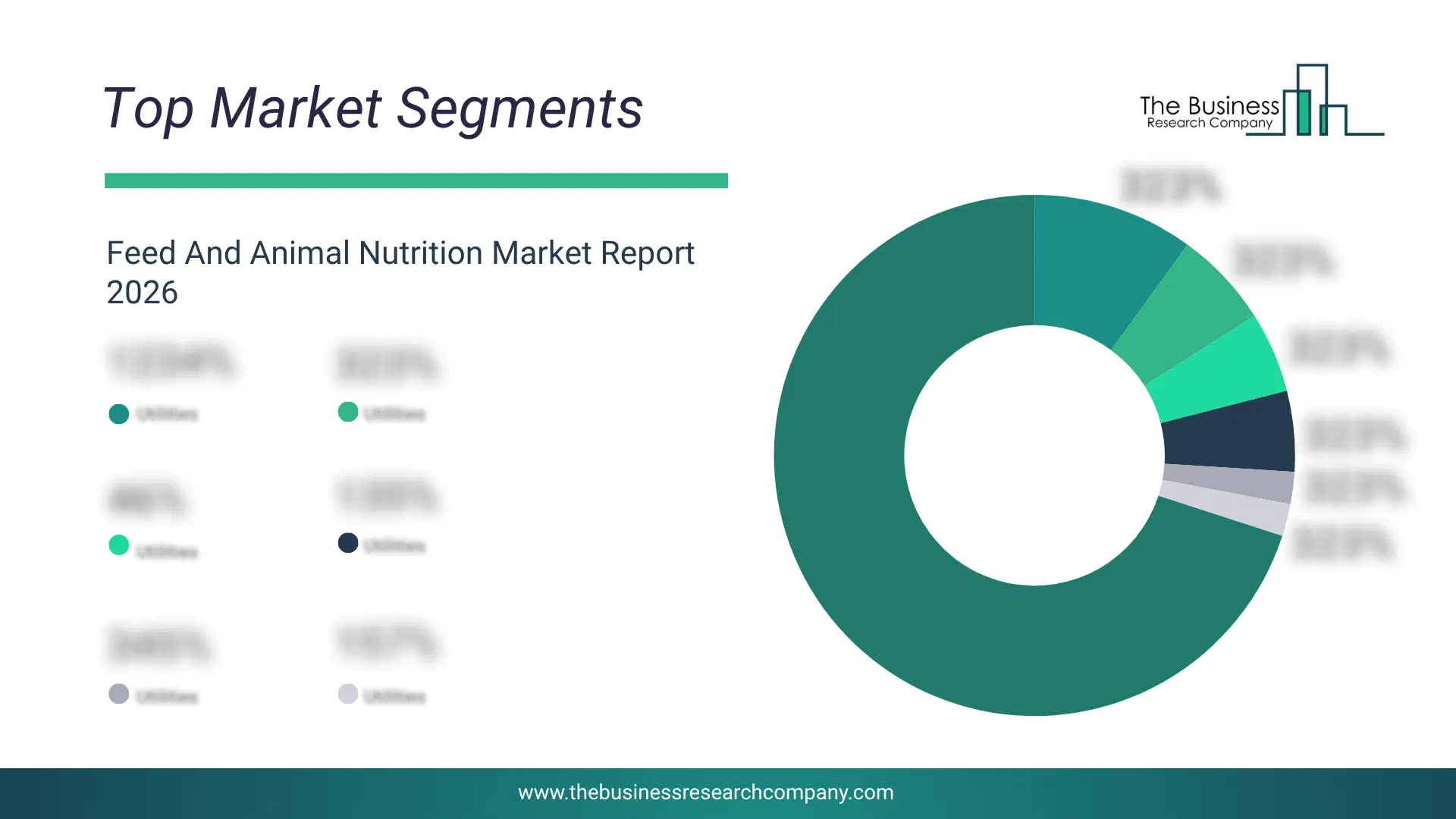
1) By Product Type: Amino Acids, Vitamins, Minerals, Enzymes, Fish Oils And Nutrition Lipids, Eubiotics, Carotenoids, Other Product Types 2) By Species: Poultry, Swine, Ruminants, Pets, Other Species 3) By Administrative Method: Oral, Topical, Injection 4) By Application: Veterinarians, Animal Feed Manufacturers, Households, Farms, Other Applications Subsegments: 1) By Amino Acids: Lysine, Methionine, Threonine, Tryptophan 2) By Vitamins: Vitamin A, Vitamin D, Vitamin E, Vitamin K, B Vitamins 3) By Minerals: Macro Minerals, Micro Minerals 4) By Enzymes: Protease, Amylase, Phytase, Lipase 5) By Fish Oils and Nutrition Lipids: Omega-3 Fatty Acids, Omega-6 Fatty Acids, Marine Fish Oils, Plant-Based Lipids 6) By Eubiotics: Probiotics, Prebiotics, Organic Acids, Symbiotics 7) By Carotenoids: Beta-carotene, Lutein, Astaxanthin, Canthaxanthin 8) By Other Product Types: Fiber Supplements, Proteins and Hydrolysates, Flavoring Agents, Trace Elements The top segments in the feed and animal nutrition market will be: • Amino Acids will reach $182.17 Billion by 2030. • Vitamins will reach $122.94 Billion by 2030. • Other Product Types will reach $105.1 Billion by 2030. • Minerals will reach $96.68 Billion by 2030. • Eubiotics will reach $96.02 Billion by 2030.What Is The Driver Of The Feed And Animal Nutrition Market?
The increased consumption of meat, dairy, and poultry products is expected to propel the growth of the feed and animal nutrition market going forward. Meat, dairy, and poultry products refer to animal-derived food items, including beef, pork, chicken, eggs, milk, and cheese. The increased consumption of meat, dairy, and poultry products is rising due to higher income levels and changing dietary habits. Feed and animal nutrition support the consumption of meat, dairy, and poultry products by enhancing animal growth rates, feed efficiency, reproductive performance, and disease resistance, which together improve product quality, ensure consistent supply, reduce production costs, and enable producers to meet rising consumer demand for safe, nutritious, and affordable animal-derived foods. For instance, in July 2024, according to the INAPORC (Interprofession Nationale Porcine), a France-based national pork association, in 2023, pork was still the most consumed meat in France, with about 30.6 kg per person per year. Therefore, increased consumption of meat, dairy, and poultry products is driving the feed and animal nutrition industry.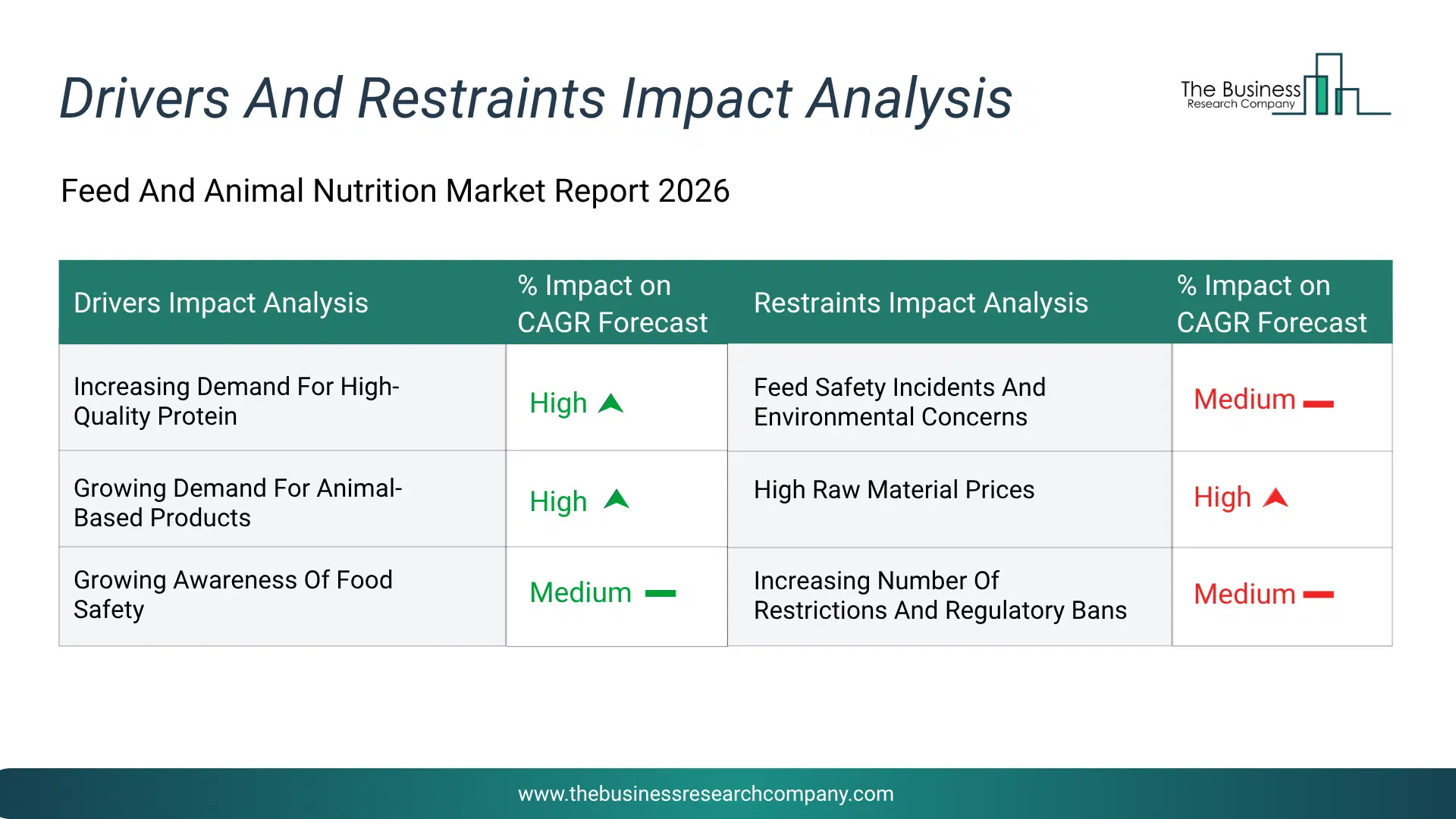
Infographic Chart Showing Key Market Drivers Analysis And Restraints For Feed And Animal Nutrition Market
The chart presents an impact analysis of key drivers and restraints, quantifying their relative influence on the market's growth rate and helping assess the balance between growth enablers and limiting factors. This chart offers a high-level perspective; the full report contains more detailed insights.
How Will The Drivers Impact Growth In The Global Feed And Animal Nutrition Market?
• Increasing Demand For High-Quality Protein (High) – During the forecast period, the increasing demand for high-quality protein is expected to become a key growth driver for the feed and animal nutrition market by 2030. Rising consumption of protein-rich foods such as meat, milk, eggs, and aquaculture products is encouraging livestock producers to enhance animal productivity and feed efficiency. Advanced nutritional solutions are being increasingly incorporated into feed programs to support faster growth, improved health, and optimized production performance. Feed manufacturers are also developing specialized nutritional formulations to meet the evolving requirements of commercial farming operations. • Growing Demand For Animal-Based Products (High) – During the forecast period, the growing demand for animal-based products is expected to emerge as a major factor driving the expansion of the feed and animal nutrition market by 2030. Population growth, rising disposable incomes, and changing dietary preferences are increasing consumption of poultry, dairy, meat, and seafood products worldwide. This trend is creating greater demand for nutritionally balanced feed solutions that support efficient animal growth and production. Producers are increasingly investing in feed additives and performance-enhancing nutritional ingredients to improve output quality and profitability. • Growing Awareness Of Food Safety (Medium) – During the forecast period, the growing awareness of food safety is expected to act as a key growth catalyst for the feed and animal nutrition market by 2030. Consumers, regulators, and food processors are placing greater emphasis on safe and traceable food production systems, increasing the importance of high-quality animal nutrition. Nutritional products that support animal health, reduce disease risks, and improve feed hygiene are gaining wider adoption across livestock operations. In response, manufacturers are introducing advanced feed ingredients and quality assurance measures that enhance product safety throughout the food supply chain.How Will The Restraints Impact Growth In The Global Feed And Animal Nutrition Market?
• Feed Safety Incidents And Environmental Concerns (High) – During the forecast period, the feed safety incidents and environmental concerns act as significant restraints on the feed and animal nutrition market by undermining consumer trust and increasing operational risks. Contamination issues, such as toxins or pathogens in feed, can lead to severe animal health problems and product recalls, negatively impacting brand reputation and profitability. At the same time, growing environmental concerns regarding livestock emissions, waste management, and resource usage pressure producers to adopt sustainable practices. Compliance with environmental standards often requires additional investments in technology and processes, raising production costs. These challenges can discourage small and medium-scale producers from expanding operations. Furthermore, negative public perception around environmental impact may reduce demand for certain animal products. As a result, both feed safety issues and environmental pressures limit market growth. • High Raw Material Prices (High) – During the forecast period, the high raw material prices pose a major restraint on the feed and animal nutrition market by increasing the overall cost of production. Key ingredients such as corn, soybean meal, and other grains are subject to price volatility due to factors like climate change, supply chain disruptions, and global trade dynamics. Rising input costs reduce profit margins for feed manufacturers and livestock producers, making it difficult to maintain competitive pricing. This often leads to increased costs for end consumers, which can reduce demand for animal-based products. Additionally, smaller producers may struggle to sustain operations under fluctuating price conditions. The uncertainty in raw material availability further complicates long-term planning and investment. Consequently, high raw material costs hinder market expansion and stability. • Increasing Number Of Restrictions And Regulatory Bans (Medium) – During the forecast period, the increasing number of restrictions and regulatory bans significantly restrain the feed and animal nutrition market by limiting the use of certain ingredients and additives. Governments across regions impose strict regulations on antibiotics, growth promoters, and genetically modified components to ensure animal and human safety. While these regulations are essential, they increase compliance costs and complicate formulation processes for manufacturers. Companies must invest in research and development to find alternative solutions that meet regulatory standards. This transition can be time-consuming and expensive, slowing down product innovation and market entry. Moreover, frequent changes in regulatory frameworks create uncertainty for industry players. As a result, stringent regulations and bans act as barriers to growth in the feed and animal nutrition market.Key Players In The Global Feed And Animal Nutrition Market
Major companies operating in the feed and animal nutrition market are Cargill Incorporated, Archer Daniels Midland Company, BASF SE, Tyson Foods Inc., Evonik Industries AG, Charoen Pokphand Foods Public Company Limited, Land O'Lakes Inc., Koninklijke DSM N.V., De Heus Animal Nutrition B.V., Nutreco N.V., Elanco Animal Health Incorporated, Wilbur-Ellis Company LLC, Alltech Inc., Royal Agrifirm Group B.V., ForFarmers N.V., Trouw Nutrition USA LLC, Kemin Industries Inc., Lallemand Inc., Phibro Animal Health Corporation, Balchem Corporation, Ridley Corporation Limited, Kent Nutrition Group Inc., Novus International Inc., Manna Pro Products LLC, Zinpro Corporation, Diamond V Mills Inc., Vita Plus Corporation, BIOMIN Holding GmbH, Hi-Pro Feeds LP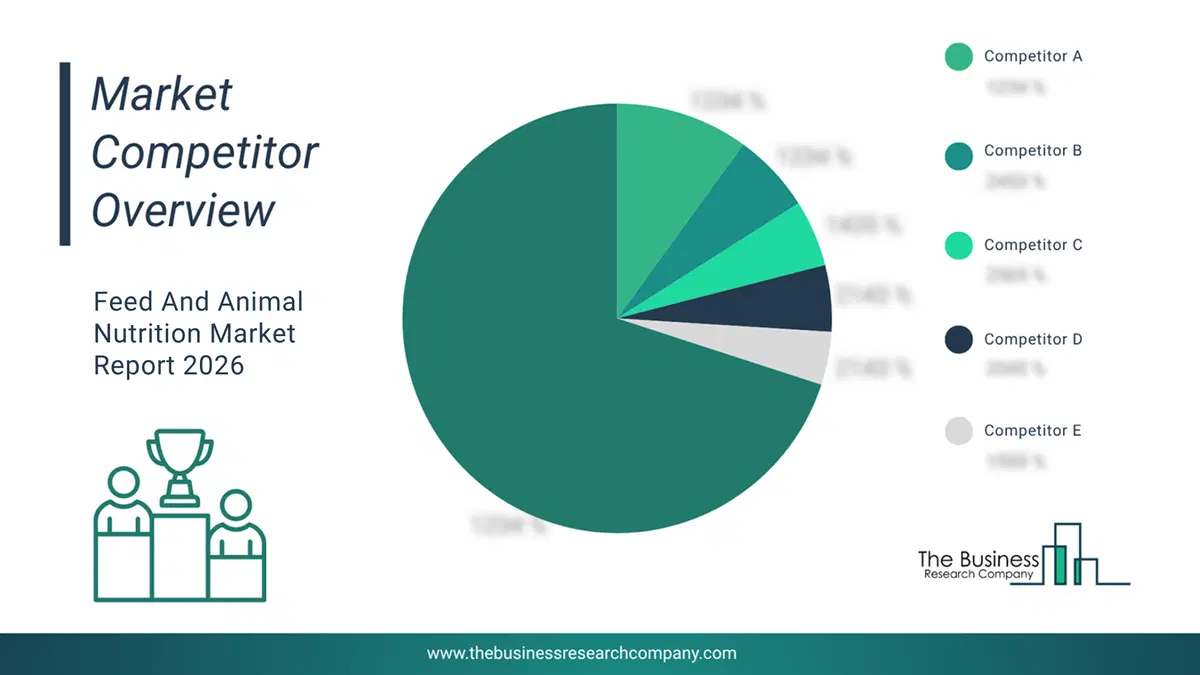
This chart is for illustrative purposes; the full report includes a detailed competitor analysis and comprehensive overview of the top 10 companies in the market.
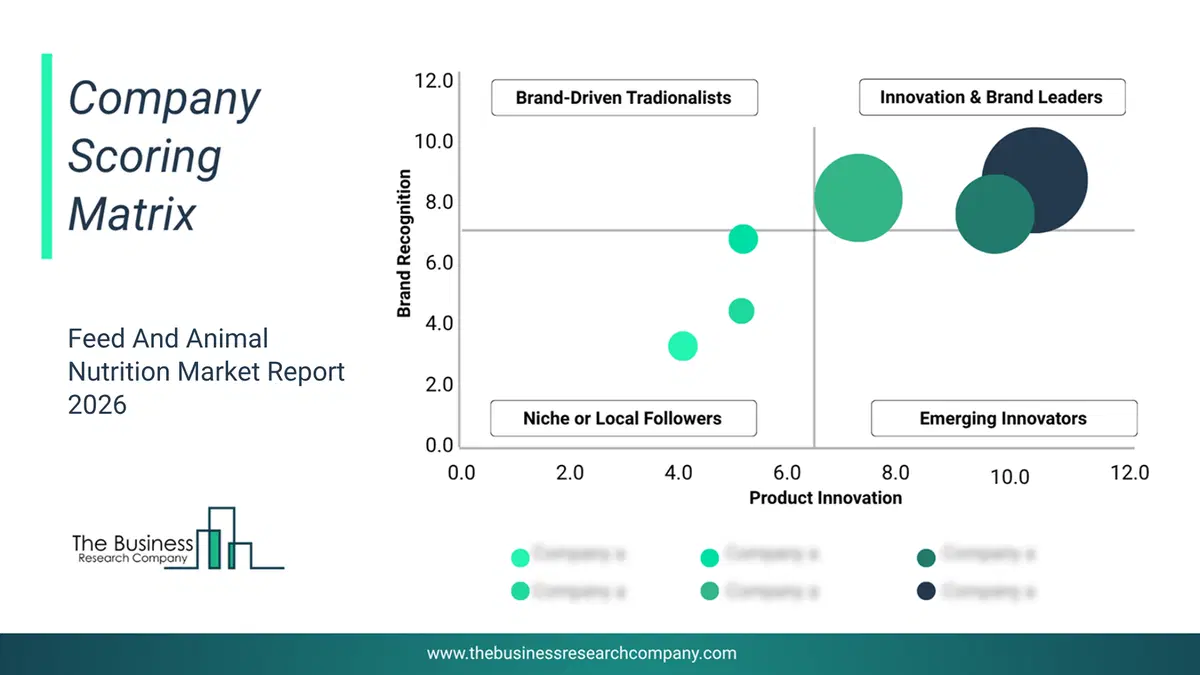
This chart maps companies by product innovation and brand strength, with bubble size indicating relative revenue, helping identify market leaders, challengers, and niche players. This is an illustrative chart; the full report provides a complete and accurate competitive analysis.
Global Feed And Animal Nutrition Market Trends and Insights
Major companies operating in the feed and animal nutrition market are focusing on developing innovative products such as next-generation amino acid feed supplements to support efficient protein utilization, sustainable livestock production, and improved feed efficiency. Next-generation amino acid feed supplements are advanced nutritional additives produced using fermentation or biochemical processes that deliver precise concentrations of essential amino acids with high bioavailability, enhanced stability, and a lower environmental footprint compared to conventional protein-rich feed ingredients such as soybean meal. For instance, in June 2023, Evonik Industries AG, a Germany-based specialty chemicals and animal nutrition company, launched an updated version of its Biolys product, a widely used lysine supplement for animal feed. The updated Biolys features L-lysine sulfate produced through fermentation, along with naturally occurring co-products that offer additional nutritional benefits. This formulation supports optimized amino acid balance in animal diets, enhances growth performance, feed conversion efficiency, and nitrogen utilization in poultry and swine, and enables feed formulators to reduce crude protein levels. Additionally, the improved product provides greater consistency, easier handling, and increased formulation flexibility, aligning with precision nutrition and sustainability goals in modern animal production systems.What Are Latest Mergers And Acquisitions In The Feed And Animal Nutrition Market?
In December 2023, The Archer-Daniels-Midland Company (ADM), a US-based food processing company, acquired PT Trouw Nutrition Indonesia for an undisclosed amount. The acquisition is expected to help Archer-Daniels-Midland Company enhance its capabilities and position in the animal nutrition industry, particularly in the Asia-Pacific region. PT Trouw Nutrition Indonesia is an Indonesia-based subsidiary of Nutreco, a provider of functional and nutritional solutions for livestock farming.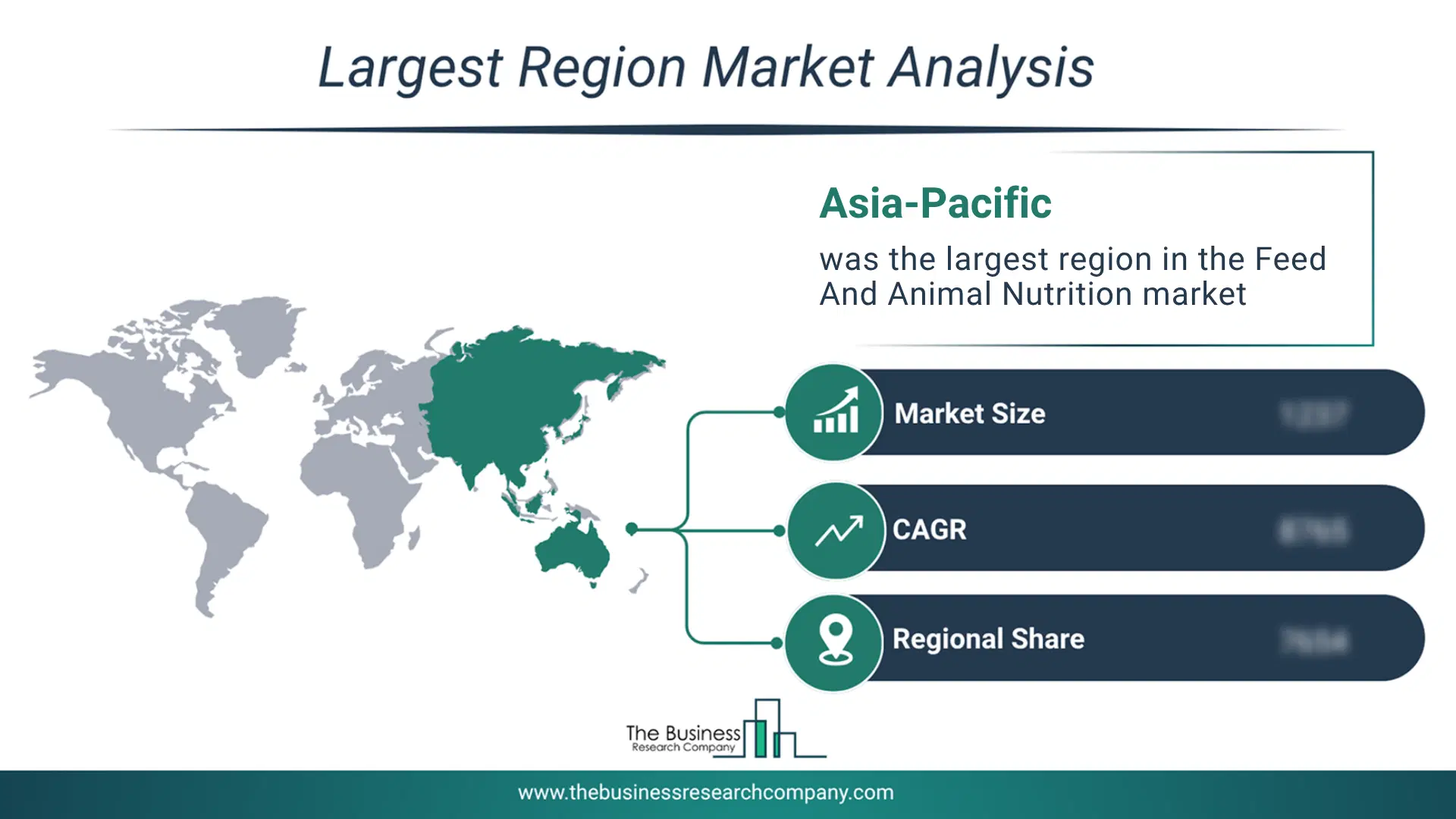
Regional Outlook
Asia-Pacific was the largest region in the feed and animal nutrition market in 2025. The regions covered in this market report are Asia-Pacific, South East Asia, Western Europe, Eastern Europe, North America, South America, Middle East, Africa. The countries covered in this market report are Australia, Brazil, China, France, Germany, India, Indonesia, Japan, Taiwan, Russia, South Korea, UK, USA, Canada, Italy, SpainWhat Defines the Feed And Animal Nutrition Market?
The feed and animal nutrition market consists of sales of feed additives, premixes, and supplements designed to improve animal health and productivity. Values in this market are ‘factory gate’ values, that is the value of goods sold by the manufacturers or creators of the goods, whether to other entities (including downstream manufacturers, wholesalers, distributors and retailers) or directly to end customers. The value of goods in this market includes related services sold by the creators of the goods.How is Market Value Defined and Measured?
The market value is defined as the revenues that enterprises gain from the sale of goods and/or services within the specified market and geography through sales, grants, or donations in terms of the currency (in USD unless otherwise specified). The revenues for a specified geography are consumption values that are revenues generated by organizations in the specified geography within the market, irrespective of where they are produced. It does not include revenues from resales along the supply chain, either further along the supply chain or as part of other products.
This chart presents market attractiveness based on a quantitative evaluation of growth, competition, strategic alignment, and risk, offering a clear view of opportunity areas for decision-making. This chart is for illustrative purposes; the full report contains the complete analysis.

This chart highlights the Total Addressable Market (TAM) by estimating the maximum revenue opportunity using an assumption-driven approach, supporting strategic planning and opportunity sizing across markets. The chart is illustrative; the full report provides a more comprehensive analysis.
What Key Data and Analysis Are Included in the Feed And Animal Nutrition Market Report 2026?
The feed and animal nutrition market research report is one of a series of new reports from The Business Research Company that provides market statistics, including industry global market size, regional shares, competitors with the market share, detailed market segments, market trends and opportunities, and any further data you may need to thrive in the feed and animal nutrition industry. The market research report delivers a complete perspective of everything you need, with an in-depth analysis of the current and future state of the industry.Feed And Animal Nutrition Market Report Forecast Analysis
| Report Attribute | Details |
|---|---|
| Market Size Value In 2026 | $608.47 billion |
| Revenue Forecast In 2030 | $765.65 billion |
| Growth Rate | CAGR of 6.8% from 2026 to 2030 |
| Base Year For Estimation | 2025 |
| Actual Estimates/Historical Data | 2020-2025 |
| Forecast Period | 2026 - 2030 |
| Market Representation | Revenue in USD Billion and CAGR from 2026 to 2030 |
| Segments Covered | Product Type, Species, Administrative Method, Application |
| Regional Scope | Asia-Pacific, Western Europe, Eastern Europe, North America, South America, Middle East, Africa |
| Country Scope | The countries covered in the report are Australia, Brazil, China, France, Germany, India, Indonesia, Japan, Taiwan, Russia, South Korea, UK, USA, Canada, Italy, Spain. |
| Key Companies Profiled | Cargill Incorporated, Archer Daniels Midland Company, BASF SE, Tyson Foods Inc., Evonik Industries AG, Charoen Pokphand Foods Public Company Limited, Land O'Lakes Inc., Koninklijke DSM N.V., De Heus Animal Nutrition B.V., Nutreco N.V., Elanco Animal Health Incorporated, Wilbur-Ellis Company LLC, Alltech Inc., Royal Agrifirm Group B.V., ForFarmers N.V., Trouw Nutrition USA LLC, Kemin Industries Inc., Lallemand Inc., Phibro Animal Health Corporation, Balchem Corporation, Ridley Corporation Limited, Kent Nutrition Group Inc., Novus International Inc., Manna Pro Products LLC, Zinpro Corporation, Diamond V Mills Inc., Vita Plus Corporation, BIOMIN Holding GmbH, Hi-Pro Feeds LP |
| Customization Scope | Request for Customization |
| Pricing And Purchase Options | Explore Purchase Options |