

Fibroblast Activation Protein Inhibitors Market Report 2026
Global Outlook – By Type (Small Molecule Inhibitors, Monoclonal Antibodies, Peptide Inhibitors), By Indication (Crohn’s, Irritable Bowel, Chronic Prostatitis, Other Indications), By Route Of Administration (Oral, Intravenous, Subcutaneous), By Distribution Channel (Hospital Pharmacy, Online Pharmacy, Retail Pharmacy), By End User (Hospitals, Homecare, Specialty Clinics, Other End Users) – Market Size, Trends, Strategies, and Forecast to 2030
Fibroblast Activation Protein Inhibitors Market Overview
• Fibroblast Activation Protein Inhibitors market size has reached to $3.02 billion in 2025 • Expected to grow to $4.78 billion in 2030 at a compound annual growth rate (CAGR) of 9.6% • Growth Driver: Rising Cancer Incidence Driving Market Growth Due to Advanced Targeted Therapies • Market Trend: Advancing Precision Oncology Through Targeted Radiopharmaceutical Integration • North America was the largest region in 2025.What Is Covered Under Fibroblast Activation Protein Inhibitors Market?
Fibroblast activation protein inhibitors are targeted therapeutic agents used to manage fibrosis-related disorders by inhibiting the fibroblast activation protein involved in tissue scarring. As a class of small-molecule inhibitors, they specifically block the activity of FAP, helping to reduce excessive fibrous tissue formation. This helps improve organ function by limiting fibrosis progression. The main types of fibroblast activation protein inhibitors are small molecule inhibitors, monoclonal antibodies, and peptide inhibitors. Small molecule inhibitors are low molecular weight compounds designed to easily penetrate cells and block the enzymatic activity of FAP. These inhibitors are being explored for a range of indications, including interstitial cystitis, crohn’s disease, irritable bowel syndrome, chronic prostatitis, and others, and can be administered through various routes, such as oral, intravenous, and subcutaneous delivery. They are distributed via multiple channels, including hospital pharmacies, online pharmacies, and retail pharmacies, and treatments are utilized across different healthcare settings, such as hospitals, homecare environments, specialty clinics, and others.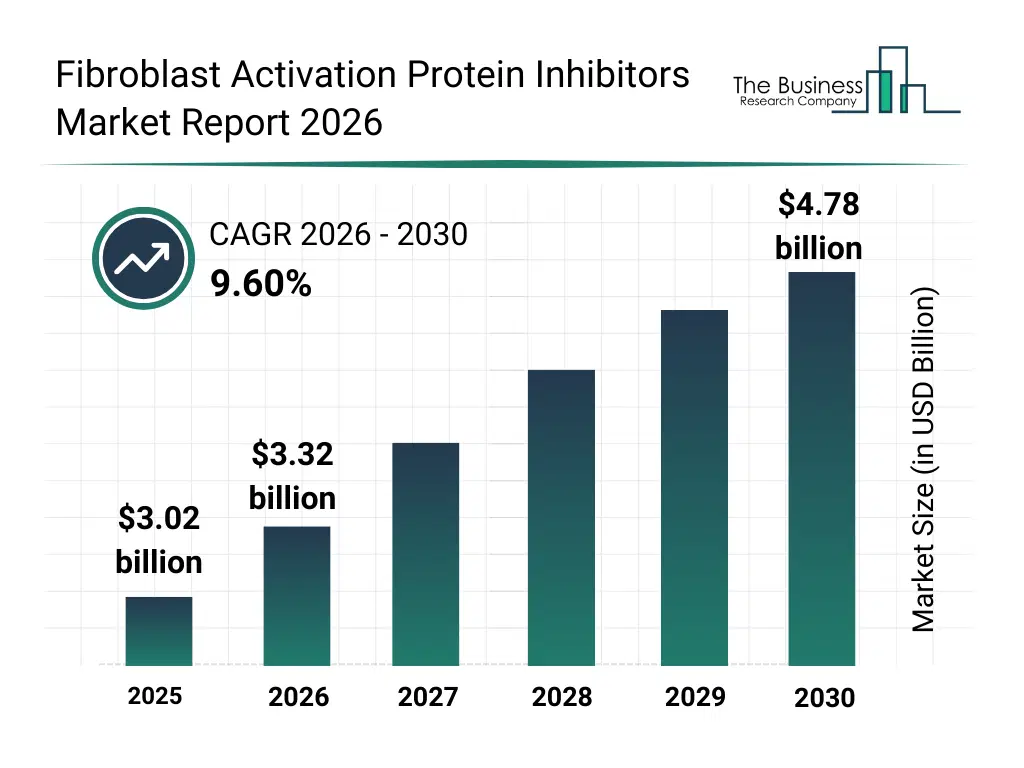
What Is The Fibroblast Activation Protein Inhibitors Market Size and Share 2026?
The fibroblast activation protein inhibitors market size has grown strongly in recent years. It will grow from $3.02 billion in 2025 to $3.32 billion in 2026 at a compound annual growth rate (CAGR) of 9.9%. The growth in the historic period can be attributed to fibrotic disease prevalence, unmet medical needs, pharmaceutical r&d growth, hospital specialty care, biologics evolution.What Is The Fibroblast Activation Protein Inhibitors Market Growth Forecast?
The fibroblast activation protein inhibitors market size is expected to see strong growth in the next few years. It will grow to $4.78 billion in 2030 at a compound annual growth rate (CAGR) of 9.6%. The growth in the forecast period can be attributed to precision therapeutics demand, clinical trial expansion, chronic disease burden, targeted drug approvals, specialty pharmacy growth. Major trends in the forecast period include increased focus on anti-fibrotic therapies, expansion of targeted small molecule drugs, growth of chronic inflammatory disease research, rising precision medicine adoption, pipeline expansion in fibrosis indications.
Global Fibroblast Activation Protein Inhibitors Market Segmentation
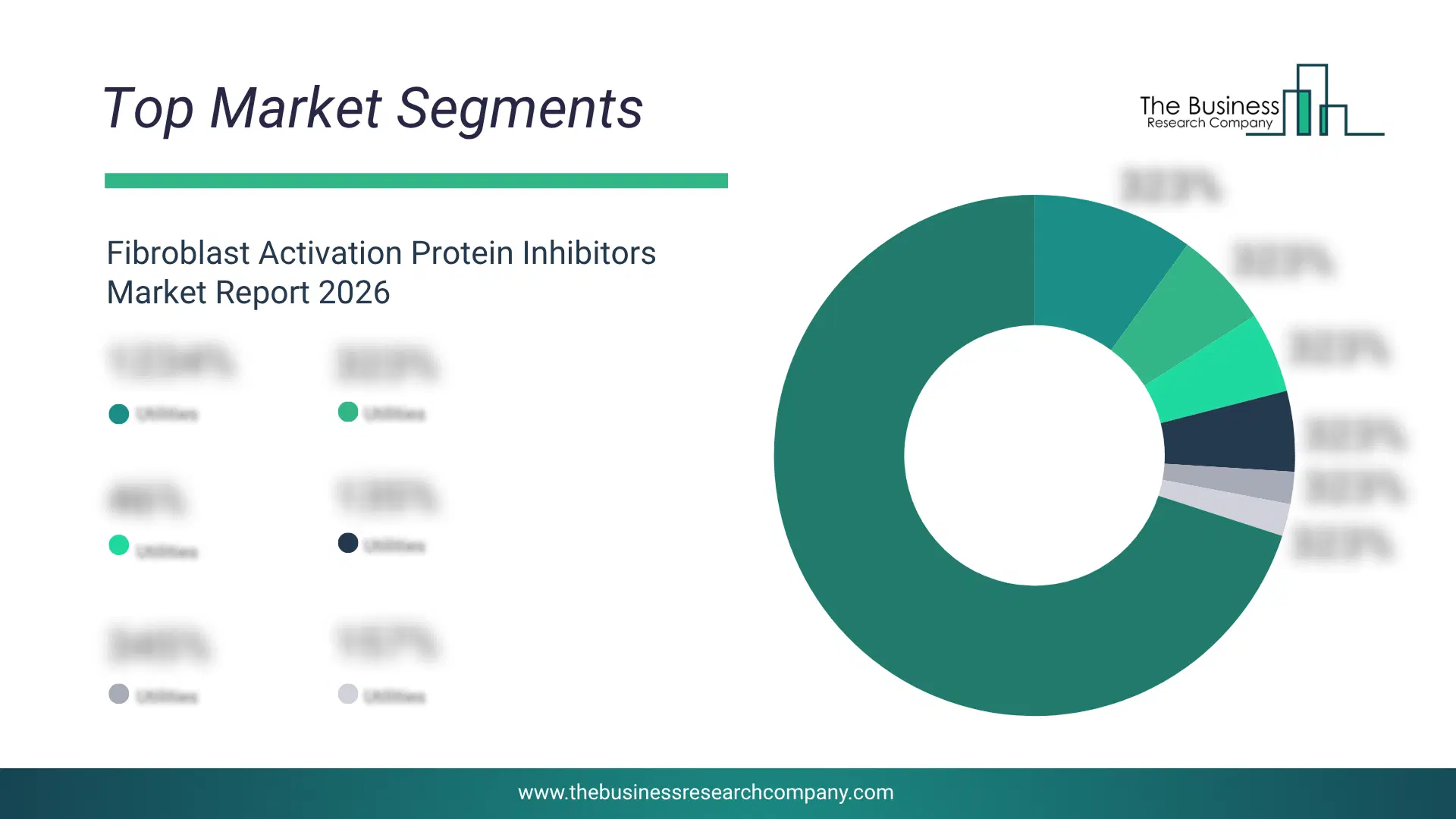
1) By Type: Small Molecule Inhibitors, Monoclonal Antibodies, Peptide Inhibitors 2) By Indication: Crohn’s, Irritable Bowel, Chronic Prostatitis, Other Indications 3) By Route Of Administration: Oral, Intravenous, Subcutaneous 4) By Distribution Channel: Hospital Pharmacy, Online Pharmacy, Retail Pharmacy 5) By End User: Hospitals, Homecare, Specialty Clinics, Other End Users Subsegments: 1) By Small Molecule Inhibitors: Protease Inhibitors, Multi-Targeted Agents 2) By Monoclonal Antibodies: Humanized Antibodies, Fully Human Antibodies, Bispecific Antibodies 3) By Peptide Inhibitors: Synthetic Peptides, Natural Peptide Derivatives, Peptide-Based ConjugatesWhat Is The Driver Of The Fibroblast Activation Protein Inhibitors Market?
The increasing cancer incidence is expected to propel the growth of the fibroblast activation protein inhibitors market going forward. Cancer is a disease characterized by the uncontrolled multiplication of abnormal cells that can invade and spread to other parts of the body, arising in various tissues and organs and classified based on the cell or tissue type from which it originates. The increasing incidence of cancer is due to aging populations, lifestyle changes, environmental factors, and improved detection methods. Fibroblast activation protein inhibitors are used in cancer to target and disrupt tumor-supporting fibroblasts, enhancing the effectiveness of diagnostic imaging and therapeutic delivery. For instance, in August 2024, according to the Macmillan Cancer Support, a UK-based charitable organization to support cancer patients, it was reported that, in 2024, more than 3 million people in the UK are living with cancer; this figure is projected to increase to 3.5 million by 2025, 4 million by 2030, and 5.3 million by 2040. Therefore, the increasing cancer incidence is driving the growth of the fibroblast activation protein inhibitors industry.Key Players In The Global Fibroblast Activation Protein Inhibitors Market
Major companies operating in the fibroblast activation protein inhibitors market are Telix Pharmaceuticals Ltd., 3B Pharmaceuticals GmbH, Heidelberg Pharma AG, Clovis Oncology, Fusion Pharmaceuticals, POINT Biopharma (Eli Lilly subsidiary), Pentixapharm AG, iTheranostics, Blue Earth Diagnostics (Bracco Group), SOFIE Biosciences (FAP radioligands), Lantheus Holdings Inc., RadioMedix Inc., ImaginAb Inc., Theragnostics Ltd., Isotopen Technologien München (ITM), Q BioMed Inc., Abcam plc, Sino Biological Inc., Creative Biolabs, Bachem Holding AG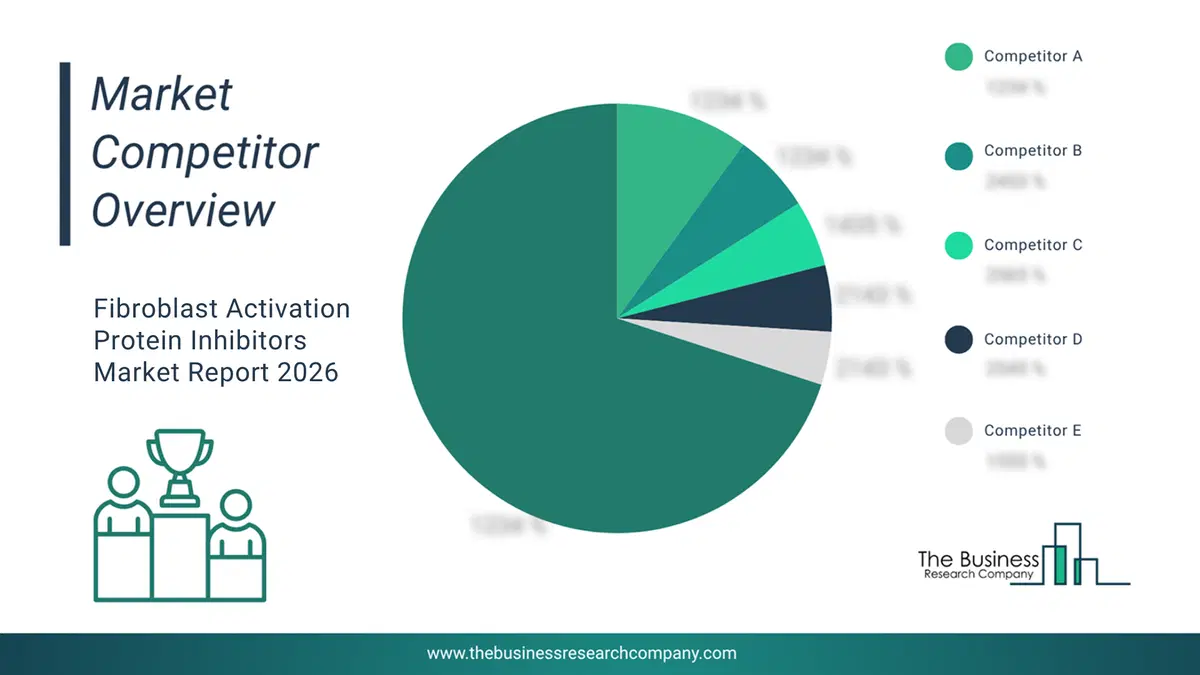
This chart is for illustrative purposes; the full report includes a detailed competitor analysis and comprehensive overview of the top 10 companies in the market.
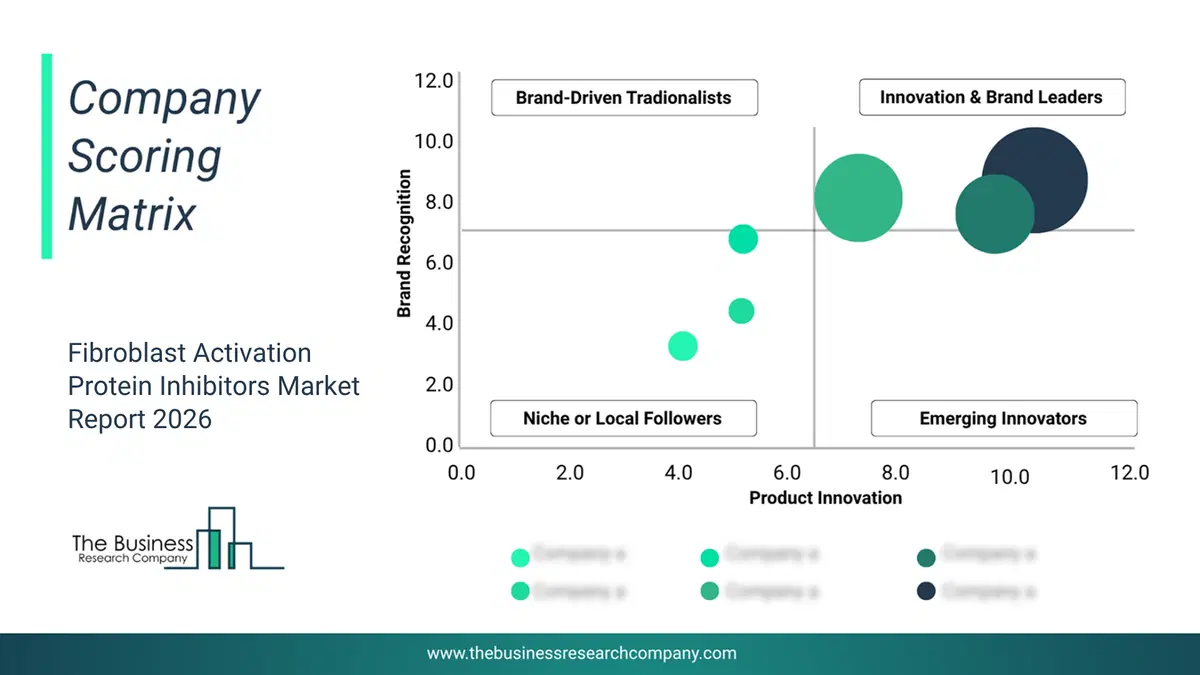
This chart maps companies by product innovation and brand strength, with bubble size indicating relative revenue, helping identify market leaders, challengers, and niche players. This is an illustrative chart; the full report provides a complete and accurate competitive analysis.
Global Fibroblast Activation Protein Inhibitors Market Trends and Insights
Major companies operating in the fibroblast activation protein inhibitors market are focusing on integrating SAR chelator technology with FAP to enhance targeted radiopharmaceutical delivery, improve diagnostic imaging accuracy, and increase therapeutic efficacy in cancer treatment. SAR chelator technology uses special molecules that tightly bind radioactive metals, helping researchers study how changes in structure affect performance. It’s mainly used to direct radioactive drugs accurately to cancer cells for imaging or therapy. For instance, in December 2024, Clarity Pharmaceuticals, an Australia-based radiopharmaceutical company, launched its novel optimized fibroblast activation protein (FAP)-targeted radiopharmaceutical, a breakthrough therapy designed for precision oncology applications. This development expands Clarity’s pipeline, offering a highly targeted treatment approach for cancers with high FAP expression, potentially improving diagnostic accuracy and therapeutic outcomes. The innovation underscores Clarity’s commitment to advancing radiopharmaceuticals for personalized cancer care.What Are Latest Mergers And Acquisitions In The Fibroblast Activation Protein Inhibitors Market?
In March 2025, Telix Pharmaceuticals Ltd., an Australia-based radiopharmaceutical company, acquired fibroblast activation protein (FAP)-targeting theranostic radiopharmaceutical candidates developed by Professor Frank Rösch and his collaborators at the Johannes Gutenberg University Mainz for an undisclosed amount. By leveraging Telix’s global commercial infrastructure and theranostic expertise, this aims to accelerate the development of fibroblast activation protein (FAP)-targeting agents. The acquired assets include preclinical and clinical-stage candidates for imaging and treating a range of cancers. Johannes Gutenberg University Mainz is a Germany-based university that specializes in nuclear chemistry.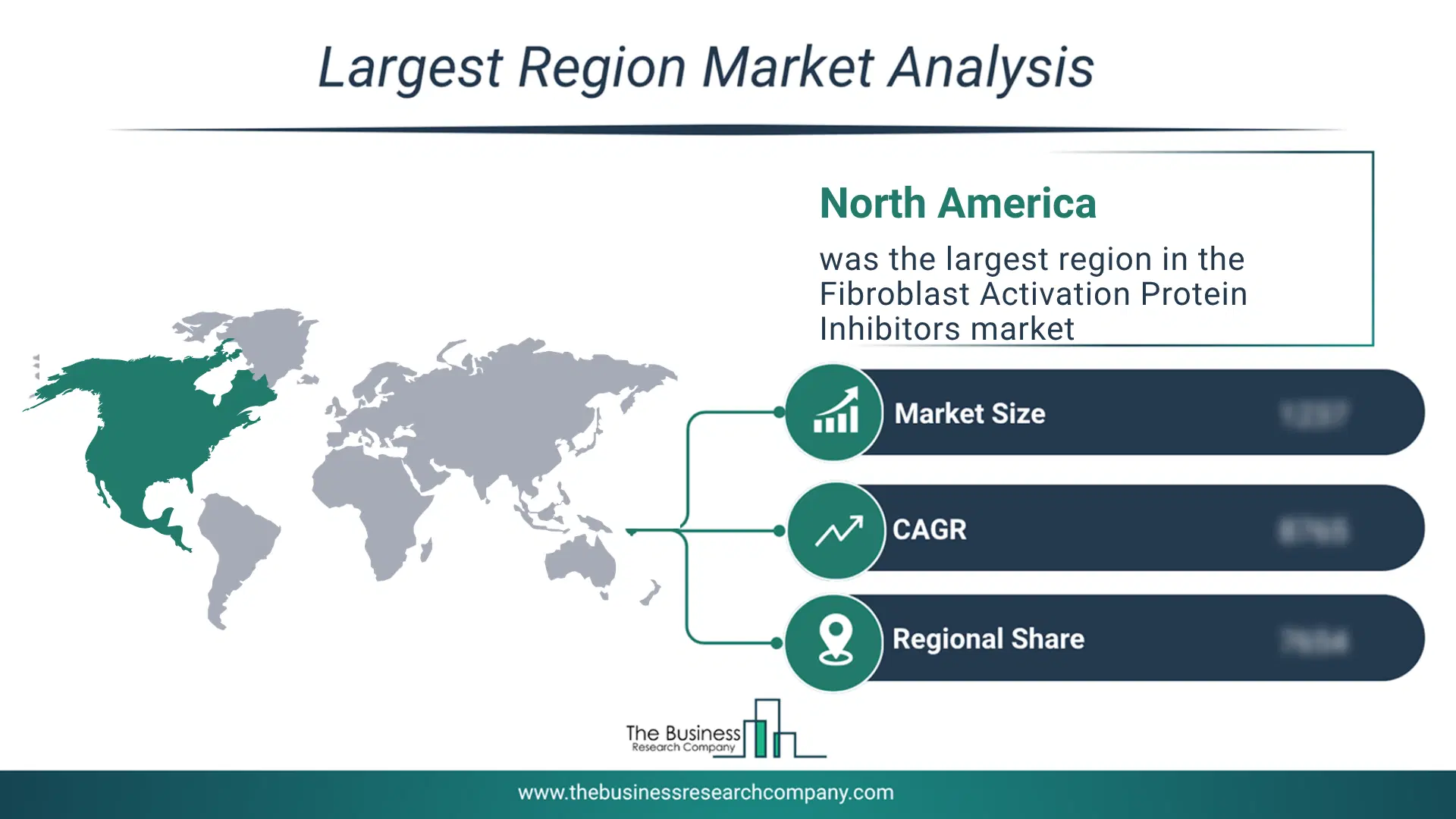
Regional Insights
North America was the largest region in the fibroblast activation protein inhibitors market in 2025. The regions covered in this market report are Asia-Pacific, South East Asia, Western Europe, Eastern Europe, North America, South America, Middle East, Africa. The countries covered in this market report are Australia, Brazil, China, France, Germany, India, Indonesia, Japan, Taiwan, Russia, South Korea, UK, USA, Canada, Italy, Spain.What Defines the Fibroblast Activation Protein Inhibitors Market?
The fibroblast activation protein inhibitors market consists of sales of antibody-drug conjugates, radiolabeled inhibitors, and combination therapies targeting fibroblast activation protein. Values in this market are ‘factory gate’ values, that is, the value of goods sold by the manufacturers or creators of the goods, whether to other entities (including downstream manufacturers, wholesalers, distributors, and retailers) or directly to end customers. The value of goods in this market includes related services sold by the creators of the goods.How is Market Value Defined and Measured?
The market value is defined as the revenues that enterprises gain from the sale of goods and/or services within the specified market and geography through sales, grants, or donations in terms of the currency (in USD unless otherwise specified). The revenues for a specified geography are consumption values that are revenues generated by organizations in the specified geography within the market, irrespective of where they are produced. It does not include revenues from resales along the supply chain, either further along the supply chain or as part of other products.
This chart presents market attractiveness based on a quantitative evaluation of growth, competition, strategic alignment, and risk, offering a clear view of opportunity areas for decision-making. This chart is for illustrative purposes; the full report contains the complete analysis.

This chart highlights the Total Addressable Market (TAM) by estimating the maximum revenue opportunity using an assumption-driven approach, supporting strategic planning and opportunity sizing across markets. The chart is illustrative; the full report provides a more comprehensive analysis.
What Key Data and Analysis Are Included in the Fibroblast Activation Protein Inhibitors Market Report 2026?
The fibroblast activation protein inhibitors market research report is one of a series of new reports from The Business Research Company that provides market statistics, including industry global market size, regional shares, competitors with the market share, detailed market segments, market trends and opportunities, and any further data you may need to thrive in the fibroblast activation protein inhibitors industry. The market research report delivers a complete perspective of everything you need, with an in-depth analysis of the current and future state of the industry.Fibroblast Activation Protein Inhibitors Market Report Forecast Analysis
| Report Attribute | Details |
|---|---|
| Market Size Value In 2026 | $3.32 billion |
| Revenue Forecast In 2030 | $4.78 billion |
| Growth Rate | CAGR of 9.9% from 2026 to 2030 |
| Base Year For Estimation | 2025 |
| Actual Estimates/Historical Data | 2020-2025 |
| Forecast Period | 2026 - 2030 |
| Market Representation | Revenue in USD Billion and CAGR from 2026 to 2030 |
| Segments Covered | Type, Indication, Route Of Administration, Distribution Channel, End User |
| Regional Scope | Asia-Pacific, Western Europe, Eastern Europe, North America, South America, Middle East, Africa |
| Country Scope | The countries covered in the report are Australia, Brazil, China, France, Germany, India, Indonesia, Japan, Taiwan, Russia, South Korea, UK, USA, Canada, Italy, Spain. |
| Key Companies Profiled | Telix Pharmaceuticals Ltd., 3B Pharmaceuticals GmbH, Heidelberg Pharma AG, Clovis Oncology, Fusion Pharmaceuticals, POINT Biopharma (Eli Lilly subsidiary), Pentixapharm AG, iTheranostics, Blue Earth Diagnostics (Bracco Group), SOFIE Biosciences (FAP radioligands), Lantheus Holdings Inc., RadioMedix Inc., ImaginAb Inc., Theragnostics Ltd., Isotopen Technologien München (ITM), Q BioMed Inc., Abcam plc, Sino Biological Inc., Creative Biolabs, Bachem Holding AG |
| Customization Scope | Request for Customization |
| Pricing And Purchase Options | Explore Purchase Options |