
Frozen Fish Market Report 2026
Global Outlook – By Type (Salmon, Tuna, Cod, Tilapia, Shrimp, Other Types), By Distribution Channel (Supermarkets And Hypermarkets, Convenience Stores, Specialty Stores, Online Retail), By End Use (Food Processing Industry, Food Service Provider, Retail Or Household) – Market Size, Trends, Strategies, and Forecast to 2030
Frozen Fish Market Overview
• Frozen Fish market size has reached to $28.9 billion in 2025 • Expected to grow to $41.67 billion in 2030 at a compound annual growth rate (CAGR) of 7.4% • Growth Driver: Increasing Fisheries And Aquaculture Production Fuels Market Expansion • Market Trend: Innovative Asian-Inspired Offerings in the Frozen Fish Market • North America was the largest region in 2025.Market Gains By 2030 – Top Opportunities By Segment
Market Gain identifies the most promising market opportunities by highlighting the segments or products expected to generate the highest incremental revenue growth over the next five years.
What Is Covered Under Frozen Fish Market?
Frozen fish refers to fish that have been preserved through freezing shortly after being caught or processed. This preservation method involves lowering the fish's temperature to below its freezing point, typically around -18 degrees Celsius (0 degrees Fahrenheit) or lower. Frozen fish is stored and transported in frozen conditions until it is ready to be thawed and consumed. The main types of frozen fish are salmon, tuna, cod, tilapia, shrimp, and others. Salmon is a segment in the frozen fish that includes various species of salmon fish, such as Atlantic, Pacific, and sockeye, that have been caught, processed, and frozen for preservation. They are distributed through various channels such as supermarkets and hypermarkets, convenience stores, specialty stores, and online retail, and used by several end uses including the food processing industry, food service provider, and retail or household.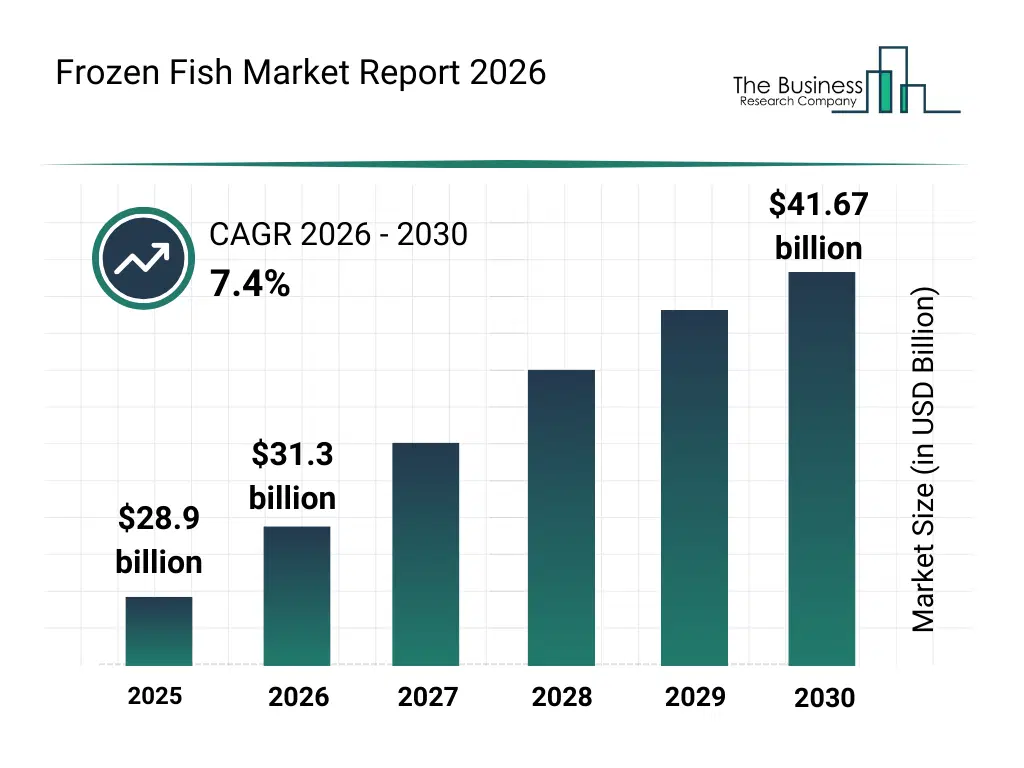
What Is The Frozen Fish Market Size and Share 2026?
The frozen fish market size has grown strongly in recent years. It will grow from $28.9 billion in 2025 to $31.3 billion in 2026 at a compound annual growth rate (CAGR) of 8.3%. The growth in the historic period can be attributed to expansion of global seafood consumption, growth of frozen food retail channels, improved freezing and storage technologies, rising urban population demand for convenient foods, expansion of international seafood trade.What Is The Frozen Fish Market Growth Forecast?
The frozen fish market size is expected to see strong growth in the next few years. It will grow to $41.67 billion in 2030 at a compound annual growth rate (CAGR) of 7.4%. The growth in the forecast period can be attributed to growing preference for sustainably sourced seafood, increasing investments in cold storage logistics, expansion of online seafood retailing, rising demand for traceable seafood products, technological improvements in freezing efficiency. Major trends in the forecast period include increasing adoption of rapid freezing technologies, rising demand for value-added frozen fish products, growing focus on sustainable fishing practices, expansion of cold chain infrastructure, enhanced emphasis on quality preservation.
Global Frozen Fish Market Segmentation
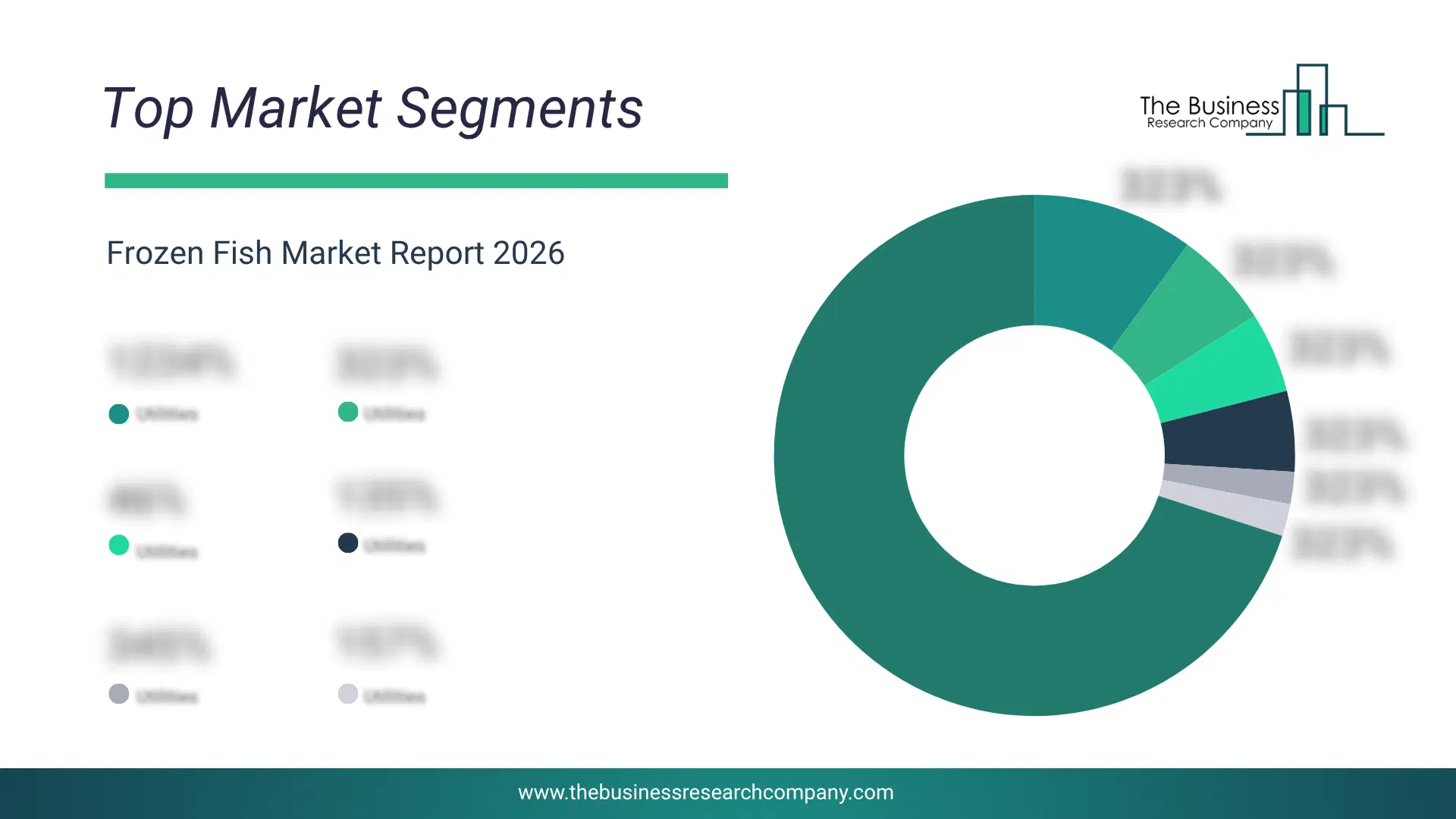
1) By Type: Salmon, Tuna, Cod, Tilapia, Shrimp, Other Types 2) By Distribution Channel: Supermarkets And Hypermarkets, Convenience Stores, Specialty Stores, Online Retail 3) By End Use: Food Processing Industry, Food Service Provider, Retail Or Household Subsegments: 1) By Salmon: Atlantic Salmon, Pacific Salmon 2) By Tuna: Yellowfin Tuna, Skipjack Tuna, Bluefin Tuna 3) By Cod: Atlantic Cod, Pacific Cod 4) By Tilapia: Farmed Tilapia, Wild-Caught Tilapia 5) By Shrimp: White Shrimp, Black Tiger Shrimp, Vannamei Shrimp, Other Shrimp Varieties 6) By Other Types: Haddock, Mackerel, Sardines, Pollock, Other Fish Varieties The top segments in the frozen fish market will be: • Salmon will reach $13.42 Billion by 2030. • Tuna will reach $8.11 Billion by 2030. • Shrimp will reach $7.04 Billion by 2030. • Cod will reach $4.93 Billion by 2030. • Tilapia will reach $4.32 Billion by 2030.What Is The Driver Of The Frozen Fish Market?
The increasing production of fisheries and aquaculture is expected to propel the growth of the frozen fish market going forward. Fisheries refer to the industry or activity of catching, processing, and selling fish, while aquaculture involves the breeding, rearing, and harvesting fish and other aquatic organisms in controlled environments. The increasing production of fisheries and aquaculture can be attributed to technological advancements, improved breeding techniques, rising global seafood demand, supportive government policies, and enhanced sustainability practices. Modern freezing technologies and improved processing techniques in fisheries and aquaculture ensure that frozen fish retains its nutritional value, texture, and flavor. Quick freezing methods preserve freshness and minimize the degradation of fish quality during storage and transportation. For instance, in March 2024, according to the Department of Agriculture and Water Resources, an Australia-based government agency, Australia's fisheries and aquaculture sectors are projected to generate an average of $3.48 billion annually between 2024–25 and 2028–29. Further, the total output volume is forecasted to rise by 1%, reaching 296,000 tons by 2024–2025 compared to 2022–2023. Therefore, the increasing production of fisheries and aquaculture is driving the growth of the frozen fish industry.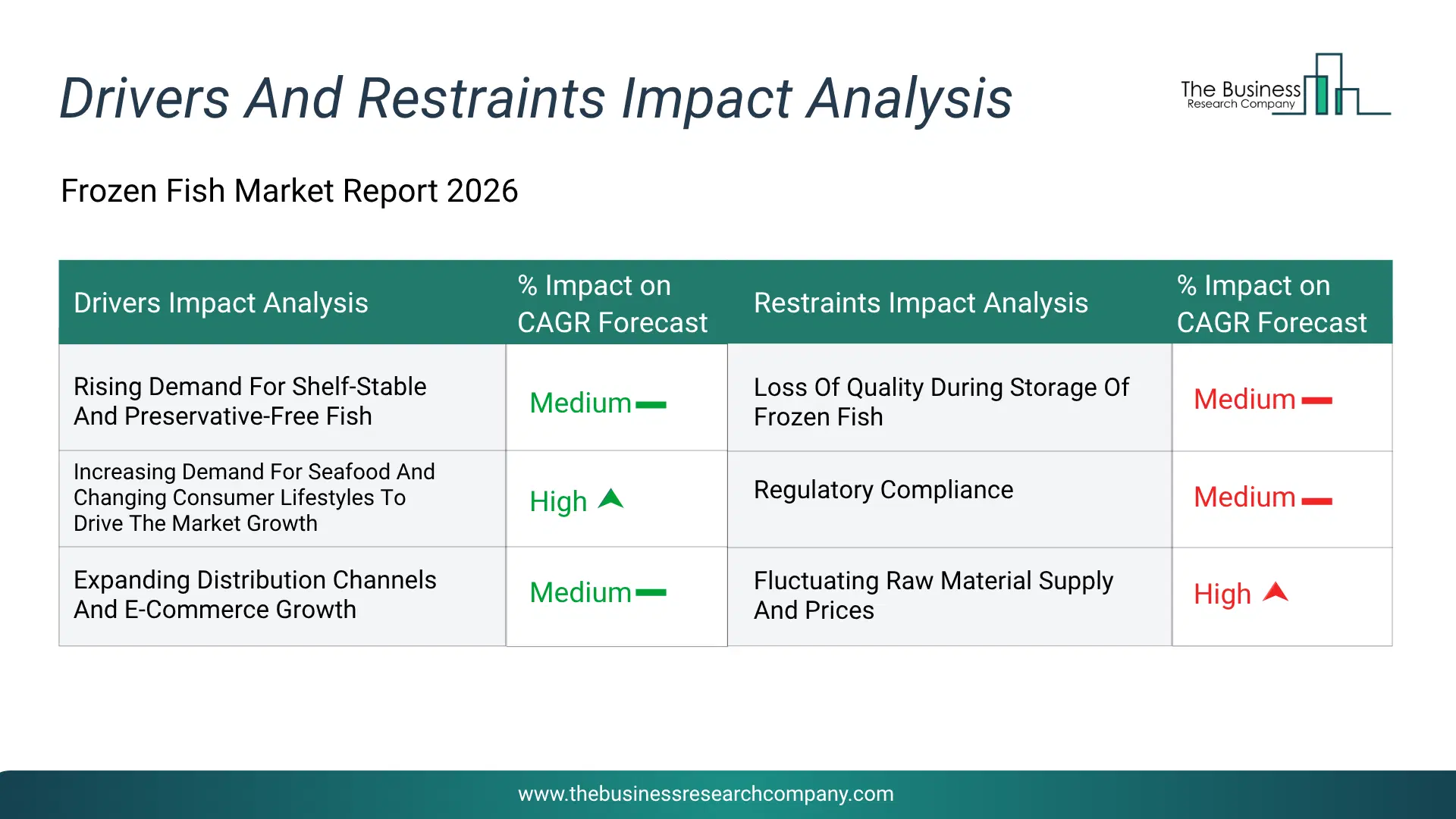
Infographic Chart Showing Key Market Drivers Analysis And Restraints For Frozen Fish Market
The chart presents an impact analysis of key drivers and restraints, quantifying their relative influence on the market's growth rate and helping assess the balance between growth enablers and limiting factors. This chart offers a high-level perspective; the full report contains more detailed insights.
How Will The Drivers Impact Growth In The Global Frozen Fish Market?
• Rising Demand For Shelf-Stable And Preservative-Free Fish (Medium) – During the forecast period, the rising demand for shelf-stable and preservative-free fish is expected to become a key growth driver for the frozen fish market by 2030. Consumers are increasingly shifting toward seafood products that maintain freshness, taste, and nutritional value without depending on artificial preservatives. Advanced freezing processes help retain product quality while extending storage duration and supporting clean-label food preferences. Growing awareness of healthy eating habits and the need to reduce seafood spoilage are encouraging wider adoption of frozen fish products among households and food businesses. This transition toward convenient and naturally preserved seafood solutions is reinforcing steady market expansion. • Increasing Demand For Seafood And Changing Consumer Lifestyles To Drive The Market Growth (High) – During the forecast period, the increasing demand for seafood and changing consumer lifestyles is expected to emerge as a major factor driving the expansion of the frozen fish market by 2030. Rapid urbanization and busy consumer routines are increasing preference for easy-to-prepare seafood options that provide year-round availability and consistent quality. Frozen fish products offer convenience while supporting changing dietary choices focused on protein-rich and nutritious meals. Rising purchasing power, growing exposure to international cuisines, and increasing consumption of ready-to-cook seafood products are further boosting demand. • Expanding Distribution Channels And E-Commerce Growth (Medium) – During the forecast period, the expanding distribution channels and e-commerce growth is expected to act as a key growth catalyst for the frozen fish market by 2030. The rapid expansion of supermarkets, online grocery platforms, and organized retail networks is improving consumer access to a wider range of frozen seafood products. Investments in temperature-controlled logistics and digital food delivery systems are ensuring reliable product availability across urban and emerging markets. Online platforms also enable seafood companies to expand customer reach through direct sales models and customized product offerings. As digital grocery adoption continues to increase globally, frozen seafood distribution capabilities are expected to strengthen.How Will The Restraints Impact Growth In The Global Frozen Fish Market?
• Loss Of Quality During Storage Of Frozen Fish (Medium) – During the forecast period, loss of quality during storage of frozen fish acts as a significant restraint on the frozen fish market because prolonged storage can negatively affect texture, flavor, color, and overall product quality. Temperature fluctuations during transportation and storage may lead to freezer burn and moisture loss, reducing consumer satisfaction. Poor handling practices can further accelerate quality deterioration and impact product appeal. Consumers often associate quality changes with reduced freshness, which may discourage repeat purchases. Retailers and manufacturers also face financial losses due to product spoilage and increased wastage. Maintaining strict cold-chain management requires substantial investment, adding operational challenges. These factors can limit market growth and reduce consumer confidence in frozen fish products. • Regulatory Compliance (High) – During the forecast period, the regulatory compliance acts as a restraint on the frozen fish market because manufacturers must adhere to strict food safety, labeling, packaging, and import-export regulations. Compliance with various regional and international standards often requires continuous monitoring, documentation, and quality control measures. Meeting these requirements can increase operational and administrative costs for producers and distributors. Smaller companies may face difficulties in managing complex regulatory frameworks and certification processes. Frequent updates to food safety regulations can also create additional compliance burdens. Delays in approvals or inspections may affect product launches and supply chain efficiency. As a result, regulatory challenges can restrict market expansion and increase overall business costs within the frozen fish industry. • Fluctuating Raw Material Supply And Prices (Medium) – During the forecast period, fluctuating raw material supply and prices act as a significant restraint on the frozen fish market because the availability and pricing of fish are influenced by seasonal variations, climate change, overfishing, and changing fishing regulations. Unpredictable fish catches and supply chain disruptions can increase procurement costs for processors and manufacturers while affecting production planning. Rising fuel prices and transportation expenses further contribute to higher raw material and distribution costs. Price volatility makes it difficult for companies to maintain stable profit margins and offer competitively priced products to consumers. Smaller market participants are particularly vulnerable to sudden increases in procurement costs due to limited purchasing power. Consequently, fluctuations in raw material supply and prices can reduce operational efficiency, increase business uncertainty, and restrain the growth of the frozen fish market.Key Players In The Global Frozen Fish Market
Major companies operating in the frozen fish market are Maruha Nichiro Corporation, Mowi ASA, Nissui Corporation, Austevoll Seafood ASA, Nomad Foods Limited, SalMar ASA, Nueva Pescanova Group, Cooke Inc., High Liner Foods Inc., Camanchaca Inc, Clearwater Seafoods Incorporated, Tassal Group Limited, Iceland Seafood International hf, Dongwon Industries Co Ltd, Zhangzidao Group Co Ltd, Hansung Enterprise Co Ltd, Surapon Foods Public Company Limited, Lyons Seafoods Limited, FCF Fishery Company Ltd, Chicken of the Sea International, Lerøy Seafood Group ASA, AquaChile SA, Bright Star Group LLC, Marine Harvest Group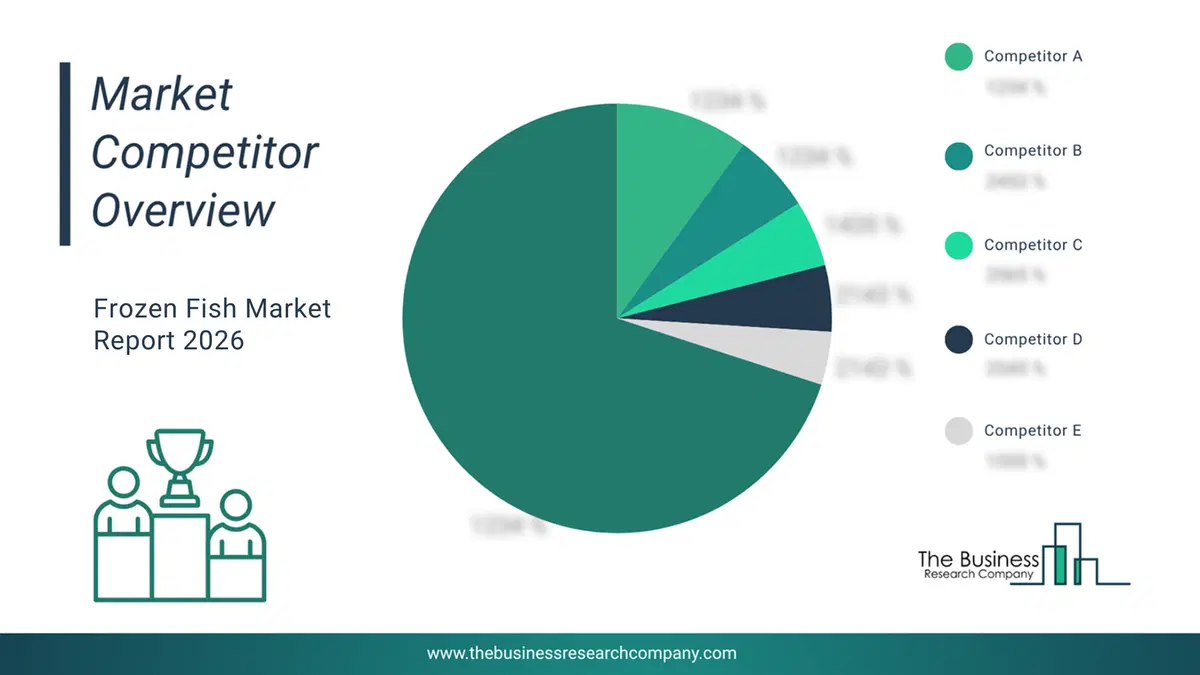
This chart is for illustrative purposes; the full report includes a detailed competitor analysis and comprehensive overview of the top 10 companies in the market.
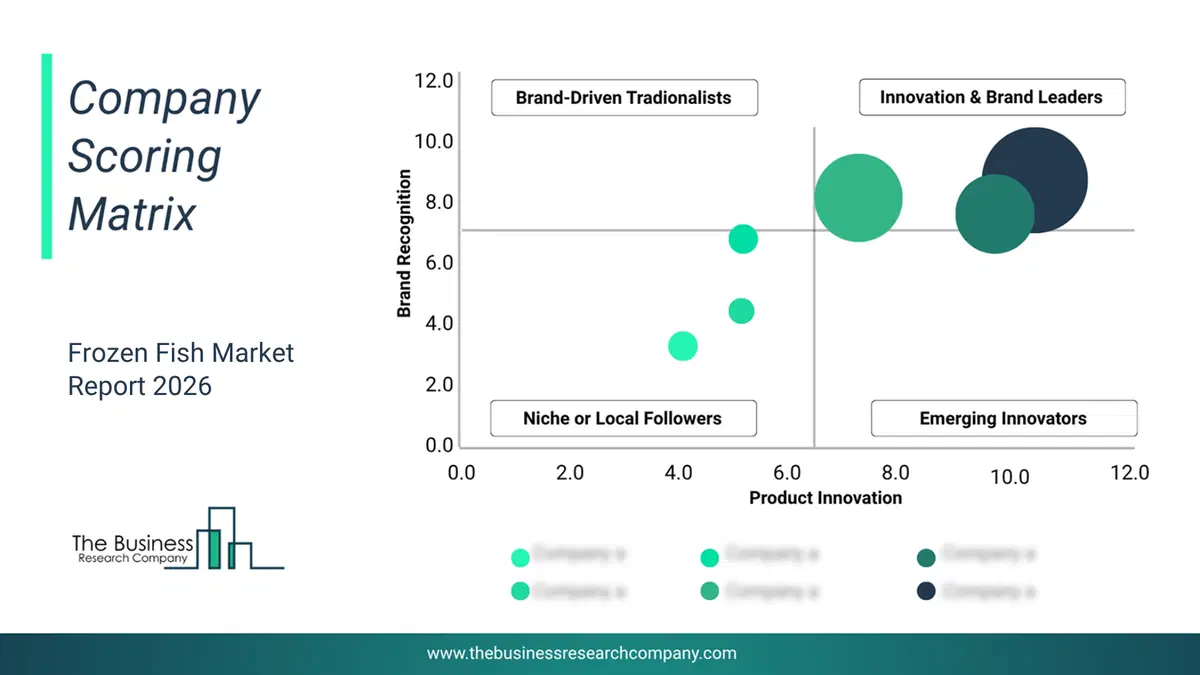
This chart maps companies by product innovation and brand strength, with bubble size indicating relative revenue, helping identify market leaders, challengers, and niche players. This is an illustrative chart; the full report provides a complete and accurate competitive analysis.
Global Frozen Fish Market Trends and Insights
Major companies operating in the frozen fish market focus on developing innovative products, such as Asian-inspired frozen fish, to cater to evolving consumer tastes and expand their market share in the growing frozen fish industry. Asian-inspired frozen fish refers to frozen fish products that are seasoned, prepared, or styled to reflect flavors, ingredients, or cooking techniques commonly found in Asian cuisine. These products are designed to appeal to consumers seeking convenient yet flavorful options that capture the essence of Asian culinary traditions. For instance, in February 2024, Young's Seafood, a UK-based company specializing in producing and distributing frozen, fresh, and chilled seafood, launched a range of coated fish products inspired by Asian cuisine under its Gastro brand. The 'Taste of Asia' range features four limited-edition products with flavors inspired by authentic Southeast Asian cuisines, including Korean, Thai, and Japanese. These new products aim to provide consumers an easy way to incorporate more seafood into their diets, offering diverse flavor profiles and exciting new mealtime options beyond traditional fish and chips.What Are Latest Mergers And Acquisitions In The Frozen Fish Market?
In January 2023, Brasmar Group, a Portugal-based provider of frozen and refrigerated fish and seafood products, acquired Holmes Seafood for an undisclosed amount. With this acquisition, Brasmar aims to bolster its market position in the seafood industry by leveraging Holmes Seafood's established presence in Billingsgate, enhancing its product offerings, expanding its distribution capabilities, and driving operational synergies. Holmes Seafood Ltd. is a UK-based company specializing in importing and distributing frozen seafood products.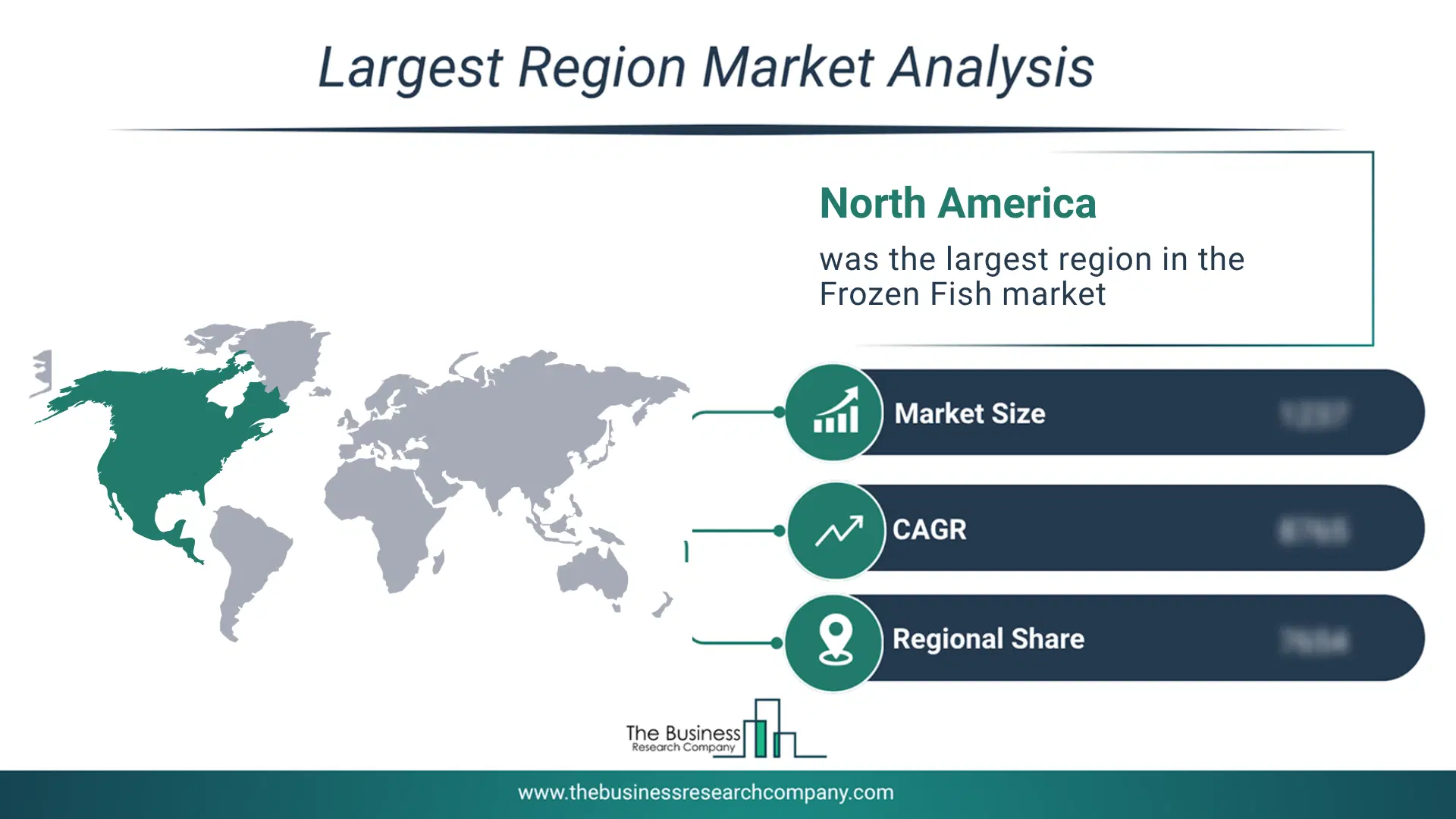
Regional Outlook
North America was the largest region in the frozen fish market in 2025. The regions covered in this market report are Asia-Pacific, South East Asia, Western Europe, Eastern Europe, North America, South America, Middle East and Africa. The countries covered in this market report are Australia, Brazil, China, France, Germany, India, Indonesia, Japan, Taiwan, Russia, South Korea, UK, USA, Italy, Spain, CanadaWhat Defines the Frozen Fish Market?
The frozen fish market consists of sales of whole fish, fillets, fish sticks, fish cakes, smoked fish, fish roe, and breaded fish products. Values in this market are ‘factory gate’ values, that is the value of goods sold by the manufacturers or creators of the goods, whether to other entities (including downstream manufacturers, wholesalers, distributors and retailers) or directly to end customers. The value of goods in this market includes related services sold by the creators of the goods.How is Market Value Defined and Measured?
The market value is defined as the revenues that enterprises gain from the sale of goods and/or services within the specified market and geography through sales, grants, or donations in terms of the currency (in USD unless otherwise specified). The revenues for a specified geography are consumption values that are revenues generated by organizations in the specified geography within the market, irrespective of where they are produced. It does not include revenues from resales along the supply chain, either further along the supply chain or as part of other products.
This chart presents market attractiveness based on a quantitative evaluation of growth, competition, strategic alignment, and risk, offering a clear view of opportunity areas for decision-making. This chart is for illustrative purposes; the full report contains the complete analysis.

This chart highlights the Total Addressable Market (TAM) by estimating the maximum revenue opportunity using an assumption-driven approach, supporting strategic planning and opportunity sizing across markets. The chart is illustrative; the full report provides a more comprehensive analysis.
What Key Data and Analysis Are Included in the Frozen Fish Market Report 2026?
The frozen fish market research report is one of a series of new reports from The Business Research Company that provides market statistics, including industry global market size, regional shares, competitors with the market share, detailed market segments, market trends and opportunities, and any further data you may need to thrive in the frozen fish industry. The market research report delivers a complete perspective of everything you need, with an in-depth analysis of the current and future state of the industry.Frozen Fish Market Report Forecast Analysis
| Report Attribute | Details |
|---|---|
| Market Size Value In 2026 | $31.3 billion |
| Revenue Forecast In 2030 | $41.67 billion |
| Growth Rate | CAGR of 8.3% from 2026 to 2030 |
| Base Year For Estimation | 2025 |
| Actual Estimates/Historical Data | 2020-2025 |
| Forecast Period | 2026 - 2030 |
| Market Representation | Revenue in USD Billion and CAGR from 2026 to 2030 |
| Segments Covered | Type, Distribution Channel, End Use |
| Regional Scope | Asia-Pacific, Western Europe, Eastern Europe, North America, South America, Middle East, Africa |
| Country Scope | The countries covered in the report are Australia, Brazil, China, France, Germany, India, ... |
| Key Companies Profiled | Maruha Nichiro Corporation, Mowi ASA, Nissui Corporation, Austevoll Seafood ASA, Nomad Foods Limited, SalMar ASA, Nueva Pescanova Group, Cooke Inc., High Liner Foods Inc., Camanchaca Inc, Clearwater Seafoods Incorporated, Tassal Group Limited, Iceland Seafood International hf, Dongwon Industries Co Ltd, Zhangzidao Group Co Ltd, Hansung Enterprise Co Ltd, Surapon Foods Public Company Limited, Lyons Seafoods Limited, FCF Fishery Company Ltd, Chicken of the Sea International, Lerøy Seafood Group ASA, AquaChile SA, Bright Star Group LLC, Marine Harvest Group |
| Customization Scope | Request for Customization |
| Pricing And Purchase Options | Explore Purchase Options |