

Gene Therapy For Inherited Genetic Disorders Market Report 2026
Global Outlook – By Type (Viral Vector-Based Therapies, Gene Editing Techniques, Ribonucleic Acid-Based Therapies, Ex Vivo Gene Therapy), By Application (Inherited Metabolic Disorders, Neurological Disorders, Cardiovascular Disorders, Musculoskeletal Disorders, Ophthalmic Disorders), By End-User (Hospitals, Specialty Clinics, Research Institutes, Other End-Users) – Market Size, Trends, Strategies, and Forecast to 2030
Gene Therapy For Inherited Genetic Disorders Market Overview
• Gene Therapy For Inherited Genetic Disorders market size has reached to $4.05 billion in 2025 • Expected to grow to $9.69 billion in 2030 at a compound annual growth rate (CAGR) of 19% • Growth Driver: Rising Demand For Personalized Medicine Driving Growth In The Market Due To Advancements In Genetic Technologies • Market Trend: One-Time CRISPR-Edited Cell Therapies Transforming Treatment Of Inherited Genetic Disorders • North America was the largest region in 2025 and Asia-Pacific is the fastest growing region.Market Gains By 2030 – Top Opportunities By Segment
Market Gain identifies the most promising market opportunities by highlighting the segments or products expected to generate the highest incremental revenue growth over the next five years.
What Is Covered Under Gene Therapy For Inherited Genetic Disorders Market?
Gene therapy for inherited genetic disorders is a medical strategy that targets the root cause of hereditary diseases by repairing or replacing faulty genes. Its main goal is to provide a potential cure rather than merely alleviating symptoms. It introduces functional genes into a patient’s cells, restores normal cell function, and improves overall health. This approach shows significant promise for treating rare genetic disorders, offering the possibility of long-lasting or permanent therapeutic effects. The main types of gene therapy for inherited genetic disorders are viral vector-based therapies, gene editing techniques, ribonucleic acid-based therapies, and ex vivo gene therapy. Viral vector-based therapies use genetically modified, non-replicating viruses to deliver therapeutic genetic material into patient cells for treating diseases. These therapies are applied in various applications such as inherited metabolic disorders, neurological disorders, cardiovascular disorders, musculoskeletal disorders, and ophthalmic disorders and used by several end users, including hospitals, specialty clinics, research institutes, and others.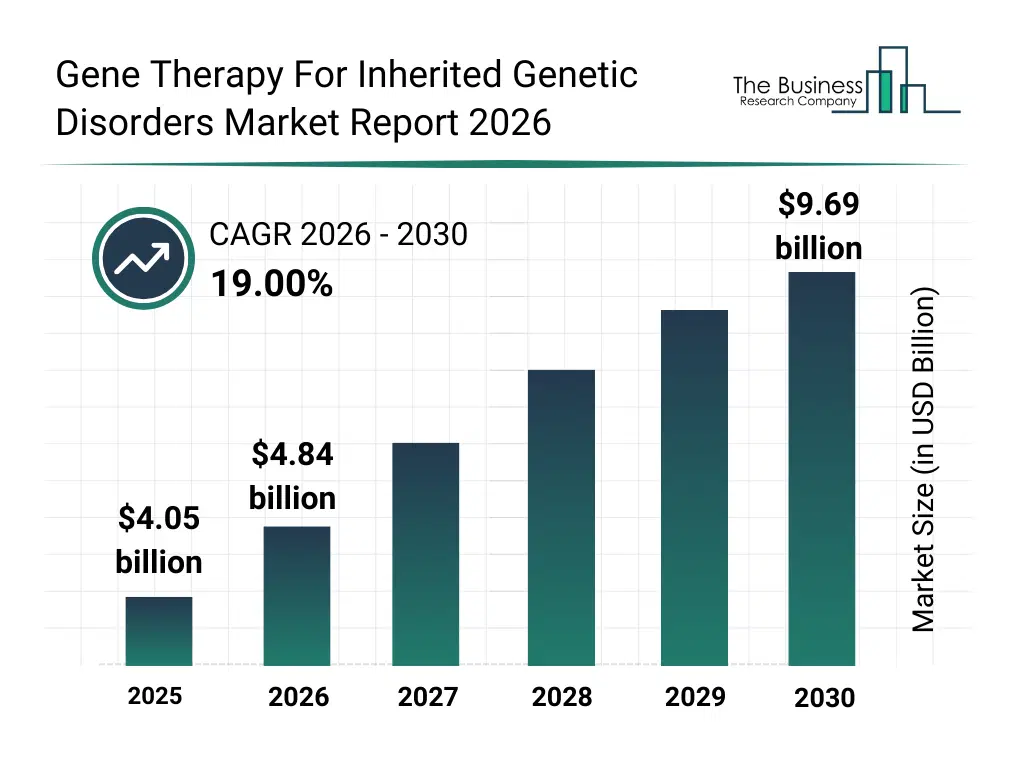
What Is The Gene Therapy For Inherited Genetic Disorders Market Size and Share 2026?
The gene therapy for inherited genetic disorders market size has grown rapidly in recent years. It will grow from $4.05 billion in 2025 to $4.84 billion in 2026 at a compound annual growth rate (CAGR) of 19.3%. The growth in the historic period can be attributed to limited availability of advanced gene therapy techniques, reliance on conventional treatments for genetic disorders, increasing prevalence of inherited genetic diseases, early clinical research on viral vectors, rising awareness of rare disease management.What Is The Gene Therapy For Inherited Genetic Disorders Market Growth Forecast?
The gene therapy for inherited genetic disorders market size is expected to see rapid growth in the next few years. It will grow to $9.69 billion in 2030 at a compound annual growth rate (CAGR) of 19.0%. The growth in the forecast period can be attributed to development of novel viral vectors and gene editing technologies, expansion of rna-based therapies, increasing adoption of ex vivo stem cell therapies, rising investment in personalized gene therapies, growth in hospital and specialty clinic capabilities for gene therapy administration. Major trends in the forecast period include expansion of viral vector-based therapies for rare genetic disorders, growth in ex vivo gene therapy applications, increasing adoption of rna-based therapeutics, rising focus on treating neurological and ophthalmic disorders, integration of personalized medicine in gene therapy.
Global Gene Therapy For Inherited Genetic Disorders Market Segmentation
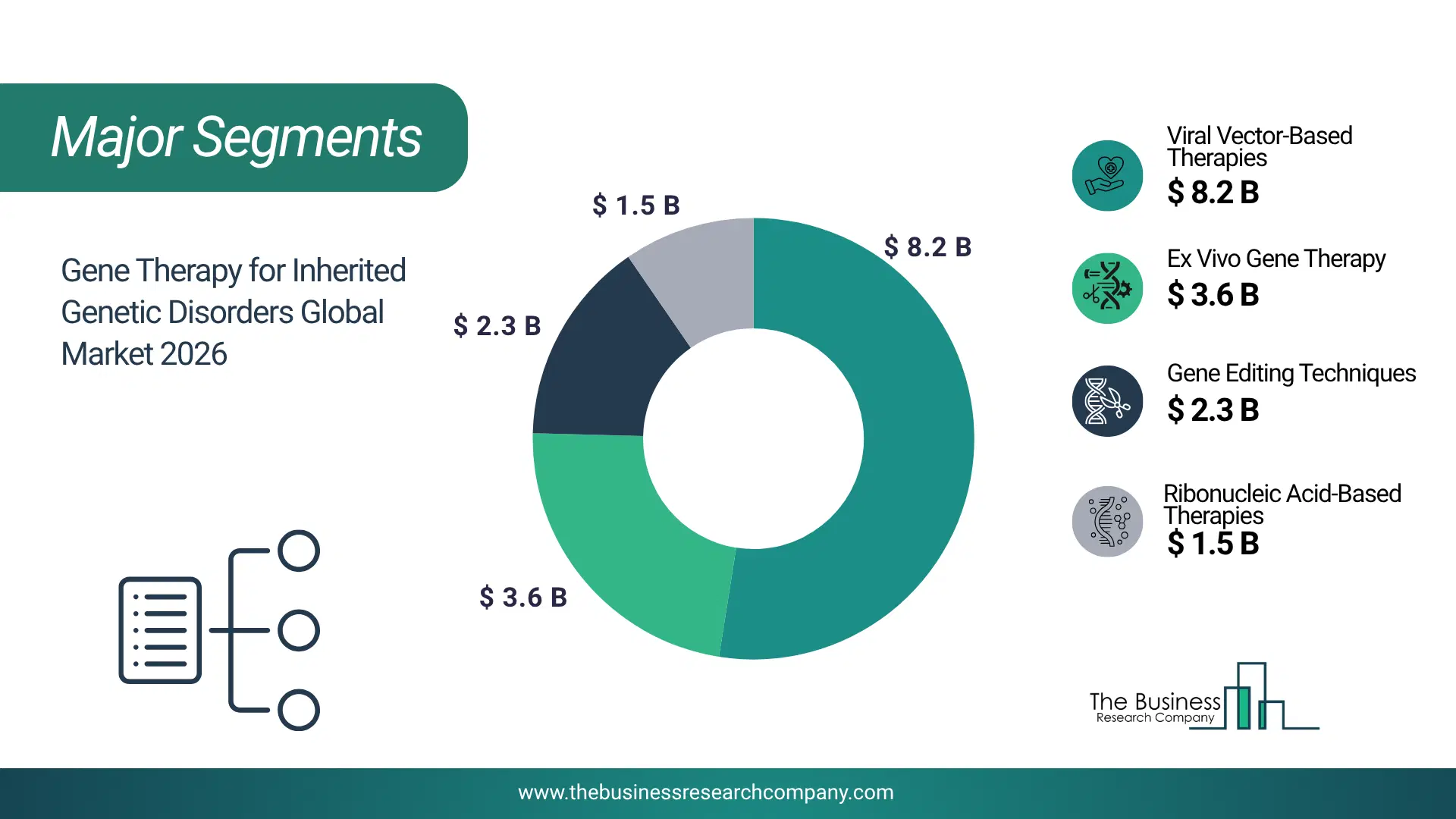
1) By Type: Viral Vector-Based Therapies, Gene Editing Techniques, Ribonucleic Acid-Based Therapies, Ex Vivo Gene Therapy 2) By Application: Inherited Metabolic Disorders, Neurological Disorders, Cardiovascular Disorders, Musculoskeletal Disorders, Ophthalmic Disorders 3) By End-User: Hospitals, Specialty Clinics, Research Institutes, Other End-Users Subsegments: 1) By Viral Vector-Based Therapies: Adenovirus Vectors, Adeno-Associated Virus (AAV) Vectors, Lentivirus Vectors 2) By Gene Editing Techniques: Zinc Finger Nucleases (ZFNs), Transcription Activator-Like Effector Nucleases (TALENs), Meganucleases 3) By Ribonucleic Acid-Based Therapies: Small Interfering Ribonucleic Acid, Antisense Oligonucleotides (ASOs), Messenger Ribonucleic Acid (mRNA) Therapies 4) By Ex Vivo Gene Therapy: Hematopoietic Stem Cell Gene Therapy, Mesenchymal Stem Cell Gene Therapy, Induced Pluripotent Stem Cell (iPSC) Therapy The top segments in the gene therapy for inherited genetic disorders market will be: • Viral Vector-Based Therapies will reach $8.23 billion by 2030. • Ex Vivo Gene Therapy will reach $3.58 billion by 2030. • Gene Editing Techniques will reach $2.35 billion by 2030. • Ribonucleic Acid-Based Therapies will reach $1.5 billion by 2030.What Is The Driver Of The Gene Therapy For Inherited Genetic Disorders Market?
The rising demand for personalized medicine is expected to propel the growth of the gene therapy for inherited genetic disorders market going forward. Personalized medicine refers to tailoring medical treatment to an individual’s genetic profile and personal characteristics for optimized care. Personalized medicine is increasing due to advancements in genetic technologies, making it easier and more affordable to tailor treatments to an individual’s unique genetic makeup. Personalized medicine boosts gene therapy by customizing treatments to each patient’s unique genetic profile, ensuring precise gene targeting and delivery while enhancing effectiveness and reducing side effects. For instance, in February 2024, according to the Personalized Medicine Coalition, a US-based non-profit organization, in 2023, the United States Food and Drug Administration (FDA) approved 16 new personalized treatments for rare disease patients, up from 6 in 2022. The newly approved personalized treatments for 2023 also include seven cancer drugs and three for other diseases and conditions. Therefore, the rising demand for personalized medicine is driving the growth of the gene therapy for inherited genetic disorders industry.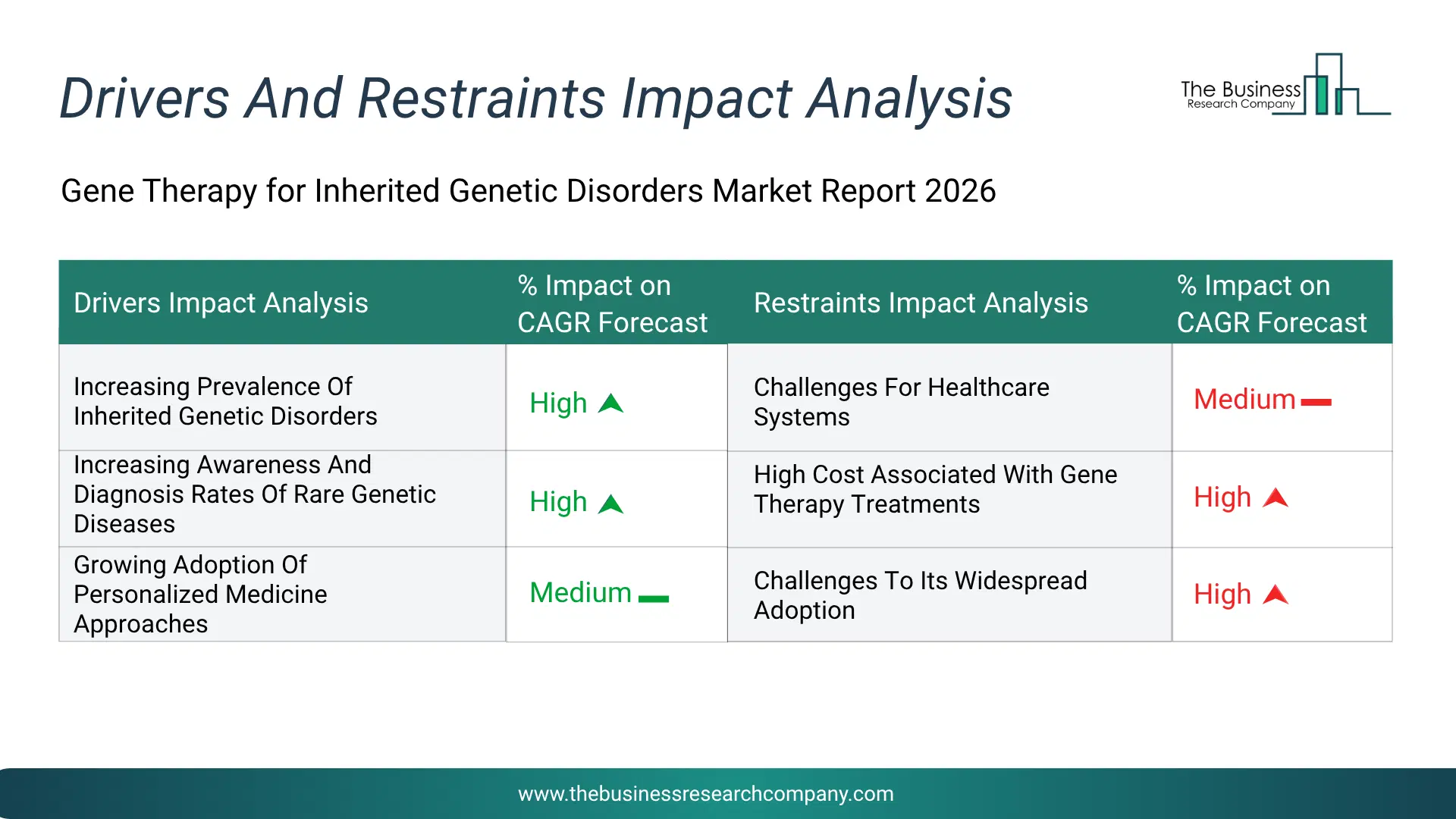
Infographic Chart Showing Key Market Drivers Analysis And Restraints For Gene Therapy For Inherited Genetic Disorders Market
The chart presents an impact analysis of key drivers and restraints, quantifying their relative influence on the market's growth rate and helping assess the balance between growth enablers and limiting factors. This chart offers a high-level perspective; the full report contains more detailed insights.
How Will The Drivers Impact Growth In The Global Gene Therapy for Inherited Genetic Disorders Market?
• Increasing Prevalence Of Inherited Genetic Disorders (High) – During the forecast period, the increasing prevalence of inherited genetic disorders is expected to become a key growth driver for the gene therapy for inherited genetic disorders market by 2030. The rising incidence of conditions such as spinal muscular atrophy, hemophilia, and inherited retinal diseases is driving demand for curative and long -term treatment solutions. Gene therapy offers the potential to address the root cause of these disorders by correcting defective genes, making it a highly attractive therapeutic approach. Growing patient populations and unmet medical needs are encouraging increased investment in research, clinical development, and commercialization of gene -based therapies. This expanding disease burden is reinforcing strong market growth. • Increasing Awareness And Diagnosis Rates Of Rare Genetic Diseases (High) – During the forecast period, the increasing awareness and diagnosis rates of rare genetic diseases are expected to emerge as a major factor driving the expansion of the gene therapy for inherited genetic disorders market by 2030. Improvements in genetic screening technologies, newborn screening programs, and diagnostic capabilities are enabling earlier and more accurate identification of rare inherited conditions. Increased awareness among healthcare professionals and patients is also supporting timely intervention and treatment adoption. As more patients are diagnosed at earlier stages, the demand for advanced therapies such as gene therapy is rising significantly. • Growing Adoption Of Personalized Medicine Approaches (Medium) – During the forecast period, the growing adoption of personalized medicine approaches is expected to act as a key growth catalyst for the gene therapy for inherited genetic disorders market by 2030. Advances in genomics and molecular diagnostics are enabling the development of highly targeted therapies tailored to individual genetic profiles. Gene therapies are increasingly designed to address specific mutations, improving treatment efficacy and reducing adverse effects. Healthcare systems and biopharmaceutical companies are investing in precision medicine frameworks to enhance patient outcomes and optimize treatment strategies. As personalized approaches gain traction globally, the demand for customized gene therapies is expected to accelerate.How Will The Restraints Impact Growth In The Global Gene Therapy for Inherited Genetic Disorders Market?
• Challenges For Healthcare Systems (Medium) – During the forecast period, the gene therapy for inherited genetic disorders introduces complex clinical and operational requirements that place significant pressure on healthcare systems. These therapies often require specialized infrastructure such as advanced laboratories, gene delivery facilities, and highly trained medical professionals capable of administering and monitoring treatments. Many hospitals, particularly in developing regions, lack the equipment and expertise needed to handle gene therapy procedures safely and effectively. In addition, the treatment process frequently involves genetic testing, patient screening, personalized treatment planning, and long-term monitoring, which increases the burden on healthcare providers. Healthcare systems must also manage regulatory compliance, biosafety standards, and post-treatment follow-ups to track patient outcomes and potential side effects. The integration of gene therapy into standard healthcare practices requires significant investments in training, infrastructure, and operational protocols. Furthermore, limited treatment centers capable of delivering gene therapies can restrict patient access, particularly for individuals living in remote or underserved areas. These system-level challenges slow the adoption of gene therapy treatments and act as a restraint on the overall growth of the gene therapy for inherited genetic disorders market. • High Cost Associated With Gene Therapy Treatments (High) – During the forecast period, the the high cost of gene therapy treatments is one of the most significant barriers limiting market expansion. Many gene therapies designed for inherited genetic disorders are highly complex to develop and manufacture, involving advanced technologies such as viral vector engineering, genetic modification, and precision delivery systems. These complex processes require extensive research, specialized manufacturing facilities, and strict quality control measures, all of which increase production costs. As a result, several gene therapies are priced at extremely high levels, sometimes reaching millions of dollars per treatment. Such high prices create financial challenges for patients, healthcare providers, and insurance systems. In many countries, reimbursement policies for gene therapies are still evolving, and limited insurance coverage can prevent patients from accessing these treatments. Governments and healthcare payers also face difficulties in allocating budgets for high-cost therapies that target relatively small patient populations. The financial burden associated with these therapies can slow their adoption and limit the number of patients who can benefit from them. Consequently, the high cost of treatment acts as a major restraint on the growth of the gene therapy for inherited genetic disorders market. • Challenges To Its Widespread Adoption (High) – During the forecast period, the despite the promising potential of gene therapy for inherited genetic disorders, several factors continue to limit its widespread adoption. One of the key challenges is the limited awareness and understanding of gene therapy among patients, healthcare providers, and policymakers. Since these therapies are relatively new and involve complex genetic technologies, some healthcare professionals may lack sufficient training or experience in recommending and administering them. In addition, regulatory approval processes for gene therapies are often lengthy and require extensive clinical evidence to demonstrate safety and effectiveness. These regulatory requirements can delay product launches and slow market expansion. Concerns related to long-term safety, potential side effects, and ethical considerations surrounding genetic modification can also affect acceptance among patients and medical communities. Moreover, logistical challenges such as the need for specialized treatment centers and controlled storage conditions can restrict therapy availability. These combined factors reduce the speed at which gene therapies are adopted across healthcare systems, thereby restraining the overall growth of the gene therapy for inherited genetic disorders market.Key Players In The Global Gene Therapy For Inherited Genetic Disorders Market
Major companies operating in the gene therapy for inherited genetic disorders market are Sanofi S.A., Novartis AG, Astellas Pharma Inc., Vertex Pharmaceuticals Incorporated, Genentech, Biomarin Pharmaceutical Inc, Sarepta Therapeutics Inc., Krystal Biotech Inc., Rocket Pharmaceuticals Inc., Sangamo Therapeutics Inc., REGENXBIO Inc., Passage Bio Inc., Voyager Therapeutics Inc., Generation Bio Co., Avrobio Inc, Editas Medicine Inc., MeiraGTx Holdings Plc, uniQure N.V., Intellia Therapeutics Inc., Bluebird Bio Inc, 4D Molecular Therapeutics Inc., CRISPR Therapeutics AG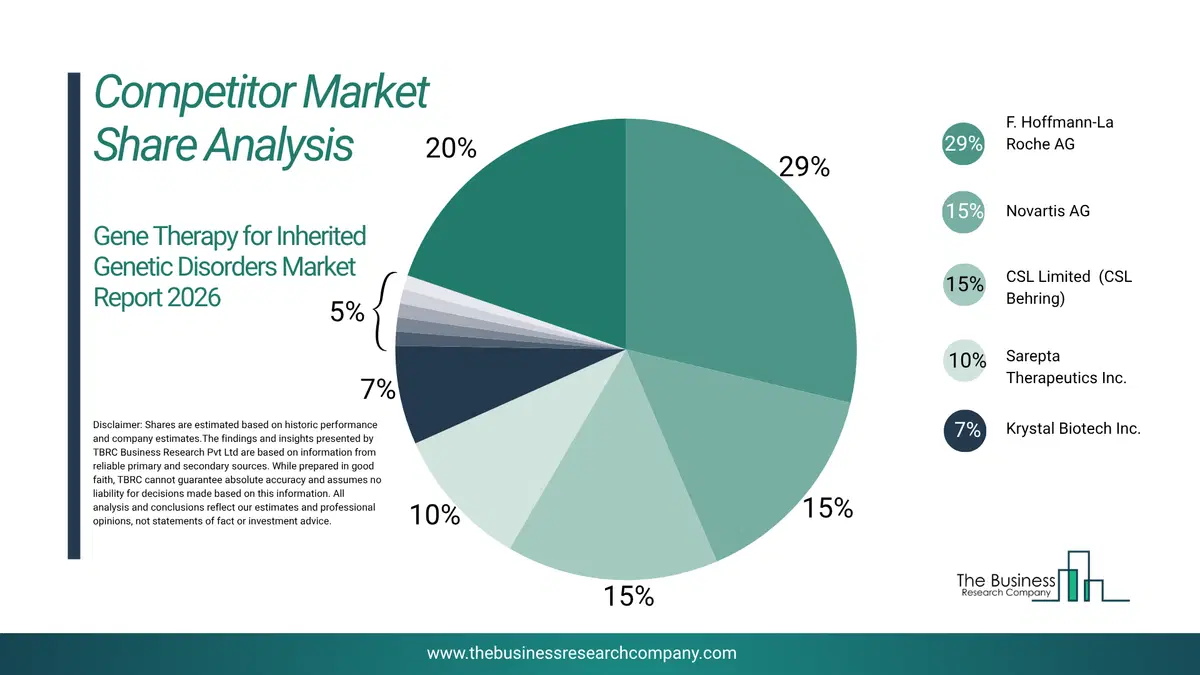
This chart is for illustrative purposes; the full report includes a detailed competitor analysis and comprehensive overview of the top 10 companies in the market.
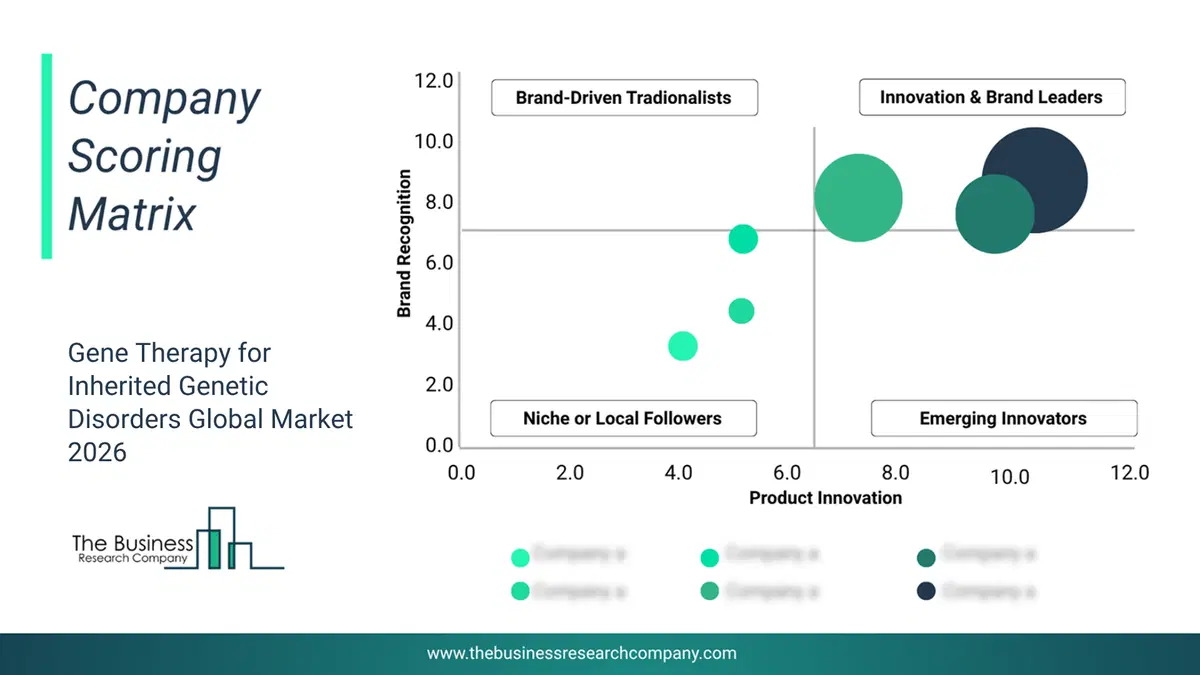
This chart maps companies by product innovation and brand strength, with bubble size indicating relative revenue, helping identify market leaders, challengers, and niche players. This is an illustrative chart; the full report provides a complete and accurate competitive analysis.
Global Gene Therapy For Inherited Genetic Disorders Market Trends and Insights
Major companies operating in the gene therapy for inherited genetic disorders market are focusing on developing innovative solutions, such as ex-vivo CRISPR/Cas9-based gene-edited cell therapies, to meet the rising demand for one-time, potentially curative treatments that reduce lifelong dependence on transfusions, repeated hospitalizations, and high chronic-care costs for inherited blood and metabolic disorders. Ex-vivo CRISPR/Cas9 gene-edited cell therapy involves harvesting a patient’s hematopoietic stem cells, using CRISPR/Cas9 to precisely edit disease-causing genes (or regulatory elements that increase protective fetal hemoglobin), and then reinfusing the modified cells so they engraft and provide long-term therapeutic benefit. For instance, in December 2023, Vertex Pharmaceuticals, a US-based biopharmaceutical company, received U.S. Food and Drug Administration (FDA) approval and commercial availability of CASGEVY (exagamglogene autotemcel), a CRISPR/Cas9-based, ex-vivo gene-edited cell therapy for sickle cell disease (an inherited genetic disorder). CASGEVY is manufactured from a patient’s own hematopoietic stem cells that are gene edited to increase fetal hemoglobin: the product’s composition centers on autologous stem cells modified with CRISPR/Cas9; its functionality is to raise durable fetal hemoglobin levels that prevent red-blood-cell sickling; unique features include precise genome editing (CRISPR/Cas9) performed ex vivo and a one-time administration with durable effect; its primary application is treating severe sickle cell disease (and related indications under regulatory review), and the main benefits observed in trials are marked reductions in vaso-occlusive crises and transfusion dependence compared with prior standard-of-care.What Are Latest Mergers And Acquisitions In The Gene Therapy For Inherited Genetic Disorders Market?
In October 2024, Ocuphire Pharma Inc., a US-based biotechnology company, acquired Opus Genetics Inc. for an undisclosed amount. With this acquisition, Ocuphire Pharma aims to become a leader in developing and advancing gene therapies for rare inherited retinal diseases by combining Opus's innovative pipeline with its own development expertise. Opus Genetics Inc. is a US-based biotechnology company that offers gene therapy for inherited genetic disorders.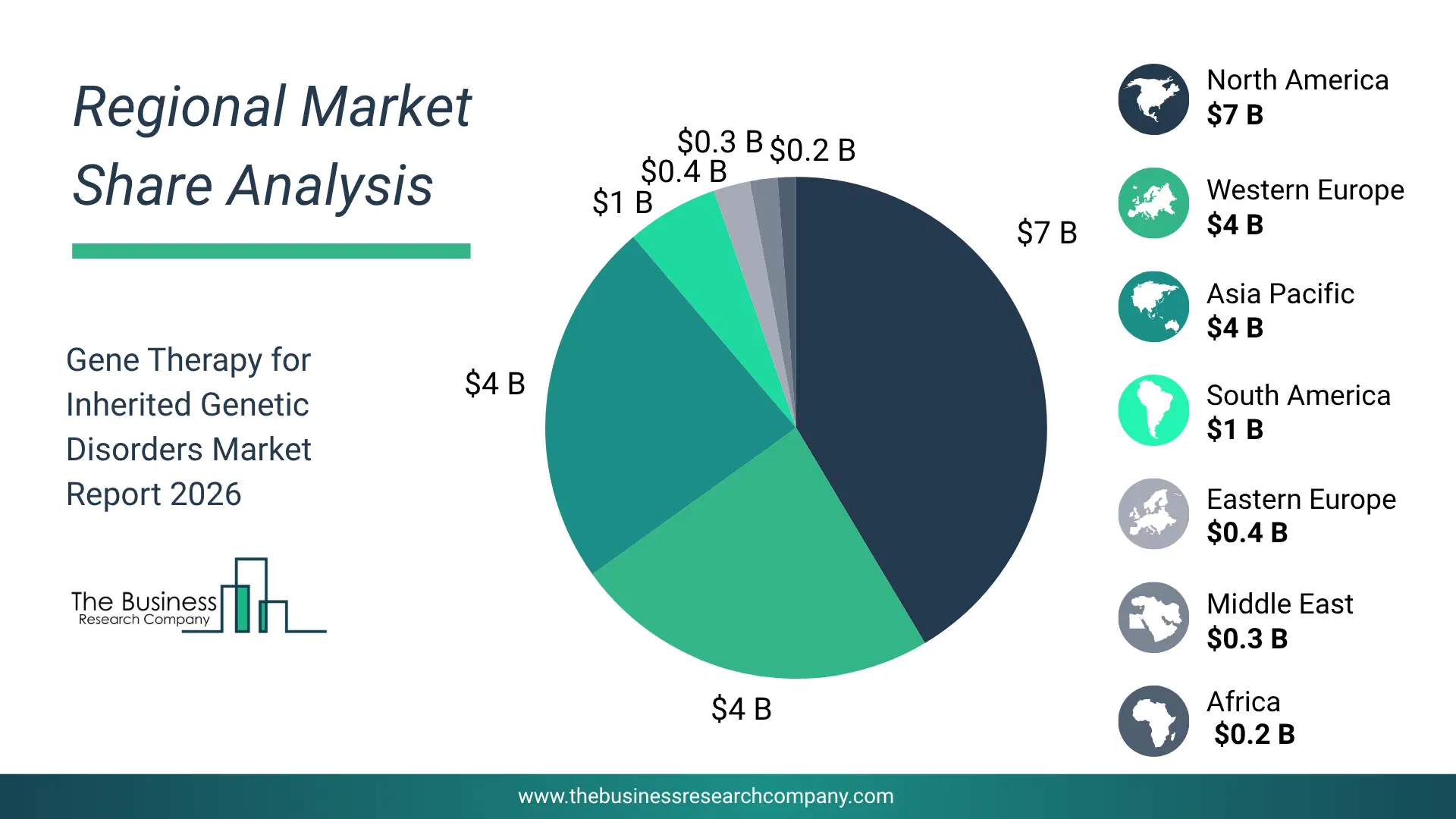
Regional Insights
North America was the largest region in the gene therapy for inherited genetic disorders market in 2025. Asia-Pacific is expected to be the fastest-growing region in the forecast period. The regions covered in this market report are Asia-Pacific, South East Asia, Western Europe, Eastern Europe, North America, South America, Middle East, Africa. The countries covered in this market report are Australia, Brazil, China, France, Germany, India, Indonesia, Japan, Taiwan, Russia, South Korea, UK, USA, Canada, Italy, Spain.What Defines the Gene Therapy For Inherited Genetic Disorders Market?
The gene therapy for inherited genetic disorders market consists of revenues earned by entities by providing services such as genetic testing and diagnosis, personalized treatment planning, and gene delivery and administration. The market value includes the value of related goods sold by the service provider or included within the service offering. The gene therapy for inherited genetic disorders market also includes sales of zolgensma, luxturna, and strimvelis. Values in this market are ‘factory gate’ values, that is, the value of goods sold by the manufacturers or creators of the goods, whether to other entities (including downstream manufacturers, wholesalers, distributors, and retailers) or directly to end customers. The value of goods in this market includes related services sold by the creators of the goods.How is Market Value Defined and Measured?
The market value is defined as the revenues that enterprises gain from the sale of goods and/or services within the specified market and geography through sales, grants, or donations in terms of the currency (in USD unless otherwise specified). The revenues for a specified geography are consumption values that are revenues generated by organizations in the specified geography within the market, irrespective of where they are produced. It does not include revenues from resales along the supply chain, either further along the supply chain or as part of other products.
This chart presents market attractiveness based on a quantitative evaluation of growth, competition, strategic alignment, and risk, offering a clear view of opportunity areas for decision-making. This chart is for illustrative purposes; the full report contains the complete analysis.

This chart highlights the Total Addressable Market (TAM) by estimating the maximum revenue opportunity using an assumption-driven approach, supporting strategic planning and opportunity sizing across markets. The chart is illustrative; the full report provides a more comprehensive analysis.
What Key Data and Analysis Are Included in the Gene Therapy For Inherited Genetic Disorders Market Report 2026?
The gene therapy for inherited genetic disorders market research report is one of a series of new reports from The Business Research Company that provides market statistics, including industry global market size, regional shares, competitors with the market share, detailed market segments, market trends and opportunities, and any further data you may need to thrive in the gene therapy for inherited genetic disorders industry. The market research report delivers a complete perspective of everything you need, with an in-depth analysis of the current and future state of the industry.Gene Therapy For Inherited Genetic Disorders Market Report Forecast Analysis
| Report Attribute | Details |
|---|---|
| Market Size Value In 2026 | $4.84 billion |
| Revenue Forecast In 2030 | $9.69 billion |
| Growth Rate | CAGR of 19.3% from 2026 to 2030 |
| Base Year For Estimation | 2025 |
| Actual Estimates/Historical Data | 2020-2025 |
| Forecast Period | 2026 - 2030 |
| Market Representation | Revenue in USD Billion and CAGR from 2026 to 2030 |
| Segments Covered | Type, Application, End-User |
| Regional Scope | Asia-Pacific, Western Europe, Eastern Europe, North America, South America, Middle East, Africa |
| Country Scope | The countries covered in the report are Australia, Brazil, China, France, Germany, India, Indonesia, Japan, Taiwan, Russia, South Korea, UK, USA, Canada, Italy, Spain. |
| Key Companies Profiled | Sanofi S.A., Novartis AG, Astellas Pharma Inc., Vertex Pharmaceuticals Incorporated, Genentech, Biomarin Pharmaceutical Inc, Sarepta Therapeutics Inc., Krystal Biotech Inc., Rocket Pharmaceuticals Inc., Sangamo Therapeutics Inc., REGENXBIO Inc., Passage Bio Inc., Voyager Therapeutics Inc., Generation Bio Co., Avrobio Inc, Editas Medicine Inc., MeiraGTx Holdings Plc, uniQure N.V., Intellia Therapeutics Inc., Bluebird Bio Inc, 4D Molecular Therapeutics Inc., CRISPR Therapeutics AG |
| Customization Scope | Request for Customization |
| Pricing And Purchase Options | Explore Purchase Options |