

Gene Therapy On Neurological Diseases Market Report 2026
Global Outlook – By Type (Viral Gene Therapy, Non-Viral Gene Therapy), By Target Disease (Alzheimer's Disease, Parkinsons Disease, Amyotrophic Lateral Sclerosis (ALS), Huntington's Disease, Multiple Sclerosis), By Administration Route (Intravenous, Intrathecal, Intranasal, Intracerebral, Other Administration Routes), By Application (Hospital, Clinic, Other Applications) – Market Size, Trends, Strategies, and Forecast to 2030
Gene Therapy On Neurological Diseases Market Overview
• Gene Therapy On Neurological Diseases market size has reached to $3.55 billion in 2025 • Expected to grow to $6.48 billion in 2030 at a compound annual growth rate (CAGR) of 12.7% • Growth Driver: Increasing Prevalence Of Neurological Disorders Fueling The Growth Of The Market Due To Aging Population And Rising Disease Burden • Market Trend: One-Time Therapy Offers Long-Lasting Benefits And Improved Motor Function • North America was the largest region in 2025 and Asia-Pacific is the fastest growing region.Market Gains By 2030 – Top Opportunities By Segment
Market Gain identifies the most promising market opportunities by highlighting the segments or products expected to generate the highest incremental revenue growth over the next five years.
What Is Covered Under Gene Therapy On Neurological Diseases Market?
Gene therapy on neurological diseases refers to the use of genetic material to treat or prevent disorders that affect the brain, spinal cord, and nervous system. It involves delivering corrective genes into a patient’s cells using viral or non-viral vectors to address the underlying genetic causes of neurological conditions. It is used to restore normal gene function, slow disease progression, or alleviate symptoms by targeting the root genetic causes rather than just managing symptoms. The main types of gene therapy on neurological diseases are viral gene therapy and non-viral gene therapy. Viral gene therapy involves the use of engineered viruses as delivery vectors to transport therapeutic genes into a patient’s cells to treat or prevent diseases. These therapies target various neurological conditions, including Alzheimer’s disease, Parkinson’s disease, amyotrophic lateral sclerosis (ALS), Huntington’s disease, and multiple sclerosis. They are administered through different routes such as intravenous, intrathecal, intranasal, intracerebral, and others, and are applied across various settings, including hospitals, clinics, and others.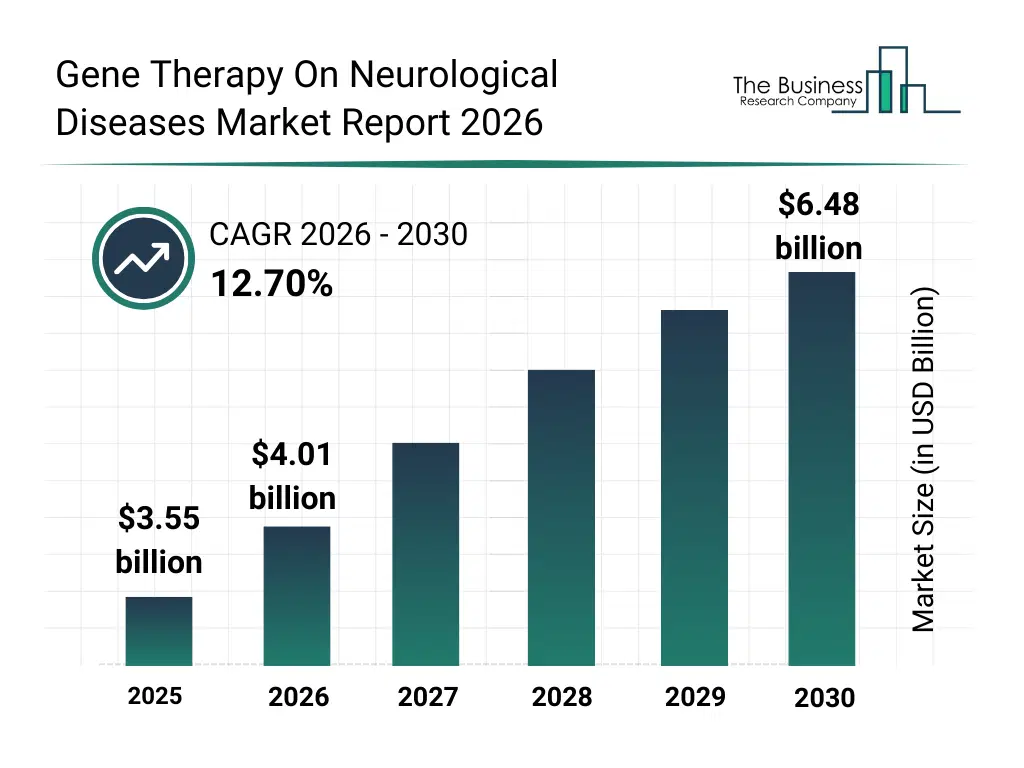
What Is The Gene Therapy On Neurological Diseases Market Size and Share 2026?
The gene therapy on neurological diseases market size has grown rapidly in recent years. It will grow from $3.55 billion in 2025 to $4.01 billion in 2026 at a compound annual growth rate (CAGR) of 13.0%. The growth in the historic period can be attributed to limited gene therapy options for neurological diseases, growing prevalence of alzheimer's and parkinsons disease, reliance on conventional treatment methods, increasing awareness of genetic approaches, early clinical trials of viral vectors.What Is The Gene Therapy On Neurological Diseases Market Growth Forecast?
The gene therapy on neurological diseases market size is expected to see rapid growth in the next few years. It will grow to $6.48 billion in 2030 at a compound annual growth rate (CAGR) of 12.7%. The growth in the forecast period can be attributed to development of adeno associated virus and lentiviral therapies, expansion of non-viral delivery platforms, increasing regulatory approvals for neurological gene therapies, rising investment in r&d for targeted genetic interventions, integration of digital monitoring and AI-based patient management. Major trends in the forecast period include rising investment in viral and non-viral gene therapy platforms, expansion of gene therapy applications across neurological disorders, increasing focus on personalized and targeted genetic treatments, growth in hospital and clinic-based gene therapy programs, development of advanced delivery methods for neurological gene therapy.
Global Gene Therapy On Neurological Diseases Market Segmentation
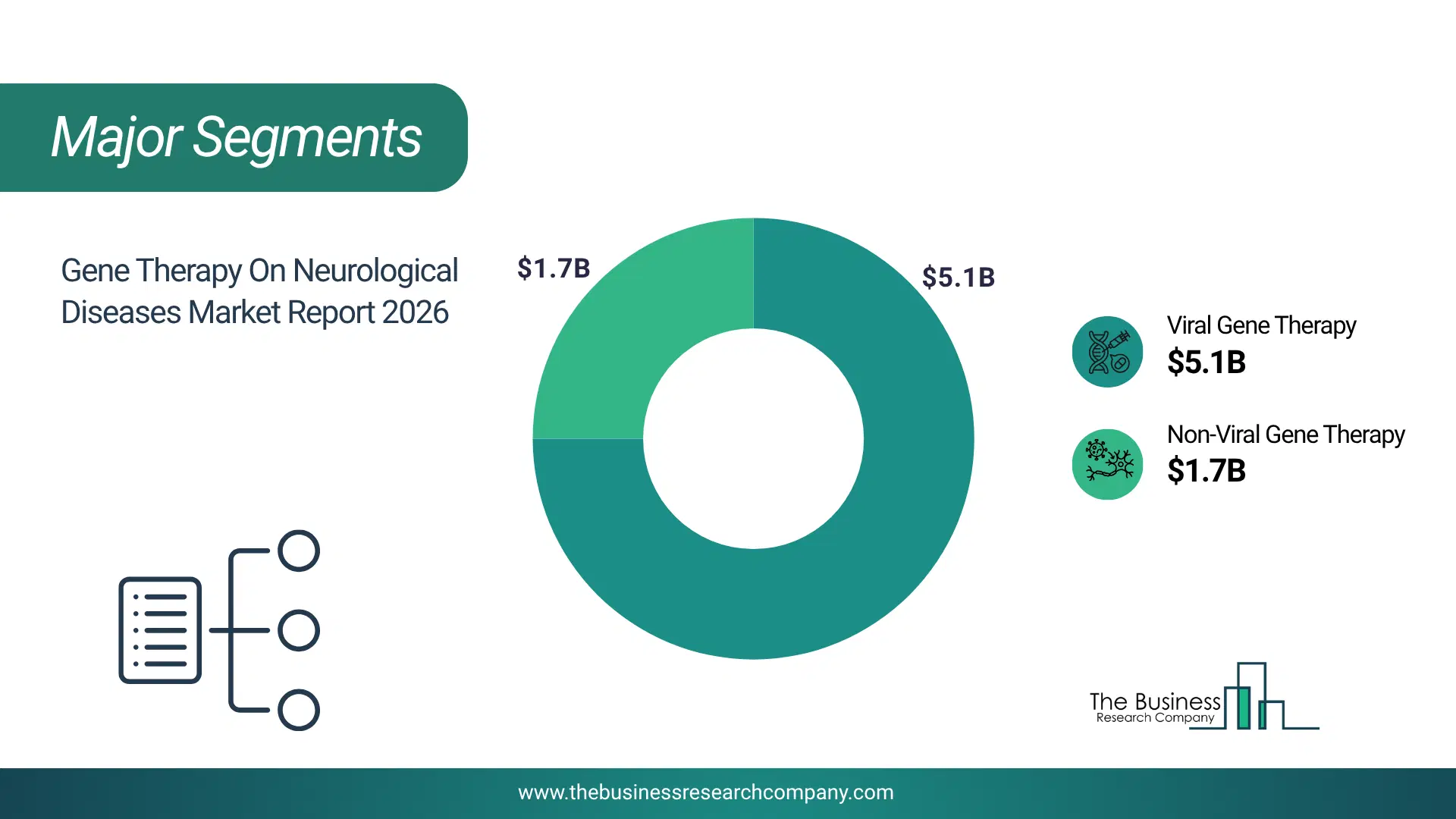
1) By Type: Viral Gene Therapy, Non-Viral Gene Therapy 2) By Target Disease: Alzheimer's Disease, Parkinsons Disease, Amyotrophic Lateral Sclerosis (ALS), Huntington's Disease, Multiple Sclerosis 3) By Administration Route: Intravenous, Intrathecal, Intranasal, Intracerebral, Other Administration Routes 4) By Application: Hospital, Clinic, Other Applications Subsegments: 1) By Viral Gene Therapy Type: Adeno Associated Virus, Lentivirus, Retrovirus, Herpes Simplex Virus, Adenovirus 2) By Non-Viral Gene Therapy Type: Liposomes, Nanoparticles, Electroporation, Gene Gun, Naked Plasmid Deoxyribonucleic Acid (DNA) The top segments in the gene therapy on neurological diseases market will be: • Viral Gene Therapy will reach $5.1 billion by 2030. • Non-Viral Gene Therapy will reach $1.67 billion by 2030.What Is The Driver Of The Gene Therapy On Neurological Diseases Market?
The increasing prevalence of neurological disorders is expected to propel the growth of the gene therapy on neurological diseases market going forward. Neurological disorders are medical conditions that affect the brain, spinal cord, and nerves, leading to a range of symptoms, including cognitive, motor, and sensory impairments. The increasing prevalence of neurological disorders is linked to the aging population, as aging gradually impairs neuronal function, reduces brain plasticity, and elevates oxidative stress, contributing to the development and progression of these conditions. Gene therapy on neurological diseases aids in neurological disorder management by targeting the root genetic causes, offering potential long-term or permanent treatment solutions. It improves patient outcomes by restoring or modifying gene function, reducing symptoms, and minimizing the need for repetitive interventions, thereby enhancing overall quality of life. For instance, in July 2024, according to the National Health Service, a UK-based government agency, there were 487,432 patients diagnosed with dementia (a progressive brain disorder affecting memory, thinking, and daily activities) by June 30, 2024, an increase of 3,155 cases compared to May 31, 2024. Therefore, the increasing prevalence of neurological disorders is driving the growth of the gene therapy on neurological diseases industry.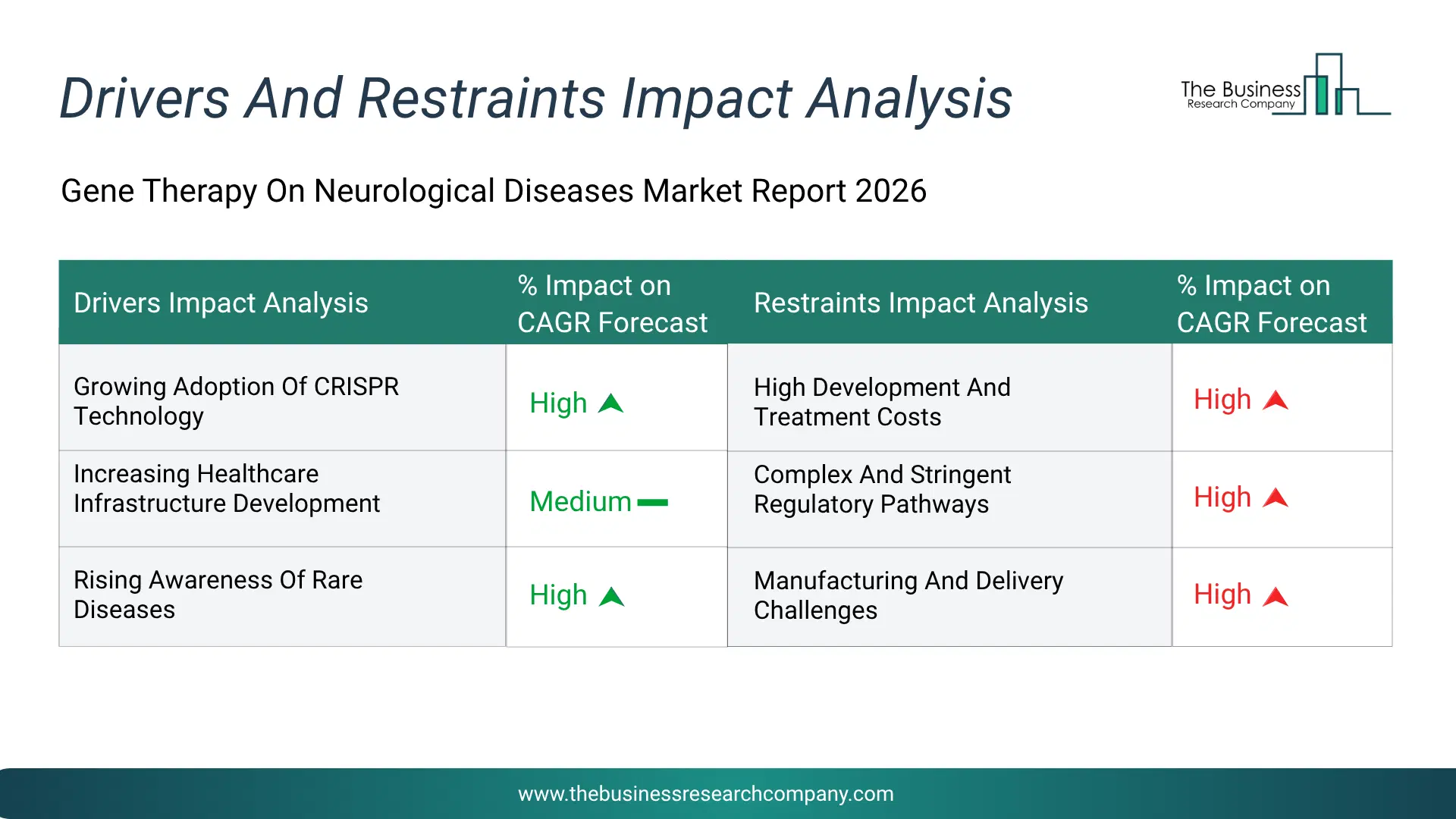
Infographic Chart Showing Key Market Drivers Analysis And Restraints For Gene Therapy On Neurological Diseases Market
The chart presents an impact analysis of key drivers and restraints, quantifying their relative influence on the market's growth rate and helping assess the balance between growth enablers and limiting factors. This chart offers a high-level perspective; the full report contains more detailed insights.
How Will The Drivers Impact Growth In The Global Gene Therapy On Neurological Diseases Market?
• Growing Adoption Of CRISPR Technology (High) – During the forecast period, the growing adoption of crispr technology is anticipated to become a key factor driving the expansion of the gene therapy on neurological diseases market by 2030. The increasing use of crispr platforms is accelerating innovation in neurological gene therapy by enabling highly precise gene -editing capabilities. This technology allows researchers to directly correct or modify disease -causing genetic mutations at the dna level, improving therapeutic precision. Such accuracy helps reduce off -target genetic alterations and enhances overall safety profiles, strengthening regulatory confidence in gene -based treatments. As crispr technologies continue to evolve, research and development timelines are becoming faster and more efficient. Consequently, the wider adoption of crispr is improving the commercial viability of gene therapies targeting neurological disorders. • Increasing Healthcare Infrastructure Development (Medium) – During the forecast period, the increasing development of healthcare infrastructure is expected to emerge as a significant factor driving the growth of the gene therapy on neurological diseases market by 2030. Modern healthcare systems, including advanced hospitals, diagnostic laboratories, and specialized treatment centers, support the effective delivery of complex gene therapy treatments. Neurological gene therapies often require controlled storage environments, specialized delivery mechanisms, and skilled medical professionals, which are more readily available in well-developed healthcare infrastructures. Expanding reimbursement frameworks and clearer regulatory pathways are also improving patient access to these advanced therapies. In addition, rising investments in biotechnology manufacturing facilities are enhancing domestic production capabilities for gene therapy products. • Rising Awareness Of Rare Diseases (High) – During the forecast period, the increasing awareness of rare diseases is expected to become an important factor driving the expansion of the gene therapy on neurological diseases market by 2030. Greater awareness of rare neurological conditions among patients, caregivers, and healthcare professionals is enabling earlier diagnosis and increasing the demand for innovative treatments. Advocacy groups and public health initiatives are improving understanding of genetic disorders such as spinal muscular atrophy and inherited neuropathies. Early screening and diagnostic programs are helping identify suitable patients who may benefit from gene therapy treatments. Increased awareness is also encouraging government support, research funding, and orphan drug incentives. This broader recognition of rare neurological diseases is contributing to the growing adoption of gene-based therapeutic solutions.How Will The Restraints Impact Growth In The Global Gene Therapy On Neurological Diseases Market?
• High Development And Treatment Costs (High) – During the forecast period, the gene therapy for neurological diseases involves extensive research, complex clinical trials, and advanced manufacturing technologies, all of which significantly increase development expenses. The high cost of vector production, quality control, and regulatory compliance further elevates overall investment requirements. These financial burdens are often transferred to end users, resulting in extremely high treatment prices. Limited reimbursement coverage in many countries restricts patient access. As a result, affordability remains a major barrier to widespread market penetration. • Complex And Stringent Regulatory Pathways (High) – During the forecast period, the neurological gene therapies must undergo rigorous regulatory scrutiny to ensure safety, efficacy, and long-term impact on patients. The approval process often requires extensive preclinical data, long follow-up periods, and large-scale clinical validation. Variations in regulatory frameworks across countries create additional delays and uncertainty for global commercialization. Compliance with evolving guidelines increases both time-to-market and operational costs. These regulatory complexities slow down product launches and limit rapid market expansion. • Manufacturing And Delivery Challenges (High) – During the forecast period, the producing gene therapies requires highly specialized facilities, advanced vector engineering, and strict quality standards, making manufacturing technically demanding. Scaling up production while maintaining consistency and purity remains a significant challenge. Additionally, delivering gene therapies effectively to the brain is complex due to biological barriers such as the blood–brain barrier. Shortage of skilled professionals further constrains operational efficiency. These manufacturing and delivery hurdles restrict supply capacity and hinder broader adoption in the neurological gene therapy market.Key Players In The Global Gene Therapy On Neurological Diseases Market
Major companies operating in the gene therapy on neurological diseases market are Novartis AG, Biogen Inc., Sarepta Therapeutics Inc., PTC Therapeutics Inc., Oxford Biomedica plc, Regenxbio Inc., Passage Bio Inc., Intellia Therapeutics Inc., Voyager Therapeutics Inc., UniQure N.V., AviadoBio Ltd., Capsida Biotherapeutics Inc., StrideBio Inc., Lysogene S.A., Wave Life Sciences Ltd., Taysha Gene Therapies Inc., Abeona Therapeutics Inc., CRISPR Therapeutics AG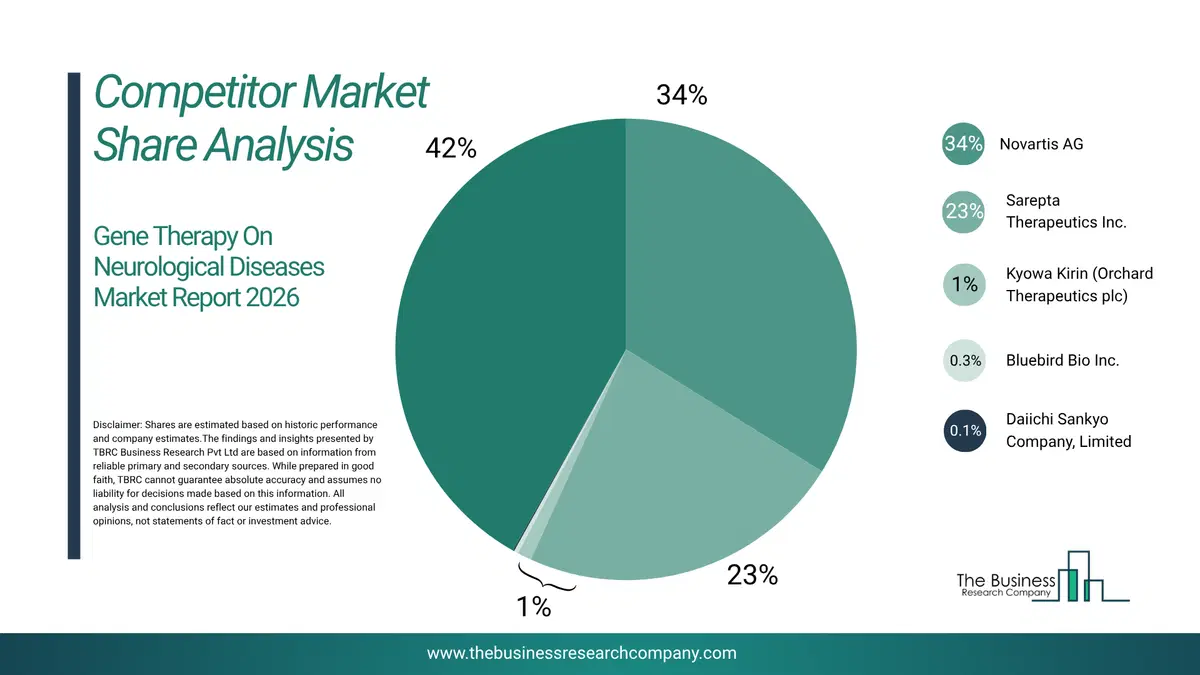
This chart is for illustrative purposes; the full report includes a detailed competitor analysis and comprehensive overview of the top 10 companies in the market.
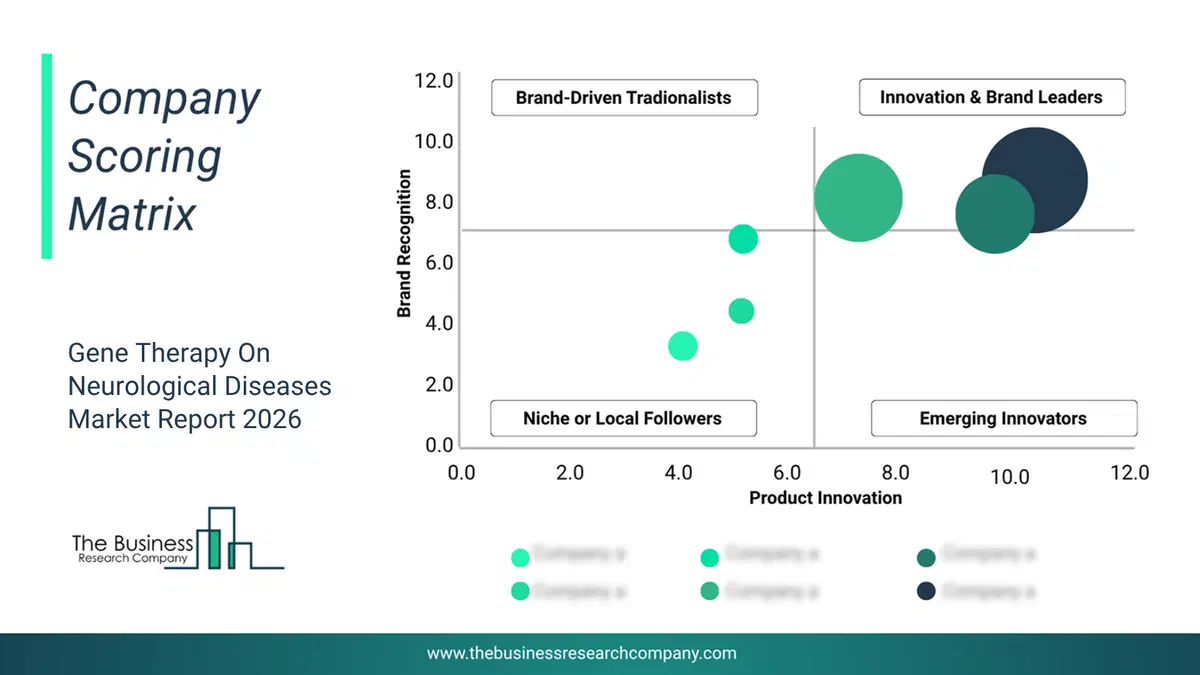
This chart maps companies by product innovation and brand strength, with bubble size indicating relative revenue, helping identify market leaders, challengers, and niche players. This is an illustrative chart; the full report provides a complete and accurate competitive analysis.
Global Gene Therapy On Neurological Diseases Market Trends and Insights
Major companies operating in the gene therapy on neurological diseases market are focusing on developing advanced viral delivery systems, such as adeno-associated virus serotype 2 (AAV2) vector, to improve targeted gene delivery, enhance efficacy, reduce immune reactions, and enable long-lasting treatments. Adeno-associated virus serotype 2 (AAV2) vector refers to a modified, non-pathogenic viral delivery system used in gene therapy to transport therapeutic genes into target cells, particularly neurons, for long-term expression. For instance, in November 2024, PTC Therapeutics Inc., a US-based biopharmaceutical company, received U.S. Food and Drug Administration (FDA) approval for gene therapy for the treatment of aromatic L-amino acid decarboxylase (AADC) deficiency. This therapy uses an AAV2 vector to deliver a functional copy of the DDC gene into the putamen, enabling dopamine production and improving motor functions. It features a one-time, intraputaminal infusion designed to provide sustained therapeutic benefits, significantly improving motor function and reducing debilitating symptoms without the need for repeated interventions.What Are Latest Mergers And Acquisitions In The Gene Therapy On Neurological Diseases Market?
In January 2023, Neurocrine Biosciences Inc., a US-based biotechnology company, partnered with Voyager Therapeutics, Inc. to advance multiple next-generation gene therapies for neurological diseases. With this partnership, Neurocrine and Voyager aim to accelerate development and commercialization by combining Voyager’s TRACER capsid platform-enabled GBA1 gene therapy and other CNS-targeted AAV programs with Neurocrine’s expertise in neuroscience and clinical development, while sharing risks, aligning on cost and profit-sharing, and pursuing novel treatments for Parkinson’s disease, Friedreich’s ataxia, and other rare CNS conditions. Voyager Therapeutics Inc. is a US-based gene-therapy company that specializes in developing AAV-based gene therapies with enhanced blood–brain-barrier penetration for central nervous system disorders.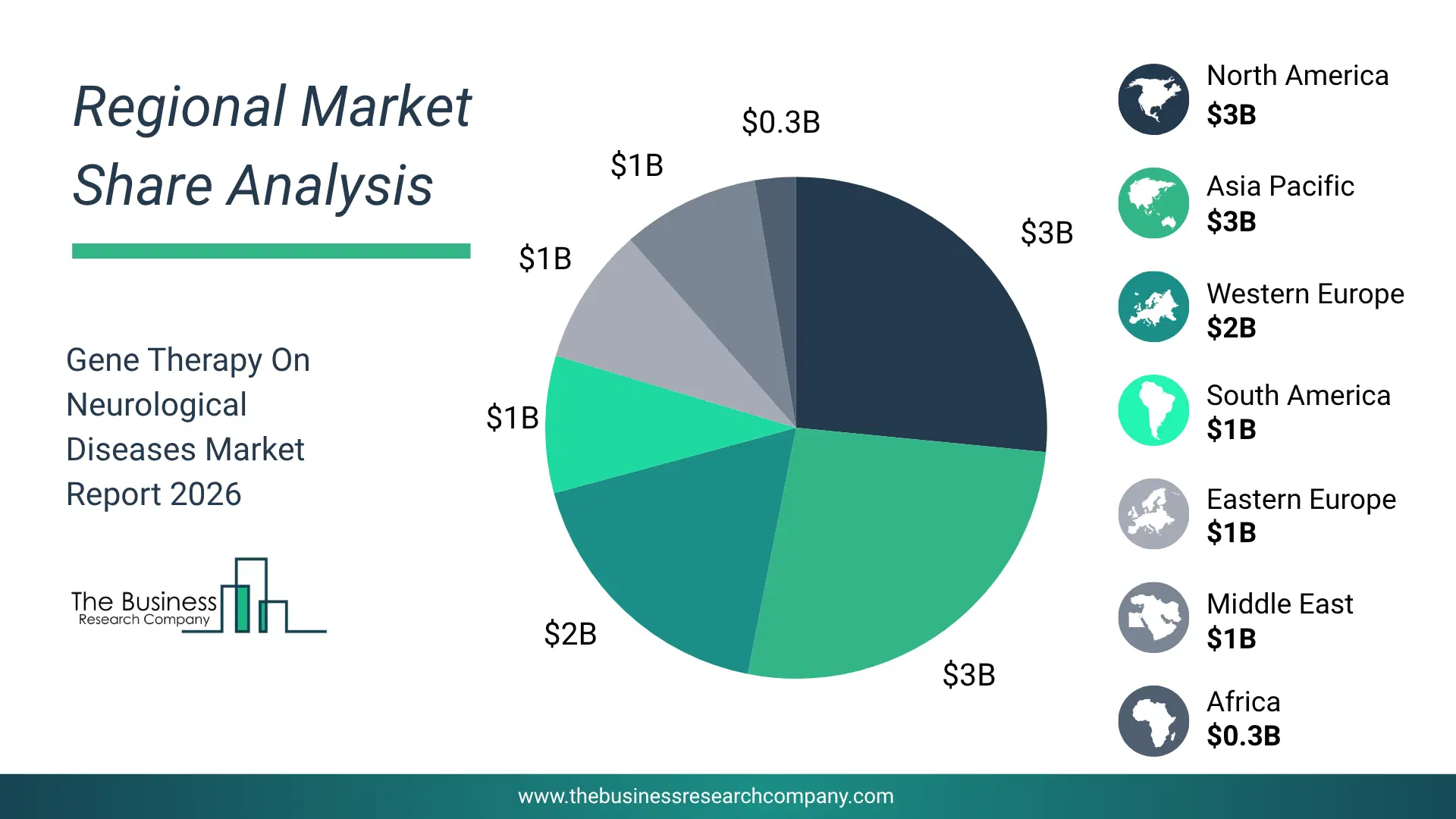
Regional Insights
North America was the largest region in the gene therapy on neurological diseases market in 2025. Asia-Pacific is expected to be the fastest-growing region in the forecast period. The regions covered in this market report are Asia-Pacific, South East Asia, Western Europe, Eastern Europe, North America, South America, Middle East, Africa. The countries covered in this market report are Australia, Brazil, China, France, Germany, India, Indonesia, Japan, Taiwan, Russia, South Korea, UK, USA, Canada, Italy, Spain.What Defines the Gene Therapy On Neurological Diseases Market?
The gene therapy on neurological diseases market consists of revenues earned by entities by providing services such as gene delivery and vector development, clinical trial services, personalised therapy development, regulatory consulting and compliance, and manufacturing support. The market value includes the value of related goods sold by the service provider or included within the service offering. The gene therapy on neurological diseases market also includes sales of gene therapy vectors, plasmid deoxyribonucleic acid (DNA), ribonucleic acid (RNA)-based therapeutics, cell lines and reagents, and neurologically targeted gene therapies. Values in this market are ‘factory gate’ values, that is, the value of goods sold by the manufacturers or creators of the goods, whether to other entities (including downstream manufacturers, wholesalers, distributors, and retailers) or directly to end customers. The value of goods in this market includes related services sold by the creators of the goods.How is Market Value Defined and Measured?
The market value is defined as the revenues that enterprises gain from the sale of goods and/or services within the specified market and geography through sales, grants, or donations in terms of the currency (in USD unless otherwise specified). The revenues for a specified geography are consumption values that are revenues generated by organizations in the specified geography within the market, irrespective of where they are produced. It does not include revenues from resales along the supply chain, either further along the supply chain or as part of other products.
This chart presents market attractiveness based on a quantitative evaluation of growth, competition, strategic alignment, and risk, offering a clear view of opportunity areas for decision-making. This chart is for illustrative purposes; the full report contains the complete analysis.

This chart highlights the Total Addressable Market (TAM) by estimating the maximum revenue opportunity using an assumption-driven approach, supporting strategic planning and opportunity sizing across markets. The chart is illustrative; the full report provides a more comprehensive analysis.
What Key Data and Analysis Are Included in the Gene Therapy On Neurological Diseases Market Report 2026?
The gene therapy on neurological diseases market research report is one of a series of new reports from The Business Research Company that provides market statistics, including industry global market size, regional shares, competitors with the market share, detailed market segments, market trends and opportunities, and any further data you may need to thrive in the gene therapy on neurological diseases industry. The market research report delivers a complete perspective of everything you need, with an in-depth analysis of the current and future state of the industry.Gene Therapy On Neurological Diseases Market Report Forecast Analysis
| Report Attribute | Details |
|---|---|
| Market Size Value In 2026 | $4.01 billion |
| Revenue Forecast In 2030 | $6.48 billion |
| Growth Rate | CAGR of 12.7% from 2026 to 2030 |
| Base Year For Estimation | 2025 |
| Actual Estimates/Historical Data | 2020-2025 |
| Forecast Period | 2026 - 2030 |
| Market Representation | Revenue in USD Billion and CAGR from 2026 to 2030 |
| Segments Covered | Type, Target Disease, Administration Route, Application |
| Regional Scope | Asia-Pacific, Western Europe, Eastern Europe, North America, South America, Middle East, Africa |
| Country Scope | The countries covered in the report are Australia, Brazil, China, France, Germany, India, ... |
| Key Companies Profiled | Novartis AG, Biogen Inc., Sarepta Therapeutics Inc., PTC Therapeutics Inc., Oxford Biomedica plc, Regenxbio Inc., Passage Bio Inc., Intellia Therapeutics Inc., Voyager Therapeutics Inc., UniQure N.V., AviadoBio Ltd., Capsida Biotherapeutics Inc., StrideBio Inc., Lysogene S.A., Wave Life Sciences Ltd., Taysha Gene Therapies Inc., Abeona Therapeutics Inc., CRISPR Therapeutics AG |
| Customization Scope | Request for Customization |
| Pricing And Purchase Options | Explore Purchase Options |