

Gene Therapy Market Report 2026
Global Outlook – By Gene Therapy Type (Germline Therapy, Somatic Cell Therapy), By Vector (Viral Vector, Non-Viral Vector), By Application (Oncology, Orphan Disease, Knee Osteoarthritis, Neurological Disorders), By End Users (Biopharmaceutical Companies, Research Institutes, Other End Users) – Market Size, Trends, Strategies, and Forecast to 2030
Gene Therapy Market Overview
• Gene Therapy market size has reached to $16.36 billion in 2025 • Expected to grow to $35.61 billion in 2030 at a compound annual growth rate (CAGR) of 13.5% • Growth Driver: Increasing Healthcare Industry Investment Propelling Gene Therapy Market Growth • Market Trend: Advancements In Gene Therapy For Hemophilia B Adeno-Associated Virus (AAV) Vectors • North America was the largest region in 2025.What Is Covered Under Gene Therapy Market?
Gene therapy is a medical technique that involves modifying or replacing faulty genes within a person’s cells to treat or prevent diseases. It uses vectors, often viruses, to deliver corrected genetic material into targeted cells. Its primary purpose is to restore normal cell function and help cure or manage genetic disorders. The main types of gene therapy are germline therapy and somatic cell therapy. Germline therapy, also known as germline gene therapy, is a type of genetic intervention that involves modifying the genes in the germline cellssperm and egg cells or their precursors. The different vectors include viral vectors, non-viral vectors, and others, and are used in oncological disorders, orphan disease, knee osteoarthritis, and neurological disorders. It is implemented in various sectors, such as biopharmaceutical companies, research institutes, and other end users.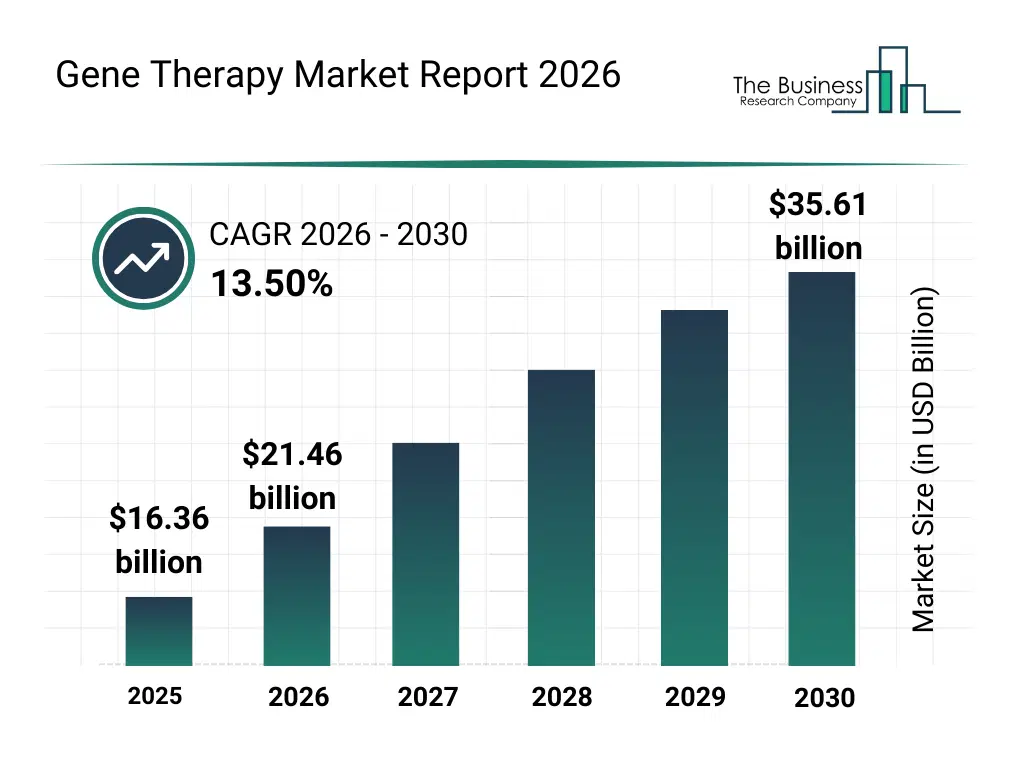
What Is The Gene Therapy Market Size and Share 2026?
The gene therapy market size has grown exponentially in recent years. It will grow from $16.36 billion in 2025 to $21.46 billion in 2026 at a compound annual growth rate (CAGR) of 31.2%. The growth in the historic period can be attributed to growing prevalence of genetic disorders, advancement in viral vector technology, increasing r&d investments in gene therapy, supportive government policies, rising awareness about rare diseases.What Is The Gene Therapy Market Growth Forecast?
The gene therapy market size is expected to see rapid growth in the next few years. It will grow to $35.61 billion in 2030 at a compound annual growth rate (CAGR) of 13.5%. The growth in the forecast period can be attributed to expansion of personalized medicine, emergence of crispr and gene editing therapies, increased private and public funding, integration of ai in gene therapy research, growth in collaborative international clinical trials. Major trends in the forecast period include personalized gene therapy development, crispr and gene editing adoption, regulatory and ethical framework expansion, advanced viral and non-viral vector innovation, collaborative research and clinical trials.
Global Gene Therapy Market Segmentation
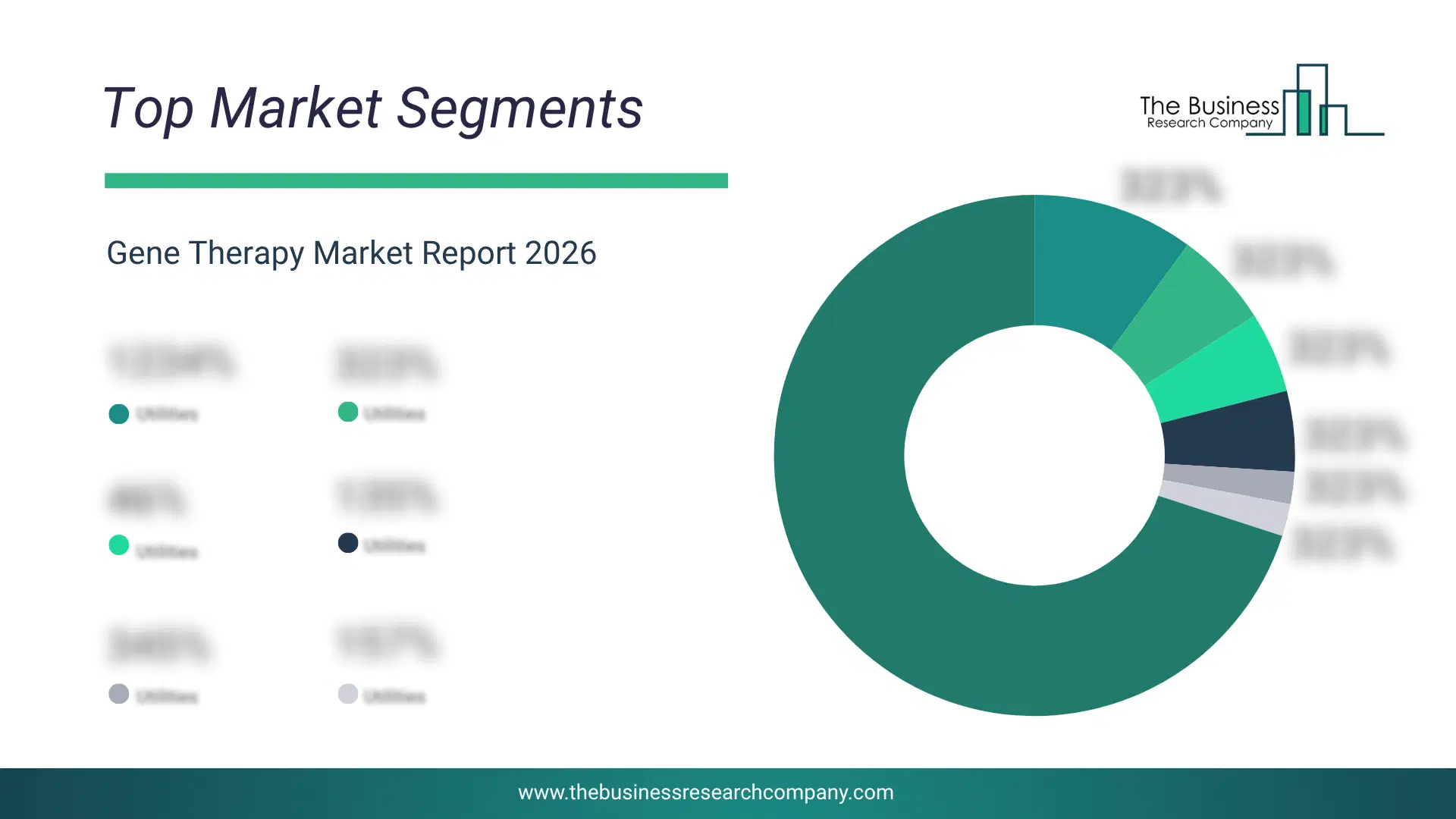
1) By Gene Therapy Type: Germline Therapy, Somatic Cell Therapy 2) By Vector: Viral Vector, Non-Viral Vector 3) By Application: Oncology, Orphan Disease, Knee Osteoarthritis, Neurological Disorders 4) By End Users: Biopharmaceutical Companies, Research Institutes, Other End Users Subsegments: 1) By Germline Therapy: Inherited Disease Treatment, Genetic Modification Of Embryos, Gene Editing Techniques, Ethical And Regulatory Considerations 2) By Somatic Cell Therapy: Cancer Gene Therapy, Monogenic Disorder Treatment, Gene Replacement Therapy, RNA-Based Therapies, Gene Editing TechniquesWhat Is The Driver Of The Gene Therapy Market?
The rising investment in the healthcare industry is expected to propel the growth of the gene therapy market going forward. Healthcare industry investment refers to the allocation of funds towards companies that provide medical services, manufacture medical equipment or drugs, provide medical insurance, or otherwise contribute to the healthcare sector. Healthcare industry investment plays a critical role in the gene therapy industry, as various pharmaceutical companies are investing to enhance their patent portfolios and secure lucrative deals with partners. Strategic investments also help in the development of new and advanced gene therapy products. For instance, in April 2025, according to the American Medical Association, a US-based Professional organizations, in 2023, U.S. health spending climbed 7.5% to $4.9 trillion, or $14,570 per capita, outpacing the 4.6% increase seen in 2022. Therefore, the rising investment in the healthcare industry is driving the growth of the gene therapy industry.Key Players In The Global Gene Therapy Market
Major companies operating in the gene therapy market are UniQure NV, REGENXBIO Inc., Bristol-Myers Squibb, BioMarin Pharmaceuticals Inc., Jazz Pharmaceuticals Inc., Biocon, EdiGene Inc, Takeda Pharmaceutical, Daiichi Sankyo Company, Mitsubishi Tanabe Pharma, Merck, Lonza, Pfizer, Cellular Biomedicine Group, GenScript, Albumedix Ltd, Catalent, Freeline Therapeutics, DiNAQOR AG, Vivet Therapeutics, Allergan, Amgen, Biocad, Celgene Corporation, Johnson & Johnson, Eli Lilly and Company, AstraZeneca, Bayer AG, Juno Therapeutics, Allogene Therapeutics, Bluebird Bio, Regen BioPharma, Bellicum, BrainStorm Cell Therapeutics, Pluristem, Sanofi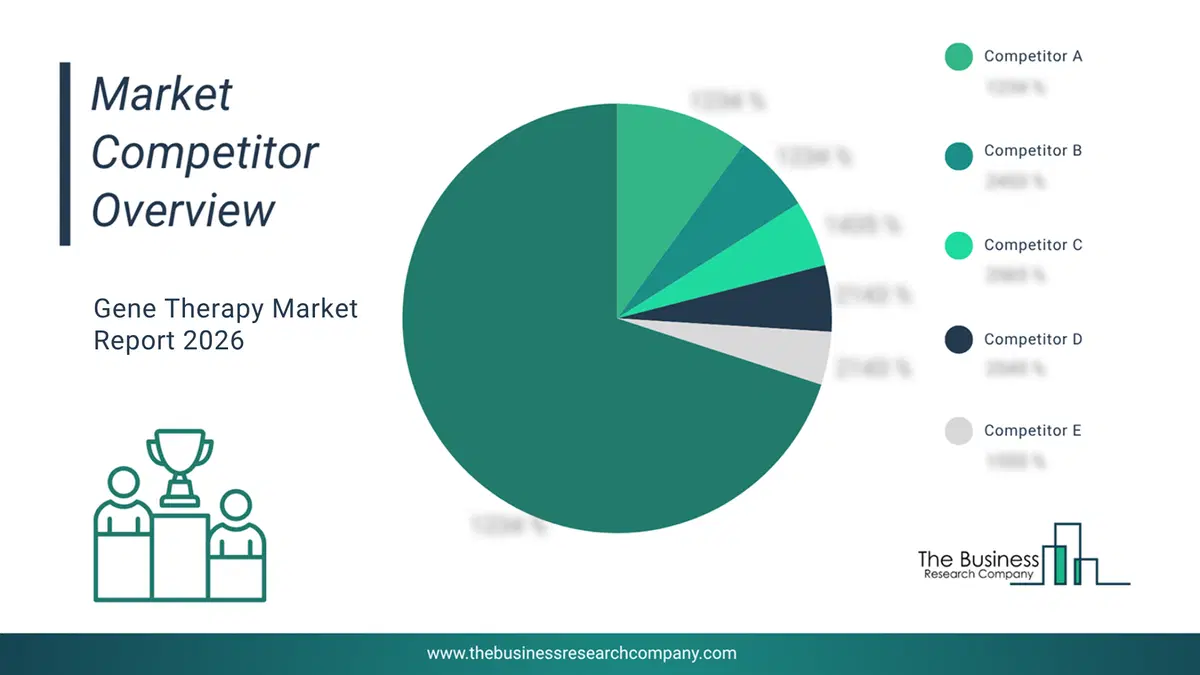
This chart is for illustrative purposes; the full report includes a detailed competitor analysis and comprehensive overview of the top 10 companies in the market.
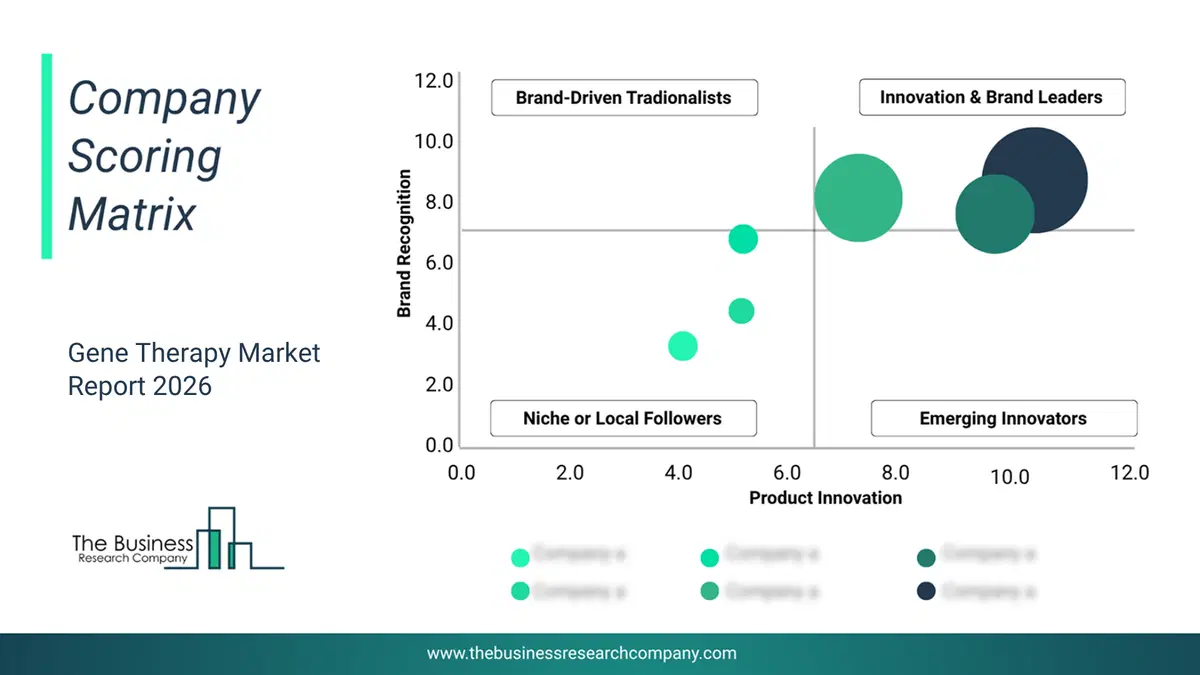
This chart maps companies by product innovation and brand strength, with bubble size indicating relative revenue, helping identify market leaders, challengers, and niche players. This is an illustrative chart; the full report provides a complete and accurate competitive analysis.
Global Gene Therapy Market Trends and Insights
Major companies operating in the gene therapy market are focused on developing advanced products, such as adeno-associated virus (AAV) vectors, to enhance the precision and effectiveness of gene delivery for treating various genetic disorders. An adeno-associated virus (AAV) vector is a tool commonly used in gene therapy to deliver genetic material into cells. For instance, in April 2024, Pfizer Inc., a US-based global biopharmaceutical company received approval from the Food and Drug Administration (FDA), a US-based federal agency for protecting the public health for BEQVEZ (fidanacogene elaparvovec-dzkt). BEQVEZ (fidanacogene elaparvovec-dzkt) is a gene therapy aimed at treating adults with moderate to severe hemophilia B which is a genetic bleeding disorder. This condition is characterized by a deficiency in clotting factor IX (FIX), which can lead to excessive bleeding. It utilizes an adeno-associated virus (AAV) vector to deliver a functional copy of the FIX gene directly into liver cells, thereby facilitating the natural production of this critical clotting factor.What Are Latest Mergers And Acquisitions In The Gene Therapy Market?
In September 2023, Regeneron Pharmaceuticals Inc., a US-based biotechnology company acquired Decibel Therapeutics, Inc. for an undisclosed amount. With this acquisition, Regeneron strengthens gene therapy capabilities, particularly in the area of hearing loss, and aligns with its commitment to advancing genetic medicines with therapeutic offerings. Decibel Therapeutics Inc., a US-based clinical-stage biotechnology company that provides gene therapies to treat hearing and balance disorders.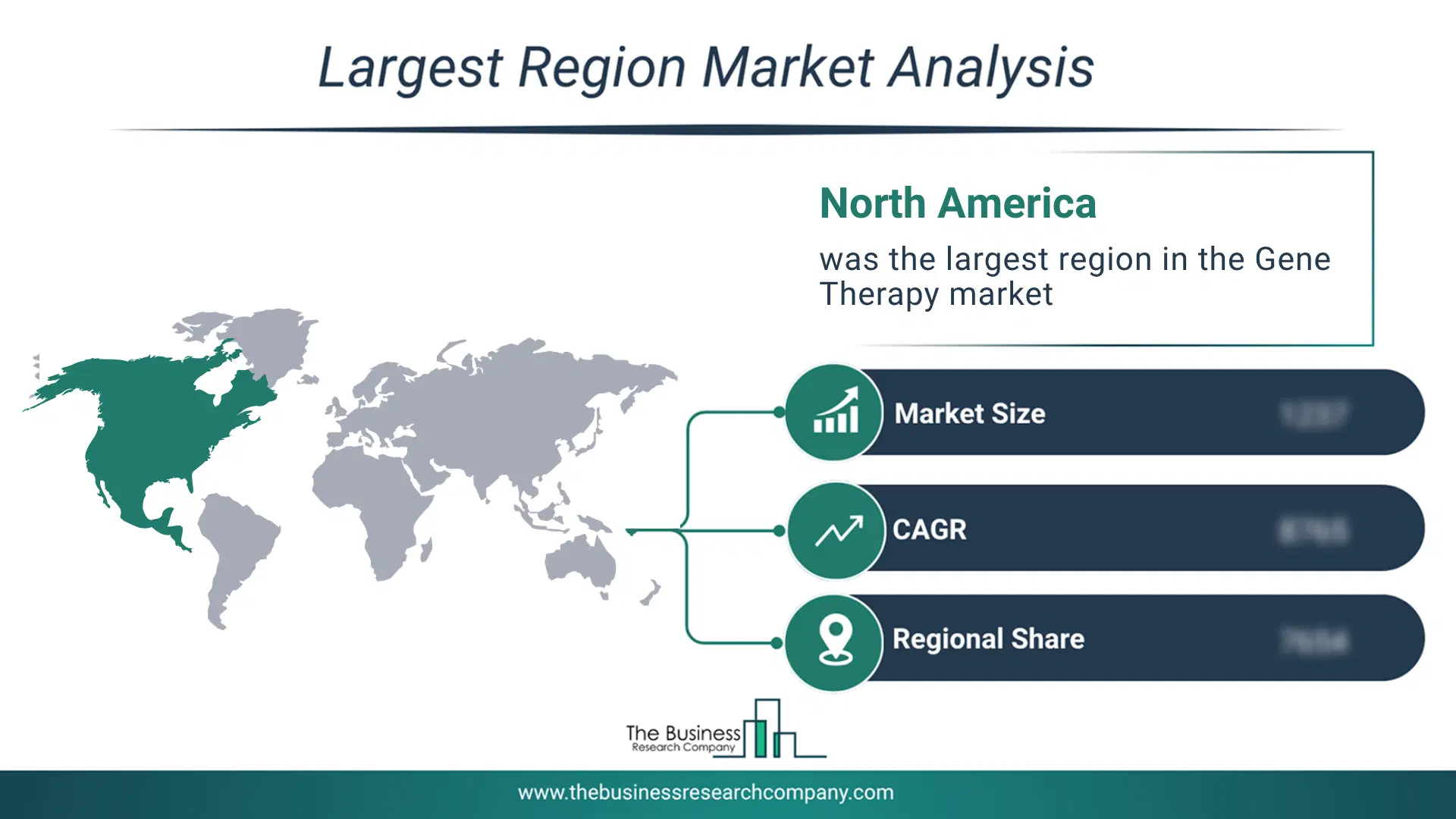
Regional Insights
North America was the largest region in the gene therapy market in 2025. The regions covered in this market report are Asia-Pacific, South East Asia, Western Europe, Eastern Europe, North America, South America, Middle East, Africa. The countries covered in this market report are Australia, Brazil, China, France, Germany, India, Indonesia, Japan, Taiwan, Russia, South Korea, UK, USA, Canada, Italy, Spain.What Defines the Gene Therapy Market?
The gene therapy market includes revenues earned by entities by replacing a disease-causing gene with a healthy copy of the gene and inactivating a disease-causing gene that is not functioning properly. The market value includes the value of related goods sold by the service provider or included within the service offering. Only goods and services traded between entities or sold to end consumers are included.How is Market Value Defined and Measured?
The market value is defined as the revenues that enterprises gain from the sale of goods and/or services within the specified market and geography through sales, grants, or donations in terms of the currency (in USD unless otherwise specified). The revenues for a specified geography are consumption values that are revenues generated by organizations in the specified geography within the market, irrespective of where they are produced. It does not include revenues from resales along the supply chain, either further along the supply chain or as part of other products.
This chart presents market attractiveness based on a quantitative evaluation of growth, competition, strategic alignment, and risk, offering a clear view of opportunity areas for decision-making. This chart is for illustrative purposes; the full report contains the complete analysis.

This chart highlights the Total Addressable Market (TAM) by estimating the maximum revenue opportunity using an assumption-driven approach, supporting strategic planning and opportunity sizing across markets. The chart is illustrative; the full report provides a more comprehensive analysis.
What Key Data and Analysis Are Included in the Gene Therapy Market Report 2026?
The gene therapy market research report is one of a series of new reports from The Business Research Company that provides market statistics, including industry global market size, regional shares, competitors with the market share, detailed market segments, market trends and opportunities, and any further data you may need to thrive in the gene therapy industry. The market research report delivers a complete perspective of everything you need, with an in-depth analysis of the current and future state of the industry.Gene Therapy Market Report Forecast Analysis
| Report Attribute | Details |
|---|---|
| Market Size Value In 2026 | $21.46 billion |
| Revenue Forecast In 2030 | $35.61 billion |
| Growth Rate | CAGR of 31.2% from 2026 to 2030 |
| Base Year For Estimation | 2025 |
| Actual Estimates/Historical Data | 2020-2025 |
| Forecast Period | 2026 - 2030 |
| Market Representation | Revenue in USD Billion and CAGR from 2026 to 2030 |
| Segments Covered | Gene Therapy Type, Vector, Application, End Users |
| Regional Scope | Asia-Pacific, Western Europe, Eastern Europe, North America, South America, Middle East, Africa |
| Country Scope | The countries covered in the report are Australia, Brazil, China, France, Germany, India, Indonesia, Japan, Taiwan, Russia, South Korea, UK, USA, Canada, Italy, Spain. |
| Key Companies Profiled | UniQure NV, REGENXBIO Inc., Bristol-Myers Squibb, BioMarin Pharmaceuticals Inc., Jazz Pharmaceuticals Inc., Biocon, EdiGene Inc, Takeda Pharmaceutical, Daiichi Sankyo Company, Mitsubishi Tanabe Pharma, Merck, Lonza, Pfizer, Cellular Biomedicine Group, GenScript, Albumedix Ltd, Catalent, Freeline Therapeutics, DiNAQOR AG, Vivet Therapeutics, Allergan, Amgen, Biocad, Celgene Corporation, Johnson & Johnson, Eli Lilly and Company, AstraZeneca, Bayer AG, Juno Therapeutics, Allogene Therapeutics, Bluebird Bio, Regen BioPharma, Bellicum, BrainStorm Cell Therapeutics, Pluristem, Sanofi |
| Customization Scope | Request for Customization |
| Pricing And Purchase Options | Explore Purchase Options |