
Home Infusion Therapy Market Report 2026
Global Outlook – By Product (Infusion Pumps, Intravenous Sets, IV Cannulas, Needleless Connectors), By Administration (Intramuscular, Subcutaneously), By Application (Total Parenteral Nutrition, Anti-infective Therapy, Hydration Therapy, Chemotherapy, IVIg or Specialty Pharmaceuticals, Other Applications ), By End User (Patients, Nurse, Other End Users) - Market Size, Trends, And Global Forecast 2026-2035
Home Infusion Therapy Market Overview
• Home Infusion Therapy market size has reached to $35.64 billion in 2025 • Expected to grow to $57.28 billion in 2030 at a compound annual growth rate (CAGR) of 9.8% • Growth Driver: Rising Global Population And Increased Food Demand Fueling Growth In The Home Infusion Therapy Market • Market Trend: Compact Infusion Systems Revolutionize Post-Acute Care • North America was the largest region in 2025 and Asia-Pacific is the fastest growing region.Market Gains By 2030 – Top Opportunities By Segment
Market Gain identifies the most promising market opportunities by highlighting the segments or products expected to generate the highest incremental revenue growth over the next five years.
What Is Covered Under Home Infusion Therapy Market?
Home infusion therapy is a process of subcutaneous or intravenous administration of biologicals or drugs to a person at home. Patients can receive medications through catheters or needles, directly into their veins or under their skin. Home infusion therapies are used to treat individuals at home. The main types of products in home infusion therapy are infusion pumps, intravenous sets, IV cannulas, and needleless connectors. Home infusion pumps are medical devices that deliver medicine into the patient’s body in specific, controlled amounts. It controls the rate of replacement fluid infused into the blood outflow line or the blood inflow line. The different administrations include intramuscular, subcutaneous, and epidural, which are used in numerous applications such as total parenteral nutrition, anti-infective therapy, enteral nutrition, hydration therapy, chemotherapy, IVIg or specialty pharmaceuticals, and other applications. The several end users include patients, nurses, hospitals, and others.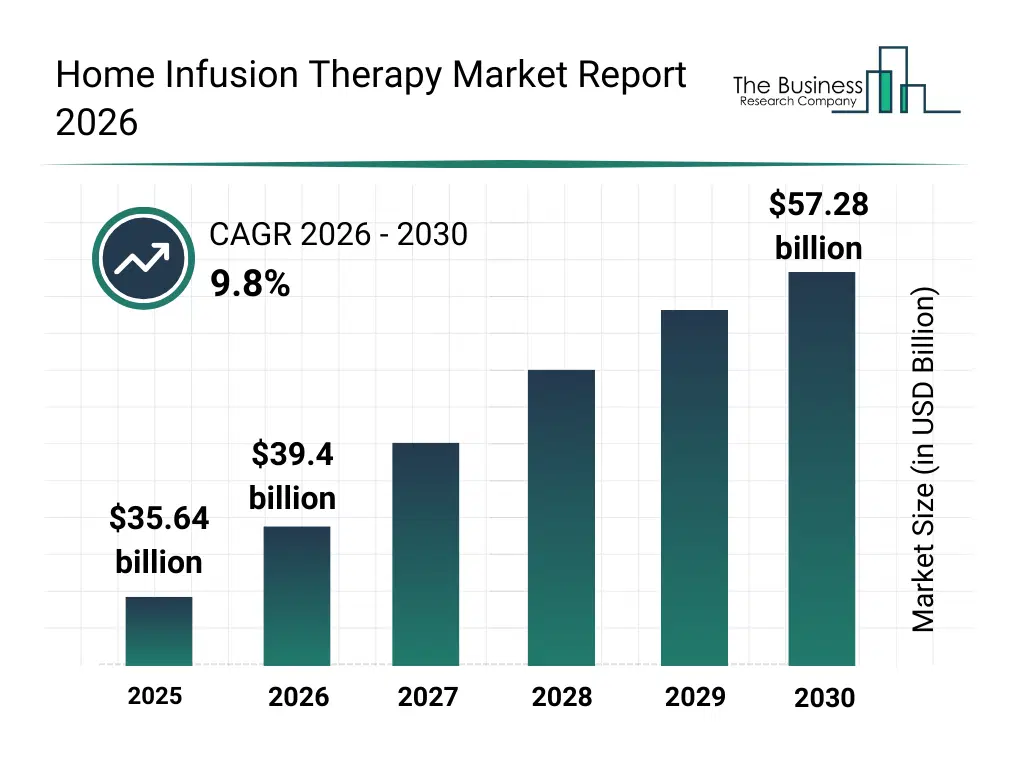
What Is The Home Infusion Therapy Market Size and Share 2026?
The home infusion therapy market size has grown rapidly in recent years. It will grow from $35.64 billion in 2025 to $39.4 billion in 2026 at a compound annual growth rate (CAGR) of 10.6%. The growth in the historic period can be attributed to increasing hospitalization costs, growing prevalence of chronic and infectious diseases, expansion of basic infusion pump availability, rising acceptance of home-based clinical treatments, shortage of inpatient hospital beds.What Is The Home Infusion Therapy Market Growth Forecast?
The home infusion therapy market size is expected to see strong growth in the next few years. It will grow to $57.28 billion in 2030 at a compound annual growth rate (CAGR) of 9.8%. The growth in the forecast period can be attributed to increasing use of biologics and specialty pharmaceuticals, rising demand for long-term nutrition and hydration therapy, growing preference for outpatient and home treatment models, expansion of skilled nursing support for home infusion, increasing healthcare cost containment initiatives. Major trends in the forecast period include rising shift from hospital-based to home-based infusion care, increasing adoption of self-administered and nurse-assisted therapies, growth in long-term infusion for chronic and complex conditions, expansion of specialty and high-cost drug administration at home, increasing focus on patient convenience and treatment continuity.
Global Home Infusion Therapy Market Segmentation
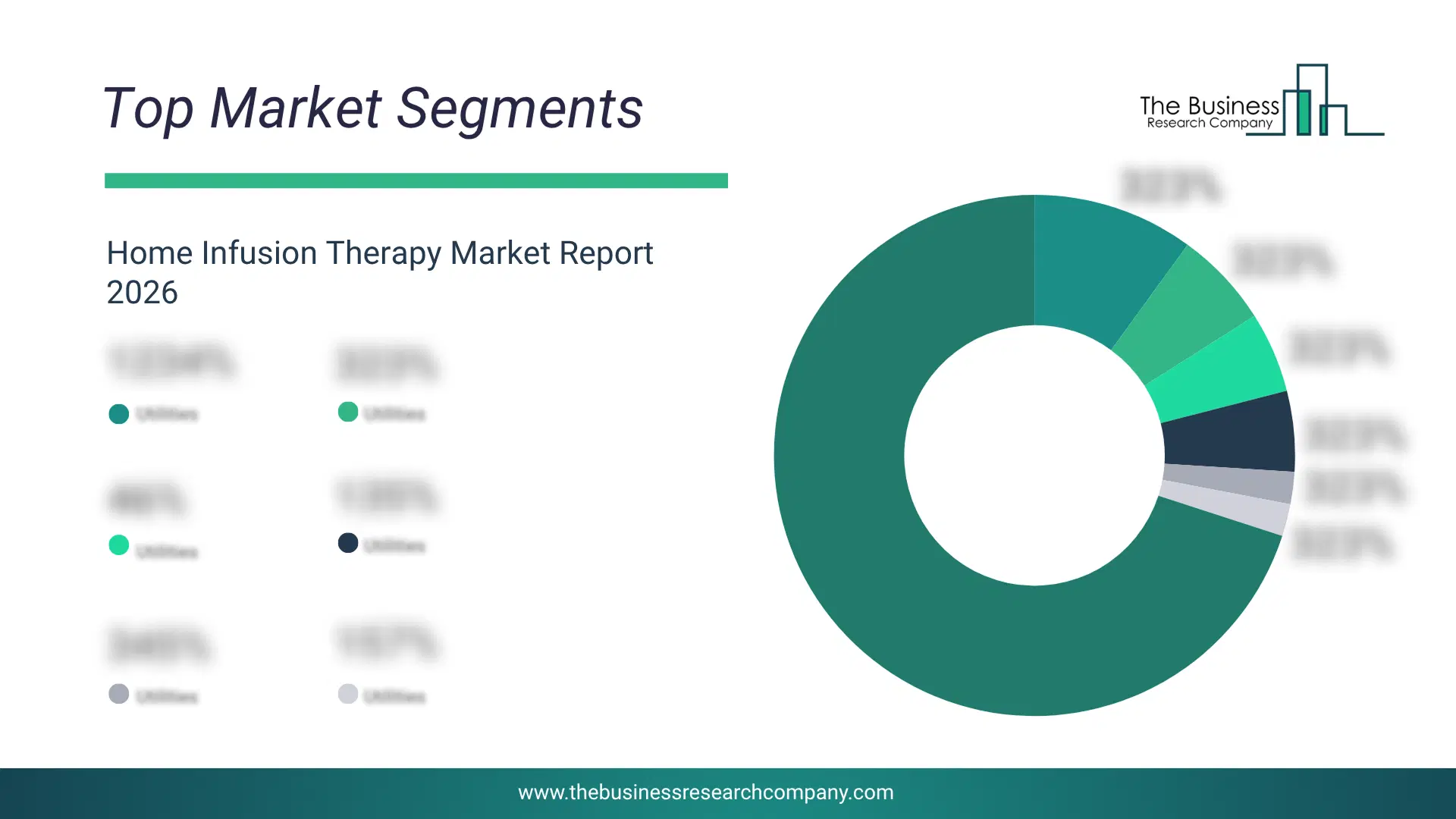
1) By Product: Infusion Pumps, Intravenous Sets, IV Cannulas, Needleless Connectors 2) By Administration: Intramuscular, Subcutaneously 3) By Application: Total Parenteral Nutrition, Anti-infective Therapy, Hydration Therapy, Chemotherapy, IVIg or Specialty Pharmaceuticals, Other Applications 4) By End User: Patients, Nurse, Other End Users Subsegments: 1) By Infusion Pumps: Electronic Infusion Pumps, Ambulatory Infusion Pumps, Volumetric Infusion Pumps 2) By Intravenous Sets: Standard IV Sets, Blood Administration Sets, IV Extension Sets 3) By IV Cannulas: Peripheral IV Cannulas, Central Venous Catheters (CVCs), Midline Catheters 4) By Needleless Connectors: Luer-Lock Needleless Connectors, Valved Needleless Connectors, Non-Valved Needleless Connectors The top segments in the home infusion therapy market will be: • Intravenous will reach $24964.2 Million by 2025. • Patients will reach $20241.3 Million by 2025. • Infusion Pumps will reach $17643.3 Million by 2025. • Nurse will reach $11562.9 Million by 2025. • Anti-infective Therapy will reach $9973.3 Million by 2025.What Is The Driver Of The Home Infusion Therapy Market?
The increasing population and consequent rise in food demand are expected to propel the growth of the home infusion therapy market moving forward. Food refers to the substance consisting of protein, carbohydrates, fat, and other nutrients that are used in the body of an organism for sustaining growth and vital processes and furnishing energy. Food is the essential factor for the patients undergoing home infusion therapy, and the increasing population led to an increase in the number of aged people who require home infusion therapy. For instance, in January 2024, according to the United States Department of Agriculture, a US-based federal executive department, in 2023, food expenditures made up an average of 12.9 percent of U.S. household spending, slightly up from 12.8 percent in 2022. Therefore, the increasing population and consequent rise in food demand will drive the growth of the home infusion therapy industry.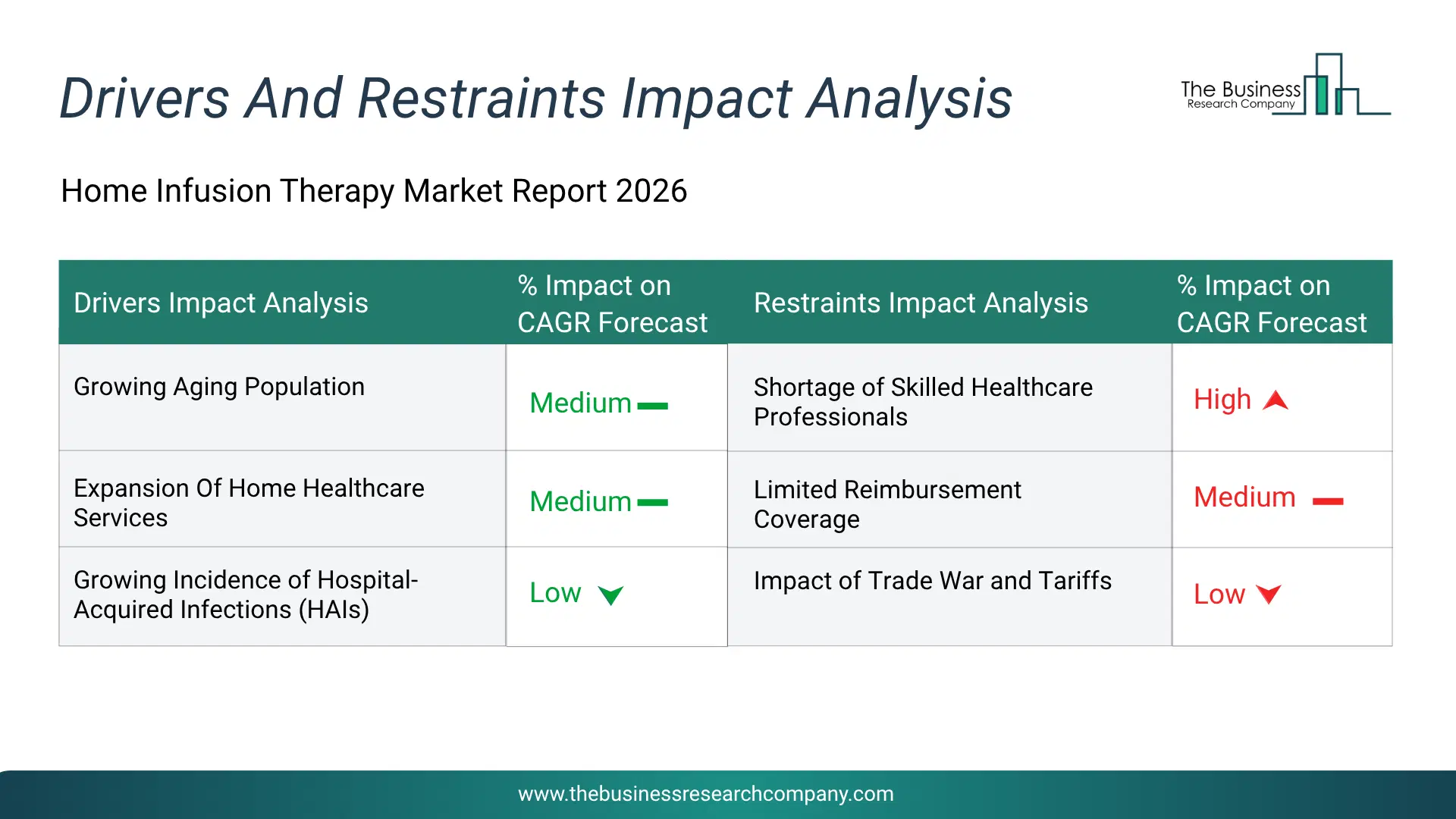
Infographic Chart Showing Key Market Drivers Analysis And Restraints For Home Infusion Therapy Market
The chart presents an impact analysis of key drivers and restraints, quantifying their relative influence on the market's growth rate and helping assess the balance between growth enablers and limiting factors. This chart offers a high-level perspective; the full report contains more detailed insights.
How Will The Drivers Impact Growth In The Global Home Infusion Therapy Market?
• Growing Aging Population (Medium) – The growing aging population will become a key driver of growth in the home infusion therapy market by 2030. The expanding elderly population is increasing the need for ongoing medical support, chronic disease management and intravenous therapies that can be delivered safely at home. Older adults often require long-term medication administration, nutritional support, hydration therapy and post-hospital recovery care over extended periods. Home-based treatment reduces the physical strain associated with frequent hospital visits and improves comfort for aging patients with mobility limitations. It also helps lower the risk of complications linked to prolonged hospitalization and supports more personalized care in familiar surroundings. Healthcare providers are increasingly adopting home-focused care models to meet the complex needs of elderly patients. Growing life expectancy and higher rates of age-related illnesses are further strengthening demand for long-term in-home clinical support. The availability of trained caregivers and remote patient monitoring technologies is also improving the feasibility of managing elderly patients outside traditional healthcare settings. As a result, the growing aging population is anticipated to contributing to a 1.3% annual growth in the market. • Expansion Of Home Healthcare Services (Medium) – The expansion of home healthcare services will emerge as a major factor driving the expansion of the home infusion therapy market by 2030. The continuous development of home-based healthcare infrastructure is increasing access to professional medical services outside hospitals and clinics. Healthcare providers are expanding nursing support, remote monitoring, infusion administration, rehabilitation and specialty care programs that can be delivered directly to patients at home. This shift improves patient convenience while helping reduce healthcare facility burden and operational costs. Advances in digital health technologies and portable medical equipment are also making home-based treatment more efficient and accessible. Insurance providers and healthcare systems are increasingly supporting home-centered care to improve treatment continuity and patient satisfaction. Growing investments in outpatient care networks and skilled home nursing services are further accelerating this transition. Increased awareness among patients regarding the benefits of receiving treatment in comfortable home environments is also supporting wider adoption. Consequently, the expansion of home healthcare services is projected to contributing to a 1.0% annual growth in the market. • Growing Incidence of Hospital-Acquired Infections (HAIs) (Low) – The growing incidence of hospital-acquired infections (HAIs) will serve as a key growth catalyst for the home infusion therapy market by 2030. The increasing concern over infections acquired during hospital stays is encouraging greater use of home-based treatment options for eligible patients. Receiving therapy at home reduces exposure to crowded healthcare environments where infection risks are higher, particularly for immunocompromised and elderly individuals. This approach helps improve patient safety while lowering the likelihood of secondary complications associated with prolonged hospitalization. Healthcare providers are increasingly discharging stable patients earlier and continuing treatment through outpatient and home-based services. The focus on infection prevention and improved healthcare efficiency is supporting broader adoption of decentralized care delivery. Rising awareness regarding patient safety standards is also encouraging healthcare systems to minimize unnecessary inpatient stays whenever possible. Improvements in portable infusion technologies and remote monitoring are making home-administered therapies safer and more reliable. Therefore, this growing incidence of hospital-acquired infections (HAIs) is projected to supporting to a 0.8% annual growth in the market. • Rising Demand for Convenient Long-Term Therapy Administration (Low) – The rising demand for convenient long-term therapy administration will become a significant driver contributing to the growth of the home infusion therapy market by 2030. The increasing preference for comfortable and flexible treatment options is driving greater adoption of therapies that can be administered at home over extended periods. Many patients requiring ongoing intravenous medications, biologics, nutrition support, or hydration therapy prefer avoiding repeated hospital visits and lengthy waiting times. Home-based care provides greater convenience by allowing treatment to fit more easily into daily routines while improving overall patient experience. It also supports better adherence to therapy schedules and reduces travel-related stress for patients and caregivers. Healthcare providers are increasingly promoting patient-centered care models that prioritize accessibility, comfort and continuity of treatment. The growing use of portable infusion devices and digital monitoring systems is further improving the convenience of long-term therapy management at home. Expanding awareness about cost savings and improved quality of life associated with at-home care is also supporting higher adoption rates. Consequently, the rising demand for convenient long-term therapy administration is projected to contributing to a 0.5% annual growth in the market.How Will The Restraints Impact Growth In The Global Home Infusion Therapy Market?
• Shortage of Skilled Healthcare Professionals (Medium) – Shortage of skilled healthcare professionals is expected to restrain market growth during the forecast period. It creates operational, financial, regulatory, or commercial challenges that can increase costs, delay projects, reduce investments, or discourage purchasing decisions depending on the market. These challenges can reduce product adoption, affect business confidence, and limit the ability of companies to expand efficiently across key regions. This can reduce operational efficiency, delay expansion plans, and affect the ability of companies to achieve sustainable business growth. • Limited Reimbursement Coverage (Medium) – During the forecast period, limited reimbursement coverage is likely to limit market expansion. It creates operational, financial, regulatory, or commercial challenges that can increase costs, delay projects, reduce investments, or discourage purchasing decisions depending on the market. These challenges can reduce product adoption, affect business confidence, and limit the ability of companies to expand efficiently across key regions. As a result, businesses may face increased cost pressures, slower commercial adoption, and reduced revenue opportunities. • Impact of Trade War and Tariffs (Low) – The market is expected to face challenges due to impact of trade war and tariffs over the forecast period. It creates operational, financial, regulatory, or commercial challenges that can increase costs, delay projects, reduce investments, or discourage purchasing decisions depending on the market. These challenges can reduce product adoption, affect business confidence, and limit the ability of companies to expand efficiently across key regions. This may discourage new investments, delay strategic expansion initiatives, and weaken the overall competitive position of market participants.Key Players In The Global Home Infusion Therapy Market
Major companies operating in the home infusion therapy market are Option Care Health Inc, KabaFusion Holdings LLC, PromptCare Companies, CSI Pharmacy LLC, Healix Infusion Therapy Inc, InfuCare Rx Inc, Integrated Home Care Services Inc, IVX Health Inc, Nations Home Infusion LLC, Oso Home Care LLC, Palmetto Infusion Services LLC, Penn Home Infusion Therapy, Premier Infusion Care LLC, Basic Home Infusion Inc, ARJ Infusion Services Inc, Beacon Infusion Healthcare Services LLC, CarepathRx LLC, National Pharmacy Services LLC, Kroger Specialty Infusion, Metro Infusion Center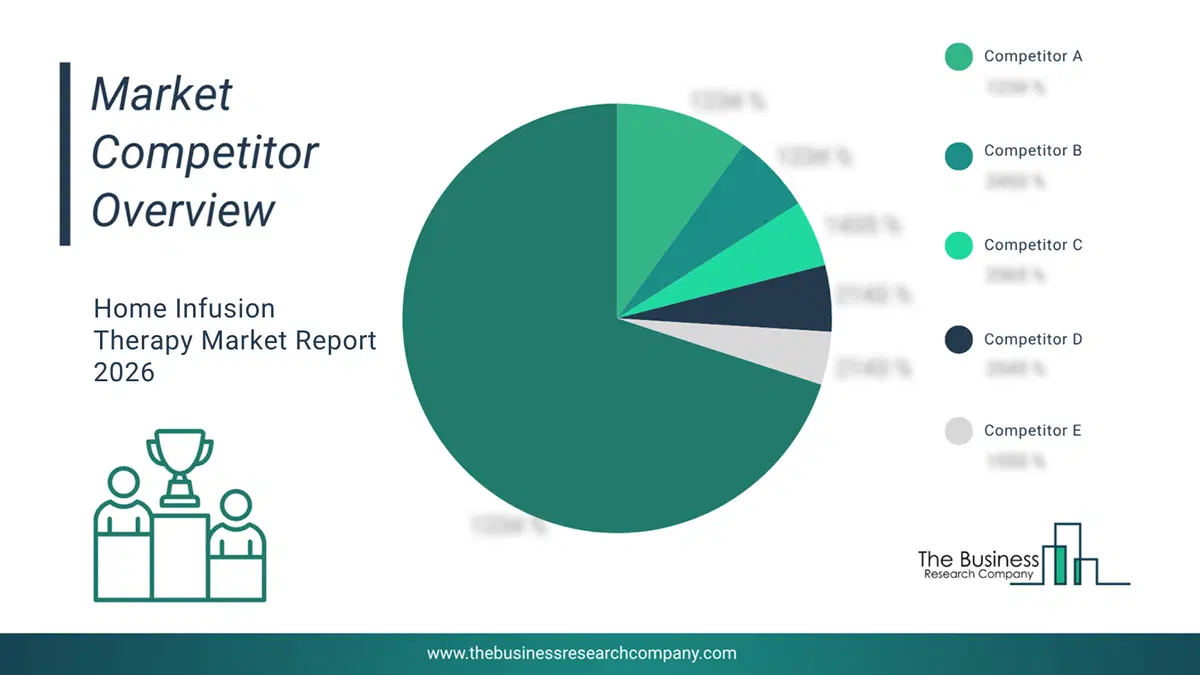
This chart is for illustrative purposes; the full report includes a detailed competitor analysis and comprehensive overview of the top 10 companies in the market.
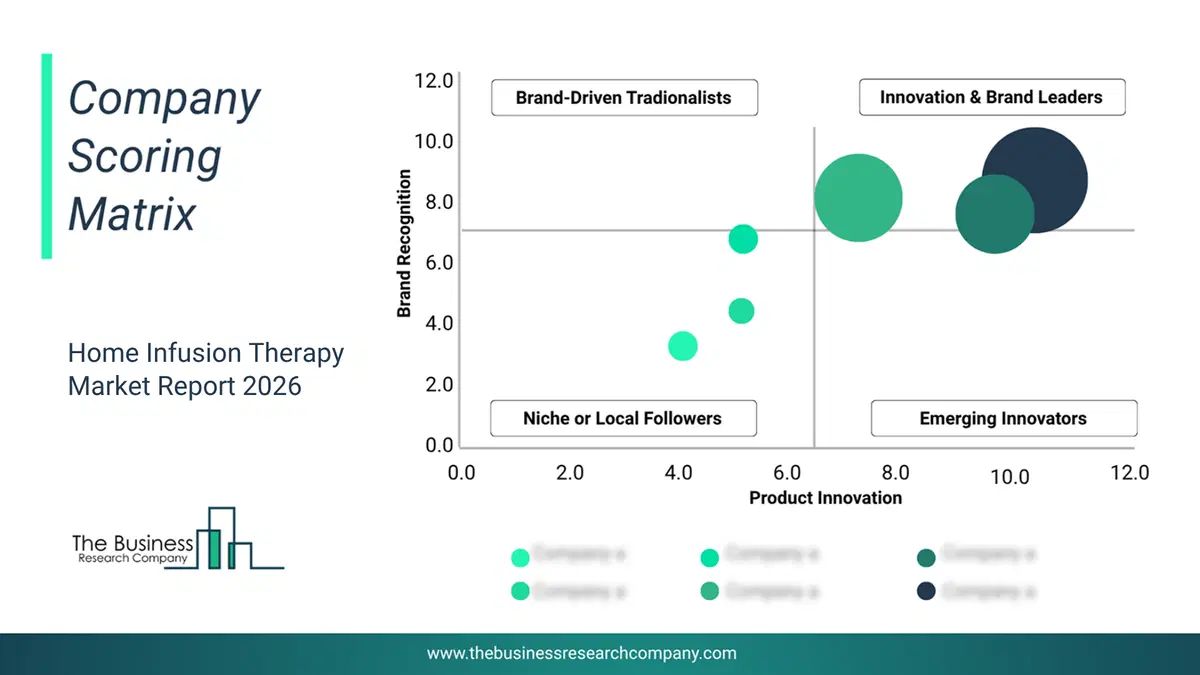
This chart maps companies by product innovation and brand strength, with bubble size indicating relative revenue, helping identify market leaders, challengers, and niche players. This is an illustrative chart; the full report provides a complete and accurate competitive analysis.
Global Home Infusion Therapy Market Trends and Insights
Major companies operating in the home infusion therapy market are increasing their focus on introducing compact infusion systems, such as the Avoset Infusion Platform, to gain a competitive edge in the market. The Avoset Infusion Platform is a connected, multi-therapy ambulatory infusion system designed to revolutionize post-acute care and specialty infusion therapy. For instance, in April 2023, Eitan Medical Ltd., an Israel-based medical device company, launched the Avoset Infusion Platform. The platform is designed to offer compact and simplified technology that enhances the user experience and transforms post-acute care and specialty infusion therapy. It includes the Avoset infusion pump and features remote monitoring capabilities and integration with the AvosetGo app, aimed at improving patient outcomes, promoting comfort, and enabling independence throughout the treatment cycle.What Are Latest Mergers And Acquisitions In The Home Infusion Therapy Market?
In July 2024, Dynamic Infusion, a US-based provider of home infusion nursing services acquired IV Solutions Group, LLC for undisclosed amount. This acquisition will enhance Dynamic's presence in central and northern New Jersey, aligning with its objective of becoming a top national platform for home infusion services. IV Solutions Group, LLC, is a US-based provider of home infusion therapy.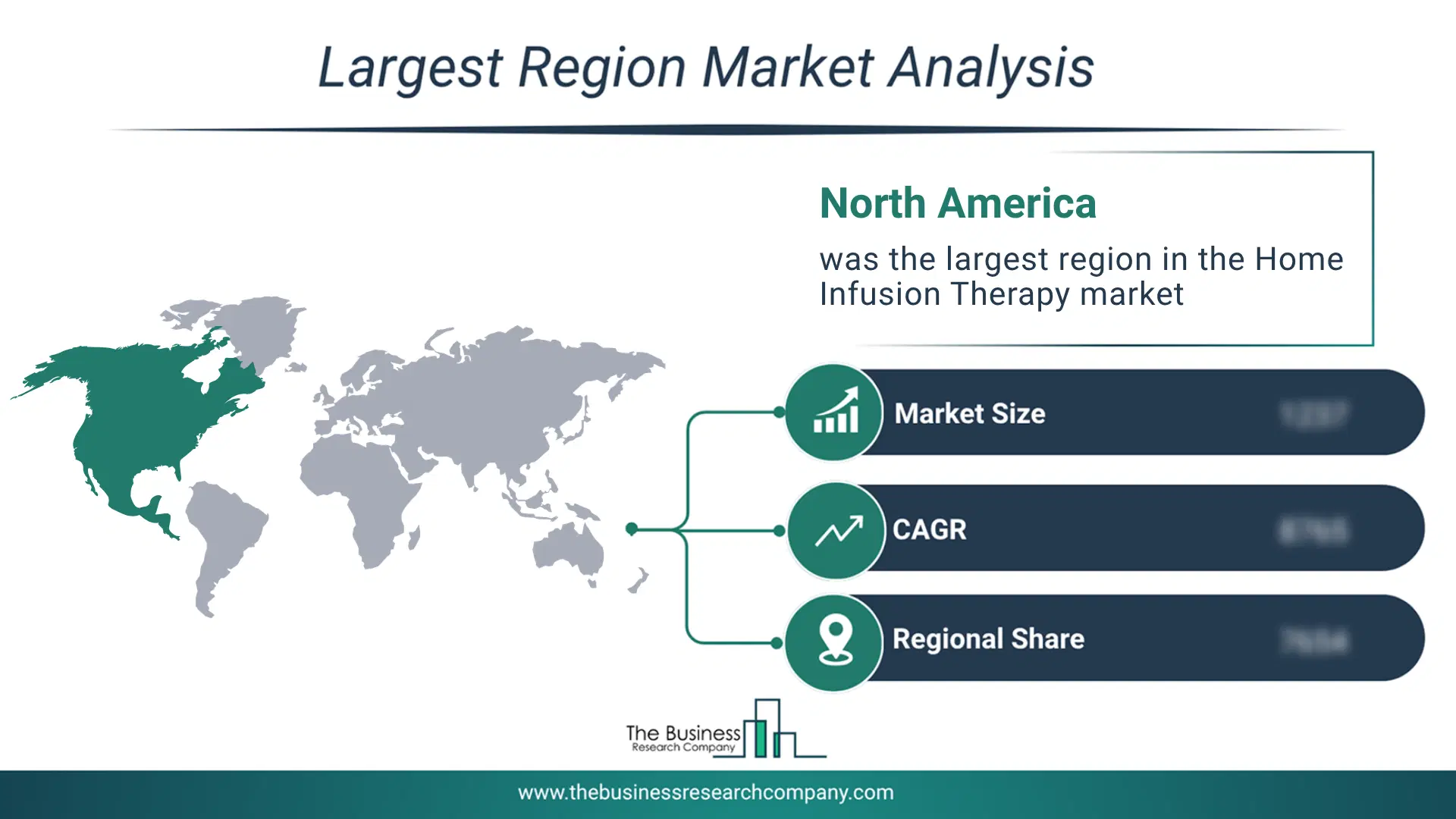
Regional Outlook
North America was the largest region in the home infusion therapy market in 2025. Asia-Pacific is expected to be the fastest-growing region in the forecast period. The regions covered in this market report are Asia-Pacific, South East Asia, Western Europe, Eastern Europe, North America, South America, Middle East, Africa. The countries covered in this market report are Australia, Brazil, China, France, Germany, India, Indonesia, Japan, Taiwan, Russia, South Korea, UK, USA, Canada, Italy, Spain.What Defines the Home Infusion Therapy Market?
The home infusion therapy market includes revenues earned by entities anti-emetics, catheter maintenance, chemotherapy, hydration, immune globulin therapy, and inotropic therapies. The market value includes the value of related goods sold by the service provider or included within the service offering. Only goods and services traded between entities or sold to end consumers are included.How is Market Value Defined and Measured?
The market value is defined as the revenues that enterprises gain from the sale of goods and/or services within the specified market and geography through sales, grants, or donations in terms of the currency (in USD unless otherwise specified). The revenues for a specified geography are consumption values that are revenues generated by organizations in the specified geography within the market, irrespective of where they are produced. It does not include revenues from resales along the supply chain, either further along the supply chain or as part of other products.
This chart presents market attractiveness based on a quantitative evaluation of growth, competition, strategic alignment, and risk, offering a clear view of opportunity areas for decision-making. This chart is for illustrative purposes; the full report contains the complete analysis.

This chart highlights the Total Addressable Market (TAM) by estimating the maximum revenue opportunity using an assumption-driven approach, supporting strategic planning and opportunity sizing across markets. The chart is illustrative; the full report provides a more comprehensive analysis.
What Key Data and Analysis Are Included in the Home Infusion Therapy Market Report 2026?
The home infusion therapy market research report is one of a series of new reports from The Business Research Company that provides market statistics, including industry global market size, regional shares, competitors with the market share, detailed market segments, market trends and opportunities, and any further data you may need to thrive in the home infusion therapy industry. The market research report delivers a complete perspective of everything you need, with an in-depth analysis of the current and future state of the industry.Home Infusion Therapy Market Report Forecast Analysis
| Report Attribute | Details |
|---|---|
| Market Size Value In 2026 | $39.4 billion |
| Revenue Forecast In 2035 | $57.28 billion |
| Growth Rate | CAGR of 10.6% from 2026 to 2035 |
| Base Year For Estimation | 2025 |
| Actual Estimates/Historical Data | 2020-2025 |
| Forecast Period | 2026 - 2030 - 2035 |
| Market Representation | Revenue in USD Billion and CAGR from 2026 to 2035 |
| Segments Covered | Product, Administration, Application, End User |
| Regional Scope | Asia-Pacific, Western Europe, Eastern Europe, North America, South America, Middle East, Africa |
| Country Scope | The countries covered in the report are Australia, Brazil, China, France, Germany, India, ... |
| Key Companies Profiled | Option Care Health Inc, KabaFusion Holdings LLC, PromptCare Companies, CSI Pharmacy LLC, Healix Infusion Therapy Inc, InfuCare Rx Inc, Integrated Home Care Services Inc, IVX Health Inc, Nations Home Infusion LLC, Oso Home Care LLC, Palmetto Infusion Services LLC, Penn Home Infusion Therapy, Premier Infusion Care LLC, Basic Home Infusion Inc, ARJ Infusion Services Inc, Beacon Infusion Healthcare Services LLC, CarepathRx LLC, National Pharmacy Services LLC, Kroger Specialty Infusion, Metro Infusion Center |
| Customization Scope | Request for Customization |
| Pricing And Purchase Options | Explore Purchase Options |