
Immunomodulator Market Report 2026
Global Outlook – By Product Type (Immunosuppressants, Immunostimulants, Other Product Types), By Distribution Channel (Hospital Pharmacy, Online Pharmacy, Retail Pharmacy, Other Distribution Channels), By Application (Oncology, Respiratory, Human Immunodeficiency Virus, Other Applications), By End-User (Hospitals, Clinics, Other End Users) - Market Size, Trends, Strategies, and Forecast to 2030
Immunomodulator Market Overview
• Immunomodulator market size has reached to $237.02 billion in 2025 • Expected to grow to $327.94 billion in 2030 at a compound annual growth rate (CAGR) of 6.5% • Growth Driver: Rise In Chronic Diseases Fueling The Growth Of The Immunomodulator Market • Market Trend: Innovative Non-Immunosuppressive Immunomodulators Lead Revenue Growth In Major Companies • North America was the largest region in 2025 and Asia-Pacific is the fastest growing region.What Is Covered Under Immunomodulator Market?
An immunomodulator is a substance or medication that modifies or regulates the activity of the immune system. It is used in the treatment of various medical conditions to modify or regulate the activity of the immune system. The specific usage of immunomodulators depends on the underlying condition being treated and the desired effect on the immune response. The main product types of the immunomodulator market are immunosuppressants, immunostimulants, and other product types. These are medications that weaken the body's immune system, reducing its ability to fight against diseases and foreign substances. The various distribution channels include hospital pharmacies, online pharmacies, retail pharmacies, and other distribution channels for various applications such as oncology, respiratory, human immunodeficiency virus, and other applications used by various end-users such as hospitals, clinics, and others.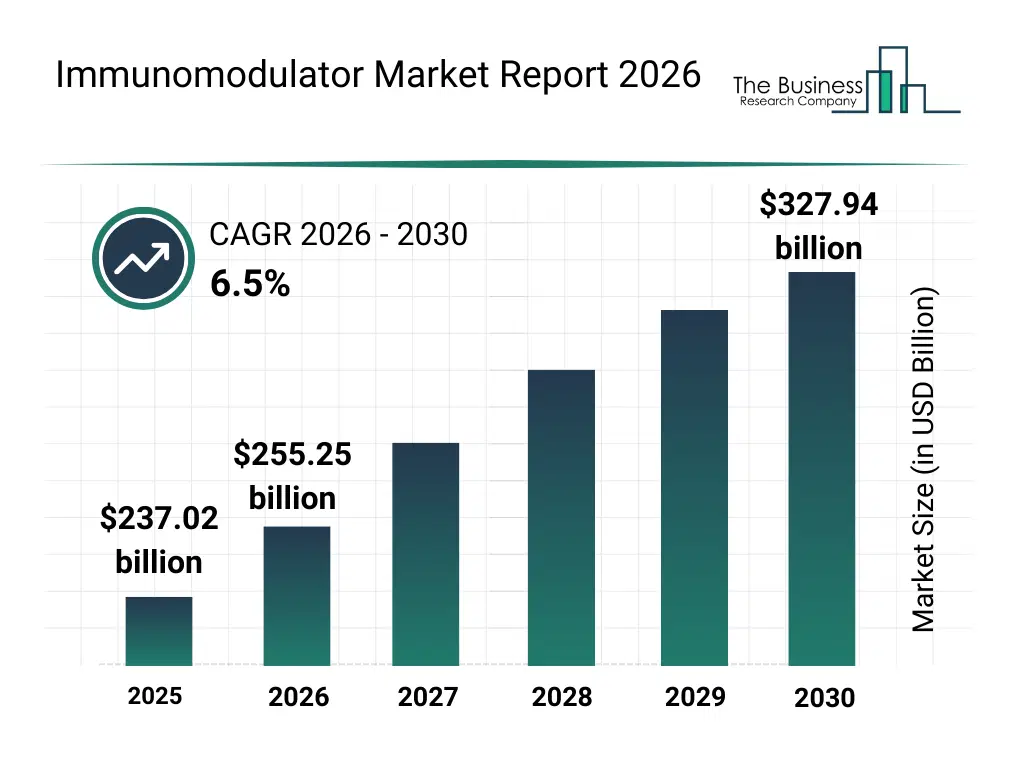
What Is The Immunomodulator Market Size and Share 2026?
The immunomodulator market size has grown strongly in recent years. It will grow from $237.02 billion in 2025 to $255.25 billion in 2026 at a compound annual growth rate (CAGR) of 7.7%. The growth in the historic period can be attributed to rising prevalence of autoimmune disorders, expansion of oncology and transplant procedures, increased use of corticosteroids and traditional immunosuppressants, growing hospital-based immunotherapy adoption, improved clinical understanding of immune pathways.What Is The Immunomodulator Market Growth Forecast?
The immunomodulator market size is expected to see strong growth in the next few years. It will grow to $327.94 billion in 2030 at a compound annual growth rate (CAGR) of 6.5%. The growth in the forecast period can be attributed to development of novel biologics and small molecule agents, rising demand for immuno-oncology therapies, increasing focus on targeted and safer immunomodulators, growth of home-based and outpatient treatments, expanding applications in emerging infectious and inflammatory diseases. Major trends in the forecast period include increasing adoption of biologic and targeted immunotherapies, growing use of combination immunomodulatory treatments, rising focus on personalized and precision immunotherapy, expansion of immunomodulators in chronic and autoimmune diseases, increasing shift toward outpatient and long-term immune management.
Global Immunomodulator Market Segmentation
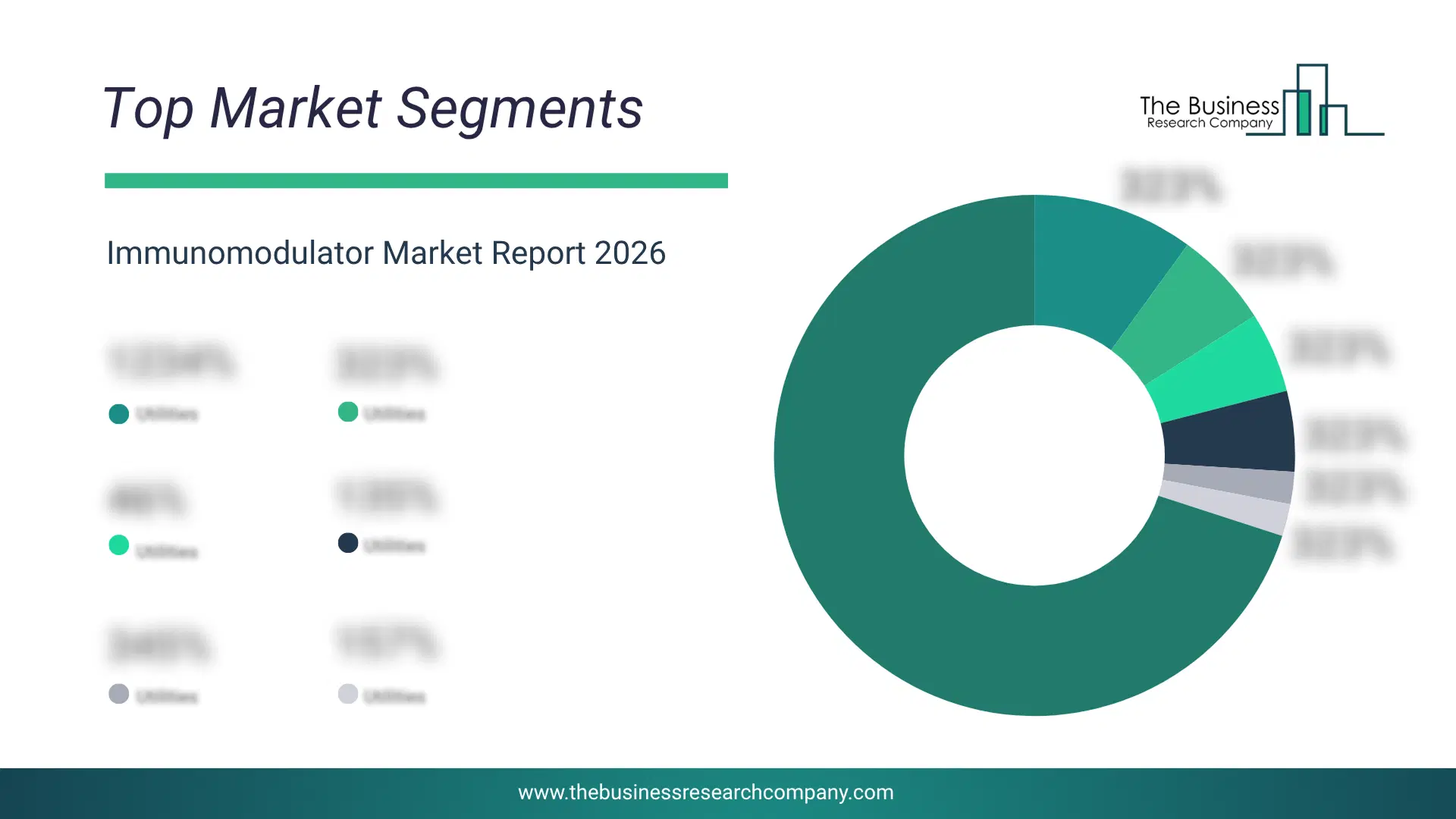
1) By Product Type: Immunosuppressants, Immunostimulants, Other Product Types 2) By Distribution Channel: Hospital Pharmacy, Online Pharmacy, Retail Pharmacy, Other Distribution Channels 3) By Application: Oncology, Respiratory, Human Immunodeficiency Virus, Other Applications 4) By End-User: Hospitals, Clinics, Other End Users Subsegments: 1) By Immunosuppressants: Corticosteroids, Calcineurin Inhibitors (Tacrolimus, Cyclosporine), Mtor Inhibitors (Sirolimus, Everolimus), Antimetabolites ( Azathioprine, Methotrexate), Biologic Immunosuppressants (Monoclonal Antibodies Like Rituximab), Janus Kinase (Jak) Inhibitors, T-Cell Inhibitors, Other Immunosuppressive Agents 2) By Immunostimulants: Cytokine And Growth Factor-Based Immunostimulants ( Interferons, Interleukins), Monoclonal Antibodies For Immune Stimulation, Vaccines ( Cancer Vaccines, Preventive Vaccines), Adjuvants And Immune Modulatory Agents, Immunostimulatory Agents For Autoimmune Diseases, Toll-Like Receptor (Tlr) Agonists, Nucleic Acid-Based Immunostimulants ( Dna Or Rna Vaccines) 3) By Other Product Types: Biologics ( Fusion Proteins, Immune Checkpoint Inhibitors), Small Molecule Immunomodulators, Immunotherapy Drugs, Stem Cell-Based Immunomodulators, Immuno-Oncology Drugs, Probiotics And Other Natural Immunomodulatory AgentsWhat Is The Driver Of The Immunomodulator Market?
The rise in chronic diseases is expected to propel the growth of the immunomodulator market. Chronic diseases are long-lasting medical conditions that typically develop gradually over time and persist for extended periods, often lasting for years or even a lifetime. Chronic diseases are becoming more common due to a multitude of interconnected variables, such as an aging population, lifestyle decisions, genetic predispositions, and the accessibility and infrastructure of healthcare. Immunomodulators provide valuable therapeutic options for managing chronic diseases by modulating immune responses, reducing inflammation, preventing organ rejection, enhancing immune surveillance, and improving symptom control. For instance, in September 2023, according to the World Health Organization, a Switzerland-based specialized agency of the United Nations, there were 41 million deaths, which is 74% of those caused by non-communicable diseases (NCDs) or chronic diseases every year globally. There were 17.9 million deaths from cardiovascular diseases, 9.3 million deaths from cancer, 4.1 million deaths from chronic respiratory diseases, and 2.0 million deaths from diabetes. Therefore, the rise in chronic diseases is driving the growth of the immunomodulator industry.Key Players In The Global Immunomodulator Market
Major companies operating in the immunomodulator market are Pfizer Inc., Johnson & Johnson, F. Hoffmann-La Roche AG, AbbVie Inc., Sanofi S.A, Bristol Myers Squibb Company, AstraZeneca plc, Novartis AG, GlaxoSmithKline plc, Takeda Pharmaceutical Company Limited, Eli Lilly and Company, Gilead Sciences Inc., Regeneron Pharmaceuticals Inc., Biogen Inc., UCB S.A., Horizon Therapeutics plc, Incyte Corporation, Kyowa Kirin Co. Ltd.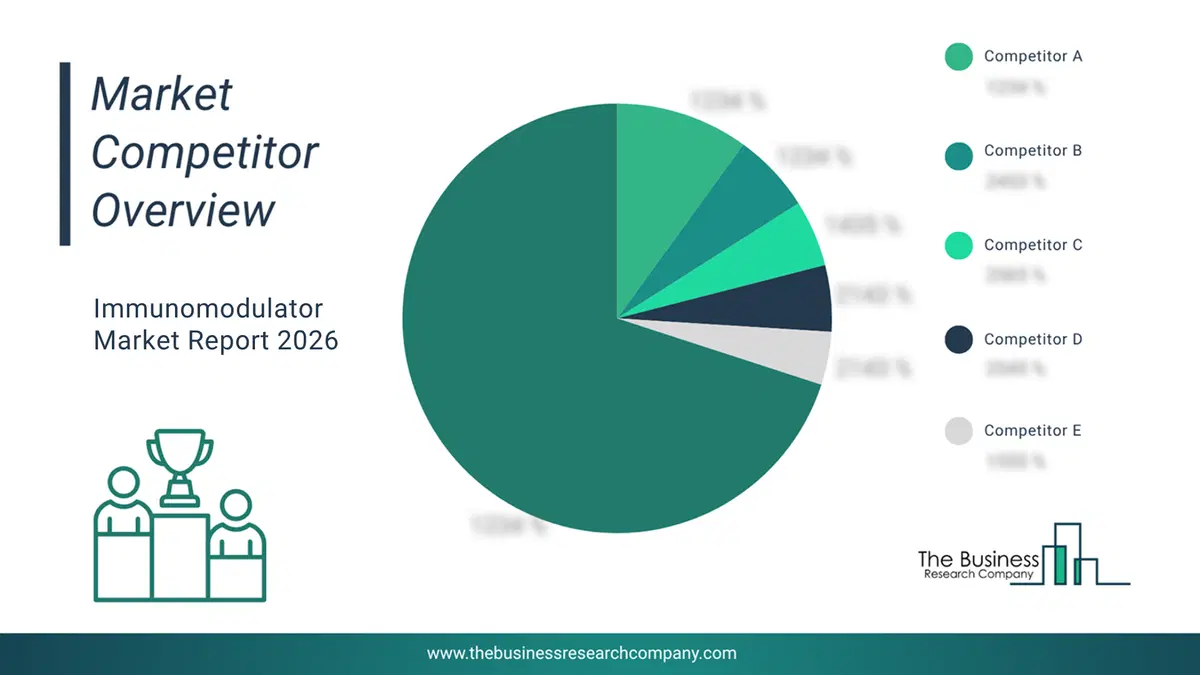
This chart is for illustrative purposes; the full report includes a detailed competitor analysis and comprehensive overview of the top 10 companies in the market.
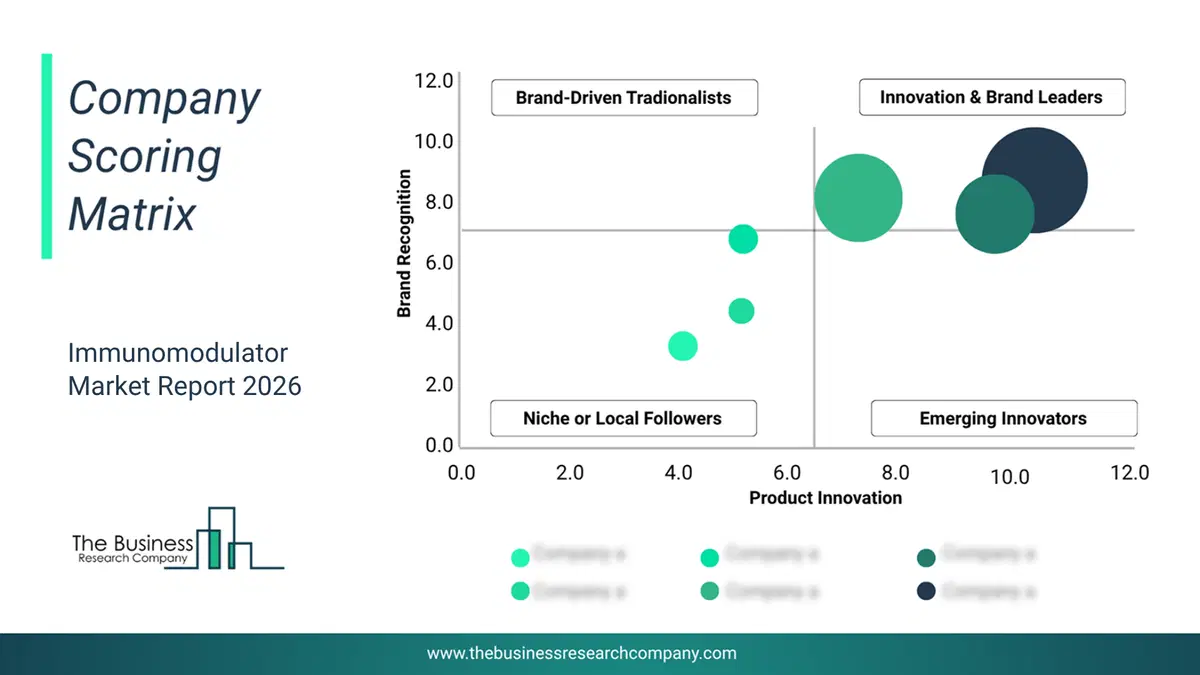
This chart maps companies by product innovation and brand strength, with bubble size indicating relative revenue, helping identify market leaders, challengers, and niche players. This is an illustrative chart; the full report provides a complete and accurate competitive analysis.
Global Immunomodulator Market Trends and Insights
Major companies operating in the immunomodulator market are focused on the development of non-immunosuppressive products to address the growing demand for treatments that offer targeted immune modulation without compromising the body's overall immune function. Non-immunosuppressive refers to treatments or substances that do not suppress or weaken the immune system's response. For instance, in February 2024, Nuvig Therapeutics, Inc., a US-based biotechnology company, initiated early-stage clinical trials for NVG-2089, a next-generation immune modulator. NVG-2089 is a proprietary product designed to treat patients with inflammatory myopathies and severe dermatologic autoimmune diseases. The FDA has granted fast-track designation for NVG-2089's development in bullous pemphigoid. This novel, recombinant, non-immunosuppressive immunomodulator targets type II Fc receptors to trigger an endogenous regulatory mechanism that reduces autoimmune dysregulation. The study's primary objective is to assess the safety and tolerability of NVG-2089, with secondary objectives focusing on pharmacokinetics and pharmacodynamics.What Are Latest Mergers And Acquisitions In The Immunomodulator Market?
In May 2024, Biogen Inc., a US based biotechnology company known for developing therapies for neurological and rare diseases, acquired Human Immunology Biosciences (HI Bio) for 1.15 billion US dollars upfront plus up to 650 million US dollars in milestone payments. With this acquisition, Biogen gains access to HI Bio’s late stage and early stage immunology pipeline, including the monoclonal antibody felzartamab and an anti C5aR1 program, thereby expanding its capabilities in immune mediated diseases while improving its pipeline depth, therapeutic diversification, and long term growth potential. HI Bio is a US based clinical stage biotechnology company specializing in precision therapies for severe immune mediated diseases, known for its targeted immunomodulatory antibody programs.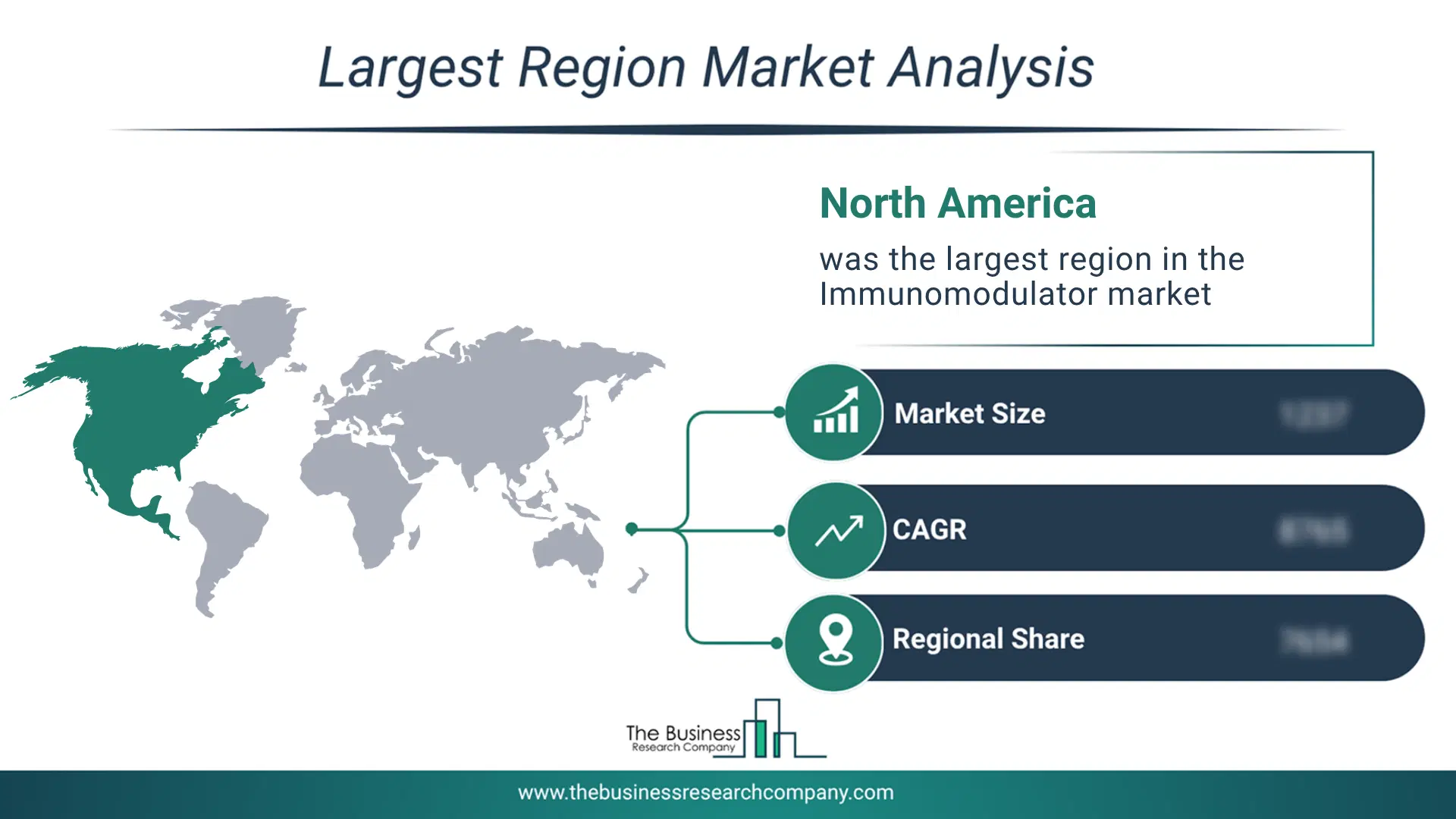
Regional Outlook
North America was the largest region in the immunomodulator market in 2025. Asia-Pacific is expected to be the fastest-growing region in the forecast period. The regions covered in this market report are Asia-Pacific, South East Asia, Western Europe, Eastern Europe, North America, South America, Middle East, Africa. The countries covered in this market report are Australia, Brazil, China, France, Germany, India, Indonesia, Japan, Taiwan, Russia, South Korea, UK, USA, Canada, Italy, Spain.What Defines the Immunomodulator Market?
The immunomodulator market consists of sales of herbal immunomodulators, vaccines, immunomodulatory drugs, monoclonal antibodies, and interferons. Values in this market are ‘factory gate’ values, that is, the value of goods sold by the manufacturers or creators of the goods, whether to other entities (including downstream manufacturers, wholesalers, distributors, and retailers) or directly to end customers. The value of goods in this market includes related services sold by the creators of the goods.How is Market Value Defined and Measured?
The market value is defined as the revenues that enterprises gain from the sale of goods and/or services within the specified market and geography through sales, grants, or donations in terms of the currency (in USD unless otherwise specified). The revenues for a specified geography are consumption values that are revenues generated by organizations in the specified geography within the market, irrespective of where they are produced. It does not include revenues from resales along the supply chain, either further along the supply chain or as part of other products.
This chart presents market attractiveness based on a quantitative evaluation of growth, competition, strategic alignment, and risk, offering a clear view of opportunity areas for decision-making. This chart is for illustrative purposes; the full report contains the complete analysis.

This chart highlights the Total Addressable Market (TAM) by estimating the maximum revenue opportunity using an assumption-driven approach, supporting strategic planning and opportunity sizing across markets. The chart is illustrative; the full report provides a more comprehensive analysis.
What Key Data and Analysis Are Included in the Immunomodulator Market Report 2026?
The immunomodulator market research report is one of a series of new reports from The Business Research Company that provides market statistics, including industry global market size, regional shares, competitors with the market share, detailed market segments, market trends and opportunities, and any further data you may need to thrive in the immunomodulator industry. The market research report delivers a complete perspective of everything you need, with an in-depth analysis of the current and future state of the industry.Immunomodulator Market Report Forecast Analysis
| Report Attribute | Details |
|---|---|
| Market Size Value In 2026 | $255.25 billion |
| Revenue Forecast In 2030 | $327.94 billion |
| Growth Rate | CAGR of 6.5% from 2026 to 2030 |
| Base Year For Estimation | 2025 |
| Actual Estimates/Historical Data | 2020-2025 |
| Forecast Period | 2026 - 2030 |
| Market Representation | Revenue in USD Billion and CAGR from 2026 to 2030 |
| Segments Covered | Product Type, Distribution Channel, Application, End-User |
| Regional Scope | Asia-Pacific, Western Europe, Eastern Europe, North America, South America, Middle East, Africa |
| Country Scope | The countries covered in the report are Australia, Brazil, China, France, Germany, India, Indonesia, Japan, Taiwan, Russia, South Korea, UK, USA, Canada, Italy, Spain |
| Key Companies Profiled | Pfizer Inc., Johnson & Johnson, F. Hoffmann-La Roche AG, AbbVie Inc., Sanofi S.A, Bristol Myers Squibb Company, AstraZeneca plc, Novartis AG, GlaxoSmithKline plc, Takeda Pharmaceutical Company Limited, Eli Lilly and Company, Gilead Sciences Inc., Regeneron Pharmaceuticals Inc., Biogen Inc., UCB S.A., Horizon Therapeutics plc, Incyte Corporation, Kyowa Kirin Co. Ltd. |
| Customization Scope | Request for Customization |
| Pricing And Purchase Options | Explore Purchase Options |