
Implantable Drug Delivery Devices Market Report 2026
Global Outlook – By Product (Contraceptive Implants, Spinal Implants, Brachytherapy Seeds, Drug-Eluting Stents, Bio-absorbable Stents, Intraocular Stents, Infusion Pumps, Other Applications), By Technology (Diffusion, Osmotic, Magnetic, Other Technologies), By Application (Contraception, Ophthalmology, Cardiovascular, Diabetes, Oncology, Autoimmune Diseases, Other Applications) – Market Size, Trends, Strategies, and Forecast to 2035
Implantable Drug Delivery Devices Market Overview
• Implantable Drug Delivery Devices market size has reached to $21.94 billion in 2025 • Expected to grow to $33.39 billion in 2030 at a compound annual growth rate (CAGR) of 8.7% • Growth Driver: Rising Incidence Of Chronic Diseases Driving Market Growth Due To Increased Demand For Targeted Drug Delivery Solutions • North America was the largest region in 2025 and Asia-Pacific is the fastest growing region.Market Gains By 2030 – Top Opportunities By Segment
Market Gain identifies the most promising market opportunities by highlighting the segments or products expected to generate the highest incremental revenue growth over the next five years.
What Is Covered Under Implantable Drug Delivery Devices Market?
Implantable drug delivery devices are drug delivery systems implanted under the skin that transmit drugs into the bloodstream from a reservoir. These devices facilitate site-specific drug delivery and require smaller doses, thereby minimizing side effects. The main products of implantable drug delivery devices is contraceptive implants, spinal implants, brachytherapy seeds, drug-eluting stents, bioabsorbable stents, intraocular stents, infusion pumps, and others. Spinal implants are devices that are used by surgeons while performing surgery to treat deformity, stabilize and strengthen the spine, and facilitate fusion. The technologies involved are diffusion, osmosis, magnetic, and others. The various applications involved are contraception, ophthalmology, cardiovascular, diabetes, oncology, autoimmune diseases, and others.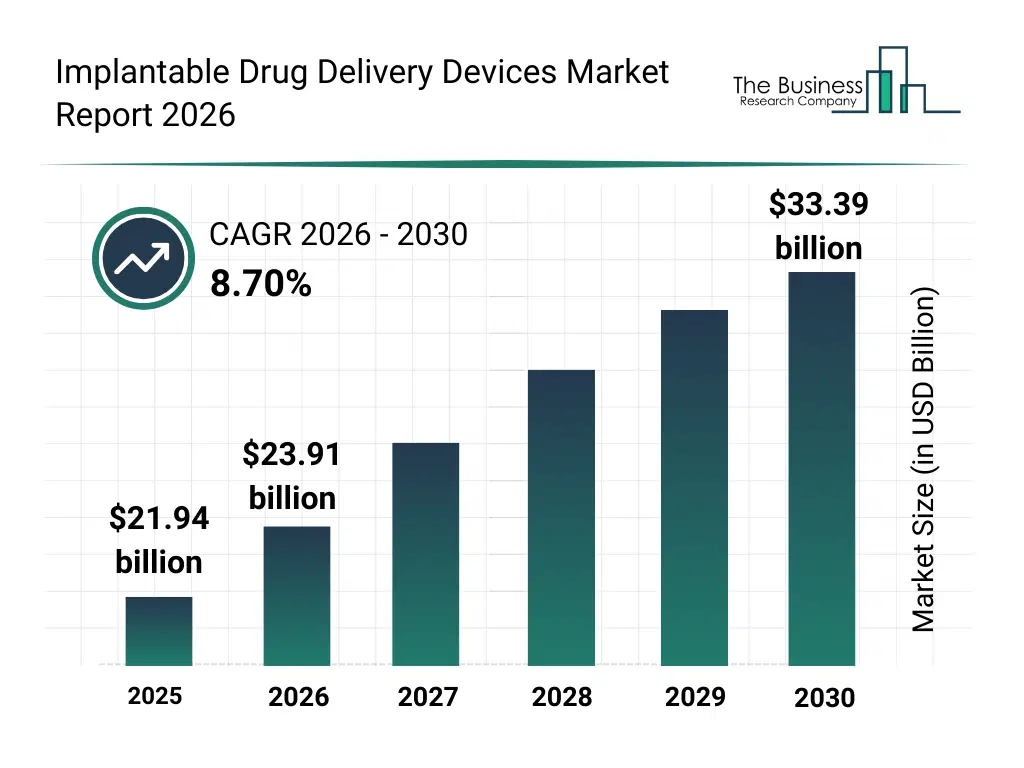
What Is The Implantable Drug Delivery Devices Market Size and Share 2026?
The implantable drug delivery devices market size has grown strongly in recent years. It will grow from $21.94 billion in 2025 to $23.91 billion in 2026 at a compound annual growth rate (CAGR) of 9.0%. The growth in the historic period can be attributed to advancements in implantable medical device design, rising prevalence of chronic diseases, increased use of long-term drug therapies, growth in minimally invasive surgical procedures, expansion of oncology and cardiovascular treatments.What Is The Implantable Drug Delivery Devices Market Growth Forecast?
The implantable drug delivery devices market size is expected to see strong growth in the next few years. It will grow to $33.39 billion in 2030 at a compound annual growth rate (CAGR) of 8.7%. The growth in the forecast period can be attributed to increasing development of smart implantable devices, rising demand for personalized drug delivery, expansion of biodegradable implant technologies, growing investments in combination drug-device products, increasing regulatory approvals for implantable therapies. Major trends in the forecast period include increasing adoption of controlled-release implant systems, rising use of bio-absorbable implant materials, growing demand for site-specific drug delivery, expansion of miniaturized implantable devices, enhanced focus on patient compliance.
Global Implantable Drug Delivery Devices Market Segmentation
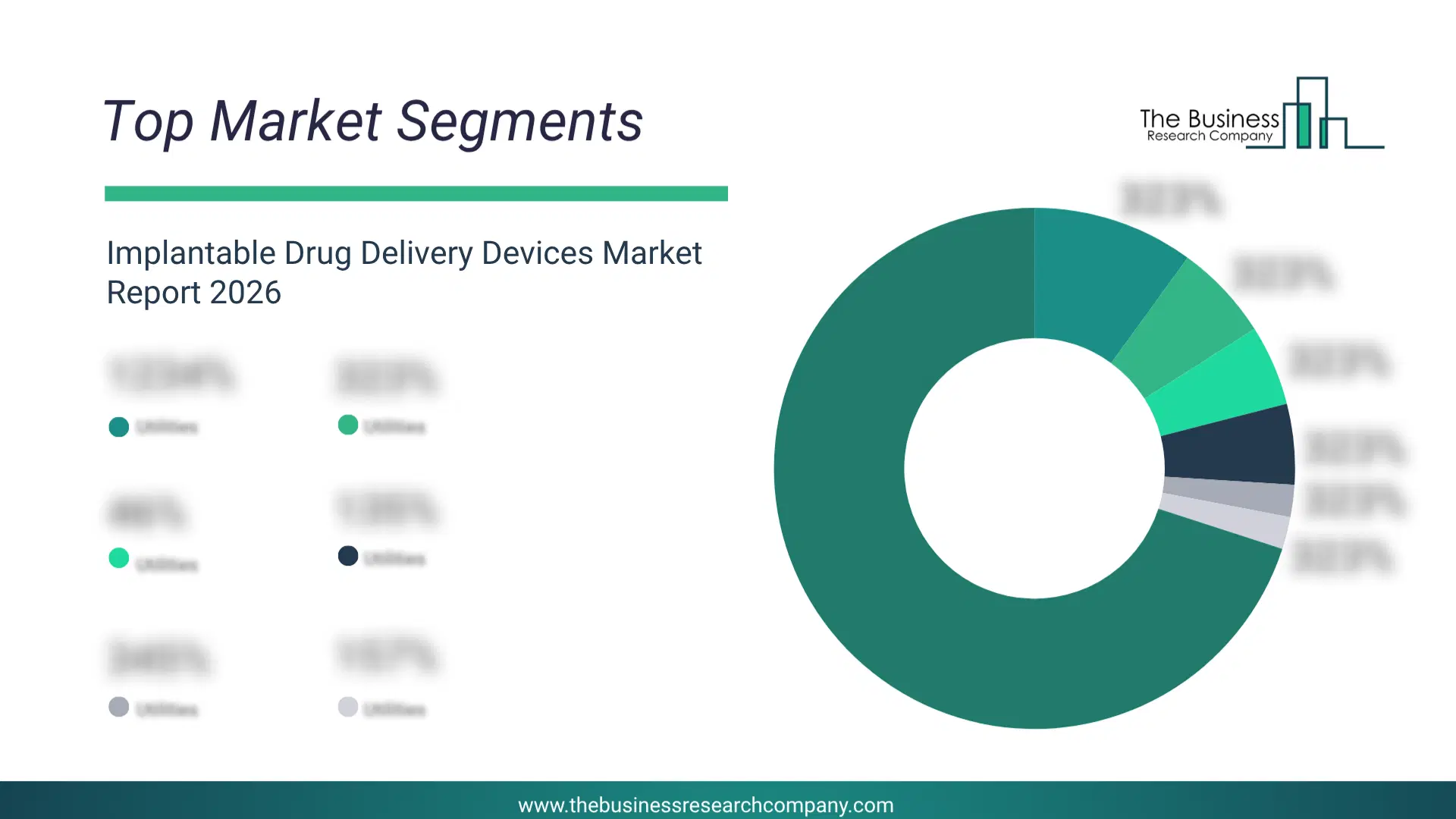
1) By Product: Contraceptive Implants, Spinal Implants, Brachytherapy Seeds, Drug-Eluting Stents, Bio-absorbable Stents, Intraocular Stents, Infusion Pumps, Other Applications 2) By Technology: Diffusion, Osmotic, Magnetic, Other Technologies 3) By Application: Contraception, Ophthalmology, Cardiovascular, Diabetes, Oncology, Autoimmune Diseases, Other Applications Subsegments: 1) By Contraceptive Implants: Hormonal Contraceptive Implants, Non-hormonal Contraceptive Implants 2) By Spinal Implants: Biodegradable Spinal Implants, Non-biodegradable Spinal Implants 3) By Brachytherapy Seeds: Iodine-125 Seeds, Palladium-103 Seeds, Cesium-131 Seeds, Other Brachytherapy Seeds 4) By Drug-Eluting Stents: Coronary Drug-Eluting Stents, Peripheral Drug-Eluting Stents 5) By Bio-absorbable Stents: Polymer-based Bio-absorbable Stents, Metal-based Bio-absorbable Stents 6) By Intraocular Stents: Glaucoma Intraocular Stents, Cataract Surgery Intraocular Stents 7) By Infusion Pumps: Insulin Pumps, Chemotherapy Infusion Pumps, Pain Management Infusion Pumps, Other Infusion Pumps 8) By Other Applications: Implantable Reservoirs, Implantable Micro-pumps, Implantable Drug Elution Devices The top segments in the implantable drug delivery devices market will be: • Diffusion will reach $9156.9 Million by 2025. • Drug-Eluting Stents will reach $6799.4 Million by 2025. • Osmotic will reach $6082.5 Million by 2025. • Contraceptive Implants will reach $5443 Million by 2025. • Cardiovascular will reach $5280.9 Million by 2025.What Are The Drivers Of The Implantable Drug Delivery Devices Market?
The growing incidence of chronic diseases is expected to propel the growth of the implantable drug delivery devices market going forward. Chronic diseases are long-lasting medical conditions that persist over an extended period of time, typically for three months or more. The rising incidence of chronic diseases is due to widespread unhealthy lifestyle behaviors such as poor nutrition, physical inactivity, and tobacco use, which significantly increase the risk of developing non-communicable diseases globally. Implantable drug delivery devices are increasingly used to provide long-term, controlled medication administration for chronic diseases and improve patient compliance and treatment effectiveness. For instance, in August 2025, according to the Centers for Disease Control and Prevention, a Switzerland-based public health agency, 90% of the nation’s 4.9 trillion dollars in annual health care spending is attributed to individuals with chronic and mental health conditions, with more than 84,000 Americans dying each year from heart disease or stroke and the costs associated with cardiovascular diseases projected to reach roughly 2 trillion dollars by 2050. Therefore, the growing incidence of chronic diseases is driving the growth of the implantable drug delivery devices industry. The growing healthcare expenditure is expected to propel the growth of the implantable drug delivery devices market going forward. Healthcare expenditure refers to the total amount of money spent on healthcare services, products, and public health activities within a country or system, including hospital care, physician services, medicines, medical devices, long-term care, and preventive programs. Healthcare expenditure is growing as the rising burden of chronic diseases requires continuous treatment, long-term medication, and frequent clinical visits, significantly increasing overall spending. Growing healthcare expenditure supports the implantable drug delivery devices market by enabling wider adoption of advanced, long-term treatment technologies. For instance, in April 2025, according to the Office for National Statistics, a UK-based government department, between 2023 and 2024, overall healthcare spending increased by 6.5% in nominal terms, and by 2.4% in real terms after accounting for inflation. Therefore, the growing healthcare expenditure is driving the growth of the implantable drug delivery devices industry.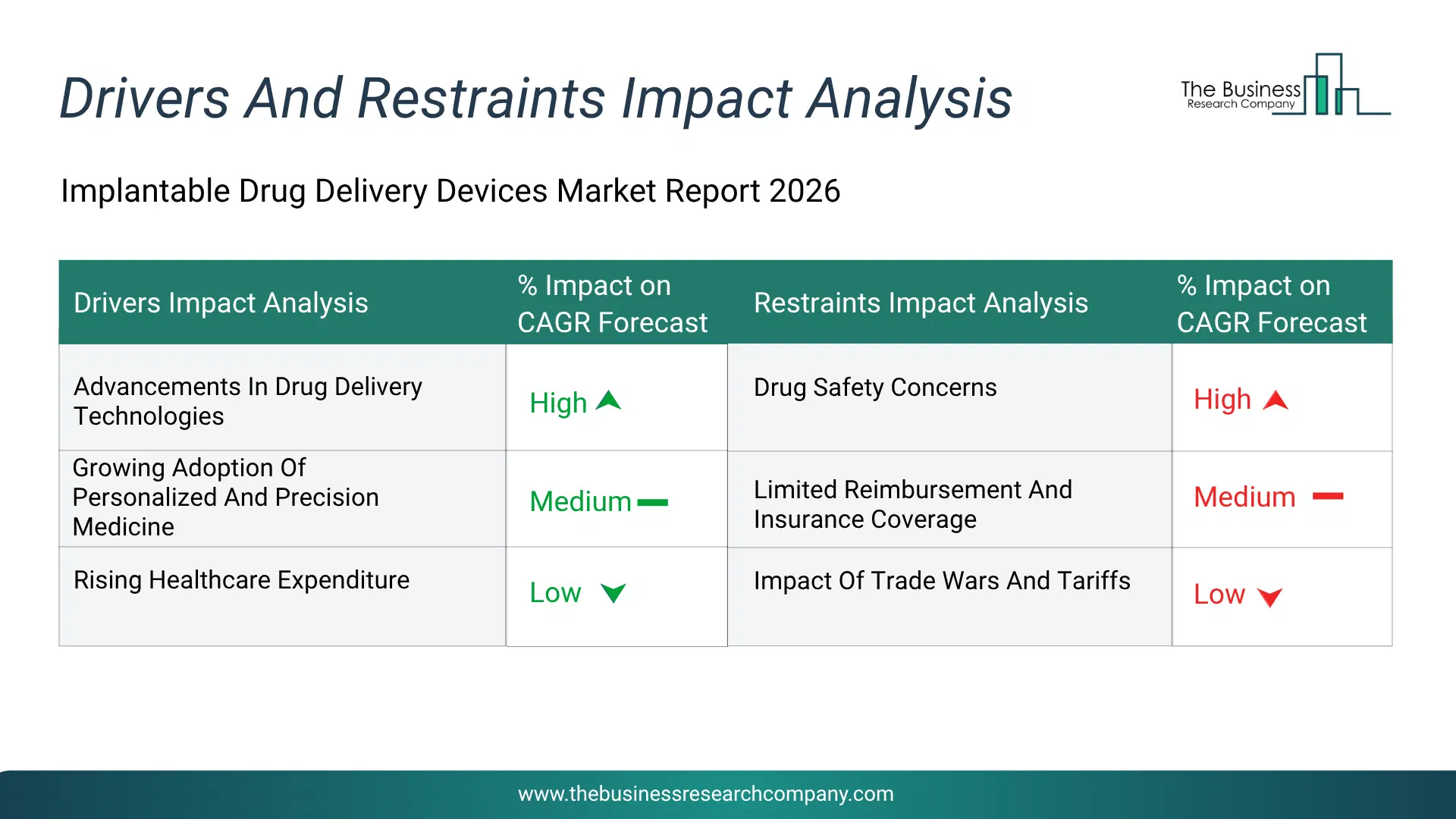
Infographic Chart Showing Key Market Drivers Analysis And Restraints For Implantable Drug Delivery Devices Market
The chart presents an impact analysis of key drivers and restraints, quantifying their relative influence on the market's growth rate and helping assess the balance between growth enablers and limiting factors. This chart offers a high-level perspective; the full report contains more detailed insights.
How Will The Drivers Impact Growth In The Global Implantable Drug Delivery Devices Market?
• Advancements In Drug Delivery Technologies (High) – The advancements in drug delivery technologies will become a key driver of growth in the implantable drug delivery devices market by 2030. As healthcare providers and medical device companies focus on enhancing the precision, safety and efficiency of drug administration, next-generation technologies such as programmable infusion pumps, biodegradable implants and microchip-based delivery systems are increasingly being integrated into clinical practice. Innovations in materials science, miniaturization and smart monitoring systems are enabling site-specific, controlled and sustained drug release, improving therapeutic outcomes and patient adherence. The growing emphasis on personalized medicine and chronic disease management is expected to further accelerate the adoption of implantable drug delivery solutions, supporting continued growth in the implantable drug delivery devices market. As a result, the advancements in drug delivery technologies is anticipated to contributing to a 2.0% annual growth in the market. • Growing Adoption Of Personalized And Precision Medicine (Medium) – The growing adoption of personalized and precision medicine will emerge as a major factor driving the expansion of the implantable drug delivery devices market by 2030. As healthcare providers increasingly focus on tailoring therapies to individual patient profiles, implantable drug delivery devices are being leveraged to deliver targeted, patient-specific treatments with controlled dosing and optimized therapeutic outcomes. Advances in biomarker identification, genomics and patient monitoring are enabling more precise alignment of drug delivery with individual disease conditions, particularly in chronic diseases such as cancer, diabetes and neurological disorders. The integration of precision medicine approaches with implantable devices is expected to accelerate their adoption, supporting sustained growth in the implantable drug delivery devices market. Consequently, the growing adoption of personalized and precision medicine is projected to contributing to a 1.0% annual growth in the market. • Rising Healthcare Expenditure (Low) – The rising healthcare expenditure will serve as a key growth catalyst for the implantable drug delivery devices market by 2030. As governments, healthcare providers and private payers continue to increase investments in advanced medical technologies and chronic disease management programs, a larger share of healthcare budgets is expected to be allocated toward implantable drug delivery solutions that enable sustained and targeted therapy. Increasing public and private sector spending on long-term treatment strategies, patient adherence programs and advanced therapeutic devices is expected to drive demand for implantable systems such as infusion pumps, osmotic devices and programmable implants. The growing focus on improving patient outcomes, reducing hospital readmissions and supporting personalized medicine is expected to accelerate the adoption of implantable drug delivery devices, supporting continued growth in the market. Therefore, this rising healthcare expenditure is projected to supporting to a 0.8% annual growth in the market. • Increasing Demand For Home-Based And Long-Term Care (Low) – The increasing demand for home-based and long-term care will become a significant driver contributing to the growth of the implantable drug delivery devices market by 2030. As healthcare systems increasingly focus on patient-centered care and aging populations require continuous management of chronic conditions, more patients are expected to receive treatment in home settings rather than in hospitals or clinics. The growing adoption of remote monitoring technologies, telehealth services and home healthcare programs is expected to support the use of implantable drug delivery devices for sustained, controlled and site-specific drug administration. Increasing public and private sector initiatives aimed at expanding home healthcare infrastructure and improving patient adherence are expected to drive demand for implantable devices that reduce hospital visits, enhance convenience and improve long-term treatment outcomes, thereby supporting continued growth in the implantable drug delivery devices market. Consequently, the increasing demand for home-based and long-term care is projected to contributing to a 0.5% annual growth in the market.How Will The Restraints Impact Growth In The Global Implantable Drug Delivery Devices Market?
• Drug Safety Concerns (High) – Drug safety concerns is expected to restrain market growth during the forecast period. It creates operational, financial, regulatory, or commercial challenges that can increase costs, delay projects, reduce investments, or discourage purchasing decisions depending on the market. These challenges can reduce product adoption, affect business confidence, and limit the ability of companies to expand efficiently across key regions. This can disrupt long-term growth strategies and reduce the ability of companies to capitalize on emerging market opportunities. • Limited Reimbursement And Insurance Coverage (Medium) – During the forecast period, limited reimbursement and insurance coverage is likely to limit market expansion. It creates operational, financial, regulatory, or commercial challenges that can increase costs, delay projects, reduce investments, or discourage purchasing decisions depending on the market. These challenges can reduce product adoption, affect business confidence, and limit the ability of companies to expand efficiently across key regions. As a result, organizations may postpone purchasing decisions, limiting demand across both established and emerging markets. • Impact Of Trade Wars And Tariffs (Low) – The market is expected to face challenges due to impact of trade wars and tariffs over the forecast period. It creates operational, financial, regulatory, or commercial challenges that can increase costs, delay projects, reduce investments, or discourage purchasing decisions depending on the market. These challenges can reduce product adoption, affect business confidence, and limit the ability of companies to expand efficiently across key regions. This may reduce production efficiency, extend project timelines, and create challenges in meeting evolving customer requirements.Key Players In The Global Implantable Drug Delivery Devices Market
Major companies operating in the implantable drug delivery devices market are AbbVie Inc., Bayer HealthCare, Medtronic Inc., Nucletron, Boston Scientific Corporation, Abbott Laboratories, Bausch and Lomb Inc., Merck & Co. Inc., Genentech Inc, EyePoint Pharmaceuticals Inc., DSM Biomedical, Delpor Inc., Teleflex Incorporated, Biotronik Inc., Alcon Inc., Terumo Corporation, Endologix Inc., Innocoll Biotherapeutics, Atossa Therapeutics Inc., Intersect ENT, Microchips Biotech, Theradaptive Inc., CollPlant, Intarcia Therapeutics, Glaukos Corporation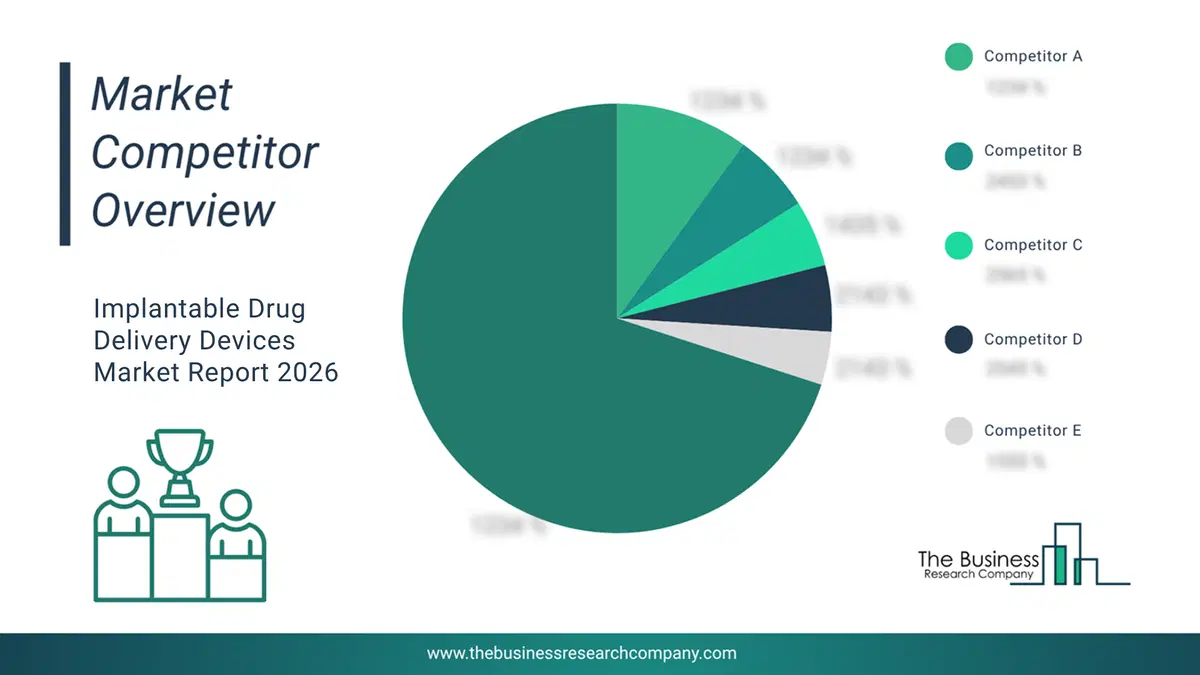
This chart is for illustrative purposes; the full report includes a detailed competitor analysis and comprehensive overview of the top 10 companies in the market.
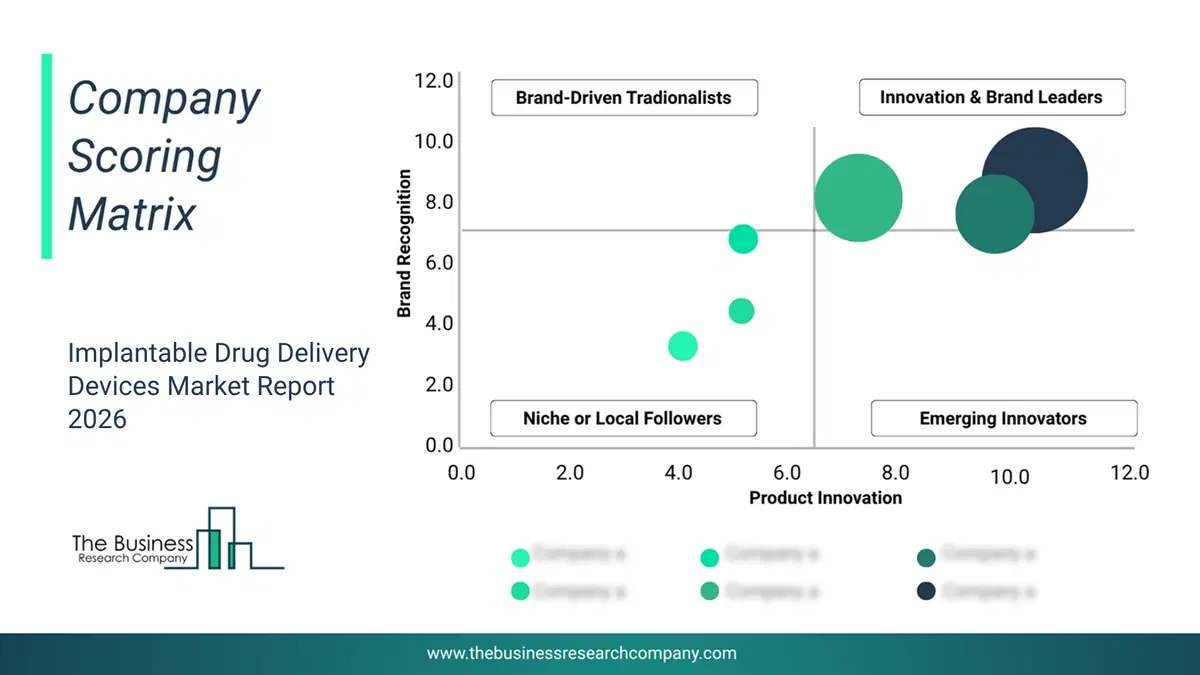
This chart maps companies by product innovation and brand strength, with bubble size indicating relative revenue, helping identify market leaders, challengers, and niche players. This is an illustrative chart; the full report provides a complete and accurate competitive analysis.
What Are Latest Mergers And Acquisitions In The Implantable Drug Delivery Devices Market?
In May 2024, Arecor, a UK-based biopharmaceutical company specializing in novel formulations, partnered with Medtronic, to develop a highly concentrated, yet stable, liquid formulation of an undisclosed Medtronic therapeutic product. Through this collaboration, Medtronic will fund the formulation and development of an Arestat-enabled insulin tailored for implantable delivery, enhancing therapeutic precision and patient outcomes. Medtronic, a US-based health technology company, to develop a high-concentration, thermostable insulin for use in next-generation implantable pumps.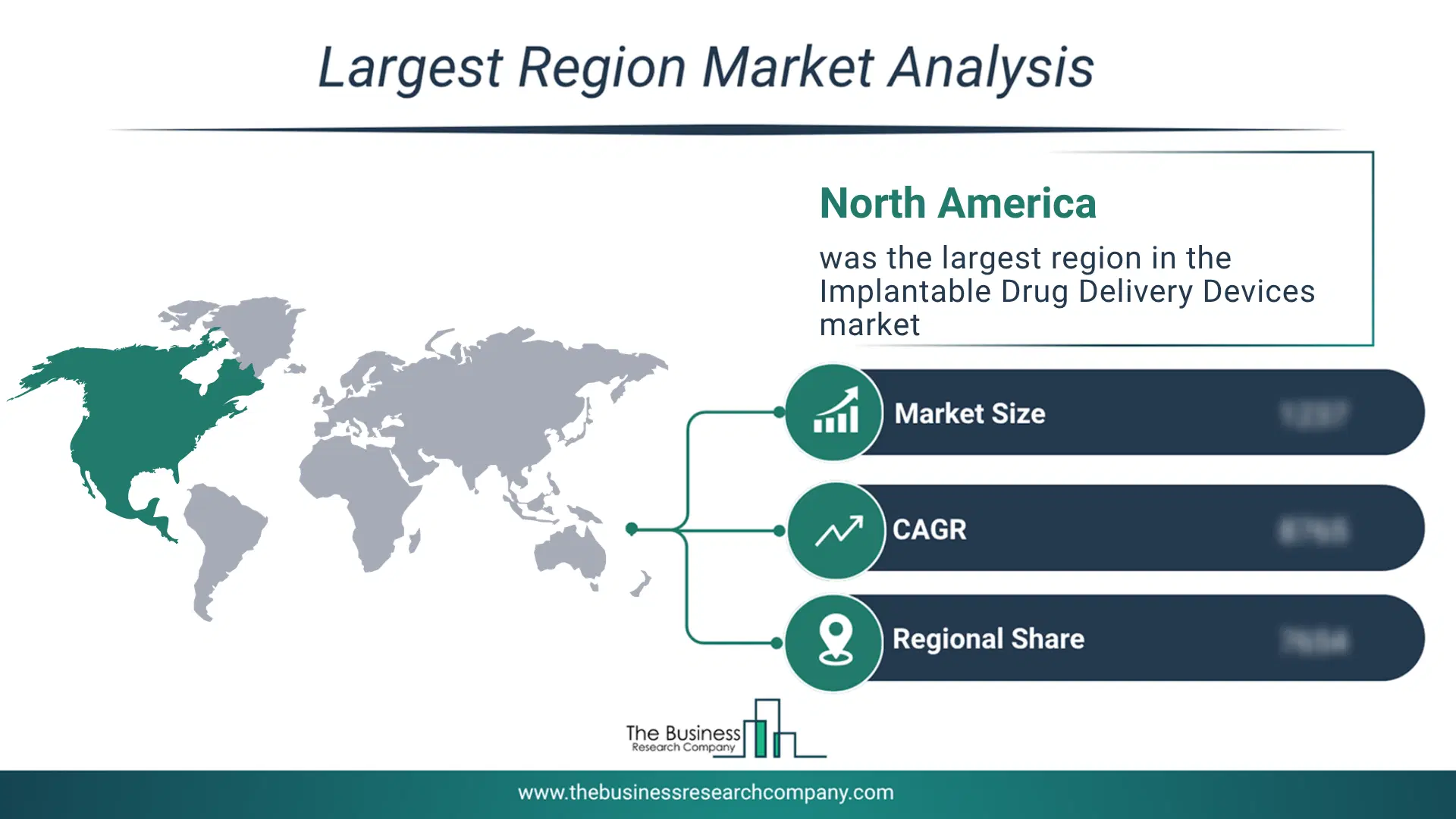
Regional Outlook
North America was the largest region in the implantable drug delivery devices market in 2025. Asia-Pacific was the second-largest region in the implantable drug delivery devices market report. The regions covered in this market report are Asia-Pacific, South East Asia, Western Europe, Eastern Europe, North America, South America, Middle East, Africa. The countries covered in this market report are China, India, Japan, Australia, Indonesia, South Korea, Bangladesh, Thailand, Vietnam, Malaysia, Singapore, Philippines, Hong Kong, Taiwan, New Zealand, UK, Germany, France, Italy, Spain, Austria, Belgium, Denmark, Finland, Ireland, Netherlands, Norway, Portugal, Sweden, Switzerland, Russia, Czech Republic, Poland, Romania, Ukraine, USA, Canada, Mexico, Brazil, Chile, Argentina, Colombia, Peru, Saudi Arabia, Israel, Iran, Turkey, UAE, Egypt, Nigeria, South Africa.What Defines the Implantable Drug Delivery Devices Market?
The implantable drug delivery devices market consists of sales of contraceptive implants, spinal implants, brachytherapy seeds, drug-eluting stents, bio-absorbable stents, intraocular stents, infusion pumps, and others. Values in this market are factory gate values, that is the value of goods sold by the manufacturers or creators of the goods, whether to other entities (including downstream manufacturers, wholesalers, distributors, and retailers) or directly to end customers. The value of goods in this market includes related services sold by the creators of the goods.How is Market Value Defined and Measured?
The market value is defined as the revenues that enterprises gain from the sale of goods and/or services within the specified market and geography through sales, grants, or donations in terms of the currency (in USD unless otherwise specified). The revenues for a specified geography are consumption values that are revenues generated by organizations in the specified geography within the market, irrespective of where they are produced. It does not include revenues from resales along the supply chain, either further along the supply chain or as part of other products.
This chart presents market attractiveness based on a quantitative evaluation of growth, competition, strategic alignment, and risk, offering a clear view of opportunity areas for decision-making. This chart is for illustrative purposes; the full report contains the complete analysis.

This chart highlights the Total Addressable Market (TAM) by estimating the maximum revenue opportunity using an assumption-driven approach, supporting strategic planning and opportunity sizing across markets. The chart is illustrative; the full report provides a more comprehensive analysis.
What Key Data and Analysis Are Included in the Implantable Drug Delivery Devices Market Report 2026?
The implantable drug delivery devices market research report is one of a series of new reports from The Business Research Company that provides market statistics, including industry global market size, regional shares, competitors with the market share, detailed market segments, market trends and opportunities, and any further data you may need to thrive in the implantable drug delivery devices industry. The market research report delivers a complete perspective of everything you need, with an in-depth analysis of the current and future state of the industry.Implantable Drug Delivery Devices Market Report Forecast Analysis
| Report Attribute | Details |
|---|---|
| Market Size Value In 2026 | $23.91 billion |
| Revenue Forecast In 2035 | $33.39 billion |
| Growth Rate | CAGR of 9.0% from 2026 to 2035 |
| Base Year For Estimation | 2025 |
| Actual Estimates/Historical Data | 2020-2025 |
| Forecast Period | 2026 - 2030 - 2035 |
| Market Representation | Revenue in USD Billion and CAGR from 2026 to 2035 |
| Segments Covered | Product, Technology, Application |
| Regional Scope | Asia-Pacific, Western Europe, Eastern Europe, North America, South America, Middle East, Africa |
| Country Scope | The countries covered in the report are Australia, Brazil, China, France, Germany, India, ... |
| Key Companies Profiled | AbbVie Inc., Bayer HealthCare, Medtronic Inc., Nucletron, Boston Scientific Corporation, Abbott Laboratories, Bausch and Lomb Inc., Merck & Co. Inc., Genentech Inc, EyePoint Pharmaceuticals Inc., DSM Biomedical, Delpor Inc., Teleflex Incorporated, Biotronik Inc., Alcon Inc., Terumo Corporation, Endologix Inc., Innocoll Biotherapeutics, Atossa Therapeutics Inc., Intersect ENT, Microchips Biotech, Theradaptive Inc., CollPlant, Intarcia Therapeutics, Glaukos Corporation |
| Customization Scope | Request for Customization |
| Pricing And Purchase Options | Explore Purchase Options |