
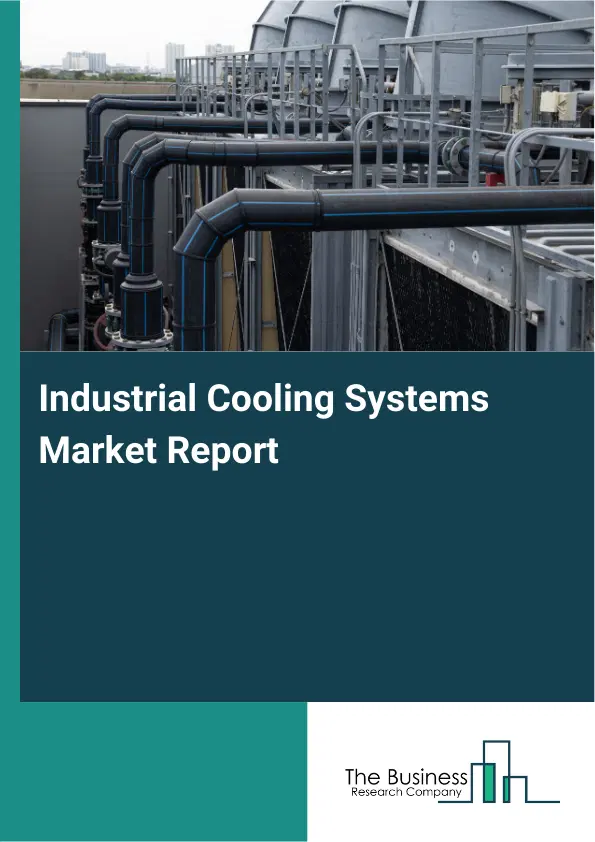
Industrial Cooling Systems Market Report 2026
Global Outlook – By Type (Water Cooling System, Evaporative Cooling Systems, Air Cooling System, Hybrid Cooling System, Other Types), By Function (Transport Cooling, Stationary Cooling), By End-User (Power Generation, Industrial Manufacturing, Petrochemical Processing, Food Processing And Storage, Petroleum And Natural Gas Refining, Pharmaceuticals, Data Center, Other End-Users) – Market Size, Trends, Strategies, and Forecast to 2030
Industrial Cooling Systems Market Overview
• Industrial Cooling Systems market size has reached to $21.4 billion in 2025 • Expected to grow to $30.45 billion in 2030 at a compound annual growth rate (CAGR) of 7.5% • Growth Driver: Renewable Energy Integration Ignites Growth In Industrial Cooling Systems • Market Trend: Innovative Commercial Vehicle Cooling Systems Launched to Enhance Performance and Fuel Efficiency • Asia-Pacific was the largest region in 2025.Market Gains By 2030 – Top Opportunities By Segment
Market Gain identifies the most promising market opportunities by highlighting the segments or products expected to generate the highest incremental revenue growth over the next five years.
What Is Covered Under Industrial Cooling Systems Market?
Industrial cooling systems refer to a wide range of equipment and devices designed to remove heat from industrial processes, machinery, or facilities to maintain optimal operating conditions. The cooling systems help regulate temperatures, prevent equipment overheating, ensure product quality, and support worker comfort. The main types of industrial cooling systems are water cooling systems, evaporative cooling systems, air cooling systems, hybrid cooling systems, and others. A water-cooling system refers to a cooling system that uses water as a coolant to remove heat from industrial processes or equipment and is used where large amounts of heat need to be dissipated efficiently. They function as transport cooling and stationary cooling for different end uses, including power generation, industrial manufacturing, petrochemical processing, food processing and storage, petroleum and natural gas refining, pharmaceuticals, data centers, and others.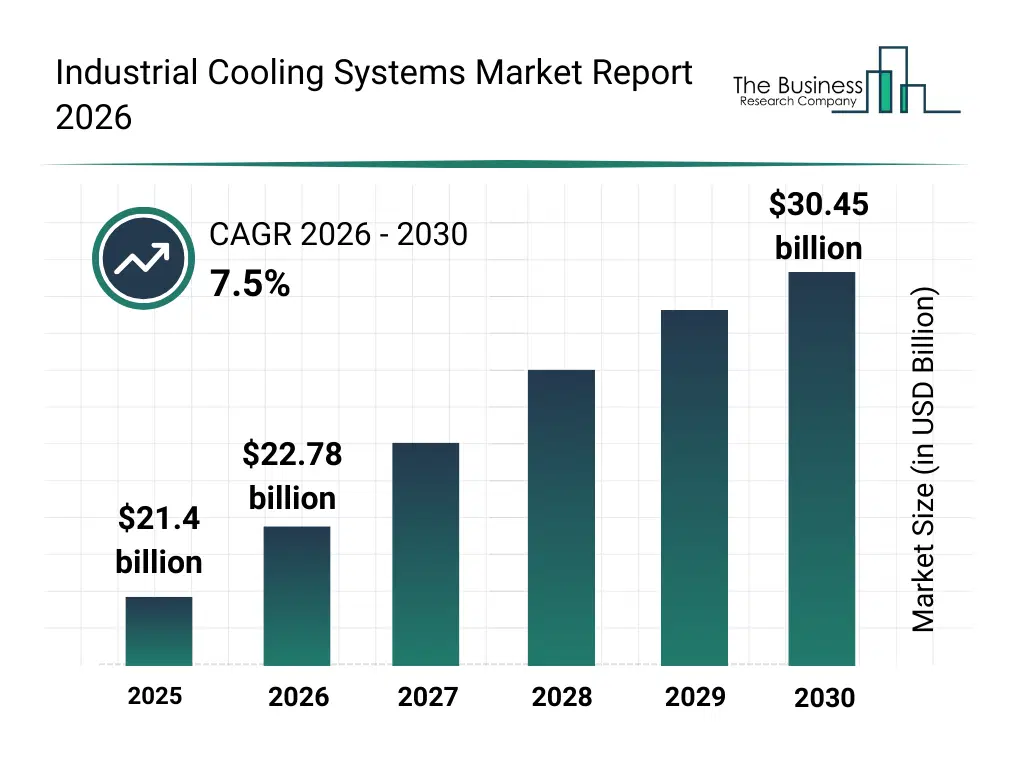
What Is The Industrial Cooling Systems Market Size and Share 2026?
The industrial cooling systems market size has grown strongly in recent years. It will grow from $21.4 billion in 2025 to $22.78 billion in 2026 at a compound annual growth rate (CAGR) of 6.4%. The growth in the historic period can be attributed to expansion of industrial manufacturing, demand for temperature control, growth of power generation plants, reliance on water cooling systems, industrial equipment heat management.What Is The Industrial Cooling Systems Market Growth Forecast?
The industrial cooling systems market size is expected to see strong growth in the next few years. It will grow to $30.45 billion in 2030 at a compound annual growth rate (CAGR) of 7.5%. The growth in the forecast period can be attributed to data center expansion, industrial decarbonization goals, adoption of smart cooling technologies, demand for water-efficient systems, industrial automation growth. Major trends in the forecast period include adoption of energy-efficient cooling systems, expansion of data center cooling demand, integration of smart cooling controls, growth of industrial process cooling, shift toward hybrid cooling solutions.
Global Industrial Cooling Systems Market Segmentation
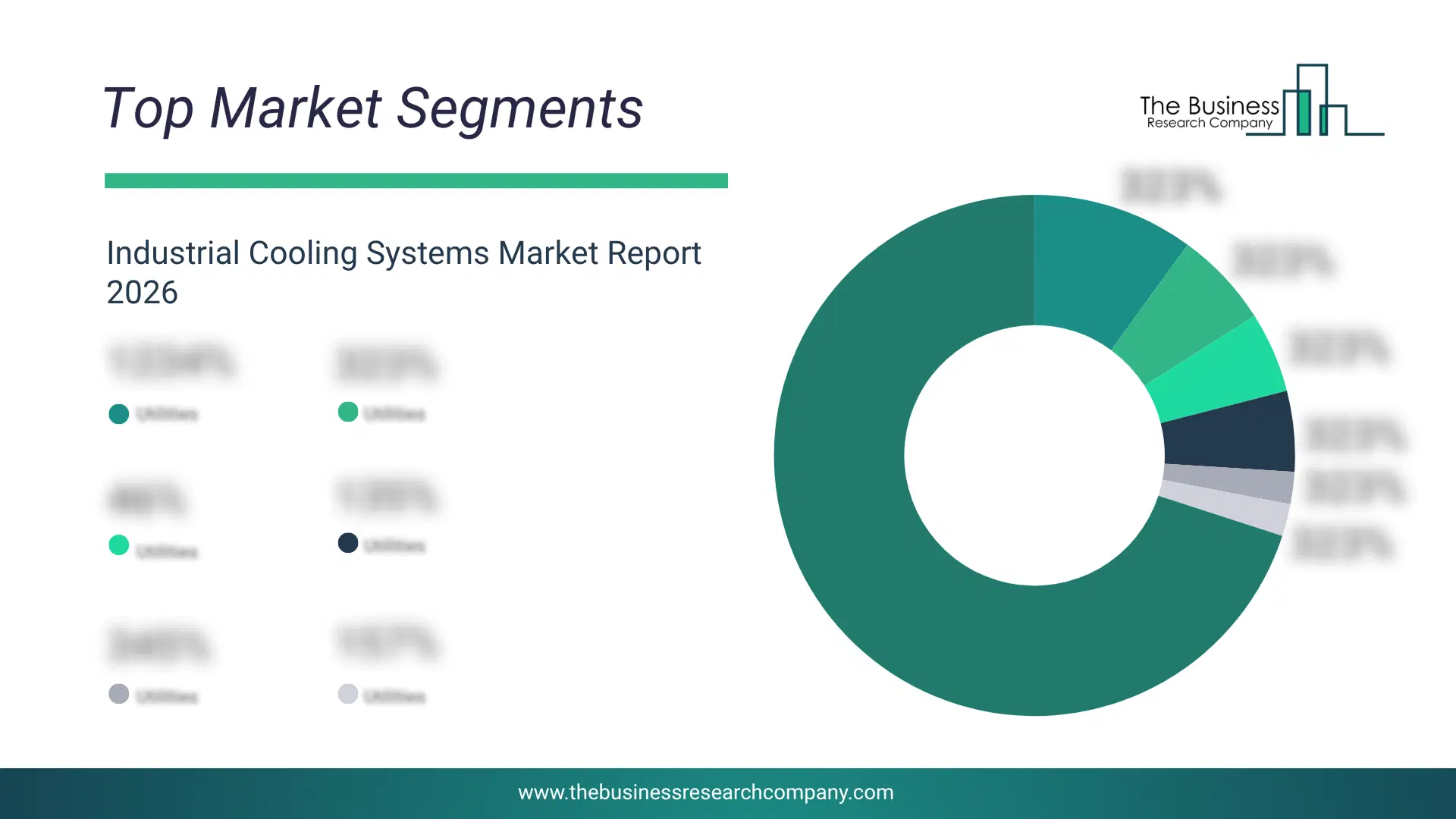
1) By Type: Water Cooling System, Evaporative Cooling Systems, Air Cooling System, Hybrid Cooling System, Other Types 2) By Function: Transport Cooling, Stationary Cooling 3) By End-User: Power Generation, Industrial Manufacturing, Petrochemical Processing, Food Processing And Storage, Petroleum And Natural Gas Refining, Pharmaceuticals, Data Center, Other End-Users Subsegments: 1) By Water Cooling System: Chilled Water Systems, Cooling Towers, Recirculating Water Systems 2) By Evaporative Cooling System: Direct Evaporative Coolers, Indirect Evaporative Coolers, Hybrid Evaporative Coolers 3) By Air Cooling System: Air-Cooled Chillers, Air-Cooled Heat Exchangers, Air-Cooled Condensers 4) By Hybrid Cooling System: Combined Water And Air Systems, Modular Hybrid Systems 5) By Other Types: Thermoelectric Cooling Systems, Refrigeration-Based Cooling Systems, Heat Exchanger Systems The top segments in the industrial cooling systems market will be: • Water Cooling System will reach $13.84 Billion by 2030. • Evaporative Cooling Systems will reach $6.82 Billion by 2030. • Air Cooling System will reach $5.37 Billion by 2030. • Hybrid Cooling System will reach $2.65 Billion by 2030. • Other Types will reach $1.31 Billion by 2030.What Is The Driver Of The Industrial Cooling Systems Market?
The rising focus on renewable energy integration is expected to propel the growth of the industrial cooling systems market going forward. Renewable energy refers to energy derived from sources that are naturally replenished on a human timescale and are considered environmentally sustainable. Industrial cooling systems ensuring optimal operating temperatures, are vital for the performance, longevity, and reliability of renewable energy systems, fostering their successful integration and widespread adoption. For instance, in January 2023, according to the Energy Information Administration, a US-based government agency, 16% of total energy generation in 2023 is anticipated to come from renewable energy sources like wind and solar, up from 14% in 2022. Therefore, the rising focus on renewable energy integration is driving the growth of the industrial cooling systems industry.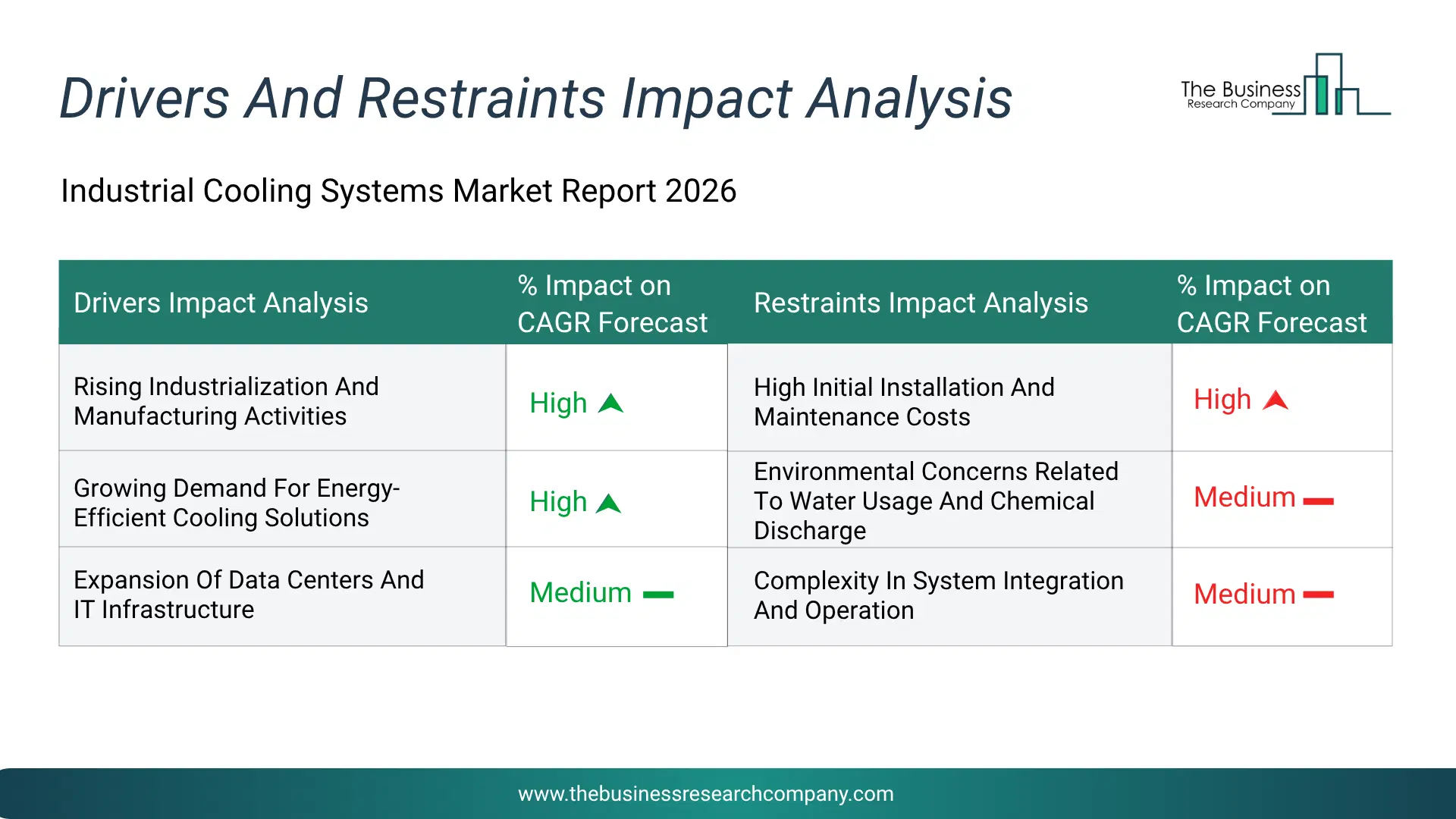
Infographic Chart Showing Key Market Drivers Analysis And Restraints For Industrial Cooling Systems Market
The chart presents an impact analysis of key drivers and restraints, quantifying their relative influence on the market's growth rate and helping assess the balance between growth enablers and limiting factors. This chart offers a high-level perspective; the full report contains more detailed insights.
How Will The Drivers Impact Growth In The Global Industrial Cooling Systems Market?
• Rising Industrialization And Manufacturing Activities (High) – During the forecast period, the rising industrialization and manufacturing activities are expected to become a key growth driver for the industrial cooling systems market by 2030. Expanding manufacturing facilities across sectors such as metals, chemicals, electronics, and automotive are increasing the need for reliable temperature control systems to maintain production efficiency and equipment performance. Industrial cooling systems play a critical role in dissipating process heat, preventing machinery overheating, and ensuring uninterrupted operations. As industrial output continues to expand across developing and developed economies, demand for advanced cooling infrastructure is expected to strengthen significantly. • Growing Demand For Energy-Efficient Cooling Solutions (High) – During the forecast period, the growing demand for energy-efficient cooling solutions is expected to emerge as a major factor driving the expansion of the industrial cooling systems market by 2030. Industries are increasingly adopting cooling technologies that reduce power consumption, lower operational expenses, and support sustainability objectives. The integration of intelligent controls, variable-speed drives, and optimized heat exchange systems is improving cooling performance while minimizing energy use. Regulatory pressure to improve industrial energy efficiency is further encouraging the adoption of advanced cooling equipment. • Expansion Of Data Centers And IT Infrastructure (Medium) – During the forecast period, the expansion of data centers and IT infrastructure is expected to act as a key growth catalyst for the industrial cooling systems market by 2030. The rapid growth of cloud computing, artificial intelligence applications, and digital services is increasing the construction of high-capacity data centers worldwide. These facilities require sophisticated cooling systems to maintain optimal operating temperatures and ensure server reliability. The increasing density of computing equipment and demand for continuous uptime are accelerating investments in advanced thermal management technologies.How Will The Restraints Impact Growth In The Global Industrial Cooling Systems Market?
• High Initial Installation And Maintenance Costs (High) – During the forecast period, the industrial cooling systems such as chillers, cooling towers, and heat exchangers require substantial upfront investment, including equipment procurement, site preparation, and installation. Many industries, especially small and medium-sized enterprises, may find these capital expenditures difficult to justify, delaying or avoiding adoption. In addition to installation, ongoing maintenance costs—such as energy consumption, spare parts replacement, and skilled labor—add to the total cost of ownership. Regular servicing is essential to ensure efficiency and prevent system failures, but it further increases operational expenses. These high costs can discourage businesses from upgrading to advanced or energy-efficient systems, limiting market growth. Companies may instead opt for lower-cost or temporary cooling solutions, which reduces demand for high-end industrial systems. Moreover, fluctuations in raw material and energy prices can further increase costs, creating financial uncertainty. As a result, budget constraints and long payback periods act as significant barriers to wider market penetration. • Environmental Concerns Related To Water Usage And Chemical Discharge (High) – During the forecast period, the industrial cooling systems, particularly cooling towers, often require large volumes of water for effective heat dissipation. In regions facing water scarcity, this high consumption becomes a critical concern, leading to restrictions on usage and discouraging adoption. Additionally, these systems frequently rely on chemical treatments to control scaling, corrosion, and microbial growth. The discharge of chemically treated water into the environment can harm ecosystems and raise regulatory concerns. Governments and environmental agencies are increasingly imposing strict regulations on water usage and wastewater disposal, increasing compliance costs for industries. Companies must invest in water recycling technologies or eco-friendly alternatives, which can be expensive and complex to implement. Negative environmental impacts and sustainability pressures also influence corporate decision-making, pushing firms to reconsider traditional cooling methods. These factors collectively limit the expansion of conventional industrial cooling systems and create challenges for market growth. • Complexity In System Integration And Operation (Medium) – During the forecast period, the industrial cooling systems are often integrated into larger, highly complex industrial processes, requiring careful design and customization. The integration process involves aligning the cooling system with existing machinery, control systems, and operational workflows, which can be technically challenging. This complexity demands specialized engineering expertise and skilled technicians, increasing both time and cost during implementation. Additionally, operating these systems requires continuous monitoring and precise control to maintain efficiency and avoid system failures. Any misalignment or operational error can lead to reduced performance, increased energy consumption, or even equipment damage. Industries lacking technical expertise may face difficulties in managing these systems effectively, leading to reluctance in adoption. Furthermore, upgrading or modifying existing systems to accommodate new technologies can be disruptive and costly. This operational and integration complexity acts as a barrier, slowing down the adoption rate and restraining overall market growth.Key Players In The Global Industrial Cooling Systems Market
Major companies operating in the industrial cooling systems market are Schneider Electric SE, ABB Ltd, DAIKIN Industries Ltd., Johnson Controls International plc, Carrier Corporation, Emerson Electric Co., Trane Technologies, Danfoss A/S, Xylem Inc., Alfa Laval AB, GEA Group Aktiengesellschaft, Rittal GmbH & Co. KG, Black Box Corporation, SPX Corporation, BITZER Kuhlmaschinenbau GmbH, Babcock & Wilcox Enterprises Inc., EVAPCO Inc., Baltimore Aircoil Company Inc., LU-VE S.p.A., Brentwood Industries Inc., Hamon Group S.A., ABCO HVACR Supply & Solutions, Güntner GmbH & Co. KG, ENEXIO Management GmbH, Airedale International Air Conditioning Ltd., Mayekawa MFG Co. Ltd., Thermal Care Inc., Robson Industries Inc.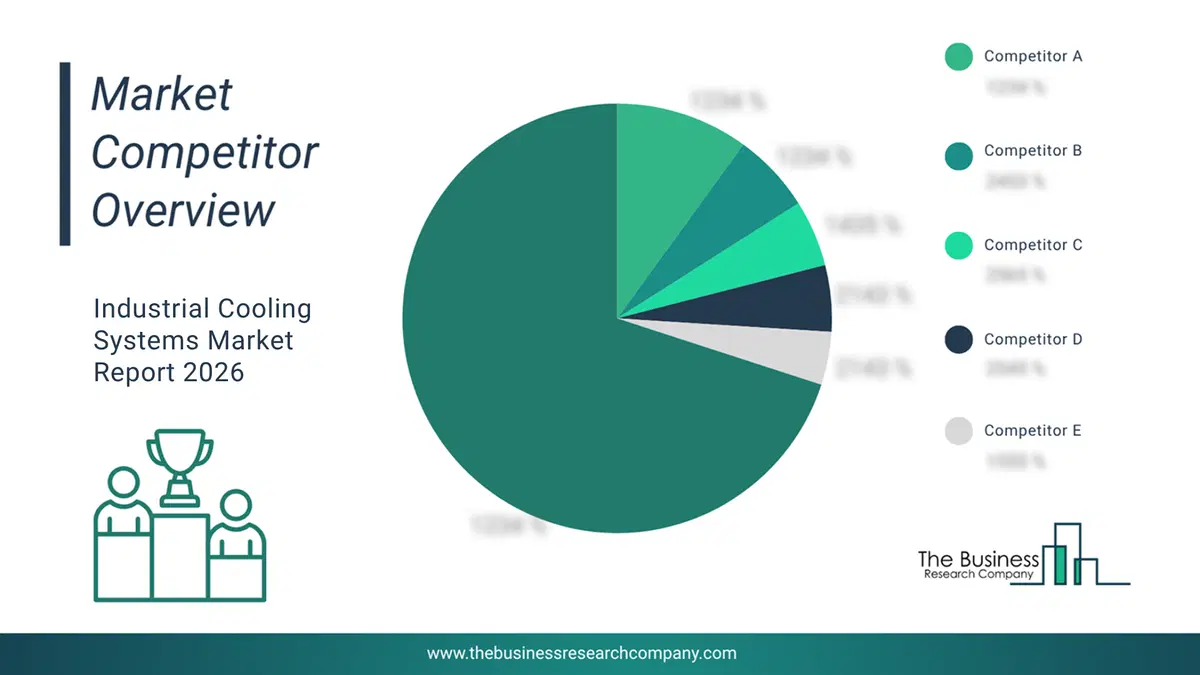
This chart is for illustrative purposes; the full report includes a detailed competitor analysis and comprehensive overview of the top 10 companies in the market.
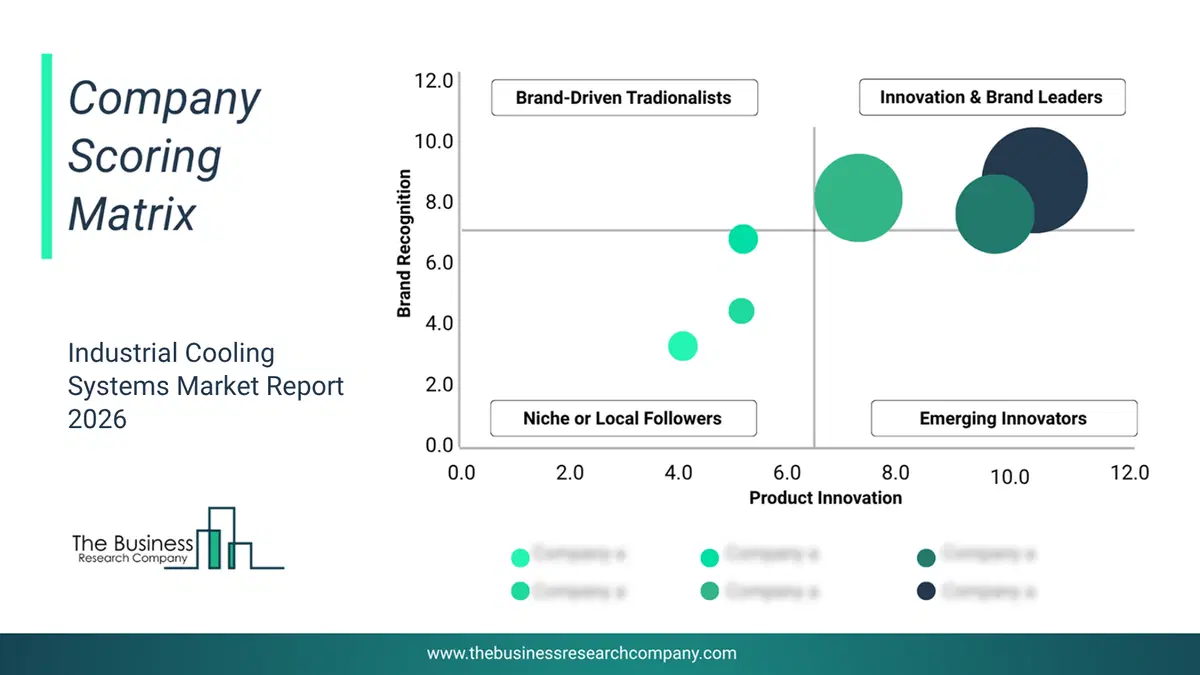
This chart maps companies by product innovation and brand strength, with bubble size indicating relative revenue, helping identify market leaders, challengers, and niche players. This is an illustrative chart; the full report provides a complete and accurate competitive analysis.
Global Industrial Cooling Systems Market Trends and Insights
Major companies operating in the industrial cooling systems market are launching innovative products such as commercial vehicle cooling system to improve performance, enhance fuel efficiency, and meet stricter environmental regulations. Commercial vehicle cooling systems refer to systems designed to regulate the temperature of engines and other components in trucks, buses, and other large vehicles to prevent overheating and ensure optimal performance. For instance, in September 2023, Denso Corporation, a Japan-based automotive manufacturer, launched Everycool. Everycool is a compact and energy-efficient cooling system for commercial vehicles, designed to enhance driver comfort when the engine is off. It reduces power consumption by 57% and is compatible with a wide range of trucks, including medium and large models.What Are Latest Mergers And Acquisitions In The Industrial Cooling Systems Market?
In May 2023, Trane, an Ireland-based equipment manufacturer specializing in air conditioning systems and services, acquired MTA SpA for an undisclosed amount. Through this acquisition, Trane aims to bolster its European operations and enhance its rental and service offerings for process cooling. Further, this strategic move will facilitate Trane's expansion into sustainable air conditioning and air handling solutions for industrial applications, strengthening its expertise in the sector. MTA SpA is an Italian company specializing in designing and producing cooling solutions for the automotive, industrial, and rail industries.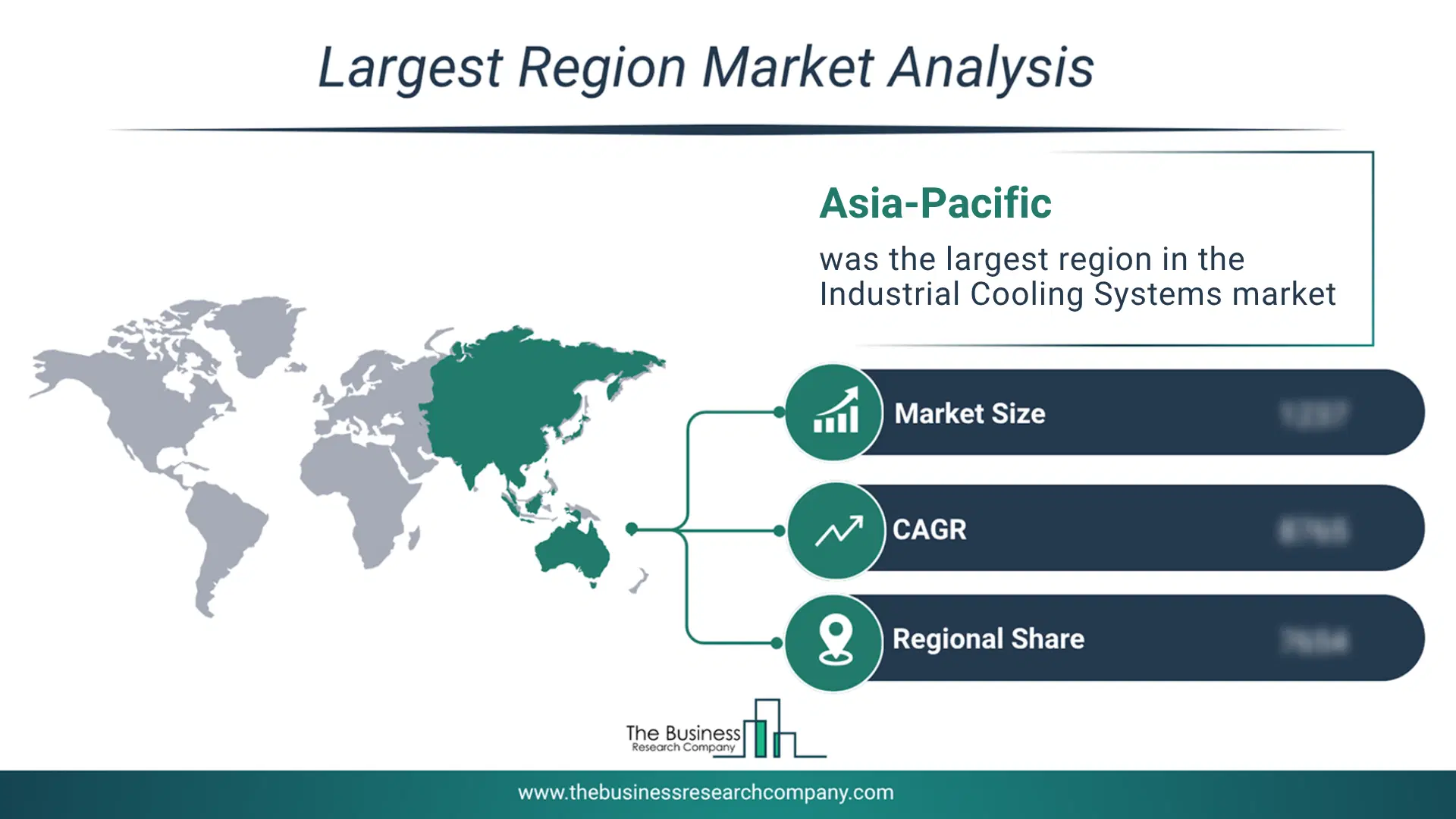
Regional Outlook
Asia-Pacific was the largest region in the industrial cooling system market in 2025. The regions covered in this market report are Asia-Pacific, South East Asia, Western Europe, Eastern Europe, North America, South America, Middle East, Africa The countries covered in this market report are Australia, Brazil, China, France, Germany, India, Indonesia, Japan, Taiwan, Russia, South Korea, UK, USA, Canada, Italy, Spain.What Defines the Industrial Cooling Systems Market?
The industrial cooling system market consists of sales of chillers, heat exchangers, and cooling towers. Values in this market are ‘factory gate’ values, that is the value of goods sold by the manufacturers or creators of the goods, whether to other entities (including downstream manufacturers, wholesalers, distributors, and retailers) or directly to end customers. The value of goods in this market includes related services sold by the creators of the goods.How is Market Value Defined and Measured?
The market value is defined as the revenues that enterprises gain from the sale of goods and/or services within the specified market and geography through sales, grants, or donations in terms of the currency (in USD unless otherwise specified). The revenues for a specified geography are consumption values that are revenues generated by organizations in the specified geography within the market, irrespective of where they are produced. It does not include revenues from resales along the supply chain, either further along the supply chain or as part of other products.
This chart presents market attractiveness based on a quantitative evaluation of growth, competition, strategic alignment, and risk, offering a clear view of opportunity areas for decision-making. This chart is for illustrative purposes; the full report contains the complete analysis.

This chart highlights the Total Addressable Market (TAM) by estimating the maximum revenue opportunity using an assumption-driven approach, supporting strategic planning and opportunity sizing across markets. The chart is illustrative; the full report provides a more comprehensive analysis.
What Key Data and Analysis Are Included in the Industrial Cooling Systems Market Report 2026?
The industrial cooling systems market research report is one of a series of new reports from The Business Research Company that provides market statistics, including industry global market size, regional shares, competitors with the market share, detailed market segments, market trends and opportunities, and any further data you may need to thrive in the industrial cooling systems industry. The market research report delivers a complete perspective of everything you need, with an in-depth analysis of the current and future state of the industry.Industrial Cooling Systems Market Report Forecast Analysis
| Report Attribute | Details |
|---|---|
| Market Size Value In 2026 | $22.78 billion |
| Revenue Forecast In 2030 | $30.45 billion |
| Growth Rate | CAGR of 6.4% from 2026 to 2030 |
| Base Year For Estimation | 2025 |
| Actual Estimates/Historical Data | 2020-2025 |
| Forecast Period | 2026 - 2030 |
| Market Representation | Revenue in USD Billion and CAGR from 2026 to 2030 |
| Segments Covered | Type, Function, End-User |
| Regional Scope | Asia-Pacific, Western Europe, Eastern Europe, North America, South America, Middle East, Africa |
| Country Scope | The countries covered in the report are Australia, Brazil, China, France, Germany, India, Indonesia, Japan, Taiwan, Russia, South Korea, UK, USA, Canada, Italy, Spain. |
| Key Companies Profiled | Schneider Electric SE, ABB Ltd, DAIKIN Industries Ltd., Johnson Controls International plc, Carrier Corporation, Emerson Electric Co., Trane Technologies, Danfoss A/S, Xylem Inc., Alfa Laval AB, GEA Group Aktiengesellschaft, Rittal GmbH & Co. KG, Black Box Corporation, SPX Corporation, BITZER Kuhlmaschinenbau GmbH, Babcock & Wilcox Enterprises Inc., EVAPCO Inc., Baltimore Aircoil Company Inc., LU-VE S.p.A., Brentwood Industries Inc., Hamon Group S.A., ABCO HVACR Supply & Solutions, Güntner GmbH & Co. KG, ENEXIO Management GmbH, Airedale International Air Conditioning Ltd., Mayekawa MFG Co. Ltd., Thermal Care Inc., Robson Industries Inc. |
| Customization Scope | Request for Customization |
| Pricing And Purchase Options | Explore Purchase Options |