
Irritable Bowel Syndrome (IBS) Treatment Market Report 2026
Global Outlook – By Drug Type (Eluxadoline, Alosetron, Other Drugs), By Indication (IBS With Constipation, IBS With Diarrhea, IBS With Alternating Constipation And Diarrhea), By Distribution Channel (Hospital Pharmacies, Online Pharmacies, Retail Pharmacies), By End-Users (Hospitals, Clinics, Homecare Settings) - Market Size, Trends, And Global Forecast 2026-2030
Irritable Bowel Syndrome (IBS) Treatment Market Overview
• Irritable Bowel Syndrome (IBS) Treatment market size has reached to $7.41 billion in 2025 • Expected to grow to $10.65 billion in 2030 at a compound annual growth rate (CAGR) of 7.5% • Growth Driver: Rising Prevalence Of IBS Fueling The Growth Of The Market Due To Expanding Patient Population And Awareness • Market Trend: Integration of Digital Therapeutics to Enhance Patient-Centric Gastrointestinal Care • North America was the largest region in 2025 and Europe is the fastest growing region.Market Gains By 2030 – Top Opportunities By Segment
Market Gain identifies the most promising market opportunities by highlighting the segments or products expected to generate the highest incremental revenue growth over the next five years.
What Is Covered Under Irritable Bowel Syndrome (IBS) Treatment Market?
Irritable bowel syndrome (IBS) treatment refers to the various approaches and interventions aimed at treating gastrointestinal tract disorders, which are frequent disorders that affect the stomach and intestines. It is used to alleviate constipation, diarrhea, and abdominal symptoms, minimize the frequency and severity of flare-ups, and enhance overall well-being. The main types of irritable bowel syndrome (IBS) treatment drugs are lubiprostone, linaclotide, eluxadoline, rifaximin, alosetron, and others. Lubiprostone is a medication used in the treatment of irritable bowel syndrome (IBS), and it is a selective chloride channel activator that helps to increase fluid secretion in the intestines. The various indications include IBS with constipation, IBS with diarrhea, and IBS with alternating constipation and diarrhea. These are sold through several types of distribution channels, such as hospital pharmacies, online pharmacies, and retail pharmacies, to various end-users, including hospitals, clinics, and home care settings.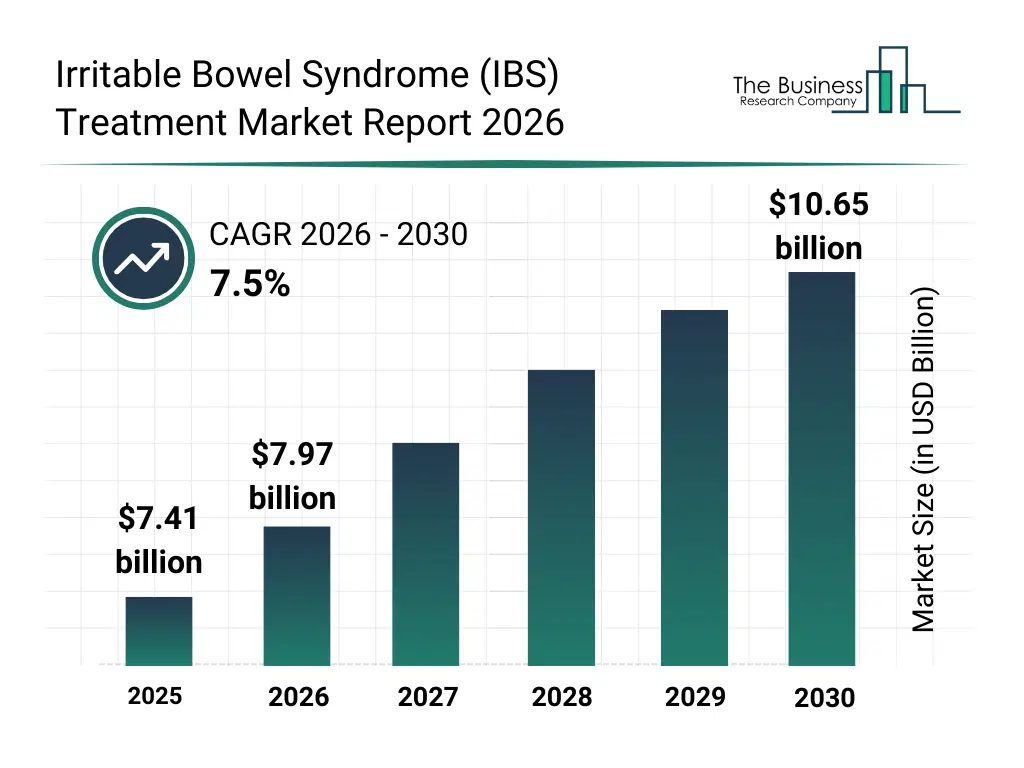
What Is The Irritable Bowel Syndrome (IBS) Treatment Market Size and Share 2026?
The irritable bowel syndrome (ibs) treatment market size has grown strongly in recent years. It will grow from $7.41 billion in 2025 to $7.97 billion in 2026 at a compound annual growth rate (CAGR) of 7.6%. The growth in the historic period can be attributed to rising prevalence of gastrointestinal disorders, increased diagnosis rates of ibs, growing awareness of digestive health, availability of prescription ibs drugs, expansion of hospital and retail pharmacy networks.What Is The Irritable Bowel Syndrome (IBS) Treatment Market Growth Forecast?
The irritable bowel syndrome (ibs) treatment market size is expected to see strong growth in the next few years. It will grow to $10.65 billion in 2030 at a compound annual growth rate (CAGR) of 7.5%. The growth in the forecast period can be attributed to advancement in precision medicine, increasing adoption of digital health platforms, growth in online pharmacy channels, rising focus on microbiome research, increasing healthcare expenditure on chronic conditions. Major trends in the forecast period include precision medicine and microbiome-based therapies, digital therapeutics and mobile health integration, AI-driven ibs diagnosis and treatment optimization, remote patient monitoring and smart gut health devices, sustainable and patient-centric drug development.
Global Irritable Bowel Syndrome (IBS) Treatment Market Segmentation
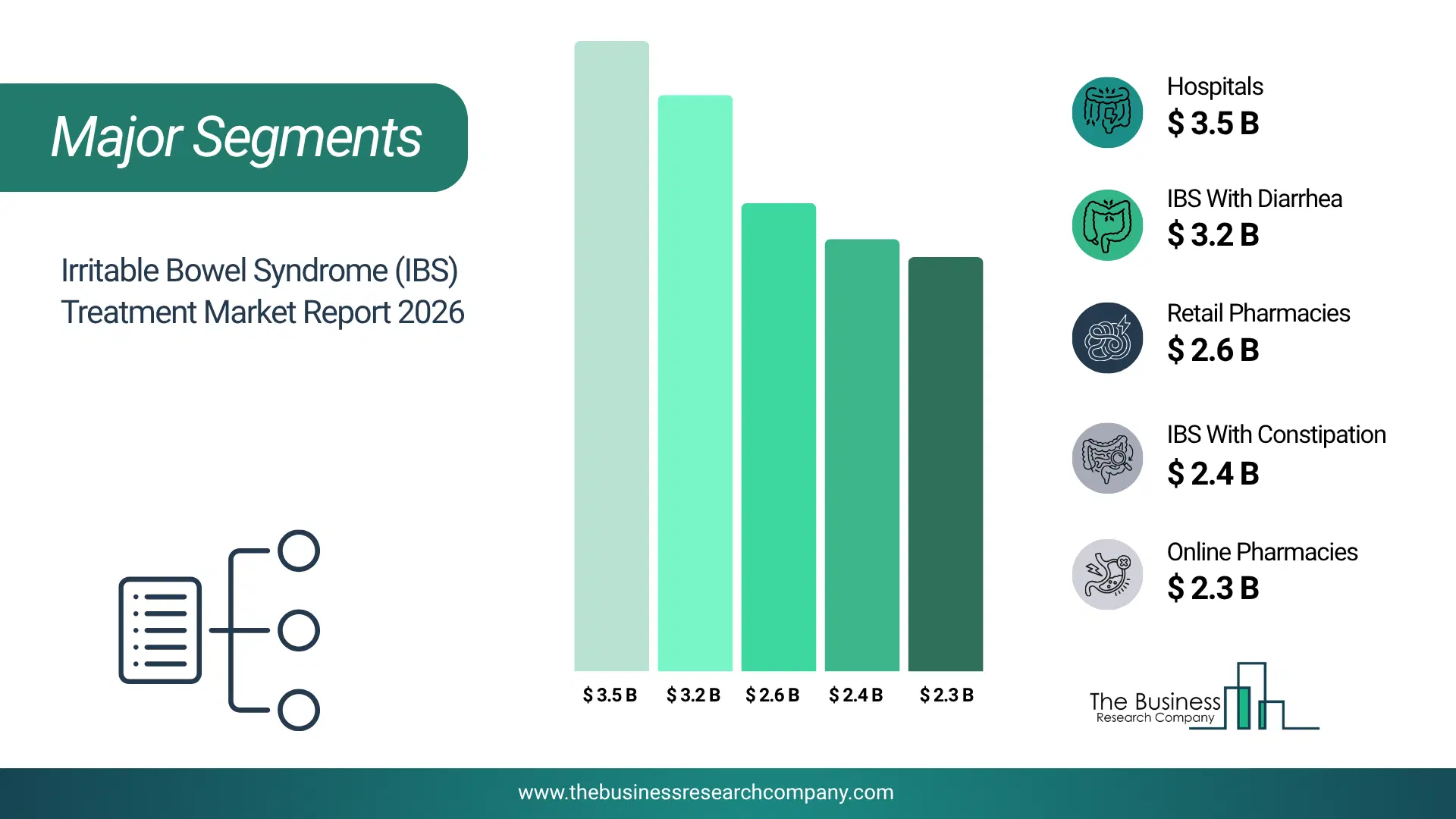
1) By Drug Type: Eluxadoline, Alosetron, Other Drugs 2) By Indication: IBS With Constipation, IBS With Diarrhea, IBS With Alternating Constipation And Diarrhea 3) By Distribution Channel: Hospital Pharmacies, Online Pharmacies, Retail Pharmacies 4) By End-Users: Hospitals, Clinics, Homecare Settings Subsegments: 1) By Eluxadoline: IBS with Diarrhea (IBS-D) Treatment, Moderate IBS-D Treatment 2) By Alosetron: Severe IBS-D Treatment for Women, Refractory IBS-D Treatment 3) By Other Drugs: Prucalopride, Tenapanor, Plecanatide The top segments in the irritable bowel syndrome (ibs) treatment market will be: • Hospitals will reach $3556.85 Million by 2025. • IBS With Diarrhea will reach $3229.91 Million by 2025. • Retail Pharmacies will reach $2618.5 Million by 2025. • IBS With Constipation will reach $2480.48 Million by 2025. • Online Pharmacies will reach $2399.64 Million by 2025.What Is The Driver Of The Irritable Bowel Syndrome (IBS) Treatment Market?
The rising prevalence of IBS is expected to propel the growth of the IBS treatment market going forward. Irritable bowel syndrome (IBS) is a chronic gastrointestinal disorder affecting the large intestine, causing symptoms such as constipation, diarrhea, abdominal pain, and bloating, and significantly impacting quality of life. The increase in IBS prevalence is due to lifestyle factors, including poor diet, stress, and environmental exposures, which contribute to more individuals developing the disorder. The IBS treatment market supports patient needs by providing both pharmacological therapies, such as antispasmodics and gut-targeted medications, and non-pharmacological interventions, including cognitive behavioral therapy, hypnotherapy, and dietary management. For instance, in December 2023, according to the IBD Registry, a UK-based non-profit organization, reaching over 5,300 individuals with Inflammatory Bowel Disease (IBD) by 2023, this represents an increase of more than 3,000 members compared to 2022. Therefore, the rising prevalence of IBS is driving the growth of the IBS treatment market.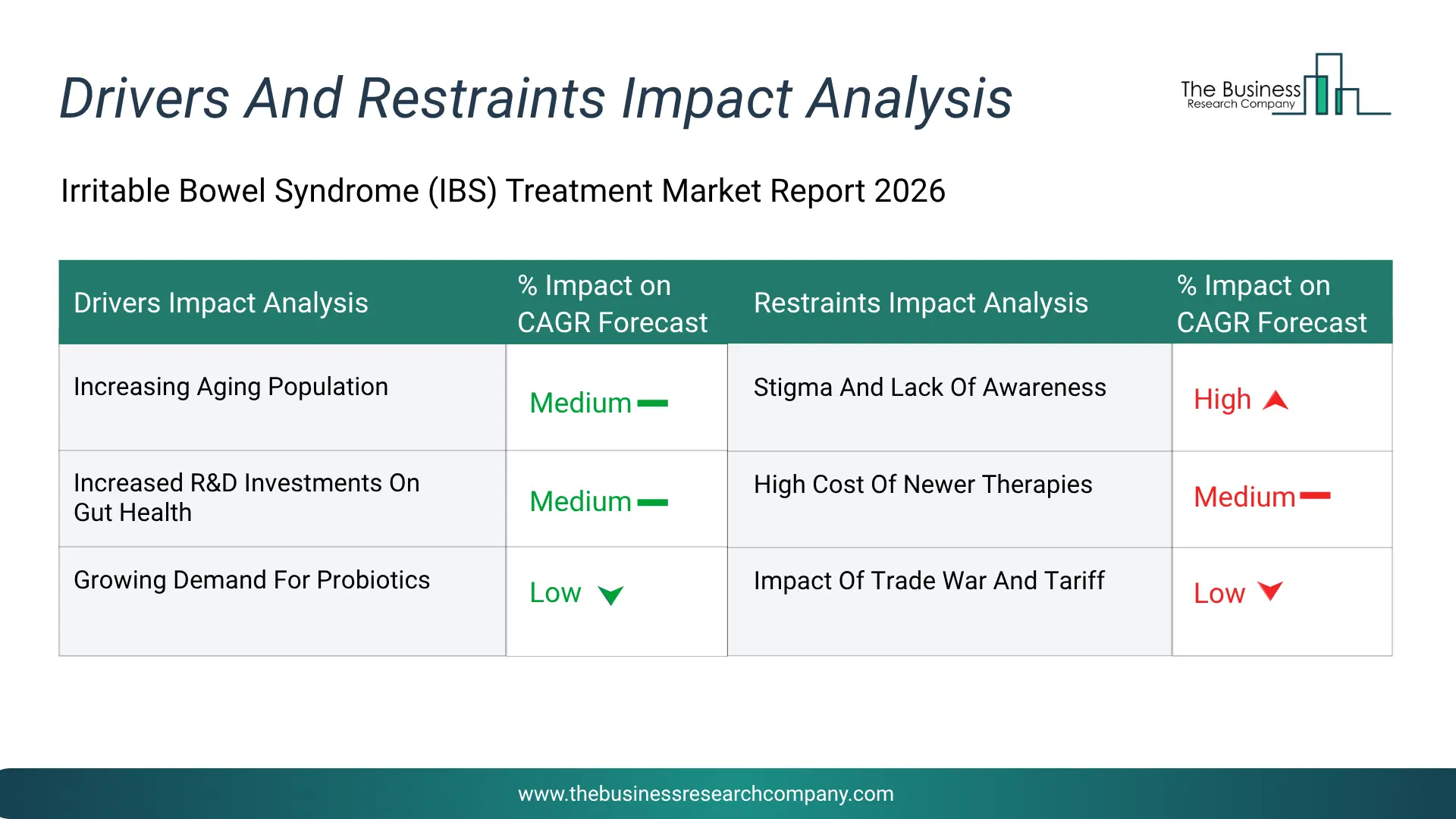
Infographic Chart Showing Key Market Drivers Analysis And Restraints For Irritable Bowel Syndrome (Ibs) Treatment Market
The chart presents an impact analysis of key drivers and restraints, quantifying their relative influence on the market's growth rate and helping assess the balance between growth enablers and limiting factors. This chart offers a high-level perspective; the full report contains more detailed insights.
How Will The Drivers Impact Growth In The Global Irritable Bowel Syndrome (IBS) Treatment Market?
• Increasing Aging Population (Medium) – The increasing emphasis on aging population will become a key driver of growth in the irritable bowel syndrome (IBS) treatment market by 2030. As older adults are more susceptible to gastrointestinal disorders due to age-related changes in gut motility, microbiota composition and immune function. This demographic also experiences a higher burden of chronic conditions, such as diabetes and parkinson’s disease, which can aggravate ibs symptoms. As elderly individuals are more proactive in seeking healthcare, they contribute to higher diagnosis rates and sustained demand for treatment. Moreover, the need for safe and tolerable long-term therapies in this age group encourages the development of age-appropriate drug formulations. Pharmaceutical companies are increasingly targeting geriatric patients with specialized solutions. As a result, the growing deployment of aging population is anticipated to contributing to a 1.2% annual growth in the market. • Increased R&D Investments On Gut Health (Medium) – The growing focus on development (R&D) investments on gut health will emerge as a major factor driving the expansion of the irritable bowel syndrome (IBS) treatment market by 2030. Growing investments in gut health research are driving innovation in the IBS treatment by enabling the development of advanced therapies that target core issues like microbiome imbalance, intestinal inflammation and the gut-brain connection. These efforts are leading to more effective and better-tolerated treatments, including next-generation probiotics, microbiome-based drugs and neuromodulators. As scientific understanding of gastrointestinal health improves, companies are focusing on personalized approaches tailored to specific IBS subtypes. Ongoing clinical trials and collaborations between research institutions and pharma companies are expanding the treatment pipeline. Consequently, the accelerating adoption of development (R&D) investments on gut health capabilities is projected to contributing to a 1% annual growth in the market. • Growing Demand For Probiotics (Low) – The expanding integration of demand for probiotics processes will serve as a key growth catalyst for the irritable bowel syndrome (IBS) treatment market by 2030. Probiotics offer a natural and well-tolerated approach to managing IBS symptoms such as bloating, abdominal pain and irregular bowel habits by helping restore the gut microbiota balance, which is often disrupted in IBS patients. As awareness of the gut-brain axis and digestive health increases, more patients are turning to probiotics as an alternative or complement to traditional drug therapies. This shift is driven in part by concerns over the side effects of conventional medications. Clinically supported probiotic strains are gaining popularity, leading to higher adoption across both prescription and over-the-counter channel. Therefore, this growing integration of demand for probiotics operations is projected to supporting to a 1% annual growth in the market. • Growing Adoption Of Non-Pharmacological Therapies (Low) – The increasing emphasis on non-pharmacological therapies will become a significant driver contributing to the growth of the irritable bowel syndrome (IBS) treatment market by 2030. Non-pharmacological therapies such as dietary interventions, cognitive behavioral therapy, gut-directed hypnotherapy and digital health tools are gaining traction as effective ways to manage ibs symptoms without the side effects associated with medications. Approaches like the low fodmap diet help reduce bloating, pain and altered bowel habits by targeting dietary triggers. Psychological therapies address the gut-brain axis, providing relief for patients with stress-related flare-ups. The availability of app-based coaching and remote therapy has also expanded access to these treatments. Clinicians increasingly recommend integrative approaches, especially for patients with mild to moderate symptoms or those unresponsive to drugs. Consequently, the rising adoption of non-pharmacological therapies strategies is projected to contributing to a 1% annual growth in the market.How Will The Restraints Impact Growth In The Global Irritable Bowel Syndrome (IBS) Treatment Market?
• Stigma And Lack Of Awareness (Medium) – Stigma And Lack Of Awareness will restrict the growth of the Irritable Bowel Syndrome (IBS) Treatment market during the forecast period. The social stigma associated with gastrointestinal disorders often prevents individuals from seeking medical attention for IBS symptoms. Many patients self-manage their condition or delay seeking professional help, leading to underdiagnosis and undertreatment. Lack of awareness about available treatment options among both patients and healthcare providers further limits market growth. • High Cost Of Newer Therapies (Medium) – High Cost Of Newer Therapies will restrict the growth of the Irritable Bowel Syndrome (IBS) Treatment market during the forecast period. Advanced IBS treatments, including newer pharmacotherapies and biologic agents, often come with high price tags that limit patient access. The cost burden is particularly significant in regions with limited healthcare coverage or high out-of-pocket expenses. This affordability challenge restricts the commercial potential of innovative IBS therapies and impacts market growth. • Impact Of Trade War And Tariff (Low) – Impact Of Trade War And Tariff will restrict the growth of the Irritable Bowel Syndrome (IBS) Treatment market during the forecast period. IBS treatments and related products involve international trade in active pharmaceutical ingredients, probiotics, and diagnostic supplies. Trade tariffs and restrictions can increase costs and affect product availability, limiting market access and expansion.Key Players In The Global Irritable Bowel Syndrome (IBS) Treatment Market
Major companies operating in the irritable bowel syndrome (ibs) treatment market are Ironwood Pharmaceuticals Inc., AbbVie Inc., Takeda Pharmaceutical Company Limited, Pfizer Inc., Johnson & Johnson Services Inc., AstraZeneca plc, Novartis AG, Abbott Laboratories, Eli Lilly and Company, Astellas Pharma Inc., Bausch Health Companies Inc., Sebela Pharmaceuticals Inc., Prometheus Laboratories Inc., RedHill Biopharma Ltd., Ardelyx Inc., Renexxion Ireland Ltd., 4D Pharma plc, Biora Therapeutics Inc., Salix Pharmaceuticals Ltd., Allergan plc, Synergy Pharmaceuticals Inc.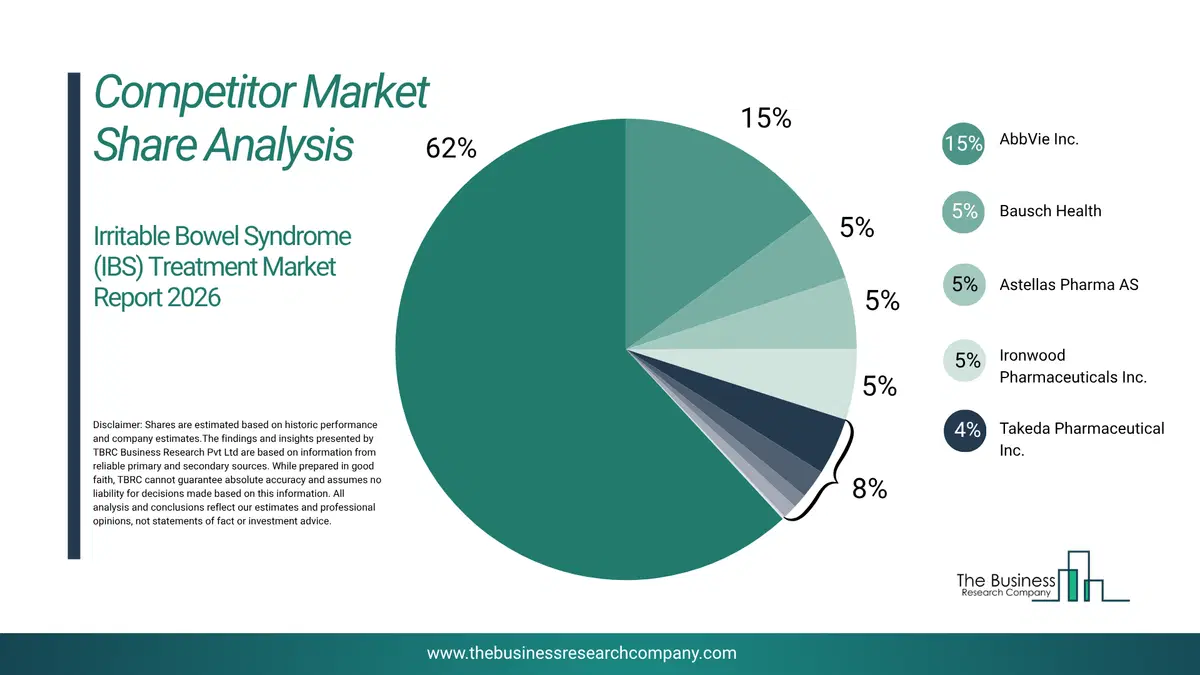
This chart is for illustrative purposes; the full report includes a detailed competitor analysis and comprehensive overview of the top 10 companies in the market.
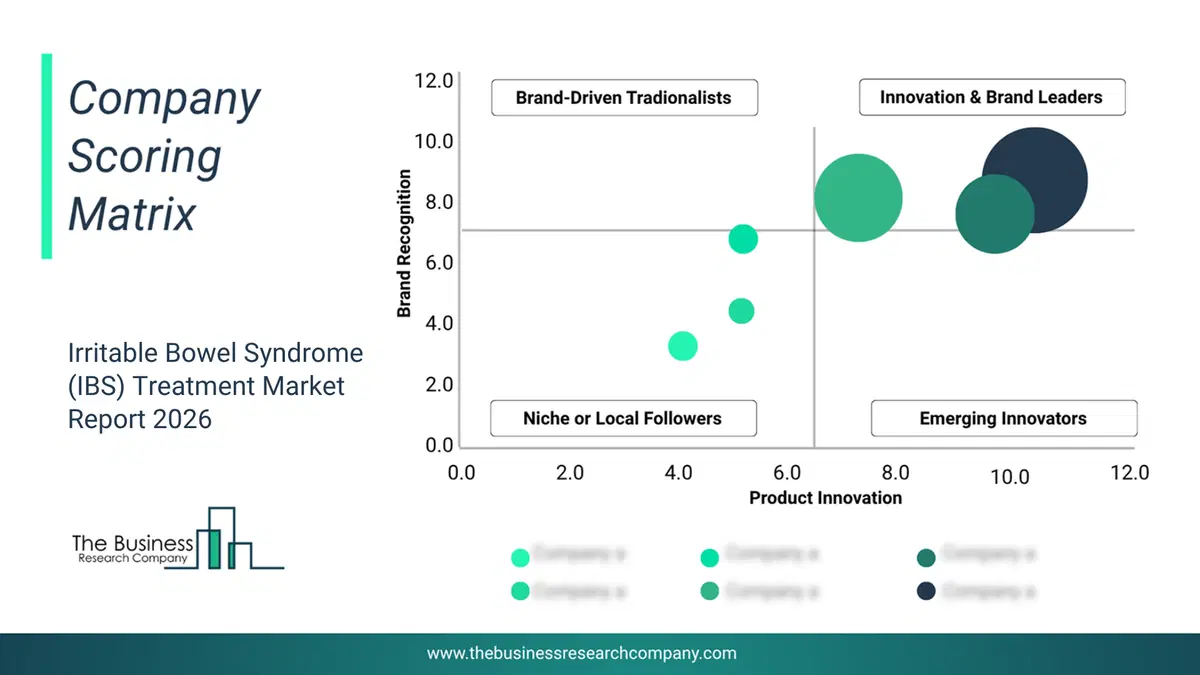
This chart maps companies by product innovation and brand strength, with bubble size indicating relative revenue, helping identify market leaders, challengers, and niche players. This is an illustrative chart; the full report provides a complete and accurate competitive analysis.
Global Irritable Bowel Syndrome (IBS) Treatment Market Trends and Insights
Major companies operating in the irritable bowel syndrome (IBS) treatment market are focusing on incorporating digital therapeutics such as gut-directed hypnotherapy–based mobile applications to enhance patient engagement, treatment accessibility, and symptom management. Gut-directed hypnotherapy–based mobile applications are prescription digital platforms that deliver structured hypnotherapy sessions through a smartphone interface to modulate gut–brain interaction, enabling capabilities such as guided behavioural therapy, real-time symptom tracking, and automated patient-progress monitoring. For instance, in May 2023, Launchit DTx, a Canada-based digital health commercialization company, launched Regulora, a gut-directed hypnotherapy–based digital therapeutic designed to help adults manage abdominal pain associated with irritable bowel syndrome (IBS), featuring evidence-based hypnotherapy modules, clinician-enabled prescribing workflows, and a mobile app that tracks patient response over time. Regulora improves treatment access, self-management, and overall symptom relief for IBS patients by offering a non-pharmacologic, digitally delivered therapeutic option.What Are Latest Mergers And Acquisitions In The Irritable Bowel Syndrome (IBS) Treatment Market?
In October 2023, Roche, a Switzerland-based healthcare company acquired Telavant Holdings for an undisclosed amount. Through the acquisition, Roche will obtain the rights to develop, manufacture, and market a novel treatment for Irritable Bowel Syndrome (IBS) in the United States and Japan. Telavant Holdings is a US-based biotechnology company focusing on the development and commercialization of innovative therapies for inflammatory and fibrotic diseases.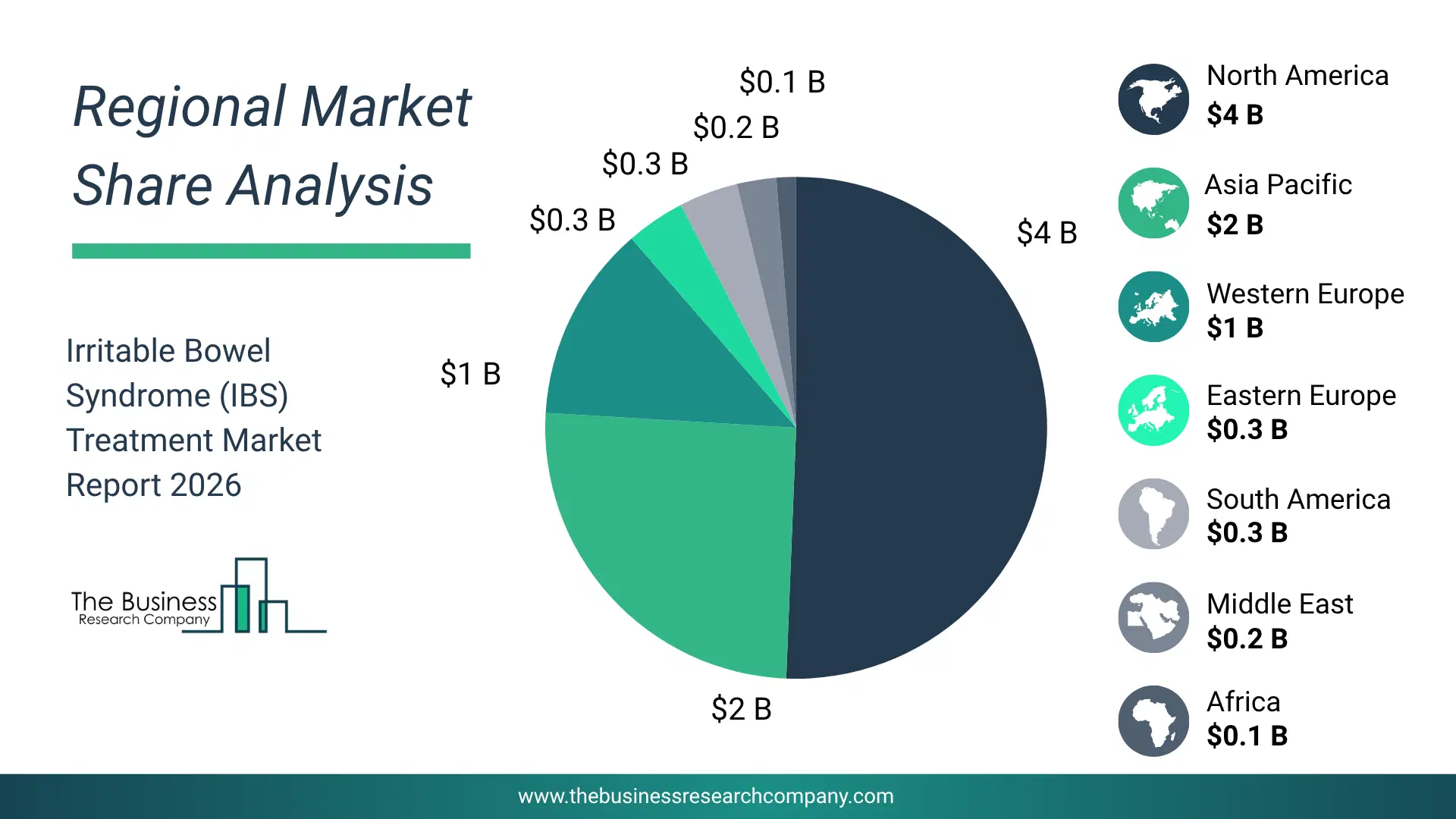
Regional Outlook
North America was the largest region in the irritable bowel syndrome (IBS) treatment market in 2025. Europe is expected to be the fastest-growing region in the forecast period. The regions covered in this market report are Asia-Pacific, South East Asia, Western Europe, Eastern Europe, North America, South America, Middle East, Africa. The countries covered in this market report are Australia, Brazil, China, France, Germany, India, Indonesia, Japan, Taiwan, Russia, South Korea, UK, USA, Canada, Italy, Spain.What Defines the Irritable Bowel Syndrome (IBS) Treatment Market?
The irritable bowel syndrome (IBS) treatment market includes revenues earned by entities by providing services such as consultation, cognitive-behavioral therapy (CBT), hypnotherapy, psychological therapy. The market value includes the value of related goods sold by the service provider or included within the service offering. The irritable bowel syndrome (IBS) market also includes sales of antispasmodics, fiber supplements, laxatives, probiotics, and certain medications targeting gut function. Values in this market are ‘factory gate’ values, that is the value of goods sold by the manufacturers or creators of the goods, whether to other entities (including downstream manufacturers, wholesalers, distributors and retailers) or directly to end customers. The value of goods in this market includes related services sold by the creators of the goods.How is Market Value Defined and Measured?
The market value is defined as the revenues that enterprises gain from the sale of goods and/or services within the specified market and geography through sales, grants, or donations in terms of the currency (in USD unless otherwise specified). The revenues for a specified geography are consumption values that are revenues generated by organizations in the specified geography within the market, irrespective of where they are produced. It does not include revenues from resales along the supply chain, either further along the supply chain or as part of other products.
This chart presents market attractiveness based on a quantitative evaluation of growth, competition, strategic alignment, and risk, offering a clear view of opportunity areas for decision-making. This chart is for illustrative purposes; the full report contains the complete analysis.

This chart highlights the Total Addressable Market (TAM) by estimating the maximum revenue opportunity using an assumption-driven approach, supporting strategic planning and opportunity sizing across markets. The chart is illustrative; the full report provides a more comprehensive analysis.
What Key Data and Analysis Are Included in the Irritable Bowel Syndrome (IBS) Treatment Market Report 2026?
The irritable bowel syndrome (ibs) treatment market research report is one of a series of new reports from The Business Research Company that provides market statistics, including industry global market size, regional shares, competitors with the market share, detailed market segments, market trends and opportunities, and any further data you may need to thrive in the irritable bowel syndrome (ibs) treatment industry. The market research report delivers a complete perspective of everything you need, with an in-depth analysis of the current and future state of the industry.Irritable Bowel Syndrome (IBS) Treatment Market Report Forecast Analysis
| Report Attribute | Details |
|---|---|
| Market Size Value In 2026 | $7.97 billion |
| Revenue Forecast In 2030 | $10.65 billion |
| Growth Rate | CAGR of 7.6% from 2026 to 2030 |
| Base Year For Estimation | 2025 |
| Actual Estimates/Historical Data | 2020-2025 |
| Forecast Period | 2026 - 2030 |
| Market Representation | Revenue in USD Billion and CAGR from 2026 to 2030 |
| Segments Covered | Drug Type, Indication, Distribution Channel, End-Users |
| Regional Scope | Asia-Pacific, Western Europe, Eastern Europe, North America, South America, Middle East, Africa |
| Country Scope | The countries covered in the report are Australia, Brazil, China, France, Germany, India, Indonesia, Japan, Taiwan, Russia, South Korea, UK, USA, Canada, Italy, Spain. |
| Key Companies Profiled | Ironwood Pharmaceuticals Inc., AbbVie Inc., Takeda Pharmaceutical Company Limited, Pfizer Inc., Johnson & Johnson Services Inc., AstraZeneca plc, Novartis AG, Abbott Laboratories, Eli Lilly and Company, Astellas Pharma Inc., Bausch Health Companies Inc., Sebela Pharmaceuticals Inc., Prometheus Laboratories Inc., RedHill Biopharma Ltd., Ardelyx Inc., Renexxion Ireland Ltd., 4D Pharma plc, Biora Therapeutics Inc., Salix Pharmaceuticals Ltd., Allergan plc, Synergy Pharmaceuticals Inc. |
| Customization Scope | Request for Customization |
| Pricing And Purchase Options | Explore Purchase Options |