
Ischemia Reperfusion Injury Market Report 2026
Global Outlook – By Treatment Type (Pharmacological Therapy, Non-pharmacological Therapy), By Application (Cardiovascular Diseases, Stroke, Organ Transplantation, Heart Attack), By End User (Hospitals, Clinics, Ambulatory Services) - Market Size, Trends, Strategies, and Forecast to 2030
Ischemia Reperfusion Injury Market Overview
• Ischemia Reperfusion Injury market size has reached to $1.67 billion in 2025 • Expected to grow to $2.38 billion in 2030 at a compound annual growth rate (CAGR) of 7.4% • Growth Driver: Surge In Cardiovascular Diseases Fueling The Growth Of The Market Due To Unhealthy Lifestyles And Aging Population • Market Trend: Innovations In Dual-Action Neuroprotective Therapy Transform Acute Ischemic Stroke Treatment • North America was the largest region in 2025 and Asia-Pacific is the fastest growing region.What Is Covered Under Ischemia Reperfusion Injury Market?
Ischemia-reperfusion injury is the tissue damage that occurs when blood supply returns to tissue after a period of ischemia (lack of oxygen). The restoration of circulation can result in inflammation and oxidative damage. This injury involves pathophysiological mechanisms with local and systemic effects. The main treatment types for ischemia-reperfusion injury are pharmacological and non-pharmacological therapies. Pharmacological therapy involves the use of medications to prevent or treat diseases by targeting underlying mechanisms such as oxidative stress, inflammation, and cell death. These therapies are used in various applications, including cardiovascular diseases, stroke, organ transplantation, heart attack, and diabetes. The end users of these treatments include hospitals, clinics, ambulatory services, and nursing homes.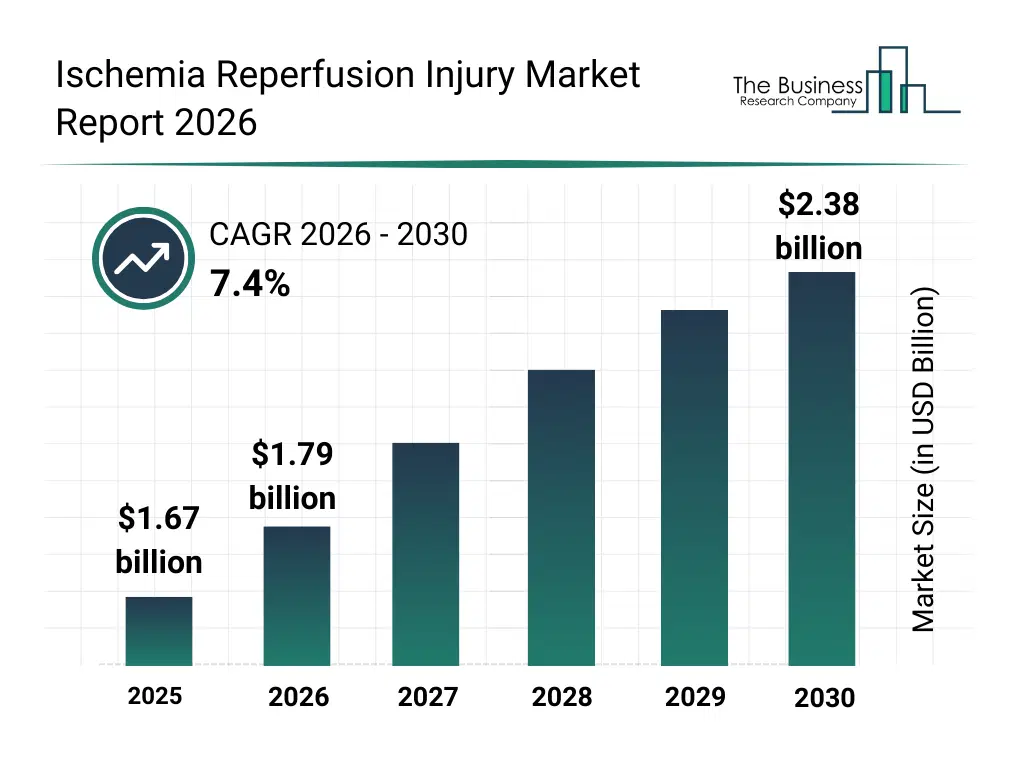
What Is The Ischemia Reperfusion Injury Market Size and Share 2026?
The ischemia reperfusion injury market size has grown strongly in recent years. It will grow from $1.67 billion in 2025 to $1.79 billion in 2026 at a compound annual growth rate (CAGR) of 7.5%. The growth in the historic period can be attributed to rising incidence of cardiovascular diseases, increasing number of organ transplant procedures, growing prevalence of stroke and heart attack cases, advancement in acute care infrastructure, increased use of pharmacological therapies.What Is The Ischemia Reperfusion Injury Market Growth Forecast?
The ischemia reperfusion injury market size is expected to see strong growth in the next few years. It will grow to $2.38 billion in 2030 at a compound annual growth rate (CAGR) of 7.4%. The growth in the forecast period can be attributed to growth in stem cell and gene therapy research, rising adoption of non-pharmacological conditioning therapies, increasing investment in critical care technologies, expanding clinical trials for mitochondrial protective agents, improving awareness of ischemia-reperfusion mechanisms. Major trends in the forecast period include AI-enabled prediction of ischemia-reperfusion injury outcomes, precision therapeutics for cellular and mitochondrial protection, data-driven clinical decision support systems, connected monitoring of tissue perfusion and oxygenation, advanced manufacturing of targeted therapeutics.
Global Ischemia Reperfusion Injury Market Segmentation
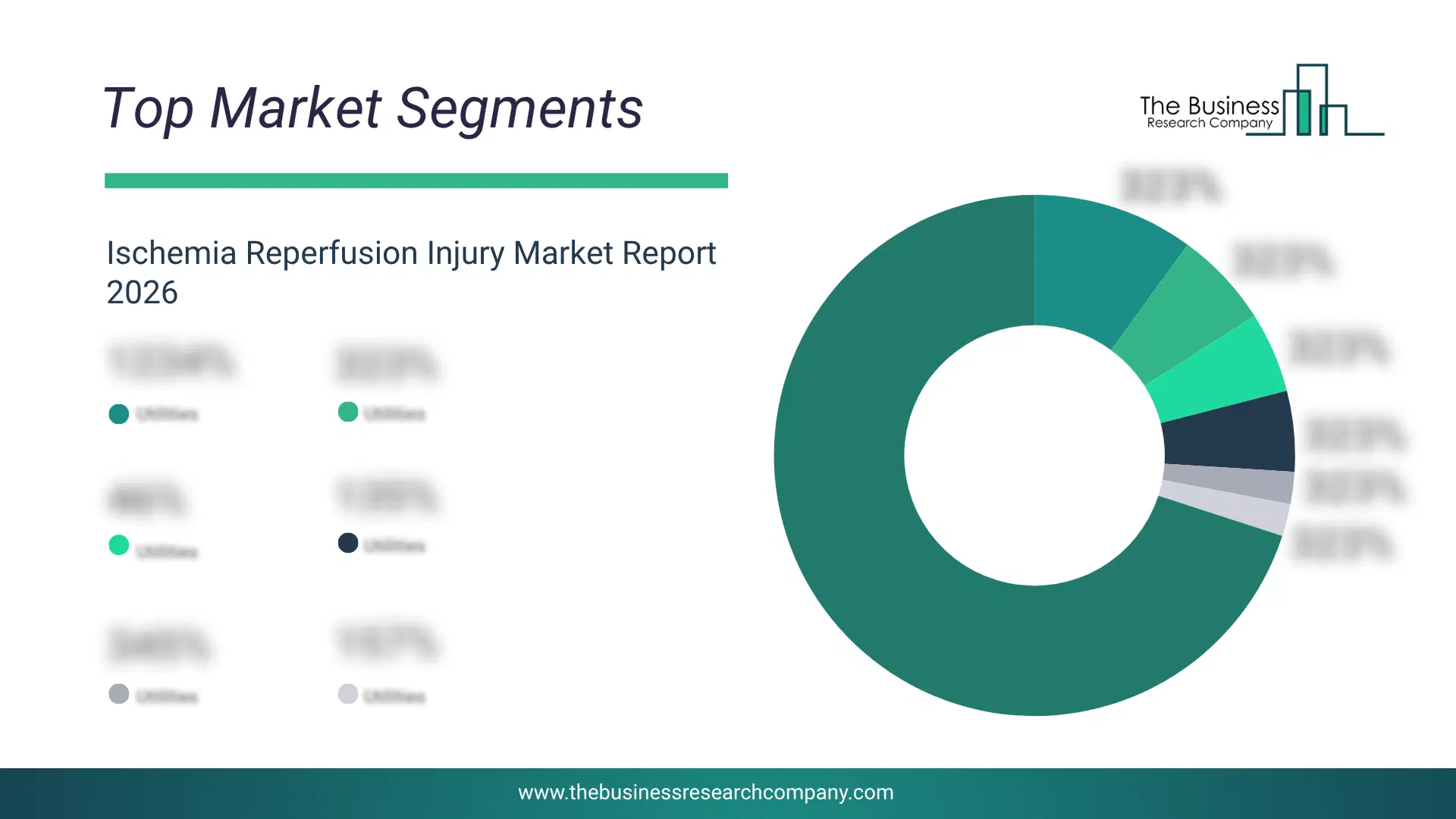
1) By Treatment Type: Pharmacological Therapy, Non-pharmacological Therapy 2) By Application: Cardiovascular Diseases, Stroke, Organ Transplantation, Heart Attack 3) By End User: Hospitals, Clinics, Ambulatory Services Subsegments: 1) By Pharmacological Therapy: Antioxidants, Anti-inflammatory Agents, Calcium Channel Blockers, Free Radical Scavengers, Nitric Oxide Donors, Mitochondrial Protective Agents 2) By Non-Pharmacological Therapy: Ischemic Preconditioning (IPC), Ischemic Postconditioning (IPO), Remote Ischemic Conditioning (RIC), Hypothermia Therapy, Mechanical InterventionsWhat Are The Drivers Of The Ischemia Reperfusion Injury Market?
The growing prevalence of cardiovascular diseases is expected to propel the growth of the ischemia-reperfusion injury market going forward. Cardiovascular diseases refer to a group of disorders affecting the heart and blood vessels, including conditions such as coronary artery disease, heart failure, and stroke. The growing prevalence of cardiovascular diseases is due to unhealthy lifestyle choices and an aging population. The unhealthy diets high in saturated fats, sugar, and salt, along with a lack of physical activity, led to rising rates of obesity, hypertension, and diabetes, all of which are significant risk factors for cardiovascular diseases. Ischemia-reperfusion injury contributes to the progression of cardiovascular diseases by exacerbating tissue damage through oxidative stress, inflammation, and cell death, ultimately impairing cardiac function and increasing the risk of heart failure and other complications. For instance, in October 2024, according to the Centers for Disease Control and Prevention, a US-based public health agency, 919,032 people died from cardiovascular disease in 2023, equivalent to one in three deaths. Therefore, the growing prevalence of cardiovascular diseases is driving the growth of the ischemia-reperfusion injury market. The rising incidence of organ transplantation is expected to propel the growth of the ischemia-reperfusion injury market going forward. Organ transplantation refers to the surgical process of transferring a healthy organ from a donor to a recipient to replace a damaged or failing organ. The rising incidence of organ transplantation is due to advancements in medical technology and the increasing number of patients with organ failure. Medical advancements in surgical techniques, immunosuppressive therapies, and organ preservation significantly improve organ transplants' success rates. Ischemia-reperfusion injury (IRI) can be mitigated through organ transplantation by employing advanced preservation techniques that minimize the damage caused during the ischemia, ultimately improving the survival and function of the transplanted organ upon reperfusion. For instance, in January 2024, according to the Organ Procurement and Transplantation Network, a US-based Department of Health and Human Services program responsible for overseeing the nation’s organ donation and transplantation system, organ transplants from living and deceased donors totaled 46,632 in 2023, reflecting an 8.7 percent increase compared with 2022. Of these, 39,679 procedures were from deceased donors, representing an 8.9 percent rise over the previous year. Therefore, the rising incidence of organ transplantation is driving the growth of the ischemia-reperfusion injury market.Key Players In The Global Ischemia Reperfusion Injury Market
Major companies operating in the ischemia reperfusion injury market are Pfizer Inc, Novartis AG, AstraZeneca PLC, Bristol Myers Squibb, F. Hoffmann-La Roche Ltd, Sanofi, Merck KGaA, Takeda Pharmaceutical Company, Bayer AG, Amgen Inc, Otsuka Pharmaceutical Co Ltd, Simcere Innovation Inc, Faron Pharmaceuticals Oy, Faraday Pharmaceuticals Inc, Prolong Pharmaceuticals LLC, Angion Biomedica Corp, CalciMedica Inc, Athersys Inc, Oxitope Pharma BV, LUCA Science Inc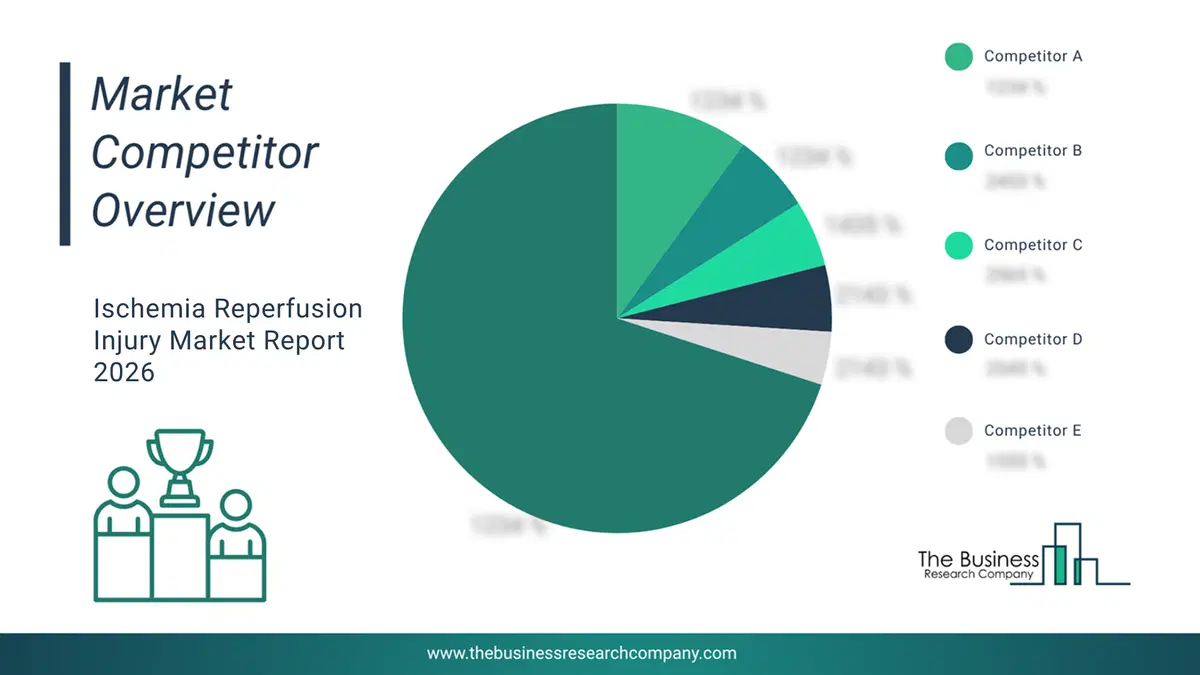
This chart is for illustrative purposes; the full report includes a detailed competitor analysis and comprehensive overview of the top 10 companies in the market.
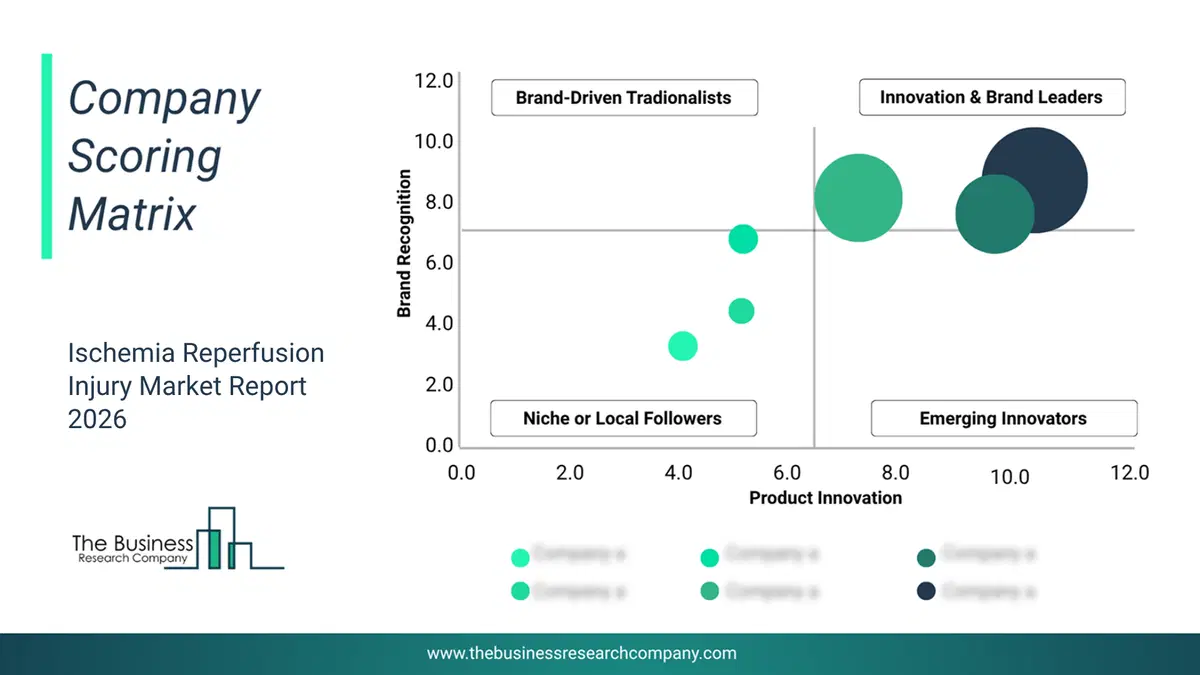
This chart maps companies by product innovation and brand strength, with bubble size indicating relative revenue, helping identify market leaders, challengers, and niche players. This is an illustrative chart; the full report provides a complete and accurate competitive analysis.
Global Ischemia Reperfusion Injury Market Trends and Insights
Major companies operating in the ischemia-reperfusion injury market are focusing on innovative therapeutics such as dual-acting stroke therapeutics to enhance patient recovery, reduce disability, and improve treatment outcomes. Dual-acting neuroprotective therapeutics are advanced small-molecule agents that combine selective NMDA receptor modulation with antioxidant free-radical scavenging, enabling capabilities such as reducing reperfusion-induced neuronal damage, improving post-occlusion tissue survival, and supporting functional recovery. For instance, in July 2025, GNT Pharma, a South Korea-based biopharmaceutical company, received regulatory approval to initiate multinational Phase 3 clinical trials for Nelonemdaz, a next-generation dual-acting neuroprotective drug designed to reduce neuronal injury in patients undergoing endovascular thrombectomy for acute ischemic stroke. The therapy features selective inhibition of NMDA receptor-mediated excitotoxicity and potent free-radical scavenging to mitigate oxidative damage. Nelonemdaz improves neuroprotection, functional recovery, and post-reperfusion outcomes in ischemic stroke patients.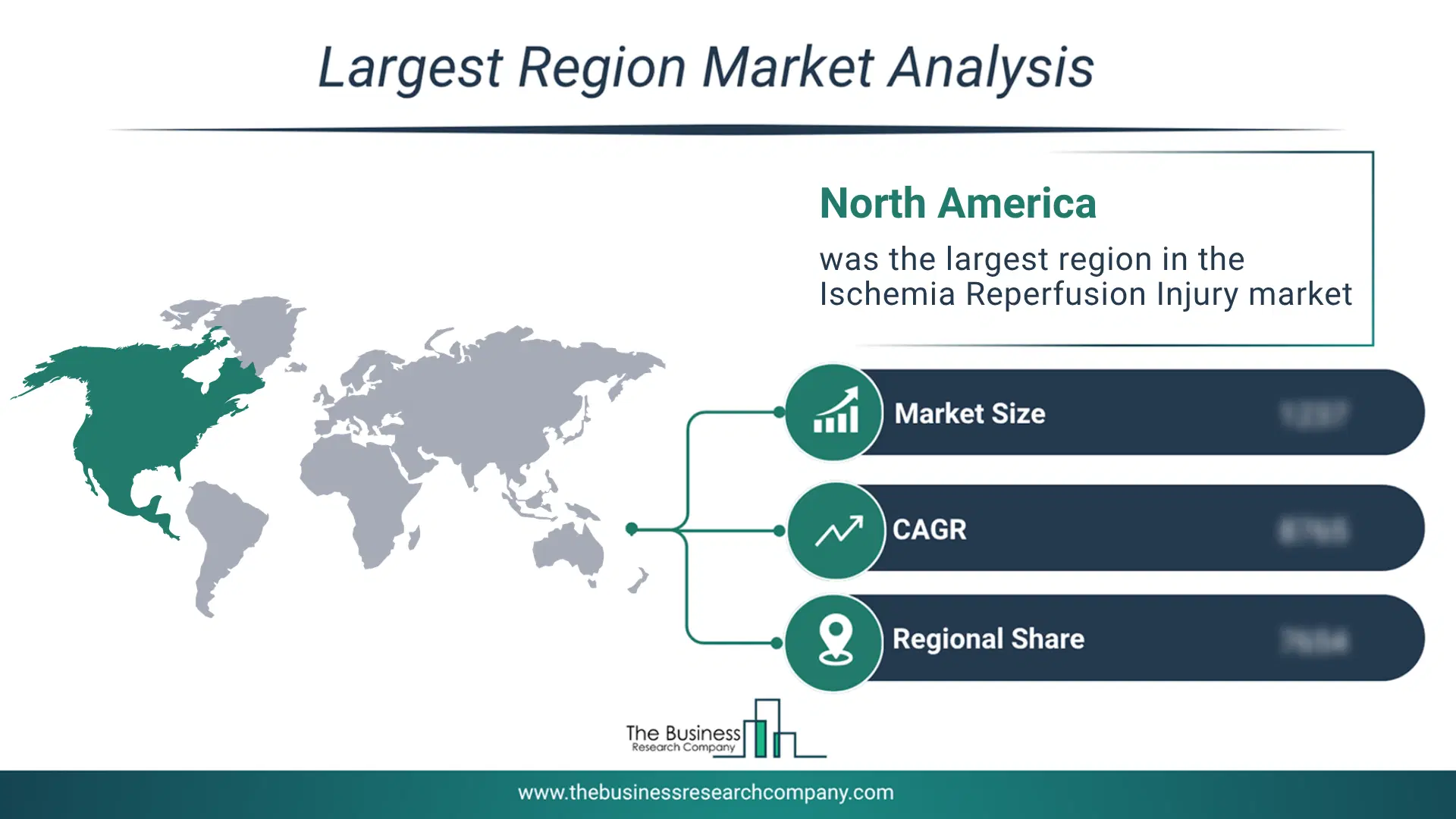
Regional Outlook
North America was the largest region in the ischemia reperfusion injury market in 2025. Asia-Pacific is expected to be the fastest-growing region in the forecast period. The regions covered in this market report are Asia-Pacific, South East Asia, Western Europe, Eastern Europe, North America, South America, Middle East, Africa. The countries covered in this market report are Australia, Brazil, China, France, Germany, India, Indonesia, Japan, Taiwan, Russia, South Korea, UK, USA, Canada, Italy, Spain.What Defines the Ischemia Reperfusion Injury Market?
The ischemia-reperfusion injury market consists of revenues earned by entities by providing services such as diagnostic imaging services, surgical interventions, pharmacological treatment services, rehabilitation and physical therapy, research, and clinical trial services. The market value includes the value of related goods sold by the service provider or included within the service offering. The ischemia-reperfusion injury market also includes sales of products including pharmaceuticals and therapeutics, medical devices, diagnostic tools and kits, reperfusion equipment, research tools, and reagents. Values in this market are ‘factory gate’ values, that is, the value of goods sold by the manufacturers or creators of the goods, whether to other entities (including downstream manufacturers, wholesalers, distributors, and retailers) or directly to end customers. The value of goods in this market includes related services sold by the creators of the goods.How is Market Value Defined and Measured?
The market value is defined as the revenues that enterprises gain from the sale of goods and/or services within the specified market and geography through sales, grants, or donations in terms of the currency (in USD unless otherwise specified). The revenues for a specified geography are consumption values that are revenues generated by organizations in the specified geography within the market, irrespective of where they are produced. It does not include revenues from resales along the supply chain, either further along the supply chain or as part of other products.
This chart presents market attractiveness based on a quantitative evaluation of growth, competition, strategic alignment, and risk, offering a clear view of opportunity areas for decision-making. This chart is for illustrative purposes; the full report contains the complete analysis.

This chart highlights the Total Addressable Market (TAM) by estimating the maximum revenue opportunity using an assumption-driven approach, supporting strategic planning and opportunity sizing across markets. The chart is illustrative; the full report provides a more comprehensive analysis.
What Key Data and Analysis Are Included in the Ischemia Reperfusion Injury Market Report 2026?
The ischemia reperfusion injury market research report is one of a series of new reports from The Business Research Company that provides market statistics, including industry global market size, regional shares, competitors with the market share, detailed market segments, market trends and opportunities, and any further data you may need to thrive in the ischemia reperfusion injury industry. The market research report delivers a complete perspective of everything you need, with an in-depth analysis of the current and future state of the industry.Ischemia Reperfusion Injury Market Report Forecast Analysis
| Report Attribute | Details |
|---|---|
| Market Size Value In 2026 | $1.79 billion |
| Revenue Forecast In 2030 | $2.38 billion |
| Growth Rate | CAGR of 7.4% from 2026 to 2030 |
| Base Year For Estimation | 2025 |
| Actual Estimates/Historical Data | 2020-2025 |
| Forecast Period | 2026 - 2030 |
| Market Representation | Revenue in USD Billion and CAGR from 2026 to 2030 |
| Segments Covered | Treatment Type, Application, End User |
| Regional Scope | Asia-Pacific, Western Europe, Eastern Europe, North America, South America, Middle East, Africa |
| Country Scope | The countries covered in the report are Australia, Brazil, China, France, Germany, India, Indonesia, Japan, Taiwan, Russia, South Korea, UK, USA, Canada, Italy, Spain |
| Key Companies Profiled | Pfizer Inc, Novartis AG, AstraZeneca PLC, Bristol Myers Squibb, F. Hoffmann-La Roche Ltd, Sanofi, Merck KGaA, Takeda Pharmaceutical Company, Bayer AG, Amgen Inc, Otsuka Pharmaceutical Co Ltd, Simcere Innovation Inc, Faron Pharmaceuticals Oy, Faraday Pharmaceuticals Inc, Prolong Pharmaceuticals LLC, Angion Biomedica Corp, CalciMedica Inc, Athersys Inc, Oxitope Pharma BV, LUCA Science Inc |
| Customization Scope | Request for Customization |
| Pricing And Purchase Options | Explore Purchase Options |