
Kesimpta Market Report 2026
Epidemiology, Pipeline Analysis, Market Insights & Forecasts
Kesimpta Market Overview
• The Kesimpta market growth in the historic period has been driven by limitations of traditional ms therapies, increasing ms diagnosis rates • Market expansion is supported by growing relapsing ms population, increased home injection adoption • Growth Driver: Impact Of Increasing Multiple Sclerosis Prevalence On The Growth Of The Kesimpta Market • Market Trend: Self-Administered Targeted B-Cell Therapy Emerges As A Leading Trend In The Market • North America was the largest region in 2025 and Asia-Pacific is the fastest growing region.Market Gains By 2030 – Top Opportunities By Segment
Market Gain identifies the most promising market opportunities by highlighting the segments or products expected to generate the highest incremental revenue growth over the next five years.
What Is Covered Under Kesimpta Market?
Kesimpta (ofatumumab) is a prescription medication classified as a monoclonal antibody used to treat relapsing forms of multiple sclerosis (MS) in adults. It works by targeting and depleting B-cells, which play a role in the immune system's attack on the nervous system in multiple sclerosis (MS). Administered as a subcutaneous injection, Kesimpta offers a more convenient option compared to intravenous therapies. Kesimpta is generally well-tolerated, but potential side effects include infections, headache, and injection site reactions. The main indication types of kesimpta are treatment of rhabdomyosarcoma (RMS), treatment of clinically isolated syndrome (CIS), and treatment of active secondary progressive multiple sclerosis (SPMS). The treatment of rhabdomyosarcoma (RMS), a rare cancer of soft tissue, often involves a combination of surgery, chemotherapy, and radiation therapy to remove or shrink tumors and prevent recurrence. Targeted therapies and clinical trials may be considered for advanced or recurrent cases. The formulations are injectable formulations and pre-filled syringes or autoinjectors, and the patient demographics include pediatric patients, adult patients, and geriatric patients. Various distribution channels are direct sales, wholesalers and distributors, retail pharmacies, and online pharmacies, and it is used by different end users such as hospitals, specialty pharmacies, home healthcare providers, and neurology clinics.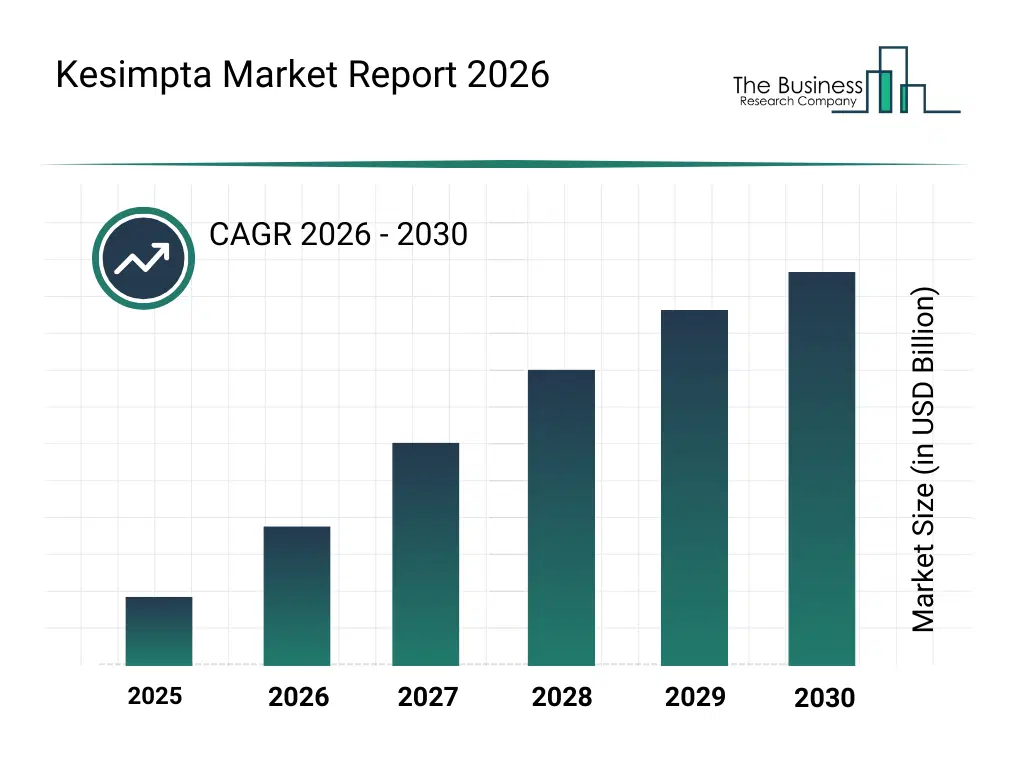
What Is The Kesimpta Market Size and Share 2026?
The growth in the historic period can be attributed to limitations of traditional ms therapies, increasing ms diagnosis rates, advances in monoclonal antibody science, neurologist adoption of b cell targeting, demand for convenient dosing.What Is The Kesimpta Market Growth Forecast?
The growth in the forecast period can be attributed to growing relapsing ms population, increased home injection adoption, expansion into progressive ms forms, improved patient adherence, rising neurology healthcare investment. Major trends in the forecast period include shift toward b cell depleting therapies, preference for self administered ms treatments, growth in early ms intervention, rising use of targeted immunotherapies, expansion of home based neurology care.
Global Kesimpta Market Segmentation
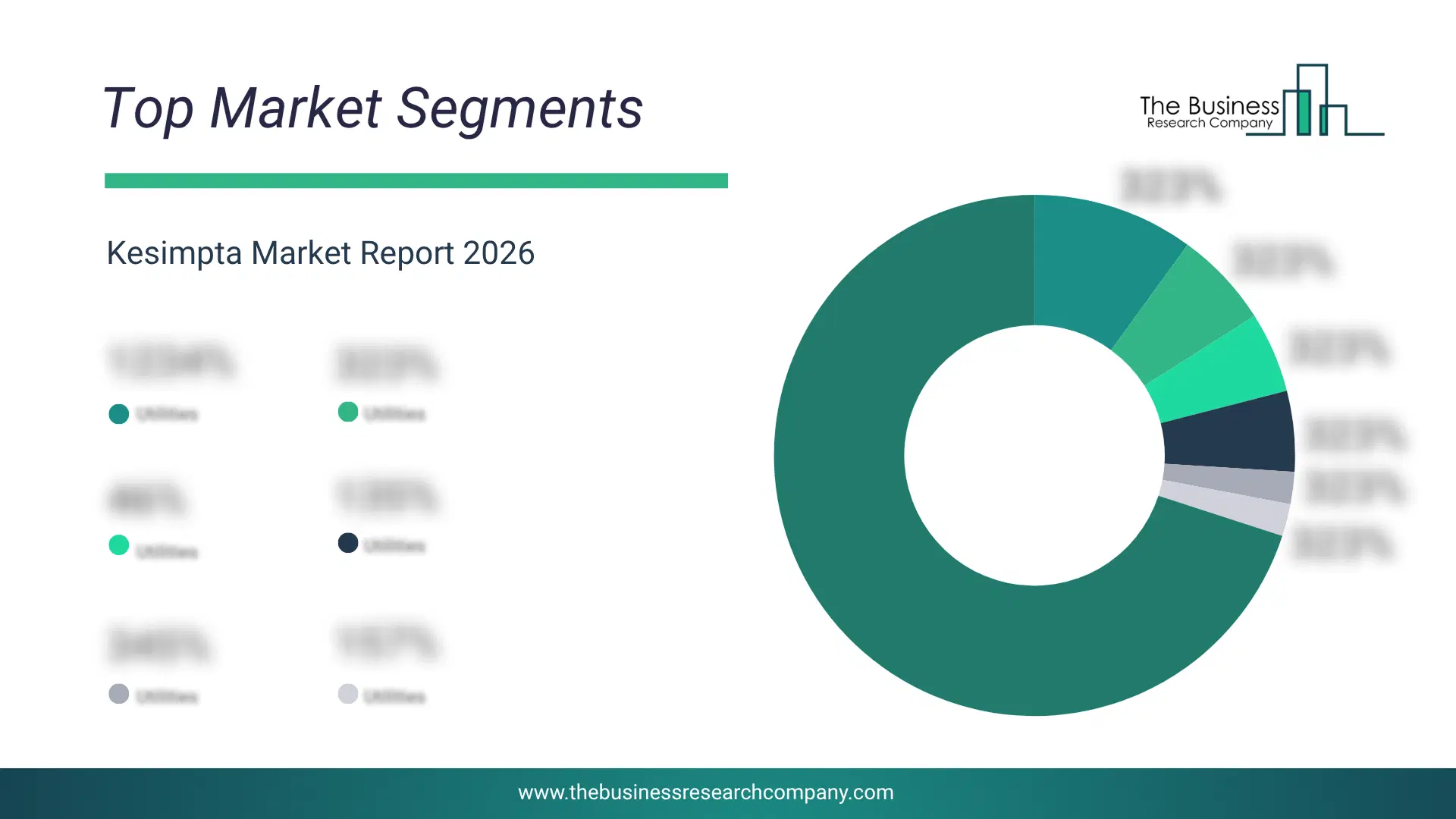
1) By Indication: Treatment Of Rhabdomyosarcoma (RMS), Treatment Of Clinically Isolated Syndrome (CIS), Treatment Of Active Secondary Progressive Multiple Sclerosis (SPMS) 2) By Formulation: Injectable formulation, Pre-filled Syringes Or Autoinjectors 3) By Patient Demographics: Pediatric Patients, Adult Patients, Geriatric Patients 4) By Distribution Channel: Direct Sales, Wholesalers And Distributors, Retail Pharmacies, Online Pharmacies 5) By End User: Hospitals, Specialty Pharmacies, Home Healthcare Providers, Neurology Clinics The top segments in the kesimpta market will be: • Adult Patients will reach $12.19 Billion by 2030. • Geriatric Patients will reach $2 Billion by 2030. • Pediatric Patients will reach $0.3 Billion by 2030.What Are The Drivers Of The Kesimpta Market?
The increasing prevalence of multiple sclerosis (MS) is expected to elevate the growth of the kesimpta market going forward. Multiple sclerosis (MS) is a chronic autoimmune disease that affects the central nervous system, leading to the degeneration of nerve fibers and causing symptoms such as muscle weakness, vision problems, and cognitive impairment. The increasing prevalence of multiple sclerosis (MS) can be attributed to several factors, including improved diagnostics, heightened awareness, and better reporting systems. Kesimpta is used to treat relapsing forms of multiple sclerosis (MS) by targeting B-cells to reduce relapses and slow disability progression. For instance, in August 2025, according to Neurologia i Neurochirurgia Polska, a Poland-based peer-reviewed medical journal, MS incidence in China is rising with estimates ranging from 0.2 to 0.6 per 100,000 people annually, while in Turkey the MS incidence rate in 2022 was 6.2 per 100,000 people, and in Saudi Arabia MS incidence is rising with recent estimates suggesting rates between 3 and 5 per 100,000 people annually. Therefore, the increasing prevalence of multiple sclerosis (MS) is driving the growth of the kesimpta industry. The rise in healthcare expenditure is expected to accelerate the growth of the kesimpta market going forward. Healthcare expenditure refers to the total spending on healthcare services, including hospital care, medical research, pharmaceuticals, public health programs, and other related services. The rise in healthcare expenditure is driven by several factors, including an aging population, increased prevalence of chronic diseases, advancements in medical technology, and rising treatment costs. Healthcare expenditure for Kesimpta focuses on improving patient outcomes by reducing relapses and progression of the disease. For instance, in May 2024, according to a report published by the Office for National Statistics, a UK-based government agency, total healthcare expenditure rose by 5.6% in nominal terms from 2022 to 2023, compared to a growth rate of 0.9% in 2022. Additionally, total long-term health and social care expenditure increased by 2.8% in real terms in 2022. Therefore, the rise in healthcare expenditure drives the growth of the kesimpta industry.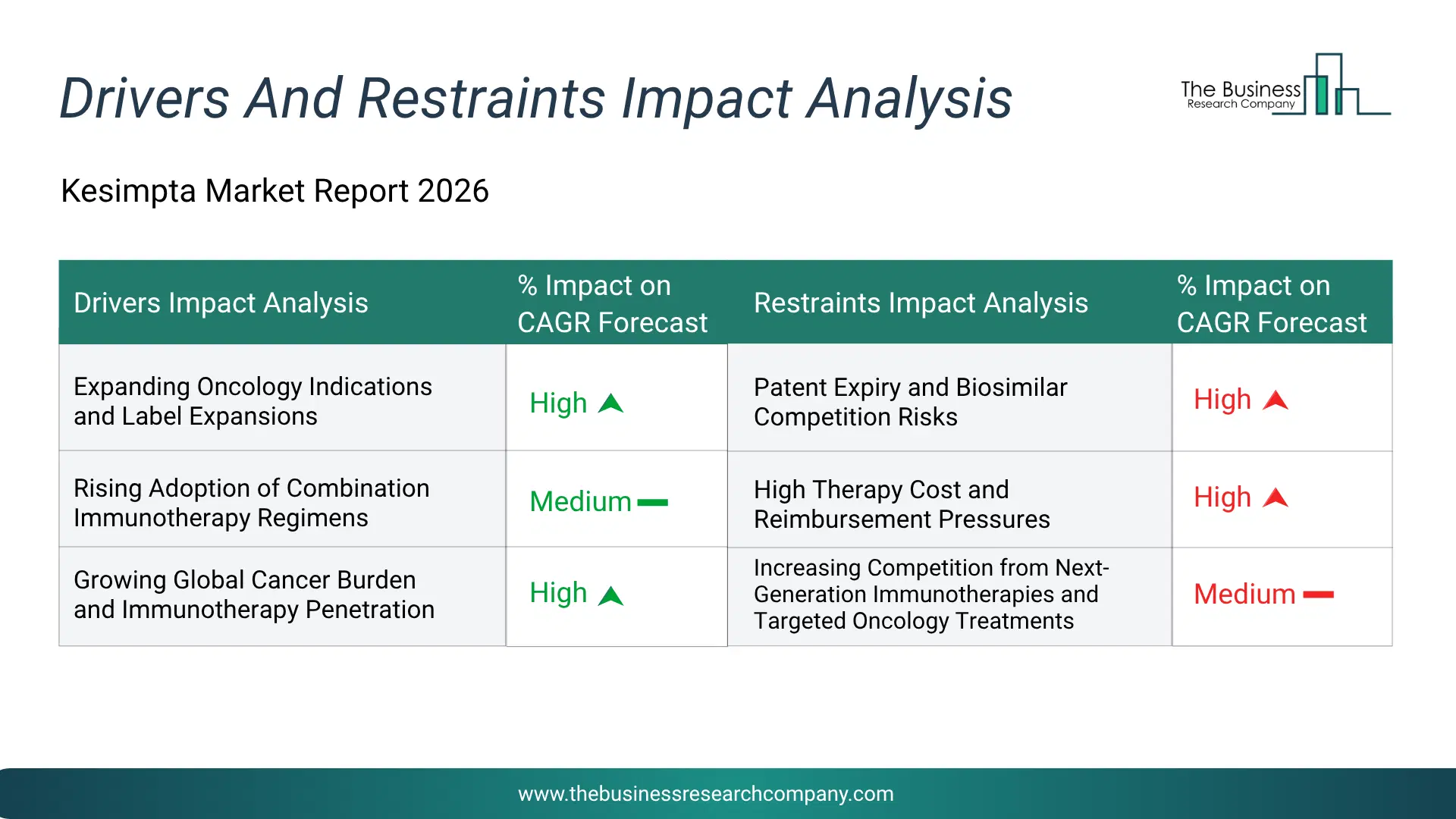
Infographic Chart Showing Key Market Drivers Analysis And Restraints For Kesimpta Market
The chart presents an impact analysis of key drivers and restraints, quantifying their relative influence on the market's growth rate and helping assess the balance between growth enablers and limiting factors. This chart offers a high-level perspective; the full report contains more detailed insights.
How Will The Drivers Impact Growth In The Global Kesimpta Market?
• Rising Prevalence of Multiple Sclerosis (MS) and Early Diagnosis (High) – During the forecast period, the rising prevalence of multiple sclerosis (MS) and early diagnosis is expected to become a key growth driver for the kesimpta market by 2030. Increasing awareness regarding neurological disorders and improvements in diagnostic capabilities are enabling earlier identification of relapsing forms of multiple sclerosis, supporting timely therapeutic intervention. Healthcare systems are emphasizing proactive disease management approaches to reduce disability progression and improve long-term patient outcomes. Growing screening initiatives and expanded access to specialized neurology services are further strengthening treatment adoption trends. • Growing Preference for Self-Administered and Home-Based Therapies (Medium) – During the forecast period, the growing preference for self-administered and home-based therapies is expected to emerge as a major factor driving the expansion of the kesimpta market by 2030. Patients increasingly favor treatment options that minimize hospital dependency and improve convenience while supporting treatment continuity. Home-based administration models are helping reduce healthcare system burden and improving therapy adherence across chronic neurological disease populations. Advancements in patient support programs and healthcare delivery systems are further encouraging broader acceptance of self-administered biologic therapies. • Strong Clinical Efficacy and Long-Term Disease Control (Low) – During the forecast period, the strong clinical efficacy and long-term disease control is expected to act as a key growth catalyst for the kesimpta market by 2030. Healthcare providers are increasingly prioritizing therapies demonstrating sustained disease management benefits and reduced relapse activity in chronic neurological disorders. Long-term therapeutic effectiveness is becoming increasingly important in treatment decision-making processes focused on preserving quality of life and slowing disability progression. Continued emphasis on durable treatment outcomes is supporting wider utilization across eligible patient populations.How Will The Restraints Impact Growth In The Global Kesimpta Market?
• Intense Competition from Alternative MS Therapies (High) – During the forecast period, the multiple sclerosis treatment market is highly competitive, with several established biologics and emerging therapies competing directly with Kesimpta. Competing anti-CD20 therapies such as Ocrevus, along with oral MS drugs and next-generation immunotherapies, create strong market pressure. Some competing therapies offer less frequent dosing schedules or broader indications, influencing physician prescribing preferences. Pharmaceutical companies are also actively developing newer therapies with improved convenience and safety profiles. This intense competitive environment may limit Kesimpta’s market share growth despite its strong efficacy and self-administration advantages. • High Treatment Cost and Reimbursement Challenges (Medium) – During the forecast period, the kesimpta is a biologic monoclonal antibody therapy with relatively high treatment costs, which can create affordability issues for patients and healthcare systems. In several developing and middle-income countries, limited reimbursement coverage and high out-of-pocket expenses restrict patient access. Insurance approval processes for specialty biologics may also delay treatment initiation. Budget constraints within public healthcare systems can encourage the use of lower-cost alternatives or older disease-modifying therapies instead of premium biologics. These pricing and reimbursement barriers can negatively affect market penetration, particularly in cost-sensitive regions • Risk of Serious Infections and Safety Concerns (Low) – During the forecast period, the one of the major restraints for the Kesimpta market is the risk of infections and immune-related complications associated with B-cell depletion therapy. Patients receiving Kesimpta may experience upper respiratory infections, urinary tract infections, hepatitis B reactivation, and other serious infections due to immune suppression. Concerns regarding long-term immune system weakening can make physicians cautious, particularly for elderly or immunocompromised patients. Continuous monitoring, blood testing, and vaccination precautions increase treatment complexity for both providers and patients. These safety concerns may limit adoption among certain patient groups despite the drug’s clinical effectiveness.Key Players In The Global Kesimpta Market
Major companies operating in the kesimpta market are Novartis AG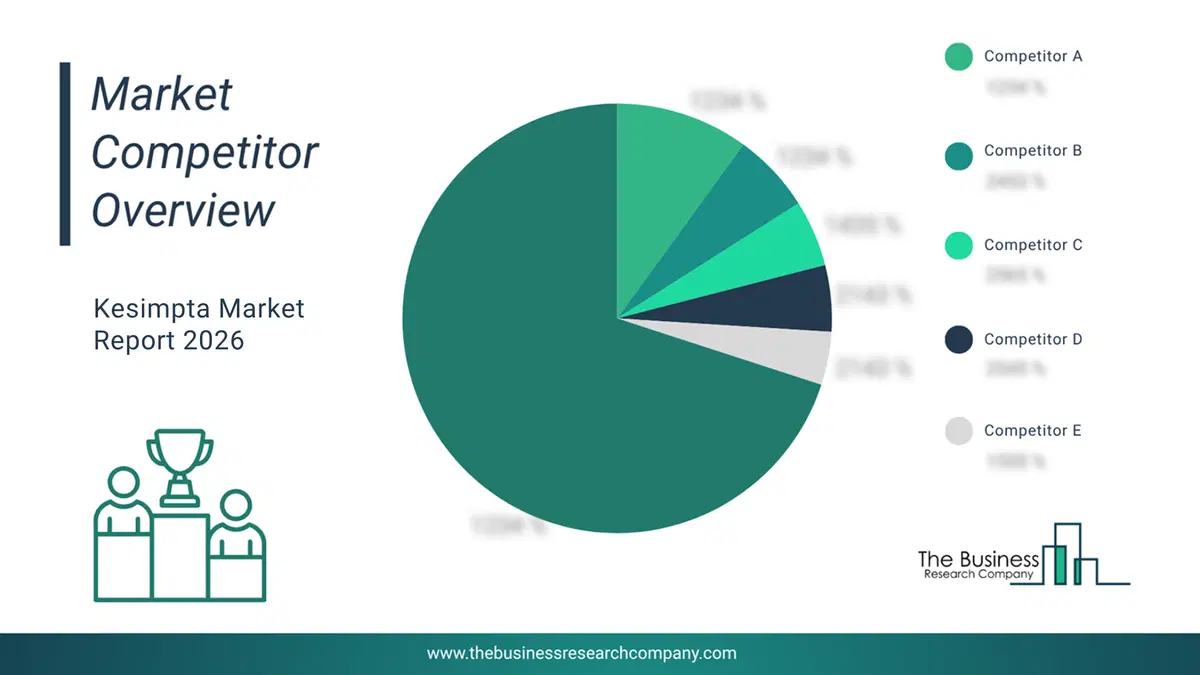
This chart is for illustrative purposes; the full report includes a detailed competitor analysis and comprehensive overview of the top 10 companies in the market.
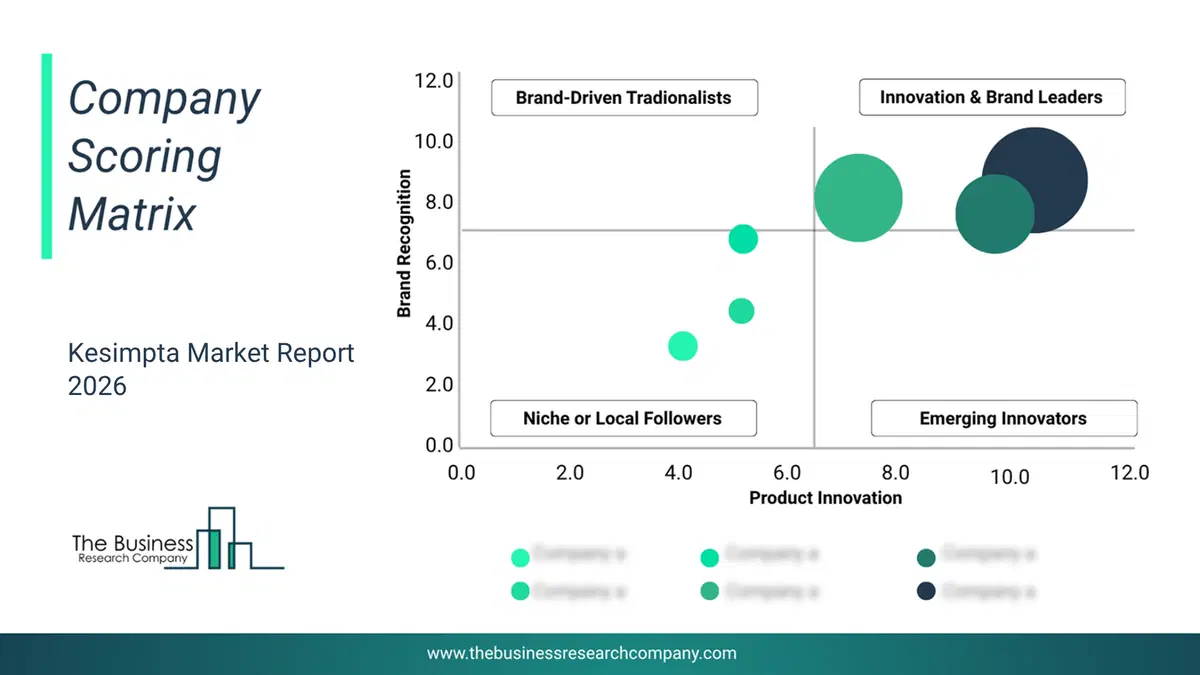
This chart maps companies by product innovation and brand strength, with bubble size indicating relative revenue, helping identify market leaders, challengers, and niche players. This is an illustrative chart; the full report provides a complete and accurate competitive analysis.
Global Kesimpta Market Trends and Insights
The key trend in the kesimpta market is self-administered, targeted B-cell therapy for the treatment of relapsing forms of multiple sclerosis (RMS). Kesimpta's self-administered, targeted B-cell therapy provides an effective and convenient treatment option for relapsing forms of multiple sclerosis (RMS), reducing relapses and slowing disease progression. For instance, in April 2024, Novartis AG, a Switzerland-based pharmaceutical company, recently released six-year efficacy data for its multiple sclerosis treatment, Kesimpta (ofatumumab), highlighting significant benefits for recently diagnosed, treatment-naïve individuals with relapsing multiple sclerosis (RMS). This data comes from the ALITHIOS open-label extension study, which underscores the importance of early intervention in managing this chronic condition.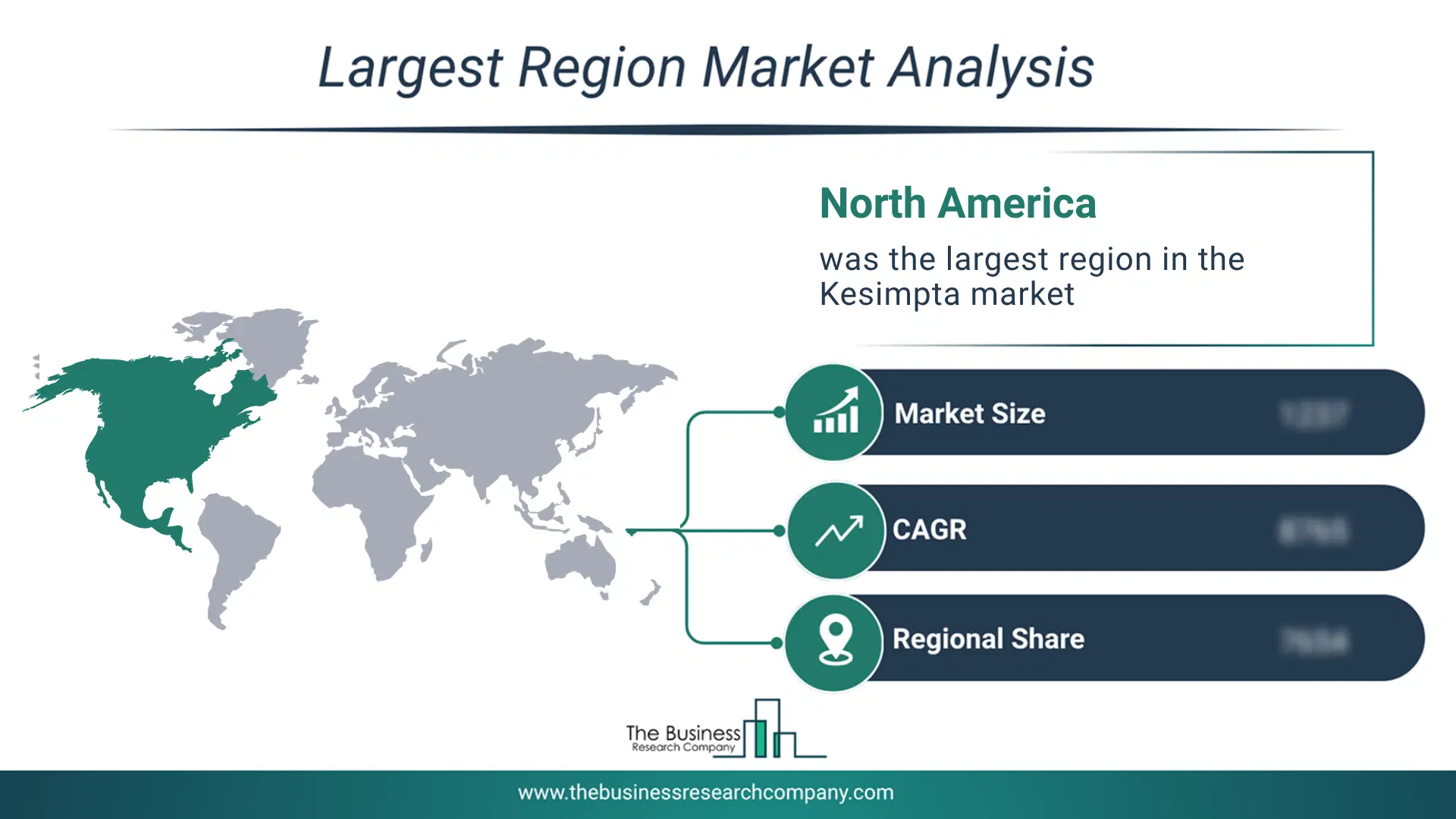
Regional Insights
North America was the largest region in the kesimpta market in 2025. Asia-Pacific is expected to be the fastest-growing region in the forecast period. The regions covered in this market report are Asia-Pacific, Western Europe, Eastern Europe, North America, South America, Middle East, Africa. The countries covered in this market report are Australia, India, China, South Korea, Japan, UK, France, Germany, USA, Canada.What Defines the Kesimpta Market?
The kesimpta market consists of sales of prefilled syringes, injection forms, and liquid solutions. Values in this market are ‘factory gate’ values, that is the value of goods sold by the manufacturers or creators of the goods, whether to other entities (including downstream manufacturers, wholesalers, distributors and retailers) or directly to end customers. The value of goods in this market includes related services sold by the creators of the goods.How is Market Value Defined and Measured?
The market value is defined as the revenues that enterprises gain from the sale of goods and/or services within the specified market and geography through sales, grants, or donations in terms of the currency (in USD unless otherwise specified). The revenues for a specified geography are consumption values that are revenues generated by organizations in the specified geography within the market, irrespective of where they are produced. It does not include revenues from resales along the supply chain, either further along the supply chain or as part of other products.
This chart presents market attractiveness based on a quantitative evaluation of growth, competition, strategic alignment, and risk, offering a clear view of opportunity areas for decision-making. This chart is for illustrative purposes; the full report contains the complete analysis.

This chart highlights the Total Addressable Market (TAM) by estimating the maximum revenue opportunity using an assumption-driven approach, supporting strategic planning and opportunity sizing across markets. The chart is illustrative; the full report provides a more comprehensive analysis.
What Key Data and Analysis Are Included in the Kesimpta Market Report 2026?
The kesimpta market research report is one of a series of new reports from The Business Research Company that provides market statistics, including industry global market size, regional shares, competitors with the market share, detailed market segments, market trends and opportunities, and any further data you may need to thrive in the kesimpta industry. The market research report delivers a complete perspective of everything you need, with an in-depth analysis of the current and future state of the industry.Kesimpta Market Report Forecast Analysis
| Report Attribute | Details |
|---|---|
| Market Size Value In 2026 | $ billion |
| Revenue Forecast In 2030 | $ billion |
| Growth Rate | No CAGR found from 2026 to 2030 |
| Base Year For Estimation | 2025 |
| Actual Estimates/Historical Data | 2020-2025 |
| Forecast Period | 2026 - 2030 |
| Market Representation | Revenue in USD Billion and CAGR from 2026 to 2030 |
| Segments Covered | Indication, Formulation, Patient Demographics, Distribution Channel, End User |
| Regional Scope | Asia-Pacific, Western Europe, Eastern Europe, North America, South America, Middle East, Africa |
| Country Scope | The countries covered in the report are Australia, Brazil, China, France, Germany, India, Indonesia, Japan, Taiwan, Russia, South Korea, UK, USA, Canada, Italy, Spain. |
| Key Companies Profiled | Novartis AG |
| Customization Scope | Request for Customization |
| Pricing And Purchase Options | Explore Purchase Options |