

Marine Hybrid Propulsion Market Report 2026
Global Outlook – By Propulsion Type (Diesel-Electric, Parallel Hybrid, Serial Hybrid, Fuel cell), By Ship Type (Anchor Handling Tug Supply Vessels, Platform Supply Vessels, Yachts, Motor Ferry, Cruise Liner, Other Ship Types), By Application (Commercial, Logistics, Offshore Drilling, Naval, Other Applications) – Market Size, Trends, Strategies, and Forecast to 2030
Marine Hybrid Propulsion Market Overview
• Marine Hybrid Propulsion market size has reached to $4.88 billion in 2025 • Expected to grow to $8.41 billion in 2030 at a compound annual growth rate (CAGR) of 11.4% • Growth Driver: Fueling Growth In The Marine Hybrid Propulsion Market Amid Escalating Fuel Prices • Market Trend: Advancements in Hybrid-Electric Propulsion in the Marine Industry • Europe was the largest region in 2025.What Is Covered Under Marine Hybrid Propulsion Market?
The marine hybrid propulsion are hybrid propulsion systems for marine applications that combines combustion engines with battery power to optimize engine operation and reducing emissions. Hybrid propulsion is a propulsion system for a vehicle that involves two or more sources of propulsion in one design usually that can be used collectively or alternately. Hybrid propulsion improves the fuel efficiency of vessels with variable power demands such as tug boats, fishing vessels, and others. The main propulsion types of marine hybrid propulsion are diesel-electric, parallel hybrid, serial hybrid, full electric, gas turbine, and fuel cell. A diesel-electric propulsion system can employ a single engine to drive several propellers or several engines to power one or more propellers. Electric propulsion is widely used in specific vessel designs. Diesel engines provide approximately 90% of the energy in marine applications. In a parallel hybrid propulsion system, the engine and electric motor work in tandem to generate the power that drives the wheels. When power demands are low, parallel hybrids utilize the motor as a generator for supplemental recharging. The serial hybrid system uses a single electric motor and can both generate power and store energy. The system optimizes fuel consumption with a constant-speed generator engine. Full electric propulsion systems utilize electrical power to drive propeller blades for propulsion. Normally electrical propulsion is used in small vessels but nowadays shipping companies are adopting this system for big-size cargo vessels as well. A gas turbine propulsion system is a type of continuous and internal combustion engine that pulls together all of the systems and subsystems associated with gas turbine engines in aircraft and marine warship applications. Fuel cell propulsion systems are similar to that of electric vehicles, where energy stored as hydrogen is converted to electricity by the fuel cell. The different types of ships include anchor handling tug supply vessels, platform supply vessels, yachts, motor ferry, cruise liner, and others and operates in various power ranges such as 0-300 KW, 301-500KW, and 501KW-800KW. It is used in commercial, logistics, offshore drilling and naval, and other applications.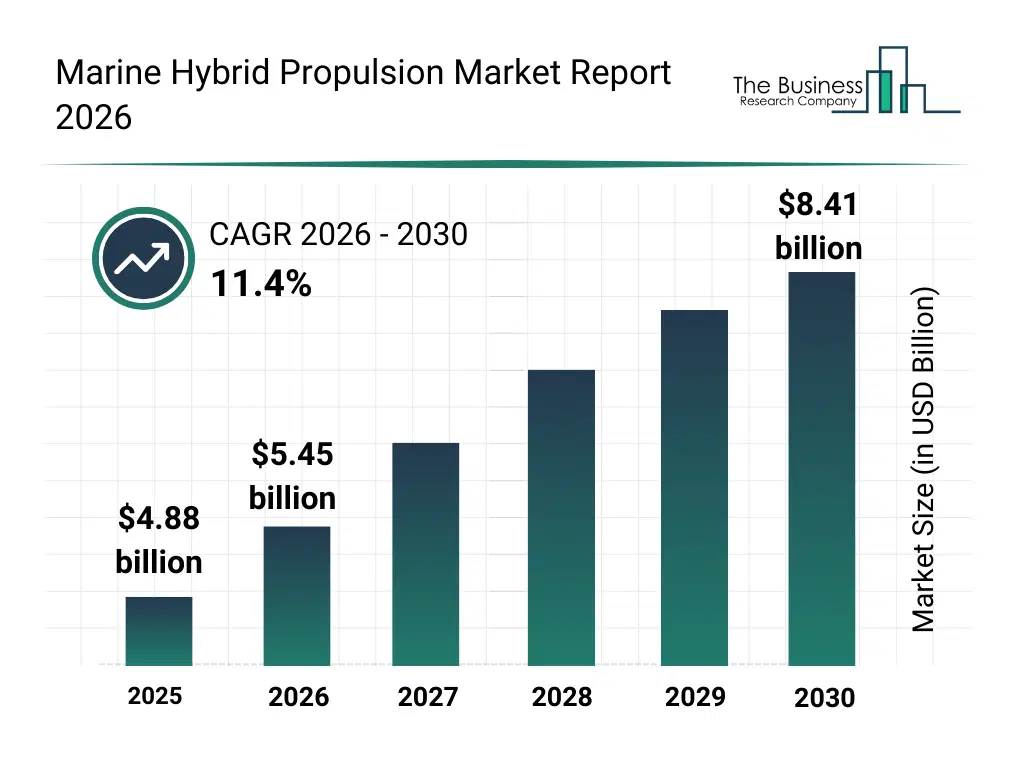
What Is The Marine Hybrid Propulsion Market Size and Share 2026?
The marine hybrid propulsion market size has grown rapidly in recent years. It will grow from $4.88 billion in 2025 to $5.45 billion in 2026 at a compound annual growth rate (CAGR) of 11.6%. The growth in the historic period can be attributed to emission regulations, fuel cost volatility, adoption of diesel-electric systems, demand for operational efficiency, pilot hybrid vessel projects.What Is The Marine Hybrid Propulsion Market Growth Forecast?
The marine hybrid propulsion market size is expected to see rapid growth in the next few years. It will grow to $8.41 billion in 2030 at a compound annual growth rate (CAGR) of 11.4%. The growth in the forecast period can be attributed to decarbonization targets, battery technology advancements, green shipping incentives, demand for autonomous vessels, smart energy management. Major trends in the forecast period include growing adoption of hybrid marine systems, integration of battery energy storage, demand for emission reduction solutions, expansion of electric propulsion, growth in smart vessel design.Tariff Impact On Marine Hybrid Propulsion Market
Tariffs are impacting the marine hybrid propulsion market by increasing the cost of imported batteries, power electronics, electric motors, energy management systems, and hybrid control units. Tugboats, offshore vessels, and ferries in North America and Europe are particularly affected due to reliance on imported hybrid propulsion components, while Asia-Pacific suppliers face export pricing pressure. These tariffs are increasing vessel conversion and installation costs. However, they are also encouraging domestic battery assembly, regional system integration, and innovation in cost-efficient and scalable hybrid marine propulsion solutions.
Global Marine Hybrid Propulsion Market Segmentation
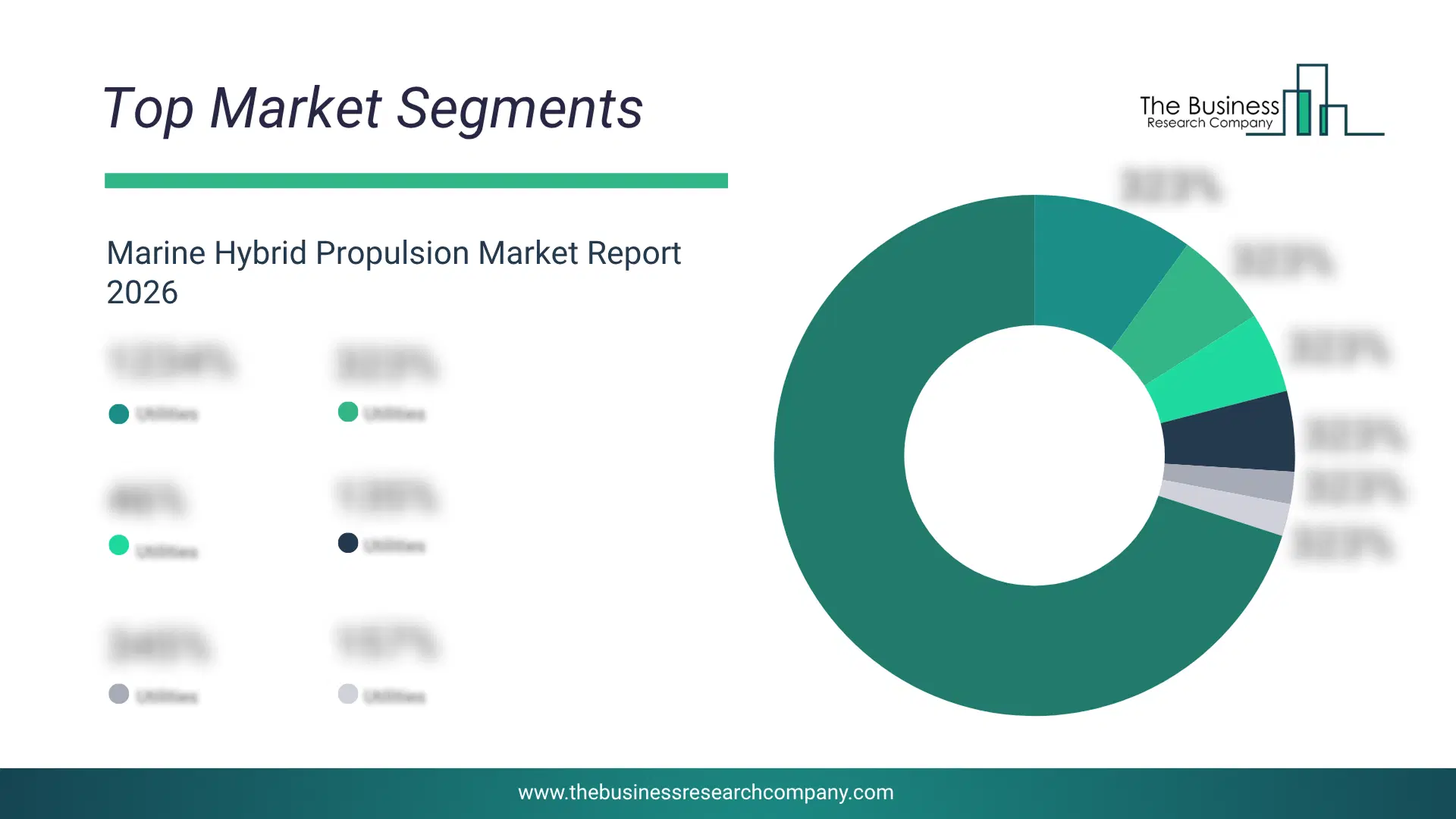
1) By Propulsion Type: Diesel-Electric, Parallel Hybrid, Serial Hybrid, Fuel cell 2) By Ship Type: Anchor Handling Tug Supply Vessels, Platform Supply Vessels, Yachts, Motor Ferry, Cruise Liner, Other Ship Types 3) By Application: Commercial, Logistics, Offshore Drilling, Naval, Other Applications Subsegments: 1) By Diesel-Electric: Hybrid Diesel-Electric Propulsion Systems, Diesel-Electric Generators 2) By Parallel Hybrid: Mechanical Parallel Hybrid Systems, Electrical Parallel Hybrid Systems 3) By Serial Hybrid: Electric Drive With Diesel Generator, Battery-Assisted Diesel Engines 4) By Fuel Cell: Proton Exchange Membrane Fuel Cells (PEMFC), Solid Oxide Fuel Cells (SOFC)What Is The Driver Of The Marine Hybrid Propulsion Market?
The escalating fuel prices are expected to boost the growth of the marine hybrid propulsion market going forward. Fuel price refers to the cost or price that individuals or businesses have to pay for a specific type of fuel, such as gasoline, diesel, natural gas, or other energy sources used to power vehicles, machinery, or heating systems. Marine hybrid propulsion systems are designed to be more fuel-efficient, reducing the consumption of expensive marine fuels. As fuel prices rise, the potential cost savings become more attractive to shipowners and operators. For instance, in February 2025, according to the Bureau of Transportation Statistics, a US-based federal government statistical agency under the U.S. Department of Transportation reported that the prices of motor gasoline for end users in the Rocky Mountain region of North America were $2.90 per gallon in January 2025, compared with $2.74 per gallon in January 2024, representing a 6% increase from the same month of the previous year. Therefore, the escalating fuel prices are driving the growth of the marine hybrid propulsion industry.Key Players In The Global Marine Hybrid Propulsion Market
Major companies operating in the marine hybrid propulsion market are Schottel GmbH, MAN Energy Solutions SE, Siemens AG, ABB Ltd., General Electric Company, Mitsubishi Heavy Industries Ltd., Torqeedo GmbH, Wärtsilä Corporation, Yanmar Co. Ltd., Cummins Inc., Volvo Penta AB, Oceanvolt Oy, TRANSFLUID Maschinenbau GmbH, Caterpillar Inc., Rolls-Royce Plc, Hyundai Heavy Industries Co. Ltd., IHI Power Systems Co. Ltd., Aspin Kemp & Associates Inc., Hybrid Marine Ltd., Kongsberg Maritime AS, Praxis Automation Technology B.V.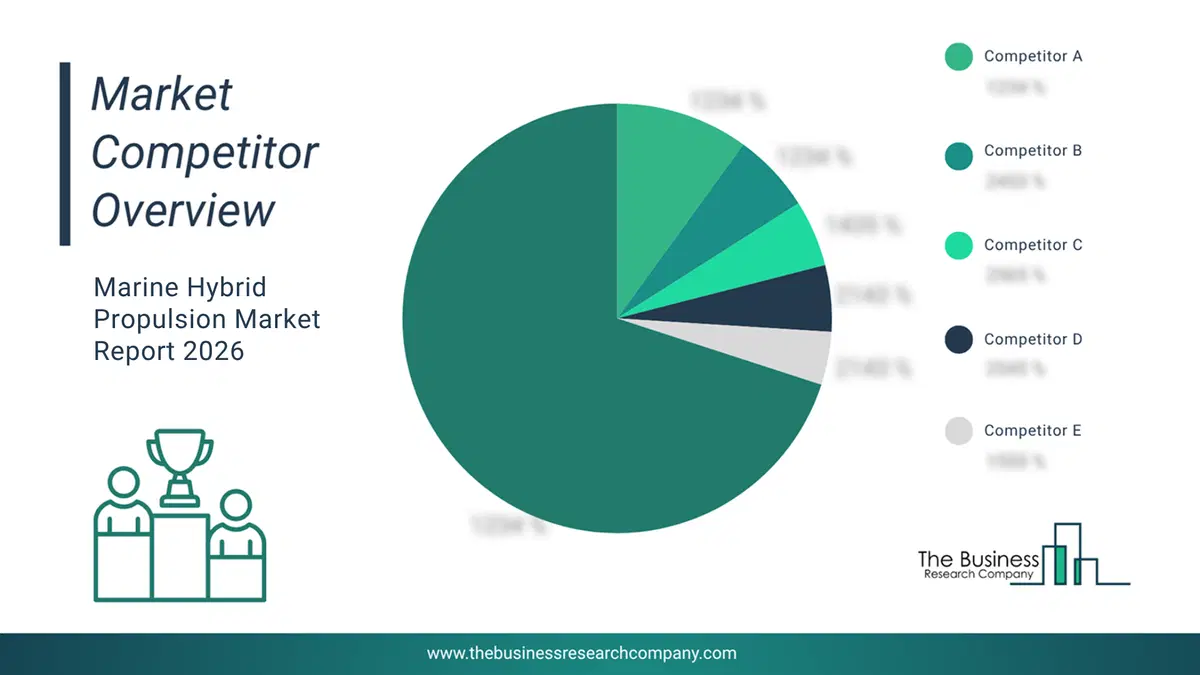
This chart is for illustrative purposes; the full report includes a detailed competitor analysis and comprehensive overview of the top 10 companies in the market.
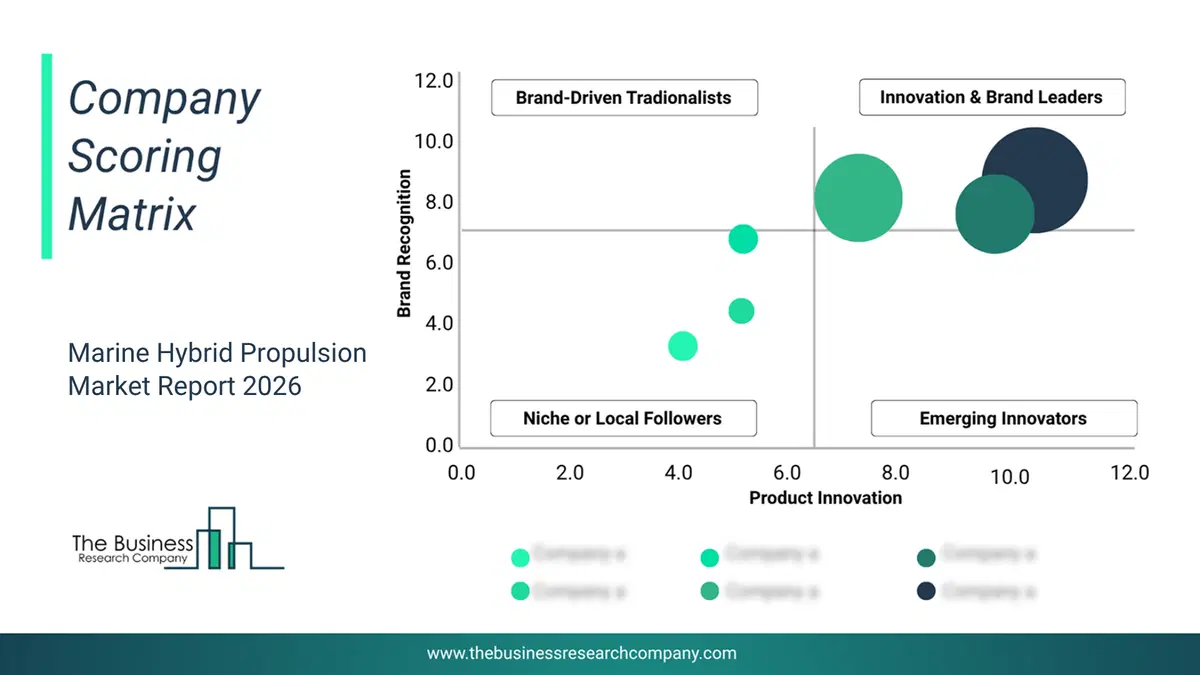
This chart maps companies by product innovation and brand strength, with bubble size indicating relative revenue, helping identify market leaders, challengers, and niche players. This is an illustrative chart; the full report provides a complete and accurate competitive analysis.
Global Marine Hybrid Propulsion Market Trends and Insights
Major companies operating in the marine hybrid propulsion market are developing new products such as hybrid electric propulsion, which allows for operations using both battery-powered electric motors and diesel generators for maneuvering precisely in shallow or congested waters while maintaining flexibility for longer routes. Hybrid electric propulsion is a marine propulsion system that combines conventional engines with electric motors and batteries to drive a vessel, and the system can switch between or combine electric and diesel power depending on operational needs. For instance, in December 2024, Derecktor Shipyards, Inc., a US-based shipbuilding company specializing in advanced passenger vessels, launched the Juliette Gordon Low II and Susie King Taylor II, the first U.S.-built hybrid-electric passenger ferries with waterjet propulsion, a cutting-edge urban ferry platform that integrates dual marine jet power (MJP) ultraJet 305 waterjets with a serial hybrid-electric propulsion system combining Cummins 6.7 L marine diesel generators, a 308 kWh lithium-ion battery pack, and BAE Systems HybriGen electric motors to deliver flexible and efficient power management. Additionally, the vessels enable fully electric or hybrid diesel-assisted operation while providing reduced fuel consumption and smooth operation and enhanced maneuverability in shallow and congested waterways.What Are Latest Mergers And Acquisitions In The Marine Hybrid Propulsion Market?
In September 2023, Brunswick Corporation, a US-based marine products manufacturing company, acquired Fliteboard, for an undisclosed amount. This acquisition enables Brunswick to venture into the growing electric-foiling surfboard market by incorporating Fliteboard, known for its fusion of advanced hydrofoils and electric propulsion for aquatic experiences. It also opens doors to potential synergies across technology, manufacturing, commercial aspects, and consumer engagement within Brunswick's existing portfolio. Fliteboard is expected to function as a distinct business entity under Mercury Marine. Fliteboard will provide Brunswick with access to a fresh customer base, offering them the opportunity to eventually explore the complete range of Brunswick's products and services. Fliteboard is an Australia-based manufacturer of marine hybrid propulsion systems.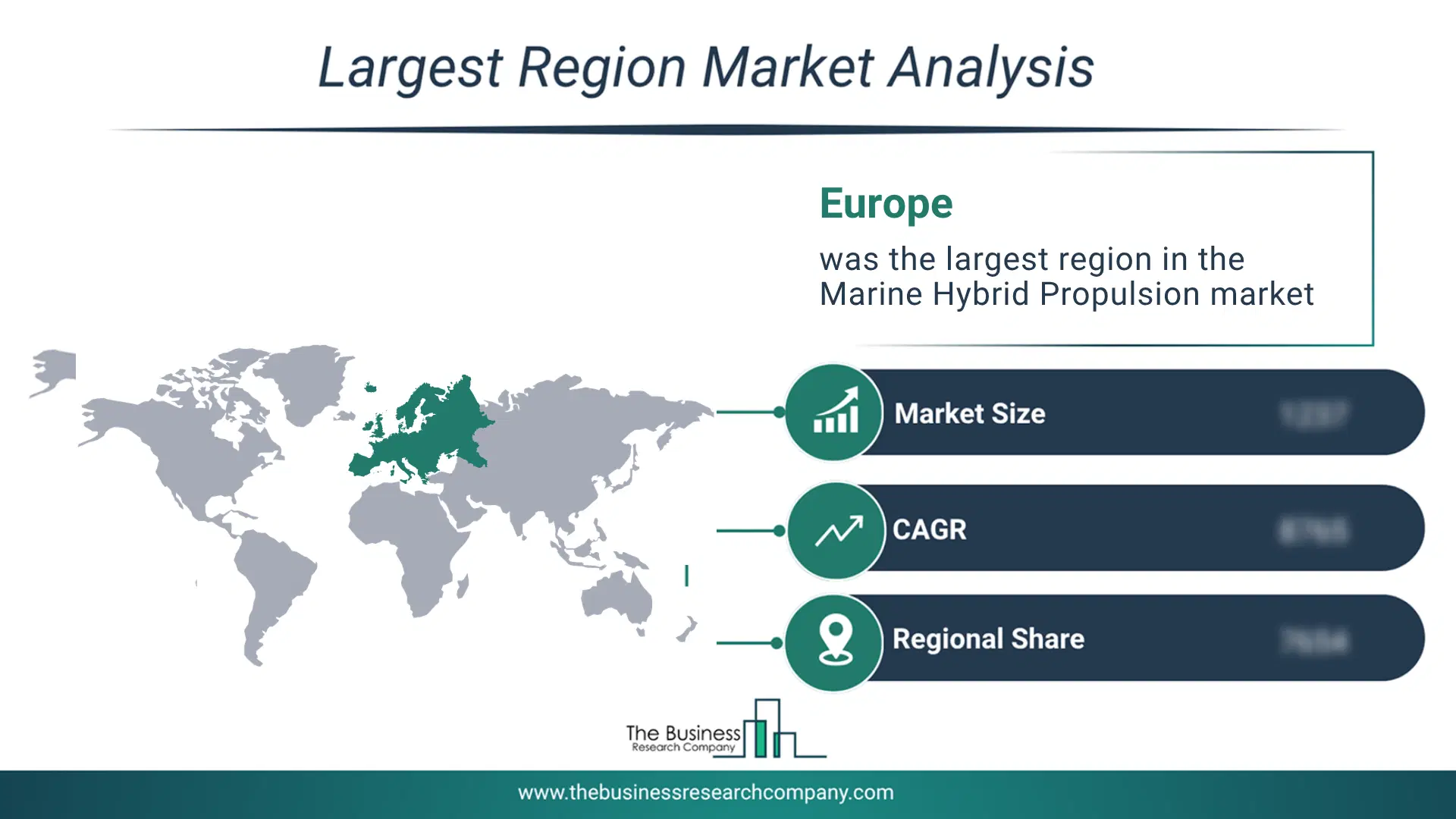
Regional Outlook
Europe was the largest region in the marine hybrid propulsion market share in 2025. The regions covered in this market report are Asia-Pacific, South East Asia, Western Europe, Eastern Europe, North America, South America, Middle East, Africa The countries covered in this market report are Australia, Brazil, China, France, Germany, India, Indonesia, Japan, Taiwan, Russia, South Korea, UK, USA, Canada, Italy, Spain.What Defines the Marine Hybrid Propulsion Market?
The marine hybrid propulsion market consists of sales of electric motor, energy storage device, battery system, electric machine, power electronics. Values in this market are ‘factory gate’ values, that is the value of goods sold by the manufacturers or creators of the goods, whether to other entities (including downstream manufacturers, wholesalers, distributors, and retailers) or directly to end customers. The value of goods in this market includes related services sold by the creators of the goods.How is Market Value Defined and Measured?
The market value is defined as the revenues that enterprises gain from the sale of goods and/or services within the specified market and geography through sales, grants, or donations in terms of the currency (in USD unless otherwise specified). The revenues for a specified geography are consumption values that are revenues generated by organizations in the specified geography within the market, irrespective of where they are produced. It does not include revenues from resales along the supply chain, either further along the supply chain or as part of other products.
This chart presents market attractiveness based on a quantitative evaluation of growth, competition, strategic alignment, and risk, offering a clear view of opportunity areas for decision-making. This chart is for illustrative purposes; the full report contains the complete analysis.

This chart highlights the Total Addressable Market (TAM) by estimating the maximum revenue opportunity using an assumption-driven approach, supporting strategic planning and opportunity sizing across markets. The chart is illustrative; the full report provides a more comprehensive analysis.
What Key Data and Analysis Are Included in the Marine Hybrid Propulsion Market Report 2026?
The marine hybrid propulsion market research report is one of a series of new reports from The Business Research Company that provides market statistics, including industry global market size, regional shares, competitors with the market share, detailed market segments, market trends and opportunities, and any further data you may need to thrive in the marine hybrid propulsion industry. The market research report delivers a complete perspective of everything you need, with an in-depth analysis of the current and future state of the industry.Marine Hybrid Propulsion Market Report Forecast Analysis
| Report Attribute | Details |
|---|---|
| Market Size Value In 2026 | $5.45 billion |
| Revenue Forecast In 2030 | $8.41 billion |
| Growth Rate | CAGR of 11.4% from 2026 to 2030 |
| Base Year For Estimation | 2025 |
| Actual Estimates/Historical Data | 2020-2025 |
| Forecast Period | 2026 - 2030 |
| Market Representation | Revenue in USD Billion and CAGR from 2026 to 2030 |
| Segments Covered | Propulsion Type, Ship Type, Application |
| Regional Scope | Asia-Pacific, Western Europe, Eastern Europe, North America, South America, Middle East, Africa |
| Key Companies Profiled | Schottel GmbH, MAN Energy Solutions SE, Siemens AG, ABB Ltd., General Electric Company, Mitsubishi Heavy Industries Ltd., Torqeedo GmbH, Wärtsilä Corporation, Yanmar Co. Ltd., Cummins Inc., Volvo Penta AB, Oceanvolt Oy, TRANSFLUID Maschinenbau GmbH, Caterpillar Inc., Rolls-Royce Plc, Hyundai Heavy Industries Co. Ltd., IHI Power Systems Co. Ltd., Aspin Kemp & Associates Inc., Hybrid Marine Ltd., Kongsberg Maritime AS, Praxis Automation Technology B.V. |
| Customization Scope | Request for Customization |
| Pricing And Purchase Options | Explore Purchase Options |