
Metabolic Dysfunction-Associated Steatohepatitis (MASH) Treatment Market Report 2026
Global Outlook – By Treatment (Drug, Therapy), By Distribution Channel (Hospital Pharmacies, Online Pharmacies, Retail Pharmacies), By End-User (Hospitals, Specialty Clinics, Homecare, Other End-User) - Market Size, Trends, And Global Forecast 2026-2030
Metabolic Dysfunction-Associated Steatohepatitis (MASH) Treatment Market Overview
• Metabolic Dysfunction-Associated Steatohepatitis (MASH) Treatment market size has reached to $3.18 billion in 2025 • Expected to grow to $8.6 billion in 2030 at a compound annual growth rate (CAGR) of 22% • Growth Driver: Rising Obesity Prevalence Driving Growth In The Market • Market Trend: Innovative MASH Treatments Address Fibrosis And Improve Liver Health Outcomes • North America was the largest region in 2025 and Asia-Pacific is the fastest growing region.Market Gains By 2030 – Top Opportunities By Segment
Market Gain identifies the most promising market opportunities by highlighting the segments or products expected to generate the highest incremental revenue growth over the next five years.
What Is Covered Under Metabolic Dysfunction-Associated Steatohepatitis (MASH) Treatment Market?
Metabolic dysfunction-associated steatohepatitis (MASH) treatment refers to medical and lifestyle interventions aimed at addressing inflammation and liver damage caused by fat accumulation in the liver associated with metabolic dysfunctions like obesity, diabetes, and insulin resistance, focusing on improving liver health and metabolic outcomes. The main treatments in metabolic dysfunction-associated steatohepatitis (MASH) treatment are drug and therapy. Drug treatment refers to the use of pharmaceutical therapies aimed at reducing liver inflammation, fibrosis, and fat accumulation associated with the condition, with the goal of improving liver function and preventing disease progression. The end users of this are hospitals, specialty clinics, homecare, and others, and are distributed by various channels such as hospital pharmacies, online pharmacies, and retail pharmacies.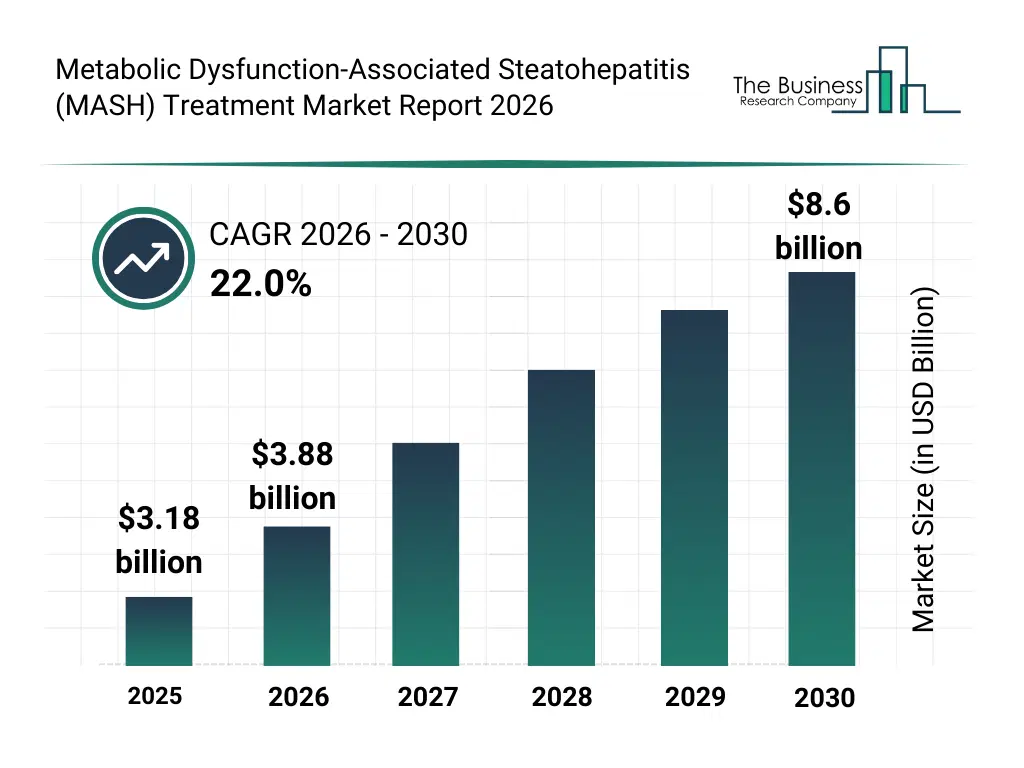
What Is The Metabolic Dysfunction-Associated Steatohepatitis (MASH) Treatment Market Size and Share 2026?
The metabolic dysfunction-associated steatohepatitis (mash) treatment market size has grown exponentially in recent years. It will grow from $3.18 billion in 2025 to $3.88 billion in 2026 at a compound annual growth rate (CAGR) of 22.2%. The growth in the historic period can be attributed to rising prevalence of obesity, increasing incidence of type 2 diabetes, growing awareness of liver health disorders, expansion of diagnostic testing capabilities, early adoption of lifestyle modification programs.What Is The Metabolic Dysfunction-Associated Steatohepatitis (MASH) Treatment Market Growth Forecast?
The metabolic dysfunction-associated steatohepatitis (mash) treatment market size is expected to see exponential growth in the next few years. It will grow to $8.6 billion in 2030 at a compound annual growth rate (CAGR) of 22.0%. The growth in the forecast period can be attributed to increasing adoption of glp-1 agonists, growth in antifibrotic drug development, rising penetration of digital liver monitoring tools, expansion of bariatric surgery usage, increasing focus on personalized metabolic therapies. Major trends in the forecast period include expansion of precision liver disease therapeutics, AI-enabled early detection and risk stratification, cloud-based liver health data management, iot-integrated lifestyle and medication monitoring, growth in sustainable and preventive metabolic health programs.
Global Metabolic Dysfunction-Associated Steatohepatitis (MASH) Treatment Market Segmentation
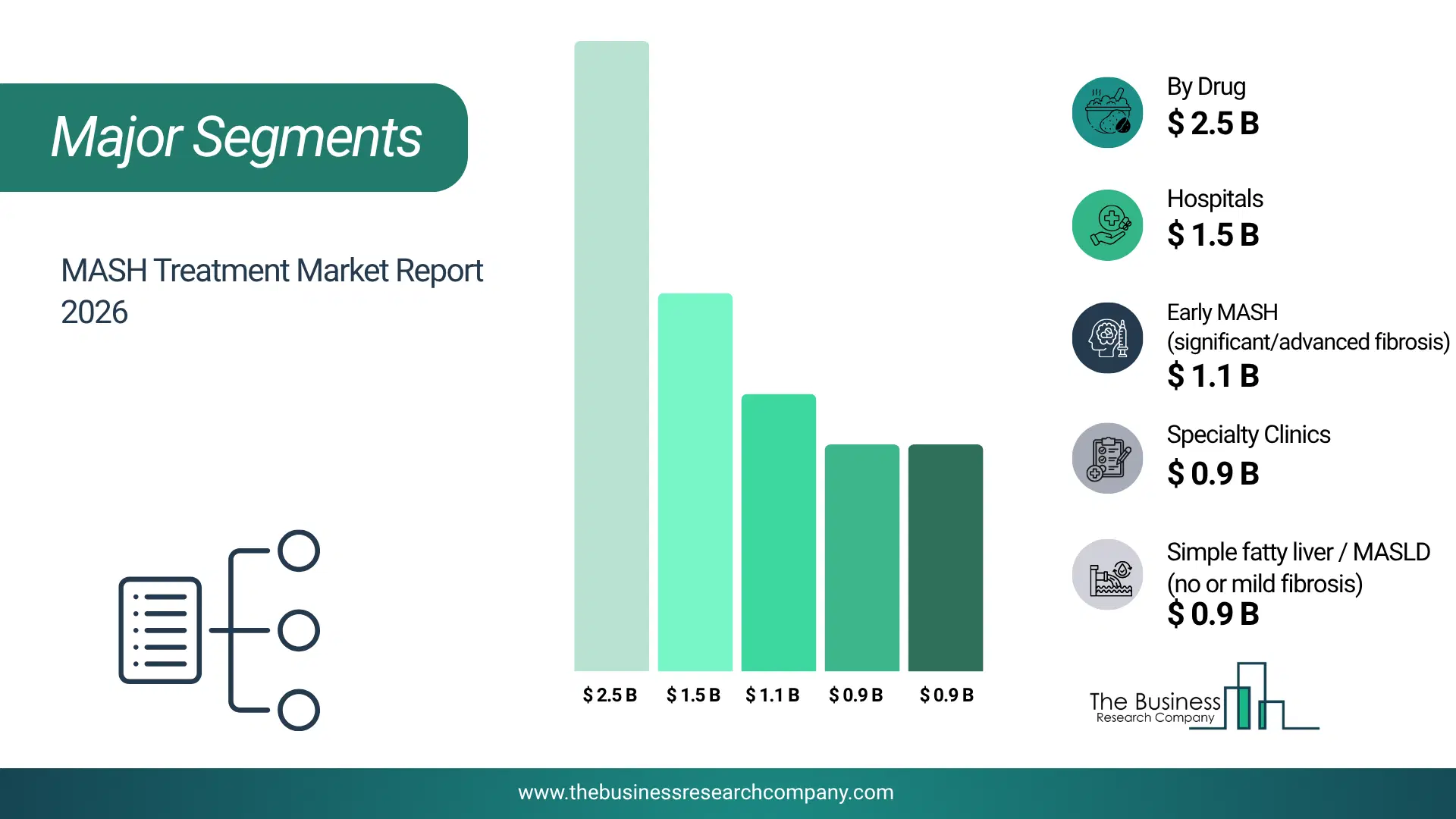
1) By Treatment: Drug, Therapy 2) By Distribution Channel: Hospital Pharmacies, Online Pharmacies, Retail Pharmacies 3) By End-User: Hospitals, Specialty Clinics, Homecare, Other End-User Subsegments: 1) By Drug: Antifibrotic Agents, Antidiabetic Drugs, Lipid-Lowering Agents, Vitamin E, Obeticholic Acid (OCA), GLP-1 Agonists 2) By Therapy: Pharmacotherapy, Lifestyle Modifications (Dietary Changes, Exercise), Bariatric Surgery, Liver Transplantation The top segments in the mash treatment market will be: • By Drug will reach $2514.91 Million by 2025. • Hospitals will reach $1551.5 Million by 2025. • Early MASH (significant/advanced fibrosis) will reach $1155.86 Million by 2025. • Specialty Clinics will reach $989.06 Million by 2025. • Simple fatty liver / MASLD (no or mild fibrosis) will reach $909.25 Million by 2025.What Is The Driver Of The Metabolic Dysfunction-Associated Steatohepatitis (MASH) Treatment Market?
The increasing prevalence of obesity is expected to propel the growth of the metabolic dysfunction-associated steatohepatitis (MASH) treatment market going forward. Obesity is a medical condition characterized by an excessive accumulation of body fat that can negatively impact overall health, typically measured by a body mass index (BMI) of 30 or higher. The prevalence of obesity is rising globally, driven by sedentary lifestyles, unhealthy diets, and metabolic risk factors. Metabolic Dysfunction-Associated Steatohepatitis (MASH) treatment in obesity focuses on addressing insulin resistance, reducing liver fat, and improving metabolic health through lifestyle changes and targeted therapies. For instance, in March 2023, according to the World Heart Foundation, a Switzerland-based non-government global cardiovascular community, Currently, approximately 2.3 billion adults and children worldwide are obese or overweight, and with the ongoing obesity trend, this number is projected to reach 2.7 billion by 2025. Therefore, the increasing prevalence of obesity is driving growth in the metabolic dysfunction-associated steatohepatitis (MASH) treatment industry.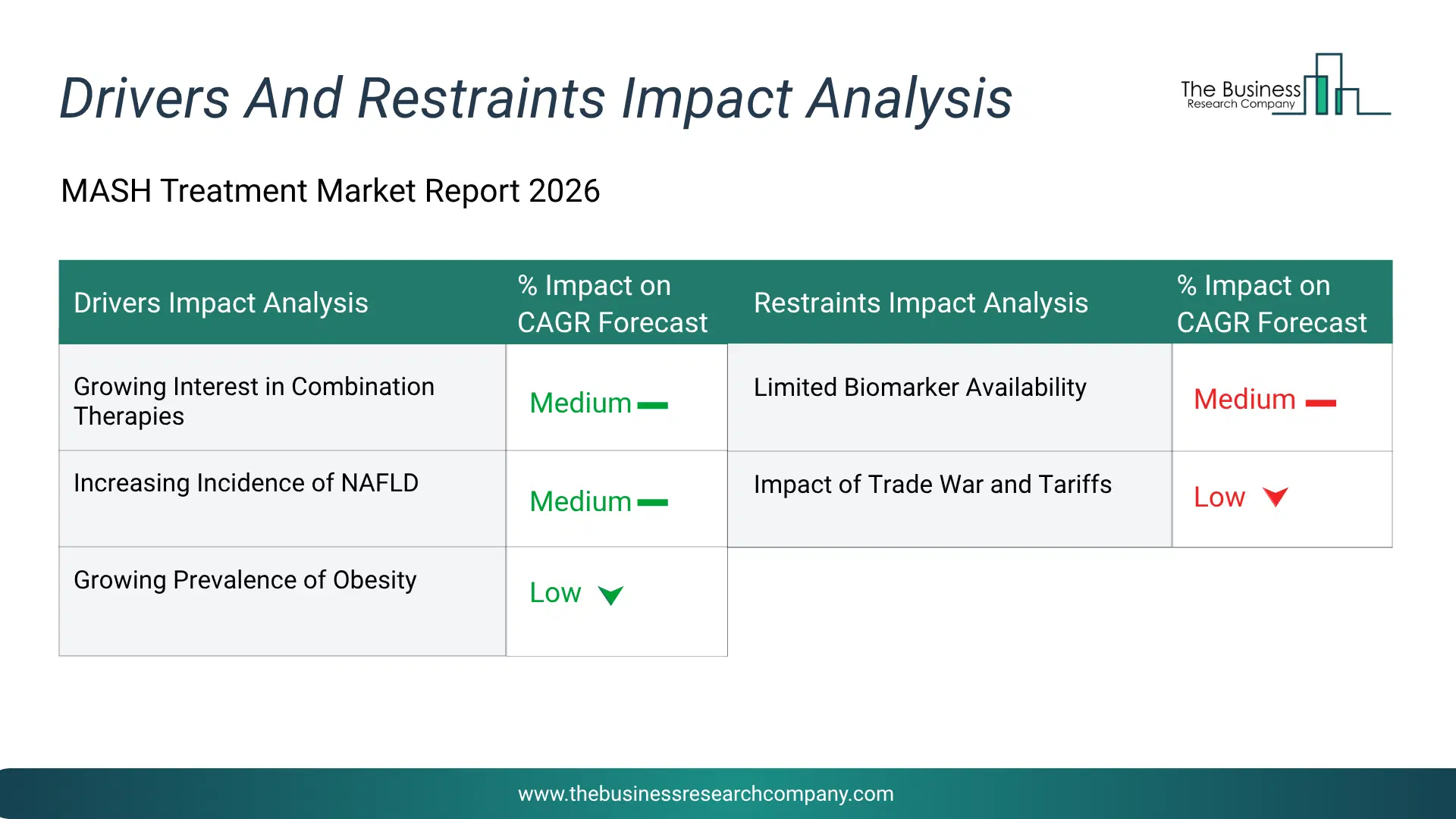
Infographic Chart Showing Key Market Drivers Analysis And Restraints For Metabolic Dysfunction-Associated Steatohepatitis (Mash) Treatment Market
The chart presents an impact analysis of key drivers and restraints, quantifying their relative influence on the market's growth rate and helping assess the balance between growth enablers and limiting factors. This chart offers a high-level perspective; the full report contains more detailed insights.
How Will The Drivers Impact Growth In The Global MASH Treatment Market?
• Growing Interest in Combination Therapies (Medium) – The growing interest in combination therapies will become a key driver of growth in the MASH (metabolic dysfunction-associated steatohepatitis) treatment market by 2030. MASH involves intertwined pathological processes, including steatosis, inflammation, fibrosis, and metabolic dysregulation, making single-agent therapies often insufficient for robust efficacy. Combination therapies, which simultaneously address multiple pathways (such as pairing an FXR agonist for metabolic regulation with an anti-fibrotic or anti-inflammatory agent), have shown promise in improving histological outcomes and halting disease progression. Clinical trials increasingly focus on synergistic drug pairs, such as GLP-1 receptor agonists with THR-β agonists, to enhance metabolic benefits while reducing liver injury. As a result, growing interest in combination therapies is anticipated to contributing to a 1.5% annual growth in the market. • Increasing Incidence of NAFLD (Medium) – The increasing incidence of non-alcoholic fatty liver disease (NAFLD) will become a key driver of growth in the MASH (metabolic dysfunction-associated steatohepatitis) treatment market by 2030. With rising global rates of obesity, type 2 diabetes, and metabolic syndrome, NAFLD prevalence has surged, leading more patients to progress to MASH, a more severe form characterized by liver inflammation and fibrosis. This epidemiological shift has amplified the need for treatments that can prevent disease progression to cirrhosis, liver failure, or hepatocellular carcinoma. Pharmaceutical and biotech companies are responding by accelerating the development of anti-fibrotic, anti-inflammatory, and metabolic-targeting drugs, with several candidates in late-stage clinical trials. As a result, the increasing incidence of non-alcoholic fatty liver disease (NAFLD) is anticipated to contributing to a 1.0% annual growth in the market. • Growing Prevalence of Obesity (Low) – The growing prevalence of obesity will serve as a key growth catalyst MASH (metabolic dysfunction-associated steatohepatitis) treatment market by 2030. Excess adiposity, particularly visceral fat, drives insulin resistance, chronic inflammation, and dyslipidaemia key mechanisms that contribute to hepatic fat accumulation, liver injury, and fibrosis. With global obesity rates rising sharply, the pool of at-risk individuals for MASH is expanding rapidly, increasing the demand for effective therapies. This epidemiological trend has spurred pharmaceutical and biotech investments in drugs targeting metabolic pathways (GLP-1 agonists, THR-β agonists) and antifibrotic agents to halt disease progression. Therefore, this growing prevalence of obesity is projected to supporting to a 0.7% annual growth in the market. • Rising Demand for Liver Transplants (Low) – The rising demand for liver transplants will serve as a key growth catalyst for MASH (metabolic dysfunction-associated steatohepatitis) treatment market by 2030. As MASH progresses, it can lead to advanced fibrosis, cirrhosis, and liver failure, making transplantation the only viable option for many patients. However, the shortage of donor livers, high costs and post-transplant complications have intensified the need for effective pharmacological interventions that can halt or reverse disease progression before transplantation becomes necessary. This urgency has spurred accelerated R&D in MASH therapeutics, with pharmaceutical companies focusing on anti-fibrotic, metabolic, and anti-inflammatory drugs to prevent liver deterioration. Additionally, healthcare systems and insurers are increasingly incentivizing early treatment to reduce the long-term burden of transplant-related expenses. Therefore, this rising demand for liver transplants will is projected to supporting to a 0.5% annual growth in the market.How Will The Restraints Impact Growth In The Global MASH Treatment Market?
• High Cost of Emerging Treatments (Medium) – High Cost of Emerging Treatments will restrict the growth of the MASH Treatment market during the forecast period. Novel MASH therapies and combination treatments are often expensive, limiting patient access and healthcare affordability. High treatment costs create financial burdens for patients and healthcare systems, particularly in regions with limited coverage. Cost constraints can affect the adoption of new therapies and limit the commercial potential of emerging treatments. • Limited Biomarker Availability (Low) – Limited Biomarker Availability will restrict the growth of the MASH Treatment market during the forecast period. MASH diagnosis and treatment monitoring rely on biomarkers for disease staging and treatment response. The limited availability of validated non-invasive biomarkers for MASH affects diagnosis accuracy and treatment decisions. Biomarker limitations can complicate clinical trial design and slow the development of new treatments, affecting market growth. • Impact of Trade War and Tariffs (Low) – Impact of Trade War and Tariffs will restrict the growth of the MASH Treatment market during the forecast period. Trade tensions and economic uncertainty can affect healthcare spending and pharmaceutical R&D investment. Reduced healthcare budgets during economic downturns may limit access to MASH treatments. Trade barriers may also impact the cost and availability of pharmaceutical ingredients and research supplies.Key Players In The Global Metabolic Dysfunction-Associated Steatohepatitis (MASH) Treatment Market
Major companies operating in the metabolic dysfunction-associated steatohepatitis (mash) treatment market are Pfizer Inc., Johnson & Johnson, Merck & Co. Inc., Sanofi SA, AstraZeneca PLC, Novartis AG, Eli Lilly and Company, Gilead Sciences Inc., Boehringer Ingelheim International GmbH, Novo Nordisk A/S, Apollo Health and Lifestyle Limited, Jenny Craig, Nutrisystem, Madrigal Pharmaceuticals, Anoos Clinic, Galectin Therapeutics Inc., Galmed Pharmaceuticals, Hepion Pharmaceuticals, Inventiva, NGM Biopharmaceuticals, Sagimet Biosciences, Viking Therapeutics, Terns Pharma, Genfit SA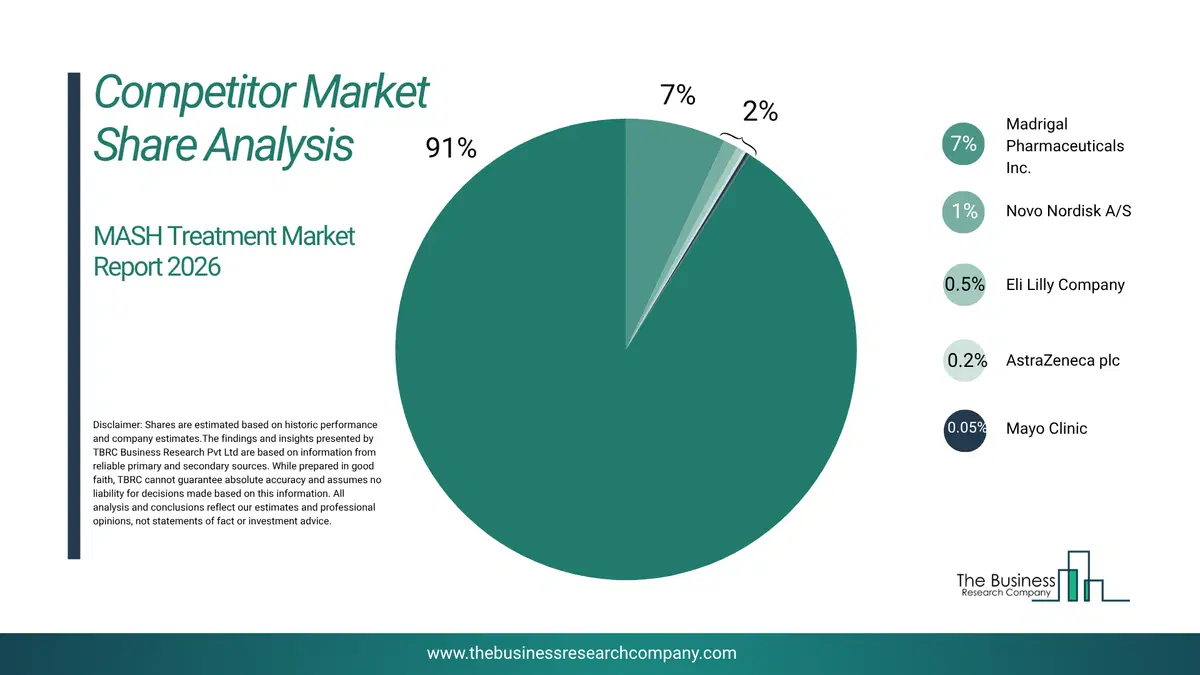
This chart is for illustrative purposes; the full report includes a detailed competitor analysis and comprehensive overview of the top 10 companies in the market.
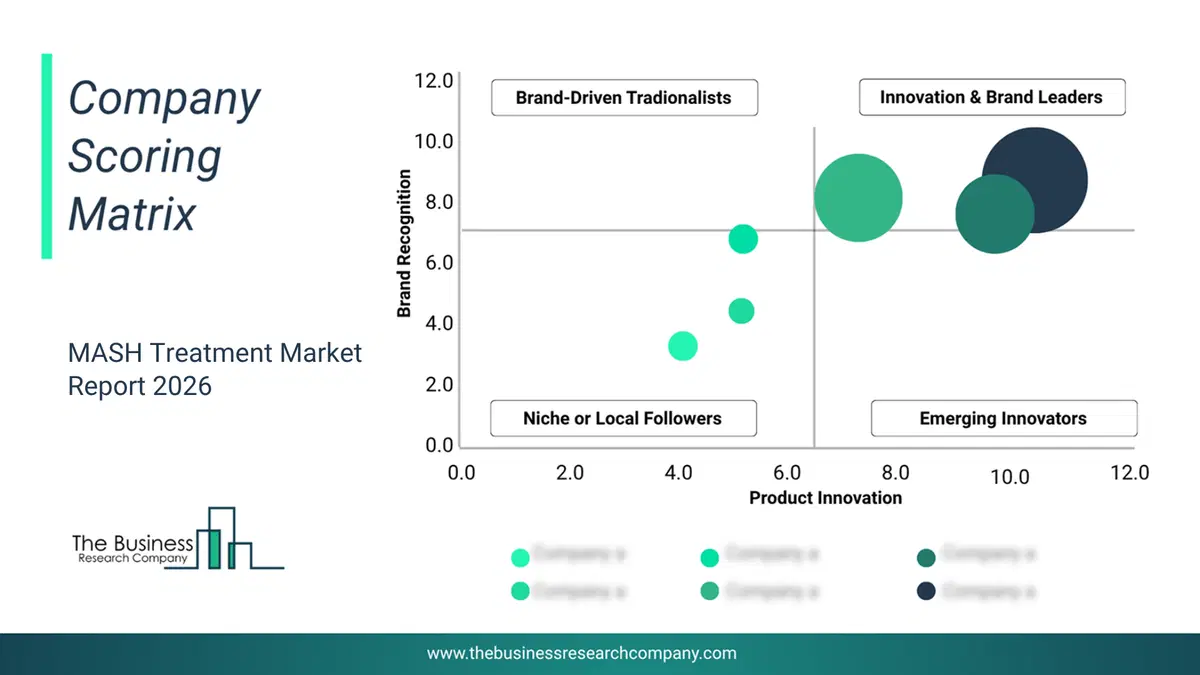
This chart maps companies by product innovation and brand strength, with bubble size indicating relative revenue, helping identify market leaders, challengers, and niche players. This is an illustrative chart; the full report provides a complete and accurate competitive analysis.
Global Metabolic Dysfunction-Associated Steatohepatitis (MASH) Treatment Market Trends and Insights
Major companies operating in the metabolic dysfunction-associated steatohepatitis (MASH) treatment market are focusing on developing innovative products such as liver fibrosis treatment solutions to provide the treatment option for patients with metabolic dysfunction-associated steatohepatitis (MASH) and moderate to severe liver fibrosis. Liver fibrosis treatment solutions focus on addressing the underlying causes of liver damage through lifestyle modifications, antiviral medications, and emerging antifibrotic therapies, aiming to halt or reverse the progression of fibrosis and improve liver function. For instance, in March 2024, Madrigal Pharmaceuticals, Inc., a US-based biopharmaceutical company, announced the FDA approval of Rezdiffra (resmetirom), the first-ever treatment for metabolic dysfunction-associated steatohepatitis (MASH) with moderate to severe liver fibrosis. Rezdiffra is a daily oral tablet that demonstrated efficacy in resolving MASH without worsening fibrosis and improving liver fibrosis in phase 3 clinical trials. This breakthrough offers a non-invasive treatment alternative, eliminating the need for liver biopsies, and significantly improves patient access and outcomes in managing fatty liver disease.What Are Latest Mergers And Acquisitions In The Metabolic Dysfunction-Associated Steatohepatitis (MASH) Treatment Market?
In January 2024, Suzhou Ribo Life Science Co., Ltd., a China-based clinical-stage company, and Ribocure Pharmaceuticals AB (Ribo), a Sweden-based clinical-stage biotechnology company, announced a collaboration with Boehringer Ingelheim for $2 billion. This partnership aims to develop innovative treatments for nonalcoholic steatohepatitis (NASH) and metabolic dysfunction-associated steatohepatitis (MASH) by combining Ribo’s RNAi therapeutic platform with Boehringer Ingelheim’s expertise in cardiovascular, renal, and metabolic diseases. The collaboration focuses on addressing the urgent need for effective therapies to halt NASH progression and restore liver function. Boehringer Ingelheim is a Germany-based pharmaceutical company actively involved in developing treatments for metabolic dysfunction-associated steatohepatitis (MASH).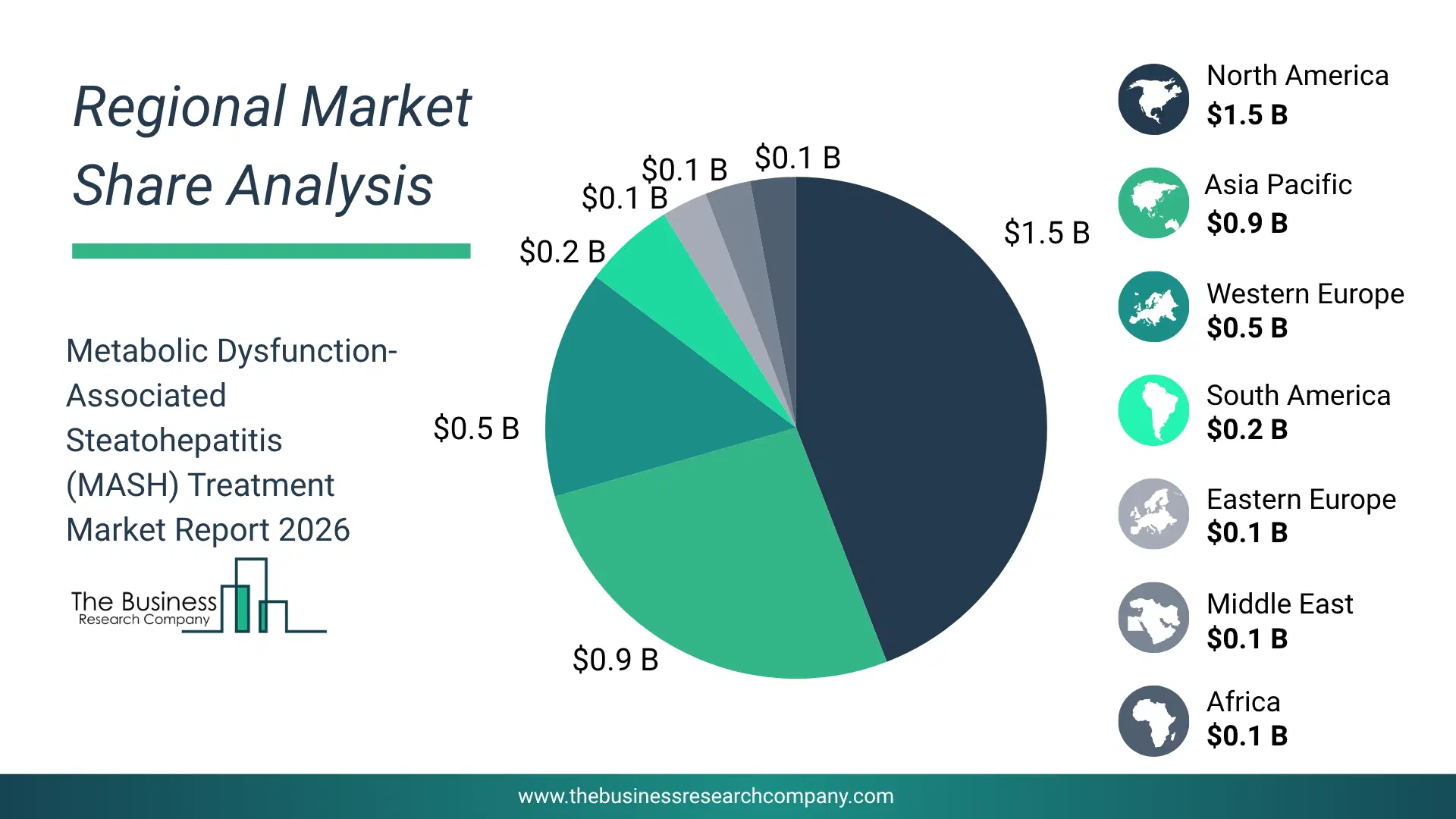
Regional Outlook
North America was the largest region in the metabolic dysfunction-associated steatohepatitis (MASH) treatment market in 2025. Asia-Pacific is expected to be the fastest-growing region in the forecast period. The regions covered in this market report are Asia-Pacific, South East Asia, Western Europe, Eastern Europe, North America, South America, Middle East, Africa. The countries covered in this market report are Australia, Brazil, China, France, Germany, India, Indonesia, Japan, Taiwan, Russia, South Korea, UK, USA, Canada, Italy, Spain.What Defines the Metabolic Dysfunction-Associated Steatohepatitis (MASH) Treatment Market?
The metabolic dysfunction-associated steatohepatitis (MASH) treatment market consists of revenues earned by entities by providing services such as clinical care services, nutritional counseling, pharmacotherapy management, patient education, and support programs. The market value includes the value of related goods sold by the service provider or included within the service offering. The metabolic dysfunction-associated steatohepatitis (MASH) treatment market also includes sales of antioxidants, antidiabetic drugs, and liver protective supplements. Values in this market are ‘factory gate’ values, that is the value of goods sold by the manufacturers or creators of the goods, whether to other entities (including downstream manufacturers, wholesalers, distributors and retailers) or directly to end customers. The value of goods in this market includes related services sold by the creators of the goods.How is Market Value Defined and Measured?
The market value is defined as the revenues that enterprises gain from the sale of goods and/or services within the specified market and geography through sales, grants, or donations in terms of the currency (in USD unless otherwise specified). The revenues for a specified geography are consumption values that are revenues generated by organizations in the specified geography within the market, irrespective of where they are produced. It does not include revenues from resales along the supply chain, either further along the supply chain or as part of other products.
This chart presents market attractiveness based on a quantitative evaluation of growth, competition, strategic alignment, and risk, offering a clear view of opportunity areas for decision-making. This chart is for illustrative purposes; the full report contains the complete analysis.

This chart highlights the Total Addressable Market (TAM) by estimating the maximum revenue opportunity using an assumption-driven approach, supporting strategic planning and opportunity sizing across markets. The chart is illustrative; the full report provides a more comprehensive analysis.
What Key Data and Analysis Are Included in the Metabolic Dysfunction-Associated Steatohepatitis (MASH) Treatment Market Report 2026?
The metabolic dysfunction-associated steatohepatitis (mash) treatment market research report is one of a series of new reports from The Business Research Company that provides market statistics, including industry global market size, regional shares, competitors with the market share, detailed market segments, market trends and opportunities, and any further data you may need to thrive in the metabolic dysfunction-associated steatohepatitis (mash) treatment industry. The market research report delivers a complete perspective of everything you need, with an in-depth analysis of the current and future state of the industry.Metabolic Dysfunction-Associated Steatohepatitis (MASH) Treatment Market Report Forecast Analysis
| Report Attribute | Details |
|---|---|
| Market Size Value In 2026 | $3.88 billion |
| Revenue Forecast In 2030 | $8.6 billion |
| Growth Rate | CAGR of 22.2% from 2026 to 2030 |
| Base Year For Estimation | 2025 |
| Actual Estimates/Historical Data | 2020-2025 |
| Forecast Period | 2026 - 2030 |
| Market Representation | Revenue in USD Billion and CAGR from 2026 to 2030 |
| Segments Covered | Treatment, Distribution Channel, End-User |
| Regional Scope | Asia-Pacific, Western Europe, Eastern Europe, North America, South America, Middle East, Africa |
| Country Scope | The countries covered in the report are Australia, Brazil, China, France, Germany, India, Indonesia, Japan, Taiwan, Russia, South Korea, UK, USA, Canada, Italy, Spain. |
| Key Companies Profiled | Pfizer Inc., Johnson & Johnson, Merck & Co. Inc., Sanofi SA, AstraZeneca PLC, Novartis AG, Eli Lilly and Company, Gilead Sciences Inc., Boehringer Ingelheim International GmbH, Novo Nordisk A/S, Apollo Health and Lifestyle Limited, Jenny Craig, Nutrisystem, Madrigal Pharmaceuticals, Anoos Clinic, Galectin Therapeutics Inc., Galmed Pharmaceuticals, Hepion Pharmaceuticals, Inventiva, NGM Biopharmaceuticals, Sagimet Biosciences, Viking Therapeutics, Terns Pharma, Genfit SA |
| Customization Scope | Request for Customization |
| Pricing And Purchase Options | Explore Purchase Options |