
Metastatic Breast Cancer Treatment Market Report 2026
Global Outlook – By Therapy Type (Chemotherapy, Radiation Therapy, Biologic Targeted Therapy, Breast Surgery, Hormone Therapy), By Molecule Type (Monoclonal Antibody, Peptides, Polymer, Small Molecule, Gene Therapy), By Route Of Administration (Oral, Parenteral), By End-User (Hospitals, Clinics, Ambulatory Surgical Centers, Other End-Users) - Market Size, Trends, And Global Forecast 2026-2030
Metastatic Breast Cancer Treatment Market Overview
• Metastatic Breast Cancer Treatment market size has reached to $22.35 billion in 2025 • Expected to grow to $38.63 billion in 2030 at a compound annual growth rate (CAGR) of 11.6% • Growth Driver: Metastatic Breast Cancer Treatment Market Driven By The Prevailing Incidence Of Breast Cancer • Market Trend: Development Of Targeted Therapies To Expand Access To Targeted Metastatic Breast Cancer Therapy In India • North America was the largest region in 2025.Market Gains By 2030 – Top Opportunities By Segment
Market Gain identifies the most promising market opportunities by highlighting the segments or products expected to generate the highest incremental revenue growth over the next five years.
What Is Covered Under Metastatic Breast Cancer Treatment Market?
Metastatic breast cancer treatment refers to medical intervention and therapies used to manage breast cancer that has spread (metastasized) from the breast to other parts of the body. The primary goals of metastatic breast cancer treatment are to ensure that patients have the longest possible survival from the disease. The main types of metastatic breast cancer treatment include chemotherapy, radiation therapy, biologic-targeted therapy, breast surgery, and hormone therapy. Chemotherapy refers to the use of drugs or medications that are designed to kill or inhibit the growth of rapidly dividing cells, including cancer cells, by targeting their DNA or other essential processes and is used in metastatic breast cancer treatment to kill or control cancer cells throughout the body by administering specific drugs that circulate in the bloodstream. Various types of molecules, such as monoclonal antibodies, peptides, polymers, small molecules, and gene therapy are administered through oral, parenteral routes by hospitals, clinics, ambulatory surgical centers, and other end-users.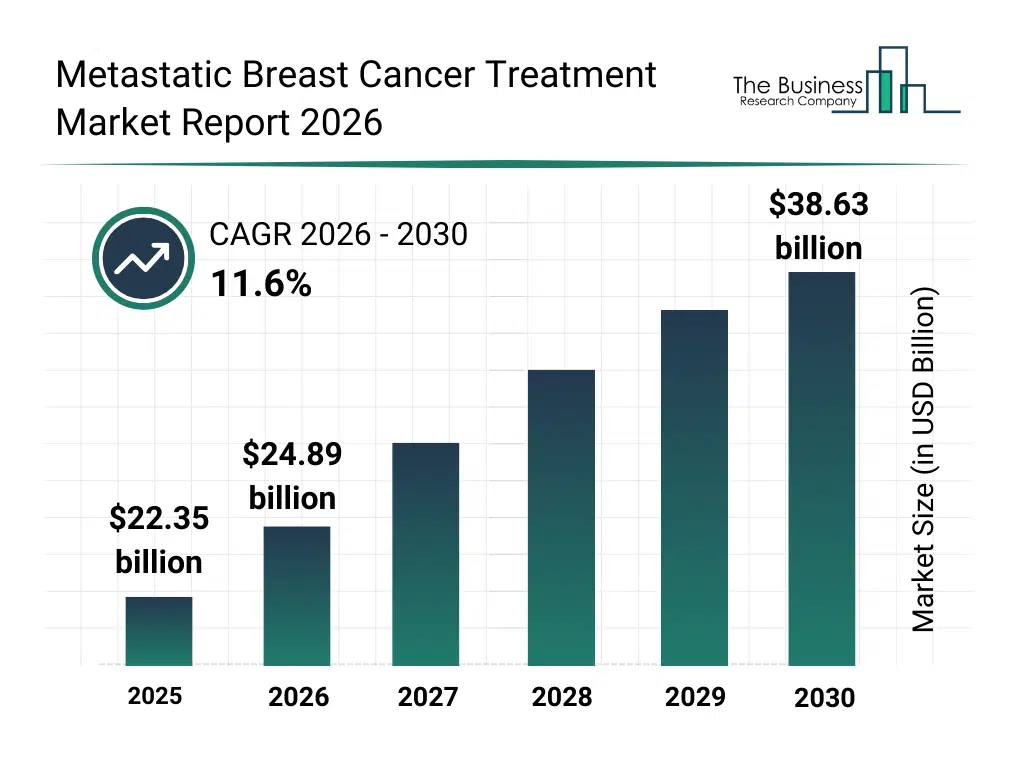
What Is The Metastatic Breast Cancer Treatment Market Size and Share 2026?
The metastatic breast cancer treatment market size has grown rapidly in recent years. It will grow from $22.35 billion in 2025 to $24.89 billion in 2026 at a compound annual growth rate (CAGR) of 11.4%. The growth in the historic period can be attributed to rising metastatic breast cancer burden, adoption of chemotherapy regimens, expansion of hormone therapy usage, development of radiation techniques, improved cancer screening programs.What Is The Metastatic Breast Cancer Treatment Market Growth Forecast?
The metastatic breast cancer treatment market size is expected to see rapid growth in the next few years. It will grow to $38.63 billion in 2030 at a compound annual growth rate (CAGR) of 11.6%. The growth in the forecast period can be attributed to increasing demand for targeted therapies, growth of immunotherapy options, rising investment in genomic profiling, expanding tele-oncology services, focus on personalized treatment pathways. Major trends in the forecast period include advancements in targeted therapy development, AI-driven patient monitoring and treatment selection, integration of digital platforms for remote oncology care, enhanced simulation-based training for oncology procedures, automation of diagnostic workflows in cancer screening.
Global Metastatic Breast Cancer Treatment Market Segmentation
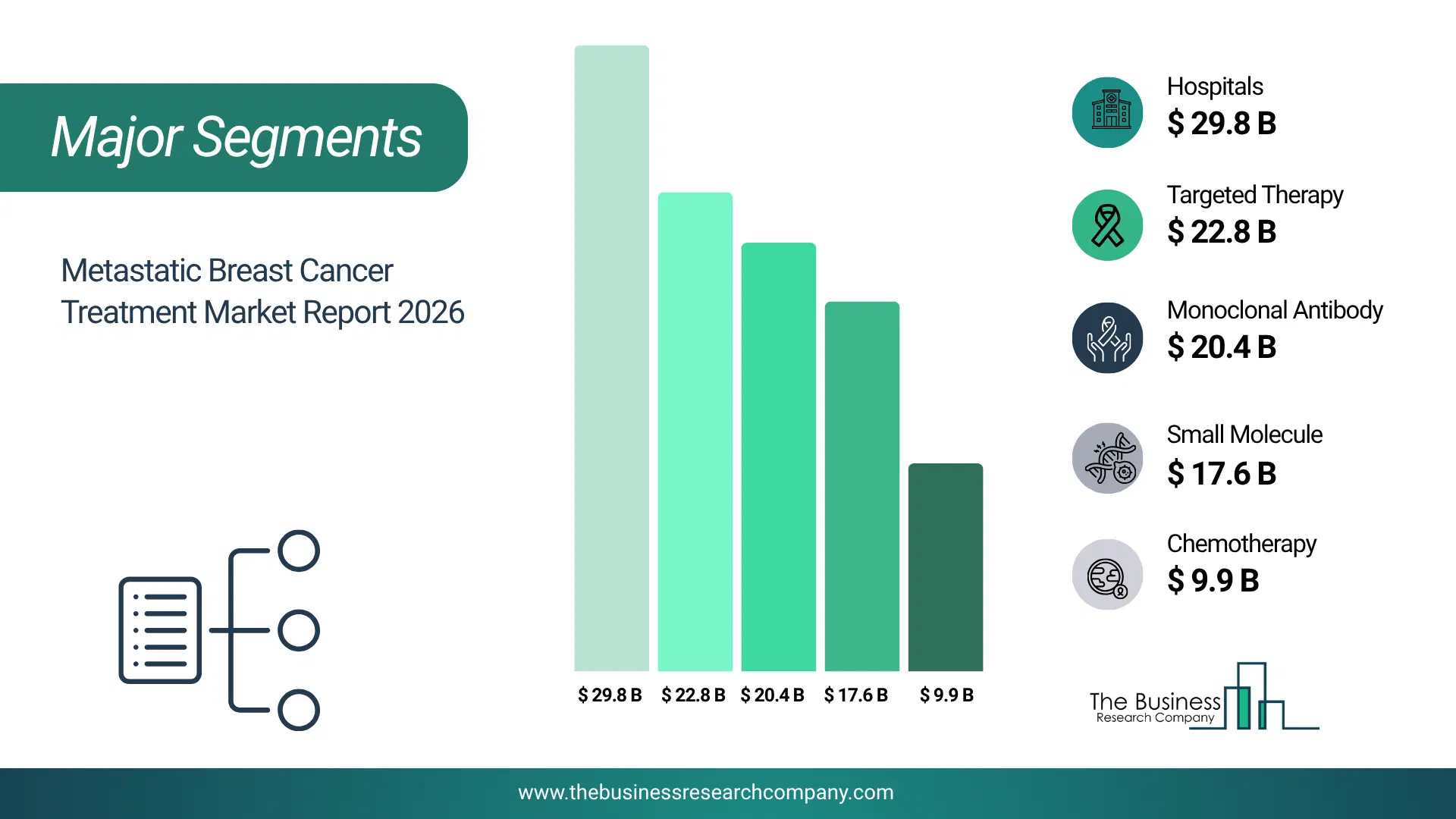
1) By Therapy Type: Chemotherapy, Radiation Therapy, Biologic Targeted Therapy, Breast Surgery, Hormone Therapy 2) By Molecule Type: Monoclonal Antibody, Peptides, Polymer, Small Molecule, Gene Therapy 3) By Route Of Administration: Oral, Parenteral 4) By End-User: Hospitals, Clinics, Ambulatory Surgical Centers, Other End-Users Subsegments: 1) By Chemotherapy: Anthracyclines, Taxanes, Antimetabolites, Platinum Agents 2) By Radiation Therapy: External Beam Radiation, Stereotactic Radiosurgery, Brachytherapy 3) By Biologic Targeted Therapy: HER2-Targeted Therapy, CDK4 Or 6 Inhibitors, PARP Inhibitors, PI3K Inhibitors 4) By Breast Surgery: Lumpectomy, Mastectomy, Sentinel Lymph Node Biopsy, Reconstructive Surgery 5) By Hormone Therapy: Selective Estrogen Receptor Modulators (SERMs), Aromatase Inhibitors, Estrogen Receptor Downregulators (ERDs) The top segments in the metastatic breast cancer treatment market will be: • Hospitals will reach $29870.34 Million by 2030. • Targeted Therapy will reach $22886.6 Million by 2030. • Small Molecule will reach $17606.86 Million by 2030. • Monoclonal Antibody will reach $20477.93 Million by 2030. • Chemotherapy will reach $9934.77 Million by 2030.What Is The Driver Of The Metastatic Breast Cancer Treatment Market?
The prevalence of breast cancer is expected to propel the growth of the metastatic breast cancer treatment market going forward. Breast cancer refers to a type of cancer that forms in the cells of the breast. It occurs by abnormal cells in the breast begin to grow and divide uncontrollably, forming a tumor. This shift has resulted from genetic factors, hormonal disorientation, lifestyle, and environmental factors. The metastatic breast cancer treatment helps in managing the prevalence of breast cancer by improving outcomes and quality of life for individuals living with advanced-stage disease. For instance, in September 2023, according to a report published by the American Cancer Society, a US-based non-profit organization, approximately 297,790 women are expected to receive a diagnosis of invasive breast cancer in 2023, while around 55,720 new cases of ductal carcinoma in situ (DCIS) are anticipated. Additionally, it is projected that about 43,700 women will lose their lives to breast cancer in the same year. Therefore, the prevalence of breast cancer is driving the growth of the metastatic breast cancer treatment industry.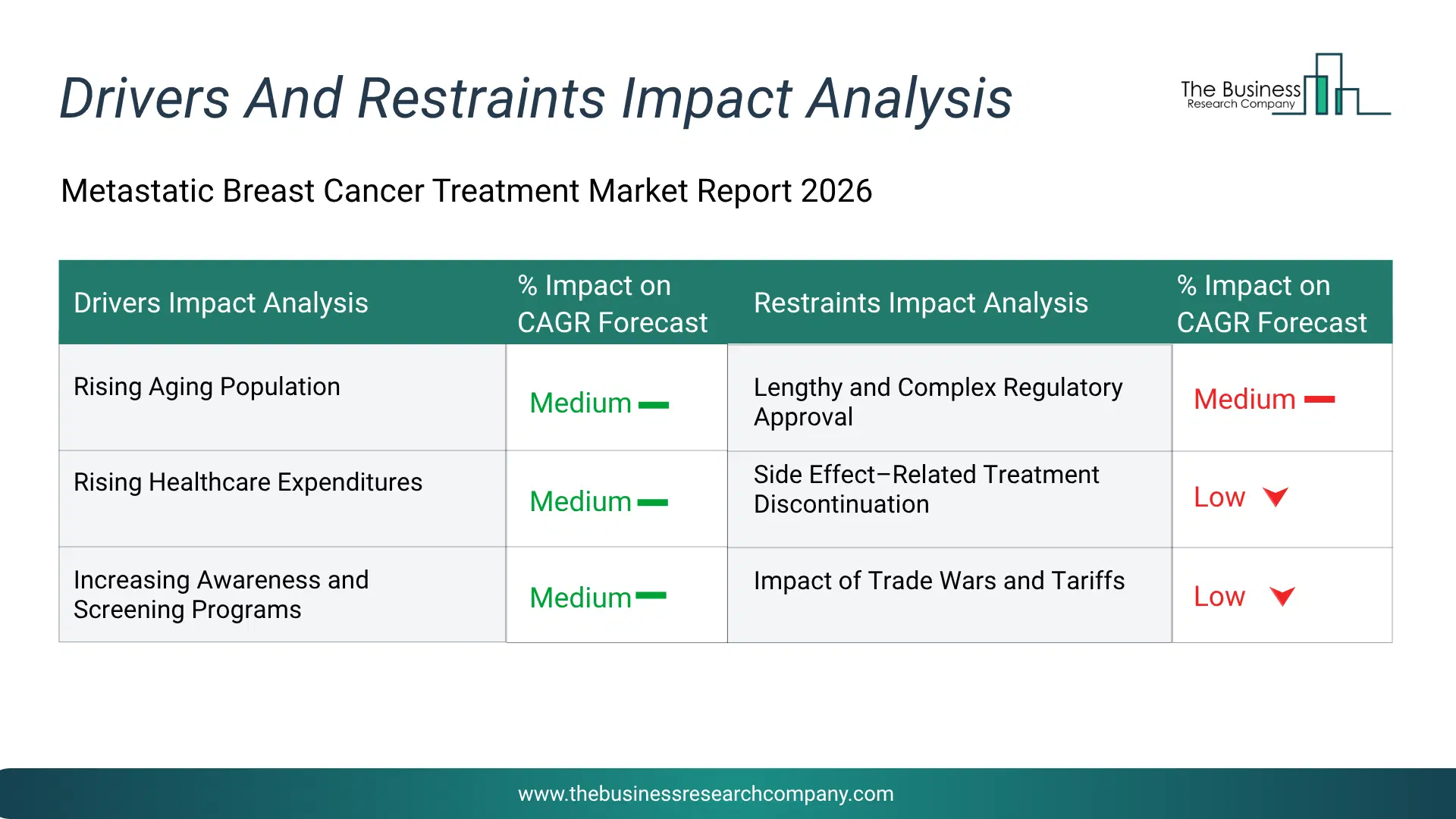
Infographic Chart Showing Key Market Drivers Analysis And Restraints For Metastatic Breast Cancer Treatment Market
The chart presents an impact analysis of key drivers and restraints, quantifying their relative influence on the market's growth rate and helping assess the balance between growth enablers and limiting factors. This chart offers a high-level perspective; the full report contains more detailed insights.
How Will The Drivers Impact Growth In The Global Metastatic Breast Cancer Treatment Market?
• Rising Aging Population (Medium) – During the forecast period, the rising aging population will become a key driver of growth in the metastatic breast cancer treatment market by 2030. a larger aging population raises lifetime exposure to hormonal, genetic, and environmental risk factors associated with breast cancer development and progression. older patients are more likely to present with comorbidities and delayed diagnoses, increasing the likelihood of disease advancing to metastatic stages. this demographic shift also contributes to higher recurrence rates, necessitating prolonged systemic treatments that balance efficacy with tolerability. consequently, the growing need for long-term management of advanced disease is expected to significantly propel the metastatic breast cancer treatment market. as a result, rising aging population is anticipated to contributing to a 1.5% annual growth in the market. • Rising Healthcare Expenditures (Medium) – During the forecast period, the rising healthcare expenditures will emerge as a major factor driving the expansion of the metastatic breast cancer treatment market by 2030. higher investment in healthcare enables wider access to advanced diagnostic tools, targeted therapies, and combination treatment regimens, improving patient management in metastatic breast cancer. increased funding also supports broader reimbursement coverage, allowing patients to remain on treatment for extended periods. globally, and particularly in regions with strong healthcare infrastructure, investments are strengthening oncology facilities, specialist training, and supportive care services. this sustained spending enhances treatment continuity, optimizes outcomes, and helps absorb the high costs associated with metastatic breast cancer care, thereby significantly propelling market growth. consequently, the rising healthcare expenditures is projected to contributing to a 1.3% annual growth in the market. • Increasing Awareness and Screening Programs (Medium) – During the forecast period, the increasing awareness and screening programs will serve as a key growth catalyst for the metastatic breast cancer treatment market by 2030. increased screening enables earlier detection and closer monitoring of disease progression, leading to timely initiation of systemic therapies. as more patients are diagnosed early and enter long-term care pathways, the demand for sustained treatment of advanced disease rises. globally, enhanced screening efforts and awareness campaigns are facilitating earlier identification of recurrence or metastasis, ensuring that patients receive prompt intervention. this trend not only improves patient outcomes but also significantly contributes to the growing need for advanced therapeutic solutions in metastatic breast cancer care. therefore, this increasing awareness and screening programs is projected to supporting to a 1% annual growth in the market. • Growing Public Awareness Campaigns (Low) – During the forecast period, growing public awareness campaigns are accelerating the adoption of metastatic breast cancer treatment. increased efforts to educate the public on breast cancer symptoms, risk factors, and available treatment options encourage timely medical consultation and early diagnosis. globally, awareness campaigns are helping to reduce stigma, improve patient engagement, and highlight advances in therapy, fostering confidence in long-term treatment even after disease progression. these initiatives support adherence to prescribed regimens and enhance patient participation across the journey of disease. consequently, well-informed patients are more likely to pursue and continue advanced care, significantly contributing to market growth. the growing public awareness campaigns growth contribution during the forecast period in 2025 is 0.8%.How Will The Restraints Impact Growth In The Global Metastatic Breast Cancer Treatment Market?
• Lengthy and Complex Regulatory Approval (Medium) – During the forecast period, the lengthy and complex regulatory approval remains a significant barrier to market expansion. stringent clinical trial requirements, extended safety evaluations, and multi-step national and international approval processes delay the introduction of new treatments. these regulatory hurdles postpone patient access to innovative therapies and slow the integration of emerging treatment options into standard care. as a result, healthcare providers face challenges in offering timely interventions, and patients may experience delays in receiving advanced therapies that could improve survival and quality of life. growth affected by lengthy and complex regulatory approval during the forecast period in 2025 is -2.0%. • Side Effect–Related Treatment Discontinuation (Medium) – During the forecast period, the side effect–related treatment discontinuation a significant barrier to market expansion. adverse events associated with chemotherapy, targeted therapy, and hormone-based regimens—such as fatigue, neutropenia, nausea, and cardiotoxicity—often force patients to interrupt or stop treatment. treatment interruptions reduce therapeutic efficacy, delay clinical benefits, and may accelerate disease progression. consequently, healthcare providers must manage toxicities carefully to maintain adherence and ensure patients can continue long-term therapy with optimal outcomes. growth affected by side effect–related treatment discontinuation during the forecast period in 2025 is -1.0%. • Impact of Trade Wars and Tariffs (Medium) – During the forecast period, the impact of trade war and tariffs remains a significant barrier to market expansion. escalating global trade tensions and the imposition of tariffs on key pharmaceutical raw materials, active ingredients, and medical equipment increase manufacturing and distribution costs, creating uncertainty for healthcare providers and treatment centers. tariff-related disruptions in the supply chain can delay the production and delivery of essential oncology drugs, including targeted therapies, biologics, and supportive care medications, and may force healthcare systems to reallocate budgets to offset increased expenses. as a result, patients may experience interruptions in treatment schedules or limited access to advanced therapies, thereby restricting timely care and continuity of systemic treatment for advanced diseases. growth affected by impact of trade war and tariffs during the forecast period in 2025 is -0.2%.Key Players In The Global Metastatic Breast Cancer Treatment Market
Major companies operating in the metastatic breast cancer treatment market are Pfizer Inc., AstraZeneca plc, Novartis AG, Eli Lilly & Co., Merck & Co. Inc., Johnson & Johnson Services Inc., F. Hoffmann‑La Roche AG, Bristol‑Myers Squibb Company, AbbVie Inc., Seattle Genetics Inc., Genentech Inc., MacroGenics Inc., Daiichi Sankyo Company Limited, Celgene Corporation, Mersana Therapeutics Inc., Olema Oncology, RemeGen, SynCore Biotechnology, Allarity Therapeutics, Byondis B.V., Jiangsu Alphamab Biopharmaceuticals Co. Ltd., Shanghai Miracogen Inc., Ambrx Inc., Rhizen Pharmaceuticals SA, Immutep Ltd.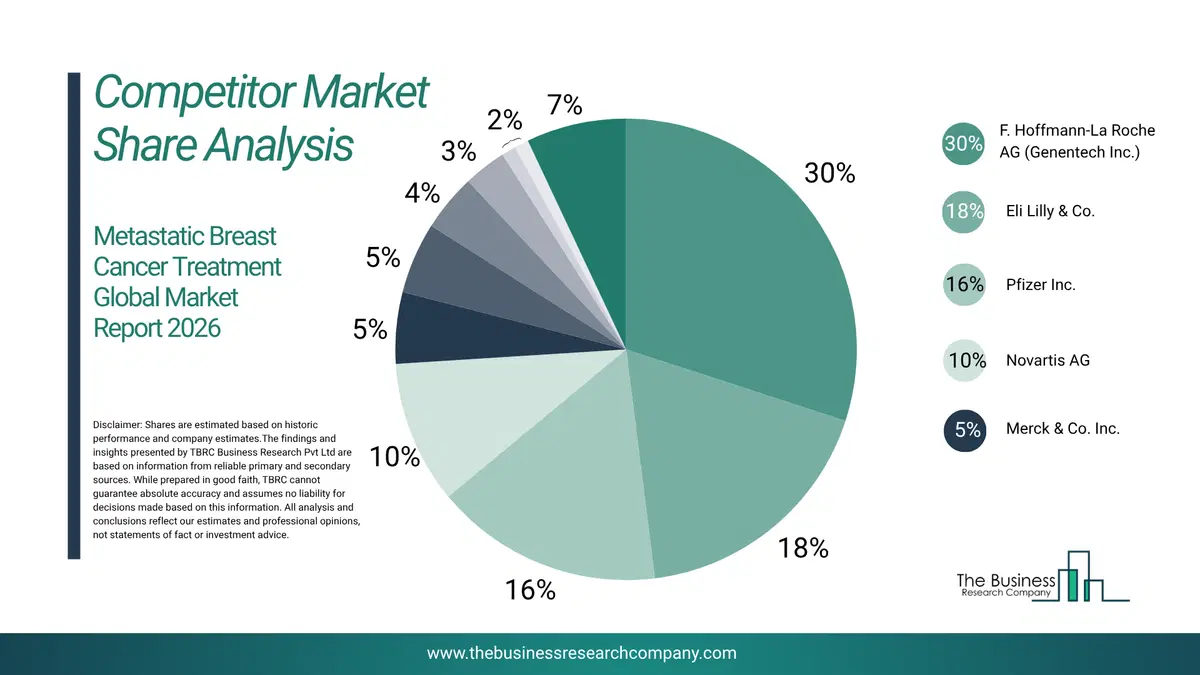
This chart is for illustrative purposes; the full report includes a detailed competitor analysis and comprehensive overview of the top 10 companies in the market.
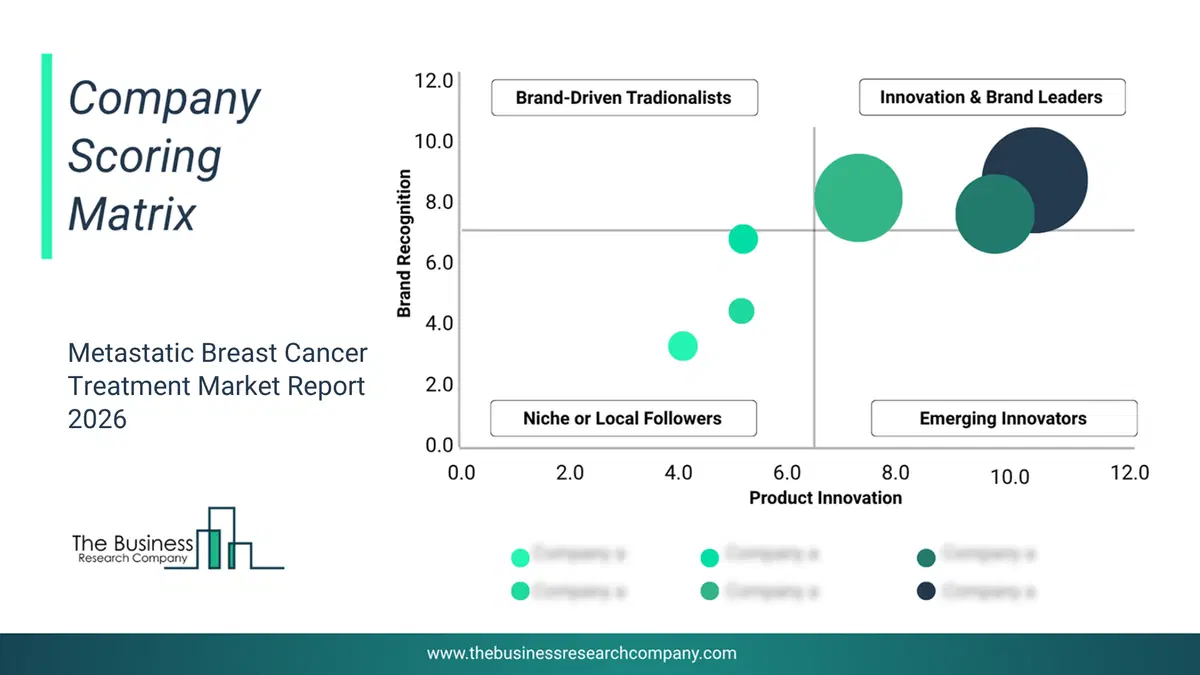
This chart maps companies by product innovation and brand strength, with bubble size indicating relative revenue, helping identify market leaders, challengers, and niche players. This is an illustrative chart; the full report provides a complete and accurate competitive analysis.
Global Metastatic Breast Cancer Treatment Market Trends and Insights
Major companies operating in the breast cancer treatment market are focusing on developing targeted therapies to improve clinical outcomes and accessibility for patients with advanced disease. Targeted therapy refers to medications that specifically interfere with molecular pathways involved in cancer growth, helping to minimize damage to normal cells while enhancing efficacy. For instance, in January 2023, BDR Pharmaceuticals, an India-based pharmaceutical company, launched Bdpalbo (palbociclib) in India for the treatment of advanced and metastatic breast cancer. Bdpalbo, a CDK4/6 inhibitor, is available in three capsule strengths such as 125 mg, 100 mg, and 75 mg. The launch aims to enhance treatment availability for patients with advanced disease by offering a more affordable formulation of palbociclib, supporting improved therapeutic outcomes through increased accessibility.What Are Latest Mergers And Acquisitions In The Metastatic Breast Cancer Treatment Market?
In April 2023, Pfizer Inc., a US-based biotechnology and pharmaceutical company, acquired Seagen Inc. for $43 billion. This acquisition broadens, diversifies, and enriches Pfizer’s oncology portfolio by adding antibody-drug conjugate (ADC) technology for drug development programs. Seagen Inc. is a US-based biotechnology company that offers Metastatic triple-negative breast cancer treatment.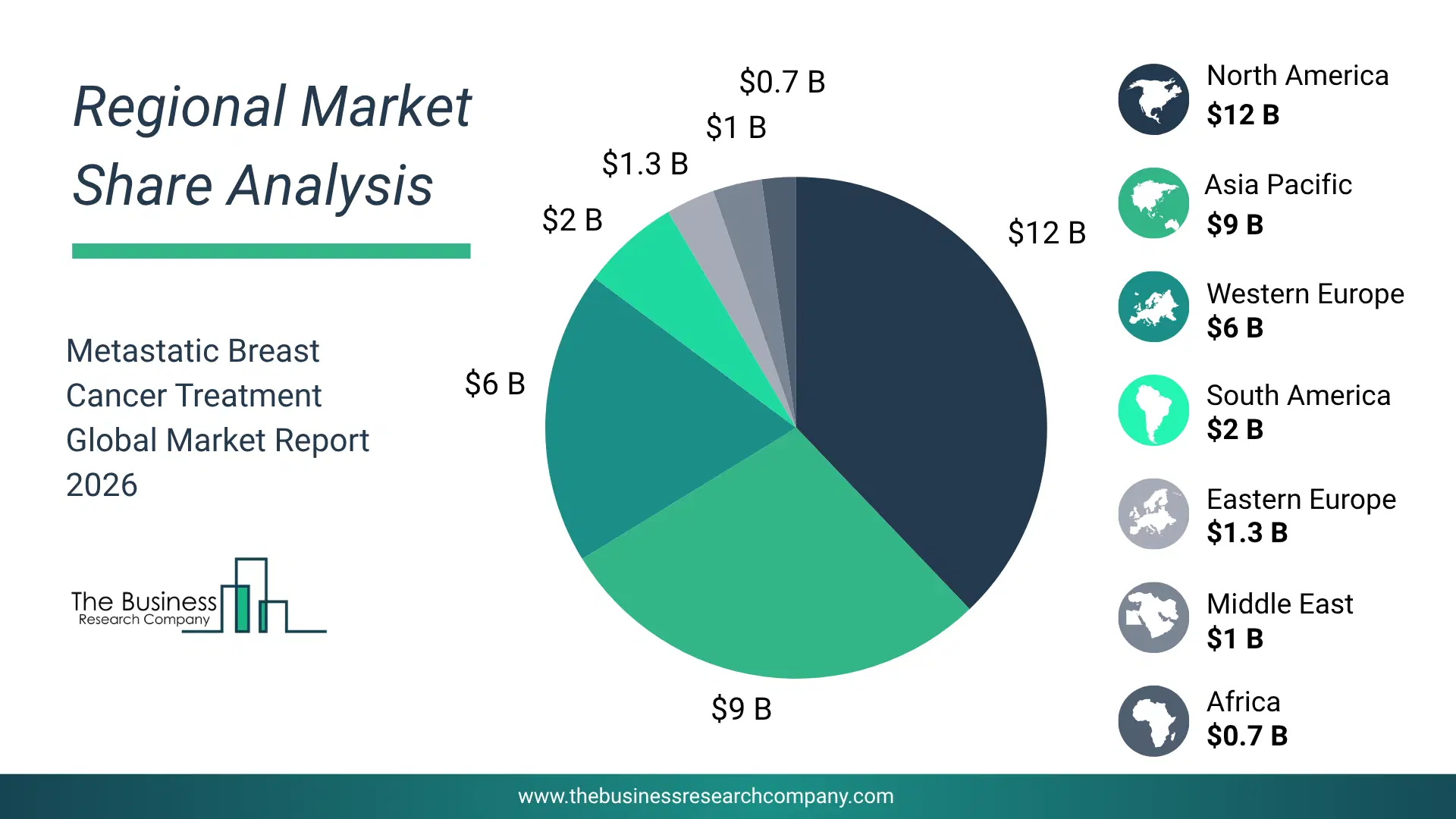
Regional Outlook
North America was the largest region in the metastatic breast cancer treatment market in 2025. Asia-Pacific is expected to be the fastest-growing region in the global metastatic breast cancer treatment market during the forecast period. The regions covered in this market report are Asia-Pacific, South East Asia, Western Europe, Eastern Europe, North America, South America, Middle East, Africa. The countries covered in this market report are Australia, Brazil, China, France, Germany, India, Indonesia, Japan, Taiwan, Russia, South Korea, UK, USA, Canada, Italy, Spain.What Defines the Metastatic Breast Cancer Treatment Market?
The metastatic breast cancer treatment market includes revenues earned by entities by immunotherapy, and targeted therapy. The market value includes the value of related goods sold by the service provider or included within the service offering. Only goods and services traded between entities or sold to end consumers are included.How is Market Value Defined and Measured?
The market value is defined as the revenues that enterprises gain from the sale of goods and/or services within the specified market and geography through sales, grants, or donations in terms of the currency (in USD unless otherwise specified). The revenues for a specified geography are consumption values that are revenues generated by organizations in the specified geography within the market, irrespective of where they are produced. It does not include revenues from resales along the supply chain, either further along the supply chain or as part of other products.
This chart presents market attractiveness based on a quantitative evaluation of growth, competition, strategic alignment, and risk, offering a clear view of opportunity areas for decision-making. This chart is for illustrative purposes; the full report contains the complete analysis.

This chart highlights the Total Addressable Market (TAM) by estimating the maximum revenue opportunity using an assumption-driven approach, supporting strategic planning and opportunity sizing across markets. The chart is illustrative; the full report provides a more comprehensive analysis.
What Key Data and Analysis Are Included in the Metastatic Breast Cancer Treatment Market Report 2026?
The metastatic breast cancer treatment market research report is one of a series of new reports from The Business Research Company that provides market statistics, including industry global market size, regional shares, competitors with the market share, detailed market segments, market trends and opportunities, and any further data you may need to thrive in the metastatic breast cancer treatment industry. The market research report delivers a complete perspective of everything you need, with an in-depth analysis of the current and future state of the industry.Metastatic Breast Cancer Treatment Market Report Forecast Analysis
| Report Attribute | Details |
|---|---|
| Market Size Value In 2026 | $24.89 billion |
| Revenue Forecast In 2030 | $38.63 billion |
| Growth Rate | CAGR of 11.4% from 2026 to 2030 |
| Base Year For Estimation | 2025 |
| Actual Estimates/Historical Data | 2020-2025 |
| Forecast Period | 2026 - 2030 - 2035 |
| Market Representation | Revenue in USD Billion and CAGR from 2026 to 2030 |
| Segments Covered | Therapy Type, Molecule Type, Route Of Administration, End-User |
| Regional Scope | Asia-Pacific, Western Europe, Eastern Europe, North America, South America, Middle East, Africa |
| Country Scope | The countries covered in the report are Australia, Brazil, China, France, Germany, India, Indonesia, Japan, Taiwan, Russia, South Korea, UK, USA, Canada, Italy, Spain. |
| Key Companies Profiled | Pfizer Inc., AstraZeneca plc, Novartis AG, Eli Lilly & Co., Merck & Co. Inc., Johnson & Johnson Services Inc., F. Hoffmann‑La Roche AG, Bristol‑Myers Squibb Company, AbbVie Inc., Seattle Genetics Inc., Genentech Inc., MacroGenics Inc., Daiichi Sankyo Company Limited, Celgene Corporation, Mersana Therapeutics Inc., Olema Oncology, RemeGen, SynCore Biotechnology, Allarity Therapeutics, Byondis B.V., Jiangsu Alphamab Biopharmaceuticals Co. Ltd., Shanghai Miracogen Inc., Ambrx Inc., Rhizen Pharmaceuticals SA, Immutep Ltd. |
| Customization Scope | Request for Customization |
| Pricing And Purchase Options | Explore Purchase Options |