

Microalgae Market Report 2026
Global Outlook – By Type (Spirulina, Chlorella, Dunaliella Salina, Haematococcus Pluvialis, Other Microalgae), By Distribution Channel (Business Channel, Consumer Channel), By Applications (Food And Beverage, Dietary Supplements, Pharmaceuticals, Cosmetics And Personal Care, Bio-Fuel, Inks, Animal Feed, Other Applications) – Market Size, Trends, Strategies, and Forecast to 2030
Microalgae Market Overview
• Microalgae market size has reached to $1.19 billion in 2025 • Expected to grow to $1.65 billion in 2030 at a compound annual growth rate (CAGR) of 6.8% • Growth Driver: Rising Demand For Plant-Based Protein To Drive Market Growth • Market Trend: Strategic Initiatives in the Microalgae Industry • North America was the largest region in 2025.Market Gains By 2030 – Top Opportunities By Segment
Market Gain identifies the most promising market opportunities by highlighting the segments or products expected to generate the highest incremental revenue growth over the next five years.
What Is Covered Under Microalgae Market?
Microalgae refer to microscopic, photosynthetic organisms found in freshwater and marine environments. They play a crucial role in global ecosystems by producing oxygen and forming the base of aquatic food chains. Microalgae are capable of photosynthesis, using sunlight, carbon dioxide, and nutrients to produce biomass. The main types of microalgae are spirulina, chlorella, dunaliella salina, haematococcus pluvialis, and others. Spirulina refers to blue-green algae that grow in warm, alkaline freshwater bodies. The distribution channels involved are business channels, and consumer channels and are used for various applications such as food and beverage, dietary supplements, pharmaceuticals, cosmetics and personal care, bio-fuel, inks, animal feed, and others.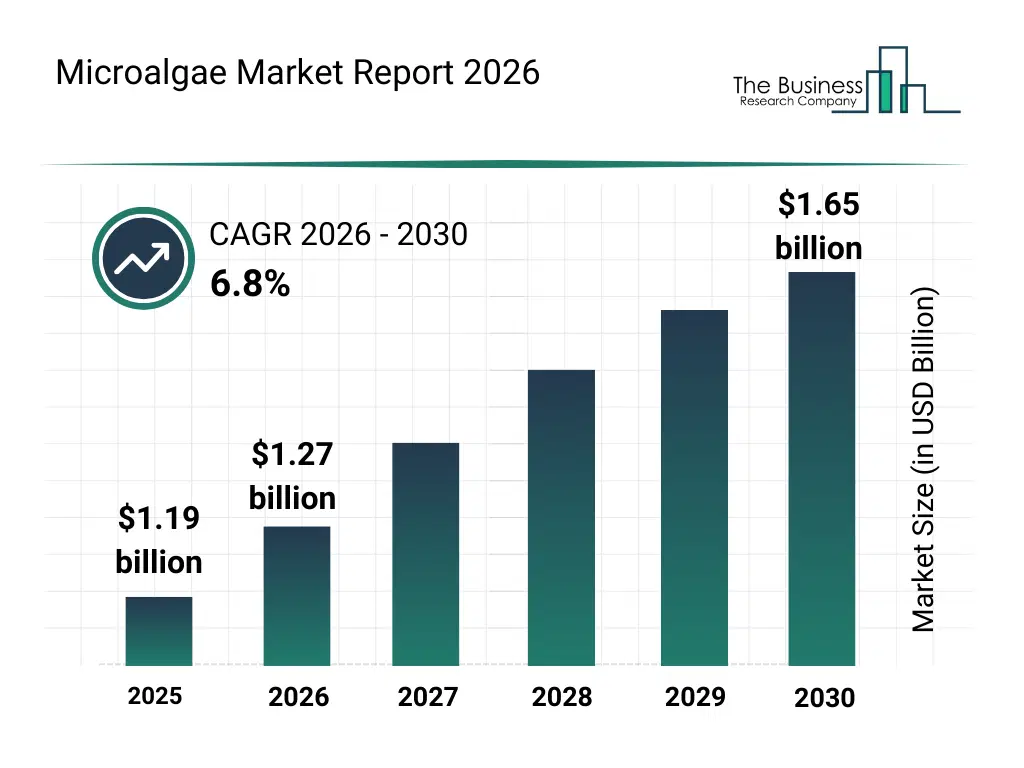
What Is The Microalgae Market Size and Share 2026?
The microalgae market size has grown strongly in recent years. It will grow from $1.19 billion in 2025 to $1.27 billion in 2026 at a compound annual growth rate (CAGR) of 6.9%. The growth in the historic period can be attributed to increasing demand for natural nutritional ingredients, expansion of aquaculture feed applications, early adoption of algae-based pigments, availability of photobioreactor technologies, growth of algae research initiatives.What Is The Microalgae Market Growth Forecast?
The microalgae market size is expected to see strong growth in the next few years. It will grow to $1.65 billion in 2030 at a compound annual growth rate (CAGR) of 6.8%. The growth in the forecast period can be attributed to increasing focus on sustainable protein sources, rising investments in bio-based materials, expansion of algae-derived pharmaceuticals, growing use of microalgae in carbon capture applications, increasing commercialization of specialty algae strains. Major trends in the forecast period include increasing use of microalgae in nutritional supplements, rising adoption of algae-based biofuels, expansion of microalgae in cosmetics applications, growing investment in controlled algae cultivation systems, enhanced focus on high-yield strain development.
Global Microalgae Market Segmentation
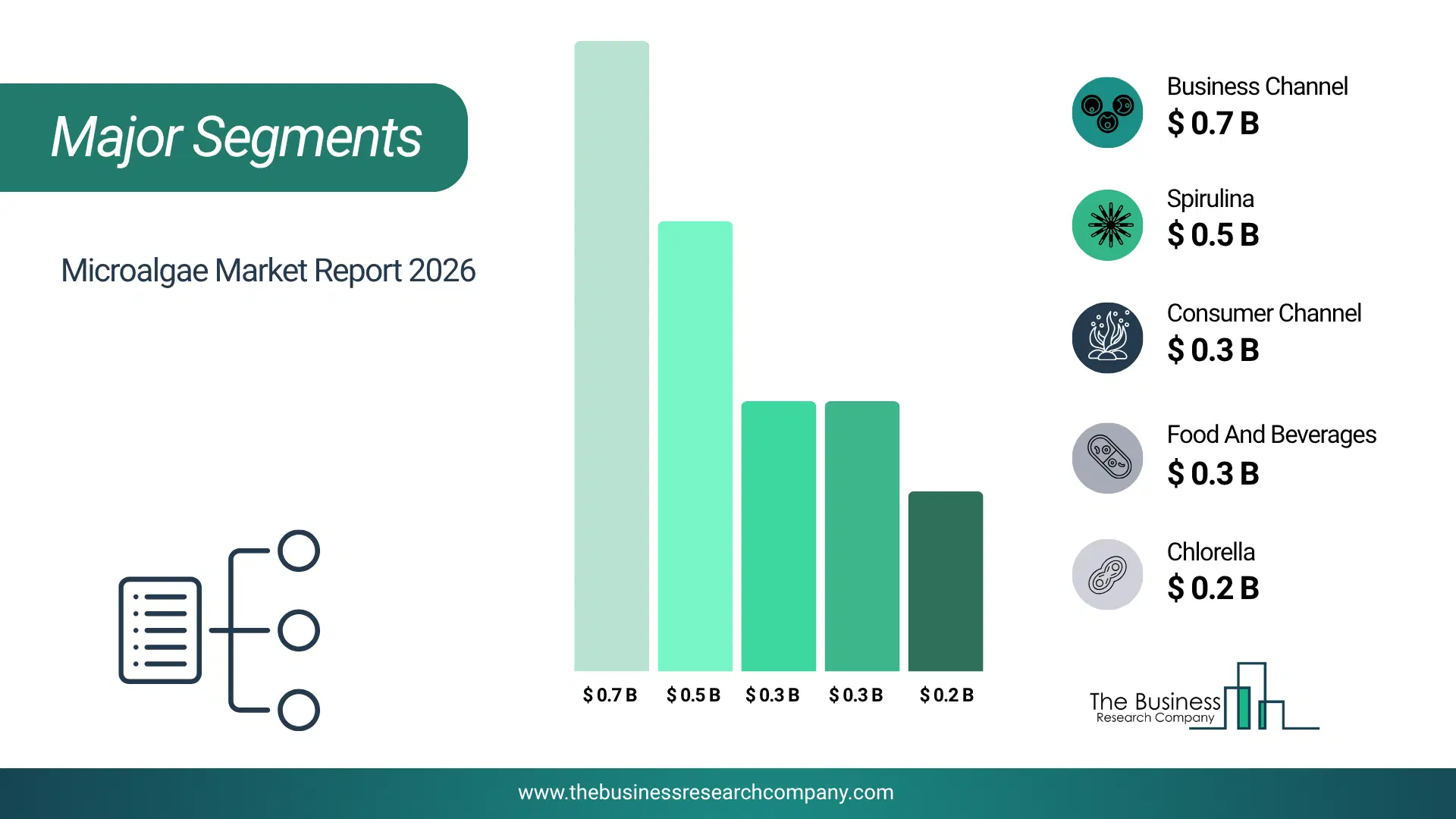
1) By Type: Spirulina, Chlorella, Dunaliella Salina, Haematococcus Pluvialis, Other Microalgae 2) By Distribution Channel: Business Channel, Consumer Channel 3) By Applications: Food And Beverage, Dietary Supplements, Pharmaceuticals, Cosmetics And Personal Care, Bio-Fuel, Inks, Animal Feed, Other Applications Subsegments: 1) By Spirulina: Arthrospira Platensis, Arthrospira Maxima 2) By Chlorella: Chlorella Vulgaris, Chlorella Pyrenoidosa 3) By Dunaliella Salina: High Beta-Carotene Strains 4) By Haematococcus Pluvialis: Astaxanthin-Producing Strains 5) By Other Microalgae: Nannochloropsis, Scenedesmus, Aphanizomenon Flos-Aquae The top segments in the microalgae market will be: • Business Channel will reach $786.28 Million by 2025. • Spirulina will reach $564.79 Million by 2025. • Consumer Channel will reach $399.87 Million by 2025. • Food And Beverages will reach $308.32 Million by 2025. • Chlorella will reach $271.34 Million by 2025.What Is The Driver Of The Microalgae Market?
The increasing demand for plant-based protein is expected to propel the growth of microalgae market going forward. Microalgae, such as spirulina and chlorella, serve as rich sources of protein and offer a sustainable alternative to traditional protein sources like soy or animal products. As consumers shift towards plant-based diets for health, environmental, and ethical reasons, microalgae provide a valuable protein source due to their nutritional content, amino acid profiles, and versatility in various food products. For instance, in June 2025, according to Good Food Institute, a US-based non-profit organization, the French retail market across five categories of plant-based food was valued at $0.591 billion in 2024 – 8.8% higher than in 2023 and 20.5% higher than in 2022. Therefore, the increasing demand for plant-based protein is driving the growth of microalgae industry.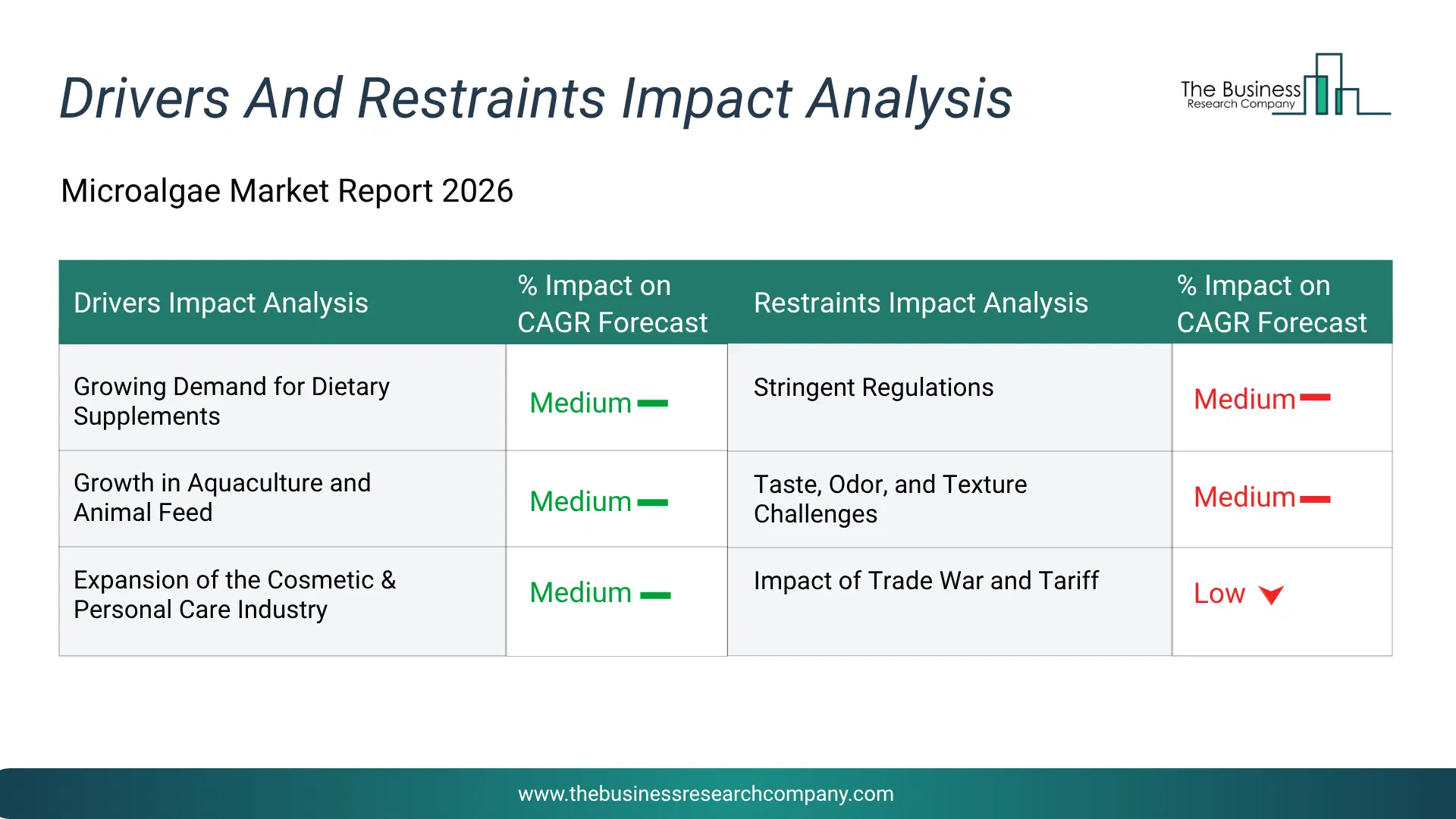
Infographic Chart Showing Key Market Drivers Analysis And Restraints For Microalgae Market
The chart presents an impact analysis of key drivers and restraints, quantifying their relative influence on the market's growth rate and helping assess the balance between growth enablers and limiting factors. This chart offers a high-level perspective; the full report contains more detailed insights.
How Will The Drivers Impact Growth In The Global Microalgae Market?
• Growing Demand for Dietary Supplements (Medium) – The growing demand for dietary supplements will become a key driver of growth in the microalgae global market by 2030. spirulina and chlorella—are becoming increasingly popular due to their high nutrient content and potential health benefits. As consumers shift toward natural and sustainable alternatives to synthetic supplements, demand for microalgae-derived ingredients is expected to surge, thereby contributing significantly to the growth of the microalgae market throughout the forecast period. As a result, the growing demand for dietary supplements is anticipated to contributing to a 1.5% annual growth in the market. • Growth in Aquaculture and Animal Feed (Medium) – The growth in aquaculture and animal feed will emerge as a major factor driving the expansion of the market by 2030. fishmeal and fish oil are increasingly constrained by supply issues and price fluctuations, creating a growing need for alternative sources. Microalgae provide a promising solution, offering a rich supply of omega-3 fatty acids, proteins and other essential nutrients. As global demand for aquatic foods increases particularly in Asia and emerging middle-income countries feed producers are likely to seek out reliable, scalable and sustainable inputs to support industry growth. This shift toward more efficient and environmentally responsible animal nutrition is expected to drive greater adoption of microalgae-based ingredients in feed formulations and aquaculture operations. Consequently, the growth in aquaculture and animal feed is projected to contributing to a 1.2% annual growth in the market. • Expansion of the Cosmetic & Personal Care Industry (Medium) – The expansion of the cosmetic and personal care industry will serve as a key growth catalyst for the market by 2030, The cosmetics sector is increasingly focused on incorporating bioactive, natural and sustainable ingredients into skincare, haircare and anti-aging formulations many of which can be derived from microalgae. These microorganisms are rich in antioxidants, pigments and essential fatty acids that enhance product performance and support skin health. In addition, growing consumer demand for clean-label and eco-friendly products is pushing manufacturers to seek reliable and sustainable sources of high-value bioactive compounds. As cosmetic and personal care brands continue to innovate and diversify their offerings, the demand for microalgae-based ingredients is projected to grow, further driving the development of the microalgae market Therefore, this expansion of the cosmetic & personal care industry is projected to supporting to a 1.0% annual growth in the market. • Growth in the Pharmaceutical Industry (Low) – The growth in the pharmaceutical industry will become a significant driver contributing to the growth of the market by 2030. The pharmaceutical sector relies heavily on high-quality, bioactive compounds for the development of drugs, vaccines and active pharmaceutical ingredients many of which can be derived from microalgae. Known for their rich and diverse biochemical profile, microalgae offer a sustainable and versatile source of unique compounds with therapeutic and functional properties. Additionally, the growing emphasis on generic drug production and the rise in global pharmaceutical exports are increasing the demand for dependable, scalable sources of these bioactive ingredients. As pharmaceutical companies continue to advance their research, development and manufacturing capabilities, the demand for microalgae-based compounds is projected to rise, further propelling the growth of the microalgae market Consequently, the growth in the pharmaceutical industry is projected to contributing to a 0.8% annual growth in the market.How Will The Restraints Impact Growth In The Global Microalgae Market?
• Stringent Regulations (Medium) – Stringent Regulations will restrict the growth of the Microalgae market during the forecast period. The production and sale of microalgae-based products, particularly dietary supplements and food ingredients, are subject to varying regulatory requirements across different countries. Compliance with safety standards, labeling regulations, and purity requirements adds to production costs and creates barriers to international market entry. Regulatory uncertainty regarding novel algae species and extracts further complicates commercialization efforts. • Taste, Odor, and Texture Challenges (Medium) – Taste, Odor, and Texture Challenges will restrict the growth of the Microalgae market during the forecast period. Many microalgae species have distinctive flavors, odors, and textures that can be undesirable in food and beverage applications. The characteristic fishy or earthy taste of certain algae species limits their acceptance in consumer products. Overcoming these sensory challenges through processing and formulation increases production costs and complexity, limiting market expansion. • Impact of Trade War and Tariff (Medium) – Impact of Trade War and Tariff will restrict the growth of the Microalgae market during the forecast period. Microalgae products cross international borders as raw materials and finished goods. Trade tariffs and restrictions can increase costs and limit market access for algae-based products. Trade barriers may also affect the import of cultivation and processing equipment needed for algae production.Key Players In The Global Microalgae Market
Major companies operating in the microalgae market are Cyanotech Corporation, Algatech, Cellana, Brevel, Checkerspot, microTERRA, Industrial Phycology, Provectus Algae, Phycom, Viridos, ALGAMA, Arborea, Kuehnle AgroSystems Inc., ALGBIO, Revyve, MiAlgae, Algenol Biofuels, AquaBioTech Group, Algaeventure Systems, Algae Floating Systems Inc., Algae Biosciences Corporation, AlgaeLink N.V., Blue Marble Energy, Solazyme Inc., Sapphire Energy, Heliae Development LLC, Seambiotic, Algorhythm, EcoPRT, Algal Scientific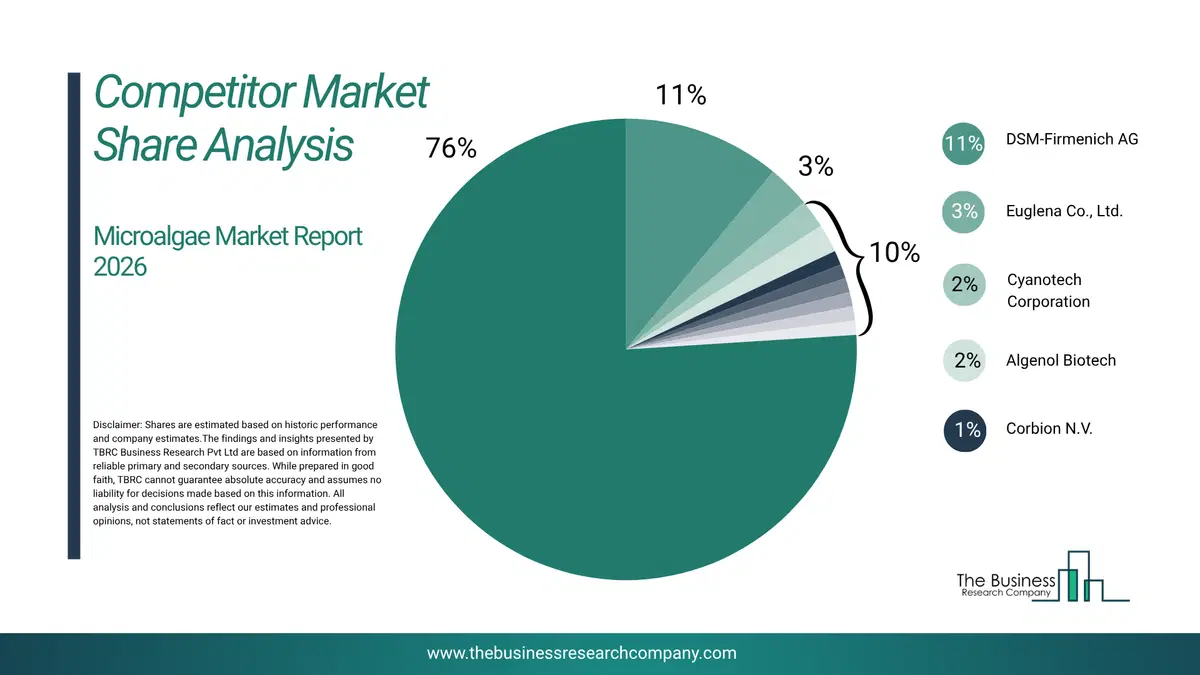
This chart is for illustrative purposes; the full report includes a detailed competitor analysis and comprehensive overview of the top 10 companies in the market.
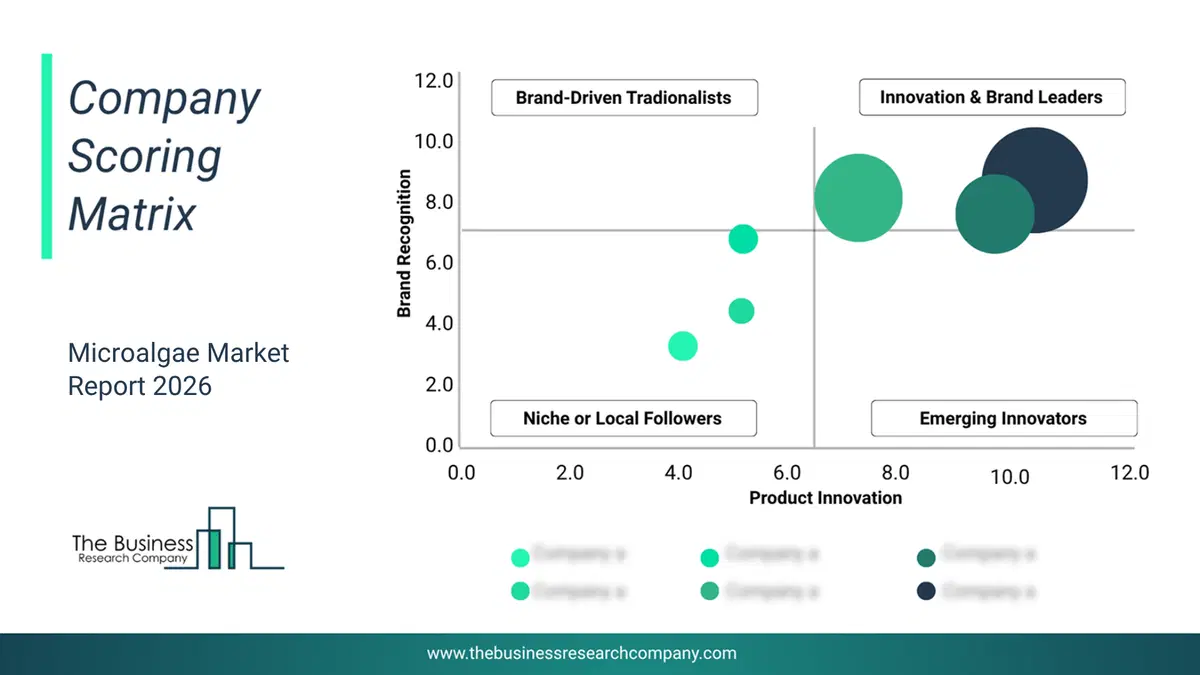
This chart maps companies by product innovation and brand strength, with bubble size indicating relative revenue, helping identify market leaders, challengers, and niche players. This is an illustrative chart; the full report provides a complete and accurate competitive analysis.
Global Microalgae Market Trends and Insights
Major companies operating in the microalgae market are focusing on strategic investments to enhance their product offerings, expand their market reach, and drive innovation. Strategic partnerships in the microalgae market are instrumental in driving innovation, enhancing production capabilities, and expanding market access. For instance, in June 2024, Brevel, Ltd., an Israel-based developer of microalgae cultivation technology, opened its first commercial plant dedicated to producing microalgae protein. This facility spans 27,000 square feet and aims to supply hundreds of tons of microalgae protein powder to the alternative protein market. The unique production method combines light and fermentation to achieve high yields of nutritious microalgae, addressing the rising demand for plant-based proteins in food applications.What Are Latest Mergers And Acquisitions In The Microalgae Market?
In March 2025, Algal Bio Co. Ltd. a Japan-based biotechnology company, acquired EBIS Algae Research Institute for an undisclosed amount. With this acquisition, Algal Bio aimed to expand its commercial microalgae production capabilities and integrate advanced cultivation technologies to strengthen its position in the global microalgae market. EBIS Algae Research Institute is a Japan-based biotechnology company that specializes in cultivating and supplying microalgae, including Nannochloropsis, for use in aquaculture feed and other industrial applications.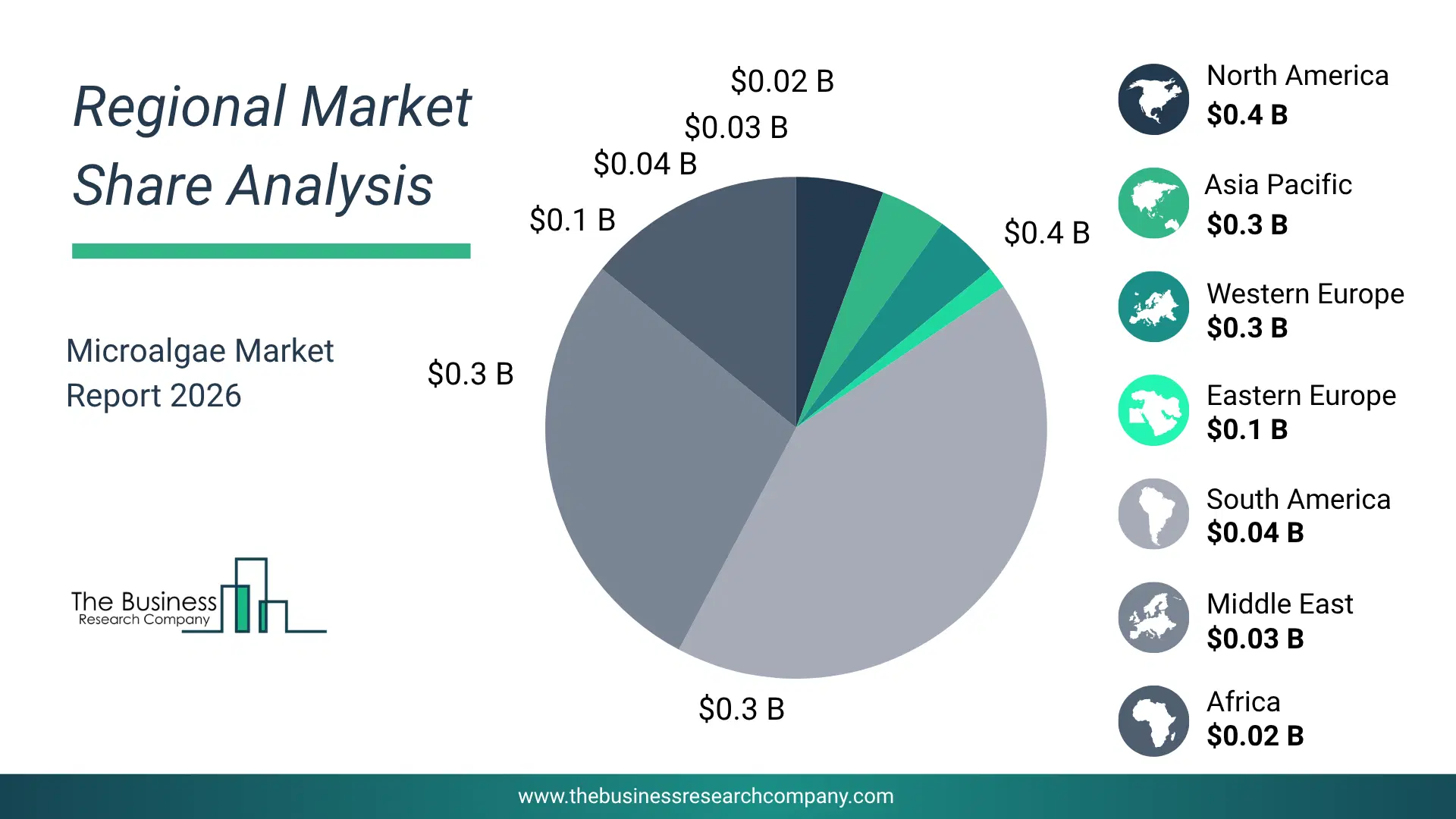
Regional Outlook
North America was the largest region in the microalgae market share in 2025. The regions covered in this market report are Asia-Pacific, South East Asia, Western Europe, Eastern Europe, North America, South America, Middle East and Africa. The countries covered in this market report are Australia, Brazil, China, France, Germany, India, Indonesia, Japan, Taiwan, Russia, South Korea, UK, USA, Italy, Spain, CanadaWhat Defines the Microalgae Market?
The microalgae market consists of sales of crypthecodinium, schizachyrium, and nannochloropsis species. Values in this market are ‘factory gate’ values, that is the value of goods sold by the manufacturers or creators of the goods, whether to other entities (including downstream manufacturers, wholesalers, distributors, and retailers) or directly to end customers. The value of goods in this market includes related services sold by the creators of the goods.How is Market Value Defined and Measured?
The market value is defined as the revenues that enterprises gain from the sale of goods and/or services within the specified market and geography through sales, grants, or donations in terms of the currency (in USD unless otherwise specified). The revenues for a specified geography are consumption values that are revenues generated by organizations in the specified geography within the market, irrespective of where they are produced. It does not include revenues from resales along the supply chain, either further along the supply chain or as part of other products.
This chart presents market attractiveness based on a quantitative evaluation of growth, competition, strategic alignment, and risk, offering a clear view of opportunity areas for decision-making. This chart is for illustrative purposes; the full report contains the complete analysis.

This chart highlights the Total Addressable Market (TAM) by estimating the maximum revenue opportunity using an assumption-driven approach, supporting strategic planning and opportunity sizing across markets. The chart is illustrative; the full report provides a more comprehensive analysis.
What Key Data and Analysis Are Included in the Microalgae Market Report 2026?
The microalgae market research report is one of a series of new reports from The Business Research Company that provides market statistics, including industry global market size, regional shares, competitors with the market share, detailed market segments, market trends and opportunities, and any further data you may need to thrive in the microalgae industry. The market research report delivers a complete perspective of everything you need, with an in-depth analysis of the current and future state of the industry.Microalgae Market Report Forecast Analysis
| Report Attribute | Details |
|---|---|
| Market Size Value In 2026 | $1.27 billion |
| Revenue Forecast In 2030 | $1.65 billion |
| Growth Rate | CAGR of 6.9% from 2026 to 2030 |
| Base Year For Estimation | 2025 |
| Actual Estimates/Historical Data | 2020-2025 |
| Forecast Period | 2026 - 2030 |
| Market Representation | Revenue in USD Billion and CAGR from 2026 to 2030 |
| Segments Covered | Type, Distribution Channel, Applications |
| Regional Scope | Asia-Pacific, Western Europe, Eastern Europe, North America, South America, Middle East, Africa |
| Country Scope | The countries covered in the report are Australia, Brazil, China, France, Germany, India, Indonesia, Japan, Taiwan, Russia, South Korea, UK, USA, Canada, Italy, Spain. |
| Key Companies Profiled | Cyanotech Corporation, Algatech, Cellana, Brevel, Checkerspot, microTERRA, Industrial Phycology, Provectus Algae, Phycom, Viridos, ALGAMA, Arborea, Kuehnle AgroSystems Inc., ALGBIO, Revyve, MiAlgae, Algenol Biofuels, AquaBioTech Group, Algaeventure Systems, Algae Floating Systems Inc., Algae Biosciences Corporation, AlgaeLink N.V., Blue Marble Energy, Solazyme Inc., Sapphire Energy, Heliae Development LLC, Seambiotic, Algorhythm, EcoPRT, Algal Scientific |
| Customization Scope | Request for Customization |
| Pricing And Purchase Options | Explore Purchase Options |