
Naphtha Steam Cracker Electrification Market Report 2026
Global Outlook – By Component Type (Electric Heating Elements, Power Supply Systems, Transformers And Switchgear, Power Electronics, Control And Automation Systems), By Technology Type (Hybrid Electrification, Full Electrification, Electric Furnace Heating, Plasma Cracking, Resistance Or Ohmic Heating), By Deployment Mode (Retrofit Of Existing Steam Crackers, New Electrified Cracker Installations, Brownfield Modernization, Modular Pilot Deployments), By Implementation Scope (Furnace Retrofit, Greenfield Decarbonization Project), By End User (Petrochemical Companies, Integrated Oil And Gas Companies, Specialty Chemicals Producers, Technology Licensors) – Market Size, Trends, Strategies, and Forecast to 2030
Naphtha Steam Cracker Electrification Market Overview
• Naphtha Steam Cracker Electrification market size has reached to $1.58 billion in 2025 • Expected to grow to $6.3 billion in 2030 at a compound annual growth rate (CAGR) of 31.7% • Growth Driver: Growing Renewable Electricity Availability Driving The Market Growth Due To Increasing Demand For Sustainable Electrification Solutions • Market Trend: Technological Advancements Driving Low-Carbon Chemical Production Through Renewable Energy Integration And Electrified Industrial Processes • Western Europe was the largest region in 2025 and Asia-Pacific is the fastest growing region.What Is Covered Under Naphtha Steam Cracker Electrification Market?
Naphtha steam cracker electrification refers to the application of electrically powered technologies to replace conventional fossil fuel-based heating in naphtha steam cracking processes. It enables the production of key petrochemical feedstocks while reducing greenhouse gas emissions, improving energy efficiency, and supporting the transition toward low-carbon chemical manufacturing. These solutions integrate advanced process technologies, digital monitoring, and energy management capabilities to maintain the high temperatures and operational reliability required for steam cracking. The main component types in the naphtha steam cracker electrification market include electric heating elements, power supply systems, transformers and switchgear, power electronics, and control and automation systems. Electric heating elements refer to electrically powered components that generate and transfer heat to replace or reduce fossil-fuel-based heating in steam cracker furnaces. These systems use hybrid electrification, full electrification, electric furnace heating, plasma cracking, and resistance or ohmic heating technologies and are deployed through retrofit of existing steam crackers, new electrified cracker installations, brownfield modernization, and modular pilot deployments. The implementation scopes include furnace retrofits and greenfield decarbonization projects. End users include petrochemical companies, integrated oil and gas companies, specialty chemicals producers, and technology licensors.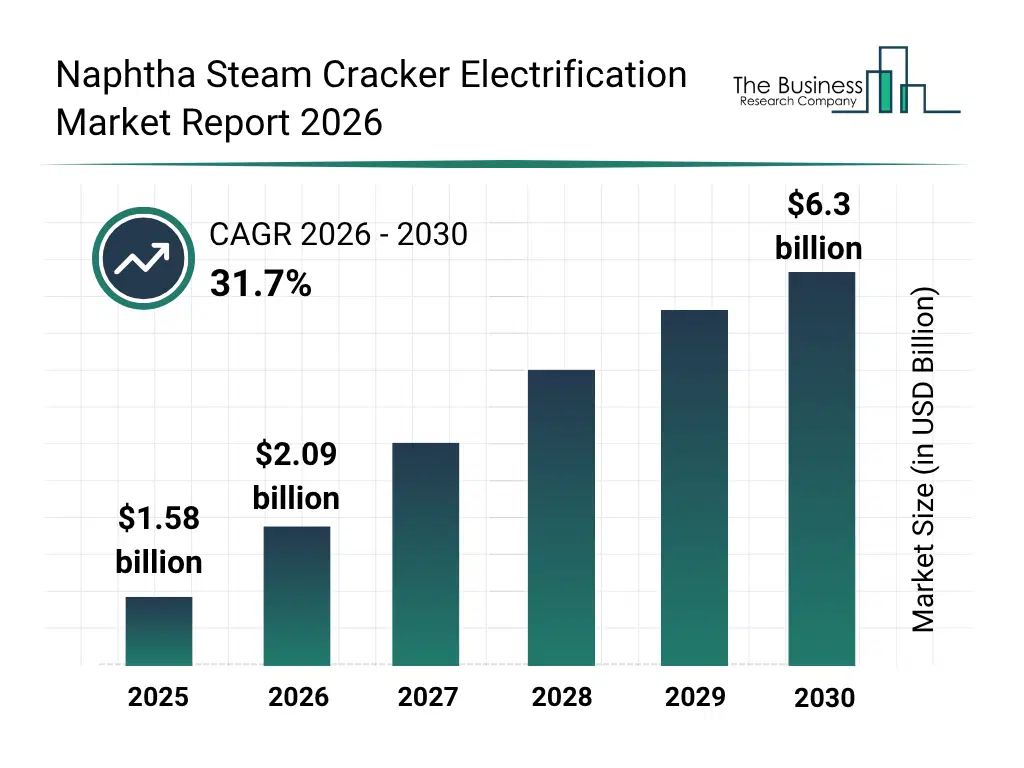
What Is The Naphtha Steam Cracker Electrification Market Size and Share 2026?
The naphtha steam cracker electrification market size has grown exponentially in recent years. It will grow from $1.58 billion in 2025 to $2.09 billion in 2026 at a compound annual growth rate (CAGR) of 32.4%. The growth in the historic period can be attributed to decarbonization targets in petrochemical production, rising industrial electricity generation capacity, development of electric furnace technologies, increasing pressure to reduce furnace combustion emissions, advances in high-temperature electrical heating materials.What Is The Naphtha Steam Cracker Electrification Market Growth Forecast?
The naphtha steam cracker electrification market size is expected to see exponential growth in the next few years. It will grow to $6.3 billion in 2030 at a compound annual growth rate (CAGR) of 31.7%. The growth in the forecast period can be attributed to availability of low-carbon electricity, tightening industrial carbon regulations, declining renewable power costs, expansion of electrified cracker demonstration projects, increasing investment in low-carbon petrochemical infrastructure. Major trends in the forecast period include electrified furnace heat integration, high-temperature electric heating system development, hybrid steam cracker furnace configurations, grid-connected high-power cracker operations, renewable electricity sourcing for steam cracking.Tariff Impact On Naphtha Steam Cracker Electrification Market
Tariffs are impacting the naphtha steam cracker electrification market by increasing the cost of imported electrical heating equipment, power electronics, transformers, switchgear, and specialized high-temperature components required for electrified cracker projects. This is increasing project costs and potentially delaying new electrified cracker installations and retrofit projects, particularly in regions dependent on imported industrial electrical equipment such as North America, Europe, and Asia-Pacific. Equipment-intensive segments such as electric heating systems, power electronics, transformers, and switchgear are most affected due to global supply chain dependencies. However, tariffs are also encouraging regional manufacturing, supplier diversification, and localized production of electrical equipment, creating greater resilience in the naphtha steam cracker electrification market.
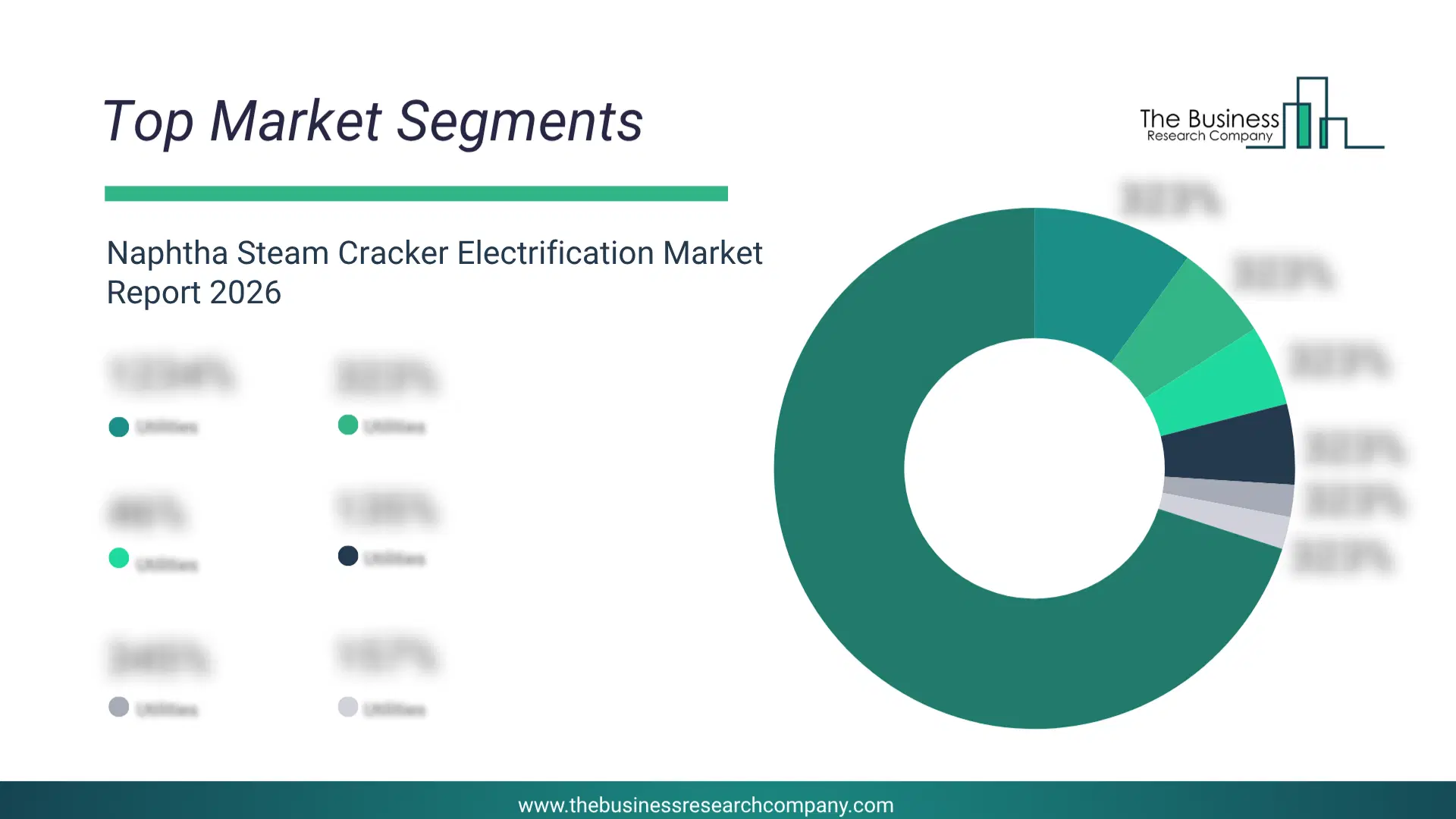
Global Naphtha Steam Cracker Electrification Market Segmentation
1) By Component Type: Electric Heating Elements, Power Supply Systems, Transformers And Switchgear, Power Electronics, Control And Automation Systems 2) By Technology Type: Hybrid Electrification, Full Electrification, Electric Furnace Heating, Plasma Cracking, Resistance Or Ohmic Heating 3) By Deployment Mode: Retrofit Of Existing Steam Crackers, New Electrified Cracker Installations, Brownfield Modernization, Modular Pilot Deployments 4) By Implementation Scope: Furnace Retrofit, Greenfield Decarbonization Project 5) By End User: Petrochemical Companies, Integrated Oil And Gas Companies, Specialty Chemicals Producers, Technology Licensors Subsegments: 1) By Electric Heating Elements: Electric Resistance Heating Elements, Induction Heating Elements, Radiant Heating Elements, High Temperature Heating Elements, Advanced Ceramic Heating Elements 2) By Power Supply Systems: High Voltage Power Supply Systems, Uninterruptible Power Supply Systems, Power Distribution Systems, Energy Management Power Supply Systems, Industrial Power Supply Systems 3) By Transformers And Switchgear: Power Transformers, Distribution Transformers, Gas Insulated Switchgear, Air Insulated Switchgear, Medium Voltage Switchgear 4) By Power Electronics: Power Converters, Inverters, Rectifiers, Semiconductor Power Modules, Power Control Units 5) By Control And Automation Systems: Process Control Systems, Distributed Control Systems, Programmable Logic Controllers, Supervisory Control And Data Acquisition Systems, Industrial Automation SystemsWhat Are The Drivers Of The Naphtha Steam Cracker Electrification Market?
The growing availability of renewable electricity is expected to propel the growth of the naphtha steam cracker electrification market going forward. Renewable electricity refers to power generated from renewable energy sources such as solar, wind, hydropower, and other clean energy resources that can reduce dependence on fossil fuels and support industrial decarbonization. Renewable electricity availability is rising due to decarbonization targets, as governments and industries are increasingly investing in renewable energy infrastructure to reduce greenhouse gas emissions, replace fossil fuel-based energy sources, and achieve net-zero carbon goals. Growing renewable electricity availability drives demand for naphtha steam cracker electrification by enabling the replacement of fossil fuel-based heating systems with electrically powered solutions, reducing carbon emissions, improving energy efficiency, and supporting the chemical industry's transition toward low-carbon production processes. For instance, in July 2026, according to the Eurostat, a Luxembourg-based government agency, renewable energy accounted for 26.2% of the EU’s gross final energy consumption in 2025, driven by continued expansion of renewable power generation and efforts to achieve the EU’s 2030 renewable energy target. Therefore, the growing availability of renewable electricity is driving the growth of the naphtha steam cracker electrification industry. The government funding for industrial decarbonization is expected to propel the growth of the naphtha steam cracker electrification market going forward. Industrial decarbonization refers to the process of reducing or eliminating greenhouse gas emissions from industrial activities through the adoption of cleaner technologies, energy-efficient processes, and low-carbon energy sources. Government funding for industrial decarbonization is increasing due to rising climate commitments, as countries strive to achieve net-zero emissions targets and reduce industrial greenhouse gas emissions. Government funding supports the adoption of naphtha steam cracker electrification by reducing the financial burden of replacing fossil fuel-based heating systems with electric technologies, encouraging investments in energy-efficient infrastructure, and accelerating the deployment of low-carbon petrochemical production processes. For instance, in May 2026, according to the International Energy Agency (IEA), a France-based autonomous intergovernmental organization, industrial decarbonization initiatives, including hydrogen-related projects, will receive approximately €400 million (US$460 million) in grant funding in 2025. Therefore, government funding for industrial decarbonization is driving the growth of the naphtha steam cracker electrification industry.Key Players In The Global Naphtha Steam Cracker Electrification Market
Major companies operating in the naphtha steam cracker electrification market are Shell plc, BASF SE, Linde plc, Dow Inc., Honeywell International Inc., ABB Ltd, Schneider Electric SE, Siemens Energy AG, SABIC, Repsol S.A., Emerson Electric Co., Hitachi Energy Ltd., Technip Energies N.V., KBR Inc., Sandvik AB, Yokogawa Electric Corporation, Watlow Electric Manufacturing Co., Borealis AG, Coolbrook Oy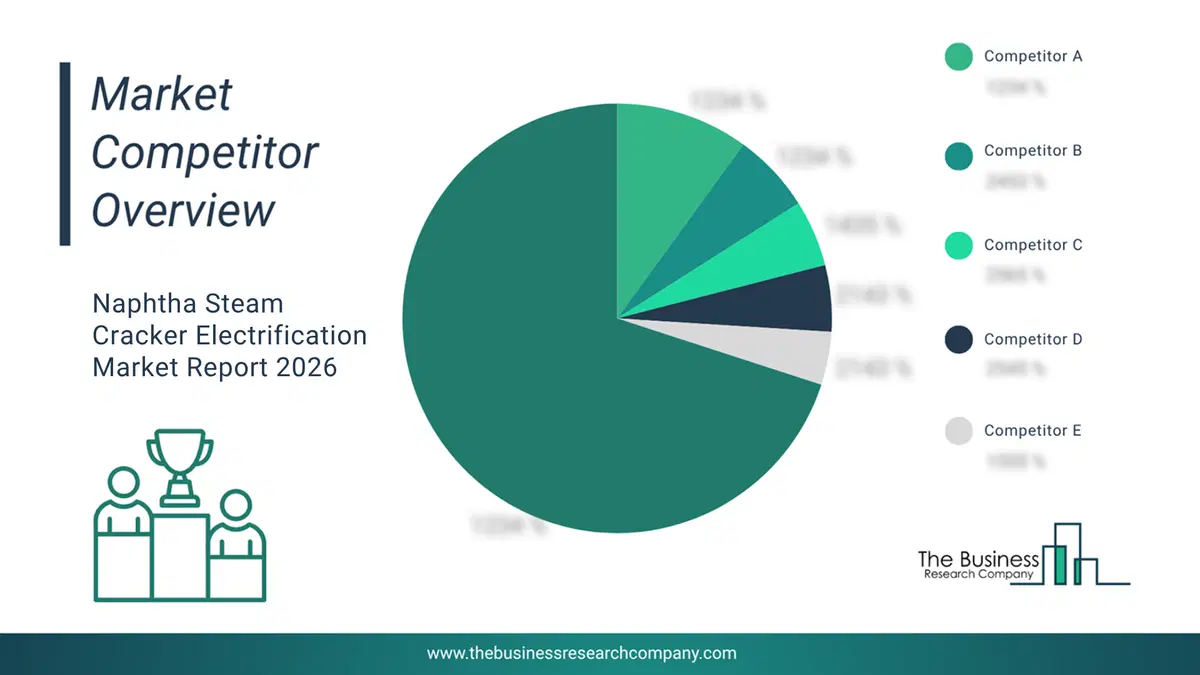
This chart is for illustrative purposes; the full report includes a detailed competitor analysis and comprehensive overview of the top 10 companies in the market.
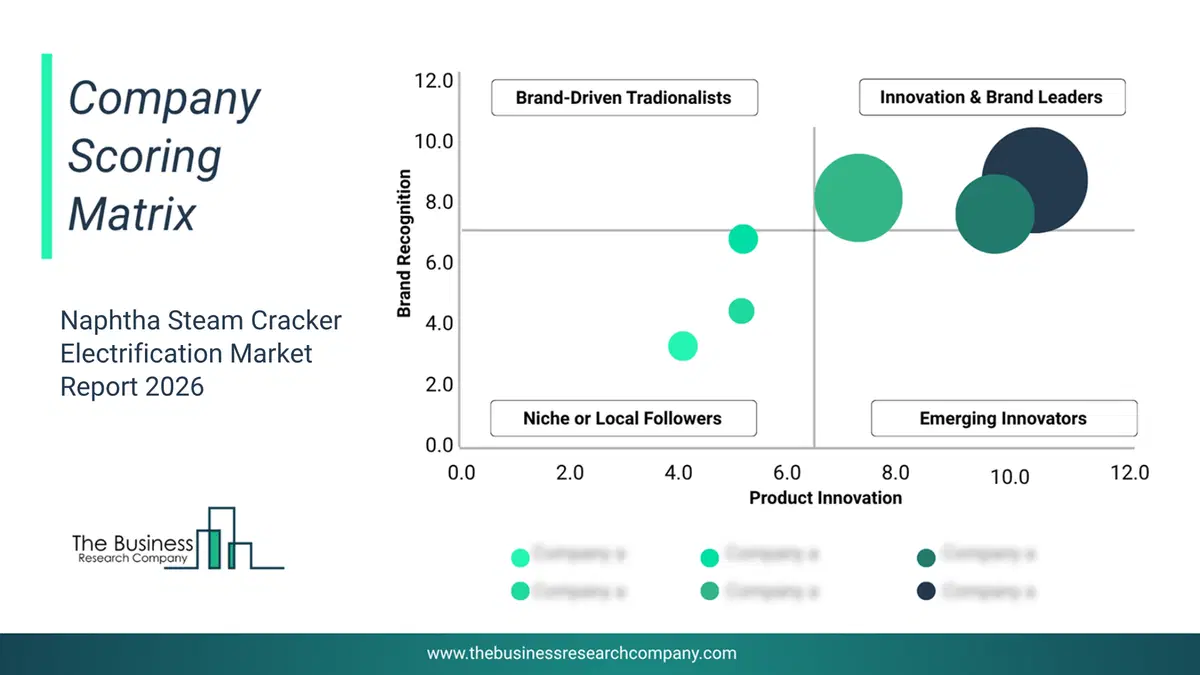
This chart maps companies by product innovation and brand strength, with bubble size indicating relative revenue, helping identify market leaders, challengers, and niche players. This is an illustrative chart; the full report provides a complete and accurate competitive analysis.
Global Naphtha Steam Cracker Electrification Market Trends and Insights
Major companies operating in the naphtha steam cracker electrification market are focusing on developing innovative solutions such as, renewable energy-powered steam cracker electrification technologies, to enhance industrial decarbonisation, energy efficiency, and reductions in carbon emissions from chemical production processes. Renewable energy-powered steam cracker electrification technologies replace conventional fossil fuel-based heating and compression systems with electrically driven equipment, such as electric drives (eDrives) powered by renewable electricity, enabling more sustainable production of key petrochemical feedstocks while reducing reliance on traditional energy sources. For instance, in January 2026, BASF SE, a Germany-based chemical company, successfully commissioned its steam cracker at the Verbund site in Zhanjiang, China, featuring the world’s first steam cracker that uses 100% renewable energy to operate its main compressors through eDrives. The electrified steam cracker uses renewable electricity to power critical compression operations while processing long-chain hydrocarbons such as naphtha and butane with steam to produce essential base chemicals including ethylene and propylene. The facility has an ethylene production capacity of one million metric tons per year and supports multiple downstream chemical value chains, including ethylene oxide, ethylene glycol, and polyethylene production. The technology enables lower-carbon petrochemical manufacturing by reducing dependence on fossil-based energy, improving operational sustainability, and supporting the transition toward climate-neutral chemical production.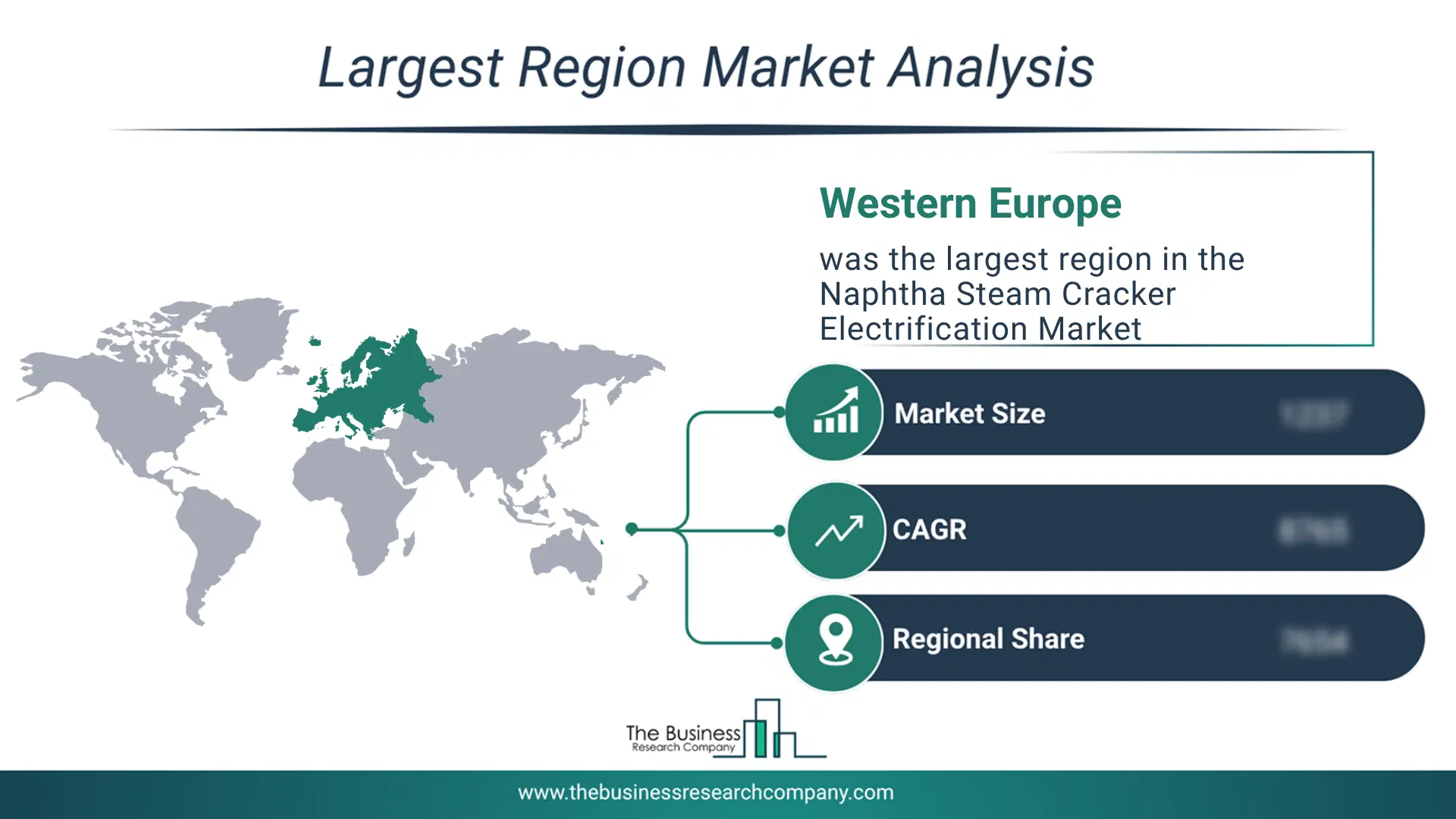
Regional Outlook
Western Europe was the largest region in the naphtha steam cracker electrification market in 2025. Asia-Pacific is expected to be the fastest-growing region in the forecast period. The regions covered in this market report are Asia-Pacific, South East Asia, Western Europe, Eastern Europe, North America, South America, Middle East, Africa. The countries covered in this market report are Australia, Brazil, China, France, Germany, India, Indonesia, Japan, Taiwan, Russia, South Korea, UK, USA, Canada, Italy, Spain.What Defines the Naphtha Steam Cracker Electrification Market?
The naphtha steam cracker electrification market consists of revenues earned by entities by providing services such as engineering and design, system integration, installation and commissioning, process optimization, maintenance and technical support, energy management, and performance monitoring. The market value includes the value of related goods sold by the service provider or included within the service offering. The naphtha steam cracker electrification market also includes sales of cracking furnace systems, process monitoring equipment, industrial sensors, digital control platforms, thermal insulation materials, high-temperature process components, electrical infrastructure components, and plant automation software. Values in this market are ‘factory gate’ values, that is, the value of goods sold by the manufacturers or creators of the goods, whether to other entities (including downstream manufacturers, wholesalers, distributors, and retailers) or directly to end customers. The value of goods in this market includes related services sold by the creators of the goods.How is Market Value Defined and Measured?
The market value is defined as the revenues that enterprises gain from the sale of goods and/or services within the specified market and geography through sales, grants, or donations in terms of the currency (in USD unless otherwise specified). The revenues for a specified geography are consumption values that are revenues generated by organizations in the specified geography within the market, irrespective of where they are produced. It does not include revenues from resales along the supply chain, either further along the supply chain or as part of other products.
This chart presents market attractiveness based on a quantitative evaluation of growth, competition, strategic alignment, and risk, offering a clear view of opportunity areas for decision-making. This chart is for illustrative purposes; the full report contains the complete analysis.

This chart highlights the Total Addressable Market (TAM) by estimating the maximum revenue opportunity using an assumption-driven approach, supporting strategic planning and opportunity sizing across markets. The chart is illustrative; the full report provides a more comprehensive analysis.
What Key Data and Analysis Are Included in the Naphtha Steam Cracker Electrification Market Report 2026?
The naphtha steam cracker electrification market research report is one of a series of new reports from The Business Research Company that provides market statistics, including industry global market size, regional shares, competitors with the market share, detailed market segments, market trends and opportunities, and any further data you may need to thrive in the naphtha steam cracker electrification industry. The market research report delivers a complete perspective of everything you need, with an in-depth analysis of the current and future state of the industry.Naphtha Steam Cracker Electrification Market Report Forecast Analysis
| Report Attribute | Details |
|---|---|
| Market Size Value In 2026 | $2.09 billion |
| Revenue Forecast In 2030 | $6.3 billion |
| Growth Rate | CAGR of 31.7% from 2026 to 2030 |
| Base Year For Estimation | 2025 |
| Actual Estimates/Historical Data | 2020-2025 |
| Forecast Period | 2026 - 2030 |
| Market Representation | Revenue in USD Billion and CAGR from 2026 to 2030 |
| Segments Covered | Component Type, Technology Type, Deployment Mode, Implementation Scope, End User |
| Regional Scope | Asia-Pacific, Western Europe, Eastern Europe, North America, South America, Middle East, Africa |
| Country Scope | The countries covered in the report are Australia, Brazil, China, France, Germany, India, Indonesia, Japan, Taiwan, Russia, South Korea, UK, USA, Canada, Italy, Spain. |
| Key Companies Profiled | Shell plc, BASF SE, Linde plc, Dow Inc., Honeywell International Inc., ABB Ltd, Schneider Electric SE, Siemens Energy AG, SABIC, Repsol S.A., Emerson Electric Co., Hitachi Energy Ltd., Technip Energies N.V., KBR Inc., Sandvik AB, Yokogawa Electric Corporation, Watlow Electric Manufacturing Co., Borealis AG, Coolbrook Oy |
| Customization Scope | Request for Customization |
| Pricing And Purchase Options | Explore Purchase Options |