
Natural Killer (NK) Cell Therapeutics Market Report 2026
Global Outlook – By Therapeutics (Natural Killer (NK) Cell Directed Antibodies, Natural Killer (NK) Cell Therapies), By Application (Immunoproliferative Disorders, Gastrointestinal Diseases, Cancer, Other Applications), By Distribution Channel (Hospital Pharmacies, Direct Tender, Other Distribution Channels), By End User (Research And Academic Institutes, Hospitals, Specialty Clinics) – Market Size, Trends, Strategies, and Forecast to 2030
Natural Killer (NK) Cell Therapeutics Market Overview
• Natural Killer (NK) Cell Therapeutics market size has reached to $3.93 billion in 2025 • Expected to grow to $6.9 billion in 2030 at a compound annual growth rate (CAGR) of 11.9% • Growth Driver: Rising Cancer Prevalence Fueling The Growth Due To Increasing Demand For Targeted Immunotherapies • Market Trend: Advancements In Scalable iPSC-Based Manufacturing For Off-The-Shelf NK Cell Therapies • North America was the largest region in 2025 and Asia-Pacific is the fastest growing region.Market Gains By 2030 – Top Opportunities By Segment
Market Gain identifies the most promising market opportunities by highlighting the segments or products expected to generate the highest incremental revenue growth over the next five years.
What Is Covered Under Natural Killer (NK) Cell Therapeutics Market?
Natural Killer (NK) cell therapeutics are treatments that harness or enhance NK cells, a type of immune cell, to target and destroy cancer cells, infected cells, or other diseased cells. These therapies include NK cell infusions (autologous/allogeneic), CAR-NK cells (genetically modified to target specific proteins), and NK-directed antibodies (bispecific antibodies). The main therapeutics of natural killer (nk) cell therapeutics are NK cell-directed antibodies and NK cell-based therapies. NK cell-directed antibodies are engineered to boost the ability of NK cells to recognize and eliminate cancer cells by targeting tumor-specific antigens. These therapies are applied for various applications such as cancer, immunoproliferative disorders, gastrointestinal diseases, and others. Distribution channels include hospital pharmacies, direct tenders, and others, while end-users primarily consist of hospitals, specialty clinics, and research and academic institutes.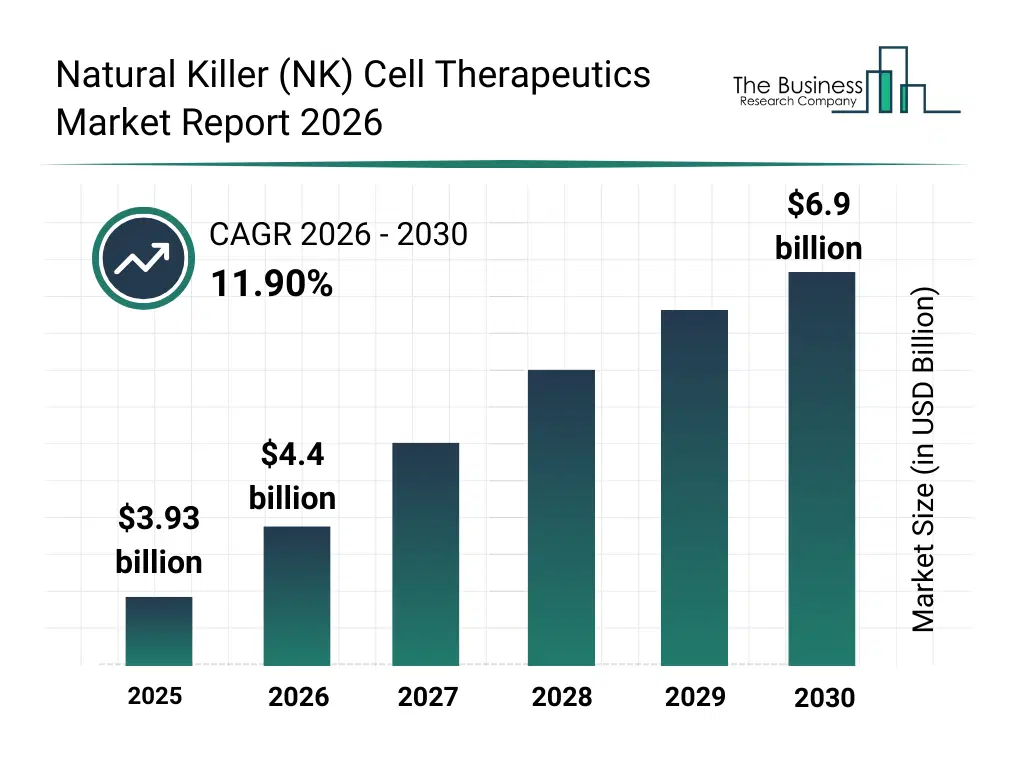
What Is The Natural Killer (NK) Cell Therapeutics Market Size and Share 2026?
The natural killer (nk) cell therapeutics market size has grown rapidly in recent years. It will grow from $3.93 billion in 2025 to $4.4 billion in 2026 at a compound annual growth rate (CAGR) of 12.0%. The growth in the historic period can be attributed to limitations of traditional cancer therapies, advancements in immunology research, success of early nk cell therapies, growth of cell therapy infrastructure, increased oncology research funding.What Is The Natural Killer (NK) Cell Therapeutics Market Growth Forecast?
The natural killer (nk) cell therapeutics market size is expected to see rapid growth in the next few years. It will grow to $6.9 billion in 2030 at a compound annual growth rate (CAGR) of 11.9%. The growth in the forecast period can be attributed to expansion of cell and gene therapy pipelines, increasing demand for safer immunotherapies, advancements in cell engineering technologies, rising investment in oncology biologics, growing acceptance of allogeneic cell therapies. Major trends in the forecast period include rapid development of car-nk cell therapies, increasing use of allogeneic nk cell treatments, growing focus on off-the-shelf cell therapies, expansion of nk cell applications in oncology, rising clinical trials for nk-directed antibodies.
Global Natural Killer (NK) Cell Therapeutics Market Segmentation
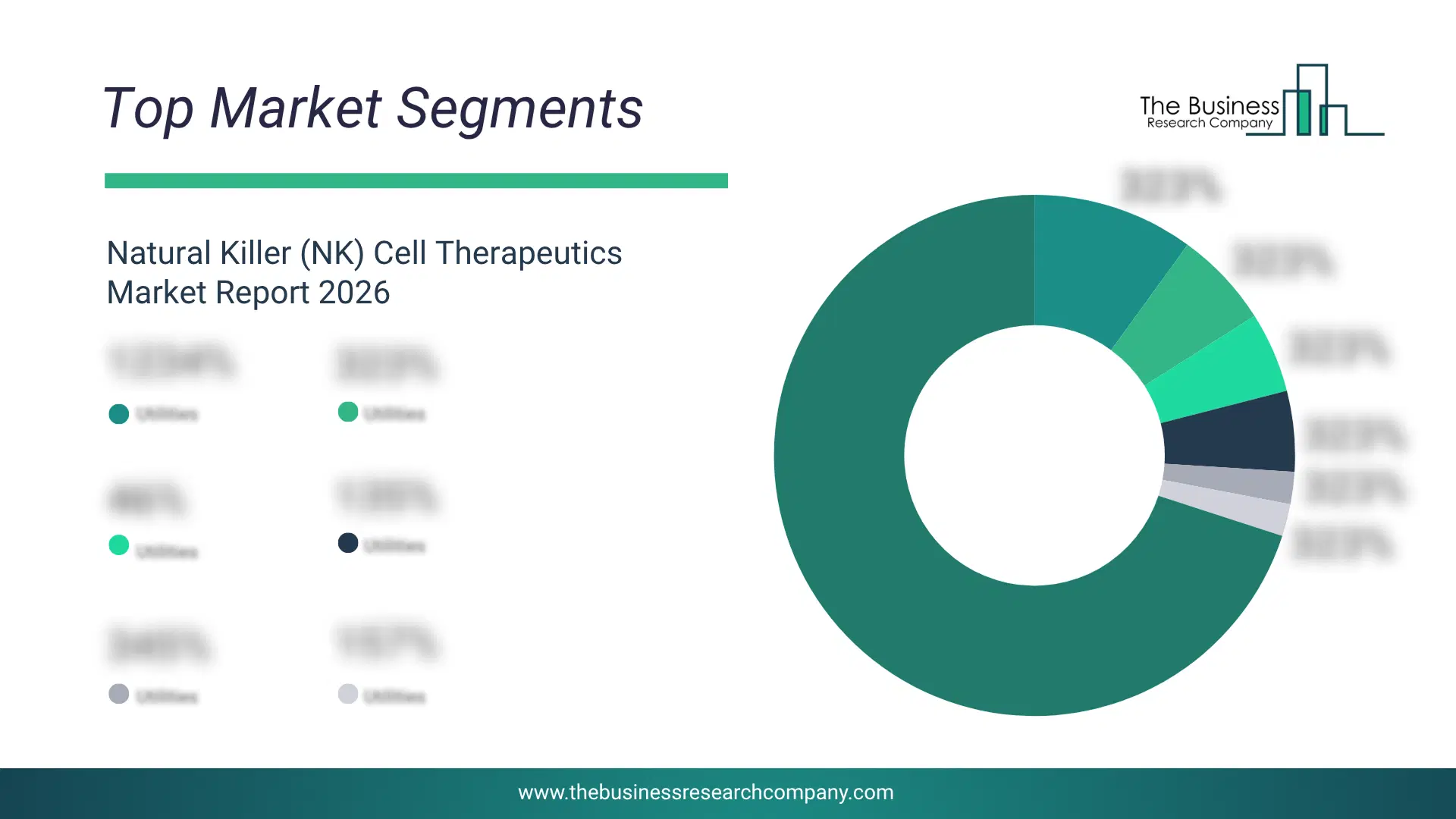
1) By Therapeutics: Natural Killer (NK) Cell Directed Antibodies, Natural Killer (NK) Cell Therapies 2) By Application: Immunoproliferative Disorders, Gastrointestinal Diseases, Cancer, Other Applications 3) By Distribution Channel: Hospital Pharmacies, Direct Tender, Other Distribution Channels 4) By End User: Research And Academic Institutes, Hospitals, Specialty Clinics Subsegments: 1) By Natural Killer (NK) Cell Directed Antibodies: Monoclonal Antibodies (mAbs), Bispecific Antibodies (BsAbs), Antibody-Drug Conjugates (ADCs) 2) By Natural Killer (NK) Cell Therapies: Autologous NK Cell Therapies, Allogeneic NK Cell Therapies, Chimeric Antigen Receptor (CAR)-NK Cell Therapies The top segments in the natural killer (nk) cell therapeutics market will be: • Natural Killer (NK) Cell Therapies will reach $4.18 Billion by 2030. • Natural Killer (NK) Cell Directed Antibodies will reach $2.83 Billion by 2030.What Is The Driver Of The Natural Killer (NK) Cell Therapeutics Market?
The rising prevalence of cancer are expected to propel the growth of the natural killer (NK) cell therapeutics market going forward. Cancer refers to diseases where abnormal cells grow uncontrollably, invade nearby tissues, and spread to other body parts. It disrupts normal cell regulation, forming tumors and impairing bodily functions. Environmental exposures to pollutants, tobacco smoke, and chemicals can damage deoxyribonucleic acid (DNA) and disrupt cellular function, increasing cancer risk. Natural killer (NK) cell therapeutics help treat cancer by directly targeting and destroying tumor cells without prior sensitization. For instance, in April 2024, according to American Cancer Society, a US-based non-profit organization, by 2050, the number of cancer cases is predicted to increase to 35 million based solely on projected population growth. Therefore, the rising prevalence of cancer is driving the growth of natural killer (NK) cell therapeutics industry.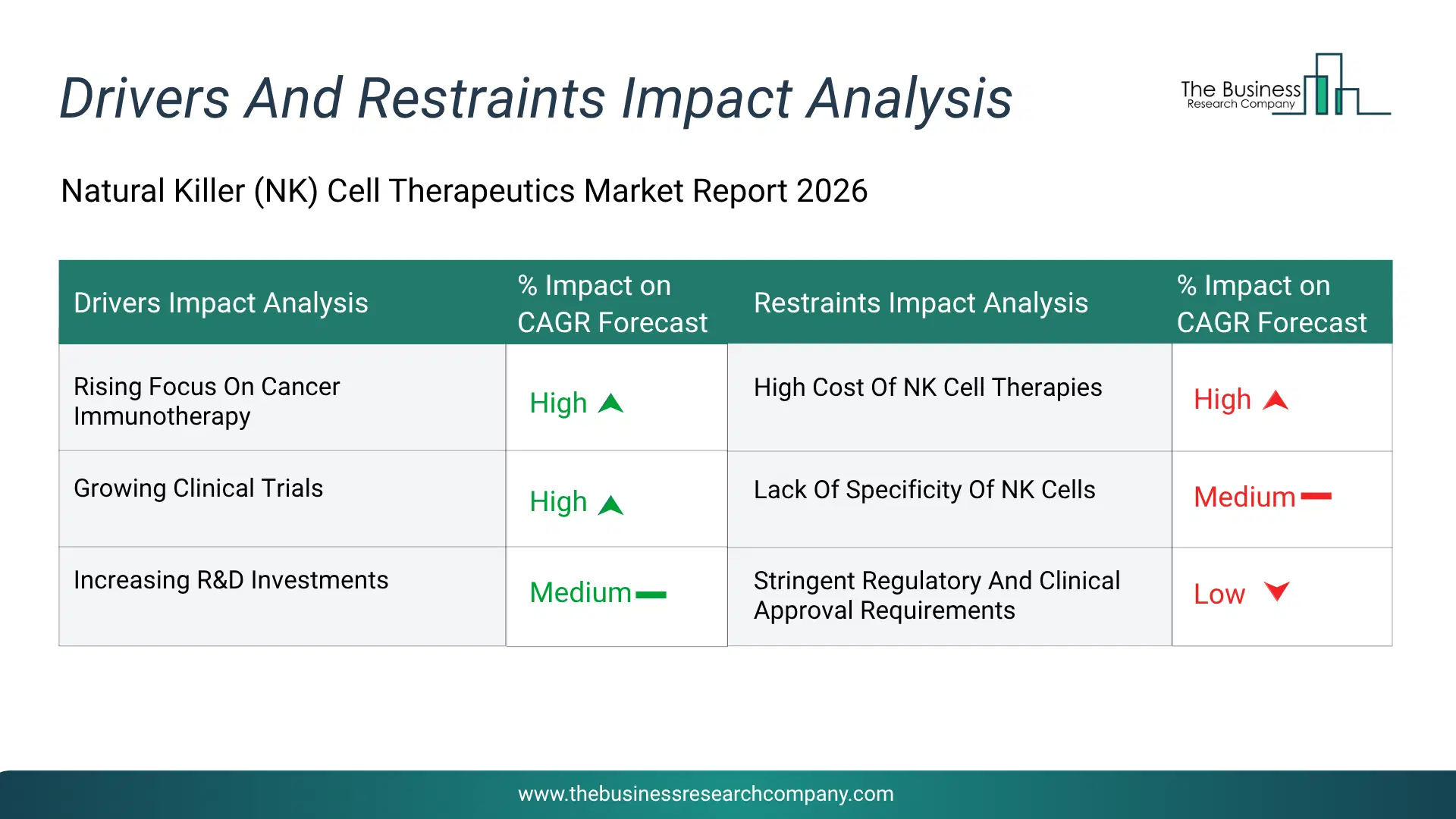
Infographic Chart Showing Key Market Drivers Analysis And Restraints For Natural Killer (Nk) Cell Therapeutics Market
The chart presents an impact analysis of key drivers and restraints, quantifying their relative influence on the market's growth rate and helping assess the balance between growth enablers and limiting factors. This chart offers a high-level perspective; the full report contains more detailed insights.
How Will The Drivers Impact Growth In The Global Natural Killer (NK) Cell Therapeutics Market?
• Rising Focus On Cancer Immunotherapy (High) – During the forecast period, the rising focus on cancer immunotherapy is expected to become a key growth driver for the natural killer (NK) cell therapeutics market by 2030. Rising focus on cancer immunotherapy is a major driver for the natural killer (NK) cell therapeutics market because healthcare providers and researchers are increasingly seeking treatments that harness the body's immune system to fight cancer. NK cells possess the natural ability to identify and destroy tumor cells without prior sensitization, making them attractive for immunotherapy applications. As demand for targeted and personalized cancer treatments grows, investment in NK cell-based therapies continues to expand. Pharmaceutical companies are actively incorporating NK cell approaches into oncology pipelines to improve treatment outcomes. The limitations of conventional therapies such as chemotherapy and radiation further encourage the adoption of innovative immunotherapies. Growing clinical success in immune-based cancer treatments is strengthening confidence in NK cell technologies. • Growing Clinical Trials (High) – During the forecast period, the growing clinical trials is expected to emerge as a major factor driving the expansion of the natural killer (NK) cell therapeutics market by 2030. Growing clinical trials are driving the natural killer (NK) cell therapeutics market by generating valuable evidence regarding the safety, efficacy, and therapeutic potential of NK cell-based treatments. An increasing number of trials across various cancer indications is expanding scientific understanding and validating treatment benefits. Positive trial outcomes help attract investors, pharmaceutical companies, and strategic partners to the field. Clinical research also supports regulatory submissions and speeds up the path toward commercialization. As more institutions participate in NK cell studies, awareness and acceptance of these therapies increase among healthcare professionals. The expansion of clinical trial activity is encouraging innovation in cell engineering and manufacturing technologies. • Increasing R&D Investments (Medium) – During the forecast period, the increasing r&d investments is expected to act as a key growth catalyst for the natural killer (NK) Cell therapeutics market by 2030. Increasing R&D investments serve as a key driver for the Natural Killer (NK) Cell Therapeutics market by supporting the discovery of advanced therapeutic platforms and innovative treatment strategies. Significant funding from biotechnology firms, pharmaceutical companies, governments, and research organizations is enabling the development of next-generation NK cell products. These investments facilitate improvements in cell expansion techniques, genetic modification technologies, and manufacturing efficiency. Enhanced research capabilities help address existing challenges related to efficacy, scalability, and treatment durability. Continuous innovation is expanding the range of applications for NK cell therapies beyond traditional oncology indications. Increased funding also encourages collaborations between academic institutions and industry participants.How Will The Restraints Impact Growth In The Global Natural Killer (NK) Cell Therapeutics Market?
• High Cost Of NK Cell Therapies (High) – During the forecast period, the high cost of NK cell therapies acts as a significant restraint on the Natural Killer (NK) Cell Therapeutics market due to the complex and resource-intensive processes involved in cell collection, expansion, engineering, and manufacturing. Developing NK cell-based treatments requires advanced laboratory infrastructure, specialized equipment, and highly skilled personnel, which increases overall production expenses. These costs are often transferred to healthcare providers and patients, limiting affordability and accessibility. High treatment prices can also create reimbursement challenges, particularly in cost-sensitive healthcare systems. Smaller biotechnology companies may face financial barriers when scaling production and conducting large clinical studies. The substantial investment required for commercialization can delay product launches and market penetration. As a result, elevated costs restrict widespread adoption and slow overall market growth. • Lack Of Specificity Of NK Cells (High) – During the forecast period, the lack of specificity of NK cells acts as a restraint on the Natural Killer (NK) Cell Therapeutics market because NK cells may not always distinguish cancer cells from healthy cells with the same precision as some targeted therapies. This limitation can reduce treatment effectiveness in certain tumor types and create challenges in achieving consistent clinical outcomes. Variations in tumor microenvironments can further suppress NK cell activity and weaken therapeutic performance. Researchers must invest additional time and resources to improve targeting mechanisms and enhance cell functionality. Concerns regarding efficacy and predictability may affect physician confidence and patient acceptance of these therapies. Regulatory authorities may also require extensive clinical evidence to demonstrate safety and effectiveness. Consequently, the lack of optimal specificity can hinder commercialization efforts and limit market expansion. • Stringent Regulatory And Clinical Approval Requirements (Medium) – During the forecast period, the stringent regulatory and clinical approval requirements restrain the growth of the Natural Killer (NK) Cell Therapeutics market by increasing the time, cost, and complexity associated with product development. NK cell therapies must undergo extensive preclinical research, multi-phase clinical trials, and rigorous regulatory evaluations to demonstrate safety, efficacy, and manufacturing consistency. Regulatory authorities also require strict compliance with Good Manufacturing Practices (GMP) and comprehensive quality control throughout the production process. Meeting these requirements demands substantial financial investment and specialized expertise. Delays in clinical trial recruitment, regulatory reviews, or approval decisions can postpone product commercialization and reduce return on investment. These challenges are particularly significant for emerging biotechnology companies with limited resources. Consequently, stringent regulatory and clinical approval requirements slow the expansion of the Natural Killer (NK) Cell Therapeutics market.Key Players In The Global Natural Killer (NK) Cell Therapeutics Market
Major companies operating in the natural killer (nk) cell therapeutics market are Sanofi S.A., Thermo Fisher Scientific, Lonza AG, Catalent, Kite Pharma, Fate Therapeutics, Artiva Biotherapeutics, Nkarta Inc, Celularity Inc., NKGen Biotech, Dragonfly Therapeutics, Cytovia Therapeutics, Glycostem Therapeutics, Gamida Cell, ONK Therapeutics, Wugen Inc., AGC Biologics, CytoImmune Therapeutics, XNK Therapeutics, Indapta Therapeutics, Neukio Biotherapeutics, Senti Biosciences, WuXi Advanced Therapies, Kiadis Pharma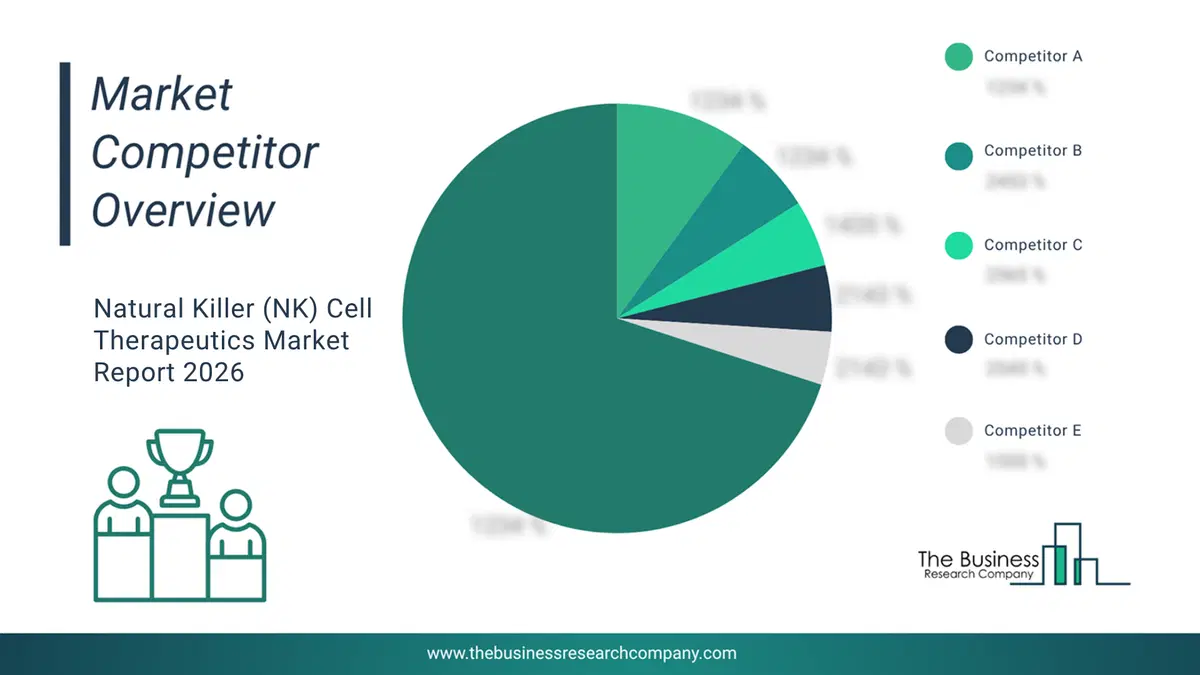
This chart is for illustrative purposes; the full report includes a detailed competitor analysis and comprehensive overview of the top 10 companies in the market.
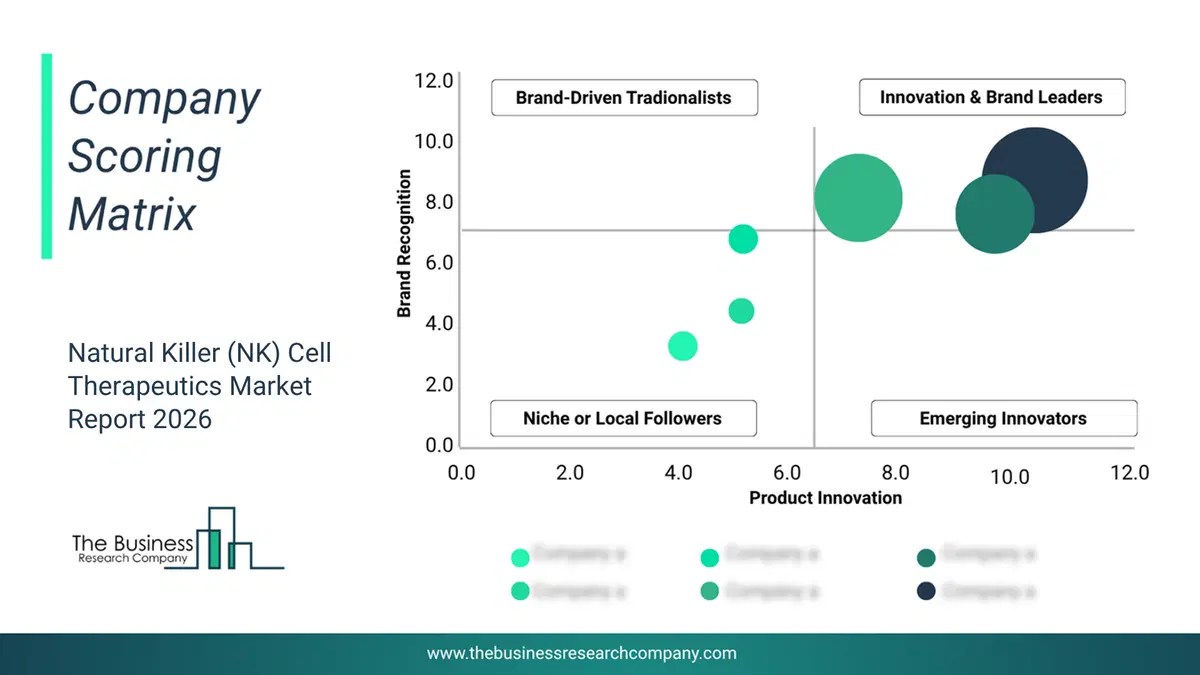
This chart maps companies by product innovation and brand strength, with bubble size indicating relative revenue, helping identify market leaders, challengers, and niche players. This is an illustrative chart; the full report provides a complete and accurate competitive analysis.
Global Natural Killer (NK) Cell Therapeutics Market Trends and Insights
Major companies operating in the natural killer (NK) cell therapeutics market are focusing on advancements such as developing scalable iPSC-based NK cell manufacturing platforms, to enable cost-effective, off-the-shelf NK cell therapies. These platforms utilize induced pluripotent stem cells (iPSCs) to generate NK cells in a standardized, feeder-free, and closed-system bioreactor environment, ensuring high yields and regulatory compliance. For instance, in April 2025, Cellistic, a Belgium-based biotechnology research company, launched the Echo-NK platform, an iPSC-based manufacturing solution for NK cell therapies. The platform offers scalable production of NK cells targeting blood cancers, solid tumors, and autoimmune diseases, with all critical expansion steps performed in bioreactor closed systems within Cellistic's EMA-certified GMP facility. By integrating Cellistic's Pulse cell line development capabilities and proprietary STAR-CRISPR technology, the Echo-NK platform accelerates timelines for developing stable iPSC cell lines with specific gene edits, providing a commercially viable solution for off-the-shelf NK cell therapies.What Are Latest Mergers And Acquisitions In The Natural Killer (NK) Cell Therapeutics Market?
In March 2025, AstraZeneca, a British-Swedish multinational pharmaceutical and biotechnology company, acquired EsoBiotec for up to $1 billion, with an initial payment of $425 million and up to $575 million in milestone-based contingent payments. AstraZeneca aims to leverage EsoBiotec’s platform to make cell therapies more accessible, scalable, and affordable for cancer patients globally, marking a significant step in expanding its cell therapy portfolio. EsoBiotec is a Belgian-based biotech company operating in cell therapeutics development.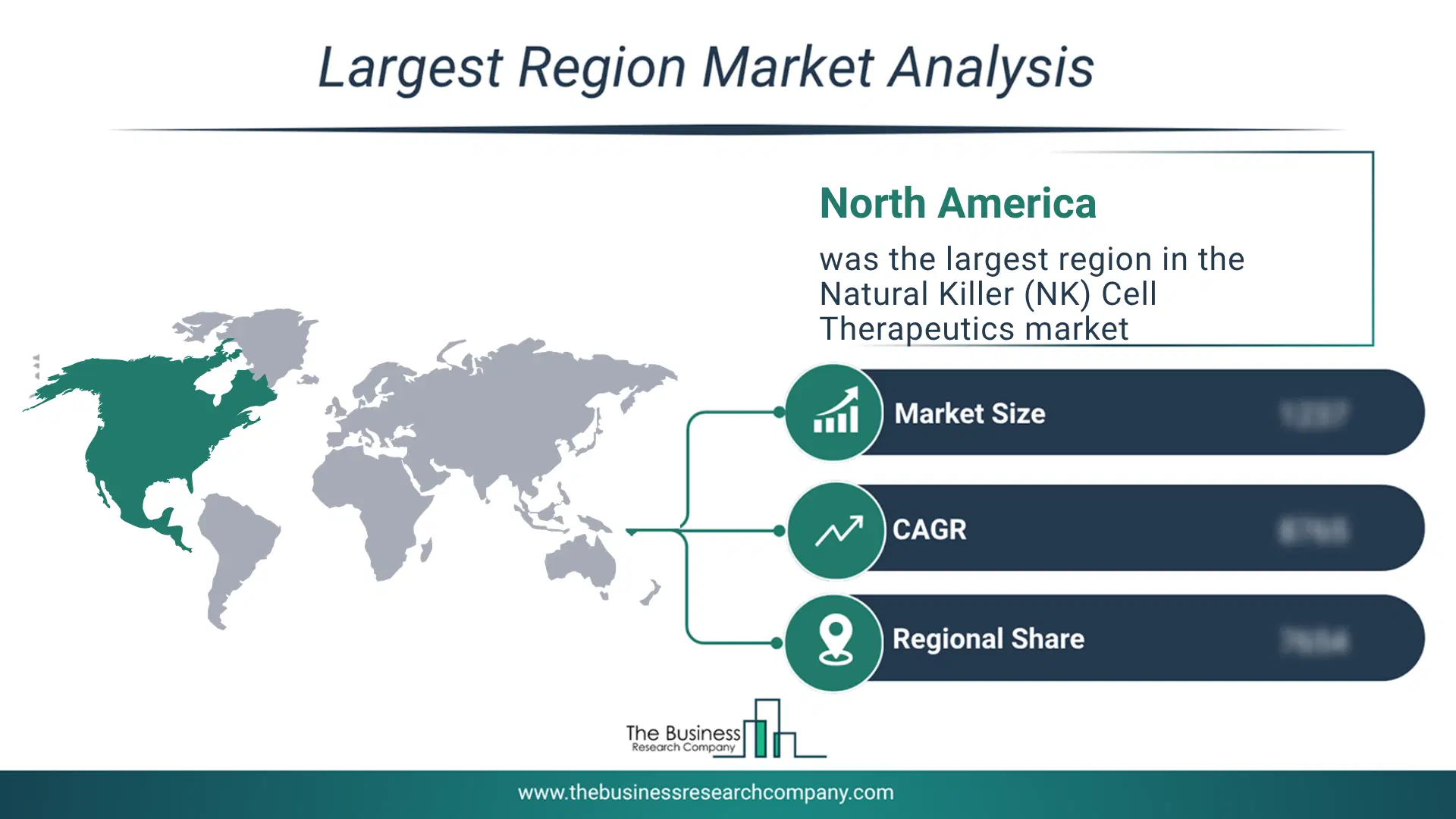
Regional Insights
North America was the largest region in the natural killer (NK) cell therapeutics market in 2025. Asia-Pacific is expected to be the fastest-growing region in the forecast period. The regions covered in this market report are Asia-Pacific, South East Asia, Western Europe, Eastern Europe, North America, South America, Middle East, Africa. The countries covered in this market report are Australia, Brazil, China, France, Germany, India, Indonesia, Japan, Taiwan, Russia, South Korea, UK, USA, Canada, Italy, Spain.What Defines the Natural Killer (NK) Cell Therapeutics Market?
The natural killer (NK) cell therapeutics market includes revenues earned by entities by providing services such as scell therapy development, clinical trial support, contract manufacturing, regulatory consulting, and cell line engineering. The market value includes the value of related goods sold by the service provider or included within the service offering. The natural killer (NK) cell therapeutics market also includessales of cytokine-activated NK cells, CAR-NK cell therapies, cell expansion kits, reagents, and culture media. Values in this market are ‘factory gate’ values, that is the value of goods sold by the manufacturers or creators of the goods, whether to other entities (including downstream manufacturers, wholesalers, distributors and retailers) or directly to end customers. The value of goods in this market includes related services sold by the creators of the goods.How is Market Value Defined and Measured?
The market value is defined as the revenues that enterprises gain from the sale of goods and/or services within the specified market and geography through sales, grants, or donations in terms of the currency (in USD unless otherwise specified). The revenues for a specified geography are consumption values that are revenues generated by organizations in the specified geography within the market, irrespective of where they are produced. It does not include revenues from resales along the supply chain, either further along the supply chain or as part of other products.
This chart presents market attractiveness based on a quantitative evaluation of growth, competition, strategic alignment, and risk, offering a clear view of opportunity areas for decision-making. This chart is for illustrative purposes; the full report contains the complete analysis.

This chart highlights the Total Addressable Market (TAM) by estimating the maximum revenue opportunity using an assumption-driven approach, supporting strategic planning and opportunity sizing across markets. The chart is illustrative; the full report provides a more comprehensive analysis.
What Key Data and Analysis Are Included in the Natural Killer (NK) Cell Therapeutics Market Report 2026?
The natural killer (nk) cell therapeutics market research report is one of a series of new reports from The Business Research Company that provides market statistics, including industry global market size, regional shares, competitors with the market share, detailed market segments, market trends and opportunities, and any further data you may need to thrive in the natural killer (nk) cell therapeutics industry. The market research report delivers a complete perspective of everything you need, with an in-depth analysis of the current and future state of the industry.Natural Killer (NK) Cell Therapeutics Market Report Forecast Analysis
| Report Attribute | Details |
|---|---|
| Market Size Value In 2026 | $4.4 billion |
| Revenue Forecast In 2030 | $6.9 billion |
| Growth Rate | CAGR of 12.0% from 2026 to 2030 |
| Base Year For Estimation | 2025 |
| Actual Estimates/Historical Data | 2020-2025 |
| Forecast Period | 2026 - 2030 |
| Market Representation | Revenue in USD Billion and CAGR from 2026 to 2030 |
| Segments Covered | Therapeutics, Application, Distribution Channel, End User |
| Regional Scope | Asia-Pacific, Western Europe, Eastern Europe, North America, South America, Middle East, Africa |
| Country Scope | The countries covered in the report are Australia, Brazil, China, France, Germany, India, ... |
| Key Companies Profiled | Sanofi S.A., Thermo Fisher Scientific, Lonza AG, Catalent, Kite Pharma, Fate Therapeutics, Artiva Biotherapeutics, Nkarta Inc, Celularity Inc., NKGen Biotech, Dragonfly Therapeutics, Cytovia Therapeutics, Glycostem Therapeutics, Gamida Cell, ONK Therapeutics, Wugen Inc., AGC Biologics, CytoImmune Therapeutics, XNK Therapeutics, Indapta Therapeutics, Neukio Biotherapeutics, Senti Biosciences, WuXi Advanced Therapies, Kiadis Pharma |
| Customization Scope | Request for Customization |
| Pricing And Purchase Options | Explore Purchase Options |