
Neonatal Infants Enteral Feeding Devices Market Report 2026
Global Outlook – By Product Type (Gastrostomy Tubes, Nasal Feeding Tubes, Oropharyngeal Feeding Tubes), By Material (Silicone, Polyurethane, Polyvinyl Chloride), By Size (Preterm, Full Term) – Market Size, Trends, Strategies, and Forecast to 2030
Neonatal Infants Enteral Feeding Devices Market Overview
• Neonatal Infants Enteral Feeding Devices market size has reached to $2.23 billion in 2025 • Expected to grow to $2.59 billion in 2030 at a compound annual growth rate (CAGR) of 2.9% • Growth Driver: Rising Preterm Birth Rates Fuel Demand For Neonatal Enteral Feeding Devices • Market Trend: Advanced Technologies in Neonatal Infant Enteral Feeding Devices • North America was the largest region in 2025.What Is Covered Under Neonatal Infants Enteral Feeding Devices Market?
Neonatal infants enteral feeding devices are specialized medical devices designed for the administration of enteral nutrition to premature or critically ill newborn infants who are unable to feed orally. These devices serve a critical role in delivering essential nutrients, fluids, and medications directly into the gastrointestinal tract of neonates, supporting their growth, development, and recovery in the neonatal intensive care unit (NICU) or special care nursery. The main products of neonatal infants enteral feeding devices are gastrostomy tubes, jejunostomy tubes, duodenostomy tubes, nasal feeding tubes, and oropharyngeal feeding tubes. Gastrostomy tubes refer to medical devices inserted through the abdomen into the stomach, providing nutrition and medication for individuals who cannot eat orally due to medical conditions. They are made of various materials including silicone, polyurethane, and polyvinyl chloride in different sizes such as preterm and full term. They are used by clinic, hospital, ambulatory care, home use, and others.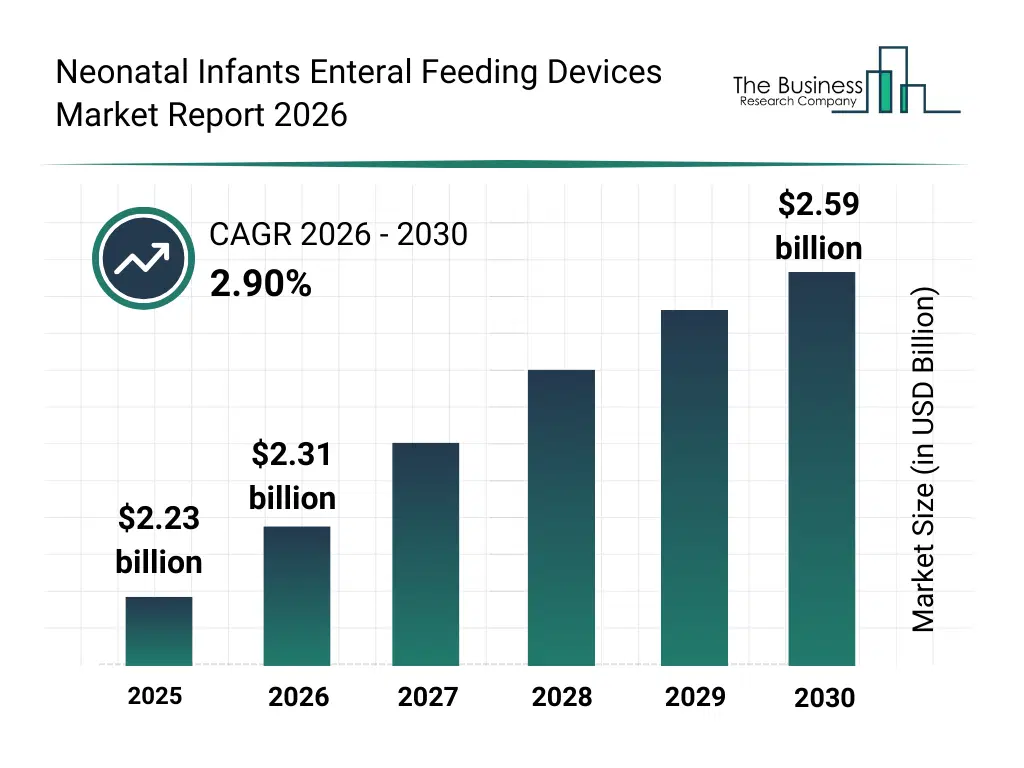
What Is The Neonatal Infants Enteral Feeding Devices Market Size and Share 2026?
The neonatal infants enteral feeding devices market size has grown steadily in recent years. It will grow from $2.23 billion in 2025 to $2.31 billion in 2026 at a compound annual growth rate (CAGR) of 3.4%. The growth in the historic period can be attributed to rising incidence of preterm births, expansion of neonatal intensive care units, increasing survival rate of premature infants, growing awareness of neonatal nutrition, rising hospital-based neonatal care.What Is The Neonatal Infants Enteral Feeding Devices Market Growth Forecast?
The neonatal infants enteral feeding devices market size is expected to see steady growth in the next few years. It will grow to $2.59 billion in 2030 at a compound annual growth rate (CAGR) of 2.9%. The growth in the forecast period can be attributed to advancements in neonatal healthcare infrastructure, increasing focus on infant growth and development, rising adoption of home healthcare services, growing demand for minimally invasive feeding solutions, increasing investments in maternal and neonatal care. Major trends in the forecast period include growing adoption of enteral feeding in NICUs, rising demand for neonatal-specific feeding tubes, increasing preference for silicone-based feeding devices, expansion of home-based enteral feeding for infants, growing focus on safe and controlled nutrient delivery.
Global Neonatal Infants Enteral Feeding Devices Market Segmentation
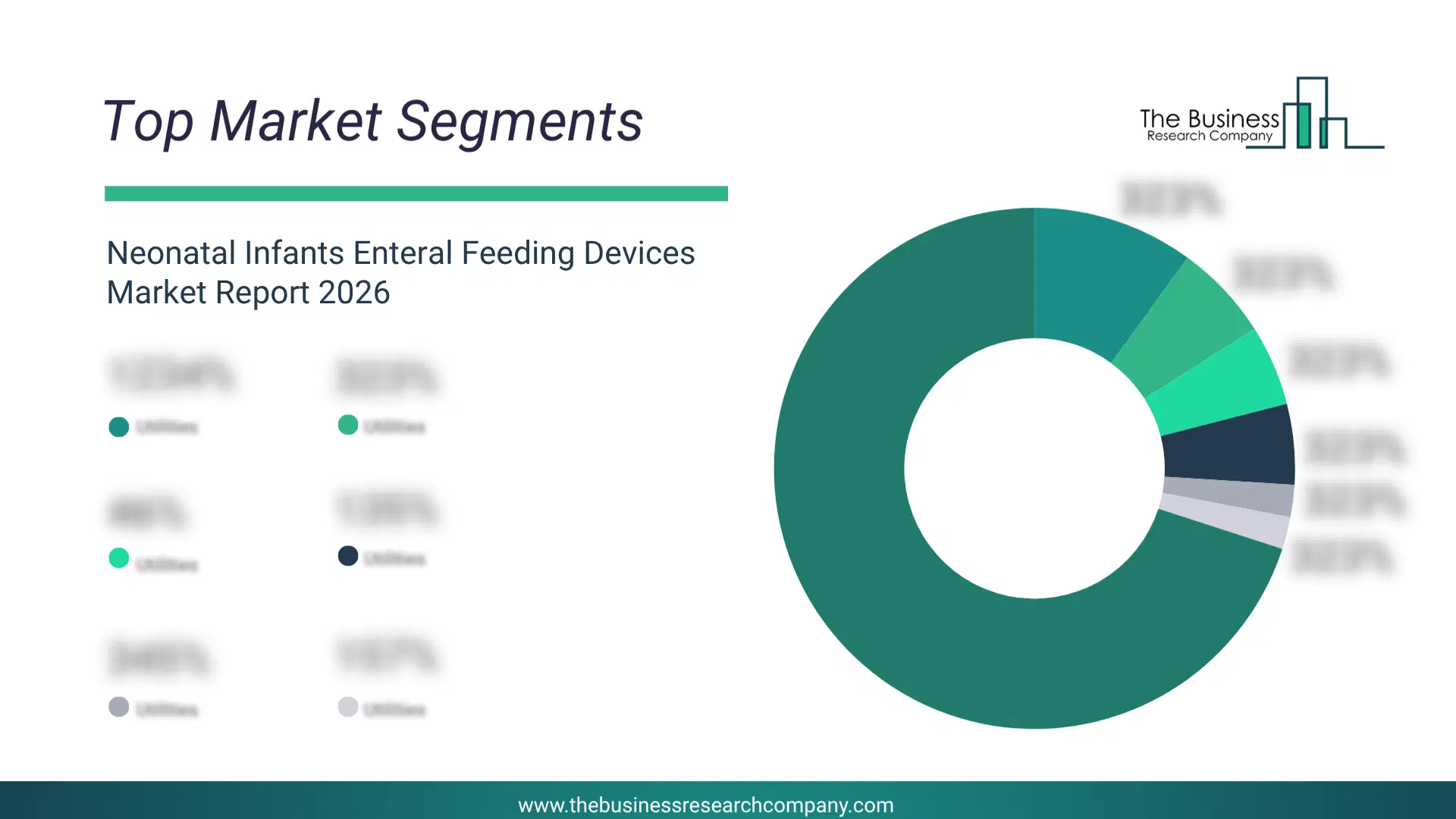
1) By Product Type: Gastrostomy Tubes, Nasal Feeding Tubes, Oropharyngeal Feeding Tubes 2) By Material: Silicone, Polyurethane, Polyvinyl Chloride 3) By Size: Preterm, Full Term Subsegments: 1) By Gastrostomy Tubes: Balloon Gastrostomy Tubes, Low-Profile Gastrostomy Tubes, Non-Balloon Gastrostomy Tubes, Skin-Level Gastrostomy Tubes 2) By Nasal Feeding Tubes: Nasogastric Feeding Tubes, Nasojejunal Feeding Tubes, Nasoduodenal Feeding Tubes 3) By Oropharyngeal Feeding Tubes: Orogastric Feeding Tubes, Oroduodenal Feeding TubesWhat Are The Drivers Of The Neonatal Infants Enteral Feeding Devices Market?
The rising prevalence of preterm birth is expected to propel the growth of the neonatal infant enteral feeding devices market going forward. Preterm birth occurs when a baby is born before completing 37 weeks of gestation, potentially leading to various health challenges due to incomplete development. The preterm birth issue arises due to increased maternal age, lifestyle choices, medical interventions such as assisted reproductive technologies, maternal health conditions, and environmental factors. Neonatal infant enteral feeding devices are utilized in preterm birth to provide essential nutrition directly into the stomach or intestines of premature infants who cannot feed orally, supporting their growth and development. For instance, in March 2025, according to the Centers for Disease Control and Prevention (CDC), a US-based governmental organization, the preterm birth rate in 2023 was 10.41%, and the low birthweight rate was 8.58%, remaining largely consistent with the figures from 2022. Therefore, the rising prevalence of preterm birth is driving the growth of the neonatal infant enteral feeding devices market. The rising neonatal admissions are expected to propel the growth of the neonatal infant enteral feeding devices market going forward. Neonatal admissions refer to the hospitalization or admission of newborn infants, typically within the first 28 days of life, for medical care and monitoring. Neonatal infant enteral feeding devices to provide specialized medical interventions and monitoring for premature or critically ill infants, ensuring their immediate health needs are met and promoting their chances of survival and healthy development. For instance, in October 2023, according to the American Academy of Pediatrics (AAP), a US-based non-profit organization, the percentage of infants classified as late preterm (LPT) and low birth weight (LBW) who received exclusive care in the nursery increased from 83.9% to 88.8% due to special circumstances. Therefore, the rising neonatal admissions are driving the growth of the neonatal infant enteral feeding devices market going forward.Key Players In The Global Neonatal Infants Enteral Feeding Devices Market
Major companies operating in the neonatal infants enteral feeding devices market are Cardinal Health Inc., Abbott Inc., Medtronic Plc, Kimberly-Clark Corporation, Becton Dickinson and Company, Fresenius Kabi AG, Terumo Corporation, B. Braun Melsungen AG, Cook Medical Inc., Teleflex Incorporated, ConvaTec Inc., Hollister Incorporated, Avanos Medical Inc., Amsino International Inc., Nutricia, Vygon SA, Applied Medical Technology Inc., Moog Inc., Wellspect Healthcare, Qosina Corporation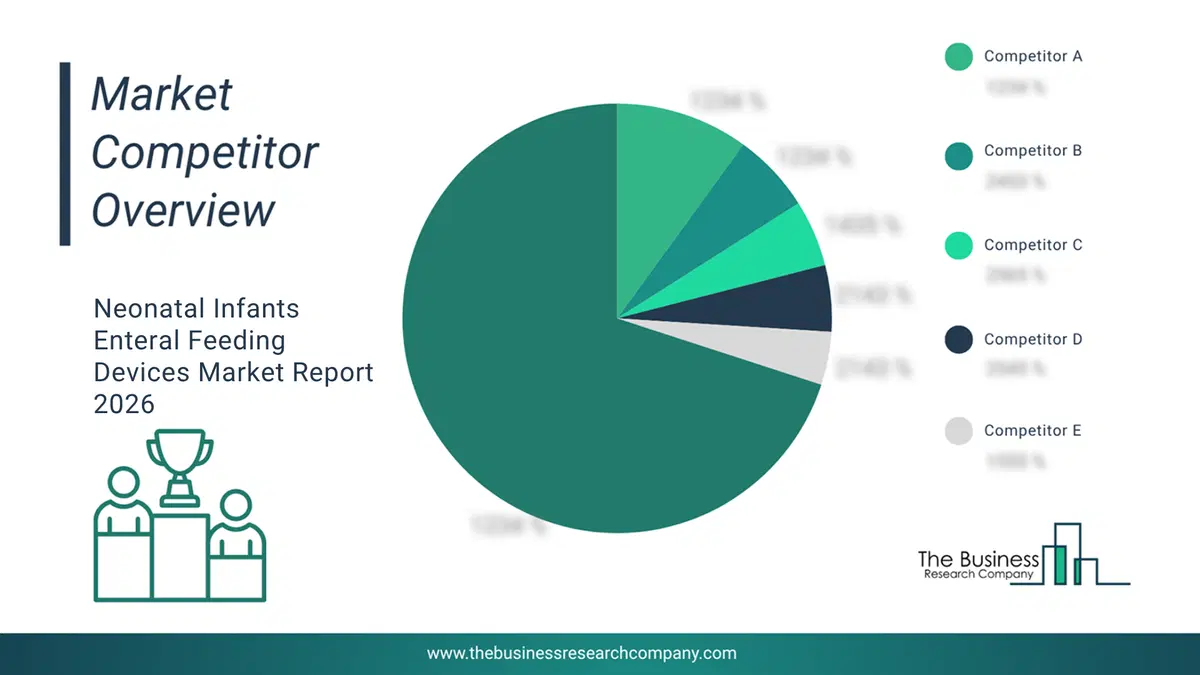
This chart is for illustrative purposes; the full report includes a detailed competitor analysis and comprehensive overview of the top 10 companies in the market.
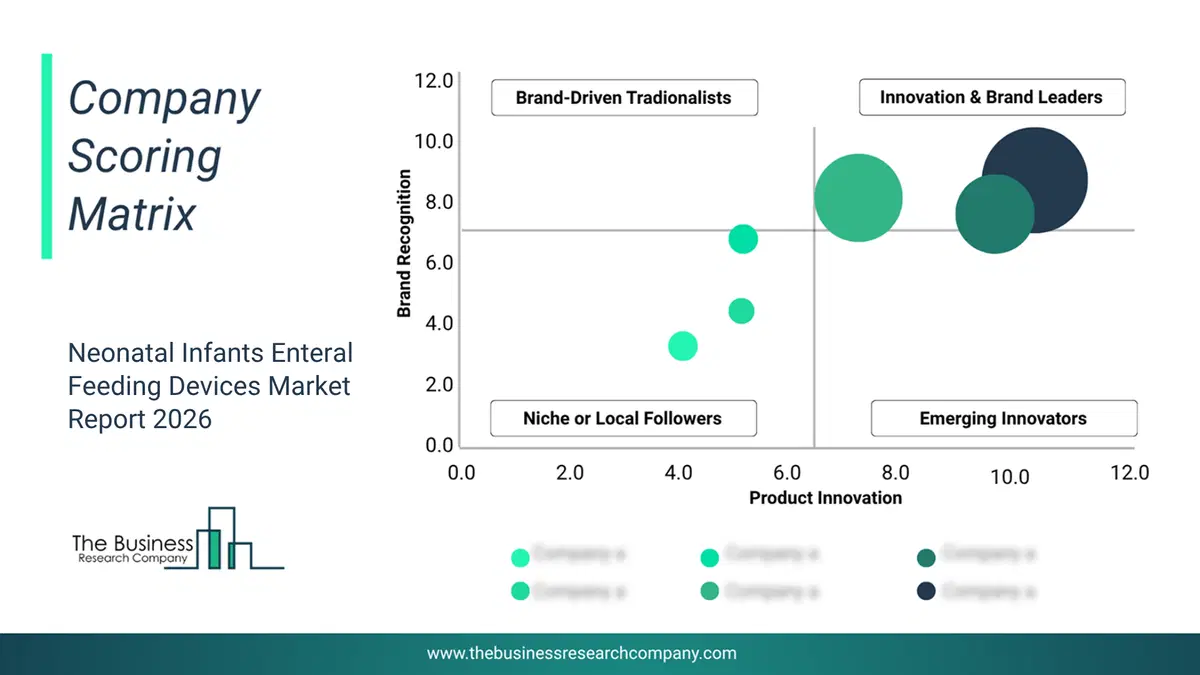
This chart maps companies by product innovation and brand strength, with bubble size indicating relative revenue, helping identify market leaders, challengers, and niche players. This is an illustrative chart; the full report provides a complete and accurate competitive analysis.
Global Neonatal Infants Enteral Feeding Devices Market Trends and Insights
Major companies operating in the neonatal infant enteral feeding devices market are developing products with advanced technologies such as real-time assessment technology, to monitor feeding and ensure optimal nutrition, thereby reducing the risk of complications. Real-time assessment technology in infant enteral feeding devices improves feeding precision, enhances safety, facilitates early issue detection, supports data-driven decisions, involves parents, and increases overall efficiency in neonatal care. For instance, in August 2023, Cardinal Health, a US-based healthcare services and products company, launched its next-generation NTrainer System 2.0, a medical device designed to help premature and newborn infants develop oral coordination skills necessary for transitioning to independent feeding faster. The NTrainer System 2.0 is the only FDA Class II biofeedback device that helps newborns and infants born prematurely develop their non-nutritive sucking (NNS) skills needed for independent oral feeding. The device utilizes real-time assessment technology to provide clinicians with objective data to track an infant's progress in developing pre-feeding skills.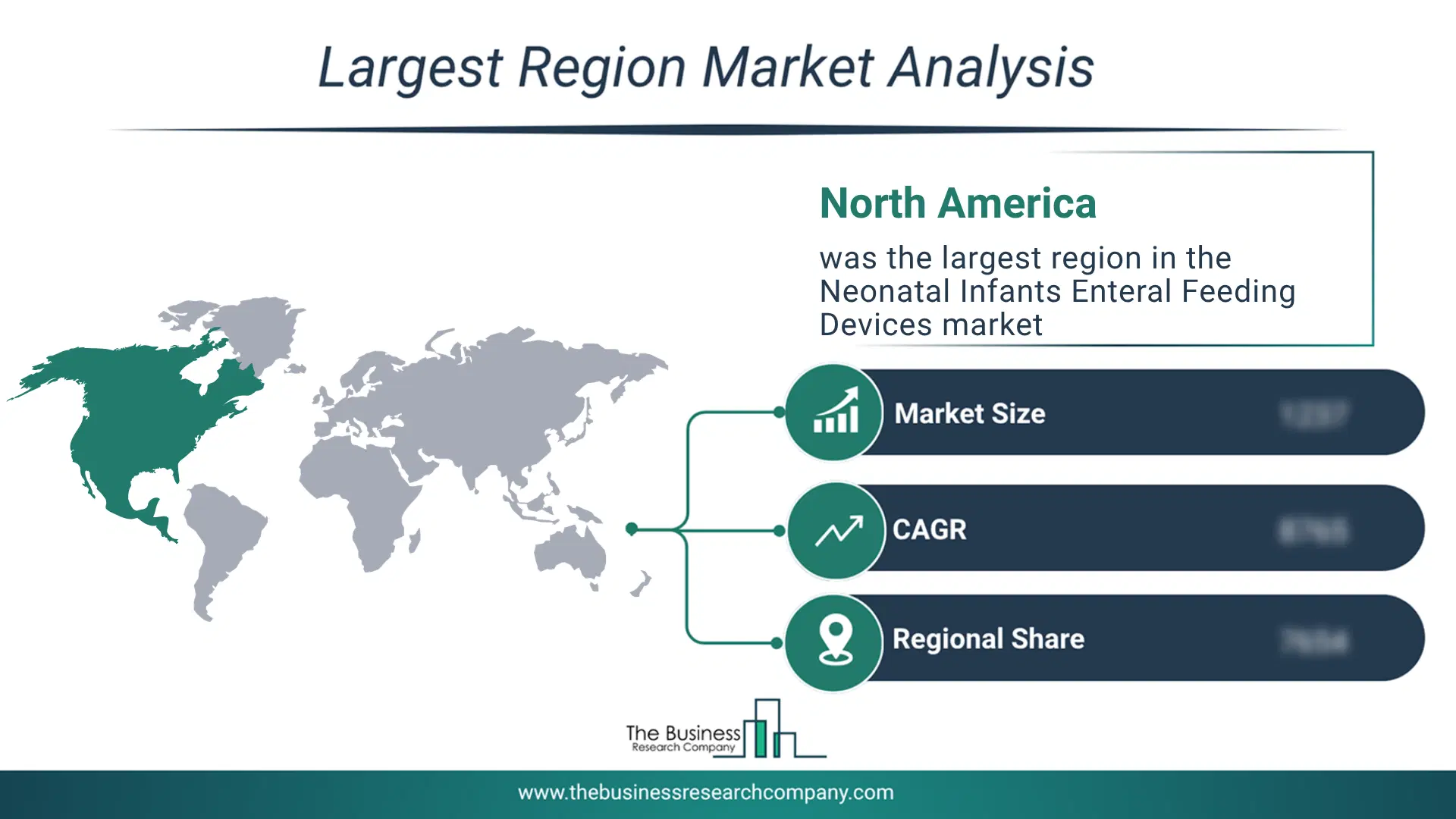
Regional Outlook
North America was the largest region in the neonatal infants enteral feeding devices market in 2025. The regions covered in this market report are Asia-Pacific, South East Asia, Western Europe, Eastern Europe, North America, South America, Middle East, Africa. The countries covered in this market report are Australia, Brazil, China, France, Germany, India, Indonesia, Japan, Taiwan, Russia, South Korea, UK, USA, Canada, Italy, SpainWhat Defines the Neonatal Infants Enteral Feeding Devices Market?
The neonatal infants enteral feeding devices market consists of sales of nasogastric tubes, orogastric tubes, specialized feeding pumps, and accessories for delivering nutrition to newborns who cannot feed orally. Values in this market are ‘factory gate’ values, that is the value of goods sold by the manufacturers or creators of the goods, whether to other entities (including downstream manufacturers, wholesalers, distributors and retailers) or directly to end customers. The value of goods in this market includes related services sold by the creators of the goods.How is Market Value Defined and Measured?
The market value is defined as the revenues that enterprises gain from the sale of goods and/or services within the specified market and geography through sales, grants, or donations in terms of the currency (in USD unless otherwise specified). The revenues for a specified geography are consumption values that are revenues generated by organizations in the specified geography within the market, irrespective of where they are produced. It does not include revenues from resales along the supply chain, either further along the supply chain or as part of other products.
This chart presents market attractiveness based on a quantitative evaluation of growth, competition, strategic alignment, and risk, offering a clear view of opportunity areas for decision-making. This chart is for illustrative purposes; the full report contains the complete analysis.

This chart highlights the Total Addressable Market (TAM) by estimating the maximum revenue opportunity using an assumption-driven approach, supporting strategic planning and opportunity sizing across markets. The chart is illustrative; the full report provides a more comprehensive analysis.
What Key Data and Analysis Are Included in the Neonatal Infants Enteral Feeding Devices Market Report 2026?
The neonatal infants enteral feeding devices market research report is one of a series of new reports from The Business Research Company that provides market statistics, including industry global market size, regional shares, competitors with the market share, detailed market segments, market trends and opportunities, and any further data you may need to thrive in the neonatal infants enteral feeding devices industry. The market research report delivers a complete perspective of everything you need, with an in-depth analysis of the current and future state of the industry.Neonatal Infants Enteral Feeding Devices Market Report Forecast Analysis
| Report Attribute | Details |
|---|---|
| Market Size Value In 2026 | $2.31 billion |
| Revenue Forecast In 2030 | $2.59 billion |
| Growth Rate | CAGR of 2.9% from 2026 to 2030 |
| Base Year For Estimation | 2025 |
| Actual Estimates/Historical Data | 2020-2025 |
| Forecast Period | 2026 - 2030 |
| Market Representation | Revenue in USD Billion and CAGR from 2026 to 2030 |
| Segments Covered | Product Type, Material, Size |
| Regional Scope | Asia-Pacific, Western Europe, Eastern Europe, North America, South America, Middle East, Africa |
| Country Scope | The countries covered in the report are Australia, Brazil, China, France, Germany, India, Indonesia, Japan, Taiwan, Russia, South Korea, UK, USA, Canada, Italy, Spain. |
| Key Companies Profiled | Cardinal Health Inc., Abbott Inc., Medtronic Plc, Kimberly-Clark Corporation, Becton Dickinson and Company, Fresenius Kabi AG, Terumo Corporation, B. Braun Melsungen AG, Cook Medical Inc., Teleflex Incorporated, ConvaTec Inc., Hollister Incorporated, Avanos Medical Inc., Amsino International Inc., Nutricia, Vygon SA, Applied Medical Technology Inc., Moog Inc., Wellspect Healthcare, Qosina Corporation |
| Customization Scope | Request for Customization |
| Pricing And Purchase Options | Explore Purchase Options |