

Peripheral T-Cell Lymphoma Market Report 2026
Global Outlook – By Type (Peripheral T-Cell Lymphoma Not Otherwise Specified (PTCL-NOS), Angioimmunoblastic T- Cell Lymphoma (AITL), Anaplastic Large Cell Lymphoma (ALCL), Adult T- Cell Leukaemia Or Lymphoma (ATLL), Enteropathy-Associated T- Cell Lymphoma (EATL), Hepatosplenic T- Cell Lymphoma, Other Types), By Treatment Type (Chemotherapy, Target Therapy, Immunotherapy, Stem Cell Therapy, Radiation Therapy), By Drug Class (Histone Deacetylase (HDAC) Inhibitors, Monoclonal Antibodies, Alkylating Angents, Antimetabolites, Other Drug Class), By Route Of Administration (Oral, Injectable), By End-User (Hospitals, Specialty Clinics, Ambulatory Surgical Center, Research Institute) - Market Size, Trends, Strategies, and Forecast to 2030
Peripheral T-Cell Lymphoma Market Overview
• Peripheral T-Cell Lymphoma market size has reached to $0.62 billion in 2025 • Expected to grow to $0.81 billion in 2030 at a compound annual growth rate (CAGR) of 5.3% • Growth Driver: Rising Lymphoma Incidence Driving Growth In The Market • Market Trend: Innovative Product Development In The Market • North America was the largest region in 2025 and Asia-Pacific is the fastest growing region.What Is Covered Under Peripheral T-Cell Lymphoma Market?
Peripheral T-cell lymphoma (PTCL) refers to a group of aggressive non-Hodgkin lymphomas that originate in mature T-cells, a type of white blood cell essential for immune function. PTCL can affect lymph nodes, spleen, bone marrow, liver, and other organs. Symptoms often include swollen lymph nodes, fever, night sweats, unexplained weight loss, skin rashes, and persistent fatigue. The main types of peripheral T-cell lymphoma are peripheral T-cell lymphoma not otherwise specified (PTCL-NOS), angioimmunoblastic T-cell lymphoma (AITL), anaplastic large cell lymphoma (ALCL), adult T-cell leukemia/lymphoma (ATLL), enteropathy-associated T-cell lymphoma (EATL), hepatosplenic T-cell lymphoma, and other types. PTCL-NOS is a type of cancer that originates from mature T-cells, a kind of white blood cell, and does not fit into other specific categories. The treatment types include chemotherapy, targeted therapy, immunotherapy, stem cell therapy, and radiation therapy. The drugs are classified into histone deacetylase (HDAC) inhibitors, monoclonal antibodies, alkylating agents, antimetabolites, and other drug classes. These drugs are administered through various routes, such as oral and injectable, and are used by various end users, including hospitals, specialty clinics, ambulatory surgical centers, and research institutes.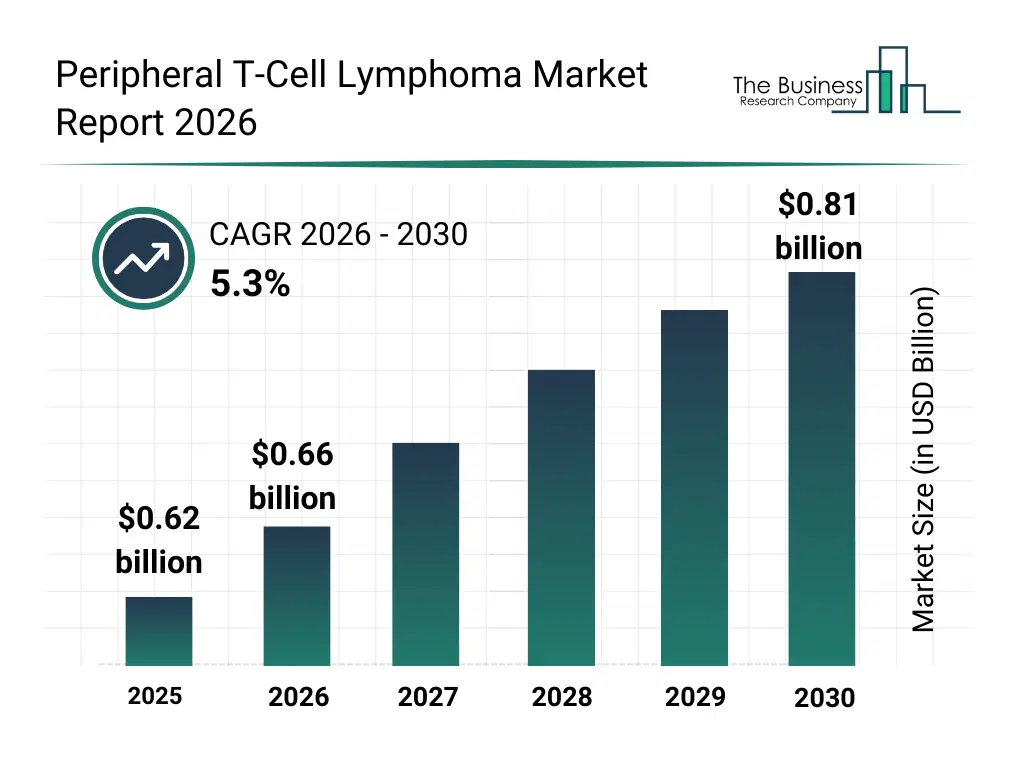
What Is The Peripheral T-Cell Lymphoma Market Size and Share 2026?
The peripheral t-cell lymphoma market size has grown strongly in recent years. It will grow from $0.62 billion in 2025 to $0.66 billion in 2026 at a compound annual growth rate (CAGR) of 5.5%. The growth in the historic period can be attributed to limited availability of targeted therapies, reliance on chemotherapy regimens, high disease aggressiveness, late-stage diagnosis, inadequate patient monitoring infrastructure.What Is The Peripheral T-Cell Lymphoma Market Growth Forecast?
The peripheral t-cell lymphoma market size is expected to see strong growth in the next few years. It will grow to $0.81 billion in 2030 at a compound annual growth rate (CAGR) of 5.3%. The growth in the forecast period can be attributed to advancements in immunotherapy and targeted therapy, increasing adoption of stem cell therapy, growing use of monoclonal antibodies and hdac inhibitors, rising availability of injectable and oral formulations, expansion of specialty clinics and research institutes. Major trends in the forecast period include increasing adoption of ai-based diagnostic and prognostic tools, rising application of genomics and precision medicine in ptcl treatment, growing use of big data analytics and cloud platforms for clinical decision support, increasing integration of industry 4.0 technologies in ptcl drug development, rising deployment of iot-enabled patient monitoring systems.
Global Peripheral T-Cell Lymphoma Market Segmentation
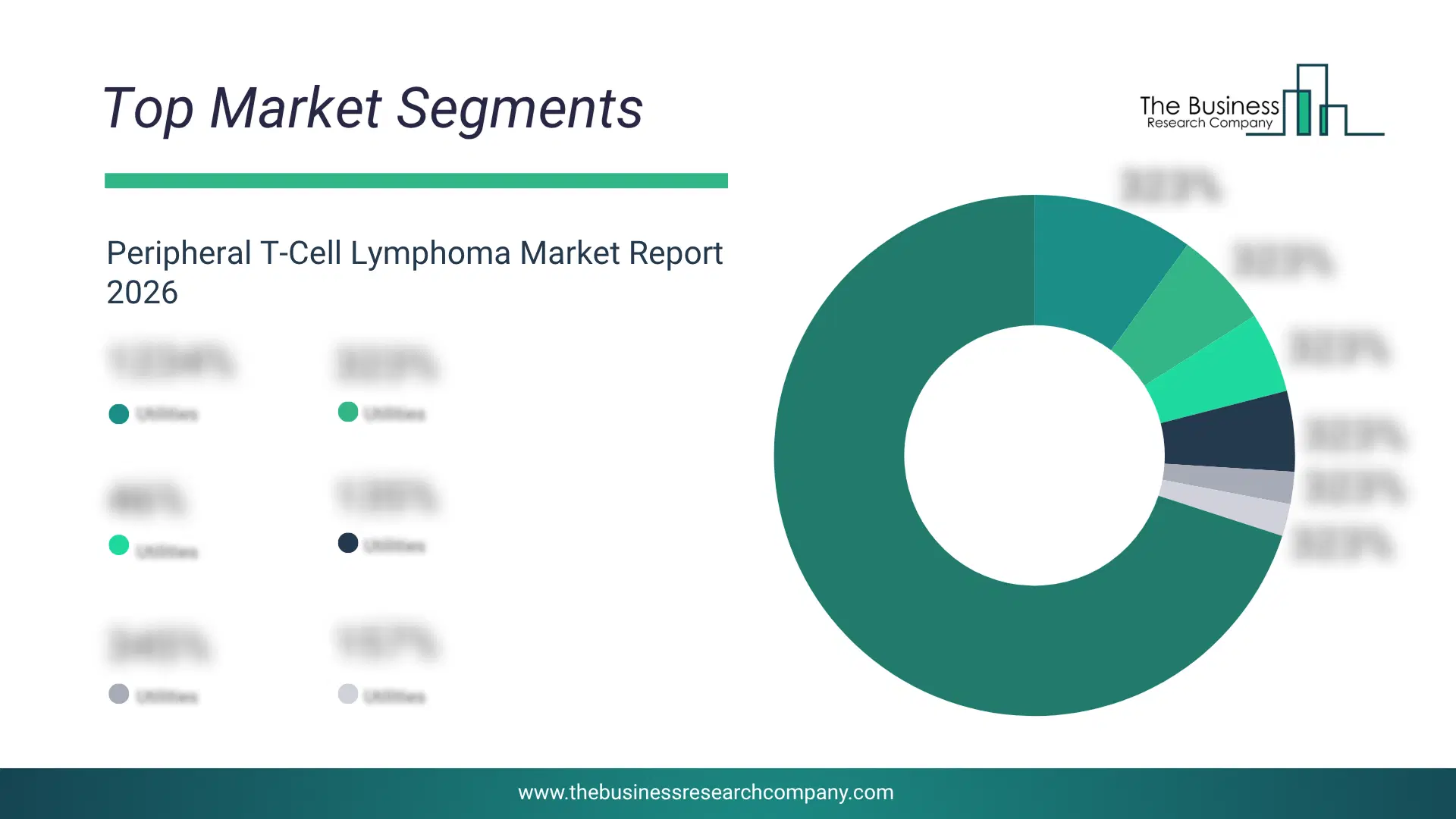
1) By Type: Peripheral T-Cell Lymphoma Not Otherwise Specified (PTCL-NOS), Angioimmunoblastic T- Cell Lymphoma (AITL), Anaplastic Large Cell Lymphoma (ALCL), Adult T- Cell Leukaemia Or Lymphoma (ATLL), Enteropathy-Associated T- Cell Lymphoma (EATL), Hepatosplenic T- Cell Lymphoma, Other Types 2) By Treatment Type: Chemotherapy, Target Therapy, Immunotherapy, Stem Cell Therapy, Radiation Therapy 3) By Drug Class: Histone Deacetylase (HDAC) Inhibitors, Monoclonal Antibodies, Alkylating Angents, Antimetabolites, Other Drug Class 4) By Route Of Administration: Oral, Injectable 5) By End-User: Hospitals, Specialty Clinics, Ambulatory Surgical Center, Research Institute Subsegments: 1) By Peripheral T-Cell Lymphoma Not Otherwise Specified (PTCL-NOS): Cutaneous PTCL, Systemic PTCL 2) By Angioimmunoblastic T-Cell Lymphoma (AITL): Classical AITL, Variant AITL 3) By Anaplastic Large Cell Lymphoma (ALCL): Systemic ALCL, Cutaneous ALCL 4) By Adult T-Cell Leukaemia Or Lymphoma (ATLL): Acute ATLL, Chronic ATLL, Smoldering ATLL, Lymphoma Type ATLL 5) By Enteropathy-Associated T-Cell Lymphoma (EATL): Type 1 EATL, Type 2 EATL 6) By Hepatosplenic T-Cell Lymphoma: Hepatic Type, Splenic Type 7) By Other Types: Subcutaneous T-Cell Lymphoma, Lymphomatoid GranulomatosisWhat Is The Driver Of The Peripheral T-Cell Lymphoma Market?
The high incidence of lymphoma is expected to propel the growth of the peripheral T-cell lymphoma market going forward. Lymphoma refers to a type of cancer that begins in the lymphatic system, which is part of the body's immune system. The high incidence of lymphoma is attributed to genetic predisposition, environmental exposures, viral infections such as Epstein-Barr virus, immunodeficiency conditions, and lifestyle factors including smoking and obesity. Peripheral T-cell lymphoma (PTCL) contributes to lymphoma progression by originating from mature T-cells, leading to aggressive disease behavior, immune system dysregulation, and reduced treatment responsiveness compared to other lymphoma subtypes. For instance, according to the American Cancer Society Facts and Figures, a US-based professional organizations company, the estimated number of new non-Hodgkin lymphoma cases was 80,550 in 2023 and 80,550 in 2024. Therefore, the high incidence of lymphoma is driving the growth of the peripheral T-cell lymphoma industry.Key Players In The Global Peripheral T-Cell Lymphoma Market
Major companies operating in the peripheral t-cell lymphoma market are Pfizer Inc., Johnson & Johnson, Bristol Myers Squibb Company, AstraZeneca plc, Novartis AG, Eli Lilly and Company, Eisai Co. Ltd., Kyowa Kirin Co. Ltd., Takeda Pharmaceutical Company Limited, BeiGene Ltd., Daiichi Sankyo Company Limited, Zymeworks Inc., Genor Biopharma Co. Ltd., Kura Oncology Inc., Spectrum Pharmaceuticals Inc., Verastem Inc., Astellas Pharma Inc., Autolus Therapeutics plc, Seagen Inc., Amgen Inc., Roche Holding AG, Gilead Sciences Inc.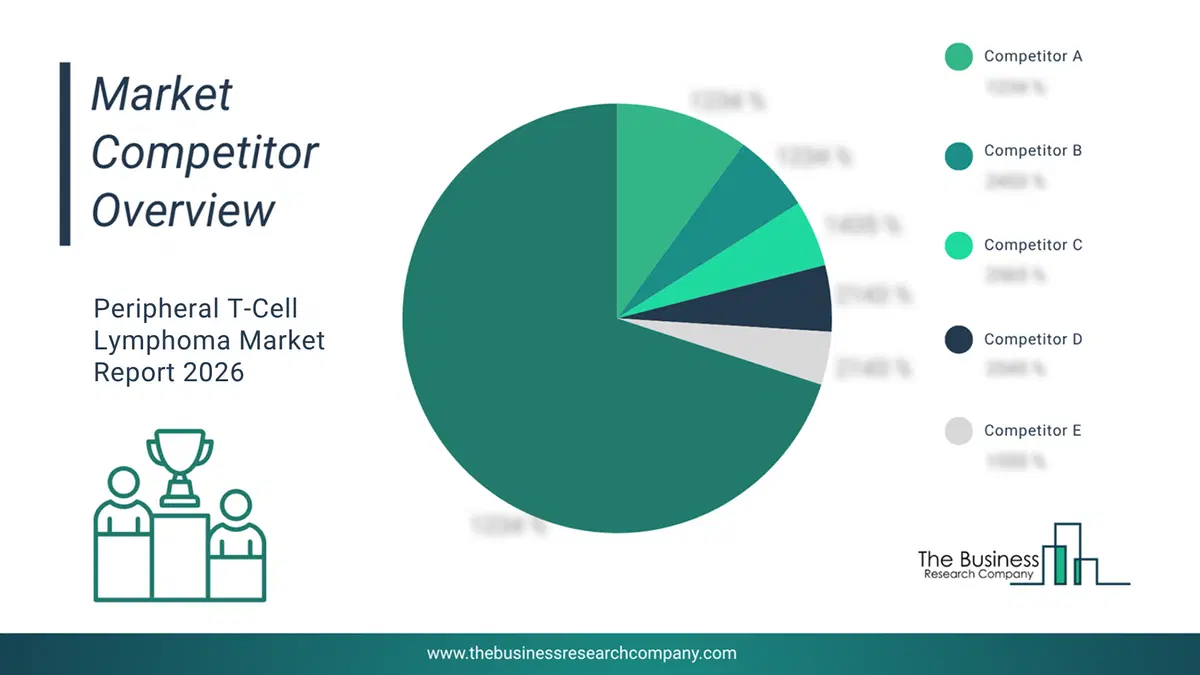
This chart is for illustrative purposes; the full report includes a detailed competitor analysis and comprehensive overview of the top 10 companies in the market.
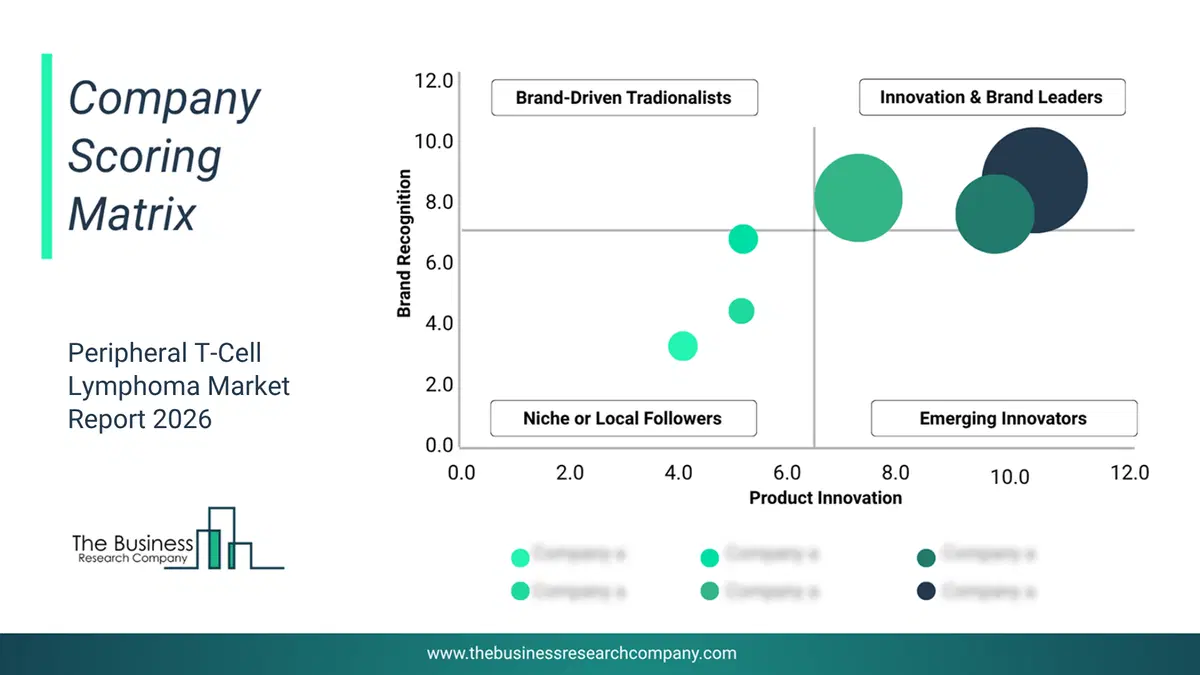
This chart maps companies by product innovation and brand strength, with bubble size indicating relative revenue, helping identify market leaders, challengers, and niche players. This is an illustrative chart; the full report provides a complete and accurate competitive analysis.
Global Peripheral T-Cell Lymphoma Market Trends and Insights
Major companies operating in the peripheral T-cell lymphoma market are focusing on developing innovative products such as dihydrofolate reductase inhibitor to enhance treatment efficacy and improve patient outcomes. A dihydrofolate reductase inhibitor is a type of drug that blocks the activity of the enzyme dihydrofolate reductase, which is essential for DNA synthesis and cell replication. For instance, in December 2024, Fresenius Kabi AG, a Germany-based pharmaceutical company, introduced Pralatrexate Injection, a generic equivalent to Folotyn for the treatment of relapsed or refractory peripheral T-cell lymphoma. This launch expands the company’s oncology portfolio, providing clinicians and patients with a high-quality, cost-effective treatment option. The injection is available in 20 mg/1 mL and 40 mg/2 mL single-dose vials. It is approved under accelerated approval based on overall response rate, with continued approval contingent upon confirmatory trials.What Are Latest Mergers And Acquisitions In The Peripheral T-Cell Lymphoma Market?
In August 2024, Citius Pharmaceuticals Inc., a US-based pharmaceutical company, that specializes in providing treatment for relapsed or refractory (r/r) cutaneous T-cell lymphoma (CTCL), merged with TenX Keane acquisition to form Citius Oncology Inc. With this merger, Citius Oncology Inc. aims to become a standalone oncology-focused company, advancing the commercialization of Lymphir and expanding its oncology pipeline. TenX Keane Acquisition Corp. is a US-based company that focuses to raise capital through an initial public offering (IPO) with the intent of acquiring an existing business or merging.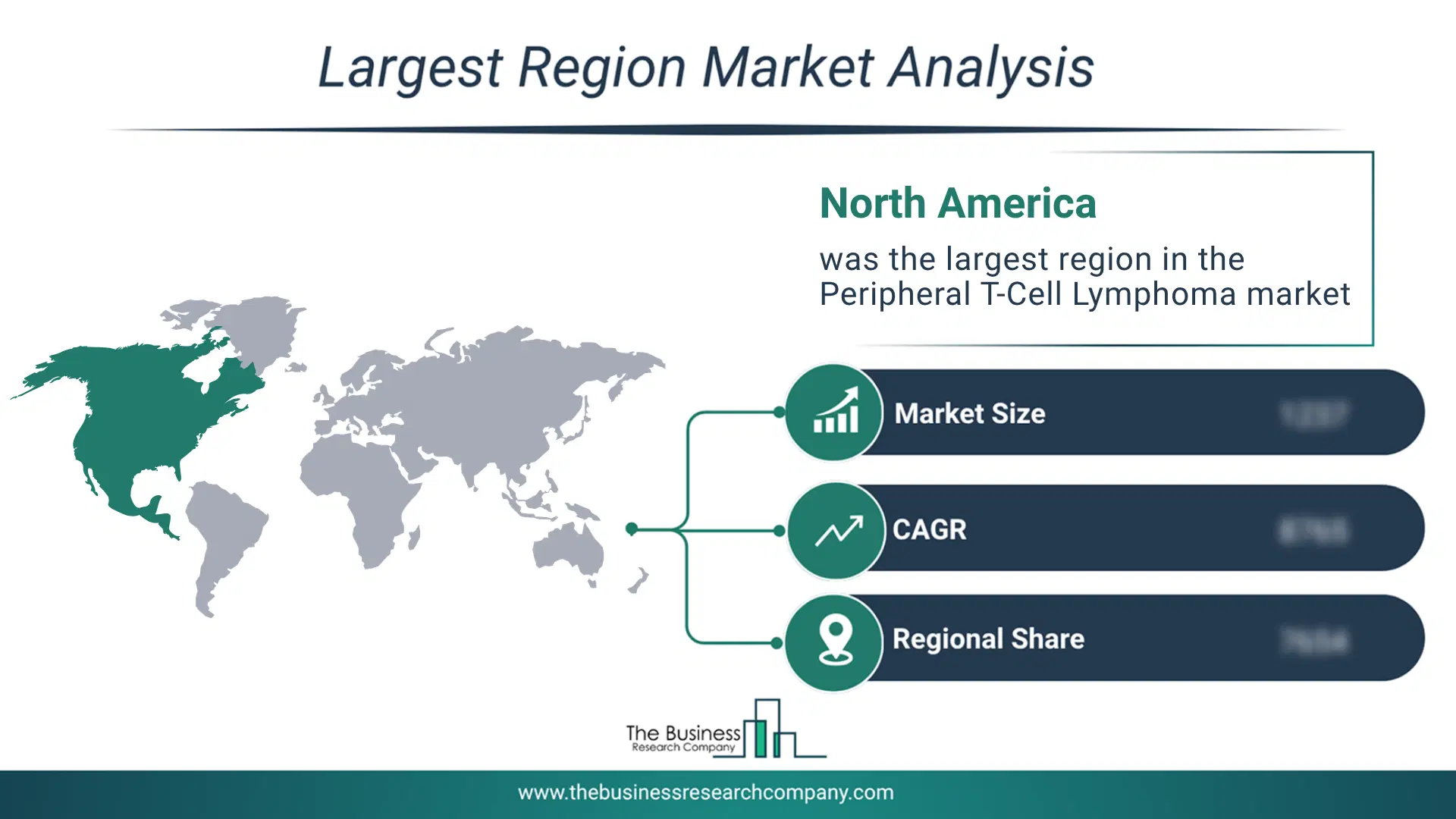
Regional Outlook
North America was the largest region in the peripheral T-cell lymphoma market in 2025. Asia-Pacific is expected to be the fastest-growing region in the forecast period. The regions covered in this market report are Asia-Pacific, South East Asia, Western Europe, Eastern Europe, North America, South America, Middle East, Africa. The countries covered in this market report are Australia, Brazil, China, France, Germany, India, Indonesia, Japan, Taiwan, Russia, South Korea, UK, USA, Canada, Italy, Spain.What Defines the Peripheral T-Cell Lymphoma Market?
The peripheral T-cell lymphoma market consists of revenues earned by entities by providing services such as diagnosis and screening services, treatment services, hospital and specialty care services, clinical trials and research services. The market value includes the value of related goods sold by the service provider or included within the service offering. The peripheral T-cell lymphoma market also includes sales of corticosteroids, anthracyclines, vinca alkaloids, and topoisomerase inhibitors. Values in this market are ‘factory gate’ values, that is the value of goods sold by the manufacturers or creators of the goods, whether to other entities (including downstream manufacturers, wholesalers, distributors and retailers) or directly to end customers. The value of goods in this market includes related services sold by the creators of the goods.How is Market Value Defined and Measured?
The market value is defined as the revenues that enterprises gain from the sale of goods and/or services within the specified market and geography through sales, grants, or donations in terms of the currency (in USD unless otherwise specified). The revenues for a specified geography are consumption values that are revenues generated by organizations in the specified geography within the market, irrespective of where they are produced. It does not include revenues from resales along the supply chain, either further along the supply chain or as part of other products.
This chart presents market attractiveness based on a quantitative evaluation of growth, competition, strategic alignment, and risk, offering a clear view of opportunity areas for decision-making. This chart is for illustrative purposes; the full report contains the complete analysis.

This chart highlights the Total Addressable Market (TAM) by estimating the maximum revenue opportunity using an assumption-driven approach, supporting strategic planning and opportunity sizing across markets. The chart is illustrative; the full report provides a more comprehensive analysis.
What Key Data and Analysis Are Included in the Peripheral T-Cell Lymphoma Market Report 2026?
The peripheral t-cell lymphoma market research report is one of a series of new reports from The Business Research Company that provides market statistics, including industry global market size, regional shares, competitors with the market share, detailed market segments, market trends and opportunities, and any further data you may need to thrive in the peripheral t-cell lymphoma industry. The market research report delivers a complete perspective of everything you need, with an in-depth analysis of the current and future state of the industry.Peripheral T-Cell Lymphoma Market Report Forecast Analysis
| Report Attribute | Details |
|---|---|
| Market Size Value In 2026 | $0.66 billion |
| Revenue Forecast In 2030 | $0.81 billion |
| Growth Rate | CAGR of 5.3% from 2026 to 2030 |
| Base Year For Estimation | 2025 |
| Actual Estimates/Historical Data | 2020-2025 |
| Forecast Period | 2026 - 2030 |
| Market Representation | Revenue in USD Billion and CAGR from 2026 to 2030 |
| Segments Covered | Type, Treatment Type, Drug Class, Route Of Administration, End-User |
| Regional Scope | Asia-Pacific, Western Europe, Eastern Europe, North America, South America, Middle East, Africa |
| Country Scope | The countries covered in the report are Australia, Brazil, China, France, Germany, India, Indonesia, Japan, Taiwan, Russia, South Korea, UK, USA, Canada, Italy, Spain |
| Key Companies Profiled | Pfizer Inc., Johnson & Johnson, Bristol Myers Squibb Company, AstraZeneca plc, Novartis AG, Eli Lilly and Company, Eisai Co. Ltd., Kyowa Kirin Co. Ltd., Takeda Pharmaceutical Company Limited, BeiGene Ltd., Daiichi Sankyo Company Limited, Zymeworks Inc., Genor Biopharma Co. Ltd., Kura Oncology Inc., Spectrum Pharmaceuticals Inc., Verastem Inc., Astellas Pharma Inc., Autolus Therapeutics plc, Seagen Inc., Amgen Inc., Roche Holding AG, Gilead Sciences Inc. |
| Customization Scope | Request for Customization |
| Pricing And Purchase Options | Explore Purchase Options |