
Poly-L-Lactic Acid (PLA) Thread Lift Market Report 2026
Global Outlook – By Product Type (Barbed Threads, Smooth Threads, Screw Threads, Other Product Types), By Application (Face Lift, Neck Lift, Nose Lift, Eyebrow Lift, Other Applications), By End User (Hospitals, Ambulatory Surgical Centers, Specialty Clinics, Other End Users) – Market Size, Trends, Strategies, and Forecast to 2030
Poly-L-Lactic Acid (PLA) Thread Lift Market Overview
• Poly-L-Lactic Acid (PLA) Thread Lift market size has reached to $1.49 billion in 2025 • Expected to grow to $3.17 billion in 2030 at a compound annual growth rate (CAGR) of 16.2% • Growth Driver: Increasing Demand For Minimally Invasive Aesthetic Procedures Fueling The Growth Of The Market Due To Shorter Recovery Times And Reducing Risks • North America was the largest region in 2025.Market Gains By 2030 – Top Opportunities By Segment
Market Gain identifies the most promising market opportunities by highlighting the segments or products expected to generate the highest incremental revenue growth over the next five years.
What Is Covered Under Poly-L-Lactic Acid (PLA) Thread Lift Market?
A poly-L-lactic acid (PLA) thread lift is a minimally invasive cosmetic procedure that uses biodegradable threads made from poly-L-lactic acid to lift and tighten sagging skin. The threads not only provide immediate support but also stimulate collagen production for longer-lasting rejuvenation. As the threads dissolve naturally, they leave the skin with improved elasticity and a more youthful appearance. The main product types of poly-L-lactic acid (PLA) thread lift are barbed threads, smooth threads, screw threads, and other product types. Barbed threads are specialized threads with tiny hooks that anchor into the skin, enabling effective lifting and contouring of sagging tissues. It finds applications in face lifts, neck lifts, nose lifts, eyebrow lifts, and other indications, serving end-users such as hospitals, ambulatory surgical centers, specialty clinics, and others.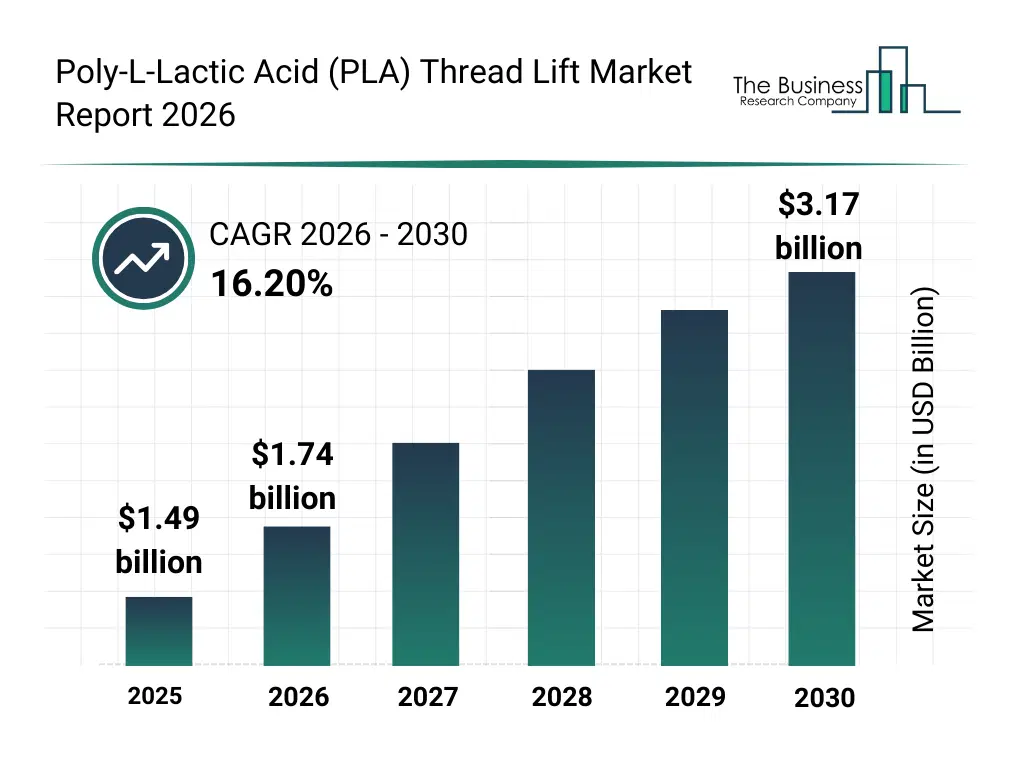
What Is The Poly-L-Lactic Acid (PLA) Thread Lift Market Size and Share 2026?
The poly-l-lactic acid (pla) thread lift market size has grown rapidly in recent years. It will grow from $1.49 billion in 2025 to $1.74 billion in 2026 at a compound annual growth rate (CAGR) of 16.5%. The growth in the historic period can be attributed to growing demand for minimally invasive cosmetic procedures, technological improvements in thread materials, rising aesthetic awareness, increased disposable income, availability of specialized clinics.What Is The Poly-L-Lactic Acid (PLA) Thread Lift Market Growth Forecast?
The poly-l-lactic acid (pla) thread lift market size is expected to see rapid growth in the next few years. It will grow to $3.17 billion in 2030 at a compound annual growth rate (CAGR) of 16.2%. The growth in the forecast period can be attributed to development of new thread types, personalized cosmetic procedures, expansion of outpatient and specialty clinics, AI-assisted procedure planning, partnerships between aesthetic device manufacturers and clinics. Major trends in the forecast period include barbed threads, smooth threads, screw threads, combination threads, absorbable threads.
Global Poly-L-Lactic Acid (PLA) Thread Lift Market Segmentation
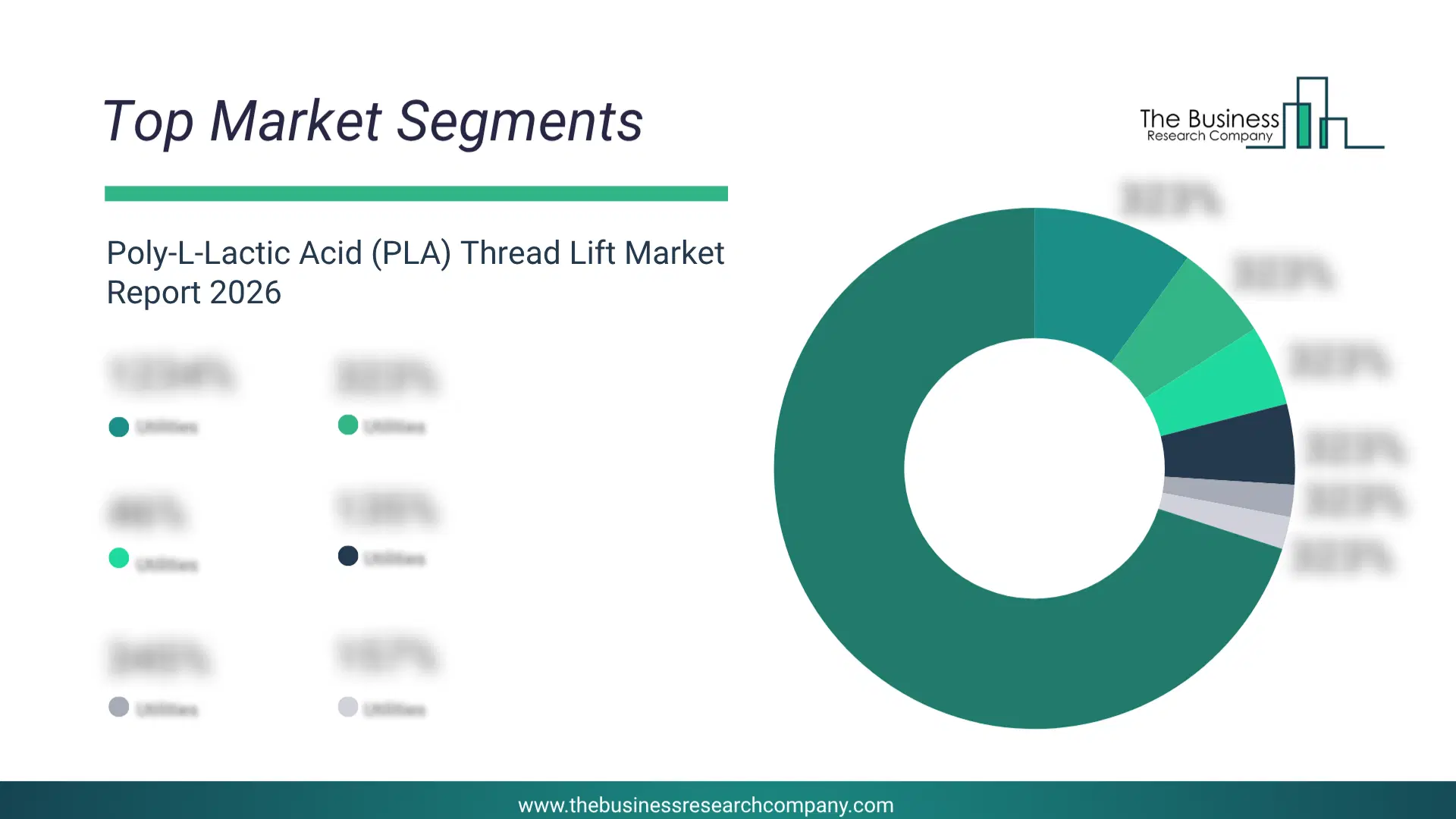
1) By Product Type: Barbed Threads, Smooth Threads, Screw Threads, Other Product Types 2) By Application: Face Lift, Neck Lift, Nose Lift, Eyebrow Lift, Other Applications 3) By End User: Hospitals, Ambulatory Surgical Centers, Specialty Clinics, Other End Users Subsegments: 1) By Barbed Threads: Mono Threads, Cog Threads, Spiral Threads, Anchor Threads 2) By Smooth Threads: Monofilament Threads, Twisted Threads, Braided Threads, Polished Threads 3) By Screw Threads: Single Helix Threads, Double Helix Threads, Triple Helix Threads, Barrel Threads 4) By Other Product Types: Combination Threads, Absorbable Threads, Specialty Threads The top segments in the poly-l-lactic acid (pla) thread lift market will be: • Barbed Threads will reach $0.76 Billion by 2030. • Smooth Threads will reach $0.38 Billion by 2030. • Screw Threads will reach $0.28 Billion by 2030. • Other Product Types will reach $0.19 Billion by 2030.What Are The Drivers Of The Poly-L-Lactic Acid (PLA) Thread Lift Market?
The increasing demand for minimally invasive aesthetic procedures is expected to propel the growth of the poly-L-lactic acid (PLA) thread lift market going forward. Minimally invasive aesthetic procedures are treatments that improve appearance using small tools or injections, causing little pain, no large cuts, and a quick recovery. The demand for minimally invasive aesthetic procedures is increasing due to their ability to offer shorter recovery times, reduced risks of complications, less pain, and smaller scars, making them more appealing to patients seeking quicker and safer treatment options. Poly-L-Lactic Acid (PLA) Thread Lift enhances minimally invasive aesthetic procedures by providing effective skin lifting and tightening without surgery. It stimulates collagen production, improving skin firmness and elasticity, and offers a convenient solution for facial rejuvenation with minimal downtime. For instance, in November 2024, according to the American Society of Plastic Surgeons, a US-based non-profit organization, the total number of cosmetic minimally invasive procedures reached 25,442,640 in 2023, marking a 7% increase from 23,672,269 in 2022. Therefore, the increasing demand for minimally invasive aesthetic procedures is driving the growth of the poly-L-lactic acid (PLA) thread lift industry. The rising medical tourism is expected to propel the growth of the poly-L-lactic acid (PLA) thread lift market going forward. Medical tourism refers to the practice of traveling to another country specifically to receive medical treatment or procedures. Medical tourism is increasing due to cost advantages, as patients can access high-quality cosmetic procedures at significantly lower prices. Medical tourism enhances poly-L-lactic acid (PLA) thread lift adoption by providing patients access to affordable, high-quality cosmetic procedures abroad. It offers opportunities for skilled treatment with modern facilities, improving accessibility and convenience for international patients seeking minimally invasive aesthetic solutions. For instance, in January 2025, according to survey study comprising records of 2364 patients referred from public hospitals for medical treatment abroad during the period 2022-2023 by the National Center for Biotechnology Information (NCBI), a division of the US-based National Library of Medicine (NLM), around 431,000 UK residents traveled abroad for medical treatment in 2023, an increase from 348,000 in 2022. Therefore, the rising medical tourism is driving the growth of the poly-L-lactic acid (PLA) thread lift industry. The increasing healthcare expenditure is expected to propel the growth of the poly-L-lactic acid (PLA) thread lift market going forward. Healthcare expenditure refers to the total amount of money spent on medical services, treatments, facilities, research, and public health initiatives to maintain or improve health outcomes. The increasing demand for healthcare expenditure is due to the rising prevalence of chronic diseases, which require long-term and costly treatments. Rising healthcare expenditure enhances poly-L-lactic acid (PLA) thread lift adoption by increasing consumer spending on elective cosmetic procedures. It enables more patients to afford minimally invasive aesthetic treatments, supporting market growth and wider accessibility of PLA thread lifts. For instance, in May 2024, according to the Office for National Statistics, a UK-based government department, total healthcare expenditure saw a 5.6% increase in nominal terms in 2023, an increase of 0.9% growth compared to 2022. Therefore, the increasing healthcare expenditure is driving the growth of the poly-L-lactic acid (PLA) thread lift industry.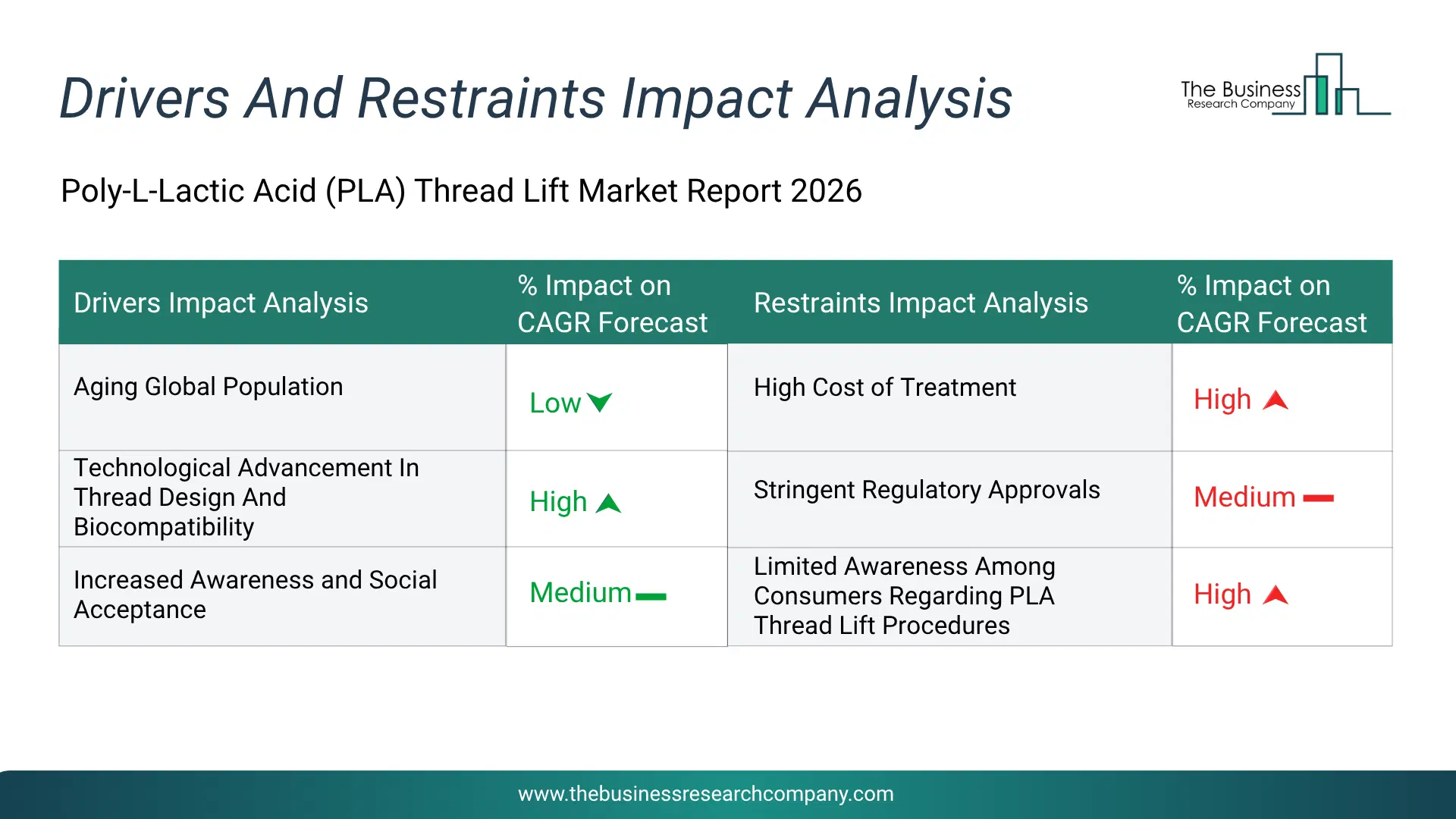
Infographic Chart Showing Key Market Drivers Analysis And Restraints For Poly-L-Lactic Acid (Pla) Thread Lift Market
The chart presents an impact analysis of key drivers and restraints, quantifying their relative influence on the market's growth rate and helping assess the balance between growth enablers and limiting factors. This chart offers a high-level perspective; the full report contains more detailed insights.
How Will The Drivers Impact Growth In The Global Poly-L-Lactic Acid (PLA) Thread Lift Market?
• Aging Global Population (Low) – During the forecast period, the aging global population is expected to become a key growth driver for the poly-l-lactic acid (PLA) thread lift market by 2030. The growing elderly population is increasing the demand for effective anti-aging treatments as age-related skin laxity, wrinkles, and facial volume loss become more common. PLA thread lifts offer a minimally invasive solution with long-lasting collagen stimulation, making them an attractive alternative to surgical facelifts. • Technological Advancement In Thread Design And Biocompatibility (High) – During the forecast period, the technological advancement in thread design and biocompatibility is expected to emerge as a major factor driving the expansion of the poly-l-lactic acid (PLA) thread lift market by 2030. Technological advancements in thread design and biocompatibility are significantly driving the growth of the poly-L-lactic acid (PLA) thread lift market by improving both treatment outcomes and patient confidence. Modern PLA threads are designed with enhanced structures, such as barbed, cogged, screw, and multi-directional configurations, allowing practitioners to achieve stronger lifting effects, better tissue anchoring, and more natural facial contouring. These innovations provide improved precision during placement while reducing the risk of thread migration or breakage. At the same time, advancements in biocompatible PLA materials enable the threads to integrate safely with surrounding tissues and gradually dissolve without causing significant inflammation or adverse reactions. As the threads degrade, they stimulate collagen production more effectively, extending skin tightening and rejuvenation benefits well beyond the initial lifting effect. Improved manufacturing processes also ensure greater consistency, strength, and flexibility, making procedures safer and more predictable. Enhanced thread durability reduces the need for frequent touch-up treatments, increasing patient satisfaction and treatment value. The availability of specialized threads for different facial areas, including the jawline, cheeks, neck, and eyebrows, further expands the range of cosmetic applications. These technological improvements have encouraged more aesthetic clinics and dermatologists to adopt PLA thread lift procedures, while growing patient awareness of safer, minimally invasive treatments continues to increase demand. • Increased Awareness and Social Acceptance (Medium) – During the forecast period, the increased awareness and social acceptance is expected to act as a key growth catalyst for the poly-l-lactic acid (PLA) thread lift market by 2030. Greater awareness through social media, beauty influencers, and aesthetic education has increased consumer acceptance of cosmetic procedures. The normalization of minimally invasive facial rejuvenation has encouraged more individuals across different age groups to opt for PLA thread lift treatments.How Will The Restraints Impact Growth In The Global Poly-L-Lactic Acid (PLA) Thread Lift Market?
• High Cost of Treatment (Low) – During the forecast period, the the high cost of PLA thread lift procedures, driven by premium biodegradable materials, skilled practitioners, and specialized clinical settings, limits affordability for many consumers. This reduces adoption in price-sensitive markets and restricts repeat treatment volumes. • Stringent Regulatory Approvals (High) – During the forecast period, the strict regulatory requirements for the approval of PLA thread products increase development costs and extend the time needed to launch new products. Compliance with varying regulatory standards across countries can also delay market expansion and limit product availability. • Limited Awareness Among Consumers Regarding PLA Thread Lift Procedures (Medium) – During the forecast period, the limited awareness among consumers regarding PLA thread lift procedures acts as a restraint on the Poly-L-Lactic Acid (PLA) Thread Lift market because many potential patients remain unfamiliar with the benefits, procedure outcomes, and long-term advantages of PLA-based aesthetic treatments. Consumers may prefer traditional cosmetic procedures or other established facial rejuvenation methods due to greater familiarity. Lack of awareness regarding collagen stimulation benefits and minimally invasive characteristics can reduce demand generation. Healthcare providers may also need to invest in patient education and marketing activities to improve acceptance. As a result, limited consumer awareness can slow adoption and restrict market expansion.Key Players In The Global Poly-L-Lactic Acid (PLA) Thread Lift Market
Major companies operating in the poly-l-lactic acid (pla) thread lift market are Aptos LLC, HansBiomed Co. Ltd., Croma-Pharma GmbH, Sinclair Pharmaceuticals Ltd., Merz Pharma GmbH & Co. KGaA, Healux Corporation, N-Finders Co. Ltd., Intraline Technologies Inc., NovaThreads Inc., Surgiform Technology Ltd., Yavo Medical Technology Suzhou Co. Ltd., Metro Korea Co. Ltd., Diaminy Aesthetics Inc., Les Encres SAS, GEM S.r.l., River Aesthetics Inc., Yastrid Inc., Aesthetic Experts Labs Inc., Dr. Korman Laboratories Ltd., Auro Inc., Amabelle Medical Technologies Pvt. Ltd.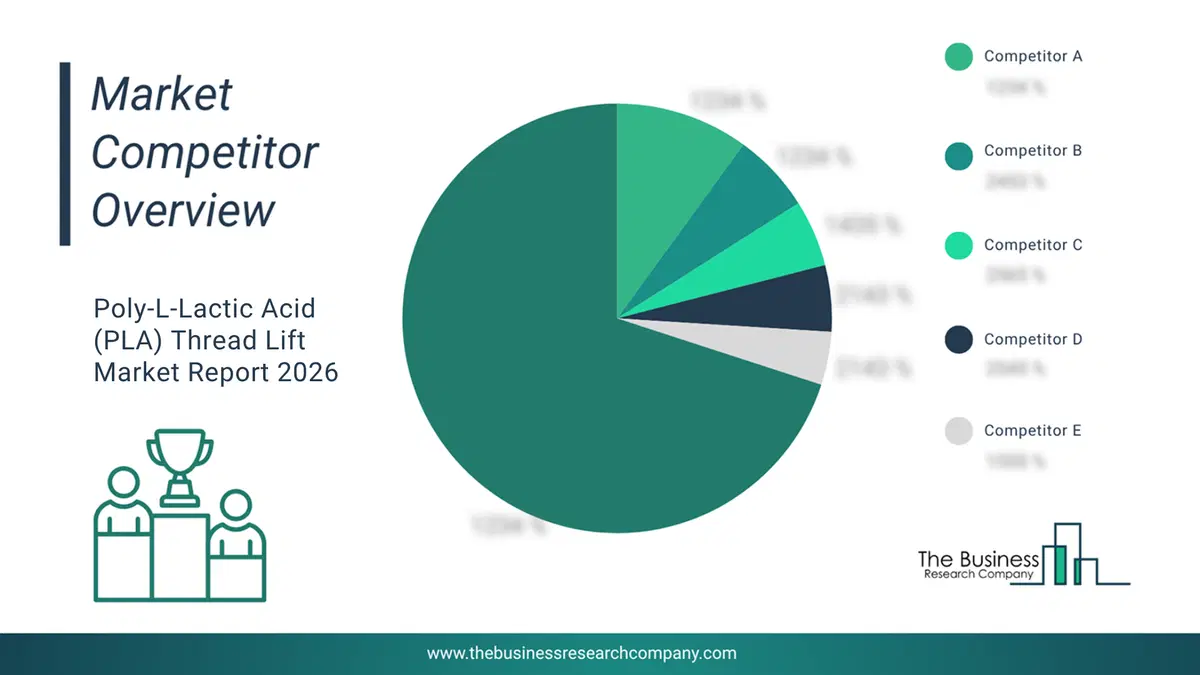
This chart is for illustrative purposes; the full report includes a detailed competitor analysis and comprehensive overview of the top 10 companies in the market.
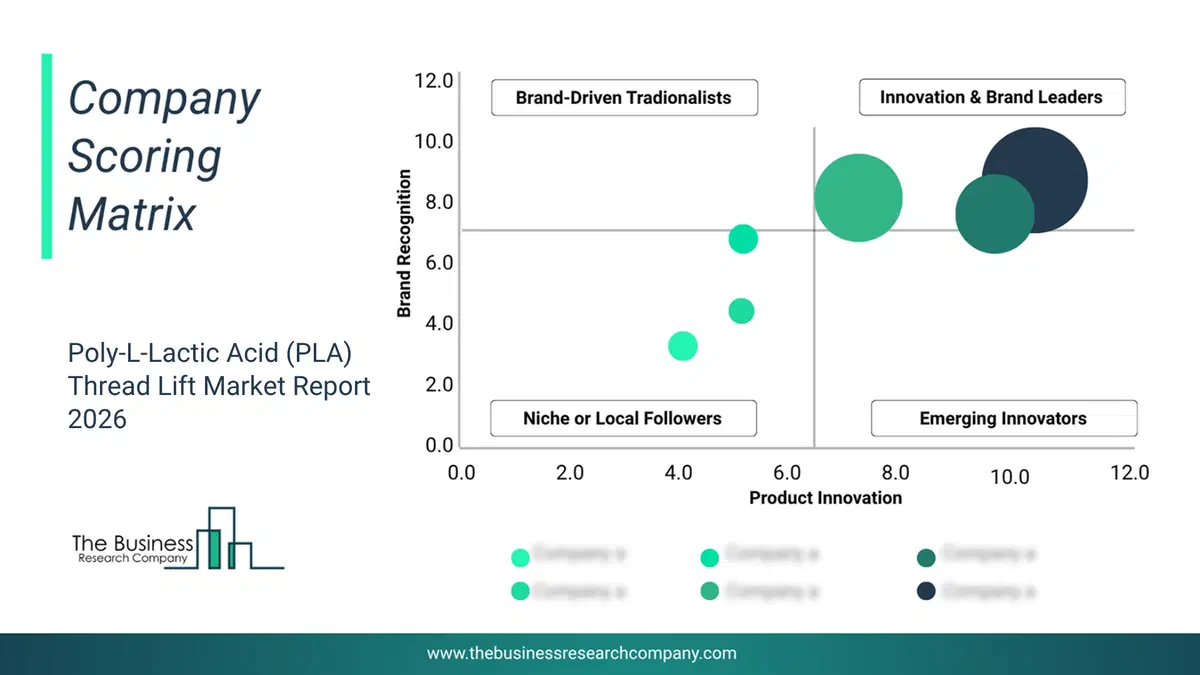
This chart maps companies by product innovation and brand strength, with bubble size indicating relative revenue, helping identify market leaders, challengers, and niche players. This is an illustrative chart; the full report provides a complete and accurate competitive analysis.
Regional Outlook
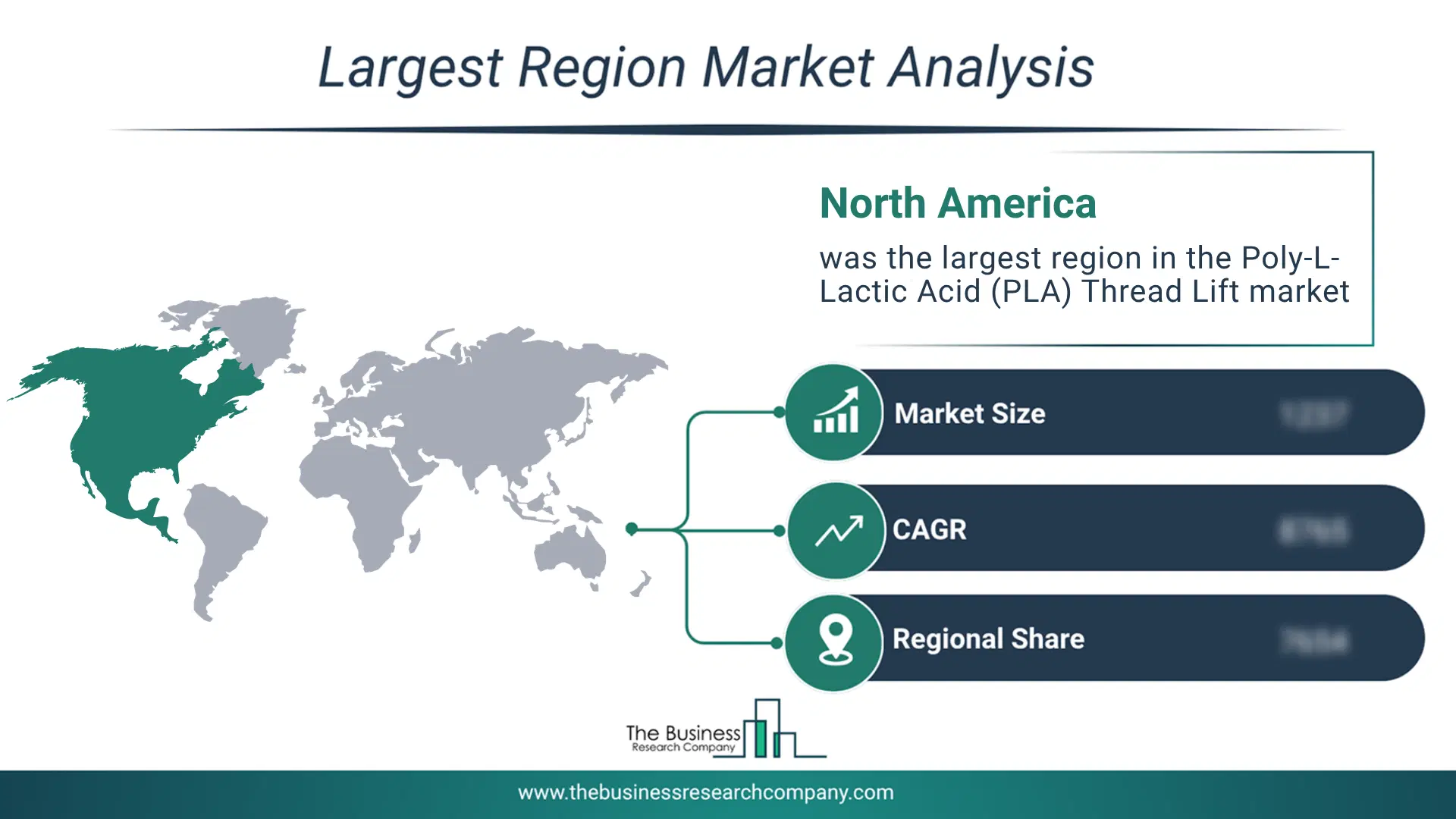
North America was the largest region in the poly-L-lactic acid (PLA) thread lift market in 2025. Asia-Pacific is expected to be the fastest-growing region in the forecast period. The regions covered in this market report are Asia-Pacific, South East Asia, Western Europe, Eastern Europe, North America, South America, Middle East, Africa. The countries covered in this market report are Australia, Brazil, China, France, Germany, India, Indonesia, Japan, Taiwan, Russia, South Korea, UK, USA, Canada, Italy, SpainWhat Defines the Poly-L-Lactic Acid (PLA) Thread Lift Market?
The poly-L-lactic acid (PLA) thread lift market includes revenues earned by entities through non-surgical facial lifting, skin tightening, wrinkle reduction, jawline contouring, and overall facial rejuvenation treatments. The market value includes the value of related goods sold by the service provider or included within the service offering. Only goods and services traded between entities or sold to end consumers are included.How is Market Value Defined and Measured?
The market value is defined as the revenues that enterprises gain from the sale of goods and/or services within the specified market and geography through sales, grants, or donations in terms of the currency (in USD unless otherwise specified). The revenues for a specified geography are consumption values that are revenues generated by organizations in the specified geography within the market, irrespective of where they are produced. It does not include revenues from resales along the supply chain, either further along the supply chain or as part of other products.
This chart presents market attractiveness based on a quantitative evaluation of growth, competition, strategic alignment, and risk, offering a clear view of opportunity areas for decision-making. This chart is for illustrative purposes; the full report contains the complete analysis.

This chart highlights the Total Addressable Market (TAM) by estimating the maximum revenue opportunity using an assumption-driven approach, supporting strategic planning and opportunity sizing across markets. The chart is illustrative; the full report provides a more comprehensive analysis.
What Key Data and Analysis Are Included in the Poly-L-Lactic Acid (PLA) Thread Lift Market Report 2026?
The poly-l-lactic acid (pla) thread lift market research report is one of a series of new reports from The Business Research Company that provides market statistics, including industry global market size, regional shares, competitors with the market share, detailed market segments, market trends and opportunities, and any further data you may need to thrive in the poly-l-lactic acid (pla) thread lift industry. The market research report delivers a complete perspective of everything you need, with an in-depth analysis of the current and future state of the industry.Poly-L-Lactic Acid (PLA) Thread Lift Market Report Forecast Analysis
| Report Attribute | Details |
|---|---|
| Market Size Value In 2026 | $1.74 billion |
| Revenue Forecast In 2030 | $3.17 billion |
| Growth Rate | CAGR of 16.5% from 2026 to 2030 |
| Base Year For Estimation | 2025 |
| Actual Estimates/Historical Data | 2020-2025 |
| Forecast Period | 2026 - 2030 |
| Market Representation | Revenue in USD Billion and CAGR from 2026 to 2030 |
| Segments Covered | Product Type, Application, End User |
| Regional Scope | Asia-Pacific, Western Europe, Eastern Europe, North America, South America, Middle East, Africa |
| Country Scope | The countries covered in the report are Australia, Brazil, China, France, Germany, India, ... |
| Key Companies Profiled | Aptos LLC, HansBiomed Co. Ltd., Croma-Pharma GmbH, Sinclair Pharmaceuticals Ltd., Merz Pharma GmbH & Co. KGaA, Healux Corporation, N-Finders Co. Ltd., Intraline Technologies Inc., NovaThreads Inc., Surgiform Technology Ltd., Yavo Medical Technology Suzhou Co. Ltd., Metro Korea Co. Ltd., Diaminy Aesthetics Inc., Les Encres SAS, GEM S.r.l., River Aesthetics Inc., Yastrid Inc., Aesthetic Experts Labs Inc., Dr. Korman Laboratories Ltd., Auro Inc., Amabelle Medical Technologies Pvt. Ltd. |
| Customization Scope | Request for Customization |
| Pricing And Purchase Options | Explore Purchase Options |