
Predictive Biomarkers Market Report 2026
Global Outlook – By Indication (Cancer, Metabolic Disease, Cardiovascular Disorder, Immunological Disorder, Other Indications), By Application (Screening, Analysis, Diagnosis, Prediction, Monitoring), By End User (Diagnostic Centers, Contract Research Organizations, Academic Research Institutes, Pharms And Biotech Companies, Other End Users) – Market Size, Trends, Strategies, and Forecast to 2030
Predictive Biomarkers Market Overview
• Predictive Biomarkers market size has reached to $20.96 billion in 2025 • Expected to grow to $25.65 billion in 2030 at a compound annual growth rate (CAGR) of 4% • Growth Driver: Rising Cancer Cases To Boost Predictive Biomarkers Market Growth • Market Trend: Advancements In Predictive Response Biomarkers For Personalized Medicine • North America was the largest region in 2025 and Europe is the fastest growing region.What Is Covered Under Predictive Biomarkers Market?
Predictive biomarkers refer to biological indicators that help predict an individual’s likelihood of developing a disease or their response to a specific treatment. They can be genetic, proteomic, or molecular markers that provide insights into disease susceptibility or treatment efficacy and the advantage of tailoring treatments to individual patients, enhancing the effectiveness of interventions, and potentially reducing adverse effects by identifying those most likely to benefit from specific therapies. The main indication types of predictive biomarkers are cancer, metabolic disease, cardiovascular disorder, immunological disorder, and others. Predictive biomarkers for cancer help determine a person’s likelihood of developing cancer or how they might respond to specific cancer treatments and can include genetic mutations, protein levels, or other biological factors that indicate the presence of cancer or predict its progression. The applications include screening, analysis, diagnosis, prediction, and monitoring, and end users include diagnostic centers, contract research organizations, academic research institutes, pharmaceutical and biotech companies, and others.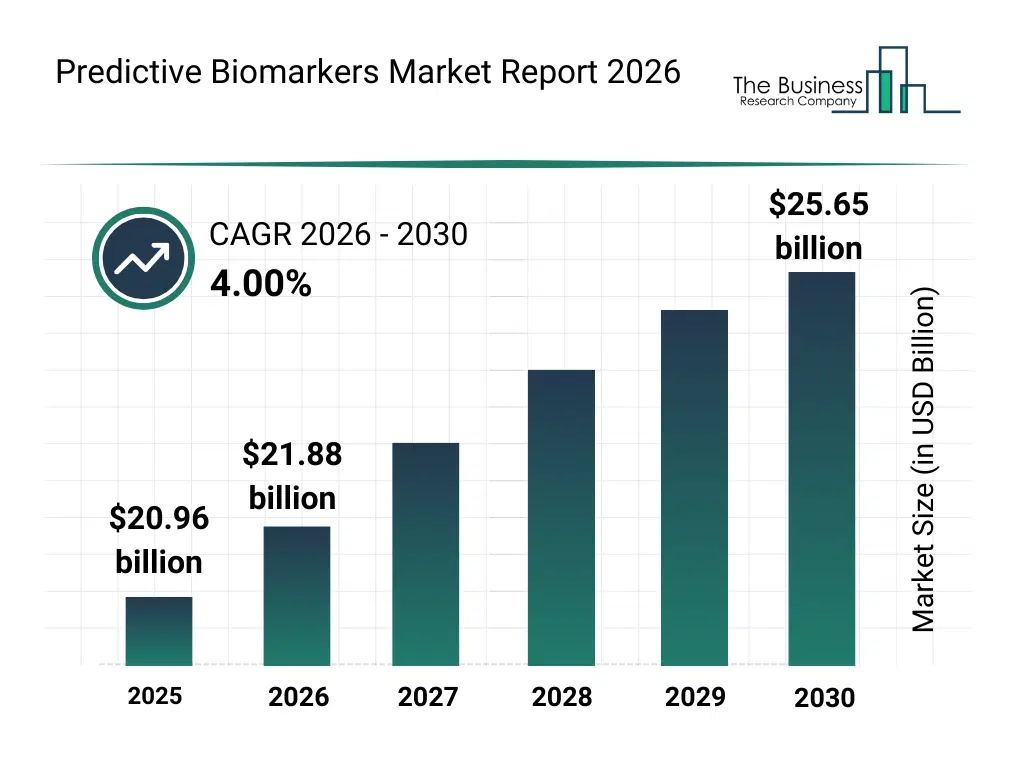
What Is The Predictive Biomarkers Market Size and Share 2026?
The predictive biomarkers market size has grown steadily in recent years. It will grow from $20.96 billion in 2025 to $21.88 billion in 2026 at a compound annual growth rate (CAGR) of 4.4%. The growth in the historic period can be attributed to growth in genomic research, rise in targeted therapies, increasing cancer prevalence, expansion of molecular diagnostics, regulatory support for biomarkers.What Is The Predictive Biomarkers Market Growth Forecast?
The predictive biomarkers market size is expected to see steady growth in the next few years. It will grow to $25.65 billion in 2030 at a compound annual growth rate (CAGR) of 4.0%. The growth in the forecast period can be attributed to advancements in multi-omics technologies, expansion of personalized medicine, increasing pharma R&D spending, demand for predictive treatment outcomes, integration of biomarkers in routine care. Major trends in the forecast period include expansion of precision oncology applications, growing use in drug response stratification, increased biomarker-based clinical trial design, rising companion diagnostics adoption, standardization of biomarker validation protocols.
Global Predictive Biomarkers Market Segmentation
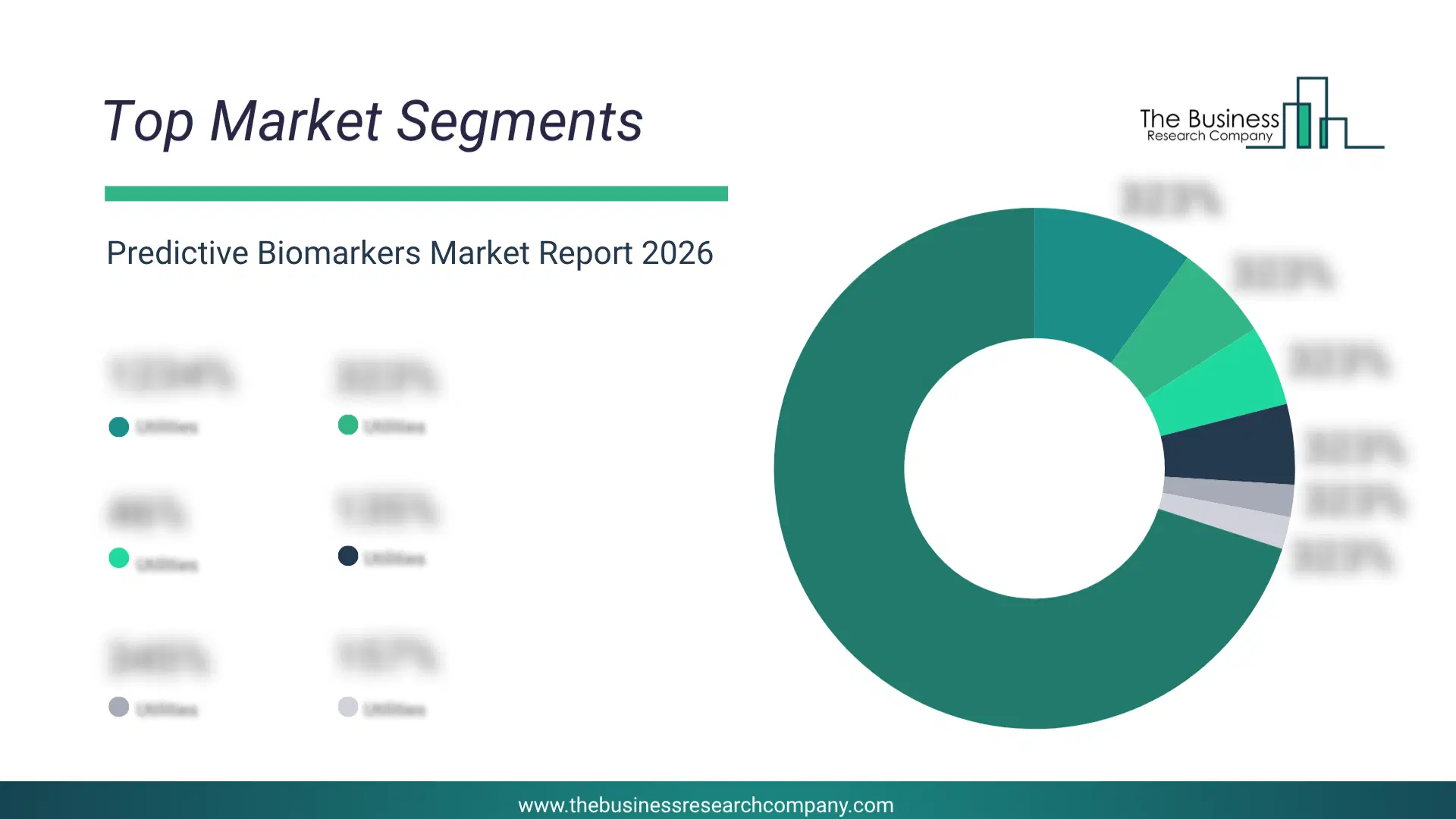
1) By Indication: Cancer, Metabolic Disease, Cardiovascular Disorder, Immunological Disorder, Other Indications 2) By Application: Screening, Analysis, Diagnosis, Prediction, Monitoring 3) By End User: Diagnostic Centers, Contract Research Organizations, Academic Research Institutes, Pharms And Biotech Companies, Other End Users Subsegments: 1) By Cancer: Breast Cancer, Lung Cancer, Prostate Cancer, Colorectal Cancer, Ovarian Cancer, Leukemia And Lymphoma, Melanoma, Pancreatic Cancer, Kidney Cancer, Head And Neck Cancer 2) By Metabolic Disease: Type 1 And Type 2 Diabetes, Obesity, Metabolic Syndrome, Non-Alcoholic Fatty Liver Disease (NAFLD), Dyslipidemia, Insulin Resistance 3) By Cardiovascular Disorder: Atherosclerosis, Coronary Artery Disease, Heart Failure, Myocardial Infarction (Heart Attack), Arrhythmia, Hypertension, Stroke, Peripheral Arterial Disease 4) By Immunological Disorder: Autoimmune Diseases, Inflammatory Bowel Disease (Ibd), Multiple Sclerosis, Psoriasis, Allergic Diseases, Asthma, Chronic Obstructive Pulmonary Disease (Copd), Immunodeficiency Disorders 5) By Other Indications: Neurological Disorders, Infectious Diseases, Renal Diseases, Osteoarthritis, Genetic Disorders, Respiratory DisordersWhat Is The Driver Of The Predictive Biomarkers Market?
The rise in cancer cases is expected to propel the growth of the predictive biomarkers market going forward. Cancer is a disease characterized by uncontrolled cell growth that can invade and spread to other parts of the body. The rise in cancer cases is primarily due to aging populations, lifestyle changes, and increased exposure to risk factors such as tobacco, unhealthy diets, and environmental pollutants. Predictive biomarkers in cancer help identify patients likely to respond to specific treatments, enabling personalized and more effective therapy. For instance, in April 2024, according to the report by the International Agency for Research on Cancer (IARC), a France-based specialized agency of the World Health Organization (WHO) focused on cancer research, there were nearly 20 million new cancer cases and approximately 10 million cancer-related deaths in 2022. Moreover, projections suggest that the annual number of new cancer cases will rise to 35 million by 2050, reflecting a 77% increase from 2022 levels. Therefore, the rise in cancer cases will drive the growth of the predictive biomarkers industry.Key Players In The Global Predictive Biomarkers Market
Major companies operating in the predictive biomarkers market are Johnson & Johnson Services Inc, F Hoffmann-La Roche Ltd, Thermo Fisher Scientific Inc, Abbott Laboratories, Danaher Corporation, Merck KGaA, Siemens Healthcare GmbH, Agilent Technologies Inc, PerkinElmer Inc, Illumina Inc, Bio-Rad Laboratories Inc, QIAGEN GmbH, Almac Group Limited, ArcherDX Inc, Luminex Corporation, Guardant Health Inc, Meso Scale Diagnostics LLC, Myriad Genetics Inc, NanoString Technologies Inc, Fujirebio Inc, Asuragen Inc, Biognosys AG, Epigenomics AG, OncoCyte Corporation, Biomarker Technologies Inc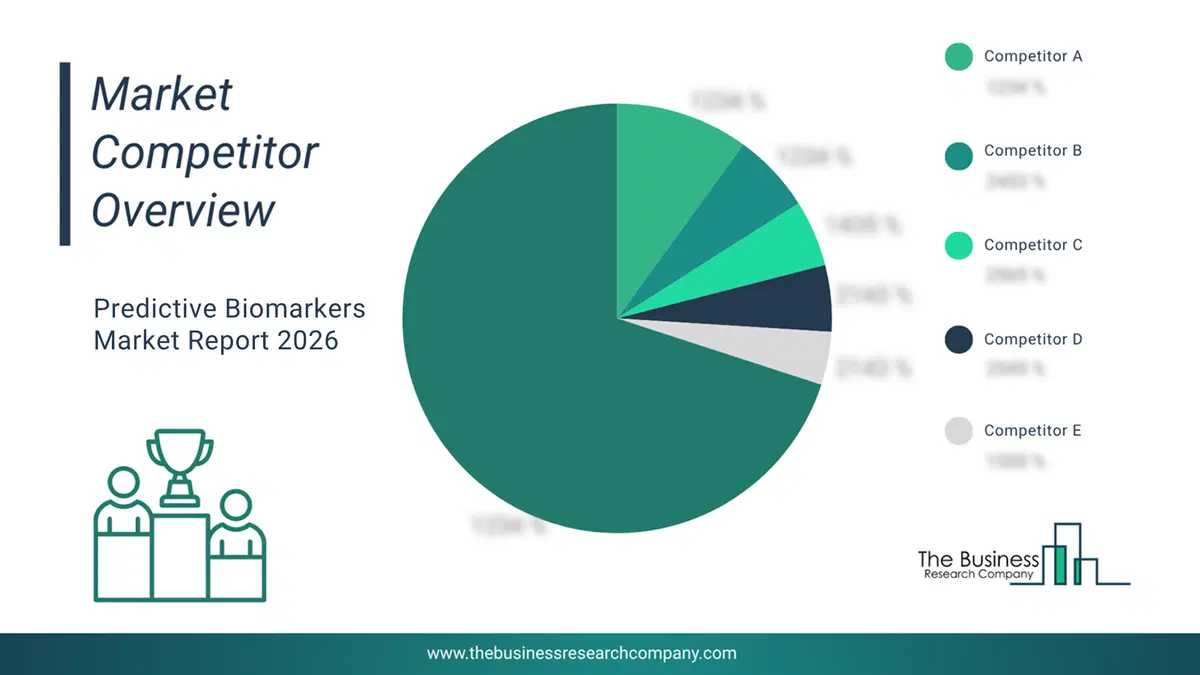
This chart is for illustrative purposes; the full report includes a detailed competitor analysis and comprehensive overview of the top 10 companies in the market.
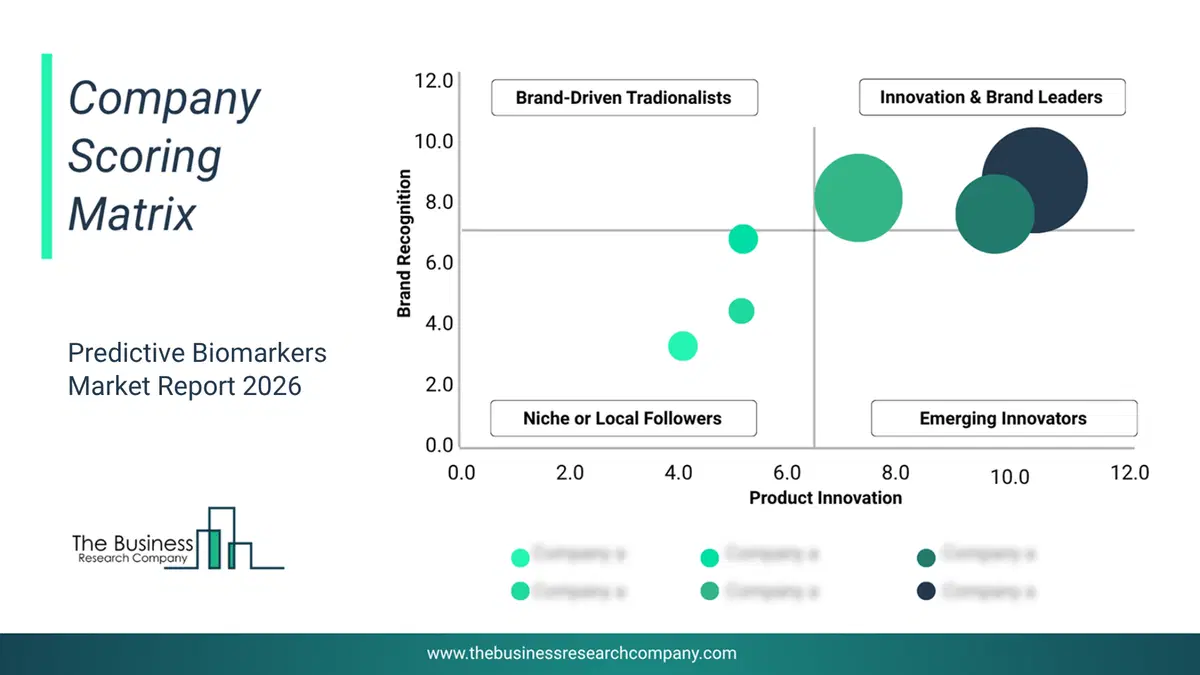
This chart maps companies by product innovation and brand strength, with bubble size indicating relative revenue, helping identify market leaders, challengers, and niche players. This is an illustrative chart; the full report provides a complete and accurate competitive analysis.
Global Predictive Biomarkers Market Trends and Insights
Major companies operating in the predictive biomarkers market are focusing on accelerating biomarker development through technological advancements, such as artificial intelligence (AI)-driven biomarker discovery, to gain a competitive edge by delivering more personalized and effective therapies faster. AI-driven biomarker discovery enables the analysis of large, complex datasets, leading to the identification of predictive biomarkers that might not be apparent through traditional methods. For instance, in July 2024, Scipher Medicine, Inc., a US-based precision immunology company, launched a PRoBeNet (Predictive Response Biomarkers using Network Medicine). It aims to accelerate the development of predictive response biomarkers for complex diseases using AI and network biology. PRoBeNet identifies biomarkers of therapy response by integrating therapy-targeted proteins and disease-specific molecular signatures. It has been validated for autoimmune diseases such as rheumatoid arthritis, ulcerative colitis, and Crohn’s disease and can be applied to other complex diseases and drug development phases.What Are Latest Mergers And Acquisitions In The Predictive Biomarkers Market?
In January 2023, Thermo Fisher Scientific Inc., a US-based biotechnology research company, acquired The Binding Site Group for $2.98 billion. With this acquisition, Thermo Fisher Scientific aims to expand its immunodiagnostics portfolio, strengthen its presence in specialty diagnostics, and enhance its capabilities in personalized medicine and disease monitoring solutions. The Binding Site Group is a UK-based diagnostic solutions provider offering several predictive biomarkers, particularly in the field of hematology and immunology.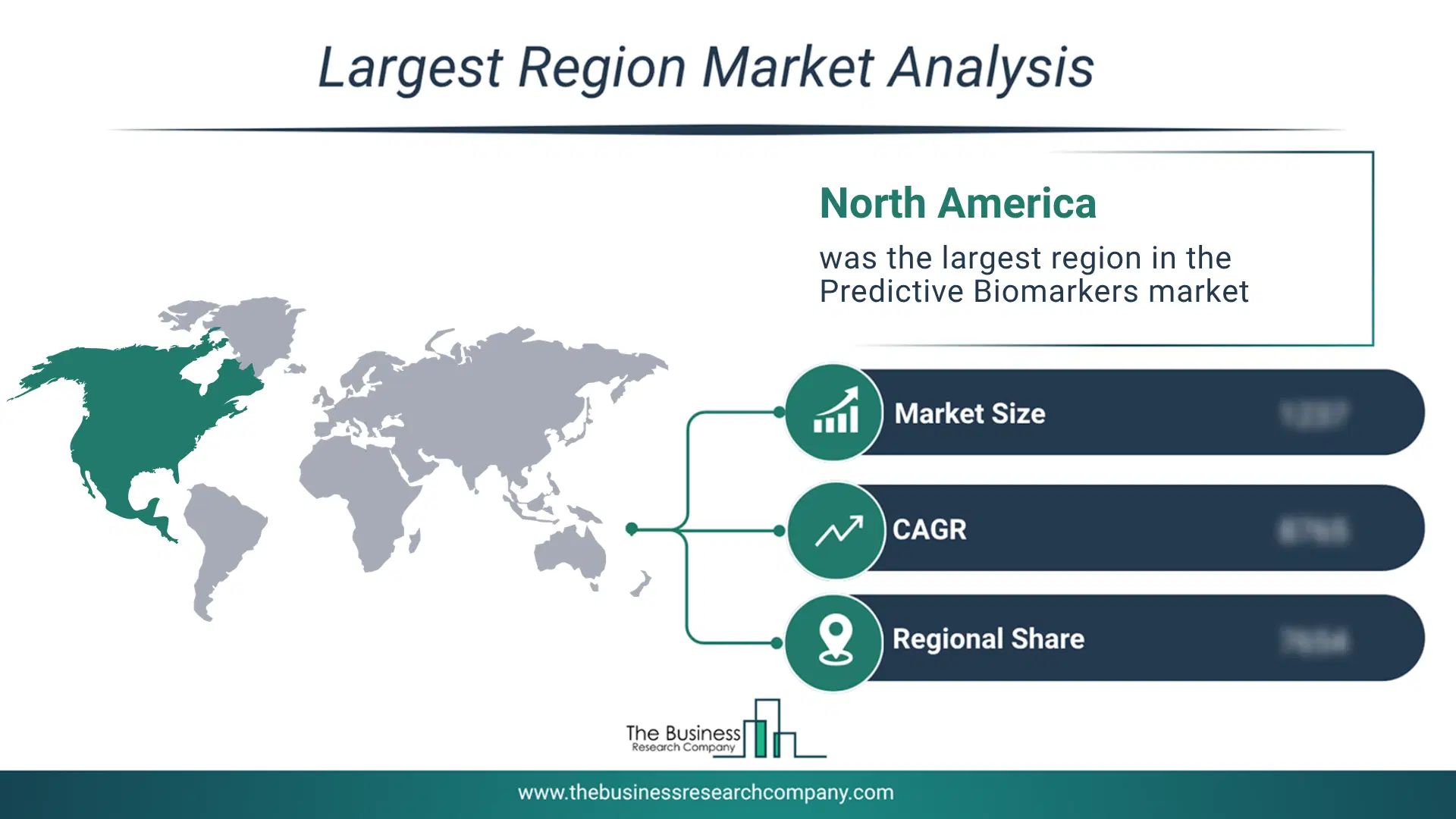
Regional Outlook
North America was the largest region in the predictive biomarkers market in 2025. Europe is expected to be the fastest-growing region in the forecast period. The regions covered in this market report are Asia-Pacific, South East Asia, Western Europe, Eastern Europe, North America, South America, Middle East, Africa. The countries covered in this market report are Australia, Brazil, China, France, Germany, India, Indonesia, Japan, Taiwan, Russia, South Korea, UK, USA, Canada, Italy, SpainWhat Defines the Predictive Biomarkers Market?
The predictive biomarkers market consists of revenues earned by entities by providing services such as biomarker discovery, validation, and testing, as well as genetic screening, data analysis, and personalized medicine solutions. The market value includes the value of related goods sold by the service provider or included within the service offering. The predictive biomarkers market also includes sales of genetic testing kits, molecular diagnostic assays, genomic sequencing tools, and bioinformatics software. Values in this market are ‘factory gate’ values, that is the value of goods sold by the manufacturers or creators of the goods, whether to other entities (including downstream manufacturers, wholesalers, distributors and retailers) or directly to end customers. The value of goods in this market includes related services sold by the creators of the goods.How is Market Value Defined and Measured?
The market value is defined as the revenues that enterprises gain from the sale of goods and/or services within the specified market and geography through sales, grants, or donations in terms of the currency (in USD unless otherwise specified). The revenues for a specified geography are consumption values that are revenues generated by organizations in the specified geography within the market, irrespective of where they are produced. It does not include revenues from resales along the supply chain, either further along the supply chain or as part of other products.
This chart presents market attractiveness based on a quantitative evaluation of growth, competition, strategic alignment, and risk, offering a clear view of opportunity areas for decision-making. This chart is for illustrative purposes; the full report contains the complete analysis.

This chart highlights the Total Addressable Market (TAM) by estimating the maximum revenue opportunity using an assumption-driven approach, supporting strategic planning and opportunity sizing across markets. The chart is illustrative; the full report provides a more comprehensive analysis.
What Key Data and Analysis Are Included in the Predictive Biomarkers Market Report 2026?
The predictive biomarkers market research report is one of a series of new reports from The Business Research Company that provides market statistics, including industry global market size, regional shares, competitors with the market share, detailed market segments, market trends and opportunities, and any further data you may need to thrive in the predictive biomarkers industry. The market research report delivers a complete perspective of everything you need, with an in-depth analysis of the current and future state of the industry.Predictive Biomarkers Market Report Forecast Analysis
| Report Attribute | Details |
|---|---|
| Market Size Value In 2026 | $21.88 billion |
| Revenue Forecast In 2030 | $25.65 billion |
| Growth Rate | CAGR of 4% from 2026 to 2030 |
| Base Year For Estimation | 2025 |
| Actual Estimates/Historical Data | 2020-2025 |
| Forecast Period | 2026 - 2030 |
| Market Representation | Revenue in USD Billion and CAGR from 2026 to 2030 |
| Segments Covered | Indication, Application, End User |
| Regional Scope | Asia-Pacific, Western Europe, Eastern Europe, North America, South America, Middle East, Africa |
| Country Scope | The countries covered in the report are Australia, Brazil, China, France, Germany, India, Indonesia, Japan, Taiwan, Russia, South Korea, UK, USA, Canada, Italy, Spain. |
| Key Companies Profiled | Johnson & Johnson Services Inc, F Hoffmann-La Roche Ltd, Thermo Fisher Scientific Inc, Abbott Laboratories, Danaher Corporation, Merck KGaA, Siemens Healthcare GmbH, Agilent Technologies Inc, PerkinElmer Inc, Illumina Inc, Bio-Rad Laboratories Inc, QIAGEN GmbH, Almac Group Limited, ArcherDX Inc, Luminex Corporation, Guardant Health Inc, Meso Scale Diagnostics LLC, Myriad Genetics Inc, NanoString Technologies Inc, Fujirebio Inc, Asuragen Inc, Biognosys AG, Epigenomics AG, OncoCyte Corporation, Biomarker Technologies Inc |
| Customization Scope | Request for Customization |
| Pricing And Purchase Options | Explore Purchase Options |