
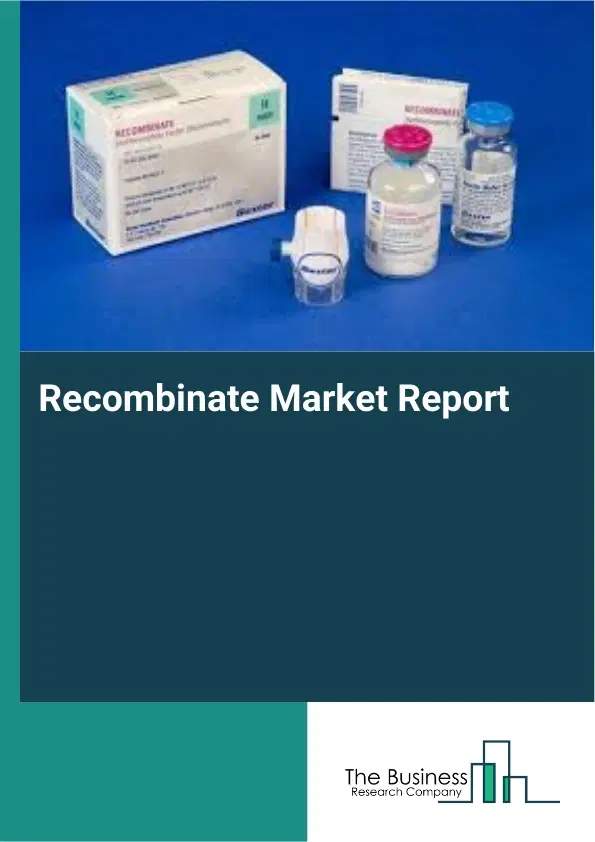
Recombinate Market Report 2026
Epidemiology, Pipeline Analysis, Market Insights & Forecasts
Recombinate Market Overview
• The Recombinate market growth in the historic period has been driven by improved diagnosis of hemophilia a, wider availability of recombinant factor VIII • Market expansion is supported by increasing adoption of long-acting clotting factors, rising investments in gene and protein therapies • Growth Driver: The Impact Of Rising Demand For Biological Products On The Market • North America was the largest region in 2025 and Asia-Pacific is the fastest growing region.What Is Covered Under Recombinate Market?
Recombinate, a recombinant antihemophilic factor, is used to prevent and manage bleeding in individuals with hemophilia A. It works by replacing the deficient or absent factor VIII, a crucial protein for blood clotting. This medication is vital for controlling bleeding episodes and can also be administered regularly to prevent future bleeding incidents. The main clinical indications in the recombinate market are hemophilia A, hemophilia B, and other indications. Hemophilia A is a genetic disorder characterized by a deficiency in clotting factor VIII, resulting in prolonged bleeding and challenges with blood clotting. The various distribution channels include hospitals, specialty clinics, and pharmacies, and several end users including pediatric, adult, and geriatric.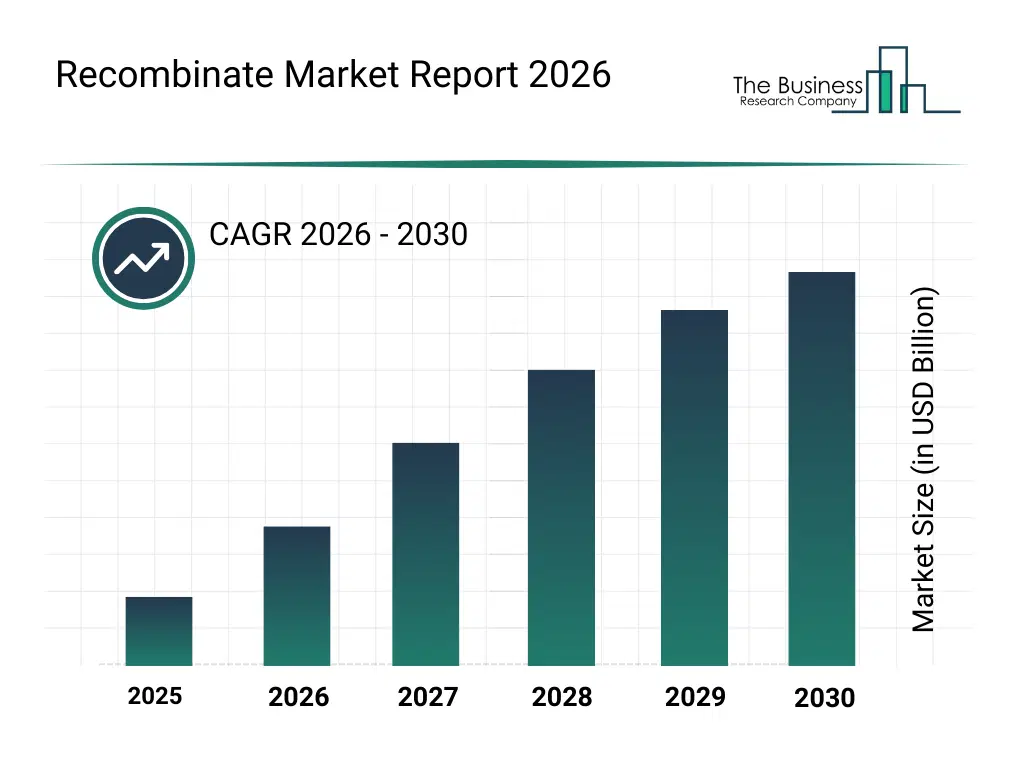
What Is The Recombinate Market Size and Share 2026?
The growth in the historic period can be attributed to improved diagnosis of hemophilia a, wider availability of recombinant factor VIII, growth in specialized hemophilia treatment centers, increased patient survival rates, expanding access to clotting therapies.What Is The Recombinate Market Growth Forecast?
The growth in the forecast period can be attributed to increasing adoption of long-acting clotting factors, rising investments in gene and protein therapies, expansion of homecare infusion programs, growing focus on pediatric hemophilia management, advancement in recombinant protein manufacturing. Major trends in the forecast period include increasing use of recombinant clotting factor therapies, rising adoption of prophylactic hemophilia treatment, growing focus on home-based infusion care, expansion of personalized bleeding disorder management, enhanced patient monitoring solutions.
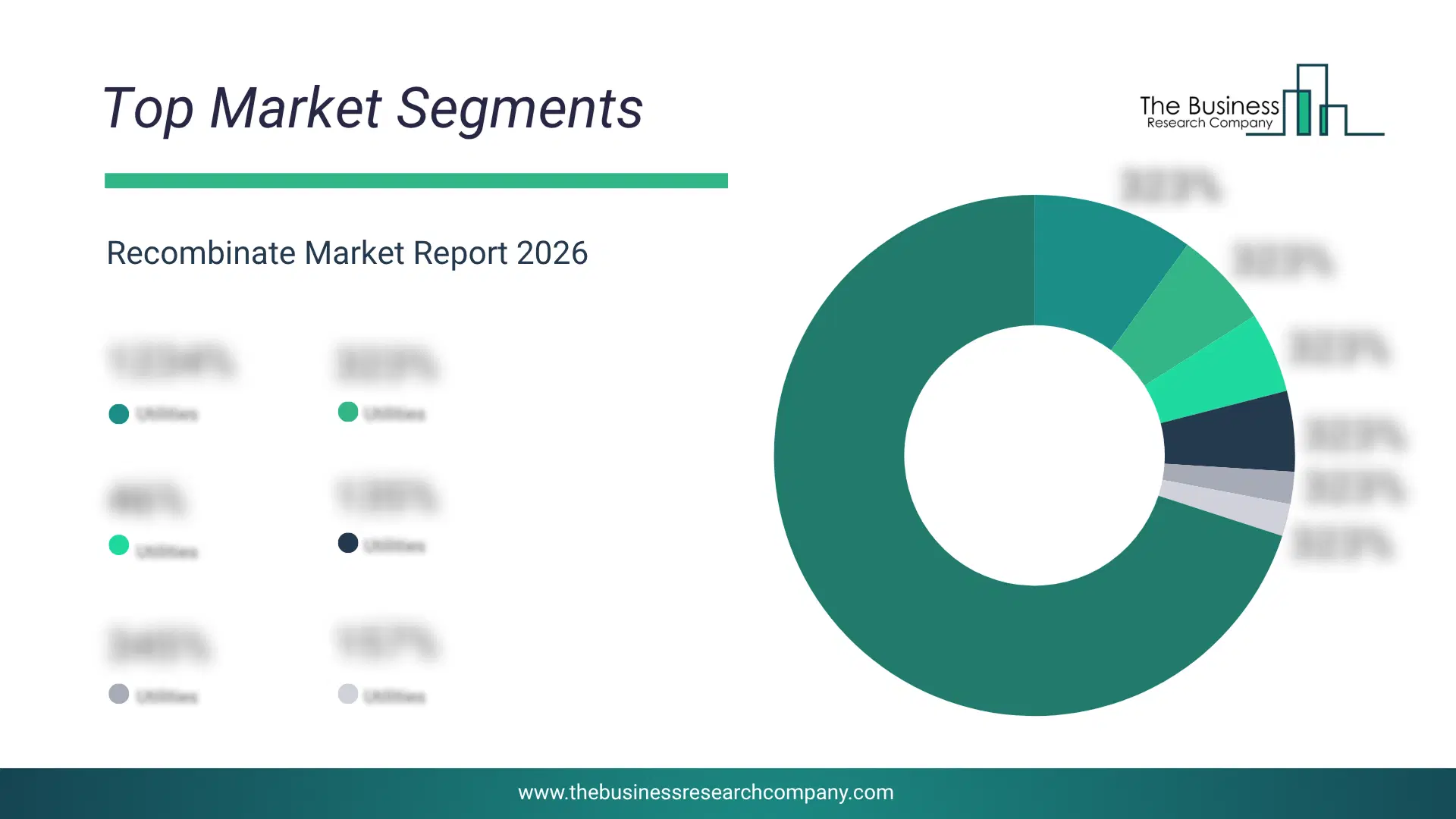
Global Recombinate Market Segmentation
1) By Clinical Indication: Hemophilia A, Hemophilia B, Other Indications 2) By Distribution Channel: Hospitals, Specialty Clinics, Pharmacies 3) By End User: Pediatric, Adult, GeriatricWhat Are The Drivers Of The Recombinate Market?
Rise in demand for biological products is expected to propel the growth of the recombinate market going forward. Biological products refer to complex pharmaceutical substances derived from living organisms, used to diagnose, prevent, treat, and cure diseases and medical conditions. The rise in demand for biological products is attributed to growing environmental concerns, heightened consumer awareness, and the need for sustainable and effective alternatives to synthetic chemicals. Recombinate biologics enable the production of recombinant antihemophilic factor by using advanced biotechnology to create proteins that mimic natural clotting factors, ensuring effective treatment for hemophilia A. For instance, in October 2024, according to the Multidisciplinary Digital Publishing Institute (MDPI), a Switzerland-based open-access academic publisher, in 2024, the FDA authorized 50 new medicines, including 16 biologics, highlighting a strong innovation pipeline particularly given that the first half of the year had already demonstrated accelerated approval momentum. Therefore, a rise in demand for biological products will drive the growth of the recombinate industry. Increased focus on rare and orphan diseases is expected to propel the growth of the recombinate market going forward. Rare and orphan diseases are medical conditions that affect a small percentage of the population, often with limited treatment options, leading to their classification as orphan diseases. Increased focus on rare and orphan diseases is driven by advancements in medical research, improved regulatory support, and a growing need to address unmet medical needs for small patient populations. Recombinant therapies help treat rare and orphan diseases by providing precise, biologically engineered proteins that replace or augment deficient or malfunctioning molecules in affected individuals. For instance, in July 2023, according to the Department of Health & Social Care, a UK-based government department, it is estimated that more than 7,000 rare diseases exist, with new conditions consistently being discovered as research progresses. Approximately 80% of these rare diseases are known to have a genetic basis. Therefore, increased focus on rare and orphan diseases will drive the growth of the recombinate industry. Major companies are operating in the recombinate market focusing on developing technological advancements such as Fc-VWF-XTEN fusion proteins for extended half-life factor VIII replacement to improve bleed protection, reduce infusion frequency, and enhance patient quality of life. An Fc-VWF-XTEN fusion protein combines an immunoglobulin Fc domain, von Willebrand factor fragments, and XTEN polypeptides to extend circulating factor VIII activity far beyond standard recombinant products, allowing near-normal factor levels for several days after infusion. For instance, in February 2023, Sanofi, a France-based pharmaceutical company, launched ALTUVIIIO (efanesoctocog alfa), a next-generation recombinant factor VIII therapy designed for routine prophylaxis, on-demand treatment, and perioperative management in individuals with hemophilia A. The product provides sustained factor VIII activity (>40%) with fewer weekly infusions, lowers treatment burden, and improves adherence and overall quality of life compared to traditional FVIII products.Key Players In The Global Recombinate Market
Major companies operating in the recombinate market are Baxter Healthcare Corporation, Takeda Pharmaceutical Company Limited, Pfizer Inc.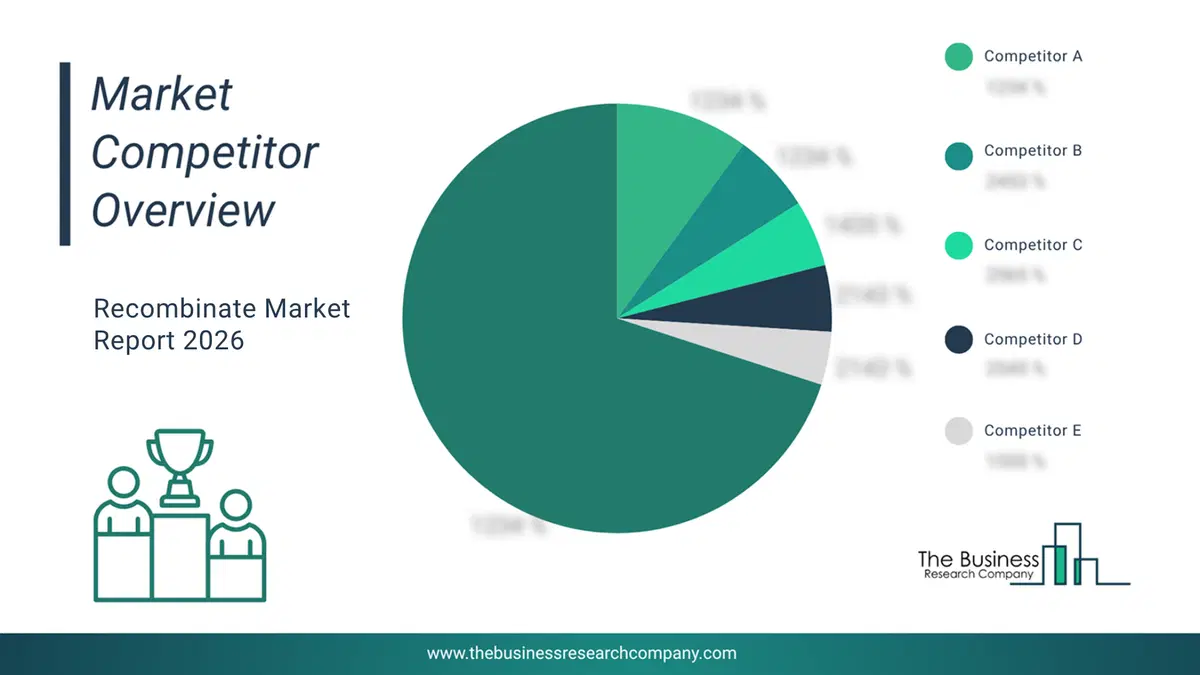
This chart is for illustrative purposes; the full report includes a detailed competitor analysis and comprehensive overview of the top 10 companies in the market.
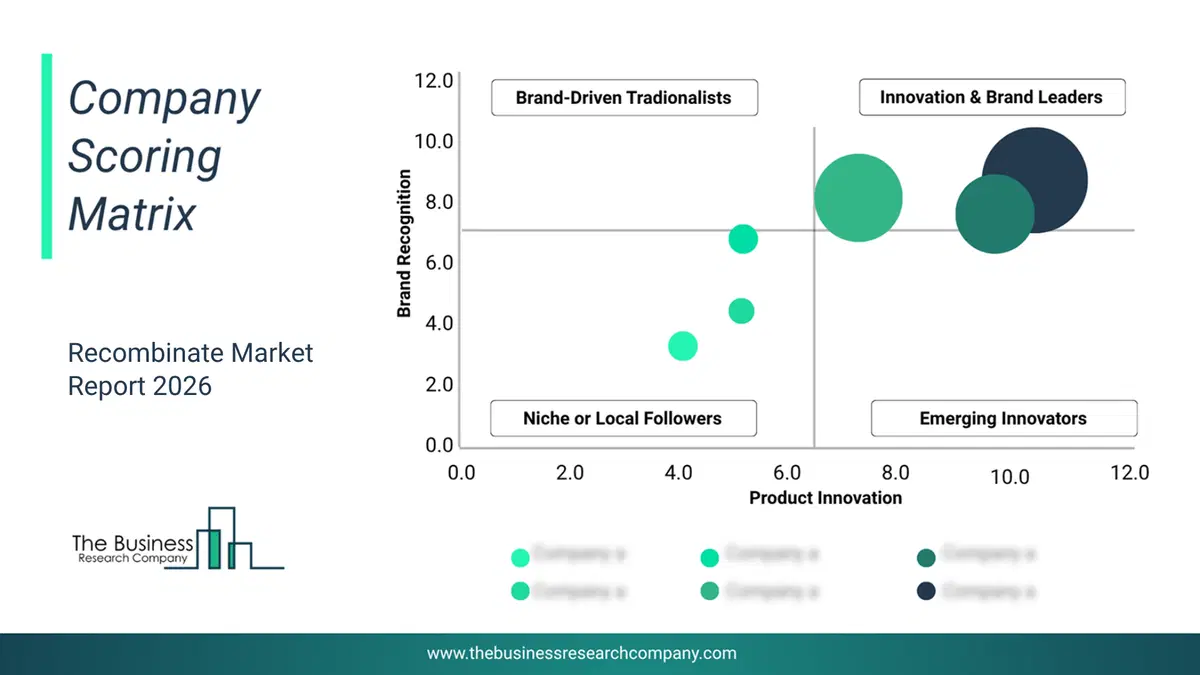
This chart maps companies by product innovation and brand strength, with bubble size indicating relative revenue, helping identify market leaders, challengers, and niche players. This is an illustrative chart; the full report provides a complete and accurate competitive analysis.
Regional Insights
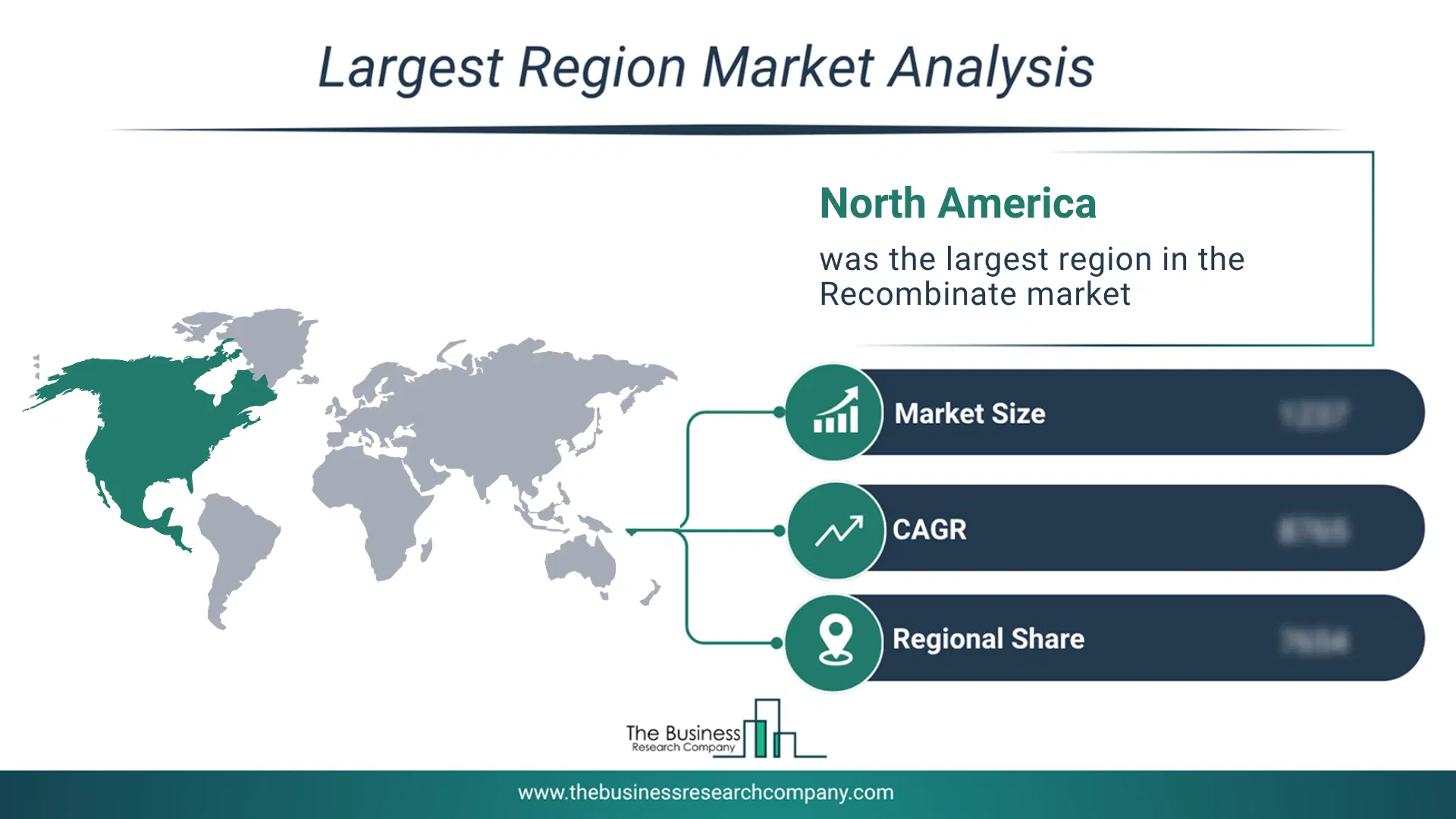
North America was the largest region in the Recombinate market in 2025. Asia-Pacific is expected to be the fastest-growing region in the forecast period. The regions covered in this market report are Asia-Pacific, Western Europe, Eastern Europe, North America, South America, Middle East, Africa. The countries covered in this market report are Australia, India, China, South Korea, Japan, UK, France, Germany, USA, Canada.What Defines the Recombinate Market?
The recombinate market consists of sales of associated delivery kits and specialized packaging. Values in this market are ‘factory gate’ values, that is, the value of goods sold by the manufacturers or creators of the goods, whether to other entities (including downstream manufacturers, wholesalers, distributors, and retailers) or directly to end customers. The value of goods in this market includes related services sold by the creators of the goods.How is Market Value Defined and Measured?
The market value is defined as the revenues that enterprises gain from the sale of goods and/or services within the specified market and geography through sales, grants, or donations in terms of the currency (in USD unless otherwise specified). The revenues for a specified geography are consumption values that are revenues generated by organizations in the specified geography within the market, irrespective of where they are produced. It does not include revenues from resales along the supply chain, either further along the supply chain or as part of other products.
This chart presents market attractiveness based on a quantitative evaluation of growth, competition, strategic alignment, and risk, offering a clear view of opportunity areas for decision-making. This chart is for illustrative purposes; the full report contains the complete analysis.

This chart highlights the Total Addressable Market (TAM) by estimating the maximum revenue opportunity using an assumption-driven approach, supporting strategic planning and opportunity sizing across markets. The chart is illustrative; the full report provides a more comprehensive analysis.
What Key Data and Analysis Are Included in the Recombinate Market Report 2026?
The recombinate market research report is one of a series of new reports from The Business Research Company that provides market statistics, including industry global market size, regional shares, competitors with the market share, detailed market segments, market trends and opportunities, and any further data you may need to thrive in the recombinate industry. The market research report delivers a complete perspective of everything you need, with an in-depth analysis of the current and future state of the industry.Recombinate Market Report Forecast Analysis
| Report Attribute | Details |
|---|---|
| Market Size Value In 2026 | - |
| Revenue Forecast In 2030 | - |
| Growth Rate | - |
| Base Year For Estimation | 2025 |
| Actual Estimates/Historical Data | 2020-2025 |
| Forecast Period | 2026 - 2030 |
| Market Representation | Revenue in USD Billion and CAGR from 2026 to 2030 |
| Segments Covered | Clinical Indication, Distribution Channel, End User |
| Regional Scope | Asia-Pacific, Western Europe, Eastern Europe, North America, South America, Middle East, Africa |
| Country Scope | The countries covered in the report are Australia, Brazil, China, France, Germany, India, Indonesia, Japan, Taiwan, Russia, South Korea, UK, USA, Canada, Italy, Spain. |
| Key Companies Profiled | Baxter Healthcare Corporation, Takeda Pharmaceutical Company Limited, Pfizer Inc. |
| Customization Scope | Request for Customization |
| Pricing And Purchase Options | Explore Purchase Options |