
Restrictive Cardiomyopathy Treatment Market Report 2026
Global Outlook – By Treatment Type (Medications, Surgery, Heart Transplant, Other Treatment Types), By Administration Route (Oral, Intravenous, Subcutaneous), By Diagnosis Method (Echocardiography, Electrocardiogram, Cardiac Magnetic Resonance Imaging, Blood Tests, Genetic Testing, Endomyocardial Biopsy), By Stage Of Disease (Early Stage, Moderate Stage, Advanced Stage), By End User (Hospitals, Specialized Clinics, Home Healthcare, Research Institutes) – Market Size, Trends, Strategies, and Forecast to 2030
Restrictive Cardiomyopathy Treatment Market Overview
• Restrictive Cardiomyopathy Treatment market size has reached to $0.99 billion in 2025 • Expected to grow to $1.7 billion in 2030 at a compound annual growth rate (CAGR) of 11.4% • Growth Driver: Rising Burden Of Cardiovascular Diseases Driving Demand For Market Due To Unhealthy Lifestyles And Dietary Habits • Market Trend: Innovation In Transthyretin Stabilizing Therapies Advancing Clinical Trial-Driven Treatment Development • North America was the largest region in 2025 and Asia-Pacific is the fastest growing region.What Is Covered Under Restrictive Cardiomyopathy Treatment Market?
Restrictive cardiomyopathy (RCM) treatment refers to the medical management, procedural intervention, and therapeutic care provided to patients affected by a rare cardiac condition characterized by stiff ventricular walls that limit proper heart filling. It focuses on improving cardiac function, managing symptoms such as heart failure and arrhythmias, and slowing disease progression through pharmacological therapy, surgical procedures, and advanced clinical care approaches. The main treatment types of restrictive cardiomyopathy treatment include medications, surgery, heart transplant, and other treatment types. Medications refer to therapeutic drugs used to manage symptoms, improve heart function, regulate fluid balance, and address complications associated with restrictive cardiomyopathy. These treatments are administered through oral, intravenous, and subcutaneous routes and are supported by diagnosis methods such as echocardiography, electrocardiogram, cardiac magnetic resonance imaging, blood tests, genetic testing, and endomyocardial biopsy. They are used across early stage, moderate stage, and advanced stage disease conditions and are utilized by end users including hospitals, specialized clinics, home healthcare, and research institutes.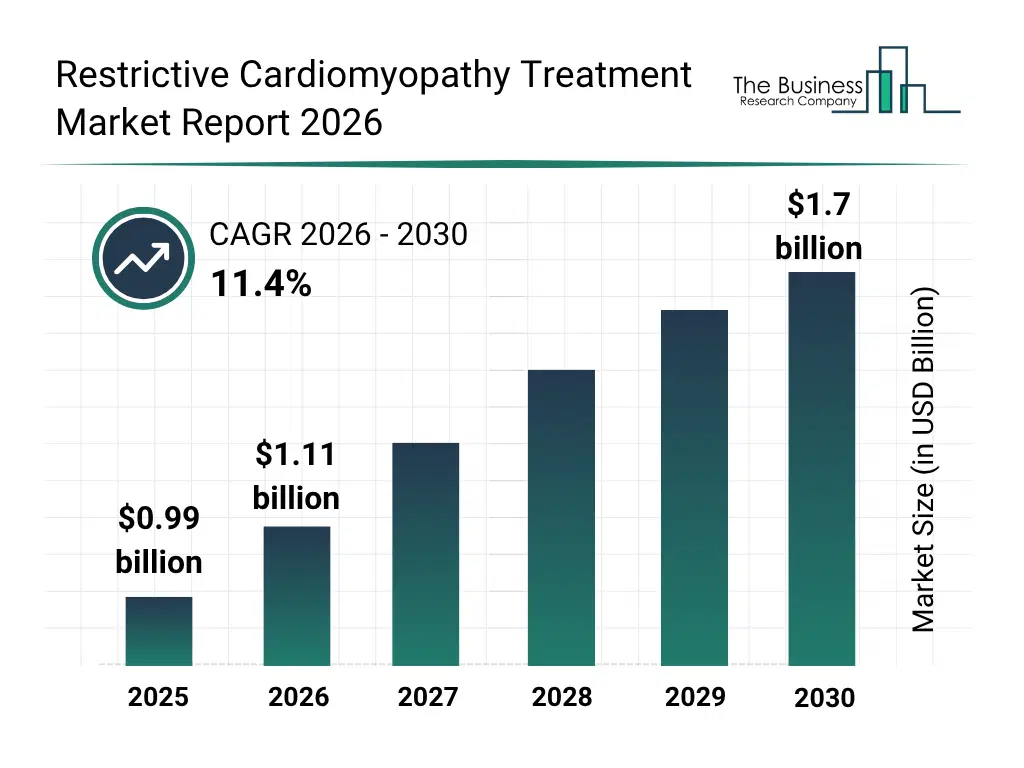
What Is The Restrictive Cardiomyopathy Treatment Market Size and Share 2026?
The restrictive cardiomyopathy treatment market size has grown rapidly in recent years. It will grow from $0.99 billion in 2025 to $1.11 billion in 2026 at a compound annual growth rate (CAGR) of 11.8%. The growth in the historic period can be attributed to increasing prevalence of rare cardiac disorders, growing awareness about restrictive cardiomyopathy treatment options, rising demand for advanced heart failure management, expanding availability of specialized cardiac care facilities, increasing adoption of diagnostic cardiac procedures.What Is The Restrictive Cardiomyopathy Treatment Market Growth Forecast?
The restrictive cardiomyopathy treatment market size is expected to see rapid growth in the next few years. It will grow to $1.7 billion in 2030 at a compound annual growth rate (CAGR) of 11.4%.The growth in the forecast period can be attributed to growing demand for personalized cardiac treatment approaches, rising investments in rare disease research, increasing adoption of advanced cardiac therapies, expanding development of innovative heart failure management solutions, growing focus on early disease detection and intervention. Major trends in the forecast period include increasing adoption of advanced pharmacological therapies for restrictive cardiomyopathy management, growing development of minimally invasive cardiac intervention procedures, rising focus on early diagnosis and disease monitoring approaches, expanding use of personalized treatment strategies for cardiac disorders, increasing integration of multidisciplinary cardiac care models.
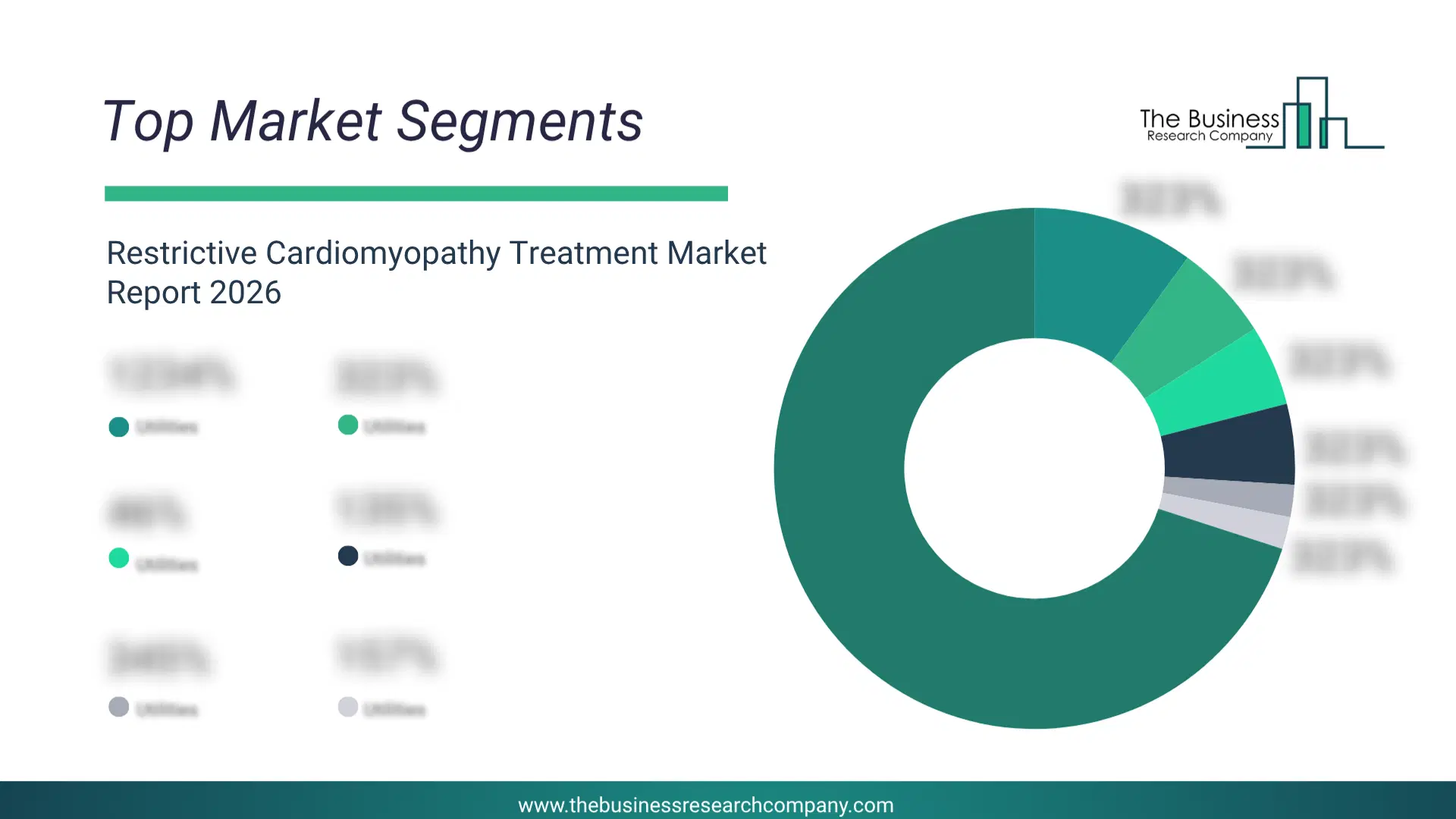
Global Restrictive Cardiomyopathy Treatment Market Segmentation
2) By Administration Route: Oral, Intravenous, Subcutaneous 3) By Diagnosis Method: Echocardiography, Electrocardiogram, Cardiac Magnetic Resonance Imaging, Blood Tests, Genetic Testing, Endomyocardial Biopsy 4) By Stage Of Disease: Early Stage, Moderate Stage, Advanced Stage 5) By End User: Hospitals, Specialized Clinics, Home Healthcare, Research Institutes Subsegments: 1) By Medications: Diuretics For Symptom Management, Beta Blockers Therapy, Calcium Channel Blockers Therapy, Anti Arrhythmic Medications 2) By Surgery: Septal Myectomy Procedures, Cardiac Valve Repair Or Replacement Surgery, Pericardiectomy Procedures, Implantable Cardiac Device Procedures 3) By Heart Transplant: Orthotopic Heart Transplant, Pediatric Heart Transplant, High Risk Heart Transplant, Bridge To Transplant Therapy 4) By Other Treatment Types: Implantable Cardioverter Defibrillator Therapy, Cardiac Resynchronization Therapy, Lifestyle And Cardiac Rehabilitation Management, Palliative Care And Supportive TherapyWhat Are The Drivers Of The Restrictive Cardiomyopathy Treatment Market?
The rising prevalence of cardiovascular diseases is expected to propel growth of the restrictive cardiomyopathy treatment market going forward. Cardiovascular diseases refer to a group of disorders that affect the heart and blood vessels, including conditions such as heart attack, stroke, and hypertension. The prevalence of cardiovascular diseases is growing due to unhealthy lifestyles such as poor diet, lack of physical activity, smoking, and excessive stress, which together increase the risk of obesity, high blood pressure, and heart-related complications. Restrictive cardiomyopathy treatment improves heart function, relieves symptoms such as fatigue and shortness of breath, reduces fluid buildup, prevents complications heart failure, and enhances overall blood circulation and quality of life in affected patients. For instance, in August 2025, according to the report published by the National Center for Biotechnology Information (NCBI), a US-based government agency, cardiovascular disease prevalence is projected to rise by 90.0% between 2025 and 2050, with crude mortality increasing by 73.4% and crude disability-adjusted life years (DALYs) by 54.7%, while total deaths are expected to grow from 20.5 million in 2025 to 35.6 million by 2050. Therefore, the rising prevalence of cardiovascular diseases is driving growth of the restrictive cardiomyopathy treatment industry. The increasing adoption of precision medicine is expected to propel the growth of the restrictive cardiomyopathy treatment market going forward. Precision medicine refers to a medical approach that tailors disease prevention, diagnosis, and treatment based on individual genetic, molecular, and clinical characteristics. The adoption of precision medicine is rising due to advances in genomics and molecular diagnostics, which allow treatments to be tailored to an individual’s genetic makeup, improving effectiveness and reducing side effects. Restrictive cardiomyopathy treatment advances precision medicine by integrating genetic profiling, biomarkers, and advanced imaging to deliver personalized therapies based on individual disease characteristics and patient-specific clinical needs. For instance, in February 2024, according to the Personalized Medicine Coalition, a US-based non-profit organization, in 2023, the FDA approved 16 new personalized therapies for patients with rare diseases, marking a substantial rise from the six approvals recorded in 2022. Therefore, the increasing adoption of precision medicine is driving the growth of the restrictive cardiomyopathy treatment industry.Key Players In The Global Restrictive Cardiomyopathy Treatment Market
Major companies operating in the restrictive cardiomyopathy treatment market are Pfizer Inc., AstraZeneca PLC, Bayer Aktiengesellschaft, Merck & Co. Inc., Sanofi, Hoffmann-La Roche AG, GSK plc, Teva Pharmaceuticals Ltd, Alnylam Pharmaceuticals Inc., Ionis Pharmaceuticals Inc., Lexeo Therapeutics Inc.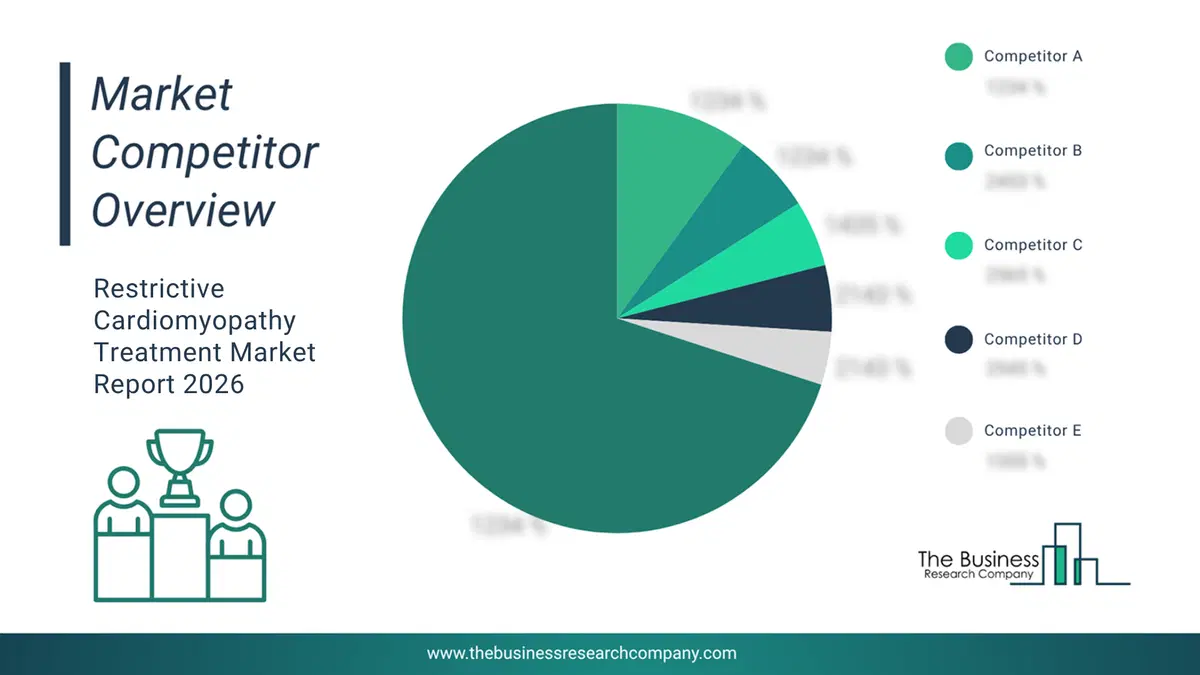
This chart is for illustrative purposes; the full report includes a detailed competitor analysis and comprehensive overview of the top 10 companies in the market.
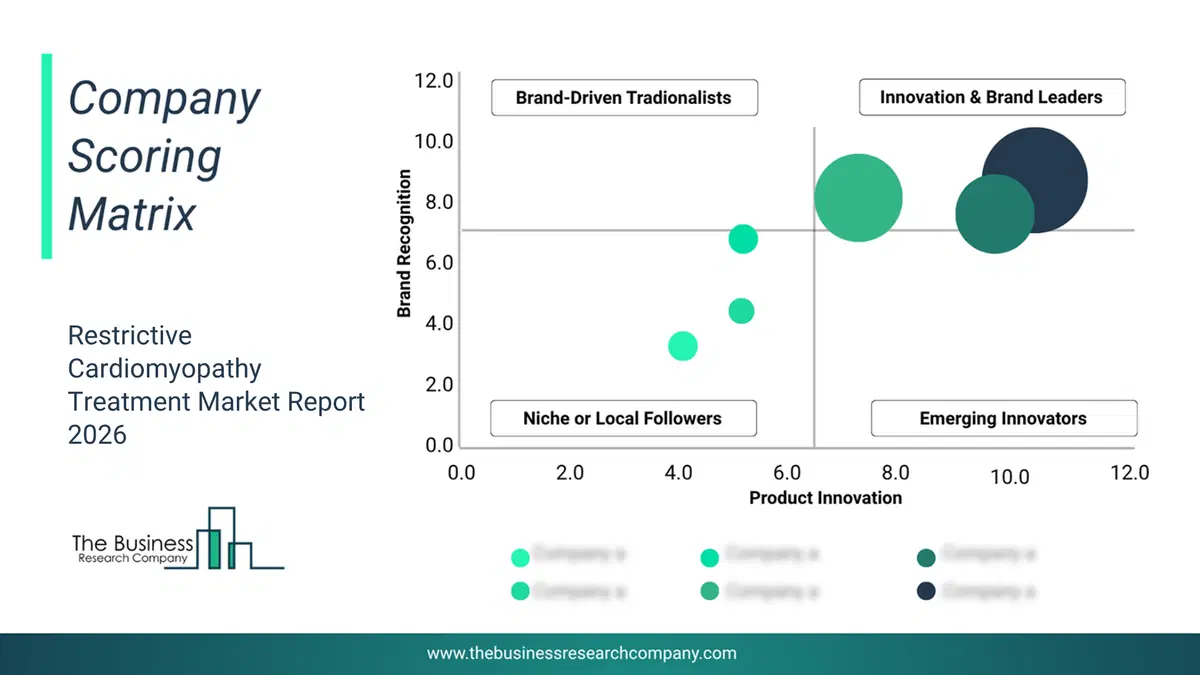
This chart maps companies by product innovation and brand strength, with bubble size indicating relative revenue, helping identify market leaders, challengers, and niche players. This is an illustrative chart; the full report provides a complete and accurate competitive analysis.
Global Restrictive Cardiomyopathy Treatment Market Trends and Insights
Major companies operating in the restrictive cardiomyopathy treatment market are focusing on conducting clinical trials to develop innovative therapies, such as transthyretin stabilizers and disease-modifying small-molecule drugs, to improve survival outcomes, slow cardiac amyloid progression, and reduce cardiovascular hospitalizations in affected patients. Transthyretin stabilizing therapies are advanced pharmacological treatments designed to prevent the misfolding and aggregation of transthyretin (TTR) proteins, which form amyloid deposits in the heart muscle and lead to progressive stiffening of the ventricles, a key mechanism underlying restrictive cardiomyopathy. For instance, in February 2025, Bayer AG, a Germany-based pharmaceutical company, announced EU approval of Beyonttra (acoramidis) for the treatment of transthyretin amyloidosis with cardiomyopathy, a major cause of restrictive cardiomyopathy. The therapy is a small-molecule, orally administered transthyretin stabilizer that achieves near-complete stabilization of TTR proteins, thereby reducing amyloid formation and limiting further cardiac infiltration. Clinical trial data from the Phase III ATTRibute-CM study demonstrated significant reductions in all-cause mortality and cardiovascular hospitalizations, with measurable benefits observed as early as three months after treatment initiation. Additionally, the therapy showed consistent cardiovascular improvements by slowing disease progression and reducing toxic amyloid precursor formation, offering a targeted and early-acting treatment option for patients with this progressive and often underdiagnosed cardiac condition.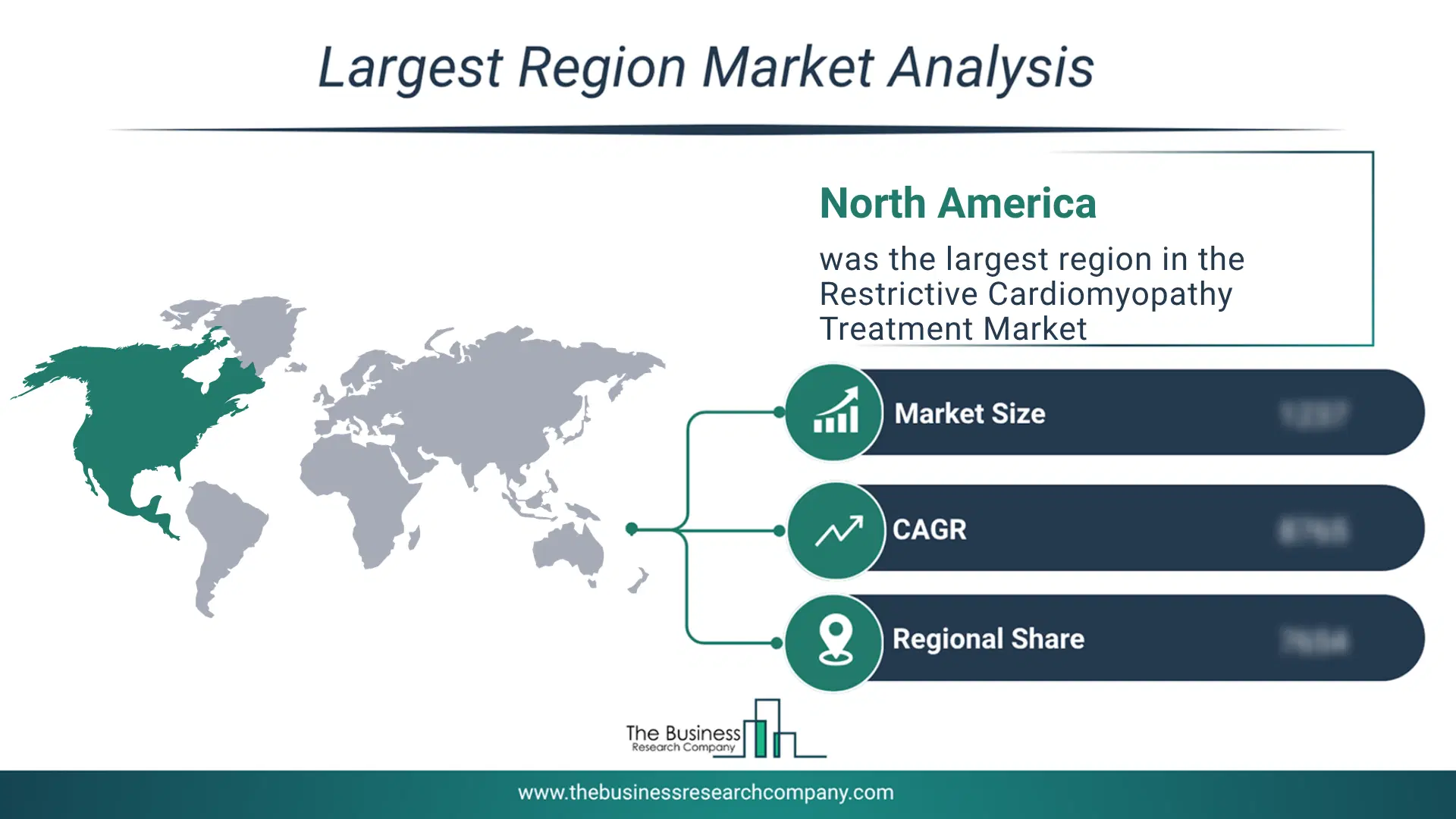
Regional Outlook/Insights
North America was the largest region in the restrictive cardiomyopathy treatment market in 2025. Asia-Pacific is expected to be the fastest-growing region in the forecast period. The regions covered in this market report are Asia-Pacific, South East Asia, Western Europe, Eastern Europe, North America, South America, Middle East, Africa. The countries covered in this market report are Australia, Brazil, China, France, Germany, India, Indonesia, Japan, Taiwan, Russia, South Korea, UK, USA, Canada, Italy, Spain.What Defines the Restrictive Cardiomyopathy Treatment Market?
The restrictive cardiomyopathy treatment market consists of revenues earned by entities by providing services such as clinical diagnosis, cardiology consultations, hospitalization, pharmacological treatment management, cardiac imaging services, surgical interventions including heart transplant procedures, and long-term disease monitoring and care management. The market value includes the value of related goods sold by the service provider or included within the service offering. The restrictive cardiomyopathy treatment market also includes sales of cardiac medications, implantable cardiac devices, diagnostic imaging systems, electrocardiography equipment, and heart monitoring devices. Values in this market are ‘factory gate’ values, that is the value of goods sold by the manufacturers or creators of the goods, whether to other entities (including downstream manufacturers, wholesalers, distributors and retailers) or directly to end customers. The value of goods in this market includes related services sold by the creators of the goods.How is Market Value Defined and Measured?
The market value is defined as the revenues that enterprises gain from the sale of goods and/or services within the specified market and geography through sales, grants, or donations in terms of the currency (in USD unless otherwise specified). The revenues for a specified geography are consumption values that are revenues generated by organizations in the specified geography within the market, irrespective of where they are produced. It does not include revenues from resales along the supply chain, either further along the supply chain or as part of other products.
This chart presents market attractiveness based on a quantitative evaluation of growth, competition, strategic alignment, and risk, offering a clear view of opportunity areas for decision-making. This chart is for illustrative purposes; the full report contains the complete analysis.

This chart highlights the Total Addressable Market (TAM) by estimating the maximum revenue opportunity using an assumption-driven approach, supporting strategic planning and opportunity sizing across markets. The chart is illustrative; the full report provides a more comprehensive analysis.
What Key Data and Analysis Are Included in the Restrictive Cardiomyopathy Treatment Market Report 2026?
The restrictive cardiomyopathy treatment market research report is one of a series of new reports from The Business Research Company that provides restrictive cardiomyopathy treatment market statistics, including restrictive cardiomyopathy treatment industry global market size, regional shares, competitors with a restrictive cardiomyopathy treatment market share, detailed restrictive cardiomyopathy treatment market segments, market trends and opportunities, and any further data you may need to thrive in the restrictive cardiomyopathy treatment industry. This restrictive cardiomyopathy treatment market research report delivers a complete perspective of everything you need, with an in-depth analysis of the current and future scenario of the industry.Restrictive Cardiomyopathy Treatment Market Report Forecast Analysis
| Report Attribute | Details |
|---|---|
| Market Size Value In 2026 | $1.11 billion |
| Revenue Forecast In 2030 | $1.7 billion |
| Growth Rate | CAGR of 11.4% from 2026 to 2030 |
| Base Year For Estimation | 2025 |
| Actual Estimates/Historical Data | 2020-2025 |
| Forecast Period | 2026 - 2030 |
| Market Representation | Revenue in USD Billion and CAGR from 2026 to 2030 |
| Segments Covered | Treatment Type, Administration Route, Diagnosis Method, Stage Of Disease, End User |
| Regional Scope | Asia-Pacific, Western Europe, Eastern Europe, North America, South America, Middle East, Africa |
| Country Scope | The countries covered in the report are Australia, Brazil, China, France, Germany, India, Indonesia, Japan, Taiwan, Russia, South Korea, UK, USA, Canada, Italy, Spain. |
| Key Companies Profiled | Pfizer Inc., AstraZeneca PLC, Bayer Aktiengesellschaft, Merck & Co. Inc., Sanofi, Hoffmann-La Roche AG, GSK plc, Teva Pharmaceuticals Ltd, Alnylam Pharmaceuticals Inc., Ionis Pharmaceuticals Inc., Lexeo Therapeutics Inc. |
| Customization Scope | Request for Customization |
| Pricing And Purchase Options | Explore Purchase Options |