
Retinoic Acid Receptor Beta Market Report 2026
Global Outlook – By Product Type (Agonists, Antagonists, Retinoid Based Therapeutics, Combination Therapies, Diagnostic And Research Reagents), By Application (Oncology, Dermatology, Neurology, Metabolic Disorders, Immunology Research, Regenerative Medicine), By End User (Hospitals, Specialty Clinics, Pharmaceutical Companies, Biotechnology Companies, Research Institutes, Academic Laboratories) – Market Size, Trends, Strategies, and Forecast to 2030
Retinoic Acid Receptor Beta Market Report 2026 Market Overview
• Retinoic Acid Receptor Beta Market Report 2026 market size has reached to $0.19 billion in 2025 • Expected to grow to $0.33 billion in 2030 at a compound annual growth rate (CAGR) of 11.1% • Growth Driver: Rising Prevalence Of Cancer Fueling The Growth Of The Market Due To Increasing Demand For Gene Regulation And Targeted Therapeutic Research Solutions In Oncology And Regenerative Medicine • Market Trend: Oral RARß Agonists Expand Therapeutic Potential for Spinal Cord Injury Treatment • North America was the largest region in 2025 and Asia-Pacific is the fastest growing region.What Is Covered Under Retinoic Acid Receptor Beta Market?
A retinoic acid receptor beta is a nuclear receptor protein activated by retinoic acid, a derivative of vitamin A, that regulates gene expression involved in cell growth, differentiation, immune response, and tissue development. It plays a significant role in oncology, dermatology, neurology, and metabolic disorder research due to its involvement in controlling abnormal cell proliferation and cellular signaling pathways. The main product types of retinoic acid receptor beta include agonists, antagonists, retinoid based therapeutics, combination therapies, and diagnostic and research reagents. Agonists refer to compounds that activate retinoic acid receptor beta pathways to regulate gene expression and support therapeutic or research applications. These products are used in applications including oncology, dermatology, neurology, metabolic disorders, immunology research, and regenerative medicine and are utilized by hospitals, specialty clinics, pharmaceutical companies, biotechnology companies, research institutes, and academic laboratories.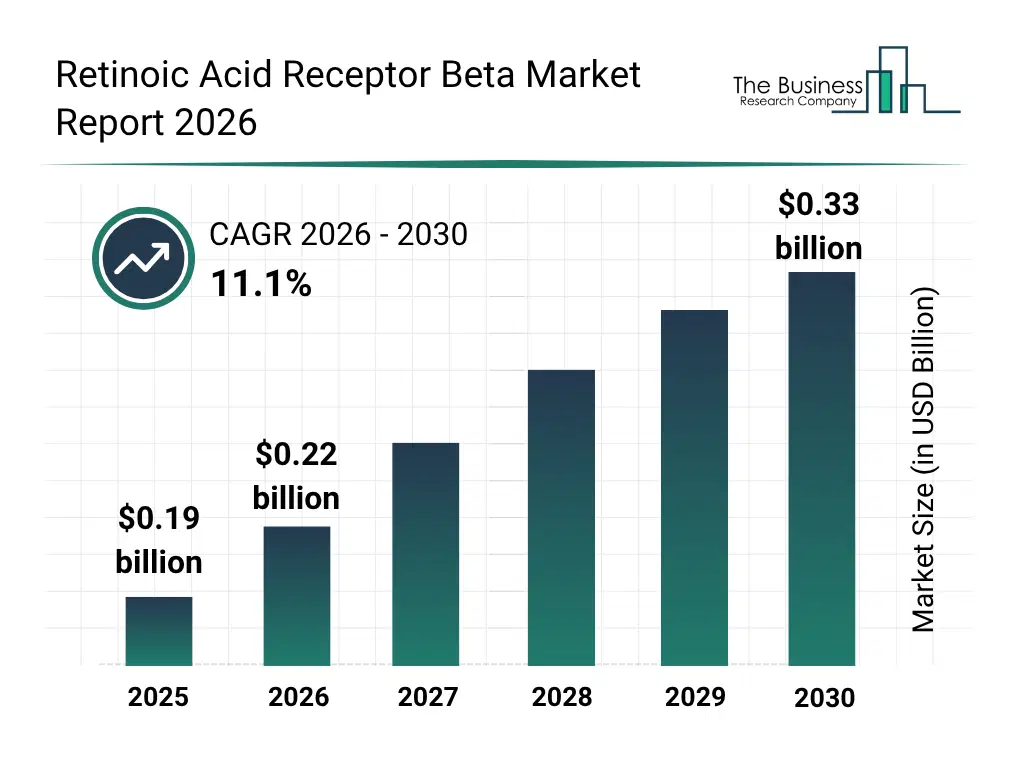
What Is The Retinoic Acid Receptor Beta Market Size and Share 2026?
The retinoic acid receptor beta market size has grown rapidly in recent years. It will grow from $0.19 billion in 2025 to $0.22 billion in 2026 at a compound annual growth rate (CAGR) of 11.5%. The growth in the historic period can be attributed to increasing cancer research activities targeting nuclear receptors, growing utilization of retinoid therapies in dermatology, expansion of molecular biology research programs, rising prevalence of chronic and metabolic disorders, increasing investments in pharmaceutical drug discovery.What Is The Retinoic Acid Receptor Beta Market Growth Forecast?
The retinoic acid receptor beta market size is expected to see rapid growth in the next few years. It will grow to $0.33 billion in 2030 at a compound annual growth rate (CAGR) of 11.1%. The growth in the forecast period can be attributed to growing development of precision medicine therapies, increasing clinical trials involving receptor targeted therapeutics, rising demand for biomarker based diagnostics, expanding applications in regenerative medicine research, growing investment in advanced oncology treatment development. Major trends in the forecast period include growing development of selective retinoic acid receptor beta agonists for targeted therapeutic applications, increasing research on retinoic acid receptor beta pathways in oncology drug development, rising adoption of combination therapies incorporating retinoid based compounds, expanding use of retinoic acid receptor beta biomarkers in disease diagnosis and monitoring, growing focus on novel retinoid formulations for enhanced therapeutic efficacy.
Global Retinoic Acid Receptor Beta Market Segmentation
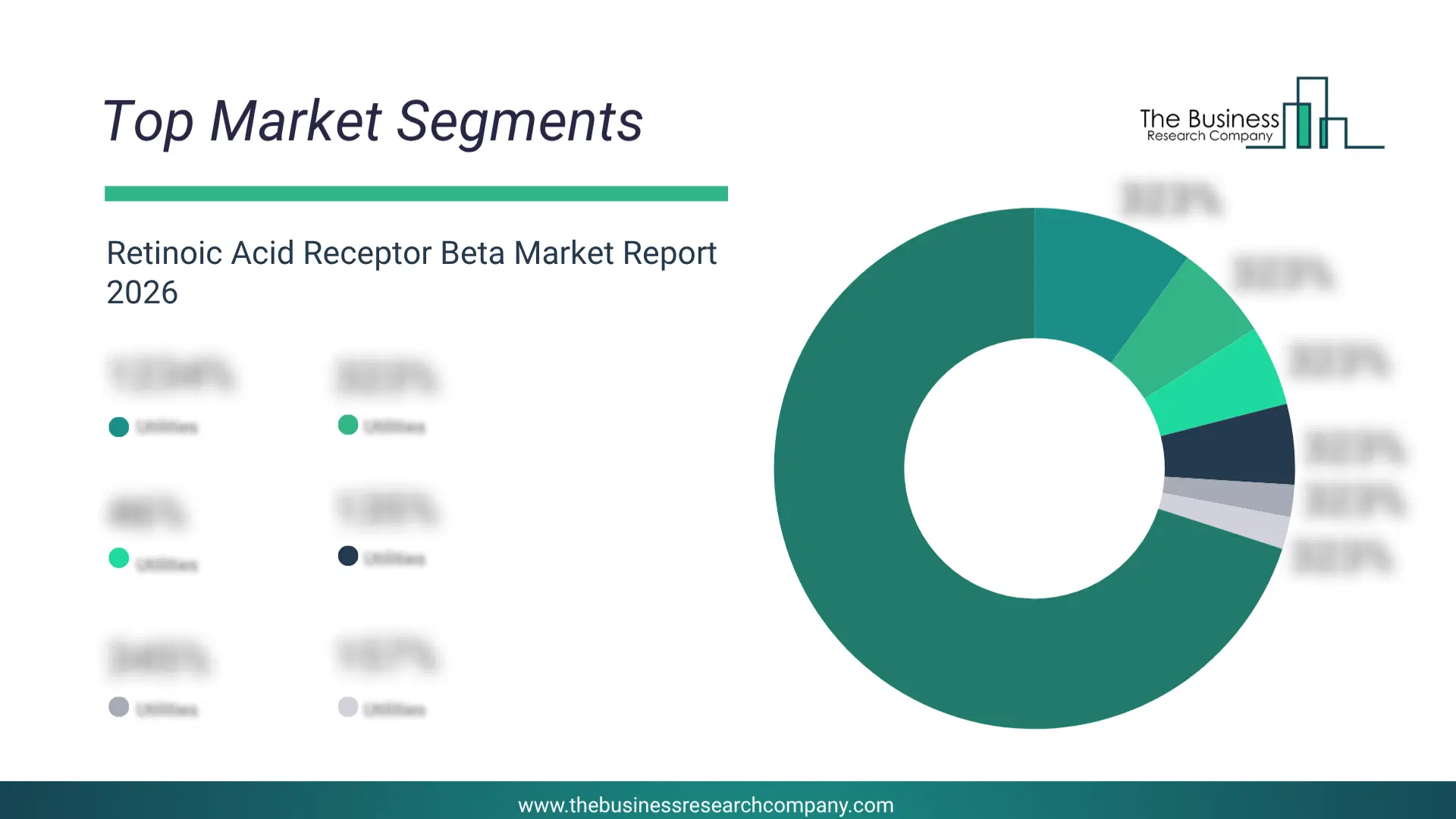
1) By Product Type: Agonists, Antagonists, Retinoid Based Therapeutics, Combination Therapies, Diagnostic And Research Reagents 2) By Application: Oncology, Dermatology, Neurology, Metabolic Disorders, Immunology Research, Regenerative Medicine 3) By End User: Hospitals, Specialty Clinics, Pharmaceutical Companies, Biotechnology Companies, Research Institutes, Academic Laboratories Subsegments: 1) By Agonists: Selective Retinoic Acid Receptor Beta Agonist Type, Synthetic Retinoid Agonist Type, Nuclear Receptor Agonist Type, Oral Agonist Drug Type, Injectable Agonist Therapy Type 2) By Antagonists: Selective Retinoic Acid Receptor Beta Antagonist Type, Small Molecule Antagonist Type, Oncology Antagonist Therapy Type, Experimental Receptor Antagonist Type, Combination Antagonist Drug Type 3) By Retinoid Based Therapeutics: Oral Retinoid Therapeutic Type, Topical Retinoid Therapeutic Type, Synthetic Retinoid Therapy Type, Dermatology Retinoid Therapy Type, Oncology Retinoid Therapy Type 4) By Combination Therapies: Retinoic Acid Receptor Beta Agonist Plus Chemotherapy, Retinoic Acid Receptor Beta Agonist Plus Immunotherapy, Retinoic Acid Receptor Beta, Agonist Plus Targeted Therapy, Retinoic Acid Receptor Beta Agonist Plus Radiation Therapy, Retinoic Acid Receptor Beta Agonist Plus Epigenetic Therapy 5) By Diagnostic And Research Reagents: Biomarker Detection Reagent Type, Cell Signaling Research Reagent Type, Molecular Assay Reagent Type, Antibody Based Research Reagent Type, Genomic Testing Reagent TypeWhat Are The Drivers Of The Retinoic Acid Receptor Beta Market?
The rising prevalence of cancer is expected to propel the growth of the retinoic acid receptor beta market going forward. Cancer is a group of diseases characterized by the uncontrolled growth and spread of abnormal cells in the body, which can invade nearby tissues and spread to other parts of the body through the blood and lymph systems. The rise in cancer prevalence is due to aging populations combined with increased exposure to risk factors such as tobacco use, unhealthy diets, physical inactivity, and environmental pollutants. Retinoic acid receptor beta (RARβ) is beneficial in cancer treatment as it regulates gene expression that promotes cellular differentiation and inhibits the uncontrolled proliferation of cancer cells. For instance, in October 2025, according to NHS England, a UK-based public healthcare authority, the number of new cancer diagnoses in England increased from 346,215 cases in 2022 to 354,820 cases in 2023. Therefore, the rising prevalence of cancer is driving the growth of the retinoic acid receptor beta industry. The growing prevalence of hematological disorders is expected to propel the growth of the retinoic acid receptor beta market going forward. Hematological disorders are a diverse group of diseases affecting the blood, bone marrow, and lymphatic system, including leukemias, lymphomas, and myelomas, which arise from the uncontrolled proliferation of abnormal blood cells. The increase in these disorders is primarily driven by population aging, as the risk of developing hematological malignancies rises significantly with age, alongside improved diagnostic capabilities that detect more cases. Retinoic acid receptor beta (RARβ) plays a critical role in regulating cell differentiation and apoptosis, making it a promising therapeutic target for hematological malignancies such as acute promyelocytic leukemia; therefore, as the patient pool expands, the demand for RARβ-targeted therapies grows correspondingly. For instance, in October 2024, according to the National Cancer Registry Ireland, an Ireland-based national cancer surveillance organization, approximately 2,400 people are diagnosed with blood cancer annually in Ireland, with this number projected to increase to over 3,000 new cases annually by 2030, marking a projected rise of more than 25%. Therefore, the growing prevalence of hematological disorders is driving the growth of the retinoic acid receptor beta industry.Key Players In The Global Retinoic Acid Receptor Beta Market
Major companies operating in the retinoic acid receptor beta market report are Thermo Fisher Scientific Inc., Merck KGaA, GeneTex Inc., OriGene Technologies Inc., Cayman Chemical Company, Selleck Chemicals LLC, Shanghai Aladdin Biochemical Technology Co. Ltd., Santa Cruz Biotechnology Inc., Creative Biolabs Inc., Krishgen Biosystems Private Limited, Biomatik Corporation, MedChemExpress LLC, Boster Biological Technology Co. Ltd., Abbexa Ltd., Affinity Biosciences Ltd., Amplicon Biotech S.r.l., GenuIN Biotech Private Limited, INDIGO Biosciences Inc., Io Therapeutics Inc., Cloud-Clone Corp., Bio-Techne Corporation, Enzo Life Sciences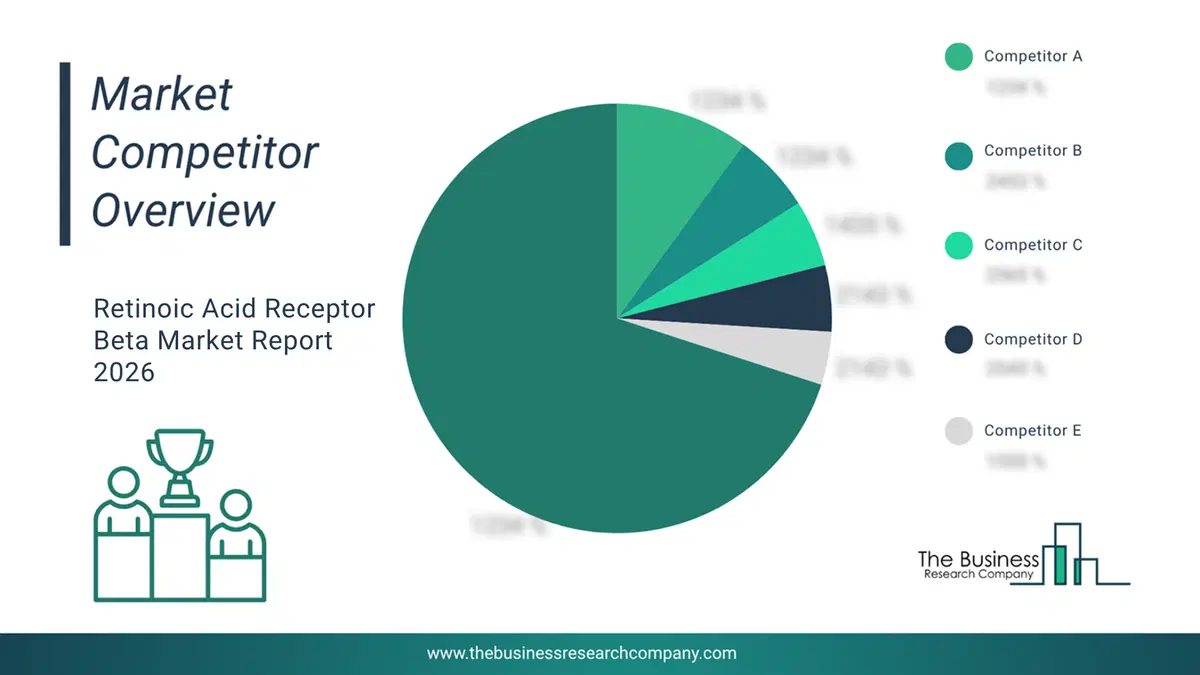
This chart is for illustrative purposes; the full report includes a detailed competitor analysis and comprehensive overview of the top 10 companies in the market.
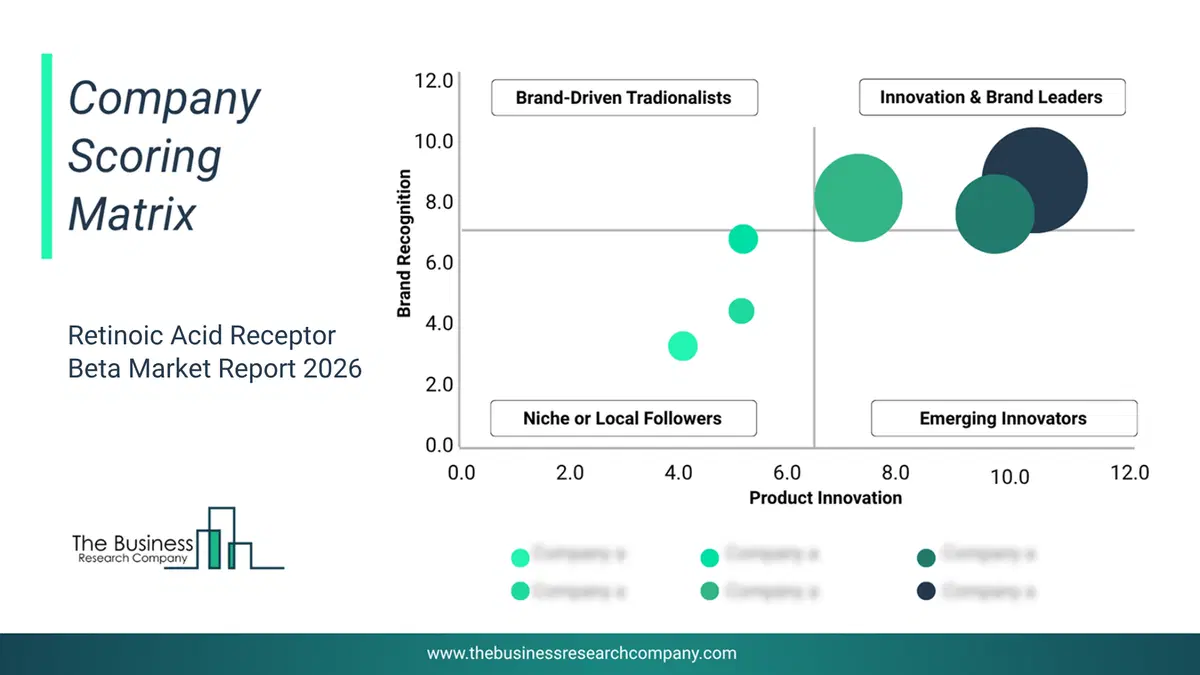
This chart maps companies by product innovation and brand strength, with bubble size indicating relative revenue, helping identify market leaders, challengers, and niche players. This is an illustrative chart; the full report provides a complete and accurate competitive analysis.
Global Retinoic Acid Receptor Beta Market Trends and Insights
Major companies operating in the retinoic acid receptor beta market are focusing on developing advanced solutions, such as of RARβ-activating therapeutics to promote neural regeneration, improve functional recovery, and address unmet treatment needs in spinal cord injury (SCI). RARβ-activating therapeutics are drug candidates designed to stimulate retinoic acid receptor beta signaling pathways to support nerve repair and regeneration within the central nervous system. For instance, in August 2023, the Institute of Psychiatry, Psychology & Neuroscience (IoPPN) at King’s College London, a UK-based academic research institute, reported positive Phase 1 clinical trial findings for KCL-286, an orally available drug developed for spinal cord injury treatment. The drug, which activates RARβ in the spine to promote recovery, demonstrated safety and tolerability in healthy participants with no severe side effects, supporting further development toward Phase 2a clinical evaluation in patients with SCI.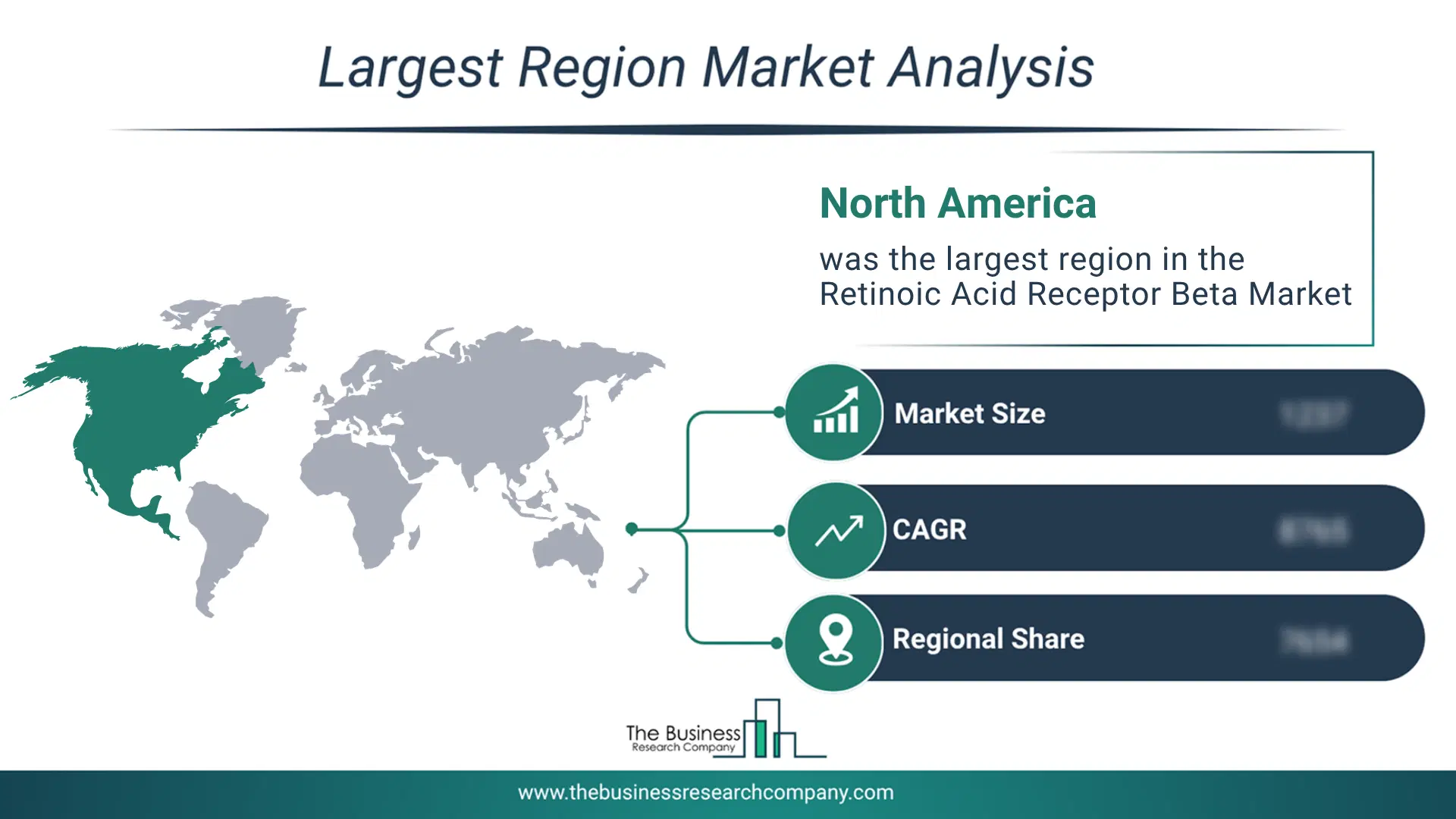
Regional Outlook
North America was the largest region in the retinoic acid receptor beta market in 2025. Asia-Pacific is expected to be the fastest-growing region in the forecast period. The regions covered in this market report are Asia-Pacific, South East Asia, Western Europe, Eastern Europe, North America, South America, Middle East, Africa. The countries covered in this market report are Australia, Brazil, China, France, Germany, India, Indonesia, Japan, Taiwan, Russia, South Korea, UK, USA, Canada, Italy, Spain.What Defines the Retinoic Acid Receptor Beta Market?
The retinoic acid receptor beta market consists of sales of retinoid drugs, diagnostic research products, cell signaling research reagents, and related pharmaceutical products. Values in this market are ‘factory gate’ values, that is the value of goods sold by the manufacturers or creators of the goods, whether to other entities (including downstream pharmaceutical manufacturers, distributors, hospitals, research institutes, and healthcare providers) or directly to end customers. The value of goods in this market includes related services sold by the creators of the goods.How is Market Value Defined and Measured?
The market value is defined as the revenues that enterprises gain from the sale of goods and/or services within the specified market and geography through sales, grants, or donations in terms of the currency (in USD unless otherwise specified). The revenues for a specified geography are consumption values that are revenues generated by organizations in the specified geography within the market, irrespective of where they are produced. It does not include revenues from resales along the supply chain, either further along the supply chain or as part of other products.
This chart presents market attractiveness based on a quantitative evaluation of growth, competition, strategic alignment, and risk, offering a clear view of opportunity areas for decision-making. This chart is for illustrative purposes; the full report contains the complete analysis.

This chart highlights the Total Addressable Market (TAM) by estimating the maximum revenue opportunity using an assumption-driven approach, supporting strategic planning and opportunity sizing across markets. The chart is illustrative; the full report provides a more comprehensive analysis.
What Key Data and Analysis Are Included in the Retinoic Acid Receptor Beta Market Report 2026?
The retinoic acid receptor beta market research report is one of a series of new reports from The Business Research Company that provides market statistics, including industry global market size, regional shares, competitors with the market share, detailed market segments, market trends and opportunities, and any further data you may need to thrive in the retinoic acid receptor beta industry. The market research report delivers a complete perspective of everything you need, with an in-depth analysis of the current and future state of the industry.Retinoic Acid Receptor Beta Market Report Forecast Analysis
| Report Attribute | Details |
|---|---|
| Market Size Value In 2026 | $0.22 billion |
| Revenue Forecast In 2030 | $0.33 billion |
| Growth Rate | CAGR of 11.1% from 2026 to 2030 |
| Base Year For Estimation | 2025 |
| Actual Estimates/Historical Data | 2020-2025 |
| Forecast Period | 2026 - 2030 |
| Market Representation | Revenue in USD Billion and CAGR from 2026 to 2030 |
| Segments Covered | Product Type, Application, End User |
| Regional Scope | Asia-Pacific, Western Europe, Eastern Europe, North America, South America, Middle East, Africa |
| Country Scope | The countries covered in the report are Australia, Brazil, China, France, Germany, India, Indonesia, Japan, Taiwan, Russia, South Korea, UK, USA, Canada, Italy, Spain. |
| Key Companies Profiled | Thermo Fisher Scientific Inc., Merck KGaA, GeneTex Inc., OriGene Technologies Inc., Cayman Chemical Company, Selleck Chemicals LLC, Shanghai Aladdin Biochemical Technology Co. Ltd., Santa Cruz Biotechnology Inc., Creative Biolabs Inc., Krishgen Biosystems Private Limited, Biomatik Corporation, MedChemExpress LLC, Boster Biological Technology Co. Ltd., Abbexa Ltd., Affinity Biosciences Ltd., Amplicon Biotech S.r.l., GenuIN Biotech Private Limited, INDIGO Biosciences Inc., Io Therapeutics Inc., Cloud-Clone Corp., Bio-Techne Corporation, Enzo Life Sciences |
| Customization Scope | Request for Customization |
| Pricing And Purchase Options | Explore Purchase Options |