

Richter Syndrome Market Report 2026
Global Outlook – By Disease Type (Chronic Lymphocytic Leukemia (CLL)-Associated Richter Syndrome, Non-CLL-Associated Richter Syndrome), By Treatment Type (Chemotherapy, Targeted Therapy, Immunotherapy, Immune Checkpoint Inhibitors, Stem Cell Transplantation, Supportive Care And Palliative Treatments), By Route Of Administration (Oral, Intravenous), By Distribution Channel (Hospital Pharmacies, Retail Pharmacies, Online Pharmacies), By End-User (Hospitals, Specialty Clinics, Cancer Treatment Centers, Research And Academic Institutes) - Market Size, Trends, Strategies, and Forecast to 2030
Richter Syndrome Market Overview
• Richter Syndrome market size has reached to $0.48 billion in 2025 • Expected to grow to $0.64 billion in 2030 at a compound annual growth rate (CAGR) of 6% • Growth Driver: Impact Of Rising Aggressive Lymphoma Prevalence On The Growth Of The Market • North America was the largest region in 2025 and Asia-Pacific is the fastest growing region.What Is Covered Under Richter Syndrome Market?
Richter syndrome is an aggressive transformation of chronic lymphocytic leukemia (CLL) or small lymphocytic lymphoma (SLL) into a fast-growing, high-grade lymphoma, most commonly diffuse large B-cell lymphoma (DLBCL), characterized by rapid disease progression, worsening symptoms, and poor prognosis despite treatment efforts. Patients with Richter Syndrome often experience sudden worsening of systemic symptoms, including fever, weight loss, and swollen lymph nodes, alongside resistance to standard CLL therapies, necessitating more intensive treatment approaches. The main disease types of Richter syndrome are chronic lymphocytic leukemia (CLL)-associated Richter syndrome and non-CLL-associated Richter syndrome. Chronic lymphocytic leukemia (CLL)-associated Richter syndrome is a rare and aggressive transformation of CLL into an aggressive lymphoma, most commonly diffuse large B-cell lymphoma (DLBCL). These are categorized by treatment type such as chemotherapy, targeted therapy, immunotherapy, immune checkpoint inhibitors, stem cell transplantation, and supportive care and palliative treatments, using route of administrations as oral and intravenous. These are distributed through various distribution channels such as hospital pharmacies, retail pharmacies, and online pharmacies and are used for various end users such as hospitals, specialty clinics, cancer treatment centers, and research and academic institutes.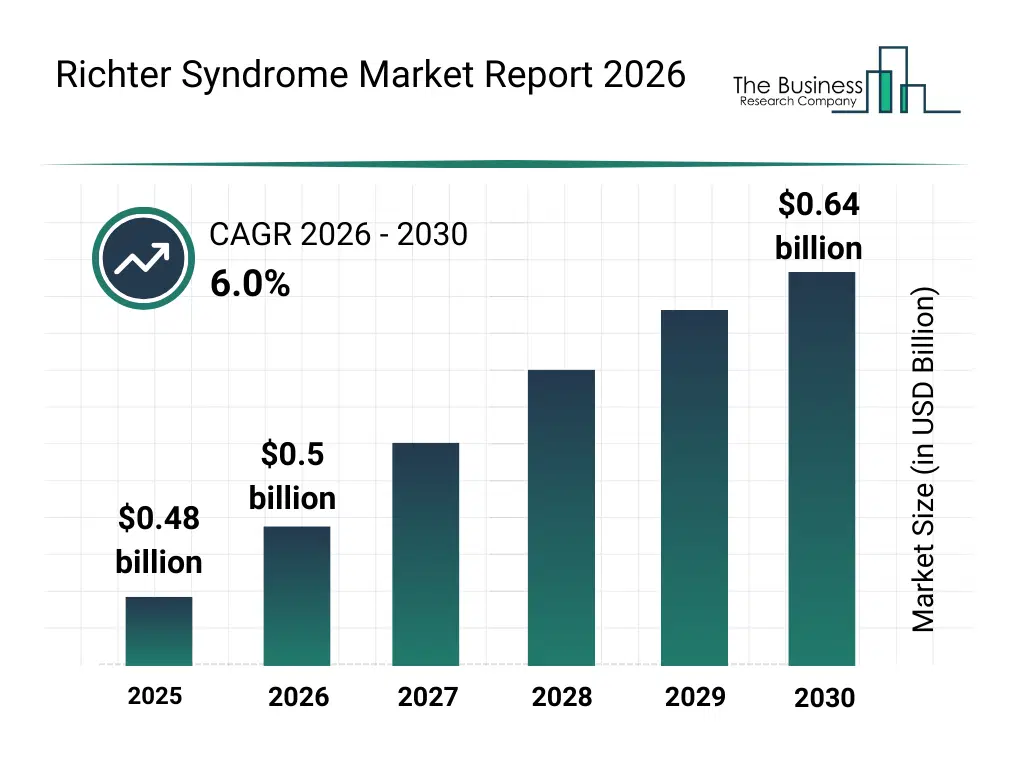
What Is The Richter Syndrome Market Size and Share 2026?
The richter syndrome market size has grown strongly in recent years. It will grow from $0.48 billion in 2025 to $0.5 billion in 2026 at a compound annual growth rate (CAGR) of 6.2%. The growth in the historic period can be attributed to increasing incidence of chronic lymphocytic leukemia, limited effectiveness of traditional therapies, growing awareness of aggressive lymphoma transformations, expansion of oncology research centers, availability of chemotherapy regimens.What Is The Richter Syndrome Market Growth Forecast?
The richter syndrome market size is expected to see strong growth in the next few years. It will grow to $0.64 billion in 2030 at a compound annual growth rate (CAGR) of 6.0%. The growth in the forecast period can be attributed to increasing development of novel immunotherapies, rising adoption of precision oncology approaches, expansion of stem cell transplantation programs, growing investments in rare cancer research, increasing focus on personalized treatment pathways. Major trends in the forecast period include increasing adoption of targeted and immunotherapies, rising focus on early detection and risk stratification, growing use of combination treatment approaches, expansion of clinical research and trials, enhanced supportive and palliative care integration.
Global Richter Syndrome Market Segmentation
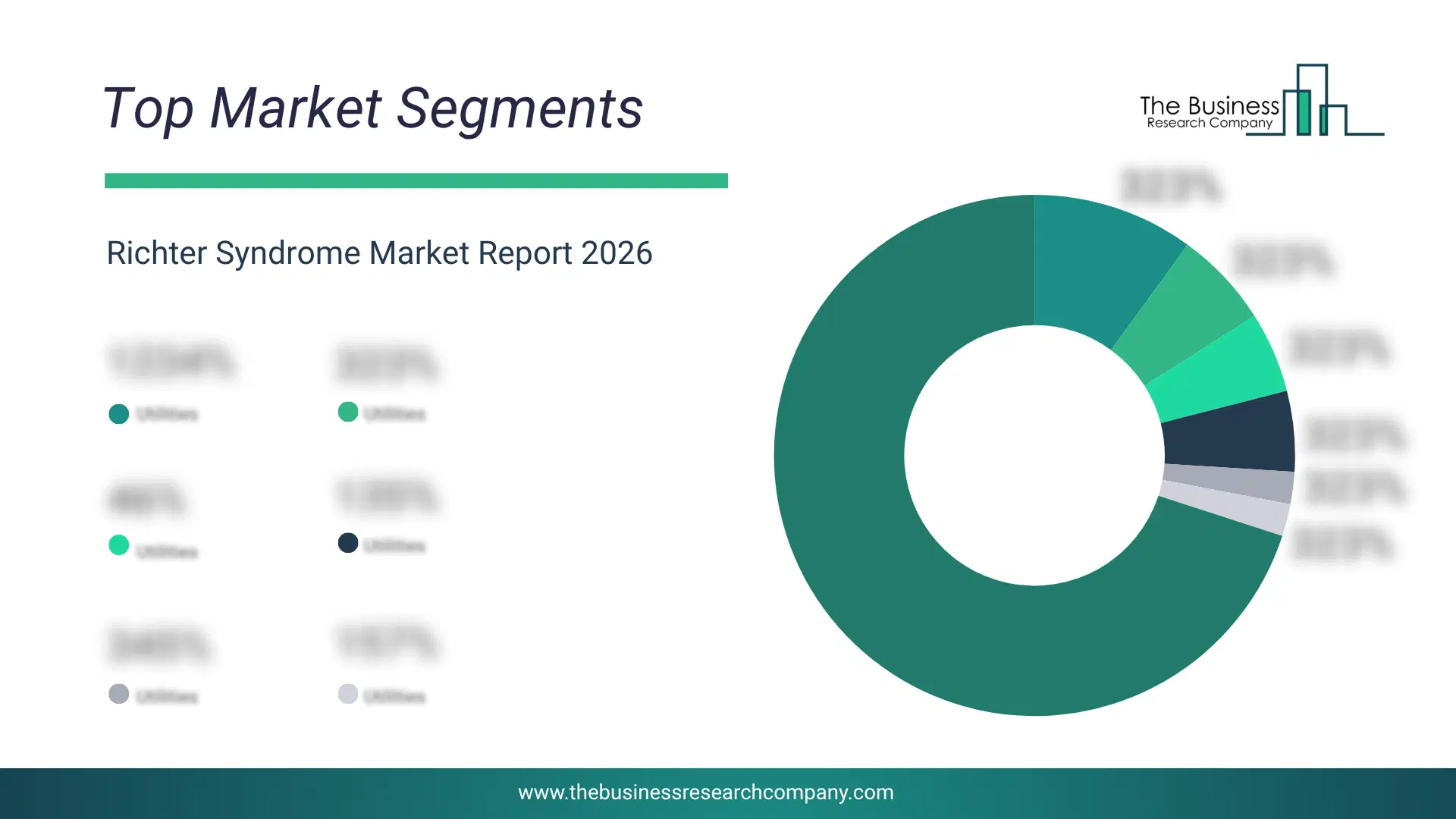
1) By Disease Type: Chronic Lymphocytic Leukemia (CLL)-Associated Richter Syndrome, Non-CLL-Associated Richter Syndrome 2) By Treatment Type: Chemotherapy, Targeted Therapy, Immunotherapy, Immune Checkpoint Inhibitors, Stem Cell Transplantation, Supportive Care And Palliative Treatments 3) By Route Of Administration: Oral, Intravenous 4) By Distribution Channel: Hospital Pharmacies, Retail Pharmacies, Online Pharmacies 5) By End-User: Hospitals, Specialty Clinics, Cancer Treatment Centers, Research And Academic Institutes Subsegments: 1) By Chronic Lymphocytic Leukemia (CLL)-Associated Richter Syndrome: Transformation To Diffuse Large B-cell Lymphoma, Transformation To Hodgkin Lymphoma 2) By Non-CLL-Associated Richter Syndrome: De Novo Diffuse Large B-cell Lymphoma, De Novo Hodgkin LymphomaWhat Are The Drivers Of The Richter Syndrome Market?
The rising prevalence of aggressive lymphoma is expected to propel the growth of the Richter syndrome market going forward. Lymphoma is a type of cancer that originates in the lymphatic system, which is part of the body's immune system, affecting lymph nodes and other lymphatic tissues. The rising prevalence of aggressive lymphoma is due to factors such as improved diagnostic techniques, an aging population, and increased awareness, leading to more cases being identified. Richter syndrome treatment supports aggressive lymphoma patients by combining intensive chemotherapy, targeted therapies such as BTK and BCL-2 inhibitors, monoclonal antibodies, and advanced options such as CAR T-cell therapy and stem cell transplantation to manage disease progression, improve response rates, and extend survival, while also incorporating emerging therapies and clinical trials for refractory cases. For instance, in January 2025, according to the American Cancer Society, a US-based non-profit organization, approximately 80,350 people (45,140 males and 35,210 females) are expected to be diagnosed with non-Hodgkin lymphoma (NHL), while around 19,390 (11,060 males and 8,330 females) are projected to die from the disease. Therefore, the rising prevalence of aggressive lymphoma is driving the growth of the Richter syndrome industry. The growing personalized medicine is expected to propel the growth of the Richter syndrome market going forward. Personalized medicine is a medical approach that tailor treatments and healthcare strategies to individual patients based on their genetic, environmental, and lifestyle factors. The growing personalized medicine is due to increased interest in tailored healthcare solutions that optimize treatment efficacy based on individual genetic and lifestyle profiles. Richter syndrome, a rare and aggressive transformation of chronic lymphocytic leukemia (CLL), highlights the importance of personalized medicine by demonstrating the need for tailored treatment strategies that account for genetic mutations and individual disease progression, thus fostering greater awareness and adoption of precision healthcare approaches. For instance, in February 2024, according to the Personalized Medicine Coalition, a US-based nonprofit organization, the USFDA approved 16 new personalized treatments for rare disease patients in 2023, a significant increase from 6 personalized treatments in 2022. Therefore, the growing awareness of personalized medicine is driving the growth of the Richter syndrome industry. The rise in healthcare spending is expected to propel the growth of the Richter syndrome market going forward. Healthcare spending refers to the total expenditure on health services and products, including medical care, hospital services, preventive care, medications, research, infrastructure, and administrative costs, aimed at maintaining or improving the health and well-being of individuals and populations. Healthcare spending is attributed to aging population, advancements in medical technology, rising prevalence of chronic diseases, and increased demand for healthcare services. Healthcare spending supports Richter syndrome treatment by enabling access to advanced chemotherapy regimens, targeted therapies, immunotherapies, CAR T-cell therapy, and stem cell transplantation, while also funding research, clinical trials, and healthcare infrastructure to improve early diagnosis, personalized treatment strategies, and overall patient outcomes. For instance, in May 2024, according to the Office for National Statistics, a UK-based government department, between 2022 and 2023, healthcare spending in the UK increased by 5.6% compared with growth of 0.9% in 2022. The UK healthcare expenditure in UK healthcare expenditure was around $317.63 billion (£292 billion) in 2023. Therefore, rise in healthcare spending is driving the growth of the Richter syndrome industry.Key Players In The Global Richter Syndrome Market
Major companies operating in the richter syndrome market are Pfizer Inc., Janssen Pharmaceuticals Inc., F Hoffmann La Roche Ltd, AbbVie Inc., Bristol Myers Squibb Company, AstraZeneca PLC, Novartis AG, Takeda Pharmaceutical Company Limited, Gilead Sciences Inc., Chugai Pharmaceutical Co Ltd, Genentech Inc., Incyte Corporation, Kyowa Kirin Co Ltd, Celltrion Healthcare Co Ltd, BeiGene Ltd, Nippon Shinyaku Co Ltd, MorphoSys AG, TG Therapeutics Inc., Amgen Inc., Sanofi SA, Bayer AG, Daiichi Sankyo Company, Merck And Co Inc., Seagen Inc., Roche Diagnostics Oncology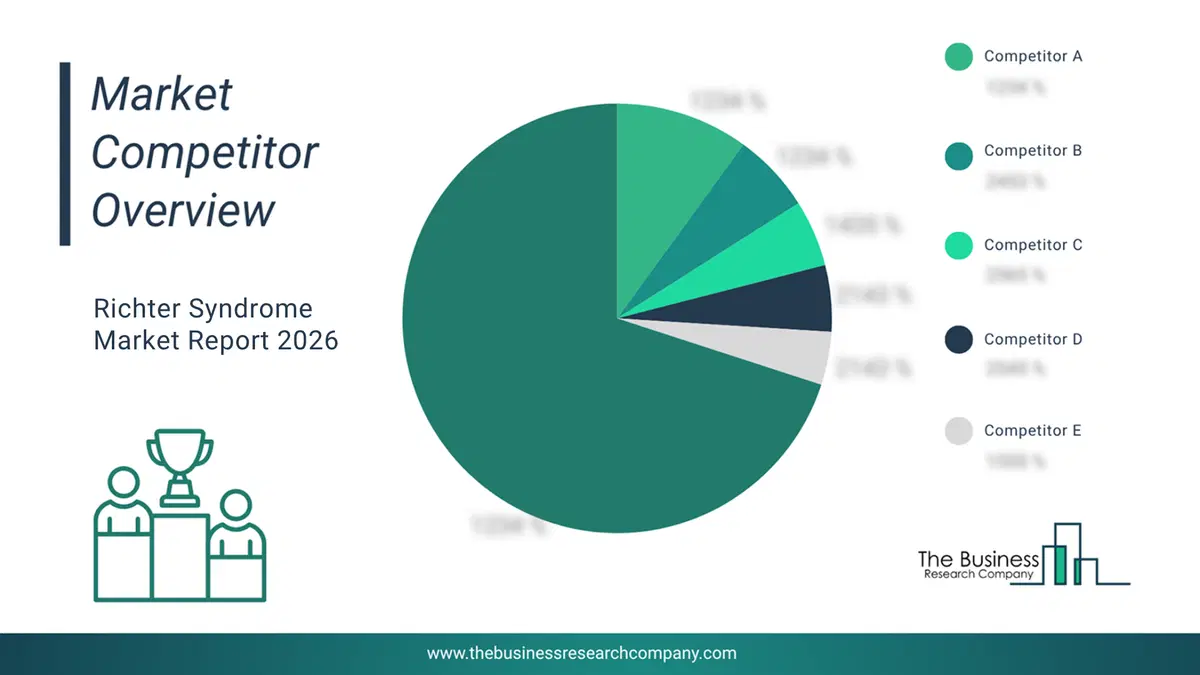
This chart is for illustrative purposes; the full report includes a detailed competitor analysis and comprehensive overview of the top 10 companies in the market.
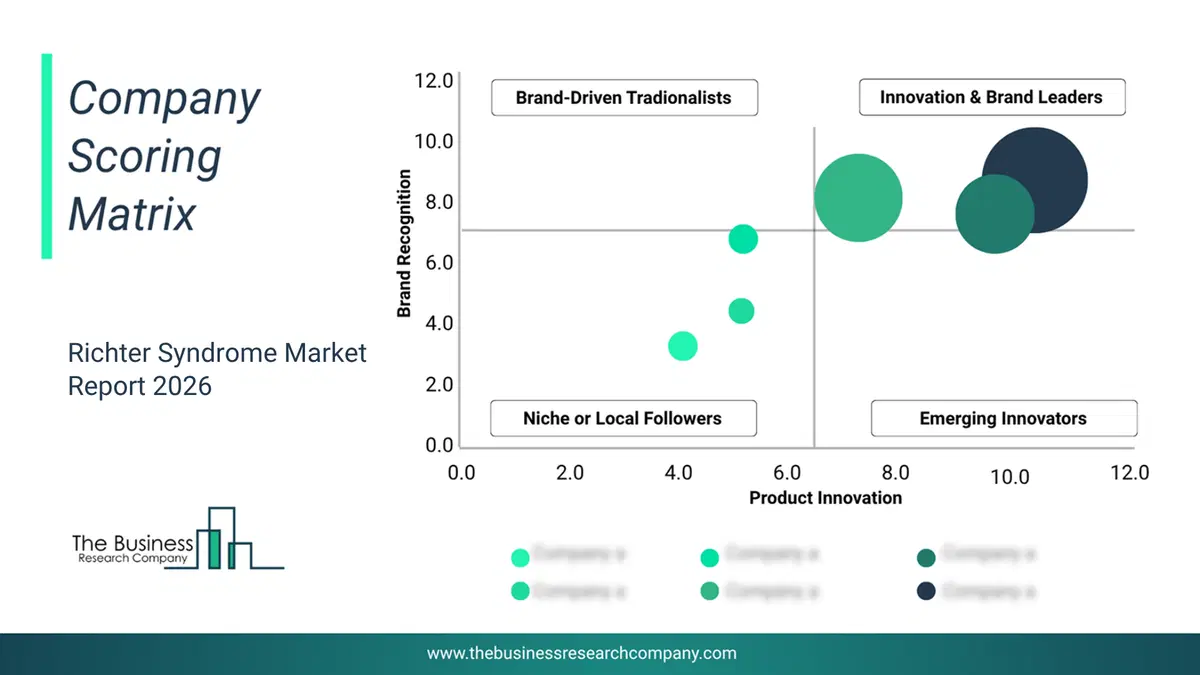
This chart maps companies by product innovation and brand strength, with bubble size indicating relative revenue, helping identify market leaders, challengers, and niche players. This is an illustrative chart; the full report provides a complete and accurate competitive analysis.
Regional Outlook
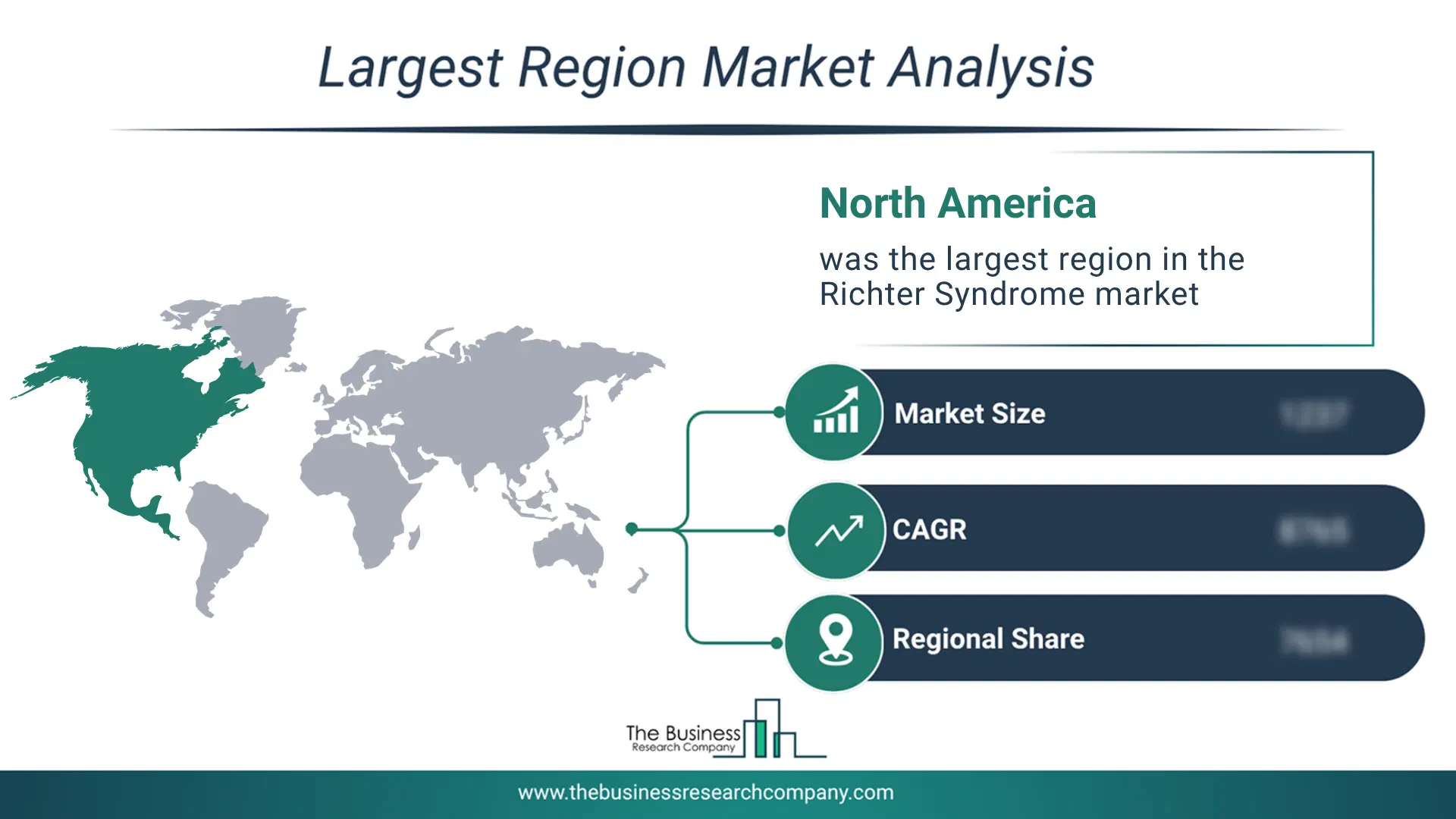
North America was the largest region in the richter syndrome market in 2025. Asia-Pacific is expected to be the fastest-growing region in the forecast period. The regions covered in this market report are Asia-Pacific, South East Asia, Western Europe, Eastern Europe, North America, South America, Middle East, Africa. The countries covered in this market report are Australia, Brazil, China, France, Germany, India, Indonesia, Japan, Taiwan, Russia, South Korea, UK, USA, Canada, Italy, Spain.What Defines the Richter Syndrome Market?
The Richter syndrome market consists of revenues earned by entities by providing services such as diagnostic testing services, genetic and biomarker testing services, clinical trial services, radiation therapy services, and nutritional and rehabilitation services. The market value includes the value of related goods sold by the service provider or included within the service offering. The Richter syndrome market also includes sales of chemotherapy regimens, and monoclonal antibodies. Values in this market are ‘factory gate’ values, that is the value of goods sold by the manufacturers or creators of the goods, whether to other entities (including downstream manufacturers, wholesalers, distributors and retailers) or directly to end customers. The value of goods in this market includes related services sold by the creators of the goods.How is Market Value Defined and Measured?
The market value is defined as the revenues that enterprises gain from the sale of goods and/or services within the specified market and geography through sales, grants, or donations in terms of the currency (in USD unless otherwise specified). The revenues for a specified geography are consumption values that are revenues generated by organizations in the specified geography within the market, irrespective of where they are produced. It does not include revenues from resales along the supply chain, either further along the supply chain or as part of other products.
This chart presents market attractiveness based on a quantitative evaluation of growth, competition, strategic alignment, and risk, offering a clear view of opportunity areas for decision-making. This chart is for illustrative purposes; the full report contains the complete analysis.

This chart highlights the Total Addressable Market (TAM) by estimating the maximum revenue opportunity using an assumption-driven approach, supporting strategic planning and opportunity sizing across markets. The chart is illustrative; the full report provides a more comprehensive analysis.
What Key Data and Analysis Are Included in the Richter Syndrome Market Report 2026?
The richter syndrome market research report is one of a series of new reports from The Business Research Company that provides market statistics, including industry global market size, regional shares, competitors with the market share, detailed market segments, market trends and opportunities, and any further data you may need to thrive in the richter syndrome industry. The market research report delivers a complete perspective of everything you need, with an in-depth analysis of the current and future state of the industry.Richter Syndrome Market Report Forecast Analysis
| Report Attribute | Details |
|---|---|
| Market Size Value In 2026 | $0.5 billion |
| Revenue Forecast In 2030 | $0.64 billion |
| Growth Rate | CAGR of 6% from 2026 to 2030 |
| Base Year For Estimation | 2025 |
| Actual Estimates/Historical Data | 2020-2025 |
| Forecast Period | 2026 - 2030 |
| Market Representation | Revenue in USD Billion and CAGR from 2026 to 2030 |
| Segments Covered | Disease Type, Treatment Type, Route Of Administration, Distribution Channel, End-User |
| Regional Scope | Asia-Pacific, Western Europe, Eastern Europe, North America, South America, Middle East, Africa |
| Country Scope | The countries covered in the report are Australia, Brazil, China, France, Germany, India, Indonesia, Japan, Taiwan, Russia, South Korea, UK, USA, Canada, Italy, Spain |
| Key Companies Profiled | Pfizer Inc., Janssen Pharmaceuticals Inc., F Hoffmann La Roche Ltd, AbbVie Inc., Bristol Myers Squibb Company, AstraZeneca PLC, Novartis AG, Takeda Pharmaceutical Company Limited, Gilead Sciences Inc., Chugai Pharmaceutical Co Ltd, Genentech Inc., Incyte Corporation, Kyowa Kirin Co Ltd, Celltrion Healthcare Co Ltd, BeiGene Ltd, Nippon Shinyaku Co Ltd, MorphoSys AG, TG Therapeutics Inc., Amgen Inc., Sanofi SA, Bayer AG, Daiichi Sankyo Company, Merck And Co Inc., Seagen Inc., Roche Diagnostics Oncology |
| Customization Scope | Request for Customization |
| Pricing And Purchase Options | Explore Purchase Options |