
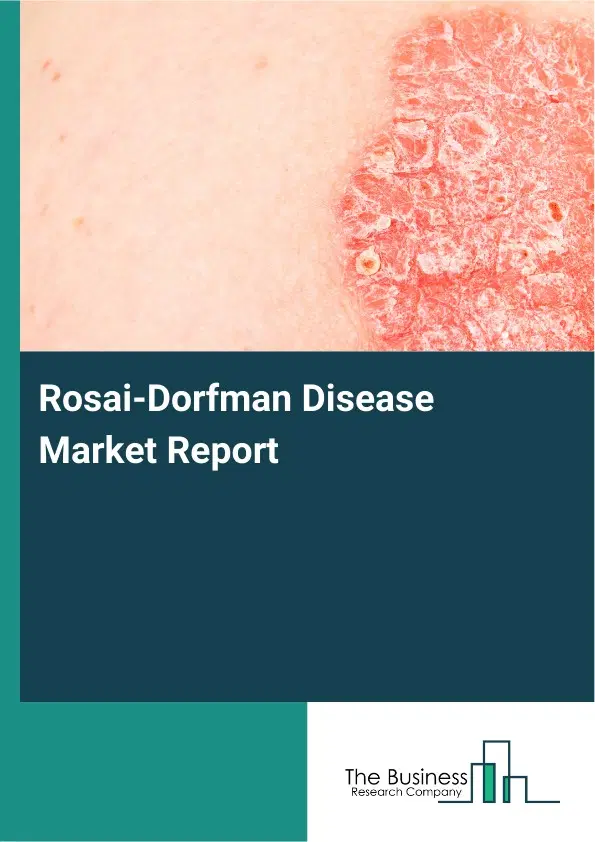
Rosai-Dorfman Disease Market Report 2026
Global Outlook – By Type (Classic (Nodal) Rosai-Dorfman Disease, Extranodal Rosai-Dorfman Disease), By Procedure Type (Diagnosis, Treatment), By Route Of Administration (Oral, Parenteral), By Age (Children, Adults), By End-User (Hospitals, Diagnostics, Cancer Centers, Other End-Users) – Market Size, Trends, Strategies, and Forecast to 2030
Rosai-Dorfman Disease Market Overview
• Rosai-Dorfman Disease market size has reached to $0.54 billion in 2025 • Expected to grow to $0.76 billion in 2030 at a compound annual growth rate (CAGR) of 7.2% • Growth Driver: Rising Demand For Targeted Therapies Fueling The Growth Of The Market Due To Their Precision And Reduced Side Effects • Market Trend: Breakthrough Targeted Therapies Offer Hope For Rosai-Dorfman Disease Treatment • North America was the largest region in 2025 and Asia-Pacific is the fastest growing region.What Is Covered Under Rosai-Dorfman Disease Market?
Rosai-Dorfman disease is a rare, benign disorder characterized by an overproduction and accumulation of a specific type of immune cell called histiocytes, primarily within lymph nodes. It often presents with painless, massive swelling of the lymph nodes, especially in the neck, but can also affect other tissues and organs. Diagnosis typically involves biopsy and histopathological examination, and treatment varies from observation to surgery or immunosuppressive therapy, depending on severity and organ involvement. The main types of rosai-dorfman disease are classic (nodal) rosai-dorfman disease and extranodal rosai-dorfman disease. Classic (nodal) rosai-dorfman disease primarily involves lymph nodes, especially in the neck, causing painless swelling, the most common and recognizable form. It is treated with different procedure types, such as diagnosis and treatment, and is distributed through several routes of administration, including oral, parenteral, sublingual, and nasal. It occurs in different ages, such as children and adults, and the key end-users include hospitals, diagnostics, cancer centers, and others.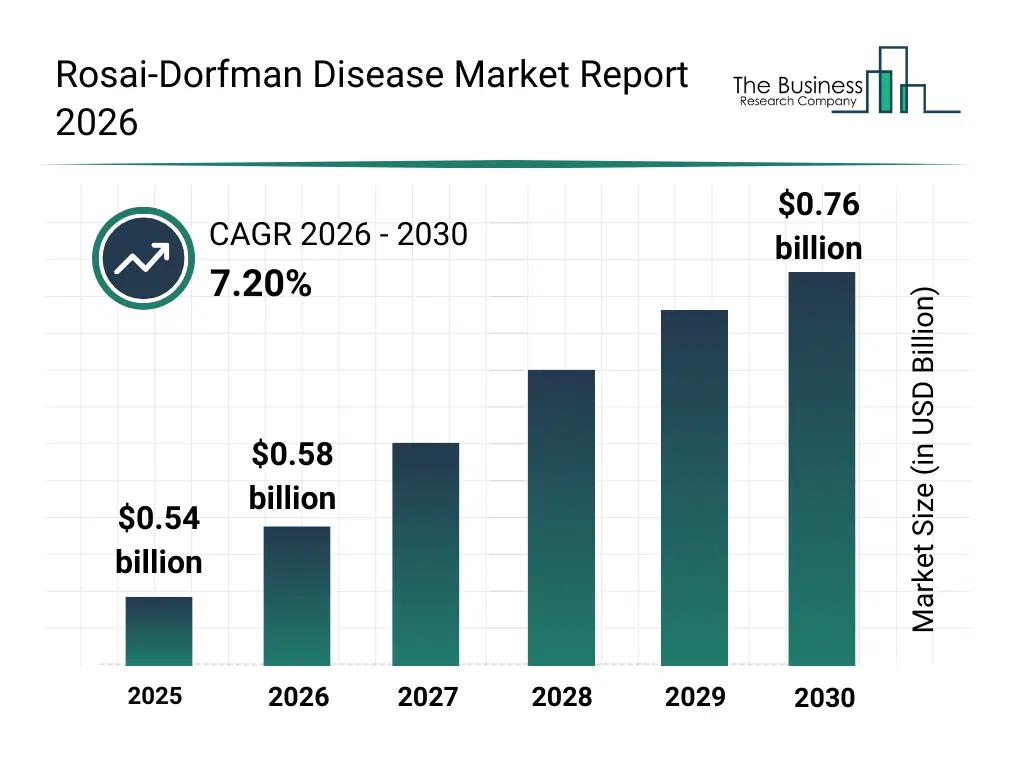
What Is The Rosai-Dorfman Disease Market Size and Share 2026?
The rosai-dorfman disease market size has grown strongly in recent years. It will grow from $0.54 billion in 2025 to $0.58 billion in 2026 at a compound annual growth rate (CAGR) of 7.5%. The growth in the historic period can be attributed to limited awareness of rosai-dorfman disease, lack of standardized diagnostic protocols, reliance on surgical interventions, low research funding for rare diseases, restricted access to advanced immunohistochemistry techniques.What Is The Rosai-Dorfman Disease Market Growth Forecast?
The rosai-dorfman disease market size is expected to see strong growth in the next few years. It will grow to $0.76 billion in 2030 at a compound annual growth rate (CAGR) of 7.2%. The growth in the forecast period can be attributed to advancements in molecular diagnostics, development of targeted immunosuppressive therapies, increasing rare disease registries, rising collaboration between hospitals and research centers, growing adoption of personalized treatment protocols. Major trends in the forecast period include increasing awareness and early diagnosis of rare diseases, growth in personalized and targeted immunotherapy, rising investments in rare disease research, expansion of hospital and cancer center capabilities, adoption of multidisciplinary treatment approaches.
Global Rosai-Dorfman Disease Market Segmentation
1) By Type: Classic (Nodal) Rosai-Dorfman Disease, Extranodal Rosai-Dorfman Disease 2) By Procedure Type: Diagnosis, Treatment 3) By Route Of Administration: Oral, Parenteral 4) By Age: Children, Adults 5) By End-User: Hospitals, Diagnostics, Cancer Centers, Other End-Users Subsegments: 1) By Classic (Nodal) Rosai-Dorfman Disease: Cervical Lymph Node Involvement, Axillary Lymph Node Involvement, Inguinal Lymph Node Involvement, Mediastinal Lymph Node Involvement, Generalized Lymphadenopathy 2) By Extranodal Rosai-Dorfman Disease: Cutaneous Or Subcutaneous Rosai-Dorfman Disease, Central Nervous System (CNS) Rosai-Dorfman Disease, Orbital Or Ocular Rosai-Dorfman Disease, Bone And Skeletal Rosai-Dorfman Disease, Nasal Or Sinus Rosai-Dorfman Disease, Renal Rosai-Dorfman Disease, Pulmonary Rosai-Dorfman Disease, Hepatic Or Splenic Rosai-Dorfman Disease, Breast Rosai-Dorfman DiseaseWhat Are The Drivers Of The Rosai-Dorfman Disease Market?
The growing demand for targeted therapies is expected to propel the growth of the rosai-dorfman disease market going forward. Targeted therapies are precision drugs that attack specific genetic mutations or cellular mechanisms promoting tumor development, sparing healthy cells. The growing demand for targeted therapies is due to their ability to attack disease-causing cells while minimizing damage to healthy tissues, leading to improved treatment outcomes and reduced side effects compared to traditional therapies. Targeted therapies treat rosai-dorfman disease by blocking key pathways such as MAPK/ERK, which drive abnormal histiocyte growth, effectively controlling the disease with fewer side effects. These precision treatments target disease-specific mechanisms while sparing healthy tissues. For instance, in July 2023, according to the report published by the American Society of Gene & Cell Therapy (ASGCT), a US-based professional membership organization, there were 247 targeted gene therapies in Phase II in the third quarter of 2023, an increase of 5% compared to the second quarter. Therefore, the growing demand for targeted therapies is driving the growth of the Rosai-Dorfman disease industry. The rising immune-related complications are expected to propel the growth of the rosai-dorfman disease market going forward. Immune-related complications are harmful conditions resulting from an overactive or dysfunctional immune response, commonly linked to infections, autoimmune diseases, or immune-based treatments. The rise in immune-related complications is driven by increasing immunotherapy use, which can overactivate the immune system and cause inflammation or damage healthy tissues. Rosai-Dorfman disease is linked to immune system dysregulation, with rising immune-related complications from autoimmune conditions, infections, or immunotherapies contributing to its onset or worsening. This surge drives increasing diagnosis, research focus, and treatment development for the disease. For instance, in 2025, according to the Sjögren's Foundation, a US-based nonprofit organization, posted in 2025, the global burden of autoimmune diseases has risen substantially by about 19.1% annually up to 2025, indicating a rising trend in immune-mediated conditions overall. Therefore, the rising immune-related complications are driving the growth of the Rosai-Dorfman disease industry.Key Players In The Global Rosai-Dorfman Disease Market
Major companies operating in the rosai-dorfman disease market are Pfizer Inc., Johnson And Johnson, F. Hoffmann-La Roche AG, Merck And Co. Inc., Bristol Myers Squibb Company, Novartis AG, Canon Inc., Siemens Healthineers, GE HealthCare, Viatris Inc., Teva Pharmaceutical Industries Ltd., Memorial Sloan Kettering Cancer Center, Dr. Reddy’s Laboratories Ltd., Aurobindo Pharma, Mayo Foundation for Medical Education and Research, Zydus Pharmaceuticals Inc., SternMed GmbH, LGM Pharma, Niksan Pharmaceutical, Herbert Irving Cancer Center
This chart is for illustrative purposes; the full report includes a detailed competitor analysis and comprehensive overview of the top 10 companies in the market.
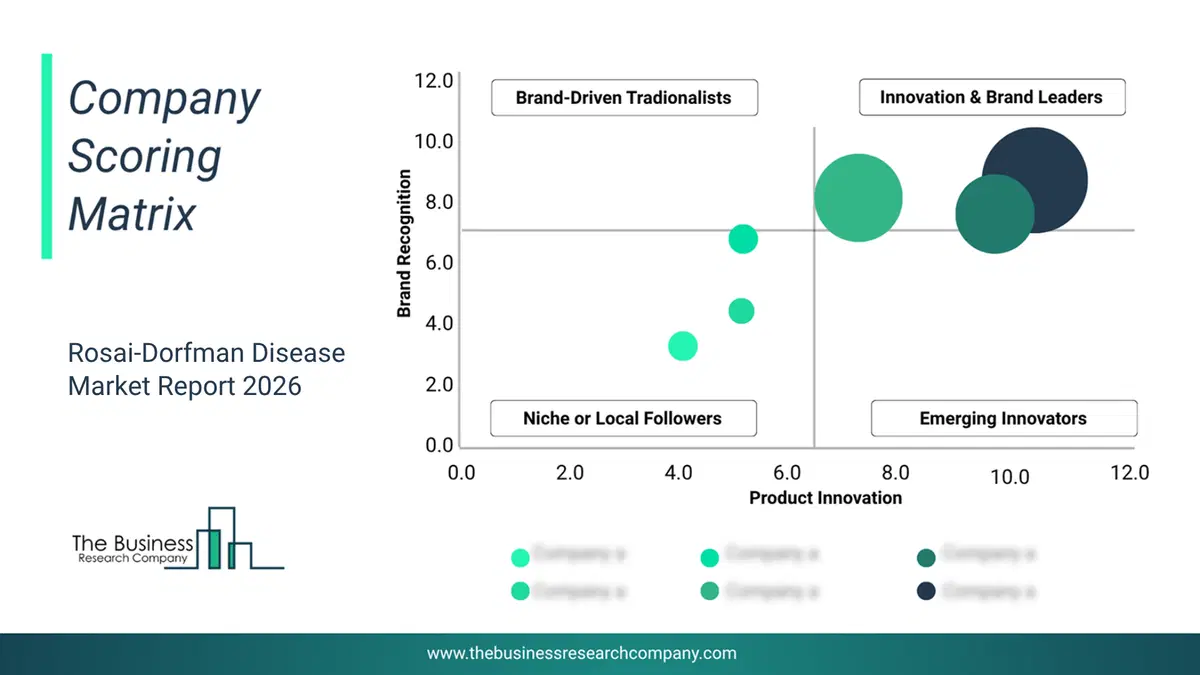
This chart maps companies by product innovation and brand strength, with bubble size indicating relative revenue, helping identify market leaders, challengers, and niche players. This is an illustrative chart; the full report provides a complete and accurate competitive analysis.
Global Rosai-Dorfman Disease Market Trends and Insights
Major companies operating in the rosai-dorfman disease market are focusing on advancements in diagnostic techniques such as digital molecular and genetic testing, which allows for detection of genetic mutations and infectious agents by analyzing deoxyribonucleic acid or ribonucleic acid and enables accurate diagnosis, risk assessment, and personalized treatment. Molecular and genetic testing is a type of laboratory analysis that examines an individual’s deoxyribonucleic acid, ribonucleic acid, or proteins to identify genetic changes or infectious agents, which is used to diagnose diseases, assess genetic risks, and guide personalized treatment plans. For instance, in February 2025, F. Hoffmann-La Roche AG, a Switzerland-based company specializing in pharmaceuticals and diagnostics, launches Sequencing By Expansion (SBX) technology, a next-generation sequencing (NGS) technology set to revolutionize genomic analysis by enhancing speed, accuracy, and scalability. Additionally, it also offers ultra-rapid whole genome or targeted sequencing for fast, broad genomic profiling to catch rare mutations or structural variants in rosai-dorfman disease tissue samples.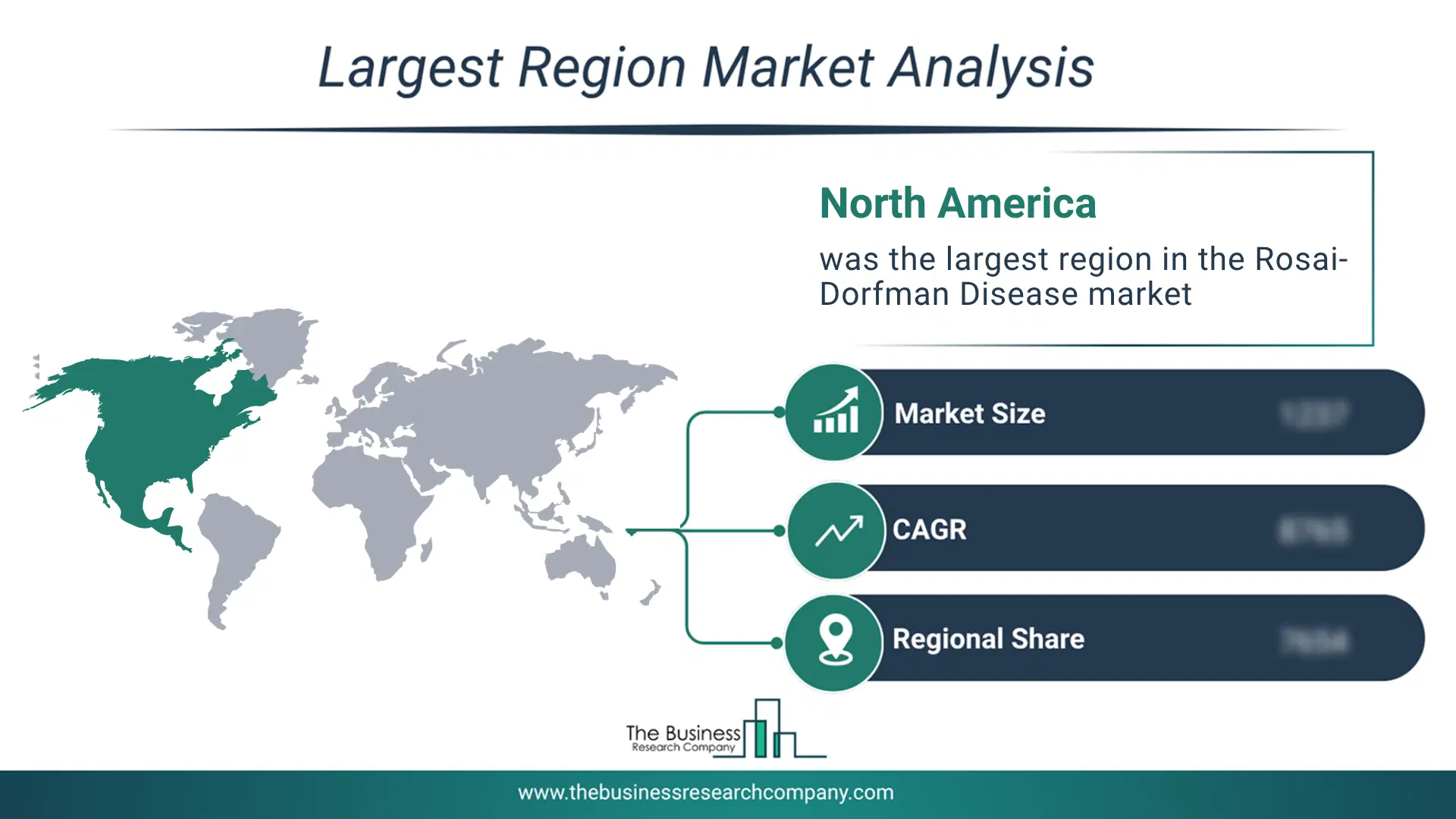
Regional Insights
North America was the largest region in the rosai-dorfman disease market in 2025. Asia-Pacific is expected to be the fastest-growing region in the forecast period. The regions covered in this market report are Asia-Pacific, South East Asia, Western Europe, Eastern Europe, North America, South America, Middle East, Africa. The countries covered in this market report are Australia, Brazil, China, France, Germany, India, Indonesia, Japan, Taiwan, Russia, South Korea, UK, USA, Canada, Italy, Spain.What Defines the Rosai-Dorfman Disease Market?
The rosai-dorfman disease market consists of revenues earned by entities by providing services such as diagnostic services, clinical services, therapeutic services, and follow-up care. The market value includes the value of related goods sold by the service provider or included within the service offering. The rosai-dorfman disease market consists of sales of immunohistochemistry (IHC) kits and reagents, molecular diagnostic kits, targeted therapy drugs, magnetic resonance imaging, and computed tomography scans. Values in this market are ‘factory gate’ values, that is, the value of goods sold by the manufacturers or creators of the goods, whether to other entities (including downstream manufacturers, wholesalers, distributors, and retailers) or directly to end customers. The value of goods in this market includes related services sold by the creators of the goods.How is Market Value Defined and Measured?
The market value is defined as the revenues that enterprises gain from the sale of goods and/or services within the specified market and geography through sales, grants, or donations in terms of the currency (in USD unless otherwise specified). The revenues for a specified geography are consumption values that are revenues generated by organizations in the specified geography within the market, irrespective of where they are produced. It does not include revenues from resales along the supply chain, either further along the supply chain or as part of other products.
This chart presents market attractiveness based on a quantitative evaluation of growth, competition, strategic alignment, and risk, offering a clear view of opportunity areas for decision-making. This chart is for illustrative purposes; the full report contains the complete analysis.

This chart highlights the Total Addressable Market (TAM) by estimating the maximum revenue opportunity using an assumption-driven approach, supporting strategic planning and opportunity sizing across markets. The chart is illustrative; the full report provides a more comprehensive analysis.
What Key Data and Analysis Are Included in the Rosai-Dorfman Disease Market Report 2026?
The rosai-dorfman disease market research report is one of a series of new reports from The Business Research Company that provides market statistics, including industry global market size, regional shares, competitors with the market share, detailed market segments, market trends and opportunities, and any further data you may need to thrive in the rosai-dorfman disease industry. The market research report delivers a complete perspective of everything you need, with an in-depth analysis of the current and future state of the industry.Rosai-Dorfman Disease Market Report Forecast Analysis
| Report Attribute | Details |
|---|---|
| Market Size Value In 2026 | $0.58 billion |
| Revenue Forecast In 2030 | $0.76 billion |
| Growth Rate | CAGR of 7.5% from 2026 to 2030 |
| Base Year For Estimation | 2025 |
| Actual Estimates/Historical Data | 2020-2025 |
| Forecast Period | 2026 - 2030 |
| Market Representation | Revenue in USD Billion and CAGR from 2026 to 2030 |
| Segments Covered | Type, Procedure Type, Route Of Administration, Age, End-User |
| Regional Scope | Asia-Pacific, Western Europe, Eastern Europe, North America, South America, Middle East, Africa |
| Country Scope | The countries covered in the report are Australia, Brazil, China, France, Germany, India, Indonesia, Japan, Taiwan, Russia, South Korea, UK, USA, Canada, Italy, Spain. |
| Key Companies Profiled | Pfizer Inc., Johnson And Johnson, F. Hoffmann-La Roche AG, Merck And Co. Inc., Bristol Myers Squibb Company, Novartis AG, Canon Inc., Siemens Healthineers, GE HealthCare, Viatris Inc., Teva Pharmaceutical Industries Ltd., Memorial Sloan Kettering Cancer Center, Dr. Reddy’s Laboratories Ltd., Aurobindo Pharma, Mayo Foundation for Medical Education and Research, Zydus Pharmaceuticals Inc., SternMed GmbH, LGM Pharma, Niksan Pharmaceutical, Herbert Irving Cancer Center |
| Customization Scope | Request for Customization |
| Pricing And Purchase Options | Explore Purchase Options |