

Schizophrenia Drugs Market Report 2026
Global Outlook – By Therapeutic Class (Second Generation, Third Generation, Other Therapeutic Classes), By Treatment (Oral, Injectable), By Distribution Channel (Hospital Pharmacies, Retail Pharmacies, Online Pharmacies, Other Distribution Channels) – Market Size, Trends, Strategies, and Forecast to 2030
Schizophrenia Drugs Market Overview
• Schizophrenia Drugs market size has reached to $8.41 billion in 2025 • Expected to grow to $11.24 billion in 2030 at a compound annual growth rate (CAGR) of 6% • Growth Driver: Rising Schizophrenia Cases Drive Growth In The Market • Market Trend: FDA Approval Of Groundbreaking Oral Medication For Schizophrenia Marks A New Treatment Approach • North America was the largest region in 2025 and Asia-Pacific is the fastest growing region.Market Gains By 2030 – Top Opportunities By Segment
Market Gain identifies the most promising market opportunities by highlighting the segments or products expected to generate the highest incremental revenue growth over the next five years.
What Is Covered Under Schizophrenia Drugs Market?
Schizophrenia drugs are medications designed to manage the symptoms of schizophrenia, a chronic mental disorder affecting thoughts, perceptions, emotions, and social interactions. By targeting chemical imbalances in the brain, particularly dopamine and serotonin, these drugs help reduce psychosis, stabilize mood, and improve cognitive function, enabling better daily functioning and independence. The main therapeutic classes of schizophrenia drugs are second generation, third generation, and others. Second-generation antipsychotics, or "atypical" antipsychotics, treat schizophrenia by targeting dopamine and serotonin receptors, offering symptom relief with a lower risk of movement disorders compared to first-generation drugs. It is used for several treatments, such as oral and injectable, and it is distributed through several distribution channels, including hospital pharmacies, retail pharmacies, online pharmacies, and others.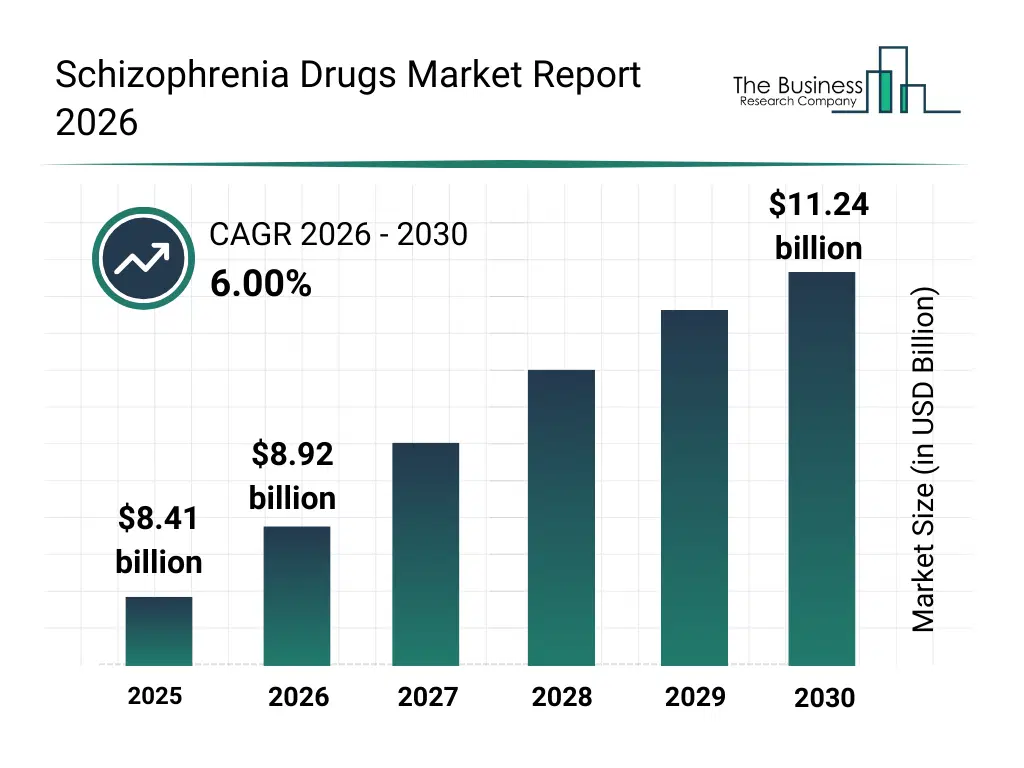
What Is The Schizophrenia Drugs Market Size and Share 2026?
The schizophrenia drugs market size has grown strongly in recent years. It will grow from $8.41 billion in 2025 to $8.92 billion in 2026 at a compound annual growth rate (CAGR) of 6.0%. The growth in the historic period can be attributed to increased schizophrenia diagnosis, adoption of atypical antipsychotics, expansion of psychiatric hospitals, improved mental health awareness, growth in generic drugs.What Is The Schizophrenia Drugs Market Growth Forecast?
The schizophrenia drugs market size is expected to see strong growth in the next few years. It will grow to $11.24 billion in 2030 at a compound annual growth rate (CAGR) of 6.0%. The growth in the forecast period can be attributed to rising mental health burden, growth in injectable therapies, increasing access to psychiatric care, digital mental health integration, expanding healthcare funding. Major trends in the forecast period include rising use of second and third generation antipsychotics, increasing adoption of long-acting injectable therapies, growing focus on long-term disease management, expansion of community-based mental healthcare, increased emphasis on treatment adherence.
Global Schizophrenia Drugs Market Segmentation
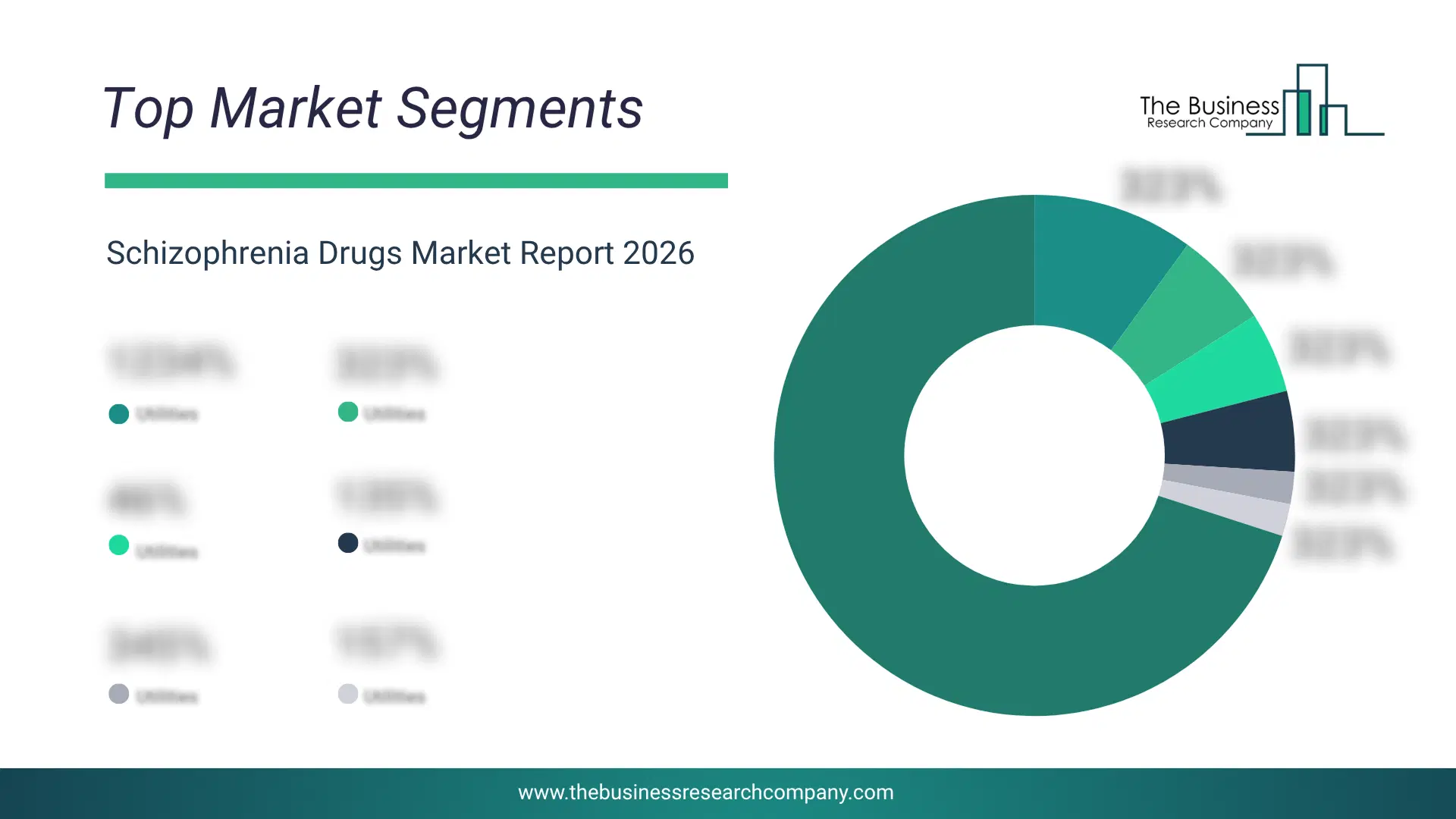
1) By Therapeutic Class: Second Generation, Third Generation, Other Therapeutic Classes 2) By Treatment: Oral, Injectable 3) By Distribution Channel: Hospital Pharmacies, Retail Pharmacies, Online Pharmacies, Other Distribution Channels Subsegments: 1) By Second Generation: Risperidone, Olanzapine, Quetiapine, Aripiprazole, Paliperidone, Ziprasidone, Others 2) By Third Generation: Brexpiprazole, Cariprazine, Others 3) By Other Therapeutic Classes: First-Generation Antipsychotics, Combination Therapies, Others The top segments in the schizophrenia drugs market will be: • Second Generation will reach $8.04 Billion by 2030. • Third Generation will reach $2.28 Billion by 2030. • Other Therapeutic Classes will reach $1 Billion by 2030.What Is The Driver Of The Schizophrenia Drugs Market?
Rising cases of schizophrenia are expected to propel the growth of the schizophrenia drugs market going forward. Schizophrenia is a long-term mental illness marked by impaired thoughts, perceptions, emotions, and behavior, commonly resulting in hallucinations and delusions. The rise in schizophrenia cases is attributed to factors such as genetic predisposition, environmental stressors, substance abuse, and disruptions in brain chemistry. Schizophrenia drugs are utilized to mitigate the cases of schizophrenia through effective symptom management, reducing the impact of the disorder on patients' daily lives and improving overall treatment outcomes. For instance, in February 2024, according to the National Library of Medicine, a US-based biomedical library, the prevalence of schizophrenia and related psychotic disorders ranged from 0.25% to 0.64% of the US population. Furthermore, in January 2024, according to the British Columbia Schizophrenia Society, a Canada-based nonprofit organization, schizophrenia is a major cause of hospitalization for mental illnesses, representing 19.9% of general hospital admissions and 30.9% of stays in psychiatric hospitals. Therefore, rising cases of schizophrenia will drive the growth of the schizophrenia drugs industry.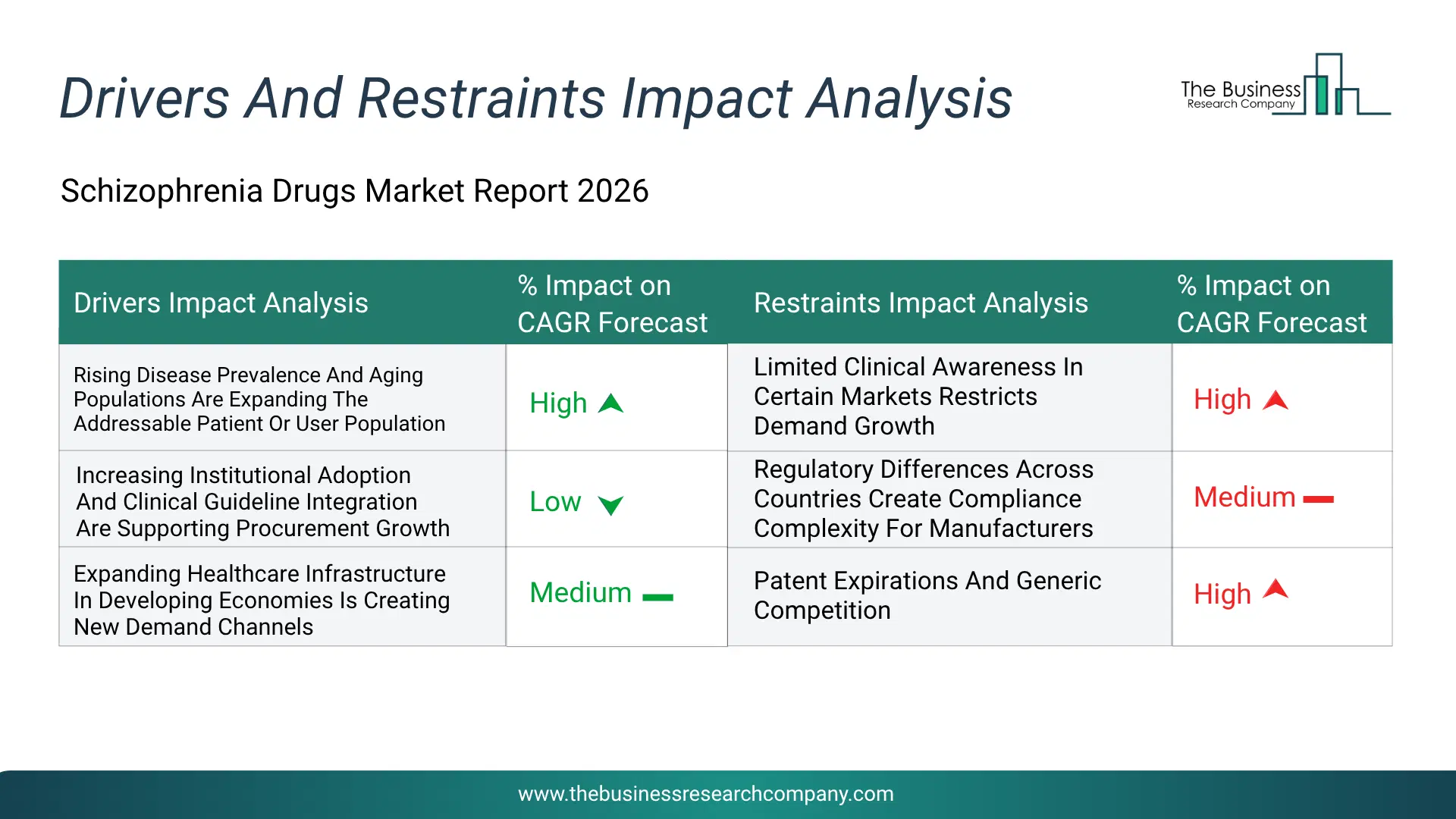
Infographic Chart Showing Key Market Drivers Analysis And Restraints For Schizophrenia Drugs Market
The chart presents an impact analysis of key drivers and restraints, quantifying their relative influence on the market's growth rate and helping assess the balance between growth enablers and limiting factors. This chart offers a high-level perspective; the full report contains more detailed insights.
How Will The Drivers Impact Growth In The Global Schizophrenia Drugs Market?
• Rising Disease Prevalence And Aging Populations Are Expanding The Addressable Patient Or User Population (High) – During the forecast period, the rising disease prevalence and aging populations is expected to become a key growth driver for the schizophrenia drugs market by 2030. The rising prevalence of schizophrenia and related psychiatric disorders is significantly driving the Schizophrenia Drugs Market by increasing the number of patients requiring long-term treatment and disease management. As awareness of mental health conditions improves, more individuals are being diagnosed and receiving medical care at earlier stages of the disease. Additionally, aging populations are contributing to higher healthcare utilization and greater demand for continuous psychiatric support. The growing patient population creates a sustained need for antipsychotic medications, including both oral and long-acting formulations. Healthcare systems are increasingly prioritizing mental health services, further supporting treatment access. This expanding patient base strengthens prescription volumes and encourages pharmaceutical companies to develop innovative therapies. • Increasing Institutional Adoption And Clinical Guideline Integration Are Supporting Procurement Growth (Low) – During the forecast period, the increasing institutional adoption and clinical guideline integration is expected to emerge as a major factor driving the expansion of the schizophrenia drugs market by 2030. The increasing adoption of schizophrenia therapies by hospitals, psychiatric facilities, and healthcare institutions is significantly driving the Schizophrenia Drugs Market by improving treatment accessibility and utilization. Clinical guidelines increasingly recommend evidence-based antipsychotic therapies, encouraging healthcare providers to follow standardized treatment protocols. This integration enhances physician confidence in prescribing approved medications and promotes consistent patient care. Institutional procurement programs ensure reliable drug availability across healthcare settings, supporting steady demand. Furthermore, healthcare organizations are focusing on reducing relapse rates and hospital readmissions through effective medication management. The adoption of updated treatment recommendations also drives the use of newer and more advanced therapie. • Expanding Healthcare Infrastructure In Developing Economies Is Creating New Demand Channels (Medium) – During the forecast period, the expanding healthcare infrastructure in developing economies is expected to act as a key growth catalyst for the schizophrenia drugs market by 2030. The expansion of healthcare infrastructure in developing economies is significantly driving the schizophrenia drugs Market by improving access to mental healthcare services and pharmaceutical treatments. Governments and private organizations are investing in hospitals, psychiatric clinics, and community-based healthcare facilities to strengthen healthcare delivery systems. Improved diagnostic capabilities enable earlier detection and treatment of schizophrenia, increasing the number of patients receiving medication. Enhanced distribution networks ensure greater availability of antipsychotic drugs in both urban and rural regions. In addition, expanding health insurance coverage and public healthcare programs are improving treatment affordability. Mental health awareness initiatives are also encouraging more individuals to seek professional care and medication support. These developments create new demand channels and contribute substantially to market expansion.How Will The Restraints Impact Growth In The Global Schizophrenia Drugs Market?
• Limited Clinical Awareness In Certain Markets Restricts Demand Growth (High) – During the forecast period, the limited clinical awareness in certain regions acts as a significant restraint on the Schizophrenia Drugs Market by reducing the rate of diagnosis and treatment adoption. In many developing and underserved areas, mental health disorders remain underrecognized due to insufficient psychiatric education and social stigma. Healthcare professionals may have limited access to updated clinical knowledge, leading to delayed diagnosis and suboptimal treatment practices. Low awareness among patients and caregivers further discourages timely medical intervention. As a result, a substantial portion of the affected population remains untreated or undertreated. This reduces demand for schizophrenia medications and limits market penetration opportunities. Consequently, inadequate clinical awareness continues to hinder the overall growth potential of the market. • Regulatory Differences Across Countries Create Compliance Complexity For Manufacturers (Low) – During the forecast period, the regulatory differences across countries act as a major restraint on the Schizophrenia Drugs Market by increasing the complexity of product approval and commercialization processes. Pharmaceutical manufacturers must comply with varying regulatory standards, clinical requirements, labeling rules, and safety guidelines across different regions. These differences often result in longer approval timelines and higher administrative costs. Companies may also need to conduct additional studies or modify product documentation to meet country-specific requirements. The complexity of navigating multiple regulatory frameworks can delay market entry for new therapies and restrict global expansion efforts. Smaller manufacturers may face particular challenges due to limited regulatory resources and expertise. As a result, regulatory inconsistencies can slow innovation, increase operational burdens, and restrain overall market growth. • Patent Expirations And Generic Competition (Medium) – During the forecast period, the patent expirations and generic competition act as a significant restraint on the schizophrenia drugs market because the availability of lower-cost generic alternatives reduces revenue opportunities for branded drug manufacturers. As patents expire, pharmaceutical companies face increased pricing pressure and declining market share. Generic competition can reduce incentives for continued investment in research and development of new schizophrenia therapies. Manufacturers must differentiate products through improved efficacy, safety profiles, or delivery methods to maintain competitiveness. These market dynamics can reduce profitability and limit innovation, thereby restraining overall market growth.Key Players In The Global Schizophrenia Drugs Market
Major companies operating in the schizophrenia drugs market are Pfizer Inc., Johnson & Johnson Services Inc., Merck & Co., Novartis AG, Sanofi S.A., Bristol Myers Squibb, AstraZeneca PLC, Eli Lilly and Company, F. Hoffmann-La Roche Ltd., Teva Pharmaceutical Industries Ltd., UCB S.A., Sun Pharmaceutical Industries Ltd., AbbVie Inc., H. Lundbeck A/S, Cipla Ltd., Lupin Limited, Alkermes plc, Vanda Pharmaceuticals Inc., Sumitomo Pharma Co. Ltd., Mylan NV, Otsuka Pharmaceutical Co. Ltd., Reviva Pharmaceuticals Holdings Inc., Lifegenix, Flagship Biotech International Pvt. Ltd.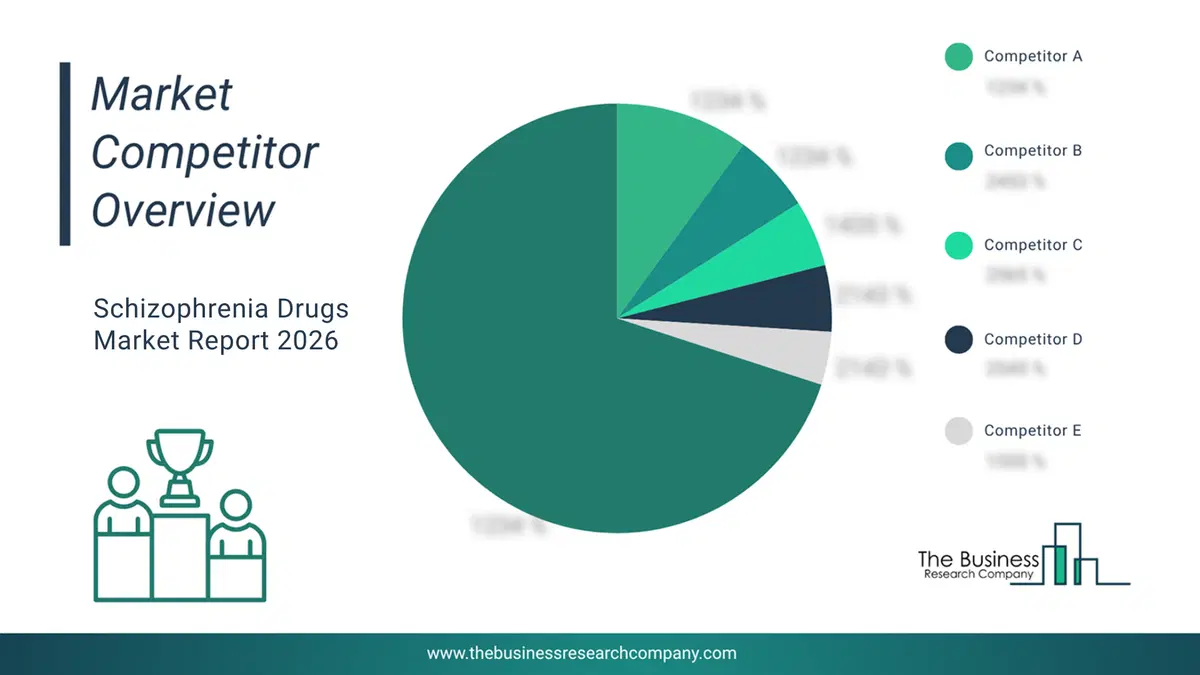
This chart is for illustrative purposes; the full report includes a detailed competitor analysis and comprehensive overview of the top 10 companies in the market.
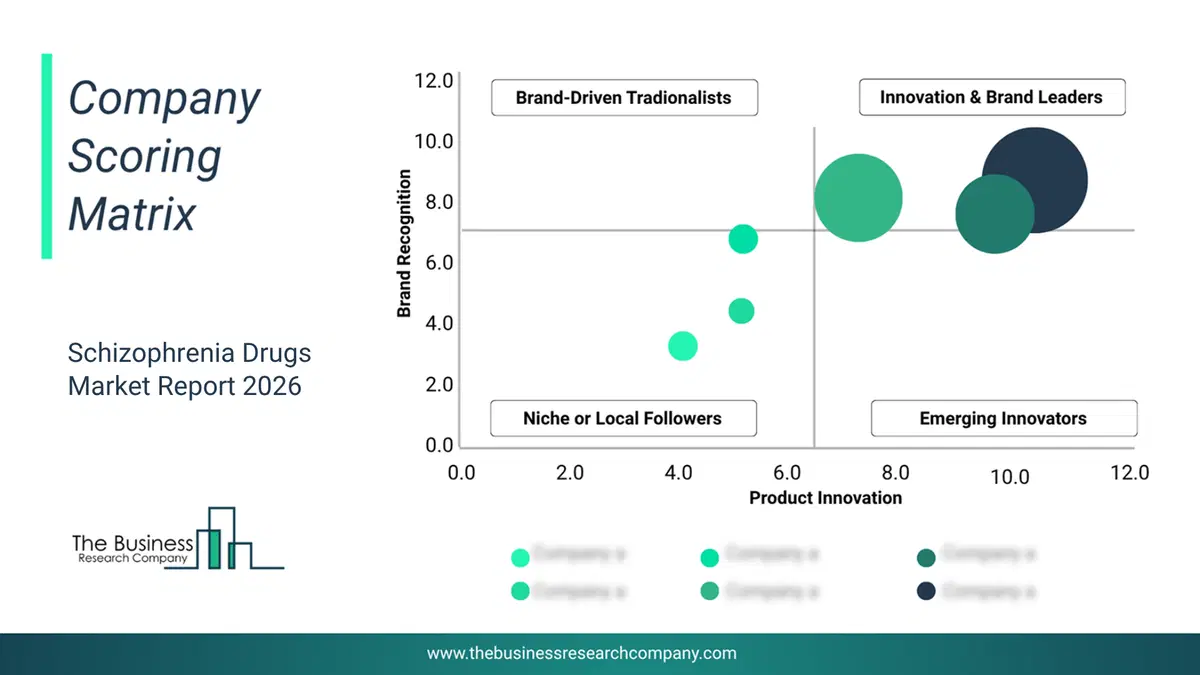
This chart maps companies by product innovation and brand strength, with bubble size indicating relative revenue, helping identify market leaders, challengers, and niche players. This is an illustrative chart; the full report provides a complete and accurate competitive analysis.
Global Schizophrenia Drugs Market Trends and Insights
Major companies operating in the schizophrenia drugs market are focused on developing advanced products, such as schizophrenia oral medication, to streamline and enhance patient care and treatment outcomes. Oral medications for schizophrenia are drugs taken by mouth to treat the disorder's symptoms, often consisting of antipsychotics that aid in stabilizing mood, thoughts, and perceptions. For instance, in September 2024, Bristol Myers Squibb, a US-based biopharmaceutical company, announced the U.S. Food and Drug Administration (FDA) approved Cobenfy, a groundbreaking oral medication designed to treat schizophrenia in adults. This innovative drug combines xanomeline and trospium chloride, marking a significant departure from traditional antipsychotics by targeting cholinergic receptors instead of dopamine receptors. This novel approach has the potential to provide relief from symptoms such as delusions and disorganized thinking while reducing the common side effects associated with older antipsychotic medications, positioning Cobenfy as a promising alternative in the schizophrenia treatment landscape.What Are Latest Mergers And Acquisitions In The Schizophrenia Drugs Market?
In March 2024, Bristol Myers Squibb, a US-based pharmaceutical industry company, acquired Karuna Therapeutics for $14 billion. The acquisition is expected to bolster Bristol Myers Squibb's neuroscience portfolio by incorporating KarXT, a novel antipsychotic, and broadening its pipeline with potential therapies for schizophrenia, Alzheimer's disease, and other mental health conditions. Karuna Therapeutics is a US-based biopharmaceutical company that manufactures schizophrenia drugs.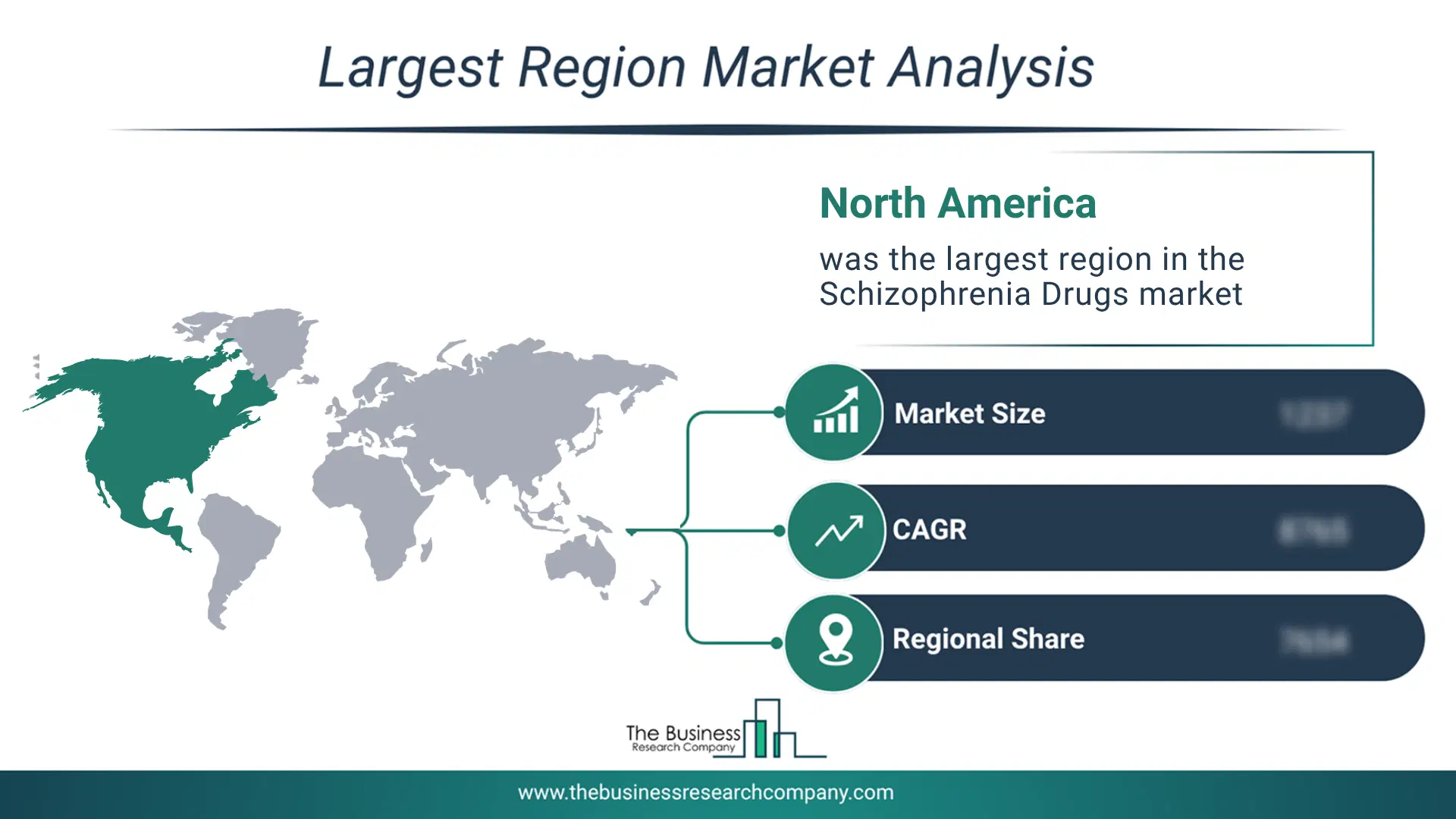
Regional Insights
North America was the largest region in the schizophrenia drugs market in 2025. Asia-Pacific is expected to be the fastest-growing region in the forecast period. The regions covered in this market report are Asia-Pacific, South East Asia, Western Europe, Eastern Europe, North America, South America, Middle East, Africa. The countries covered in this market report are Australia, Brazil, China, France, Germany, India, Indonesia, Japan, Taiwan, Russia, South Korea, UK, USA, Canada, Italy, Spain.What Defines the Schizophrenia Drugs Market?
The schizophrenia drugs market consists of sales of transdermal patches, liquid formulations, and adjunctive therapies. Values in this market are ‘factory gate’ values, that is, the value of goods sold by the manufacturers or creators of the goods, whether to other entities (including downstream manufacturers, wholesalers, distributors, and retailers) or directly to end customers. The value of goods in this market includes related services sold by the creators of the goods.How is Market Value Defined and Measured?
The market value is defined as the revenues that enterprises gain from the sale of goods and/or services within the specified market and geography through sales, grants, or donations in terms of the currency (in USD unless otherwise specified). The revenues for a specified geography are consumption values that are revenues generated by organizations in the specified geography within the market, irrespective of where they are produced. It does not include revenues from resales along the supply chain, either further along the supply chain or as part of other products.
This chart presents market attractiveness based on a quantitative evaluation of growth, competition, strategic alignment, and risk, offering a clear view of opportunity areas for decision-making. This chart is for illustrative purposes; the full report contains the complete analysis.

This chart highlights the Total Addressable Market (TAM) by estimating the maximum revenue opportunity using an assumption-driven approach, supporting strategic planning and opportunity sizing across markets. The chart is illustrative; the full report provides a more comprehensive analysis.
What Key Data and Analysis Are Included in the Schizophrenia Drugs Market Report 2026?
The schizophrenia drugs market research report is one of a series of new reports from The Business Research Company that provides market statistics, including industry global market size, regional shares, competitors with the market share, detailed market segments, market trends and opportunities, and any further data you may need to thrive in the schizophrenia drugs industry. The market research report delivers a complete perspective of everything you need, with an in-depth analysis of the current and future state of the industry.Schizophrenia Drugs Market Report Forecast Analysis
| Report Attribute | Details |
|---|---|
| Market Size Value In 2026 | $8.92 billion |
| Revenue Forecast In 2030 | $11.24 billion |
| Growth Rate | CAGR of 6.0% from 2026 to 2030 |
| Base Year For Estimation | 2025 |
| Actual Estimates/Historical Data | 2020-2025 |
| Forecast Period | 2026 - 2030 |
| Market Representation | Revenue in USD Billion and CAGR from 2026 to 2030 |
| Segments Covered | Therapeutic Class, Treatment, Distribution Channel |
| Regional Scope | Asia-Pacific, Western Europe, Eastern Europe, North America, South America, Middle East, Africa |
| Country Scope | The countries covered in the report are Australia, Brazil, China, France, Germany, India, ... |
| Key Companies Profiled | Pfizer Inc., Johnson & Johnson Services Inc., Merck & Co., Novartis AG, Sanofi S.A., Bristol Myers Squibb, AstraZeneca PLC, Eli Lilly and Company, F. Hoffmann-La Roche Ltd., Teva Pharmaceutical Industries Ltd., UCB S.A., Sun Pharmaceutical Industries Ltd., AbbVie Inc., H. Lundbeck A/S, Cipla Ltd., Lupin Limited, Alkermes plc, Vanda Pharmaceuticals Inc., Sumitomo Pharma Co. Ltd., Mylan NV, Otsuka Pharmaceutical Co. Ltd., Reviva Pharmaceuticals Holdings Inc., Lifegenix, Flagship Biotech International Pvt. Ltd. |
| Customization Scope | Request for Customization |
| Pricing And Purchase Options | Explore Purchase Options |