

Schizophrenia Market Report 2026
Global Outlook – By Type (Catatonic Schizophrenia, Paranoid Schizophrenia, Undifferentiated Schizophrenia, Hebephrenic Schizophrenia, Residual Schizophrenia, Other Types), By Treatment (First-Generation Antipsychotics, Second-Generation Antipsychotics, Third-Generation Antipsychotics, Psychotherapies, Other Treatments), By Route of Administration (Oral, Injectables) - Market Size, Trends, And Global Forecast 2026-2030
Schizophrenia Market Overview
• Schizophrenia market size has reached to $6.06 billion in 2025 • Expected to grow to $8.02 billion in 2030 at a compound annual growth rate (CAGR) of 6% • Growth Driver: Rising Demand For Anxiety Treatment Fuels Schizophrenia Market • Market Trend: Technological advancements in the schizophrenia market to enhance treatment efficacy and patient adherence • North America was the largest region in 2025.Market Gains By 2030 – Top Opportunities By Segment
Market Gain identifies the most promising market opportunities by highlighting the segments or products expected to generate the highest incremental revenue growth over the next five years.
What Is Covered Under Schizophrenia Market?
Schizophrenia is a long-term and severe mental illness that profoundly impacts a person's cognitive processes, emotional expression, behavior, and perception of reality, with symptoms encompassing delusions, hallucinations, disordered speech, and peculiar movements. A comprehensive approach to the management of schizophrenia involves the application of pharmaceutical interventions, rehabilitation programs, and supportive services. The main types of schizophrenia are catatonic schizophrenia, paranoid schizophrenia, undifferentiated schizophrenia, hebephrenic schizophrenia, residual schizophrenia, and others. Catatonic Schizophrenia refers to a subtype of schizophrenia characterized by severe motor disturbances, including catatonia, immobility, and unusual postures or movements, and antipsychotic medications and supportive therapies are used to manage psychotic symptoms and address catatonic motor behavior. The treatment includes first-generation antipsychotics, second-generation antipsychotics, third-generation antipsychotics, psychotherapies, and other therapeutic drugs administered by oral and injectable routes.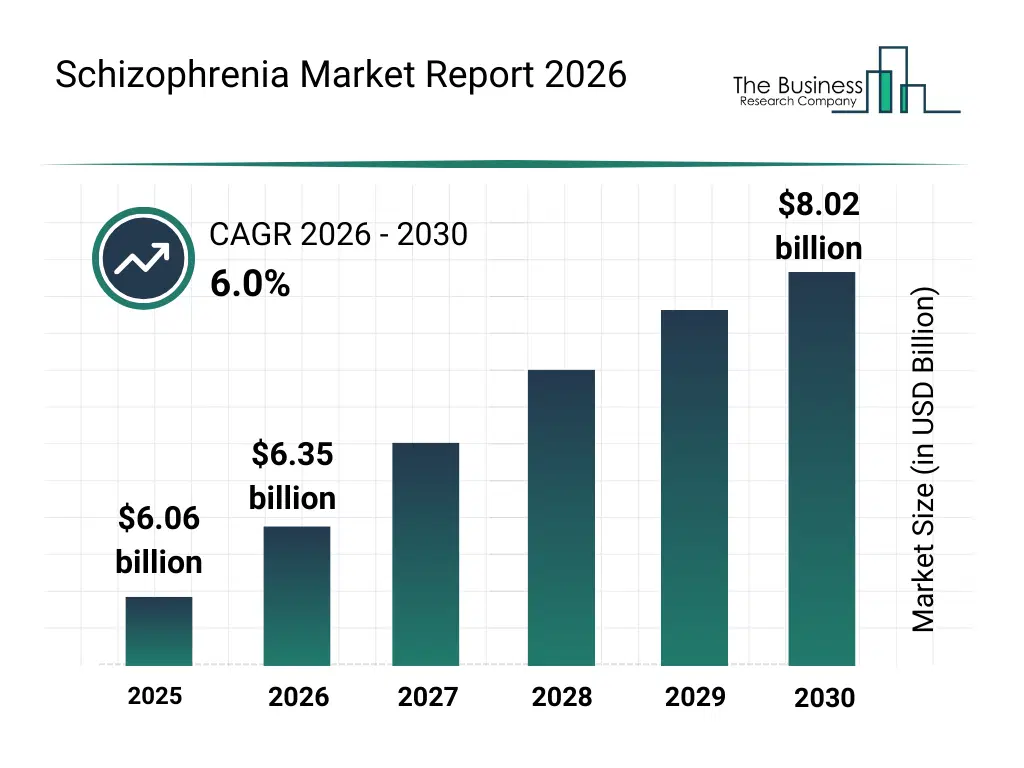
What Is The Schizophrenia Market Size and Share 2026?
The schizophrenia market size has grown steadily in recent years. It will grow from $6.06 billion in 2025 to $6.35 billion in 2026 at a compound annual growth rate (CAGR) of 4.9%. The growth in the historic period can be attributed to increasing prevalence of schizophrenia, expansion of psychiatric hospitals and clinics, availability of first- and second-generation antipsychotics, growing healthcare expenditure in developed markets, improved diagnostic criteria and clinical guidelines.What Is The Schizophrenia Market Growth Forecast?
The schizophrenia market size is expected to see strong growth in the next few years. It will grow to $8.02 billion in 2030 at a compound annual growth rate (CAGR) of 6.0%. The growth in the forecast period can be attributed to pipeline of novel antipsychotic molecules, growth in long-acting injectable formulations, rising government mental health initiatives, increasing access to treatment in emerging markets, integration of digital monitoring and adherence tools. Major trends in the forecast period include increasing use of long-acting injectable antipsychotics, shift toward second- and third-generation antipsychotic drugs, growing focus on early diagnosis and intervention programs, expansion of community-based and outpatient treatment models, rising adoption of combination therapy and adjunct treatments.
Global Schizophrenia Market Segmentation
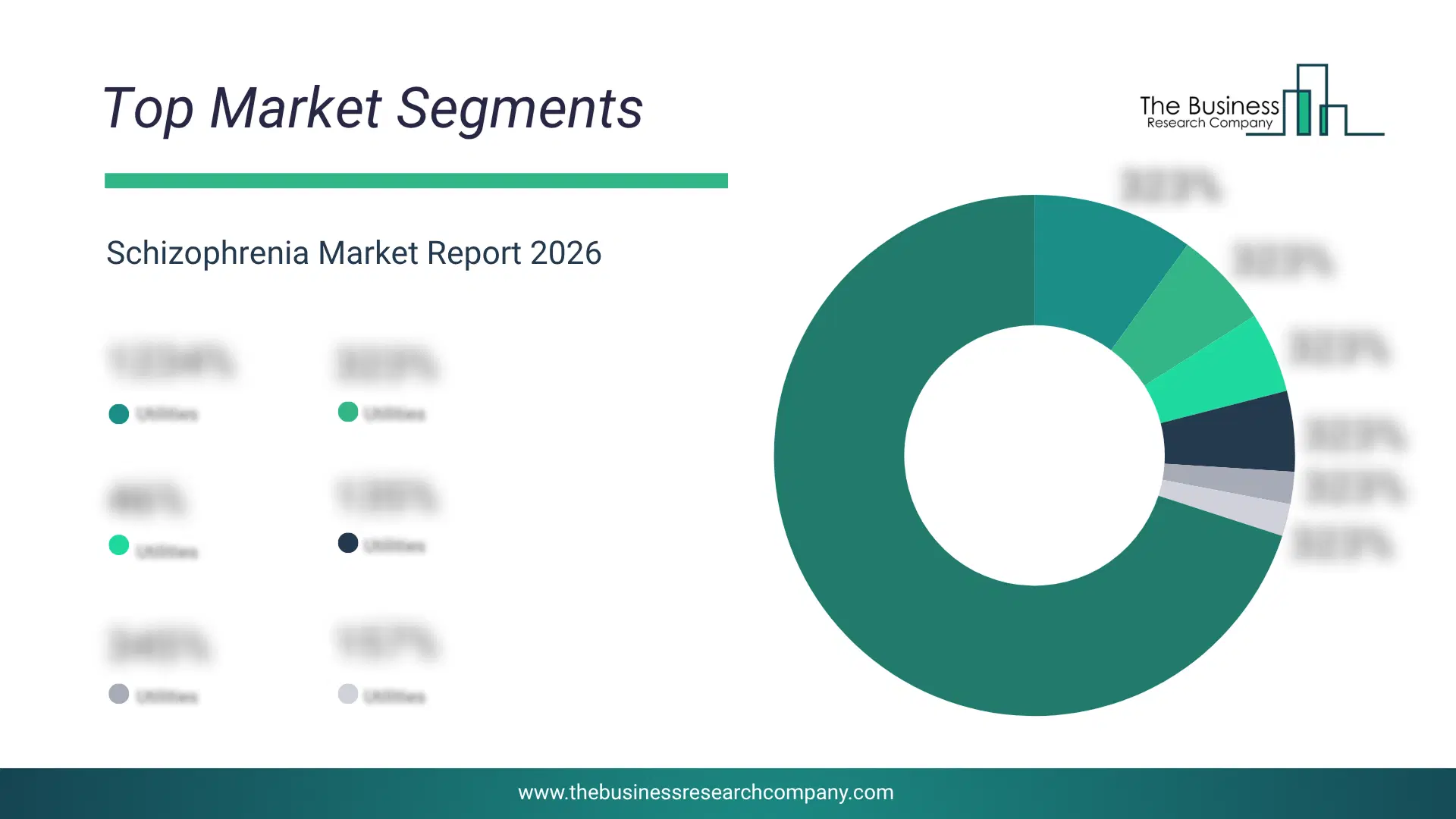
1) By Type: Catatonic Schizophrenia, Paranoid Schizophrenia, Undifferentiated Schizophrenia, Hebephrenic Schizophrenia, Residual Schizophrenia, Other Types 2) By Treatment: First-Generation Antipsychotics, Second-Generation Antipsychotics, Third-Generation Antipsychotics, Psychotherapies, Other Treatments 3) By Route of Administration: Oral, Injectables Subsegments: 1) By Catatonic Schizophrenia: Waxy Flexibility, Stupor, Agitation, Catatonic Excitement 2) By Paranoid Schizophrenia: Delusions Of Persecution, Auditory Hallucinations, Paranoid Ideation 3) By Undifferentiated Schizophrenia: Symptoms Not Specific To Other Types, Mixed Symptoms Of Schizophrenia 4) By Hebephrenic Schizophrenia (Disorganized Schizophrenia): Disorganized Behavior, Disorganized Speech, Emotional Flatness 5) By Residual Schizophrenia: History Of Schizophrenia With Low-Level Symptoms, Social Withdrawal, Mild Hallucinations Or Delusions 6) By Other Types: Schizoaffective Disorder, Brief Psychotic Disorder, Delusional Disorder The top segments in the schizophrenia market will be: • Paranoid Schizophrenia will reach $5.44 Billion by 2030. • Undifferentiated Schizophrenia will reach $2.18 Billion by 2030. • Residual Schizophrenia will reach $1.81 Billion by 2030. • Hebephrenic Schizophrenia will reach $1.62 Billion by 2030. • Other Types will reach $1.32 Billion by 2030.What Is The Driver Of The Schizophrenia Market?
The rising demand for anxiety treatment is expected to propel the growth of the schizophrenia market going forward. Anxiety treatment refers to the various therapeutic approaches and interventions aimed at helping individuals who experience excessive and debilitating anxiety symptoms manage and alleviate their anxiety. Anxiety treatment can be helpful for individuals with schizophrenia in several ways, as it addresses comorbid anxiety symptoms that can often co-occur with schizophrenia. And it can also help reduce the intensity of psychotic symptoms such as hallucinations and delusions. For instance, in May 2024, according to a report by American Psychiatric Association, a US-based professional organization of psychologists, in 2024, 43% of adults reported feeling more anxious compared to 37% in 2023 and 32% in 2022, indicating a consistent increase in anxiety levels. Therefore, the rising demand for anxiety treatment is driving the growth of the schizophrenia industry.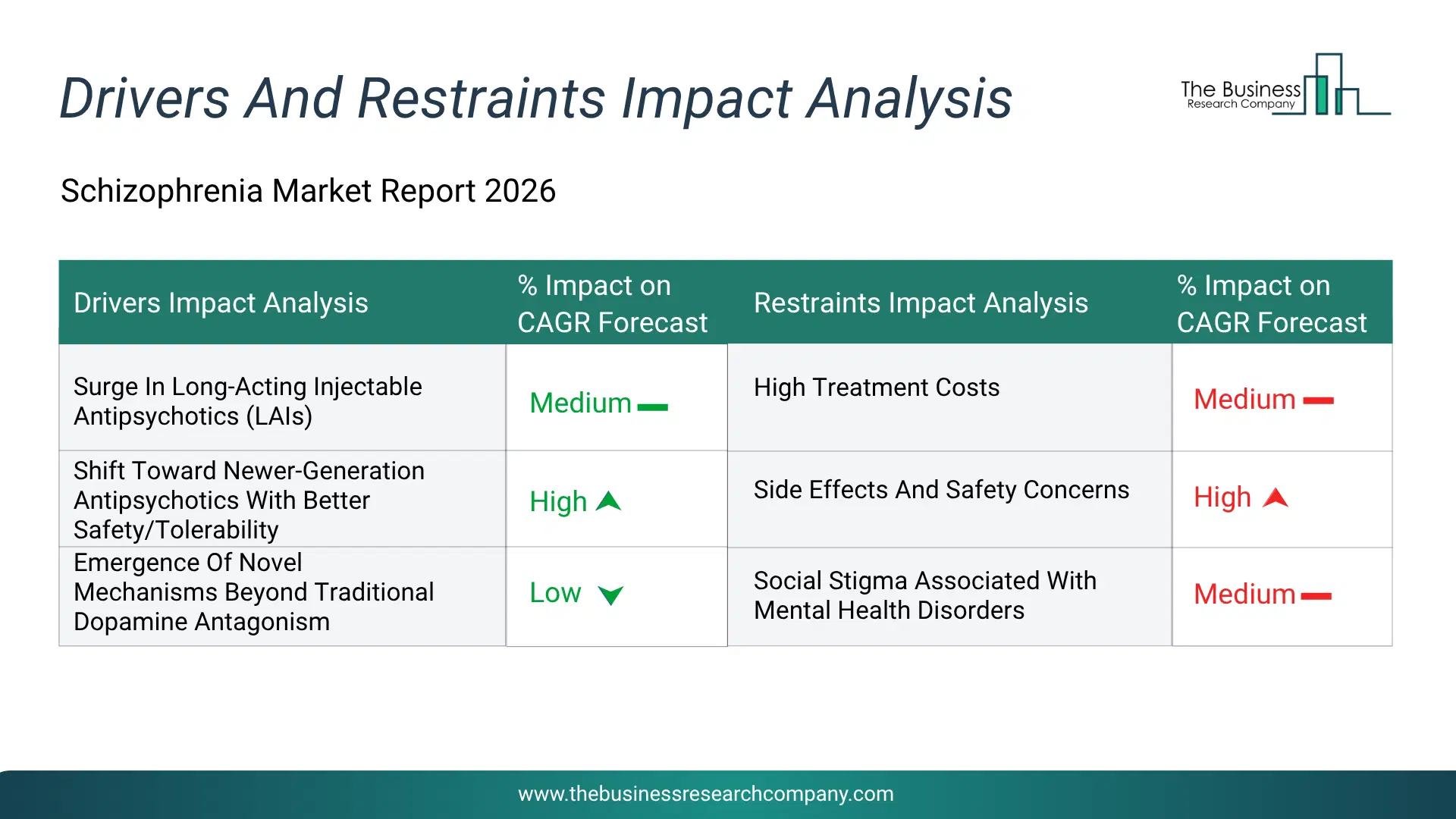
Infographic Chart Showing Key Market Drivers Analysis And Restraints For Schizophrenia Market
The chart presents an impact analysis of key drivers and restraints, quantifying their relative influence on the market's growth rate and helping assess the balance between growth enablers and limiting factors. This chart offers a high-level perspective; the full report contains more detailed insights.
How Will The Drivers Impact Growth In The Global Schizophrenia Market?
• Surge In Long-Acting Injectable Antipsychotics (LAIs) (Medium) – During the forecast period, the surge in long-acting injectable antipsychotics (LAIs) is expected to become a key growth driver for the schizophrenia market by 2030. Surge in the adoption of long-acting injectable antipsychotics is significantly driving the schizophrenia market by improving treatment adherence and reducing relapse rates among patients. These formulations ensure sustained drug delivery over extended periods, minimizing the need for daily medication intake. Better compliance helps lower hospitalization rates and associated healthcare costs, making treatment more effective and economical. Healthcare providers increasingly prefer LAIs for patients with a history of inconsistent medication use. Growing awareness regarding the clinical benefits of these therapies is further accelerating their acceptance. Pharmaceutical companies are also expanding their LAI product portfolios, supporting market growth. • Shift Toward Newer-Generation Antipsychotics With Better Safety/Tolerability (High) – During the forecast period, the shift toward newer-generation antipsychotics with better safety/tolerability is expected to emerge as a major factor driving the expansion of the schizophrenia market by 2030. Shift toward newer-generation antipsychotics is fueling the schizophrenia market by offering improved efficacy with fewer adverse effects compared to older medications. Enhanced safety and tolerability profiles encourage both physicians and patients to adopt these therapies for long-term disease management. Reduced risks of severe side effects contribute to better treatment continuation and improved patient outcomes. The availability of advanced formulations helps address concerns related to weight gain, metabolic disorders, and movement-related complications. Continuous research and development activities are introducing innovative drugs that meet evolving clinical needs. Increased confidence in these therapies supports broader prescription rates across healthcare settings. • Emergence Of Novel Mechanisms Beyond Traditional Dopamine Antagonism (Low) – During the forecast period, the emergence of novel mechanisms beyond traditional dopamine antagonism is expected to act as a key growth catalyst for the schizophrenia market by 2030. Emergence of innovative treatment approaches beyond conventional dopamine antagonism is creating new growth opportunities in the schizophrenia market. Researchers are exploring therapies that target glutamate, serotonin, muscarinic, and other neurological pathways involved in the disorder. These novel mechanisms aim to address symptoms that remain inadequately managed by traditional antipsychotic drugs. Improved therapeutic outcomes and broader symptom control enhance the value of these emerging treatments. Growing investment in neuroscience research is accelerating the development and commercialization of breakthrough therapies. Regulatory support for innovative psychiatric medicines is further encouraging market advancement. This expanding therapeutic landscape is driving increased interest and investment in schizophrenia treatment solutions.How Will The Restraints Impact Growth In The Global Schizophrenia Market?
• High Treatment Costs (Medium) – During the forecast period, the high treatment costs represent a significant restraint on the schizophrenia market by limiting access to advanced therapies for many patients. Long-term disease management often requires continuous medication, regular psychiatric consultations, and ongoing monitoring, which can create a substantial financial burden. The introduction of innovative antipsychotics and long-acting injectable therapies has further increased treatment expenses in some healthcare settings. Patients without adequate insurance coverage may delay or discontinue treatment due to affordability challenges. High healthcare costs can also strain public health systems and reduce the adoption of premium therapeutic options. These financial barriers contribute to treatment gaps and lower overall market penetration. As a result, elevated treatment costs continue to restrict the growth potential of the schizophrenia market. • Side Effects And Safety Concerns (High) – During the forecast period, the side effects and safety concerns act as a major challenge for the schizophrenia market by affecting patient adherence and treatment outcomes. Many antipsychotic medications are associated with adverse effects such as weight gain, metabolic disorders, sedation, and movement-related complications. Concerns about long-term safety may discourage patients from continuing prescribed therapies consistently. Poor adherence can increase the risk of relapse, hospitalization, and disease progression, reducing treatment effectiveness. Healthcare providers often need to balance therapeutic benefits against potential risks when selecting medications. Regulatory scrutiny regarding drug safety can also slow the approval and adoption of new therapies. Consequently, ongoing concerns about adverse effects remain a key factor restraining market expansion. • Social Stigma Associated With Mental Health Disorders (Low) – During the forecast period, the social stigma associated with mental health disorders acts as a significant restraint on the schizophrenia market by reducing diagnosis rates and delaying treatment initiation. Many individuals and families avoid seeking psychiatric care due to fear of discrimination, social judgment, or misunderstanding of the condition. This stigma contributes to underdiagnosis and poor treatment adherence among affected patients. Limited awareness about available therapies further reduces healthcare-seeking behavior. As a result, many patients remain untreated or receive delayed intervention, limiting demand for schizophrenia treatments and restraining market growth.Key Players In The Global Schizophrenia Market
Major companies operating in the schizophrenia market are Pfizer Inc, Johnson And Johnson Services Inc, AbbVie Inc, Novartis AG, Bristol Myers Squibb Company, AstraZeneca PLC, GlaxoSmithKline PLC, Takeda Pharmaceutical Company, Eli Lilly And Company, Boehringer Ingelheim International GmbH, Otsuka Holdings Co Ltd, Daiichi Sankyo Co Ltd, Astellas Pharma Inc, Sumitomo Dainippon Pharma Co Ltd, Mitsubishi Tanabe Pharma Corporation, Recordati SpA, Lundbeck AS, Neurocrine Biosciences Inc, Torrent Pharmaceutical Ltd, Alkermes PLC, Indivior PLC, Vanda Pharmaceuticals Inc, Intra Cellular Therapies Inc, Axsome Therapeutics Inc, Karuna Therapeutics Inc, Minerva Neurosciences Inc
This chart is for illustrative purposes; the full report includes a detailed competitor analysis and comprehensive overview of the top 10 companies in the market.
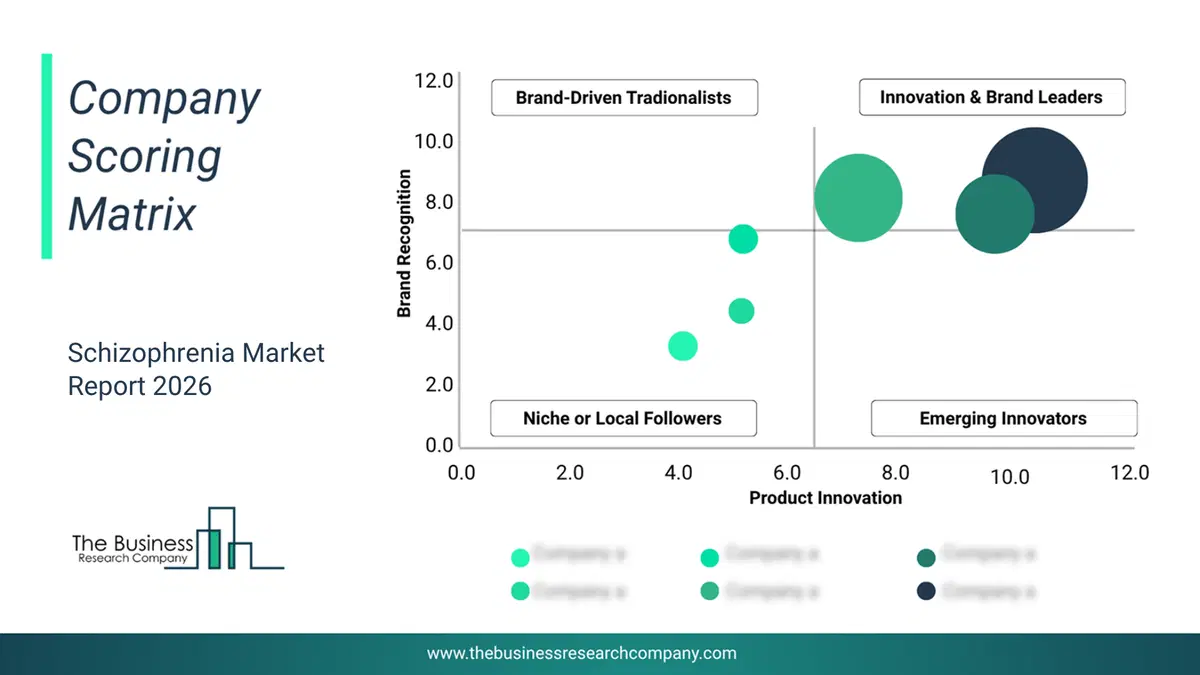
This chart maps companies by product innovation and brand strength, with bubble size indicating relative revenue, helping identify market leaders, challengers, and niche players. This is an illustrative chart; the full report provides a complete and accurate competitive analysis.
Global Schizophrenia Market Trends and Insights
Major companies operating in the schizophrenia market are focusing on technological advancements, such as atypical oral antipsychotics with improved safety and efficacy profiles, to meet the rising demand driven by the need for better symptom control, expanded treatment options for adolescents, and improved tolerability. For instance, in March 2025, Otsuka Pharmaceutical Europe Ltd., a Japan-based healthcare company, in collaboration with H. Lundbeck A/S, a Denmark-based biopharmaceutical company, launched Rxulti (brexpiprazole) for the treatment of schizophrenia in adolescents aged 13 years and older. Rxulti is an atypical oral antipsychotic taken once daily, which modulates serotonin and dopamine systems by acting as a partial agonist at serotonergic 5-HT1A and dopaminergic D2 receptors, along with antagonist activity at serotonergic 5-HT2A and noradrenergic α1B/2C receptors. This diverse receptor profile offers a balanced approach in controlling both positive and negative symptoms with a favorable safety profile, improving treatment adherence and patient outcomes compared to traditional antipsychotics. The European Commission’s approval was based on a rigorous 6-week randomized clinical trial demonstrating significant symptom reduction and good tolerability in adolescent patients.What Are Latest Mergers And Acquisitions In The Schizophrenia Market?
In March 2023, Royalty Pharma PLC, a US-based buyer of biopharmaceutical royalties, acquired the royalty rights for KarXT schizophrenia treatment from Karuna Therapeutics Inc. for $500 million. With this acquisition, Royalty gives PureTech a 3% royalty on Karuna's annual sales of up to $2 billion. This acquisition also offers PureTech extra funds to advance its internal pipeline, including ongoing clinical programs, toward potential commercialization. KarXT is an oral investigational drug designed to treat schizophrenia and other neurological disorders, focusing on M1/M4-preferred muscarinic agonists. Karuna Therapeutics Inc. is a US-based clinical-stage biopharmaceutical company focused on developing drugs for treating psychiatric disorders and schizophrenia.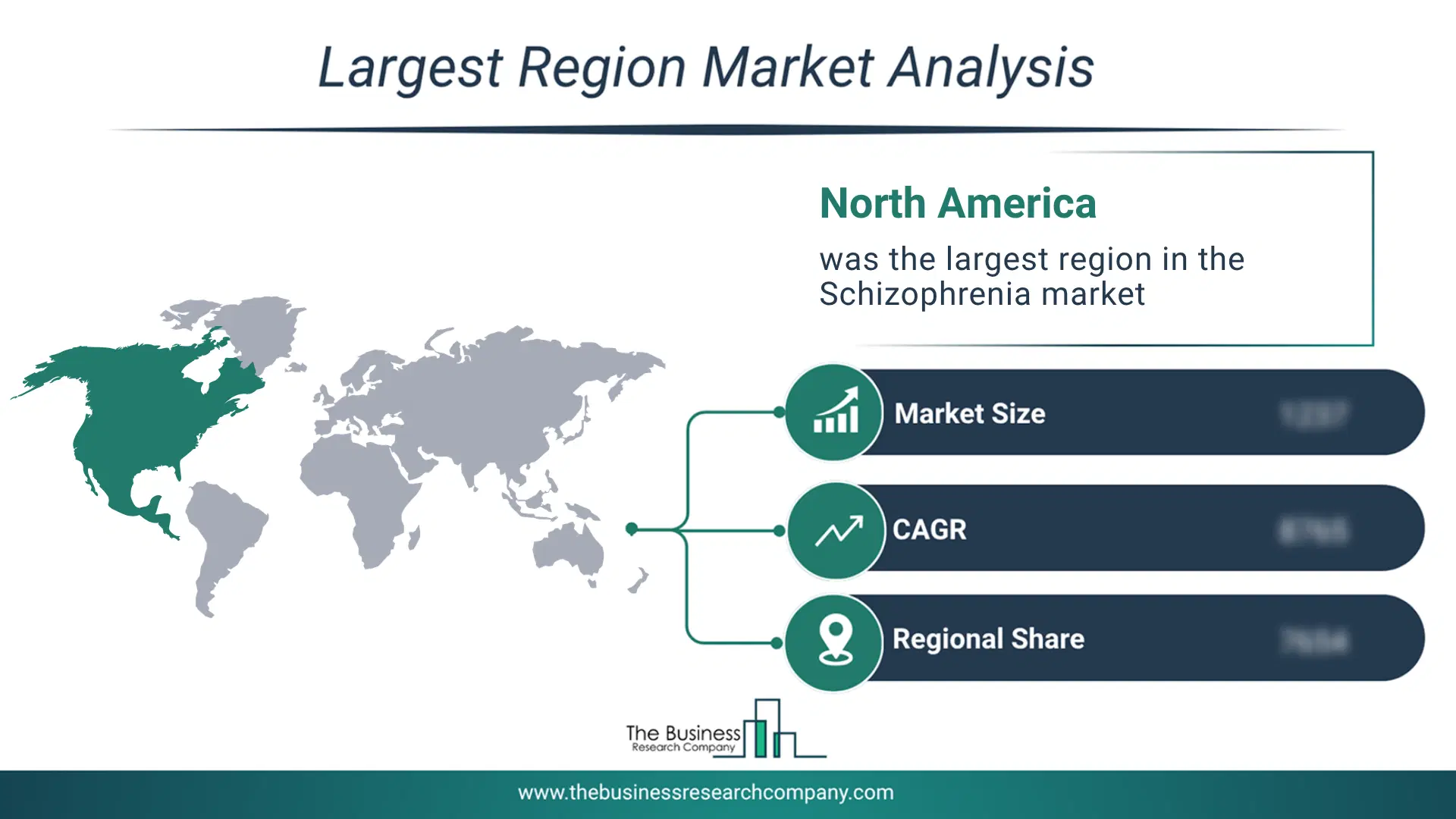
Regional Outlook
North America was the largest region in the schizophrenia market in 2025. The regions covered in this market report are Asia-Pacific, South East Asia, Western Europe, Eastern Europe, North America, South America, Middle East, Africa. The countries covered in this market report are Australia, Brazil, China, France, Germany, India, Indonesia, Japan, Taiwan, Russia, South Korea, UK, USA, Canada, Italy, Spain.What Defines the Schizophrenia Market?
The schizophrenia market consists of revenues earned by entities by providing cognitive behavioral therapy, electroconvulsive therapy, and group counseling. The market value includes the value of related goods sold by the service provider or included within the service offering. The schizophrenia market also includes sales of risperdal, invega, zyprexa, geodon and seroquel. Values in this market are ‘factory gate’ values, that is the value of goods sold by the manufacturers or creators of the goods, whether to other entities (including downstream manufacturers, wholesalers, distributors and retailers) or directly to end customers. The value of goods in this market includes related services sold by the creators of the goods.How is Market Value Defined and Measured?
The market value is defined as the revenues that enterprises gain from the sale of goods and/or services within the specified market and geography through sales, grants, or donations in terms of the currency (in USD unless otherwise specified). The revenues for a specified geography are consumption values that are revenues generated by organizations in the specified geography within the market, irrespective of where they are produced. It does not include revenues from resales along the supply chain, either further along the supply chain or as part of other products.
This chart presents market attractiveness based on a quantitative evaluation of growth, competition, strategic alignment, and risk, offering a clear view of opportunity areas for decision-making. This chart is for illustrative purposes; the full report contains the complete analysis.

This chart highlights the Total Addressable Market (TAM) by estimating the maximum revenue opportunity using an assumption-driven approach, supporting strategic planning and opportunity sizing across markets. The chart is illustrative; the full report provides a more comprehensive analysis.
What Key Data and Analysis Are Included in the Schizophrenia Market Report 2026?
The schizophrenia market research report is one of a series of new reports from The Business Research Company that provides market statistics, including industry global market size, regional shares, competitors with the market share, detailed market segments, market trends and opportunities, and any further data you may need to thrive in the schizophrenia industry. The market research report delivers a complete perspective of everything you need, with an in-depth analysis of the current and future state of the industry.Schizophrenia Market Report Forecast Analysis
| Report Attribute | Details |
|---|---|
| Market Size Value In 2026 | $6.35 billion |
| Revenue Forecast In 2030 | $8.02 billion |
| Growth Rate | CAGR of 4.9% from 2026 to 2030 |
| Base Year For Estimation | 2025 |
| Actual Estimates/Historical Data | 2020-2025 |
| Forecast Period | 2026 - 2030 |
| Market Representation | Revenue in USD Billion and CAGR from 2026 to 2030 |
| Segments Covered | Type, Treatment, Route of Administration |
| Regional Scope | Asia-Pacific, Western Europe, Eastern Europe, North America, South America, Middle East, Africa |
| Country Scope | The countries covered in the report are Australia, Brazil, China, France, Germany, India, ... |
| Key Companies Profiled | Pfizer Inc, Johnson And Johnson Services Inc, AbbVie Inc, Novartis AG, Bristol Myers Squibb Company, AstraZeneca PLC, GlaxoSmithKline PLC, Takeda Pharmaceutical Company, Eli Lilly And Company, Boehringer Ingelheim International GmbH, Otsuka Holdings Co Ltd, Daiichi Sankyo Co Ltd, Astellas Pharma Inc, Sumitomo Dainippon Pharma Co Ltd, Mitsubishi Tanabe Pharma Corporation, Recordati SpA, Lundbeck AS, Neurocrine Biosciences Inc, Torrent Pharmaceutical Ltd, Alkermes PLC, Indivior PLC, Vanda Pharmaceuticals Inc, Intra Cellular Therapies Inc, Axsome Therapeutics Inc, Karuna Therapeutics Inc, Minerva Neurosciences Inc |
| Customization Scope | Request for Customization |
| Pricing And Purchase Options | Explore Purchase Options |