
Thoracic Drainage Devices Market Report 2026
Global Outlook – By Technology Type (Digital, Traditional), By Product (Thoracic Drainage Systems, Thoracic Drainage Kits, Pleural Drainage Catheters, Other Products), By Application (Cardiac Surgery, Thoracic And Pulmonary Surgery, Other Applications), By End-Users (Hospitals, Ambulatory Surgical Centers, Other End-Users) – Market Size, Trends, Strategies, and Forecast to 2030
Thoracic Drainage Devices Market Overview
• Thoracic Drainage Devices market size has reached to $0.96 billion in 2025 • Expected to grow to $1.44 billion in 2030 at a compound annual growth rate (CAGR) of 8.3% • Growth Driver: Increasing Cardiovascular And Pulmonary Disorders Driving Demand For The Market • Market Trend: Introduction of Innovative Thoracic Drainage Devices • North America was the largest region in 2025.Market Gains By 2030 – Top Opportunities By Segment
Market Gain identifies the most promising market opportunities by highlighting the segments or products expected to generate the highest incremental revenue growth over the next five years.
What Is Covered Under Thoracic Drainage Devices Market?
Thoracic drainage devices are medical tools used to remove air, fluid, or blood from the pleural space to prevent complications like pneumothorax or pleural effusion. They typically consist of a tube inserted into the chest, connected to a collection system to facilitate continuous drainage and promote lung re-expansion. The main types of thoracic drainage are digital and traditional. Digital thoracic drainage devices are advanced medical tools that use electronic systems to monitor and manage fluid flow, pressure levels, and air leaks in real time for enhanced patient care. The product included thoracic drainage systems, thoracic drainage kits, pleural drainage catheters, and others, and it is available for various applications such as cardiac surgery, thoracic and pulmonary surgery, and others and is used by various end users, including hospitals, ambulatory surgical centers, and others.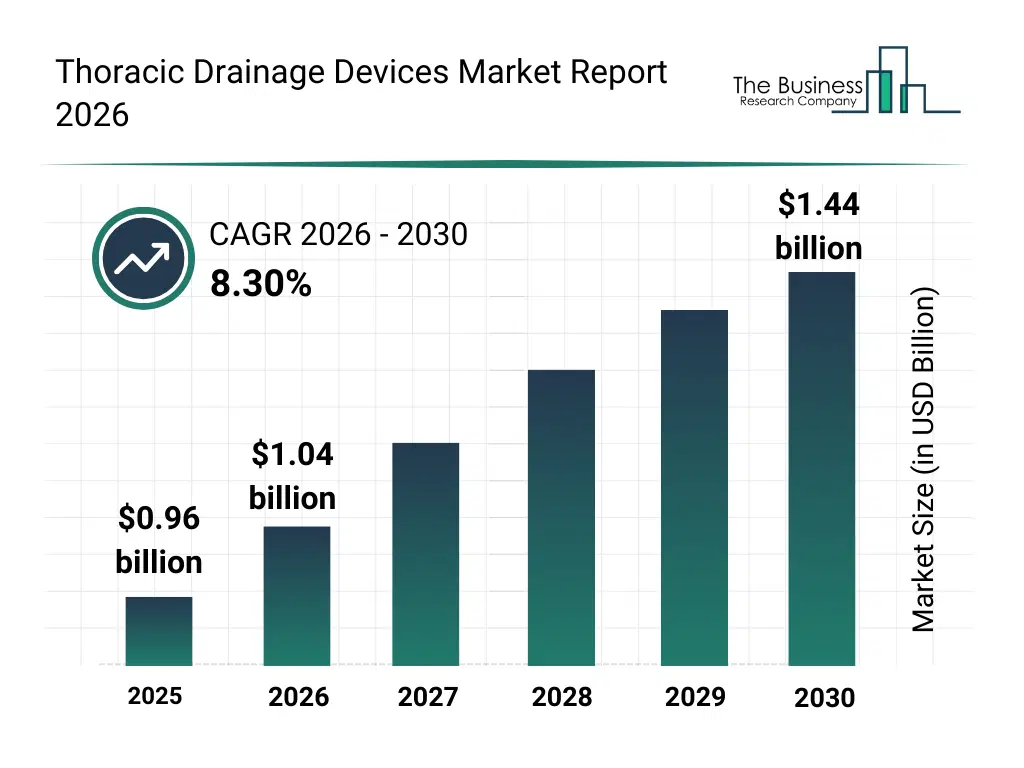
What Is The Thoracic Drainage Devices Market Size and Share 2026?
The thoracic drainage devices market size has grown strongly in recent years. It will grow from $0.96 billion in 2025 to $1.04 billion in 2026 at a compound annual growth rate (CAGR) of 8.4%. The growth in the historic period can be attributed to increase in thoracic surgeries, pneumothorax treatment demand, ICU expansion, post-operative complication management, chest trauma cases.What Is The Thoracic Drainage Devices Market Growth Forecast?
The thoracic drainage devices market size is expected to see strong growth in the next few years. It will grow to $1.44 billion in 2030 at a compound annual growth rate (CAGR) of 8.3%. The growth in the forecast period can be attributed to smart drainage system adoption, remote patient monitoring integration, reduced hospital stay initiatives, advanced sensor integration, surgical outcome optimization. Major trends in the forecast period include digital chest drainage systems, real-time fluid monitoring, minimally invasive drainage solutions, automated pressure regulation, portable thoracic drainage units.
Global Thoracic Drainage Devices Market Segmentation
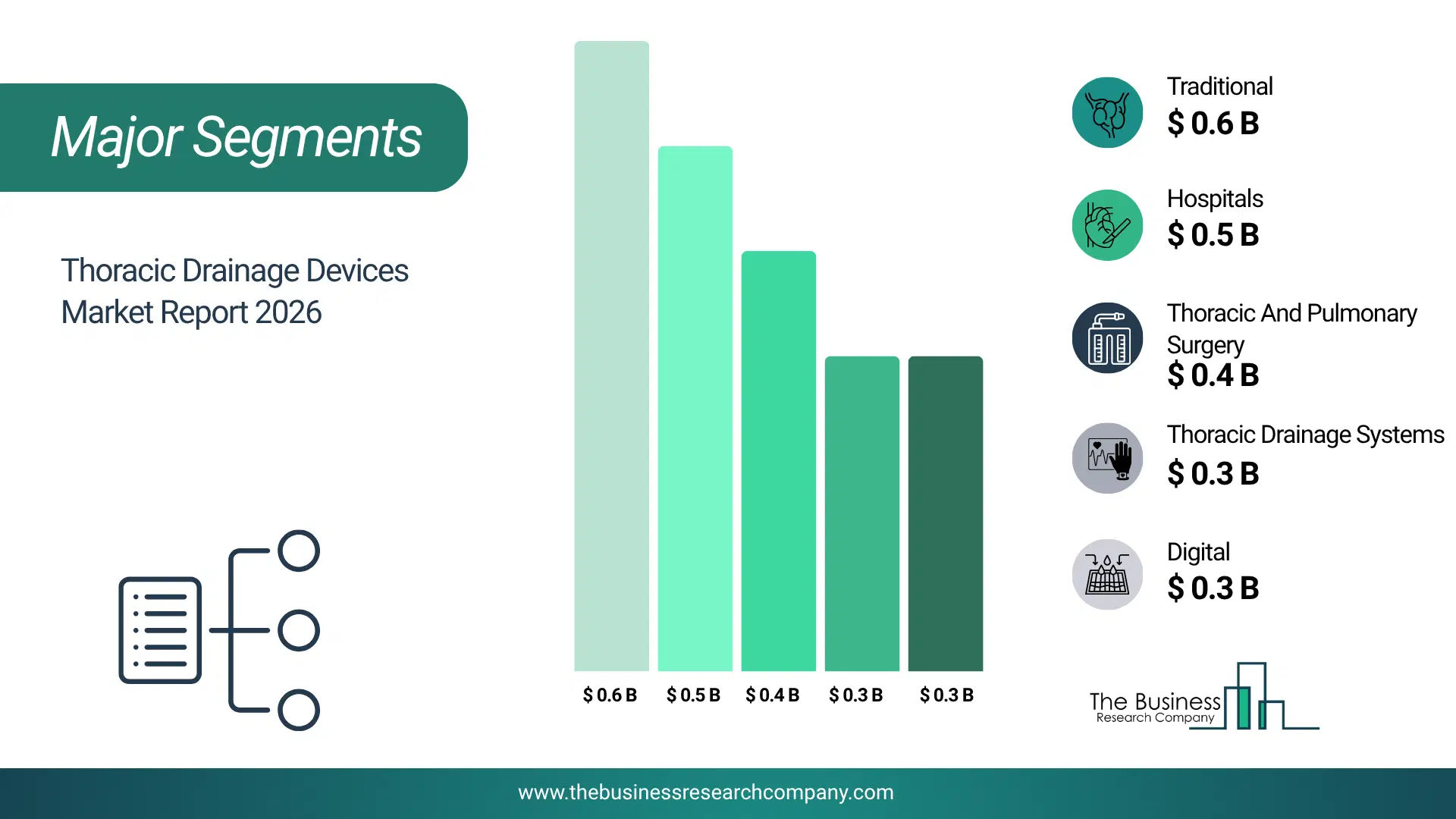
1) By Technology Type: Digital, Traditional 2) By Product: Thoracic Drainage Systems, Thoracic Drainage Kits, Pleural Drainage Catheters, Other Products 3) By Application: Cardiac Surgery, Thoracic And Pulmonary Surgery, Other Applications 4) By End-Users: Hospitals, Ambulatory Surgical Centers, Other End-Users Subsegments: 1) By Digital: Electronic Monitoring Systems, Digital Drainage Units With Real-Time Pressure Measurement, Automated Fluid Monitoring Devices 2) By Traditional: Suction Drainage Systems, Gravity Drainage Systems, Water-Seal Chest Drains The top segments in the thoracic drainage devices market will be: • Traditional will reach $641.11 Million by 2025. • Hospitals will reach $571.87 Million by 2025. • Thoracic And Pulmonary Surgery will reach $424.19 Million by 2025. • Thoracic Drainage Systems will reach $380.33 Million by 2025. • Digital will reach $304.68 Million by 2025.What Are The Drivers Of The Thoracic Drainage Devices Market?
The increasing prevalence of cardiovascular and pulmonary disorders is expected to propel the growth of the thoracic drainage devices market going forward. Cardiovascular and pulmonary disorders refer to a range of conditions that affect the heart, blood vessels, and lungs, impacting overall cardiovascular and respiratory health. The increasing prevalence of cardiovascular and pulmonary disorders is due to sedentary lifestyles, poor dietary habits, smoking, and a lack of regular health monitoring, leading to a higher demand for specialized treatments and preventive care measures. Thoracic drainage devices aid in the management of cardiovascular and pulmonary disorders by effectively removing excess fluid, air, or blood from the pleural or thoracic cavity, ensuring optimal lung expansion and cardiovascular function. For instance, in October 2024, according to the Centers for Disease Control and Prevention, a US-based public health institute, in 2023, about 1 out of every 6 deaths from cardiovascular diseases was among adults younger than 65 years old, and a total of 919,032 people died from cardiovascular disease, representing 1 in every 3 deaths. Therefore, the increasing prevalence of cardiovascular and pulmonary disorders is driving growth in the thoracic drainage devices industry. The growing preference for minimally invasive surgeries is expected to propel the growth of the thoracic drainage devices market going forward. Minimally invasive surgeries refer to medical procedures that involve small incisions or no incisions at all, using advanced tools such as cameras and specialized instruments to reduce tissue damage, shorten recovery time, and minimize scarring compared to traditional open surgery. The growing preference for minimally invasive surgeries is attributed to their ability to offer reduced recovery times, lower risk of infection, less scarring, and shorter hospital stays. Thoracic drainage devices play a crucial role in minimally invasive surgeries by effectively managing pleural effusions, air leaks, and fluid buildup, ensuring optimal lung expansion and reducing the risk of complications during recovery. For instance, in June 2024, the American Society of Plastic Surgeons, a US-based non-profit organization, reported that minimally invasive procedures experienced a 7 percent growth in 2023, exceeding the growth rate of surgical procedures by 2 percent. Therefore, the growing preference for minimally invasive surgeries is driving growth in the thoracic drainage devices industry.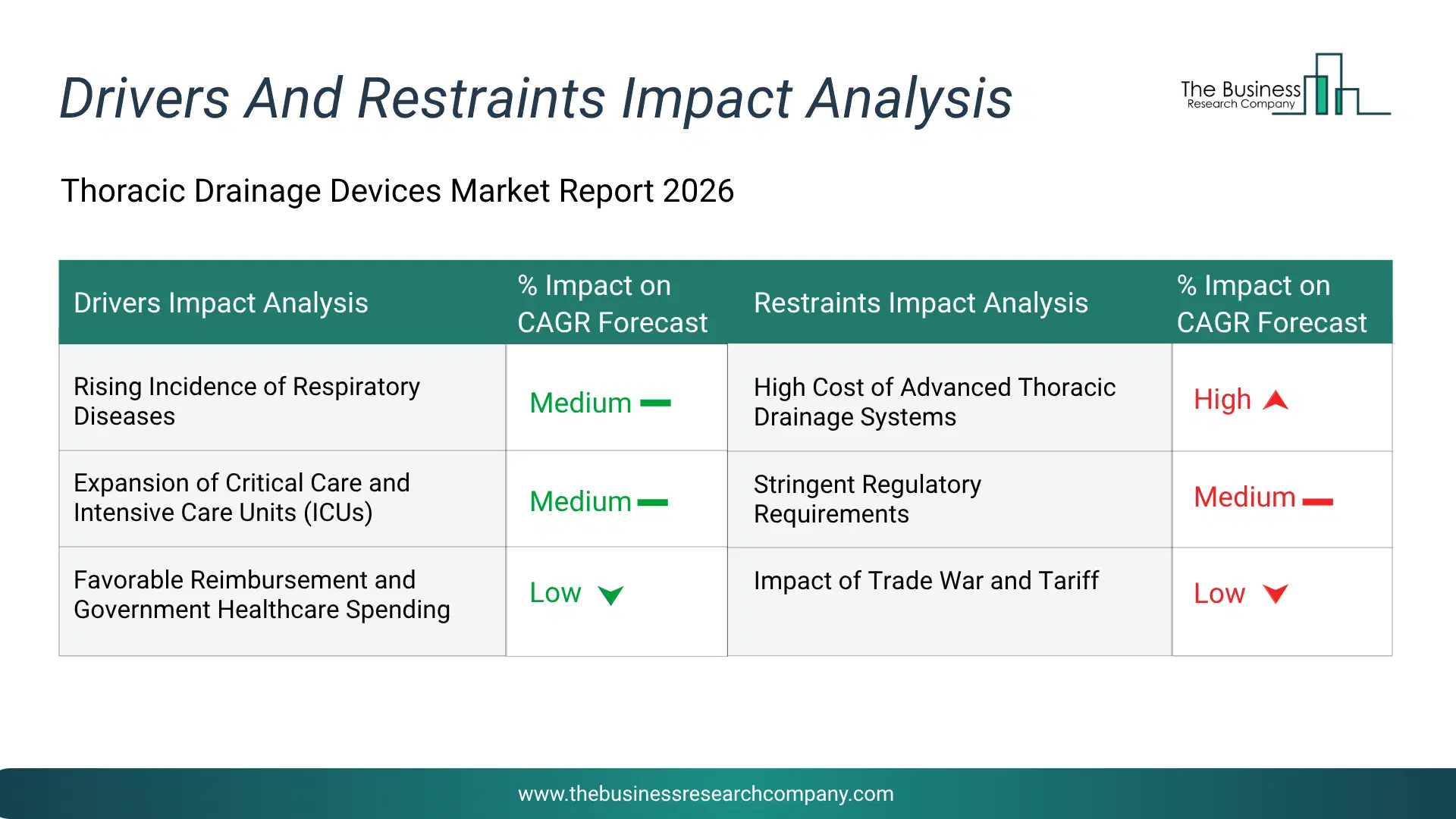
Infographic Chart Showing Key Market Drivers Analysis And Restraints For Thoracic Drainage Devices Market
The chart presents an impact analysis of key drivers and restraints, quantifying their relative influence on the market's growth rate and helping assess the balance between growth enablers and limiting factors. This chart offers a high-level perspective; the full report contains more detailed insights.
How Will The Drivers Impact Growth In The Global Thoracic Drainage Devices Market?
• Rising Incidence of Respiratory Diseases (Medium) – The rising incidence of respiratory diseases will become a key driver of growth in the thoracic drainage devices market by 2030. As these diseases become more prevalent due to environmental, lifestyle and occupational factors, the need for effective thoracic drainage solutions continues to grow. Healthcare facilities are likely to witness higher demand for both traditional and digital drainage systems capable of precise monitoring and long-term management of respiratory complications. The persistent rise in respiratory illnesses will ensure consistent use of thoracic drainage devices across emergency care, post-surgical recovery and intensive care settings, reinforcing market growth throughout the forecast period. As a result, the rising incidence of respiratory diseases is anticipated to contributing to a 1.5% annual growth in the market. • Expansion of Critical Care and Intensive Care Units (ICUs) (Medium) – The expansion of critical care and intensive care units (ICUs) will emerge as a major factor driving the expansion of the market by 2030. With the increasing number of patients requiring respiratory support, post-surgical monitoring and emergency interventions, hospitals are strengthening their intensive care units (ICU) capabilities. Thoracic drainage systems are essential components in managing acute chest conditions and post-operative complications in these high-dependency areas. The rise in intensive care units (ICU) capacity directly translates to greater demand for reliable and efficient drainage equipment capable of continuous monitoring and precise fluid management. As healthcare providers enhance their critical care infrastructure to meet growing patient loads, the procurement and usage of thoracic drainage devices are expected to rise proportionally. This expansion supports both the replacement of older systems and the adoption of advanced, integrated drainage technologies designed for intensive care environments. Consequently, the expansion of critical care and intensive care units (ICUs) is projected to contributing to a 1.0% annual growth in the market. • Favorable Reimbursement and Government Healthcare Spending (Low) – The favourable reimbursement and government healthcare spending will serve as a key growth catalyst for the market by 2030. As healthcare systems evolve, policy reforms and funding initiatives are enhancing access to essential medical equipment and procedures. Governments in both developed and developing regions are investing more in hospital infrastructure, medical technology modernization and patient care quality improvement. This supportive environment encourages healthcare providers to upgrade to advanced drainage systems, which are often more expensive but deliver better clinical outcomes. Moreover, favourable reimbursement policies reduce the financial burden on both hospitals and patients, making thoracic drainage procedures more accessible and widely implemented. Therefore, this favourable reimbursement and government healthcare spending is projected to supporting to a 0.7% annual growth in the market. • Increasing Research and Development in Healthcare (Low) – The increasing research and development in healthcare will become a significant driver contributing to the growth of the market by 2030. Growing research and development investment fosters the creation of technologically advanced drainage systems that enhance patient safety, precision and monitoring capabilities. Innovations in digital sensors, smart connectivity and biocompatible materials are improving the efficiency and usability of these devices, making them more adaptable to complex clinical requirements. As medical device manufacturers focus on developing safer, more reliable and cost-effective solutions, hospitals and surgical centers are increasingly adopting these advanced systems. Consequently, the increasing research and development in healthcare is projected to contributing to a 0.5% annual growth in the market.How Will The Restraints Impact Growth In The Global Thoracic Drainage Devices Market?
• High Cost of Advanced Thoracic Drainage Systems (Medium) – High Cost of Advanced Thoracic Drainage Systems will restrict the growth of the Thoracic Drainage Devices market during the forecast period. Advanced thoracic drainage devices involve significant costs for equipment, consumables, and maintenance. High costs create barriers for healthcare facilities with limited budgets. Cost constraints can limit the adoption of advanced drainage systems and affect market growth. • Stringent Regulatory Requirements (Low) – Stringent Regulatory Requirements will restrict the growth of the Thoracic Drainage Devices market during the forecast period. Thoracic drainage devices must comply with strict regulatory requirements for safety and efficacy. Regulatory compliance adds to product development costs and timelines. Regulatory hurdles can delay product approvals and limit the availability of innovative drainage devices. • Impact of Trade War and Tariff (Low) – Impact of Trade War and Tariff will restrict the growth of the Thoracic Drainage Devices market during the forecast period. Trade tensions and economic uncertainty can affect healthcare spending and medical device procurement. Reduced hospital budgets during trade disputes may limit equipment purchases. Trade barriers may also impact the availability and cost of medical devices and components.Key Players In The Global Thoracic Drainage Devices Market
Major companies operating in the thoracic drainage devices market are Medtronic plc, Terumo Corporation, Smiths Group plc, Teleflex Incorporated, Cook Group Incorporated, Merit Medical Systems, Vygon SA, Poly Medicure Ltd., B. Braun Melsungen AG, Medela AG, Utah Medical Products Inc., Angiplast Private Limited, Sterimed Medical Devices Private Limited, Eurosets s.r.l., Redax S.p.a., Sinapi Biomedical (Pty) Ltd., Rocket Medical plc, ATMOS MedizinTechnik GmbH & Co. KG, Argon Medical Devices Inc., Sterimed Medical Devices Pvt. Ltd.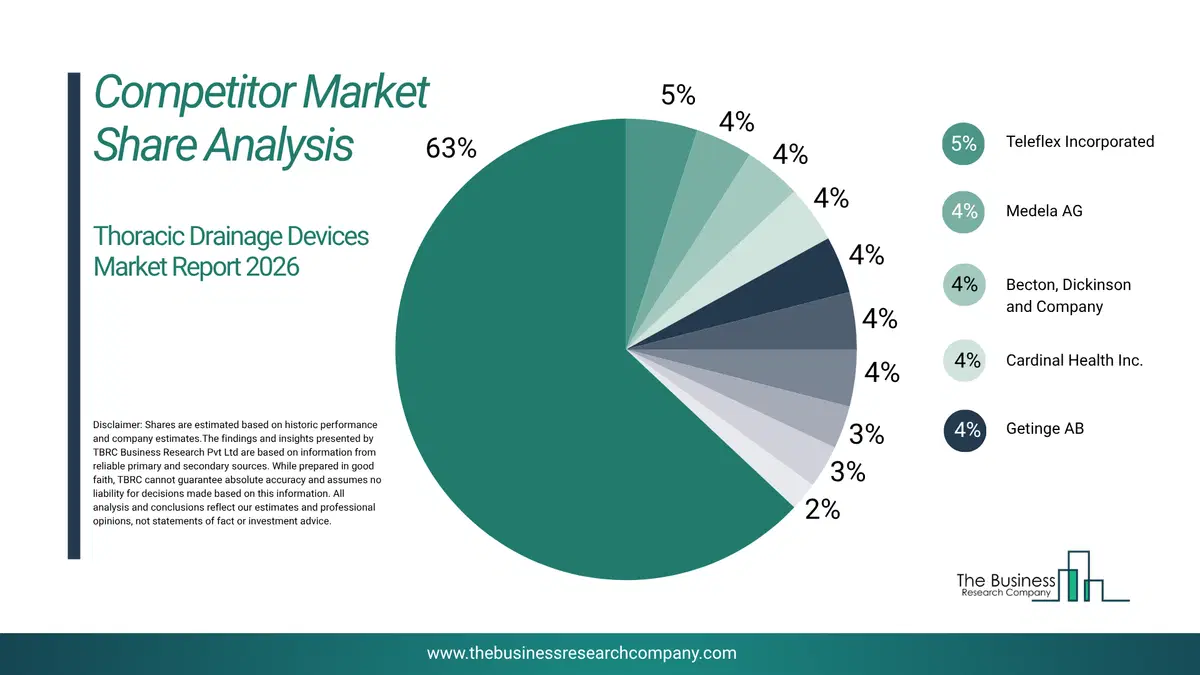
This chart is for illustrative purposes; the full report includes a detailed competitor analysis and comprehensive overview of the top 10 companies in the market.
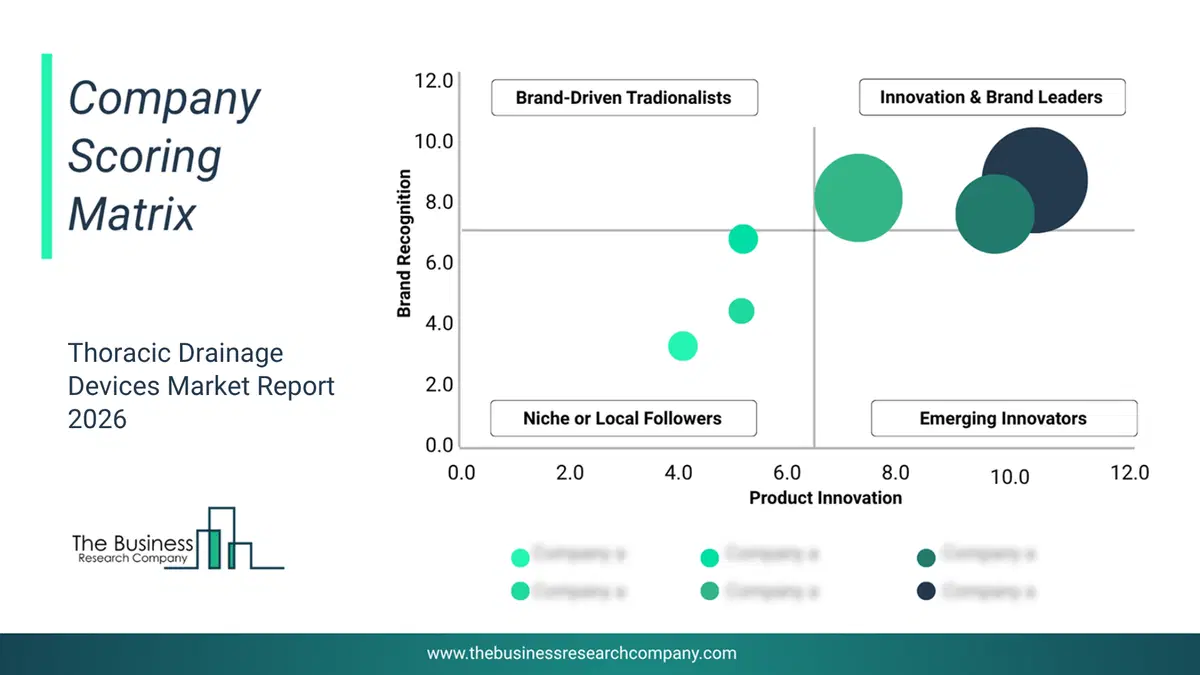
This chart maps companies by product innovation and brand strength, with bubble size indicating relative revenue, helping identify market leaders, challengers, and niche players. This is an illustrative chart; the full report provides a complete and accurate competitive analysis.
Global Thoracic Drainage Devices Market Trends and Insights
Major companies operating in the thoracic drainage devices market are focusing on introducing innovative products such as evacuated drainage bottles to enhance efficiency and reduce the risk of infection during medical procedures. An evacuated drainage bottle is a medical device used to collect and store fluid that is drained from a wound or surgical site, typically under vacuum pressure, to promote healing and prevent infection. For instance, in September 2023, Merit Medical Systems Inc., a US-based manufacturer of disposable medical devices, launched the Aspira evacuated drainage bottle. The aspira evacuated drainage bottle is a medical device designed for the drainage of pleural effusions and malignant ascites, offering patients the option to self-treat at home with enhanced comfort and control over drainage speed while also requiring 23% less storage space than traditional drainage bottles.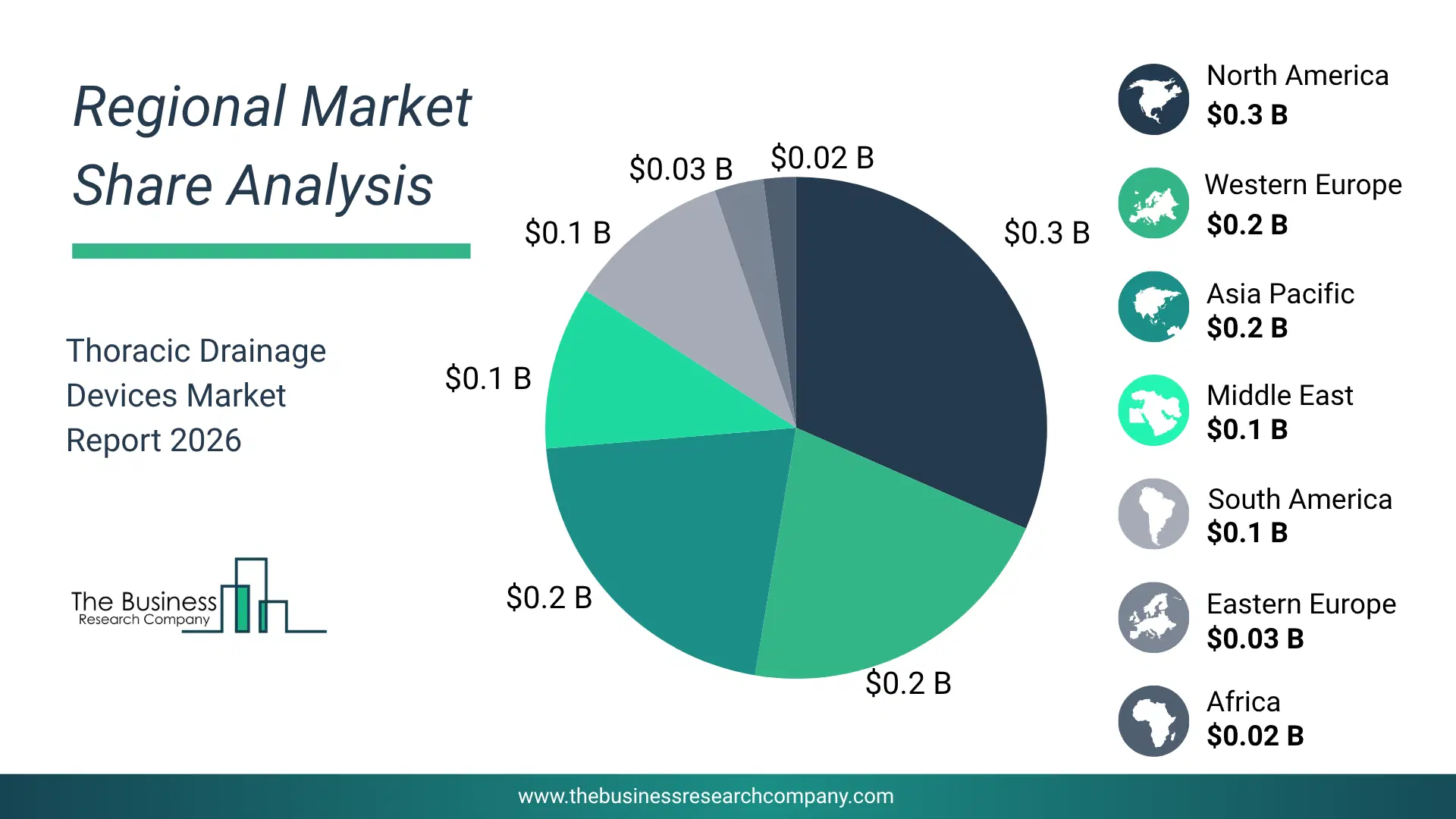
Regional Outlook
North America was the largest region in the thoracic drainage devices market in 2025. The regions covered in this market report are Asia-Pacific, South East Asia, Western Europe, Eastern Europe, North America, South America, Middle East, Africa. The countries covered in this market report are Australia, Brazil, China, France, Germany, India, Indonesia, Japan, Taiwan, Russia, South Korea, UK, USA, Canada, Italy, SpainWhat Defines the Thoracic Drainage Devices Market?
The thoracic drainage devices market consists of sales of chest tubes, closed chest drainage systems, trocar drainage kits, and autotransfusion systems. Values in this market are ‘factory gate’ values, that is, the value of goods sold by the manufacturers or creators of the goods, whether to other entities (including downstream manufacturers, wholesalers, distributors, and retailers) or directly to end customers. The value of goods in this market includes related services sold by the creators of the goods.How is Market Value Defined and Measured?
The market value is defined as the revenues that enterprises gain from the sale of goods and/or services within the specified market and geography through sales, grants, or donations in terms of the currency (in USD unless otherwise specified). The revenues for a specified geography are consumption values that are revenues generated by organizations in the specified geography within the market, irrespective of where they are produced. It does not include revenues from resales along the supply chain, either further along the supply chain or as part of other products.
This chart presents market attractiveness based on a quantitative evaluation of growth, competition, strategic alignment, and risk, offering a clear view of opportunity areas for decision-making. This chart is for illustrative purposes; the full report contains the complete analysis.

This chart highlights the Total Addressable Market (TAM) by estimating the maximum revenue opportunity using an assumption-driven approach, supporting strategic planning and opportunity sizing across markets. The chart is illustrative; the full report provides a more comprehensive analysis.
What Key Data and Analysis Are Included in the Thoracic Drainage Devices Market Report 2026?
The thoracic drainage devices market research report is one of a series of new reports from The Business Research Company that provides market statistics, including industry global market size, regional shares, competitors with the market share, detailed market segments, market trends and opportunities, and any further data you may need to thrive in the thoracic drainage devices industry. The market research report delivers a complete perspective of everything you need, with an in-depth analysis of the current and future state of the industry.Thoracic Drainage Devices Market Report Forecast Analysis
| Report Attribute | Details |
|---|---|
| Market Size Value In 2026 | $1.04 billion |
| Revenue Forecast In 2030 | $1.44 billion |
| Growth Rate | CAGR of 8.4% from 2026 to 2030 |
| Base Year For Estimation | 2025 |
| Actual Estimates/Historical Data | 2020-2025 |
| Forecast Period | 2026 - 2030 |
| Market Representation | Revenue in USD Billion and CAGR from 2026 to 2030 |
| Segments Covered | Technology Type, Product, Application, End-Users |
| Regional Scope | Asia-Pacific, Western Europe, Eastern Europe, North America, South America, Middle East, Africa |
| Country Scope | The countries covered in the report are Australia, Brazil, China, France, Germany, India, Indonesia, Japan, Taiwan, Russia, South Korea, UK, USA, Canada, Italy, Spain. |
| Key Companies Profiled | Medtronic plc, Terumo Corporation, Smiths Group plc, Teleflex Incorporated, Cook Group Incorporated, Merit Medical Systems, Vygon SA, Poly Medicure Ltd., B. Braun Melsungen AG, Medela AG, Utah Medical Products Inc., Angiplast Private Limited, Sterimed Medical Devices Private Limited, Eurosets s.r.l., Redax S.p.a., Sinapi Biomedical (Pty) Ltd., Rocket Medical plc, ATMOS MedizinTechnik GmbH & Co. KG, Argon Medical Devices Inc., Sterimed Medical Devices Pvt. Ltd. |
| Customization Scope | Request for Customization |
| Pricing And Purchase Options | Explore Purchase Options |