

Triple Combination Therapy Market Report 2026
Global Outlook – By Drug Class (Antiretroviral Agents, Targeted Cancer Therapies, Immunomodulators, Anti-Inflammatory Drugs, Gene Modulators), By Therapeutic Area (Infectious Diseases, Chronic Diseases, Cystic Fibrosis (CF), Cancer, Autoimmune Disorders, Neurological Disorders), By Route Of Administration (Oral Therapies, Intravenous (IV), Subcutaneous (SC), Inhalation-Based Therapies, Topical Applications), By Distribution Channel (Hospital Pharmacies, Retail Pharmacies, Online Pharmacies, Specialty Clinics) - Market Size, Trends, Strategies, and Forecast to 2030
Triple Combination Therapy Market Overview
• Triple Combination Therapy market size has reached to $18.08 billion in 2025 • Expected to grow to $27.52 billion in 2030 at a compound annual growth rate (CAGR) of 8.8% • Growth Driver: Rising Prevalence Of Autoimmune Disorders Is Fueling The Growth Of The Market Due To Increasing Demand For Comprehensive And Targeted Treatment Approaches • Market Trend: Regulatory Approvals For Advanced Therapies Driving Innovation In Treatment Solutions • North America was the largest region in 2025 and Asia-Pacific is the fastest growing region.What Is Covered Under Triple Combination Therapy Market?
Triple combination therapy is a medical treatment approach involving the concurrent use of three pharmacological agents with complementary mechanisms of action to achieve enhanced therapeutic efficacy, minimize drug resistance, and improve clinical outcomes in patients with complex or chronic conditions. It is commonly used in the management of diseases such as human immunodeficiency virus (HIV), hypertension, and certain cancers to optimize treatment response and control disease progression. The main drug classes in triple combination therapy are antiretroviral agents, targeted cancer therapies, immunomodulators, anti-inflammatory drugs, and gene modulators. Antiretroviral agents are pharmaceutical drugs designed to inhibit the replication of retroviruses, particularly Human Immunodeficiency Virus (HIV), by targeting various stages of the viral life cycle to reduce viral load and prevent disease progression. These therapies are in various therapeutic areas such as infectious diseases, chronic diseases, cystic fibrosis (CF), cancer, autoimmune disorders, and neurological disorders, including routes of administration such as oral therapies, intravenous (IV), subcutaneous (SC), inhalation-based therapies, and topical applications, which are distributed through channels including hospital pharmacies, retail pharmacies, online pharmacies, and specialty clinics.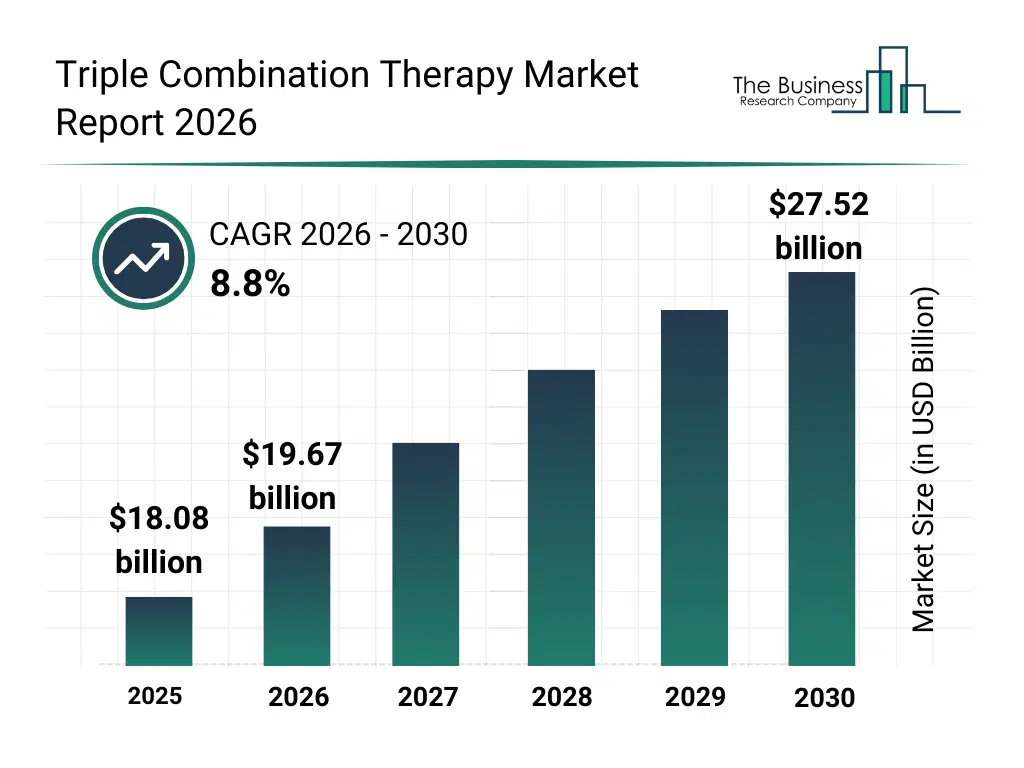
What Is The Triple Combination Therapy Market Size and Share 2026?
The triple combination therapy market size has grown strongly in recent years. It will grow from $18.08 billion in 2025 to $19.67 billion in 2026 at a compound annual growth rate (CAGR) of 8.8%. The growth in the historic period can be attributed to expansion of chronic disease treatment protocols, widespread use of antiretroviral therapy, increasing complexity of cancer treatment regimens, availability of combination drug approvals, growth of specialty pharmaceutical markets.What Is The Triple Combination Therapy Market Growth Forecast?
The triple combination therapy market size is expected to see strong growth in the next few years. It will grow to $27.52 billion in 2030 at a compound annual growth rate (CAGR) of 8.8%. The growth in the forecast period can be attributed to increasing demand for precision combination therapies, rising development of gene-modulating drugs, expansion of oncology combination pipelines, growing focus on treatment adherence optimization, advancements in pharmacogenomics. Major trends in the forecast period include increasing adoption of fixed-dose combination therapies, rising use of personalized multi-drug regimens, growing focus on resistance-reducing treatment protocols, expansion of combination therapies in oncology and hiv, enhanced integration of clinical decision support tools.
Global Triple Combination Therapy Market Segmentation
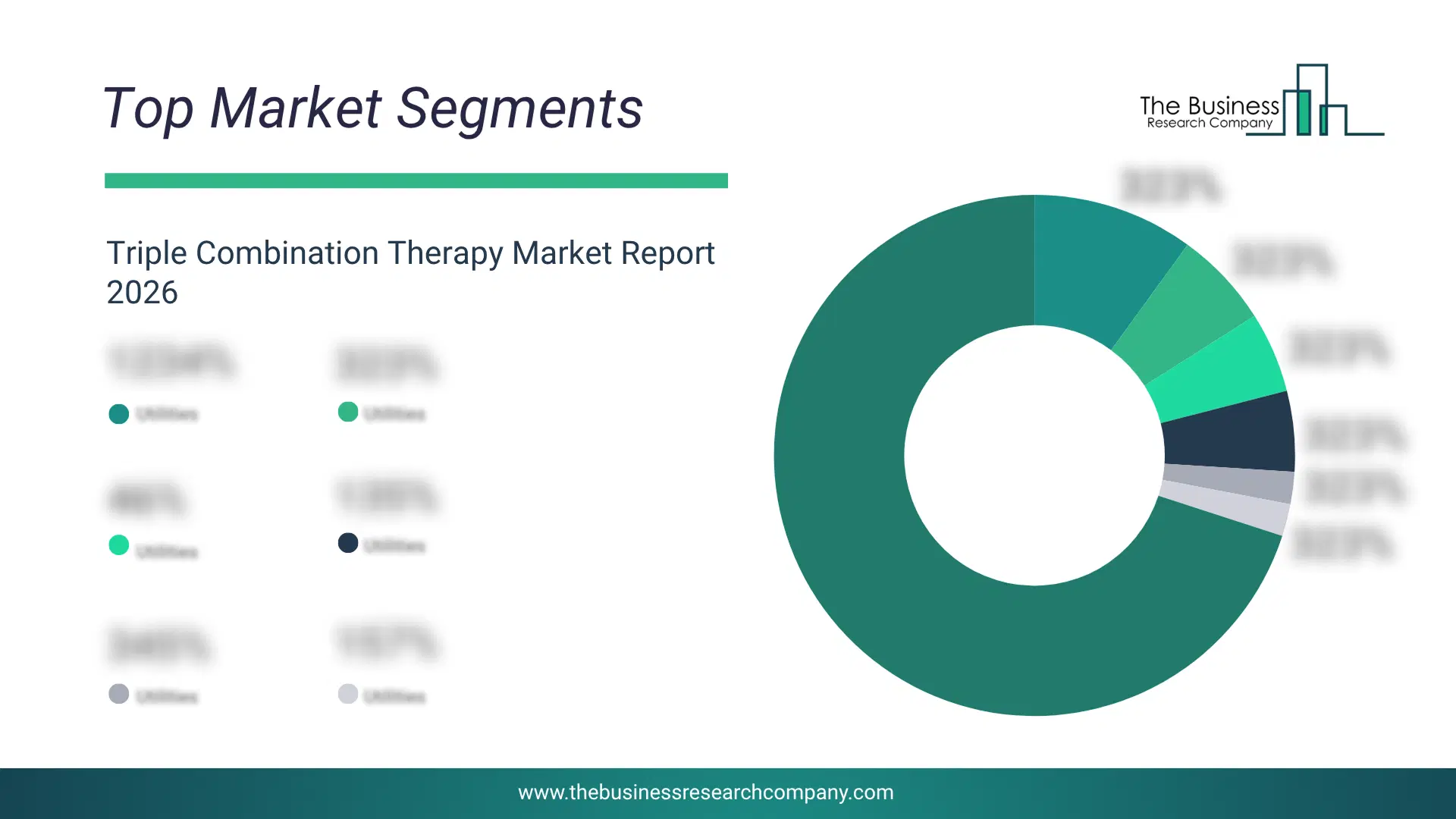
1) By Drug Class: Antiretroviral Agents, Targeted Cancer Therapies, Immunomodulators, Anti-Inflammatory Drugs, Gene Modulators 2) By Therapeutic Area: Infectious Diseases, Chronic Diseases, Cystic Fibrosis (CF), Cancer, Autoimmune Disorders, Neurological Disorders 3) By Route Of Administration: Oral Therapies, Intravenous (IV), Subcutaneous (SC), Inhalation-Based Therapies, Topical Applications 4) By Distribution Channel: Hospital Pharmacies, Retail Pharmacies, Online Pharmacies, Specialty Clinics Subsegments: 1) By Antiretroviral Agents: Nucleoside Reverse Transcriptase Inhibitors (NRTIs), Non-Nucleoside Reverse Transcriptase Inhibitors (NNRTIs), Protease Inhibitors (PIs) 2) By Targeted Cancer Therapies: Tyrosine Kinase Inhibitors (TKIs), Monoclonal Antibodies (mAbs), Immune Checkpoint Inhibitors 3) By Immunomodulators: Interleukin Inhibitors, Tumor Necrosis Factor (TNF) Inhibitors, Janus Kinase (JAK) Inhibitors 4) By Anti-Inflammatory Drugs: Non-Steroidal Anti-Inflammatory Drugs (NSAIDs), Corticosteroids, Selective COX-2 Inhibitors 5) By Gene Modulators: Antisense Oligonucleotides, RNA Interference (RNAi) Agents, CRISPR-Based Gene Editing TherapiesWhat Is The Driver Of The Triple Combination Therapy Market?
The rising prevalence of autoimmune disorders is expected to drive the growth of the triple combination therapy market going forward. Autoimmune disorders are conditions in which the body's immune system mistakenly attacks its healthy tissues and organs. The rising prevalence of autoimmune disorders is due to increasing exposure to environmental factors such as pollution, which trigger abnormal immune responses in genetically susceptible individuals. Triple combination therapy offers a comprehensive approach to managing autoimmune disorders by simultaneously targeting multiple immune pathways, enhancing treatment efficacy, and reducing disease activity. For instance, in February 2024 according to the Arthritis Australia is a Australia-based non-profit organization In 2025, an estimated 212,136 males and 362,137 females are projected to have rheumatoid arthritis (RA), with the numbers expected to rise by 2040 to approximately 280,040 males and 479,828 females. Therefore, the rising prevalence of autoimmune disorders is driving the growth of the triple combination therapy industry.Key Players In The Global Triple Combination Therapy Market
Major companies operating in the triple combination therapy market are Merck & Co. Inc., AstraZeneca plc, Novartis AG, GlaxoSmithKline (GSK) plc, Boehringer Ingelheim International GmbH, Vertex Pharmaceuticals, Daiichi Sankyo US, Bausch Health Companies Inc., CHIESI Farmaceutici S.p.A., Cipla Ltd., Lupin Ltd., BeyondSpring Inc., Daewoong pharmaceutical Co. Ltd, Galapagos NV, George Medicines, Biocytogen, Healio, Laekna Therapeutics, PDS Biotechnology, TG Therapeutics Inc., Immutep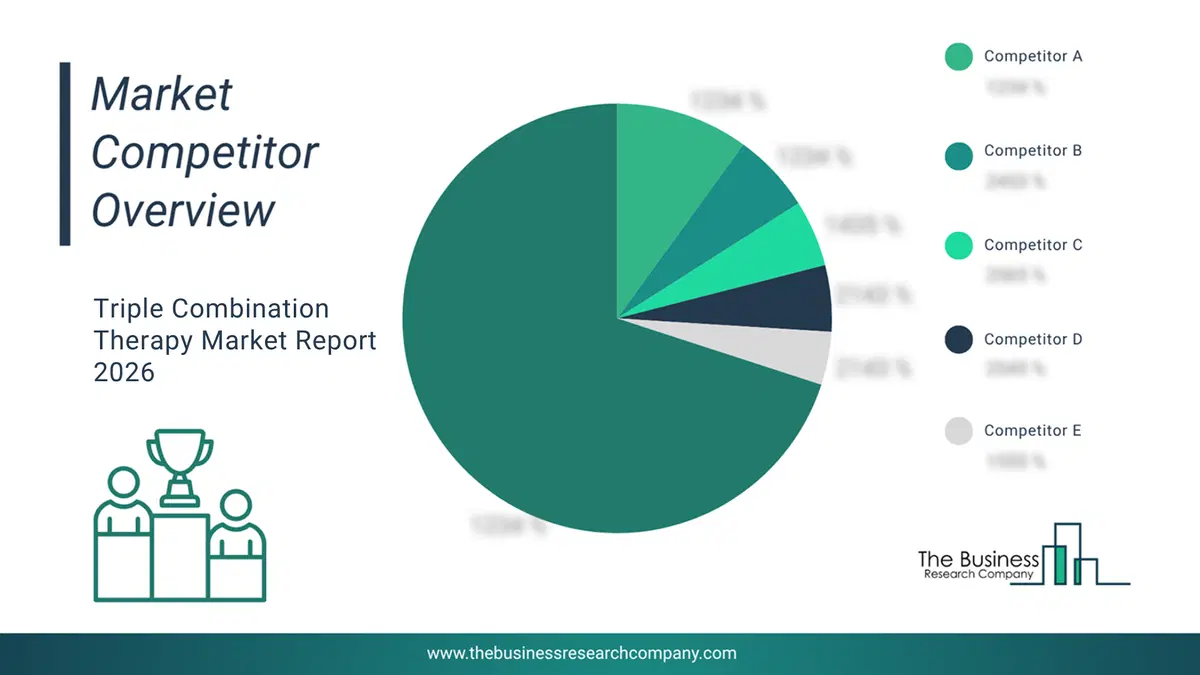
This chart is for illustrative purposes; the full report includes a detailed competitor analysis and comprehensive overview of the top 10 companies in the market.
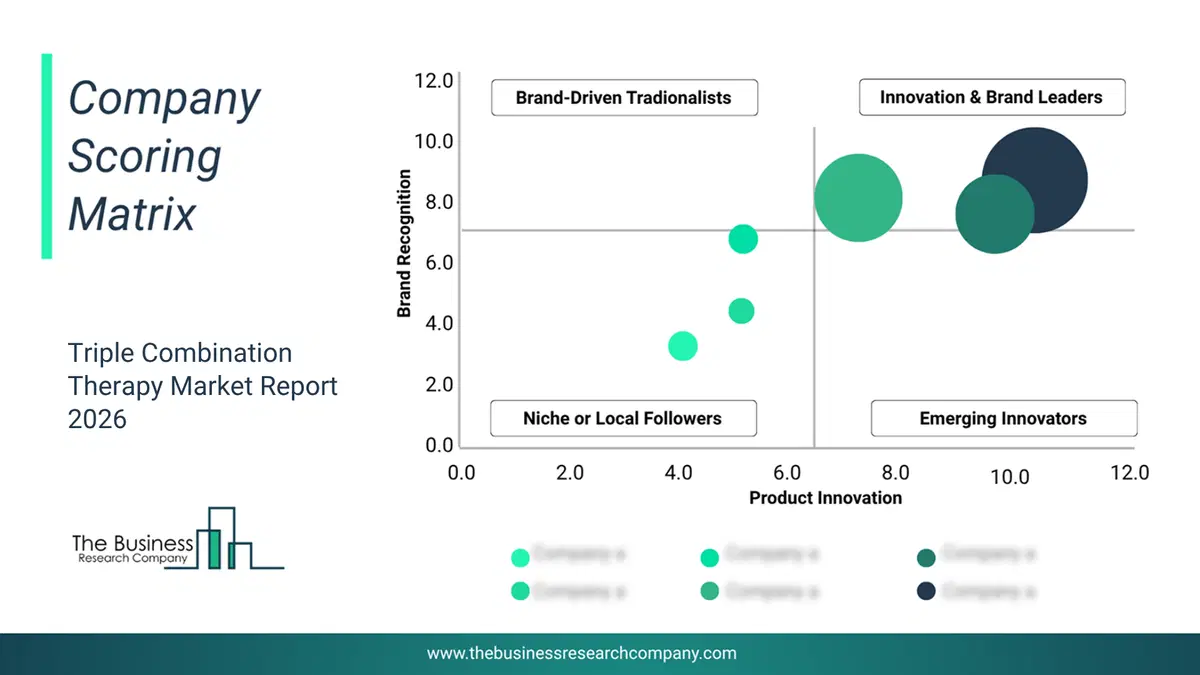
This chart maps companies by product innovation and brand strength, with bubble size indicating relative revenue, helping identify market leaders, challengers, and niche players. This is an illustrative chart; the full report provides a complete and accurate competitive analysis.
Global Triple Combination Therapy Market Trends and Insights
Major companies operating in the triple combination therapy market are focusing on developing innovative solutions, such as next-generation cystic fibrosis triple therapy, to improve clinical outcomes in cystic fibrosis by addressing the root cause of the disease. Next-generation cystic fibrosis triple therapy is an advanced treatment approach combining three modulators to enhance the function of the defective cystic fibrosis transmembrane conductance regulator (CFTR) protein, aiming to improve respiratory outcomes and overall disease management in patients with cystic fibrosis. For instance, in July 2024, Vertex Pharmaceuticals Incorporated, a US-based biotechnology company, announced that the U.S. Food and Drug Administration (FDA) had accepted its New Drug Application (NDA) for vanzacaftor/tezacaftor/deutivacaftor, a next-in-class triple combination therapy for the treatment of cystic fibrosis in patients aged six years and older who have at least one responsive cystic fibrosis transmembrane conductance regulator (CFTR) mutation. This once-daily regimen, known as the “vanza triple,” is engineered to significantly enhance CFTR protein function by combining two correctors and a potentiator, thereby targeting the protein's quantity and activity at the cell surface. The therapy has been granted priority review by the FDA and validated by the European Medicines Agency (EMA), underscoring its potential to raise the standard of care and improve the quality of life for a broader segment of the cystic fibrosis population.What Are Latest Mergers And Acquisitions In The Triple Combination Therapy Market?
In October 2024, Tempest Therapeutics Inc., a US-based clinical-stage biotechnology company advancing a triple combination therapy for the first-line treatment of unresectable or metastatic hepatocellular carcinoma (HCC), partnered with F. Hoffmann-La Roche to enhance the therapeutic effectiveness of first-line treatment for advanced hepatocellular carcinoma through a multi-agent approach. With this partnership, Tempest Therapeutics and Roche aim to advance the combination therapy of amezalpat (TPST-1120), atezolizumab, and bevacizumab into a pivotal Phase 3 trial for the first-line treatment of unresectable or metastatic hepatocellular carcinoma, addressing a significant unmet medical need in liver cancer care. F. Hoffmann-La Roche AG is a Switzerland-based healthcare company specializing in pharmaceuticals and diagnostics.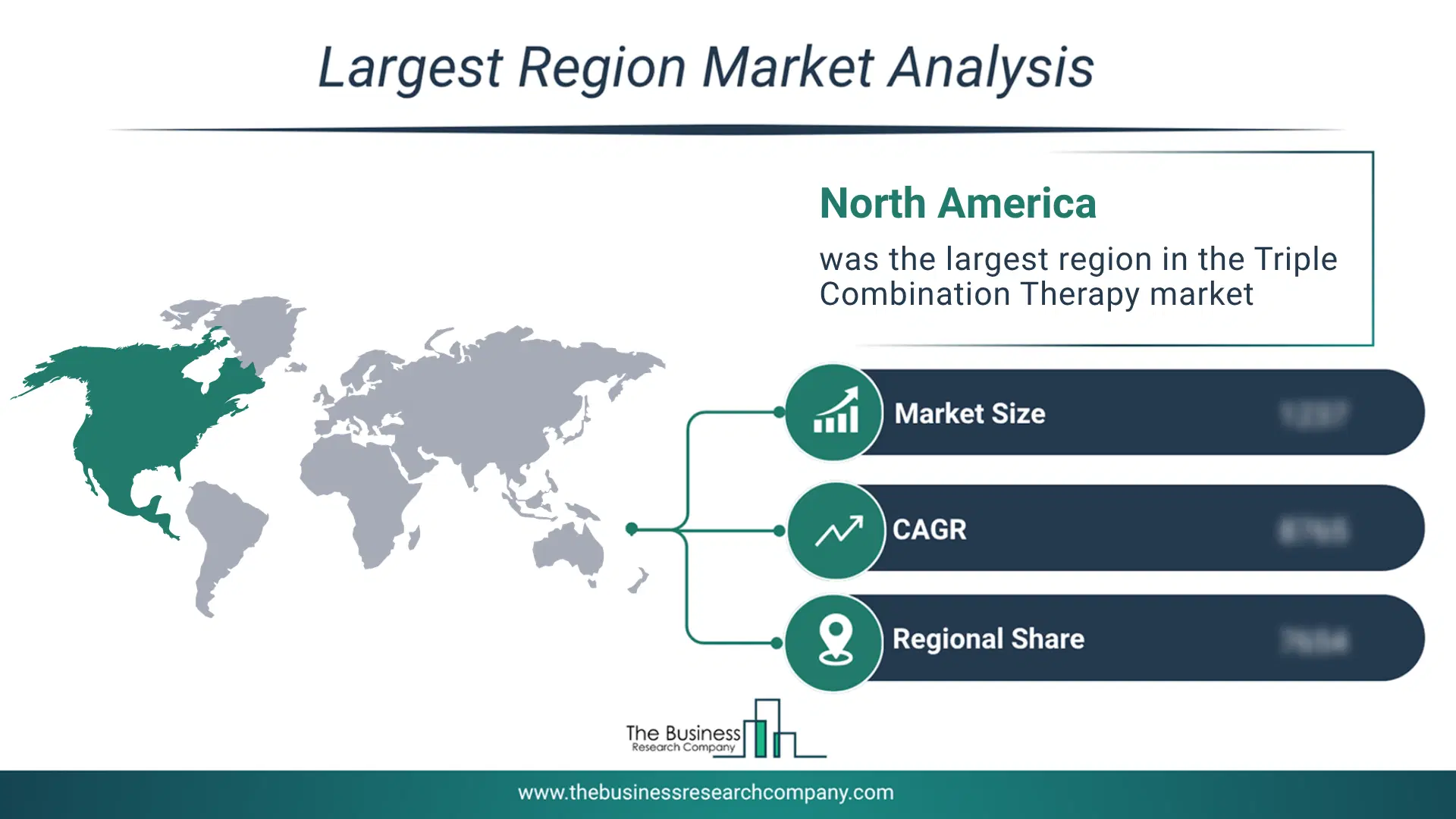
Regional Outlook
North America was the largest region in the triple combination therapy market in 2025. Asia-Pacific is expected to be the fastest-growing region in the forecast period. The regions covered in this market report are Asia-Pacific, South East Asia, Western Europe, Eastern Europe, North America, South America, Middle East, Africa. The countries covered in this market report are Australia, Brazil, China, France, Germany, India, Indonesia, Japan, Taiwan, Russia, South Korea, UK, USA, Canada, Italy, Spain.What Defines the Triple Combination Therapy Market?
The triple combination therapy market consists of revenues earned by entities by providing services such as drug development and formulation services, clinical trials and testing services, regulatory compliance and approval services, and contract manufacturing services. The market value includes the value of related goods sold by the service provider or included within the service offering. The triple combination therapy market also includes sales of cardiovascular drugs, antituberculosis agents, dermatological formulations, antiviral combinations, antifungal therapies, antimalarial drug combinations, respiratory therapy combinations, and gastrointestinal therapeutic combinations. Values in this market are ‘factory gate’ values, that is the value of goods sold by the manufacturers or creators of the goods, whether to other entities (including downstream manufacturers, wholesalers, distributors and retailers) or directly to end customers. The value of goods in this market includes related services sold by the creators of the goods.How is Market Value Defined and Measured?
The market value is defined as the revenues that enterprises gain from the sale of goods and/or services within the specified market and geography through sales, grants, or donations in terms of the currency (in USD unless otherwise specified). The revenues for a specified geography are consumption values that are revenues generated by organizations in the specified geography within the market, irrespective of where they are produced. It does not include revenues from resales along the supply chain, either further along the supply chain or as part of other products.
This chart presents market attractiveness based on a quantitative evaluation of growth, competition, strategic alignment, and risk, offering a clear view of opportunity areas for decision-making. This chart is for illustrative purposes; the full report contains the complete analysis.

This chart highlights the Total Addressable Market (TAM) by estimating the maximum revenue opportunity using an assumption-driven approach, supporting strategic planning and opportunity sizing across markets. The chart is illustrative; the full report provides a more comprehensive analysis.
What Key Data and Analysis Are Included in the Triple Combination Therapy Market Report 2026?
The triple combination therapy market research report is one of a series of new reports from The Business Research Company that provides market statistics, including industry global market size, regional shares, competitors with the market share, detailed market segments, market trends and opportunities, and any further data you may need to thrive in the triple combination therapy industry. The market research report delivers a complete perspective of everything you need, with an in-depth analysis of the current and future state of the industry.Triple Combination Therapy Market Report Forecast Analysis
| Report Attribute | Details |
|---|---|
| Market Size Value In 2026 | $19.67 billion |
| Revenue Forecast In 2030 | $27.52 billion |
| Growth Rate | CAGR of 8.8% from 2026 to 2030 |
| Base Year For Estimation | 2025 |
| Actual Estimates/Historical Data | 2020-2025 |
| Forecast Period | 2026 - 2030 |
| Market Representation | Revenue in USD Billion and CAGR from 2026 to 2030 |
| Segments Covered | Drug Class, Therapeutic Area, Route Of Administration, Distribution Channel |
| Regional Scope | Asia-Pacific, Western Europe, Eastern Europe, North America, South America, Middle East, Africa |
| Country Scope | The countries covered in the report are Australia, Brazil, China, France, Germany, India, Indonesia, Japan, Taiwan, Russia, South Korea, UK, USA, Canada, Italy, Spain |
| Key Companies Profiled | Merck & Co. Inc., AstraZeneca plc, Novartis AG, GlaxoSmithKline (GSK) plc, Boehringer Ingelheim International GmbH, Vertex Pharmaceuticals, Daiichi Sankyo US, Bausch Health Companies Inc., CHIESI Farmaceutici S.p.A., Cipla Ltd., Lupin Ltd., BeyondSpring Inc., Daewoong pharmaceutical Co. Ltd, Galapagos NV, George Medicines, Biocytogen, Healio, Laekna Therapeutics, PDS Biotechnology, TG Therapeutics Inc., Immutep |
| Customization Scope | Request for Customization |
| Pricing And Purchase Options | Explore Purchase Options |