
Ulcerative Colitis Market Report 2026
Global Outlook – By Drug Type (Anti-Inflammatory Drugs, Anti-TNF Biologics, Immunosuppressant, Calcineurin Inhibitors, Other Drug Types), By Disease Type (Ulcerative Proctitis, Proctosigmoiditis, Left-sided Colitis, Pancolitis or Universal Colitis, Fulminant Colitis), By Molecule Type (Biologics, Small Molecules), By Route Of Administration (Oral, Injectables), By End-User (Hospital Pharmacies, Retail Pharmacies, Drug Stores, Other End-User) - Market Size, Trends, And Global Forecast 2026-2030
Ulcerative Colitis Market Overview
• Ulcerative Colitis market size has reached to $7.87 billion in 2025 • Expected to grow to $11.08 billion in 2030 at a compound annual growth rate (CAGR) of 7.1% • Growth Driver: The Rise In Healthcare Expenditure The Growth Of The Ulcerative Colitis Market Due To Increased Access To Advanced Medical Care And Therapies • Market Trend: Sanofi S.A. And Teva Pharmaceuticals Forge Strategic Partnership To Advance Tev'574 In The Treatment Of Crohn's Disease And Ulcerative Colitis • North America was the largest region in 2025.Market Gains By 2030 – Top Opportunities By Segment
Market Gain identifies the most promising market opportunities by highlighting the segments or products expected to generate the highest incremental revenue growth over the next five years.
What Is Covered Under Ulcerative Colitis Market?
Ulcerative colitis is a chronic inflammatory bowel disease (IBD) and is categorized as an autoimmune disorder in which the immune system attacks healthy tissue of the large intestine and causes inflammation on the superficial layer of the large intestine. It includes symptoms of diarrhea, weight loss, abdominal cramping, anemia, blood or pus in bowel movements, and others. The main types of drugs for ulcerative colitis are anti-inflammatory drugs, anti-TNF biologics, immunosuppressants, calcineurin inhibitors, and others. Anti-inflammatory drugs refer to a drug or substance that reduces inflammation (redness, swelling, and pain) in the body. These are prescribed for various diseases such as ulcerative proctitis, proctosigmoiditis, left-sided colitis, pancolitis or universal colitis, and fulminant colitis, with molecule types including biologics and small molecules, which can be administered orally or injectable. It is used by various end-users, including hospital pharmacies, retail pharmacies, drug stores, and others.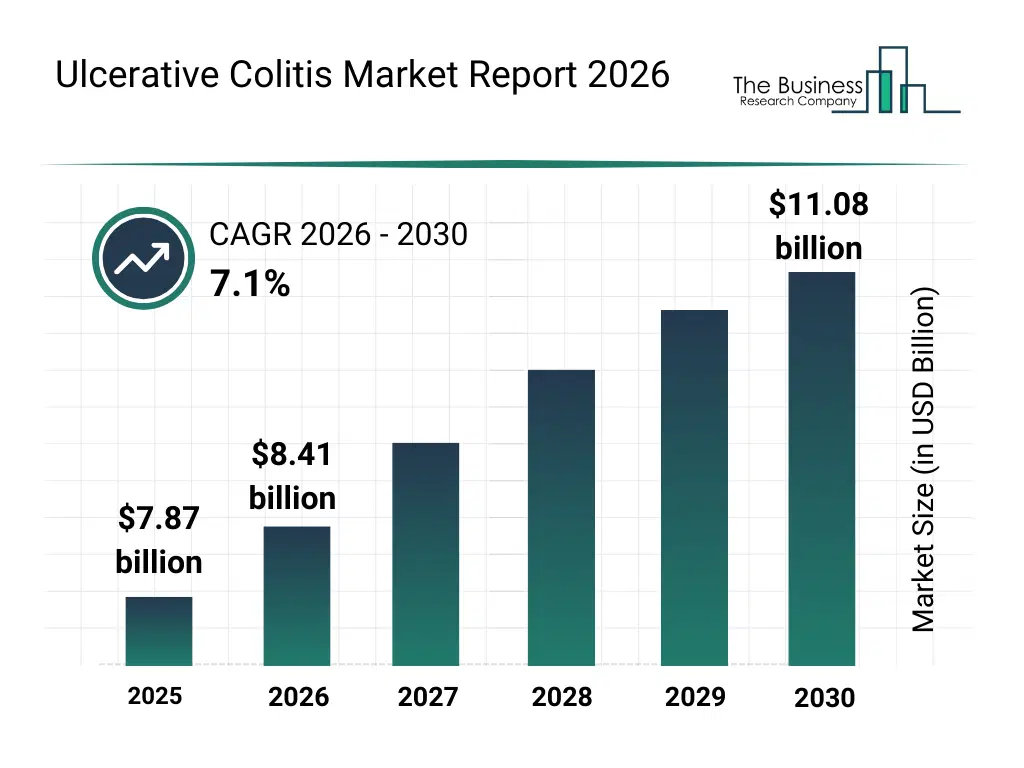
What Is The Ulcerative Colitis Market Size and Share 2026?
The ulcerative colitis market size has grown strongly in recent years. It will grow from $7.87 billion in 2025 to $8.41 billion in 2026 at a compound annual growth rate (CAGR) of 6.9%. The growth in the historic period can be attributed to improved availability of anti-inflammatory medications, increased diagnosis of inflammatory bowel diseases, expansion of gastroenterology specialty care, rising awareness of autoimmune disorders, advancements in endoscopic diagnostics.What Is The Ulcerative Colitis Market Growth Forecast?
The ulcerative colitis market size is expected to see strong growth in the next few years. It will grow to $11.08 billion in 2030 at a compound annual growth rate (CAGR) of 7.1%. The growth in the forecast period can be attributed to increasing development of next-generation biologics, rising focus on steroid-sparing therapies, expansion of targeted immune modulation treatments, growing integration of digital patient monitoring tools, increasing investments in ibd research and innovation. Major trends in the forecast period include increasing adoption of biologic therapies, rising use of small molecule treatments, growing focus on personalized treatment regimens, expansion of long-term disease management strategies, enhanced emphasis on early and accurate diagnosis.
Global Ulcerative Colitis Market Segmentation
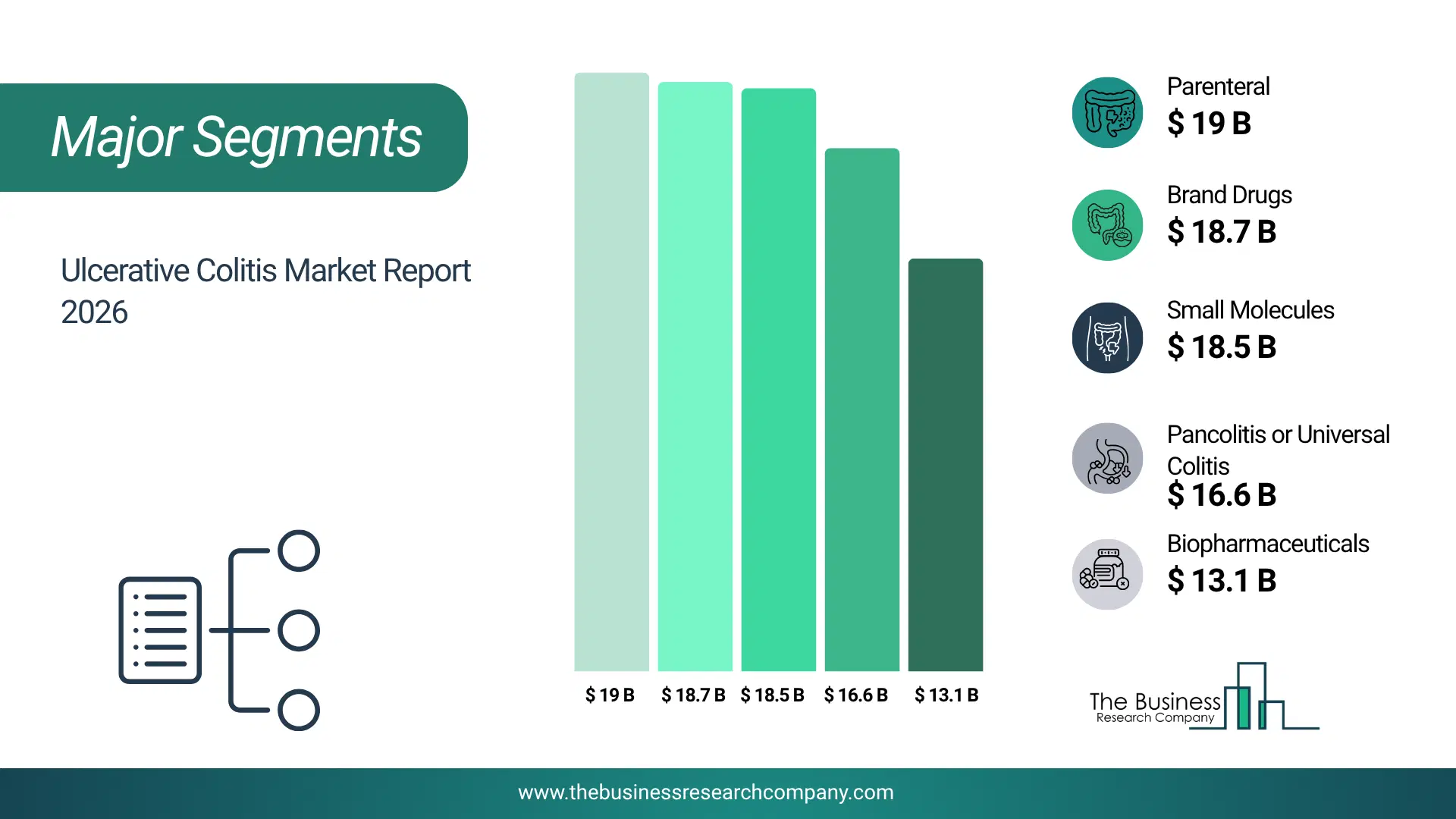
1) By Drug Type: Anti-Inflammatory Drugs, Anti-TNF Biologics, Immunosuppressant, Calcineurin Inhibitors, Other Drug Types 2) By Disease Type: Ulcerative Proctitis, Proctosigmoiditis, Left-sided Colitis, Pancolitis or Universal Colitis, Fulminant Colitis 3) By Molecule Type: Biologics, Small Molecules 4) By Route Of Administration: Oral, Injectables 5) By End-User: Hospital Pharmacies, Retail Pharmacies, Drug Stores, Other End-User Subsegments: 1) By Anti-Inflammatory Drugs: Aminosalicylates, Corticosteroids 2) By Anti-TNF Biologics: Infliximab, Adalimumab, Golimumab 3) By Immunosuppressant: Azathioprine, Mercaptopurine 4) By Calcineurin Inhibitors: Tacrolimus, Cyclosporine 5) By Other Drug Types: JAK Inhibitors, Monoclonal Antibodies, Other Novel Therapies The top segments in the ulcerative colitis market will be: • Brand Drugs will reach $18781.62 Million by 2030. • Parenteral will reach $19014.26 Million by 2030. • Small Molecules will reach $18559.31 Million by 2030. • Pancolitis or Universal Colitis will reach $16605.7 Million by 2030. • Biopharmaceuticals will reach $13123.88 Million by 2030.What Is The Driver Of The Ulcerative Colitis Market?
The increasing healthcare expenditure is expected to propel the growth of the ulcerative colitis market going forward. Health expenditure refers to all spending for health-related services, family planning activities, nutrition activities, and emergency help, but excludes expenses for drinking water and sanitation. Healthcare expenditure is increasing due to advancements in medical technology, as new diagnostic tools, treatments, and innovative therapies often come at higher costs, leading to greater overall spending in healthcare. Increased healthcare spending can benefit ulcerative colitis sufferers by improving access to medical care and therapies. For instance, in December 2024, according to the Centers for Medicare & Medicaid Services, a US-based agency responsible for administering the Medicare and Medicaid programs, in 2023, U.S. health care expenditures increased by 7.5%, climbing to $4.9 trillion, or roughly $14,570 for each individual. Therefore, increasing healthcare expenditures are driving the growth of the ulcerative colitis industry.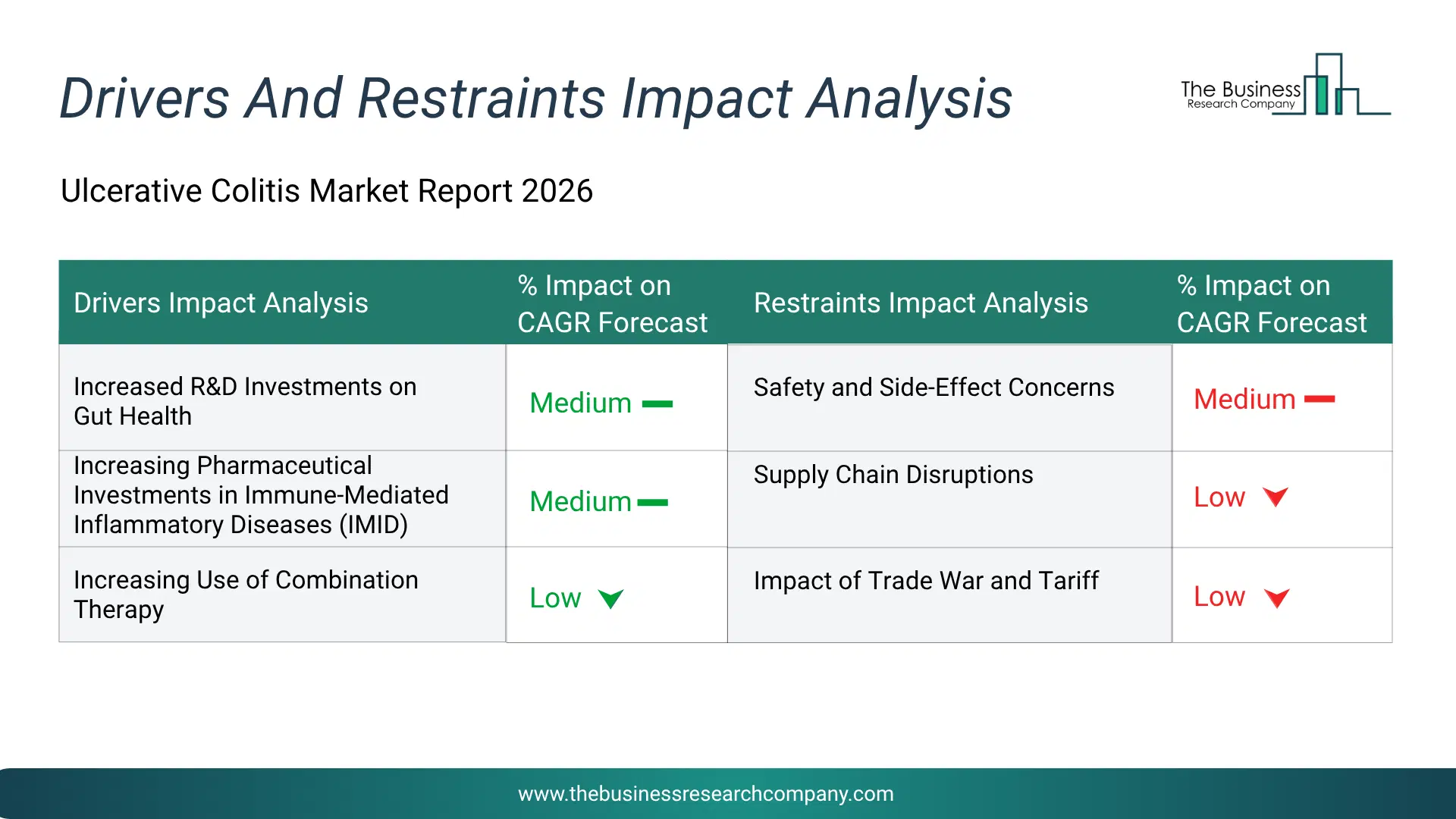
Infographic Chart Showing Key Market Drivers Analysis And Restraints For Ulcerative Colitis Market
The chart presents an impact analysis of key drivers and restraints, quantifying their relative influence on the market's growth rate and helping assess the balance between growth enablers and limiting factors. This chart offers a high-level perspective; the full report contains more detailed insights.
How Will The Drivers Impact Growth In The Global Ulcerative Colitis Market?
• Increased R&D Investments on Gut Health (Medium) – During the forecast period, the increased r&d investments on gut health will become a key driver of growth in the ulcerative colitis market by 2030. as more funding flows into gastrointestinal research, new insights into dysbiosis, barrier dysfunction and inflammation pathways will accelerate the discovery of targeted therapies and novel mechanisms of action. expanded r&d efforts will encourage collaboration between pharmaceutical companies, academic institutions and biotech innovators, enabling the development of advanced diagnostics, biomarkers and personalized treatment strategies rooted in microbiome and mucosal science. greater exploration into early detection tools, precision-medicine platforms and disease-modifying interventions will broaden therapeutic pipelines and support diversification beyond traditional biologics. as a result, the increased r&d investments on gut health is anticipated to contributing to a 1.5% annual growth in the market. • Increasing Pharmaceutical Investments in Immune-Mediated Inflammatory Diseases (IMID) (Medium) – During the forecast period, the increasing pharmaceutical investments in immune-mediated inflammatory diseases (imid) is expected to be a key driver of the growth of the ulcerative colitis market in the forecast period. as companies increase their focus on immunology, they build broader expertise, infrastructure and platforms that can be leveraged across multiple chronic inflammatory disorders, including uc (ulcerative colitis). investment in imids fuels innovation in cytokine targeting, immune pathway modulation, monoclonal antibodies, small molecules and oral immunotherapies, many of which have applications across several diseases. this cross-disease therapeutic development allows companies to accelerate uc drug pipelines, streamline clinical trial processes and repurpose or refine mechanisms initially explored for other imids. as the immunology sector becomes more competitive and well-funded, uc benefits from a richer pipeline, more frequent therapy launches and greater interest from global pharmaceutical players. consequently, the increasing pharmaceutical investments in immune-mediated inflammatory diseases (imid) is projected to contributing to a 1.0% annual growth in the market. • Increasing Use of Combination Therapy (Low) – During the forecast period, the increasing use of combination therapy expected to be a key driver of the growth of the ulcerative colitis market in the forecast period. as more patients and clinicians adopt multi-modal strategies, combining biologics, small molecules, immunomodulators or different classes of therapies, the chances of achieving deeper remission, reducing anti-drug antibody formation, and improving long-term disease control will rise significantly. the growing acceptance of combination regimens will encourage further clinical research, regulatory approvals and broadened prescribing practices, enabling a more diverse and robust pipeline of treatment options beyond monotherapies. as combination therapy becomes more mainstream, demand for advanced biologics and small molecules, alone or in combination, will expand, fueling market growth for both new and existing ulcerative colitis treatments. consequently, the increasing use of combination therapy is projected to contributing to a 1.3% annual growth in the market. • Increasing Incidence of Immune Dysregulation Disorders (Low) – During the forecast period, the increasing incidence of immune dysregulation disorders will propel the growth of the ulcerative colitis market. As lifestyle changes, environmental factors, stress and microbiome disruptions continue to contribute to immune imbalance, more individuals will develop conditions related to abnormal immune activation, including UC (ulcerative colitis). This trend will place greater pressure on healthcare systems to improve early detection, access to specialists and long-term disease management infrastructure. A larger and more diverse patient base will encourage pharmaceutical companies to accelerate innovation, broaden treatment portfolios and invest in therapies capable of addressing complex immune-driven inflammation. Moreover, as immune dysregulation becomes more common, awareness and diagnosis rates will rise, strengthening demand for biologics, targeted therapies and next generation immunomodulators. The increasing incidence of immune dysregulation disorders during the forecast period in 2025 is 0.5%.How Will The Restraints Impact Growth In The Global Ulcerative Colitis Market?
• Safety and Side-Effect Concerns (Medium) – During the forecast period, side-effect considerations remain important in ulcerative colitis management. recent clinical guidelines support the early and proactive use of advanced therapies, including biologics and targeted small molecules, to achieve deep remission and prevent disease progression. modern agents have more favorable safety profiles and efficacy compared with older immunosuppressants, and risk-management strategies—including screening for infections, vaccinations, and periodic monitoring—enable safer long-term use. clinicians are encouraged to weigh benefits against potential risks rather than delaying therapy, and patient education improves adherence and tolerability. consequently, guideline-based adoption of advanced therapies is rising, reflecting a shift toward optimized, individualized treatment rather than prolonged reliance on conventional therapies. growth affected by side-effect considerations during the forecast period in 2025 is -1.0%. • Supply Chain Disruptions (Medium) – During the forecast period, supply chain disruptions are restricting the growth of the ulcerative colitis market during the forecast period. disruptions may arise from manufacturing delays, shortages of raw materials, geopolitical tensions, or logistical constraints, all of which can make it difficult for companies to maintain steady supplies. these interruptions affect hospitals, pharmacies and infusion centers, leading to treatment delays and increased uncertainty for patients relying on continuous therapy for disease control. in markets dependent on imported biologics or specialized components, even minor disruptions can significantly impact access. unpredictable supply chain conditions weaken market reliability, cause fluctuations in therapy availability and undermine confidence in long-term treatment planning. growth affected by supply chain disruptions during the forecast period in 2025 is -1.5%. • Impact of Trade War and Tariff (Low) – During the forecast period, impact of trade war and tariffs restricting the growth of the ulcerative colitis market during the forecast period. many uc (ulcerative colitis) therapies rely on globally dispersed manufacturing networks, meaning that tariff-related cost increases can flow directly into higher procurement prices for healthcare providers and patients. these trade tensions can also limit access to imported medical technologies, diagnostic tools and critical inputs needed for biologic production. as regulatory uncertainty rises, companies may slow investment, postpone expansion plans, or reroute supply chains, leading to inefficiencies and delays. the cumulative effect of tariffs and trade disputes reduces market stability, increases financial strain across the uc treatment ecosystem and creates broader barriers to therapy accessibility. growth affected by impact of trade war and tariffs during the forecast period in 2025 is -0.2%.Key Players In The Global Ulcerative Colitis Market
Major companies operating in the ulcerative colitis market are AbbVie Inc., AstraZeneca plc, Bausch Health Companies Inc., Eli Lilly and Co., Johnson & Johnson, GlaxoSmithKline plc, Merck & Co. Inc., Novartis AG, Pfizer Inc., Sanofi S.A., Allergan plc, Bayer AG, Celgene Corporation, Bristol Myers Squibb Company, Takeda Pharmaceutical Company Limited, Genentech Inc., UCB S.A., Shire plc, Ferring Pharmaceuticals Inc., Salix Pharmaceuticals Inc., Dr. Falk Pharma GmbH, Tillotts Pharma AG, Cosmo Pharmaceuticals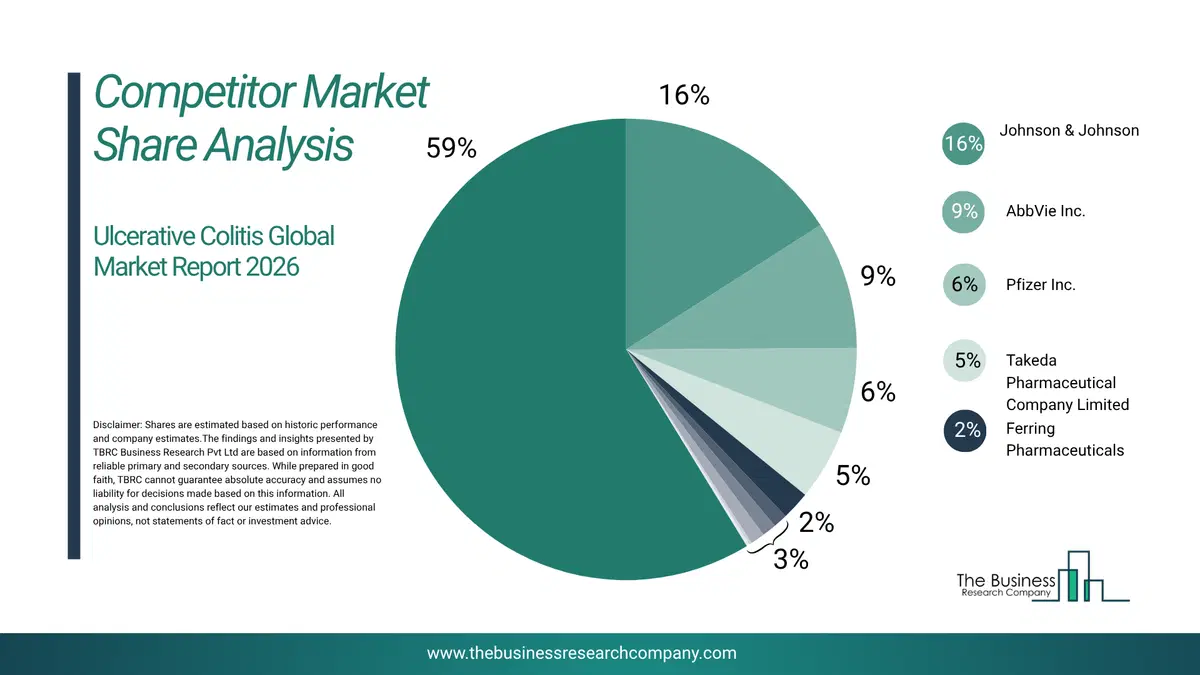
This chart is for illustrative purposes; the full report includes a detailed competitor analysis and comprehensive overview of the top 10 companies in the market.
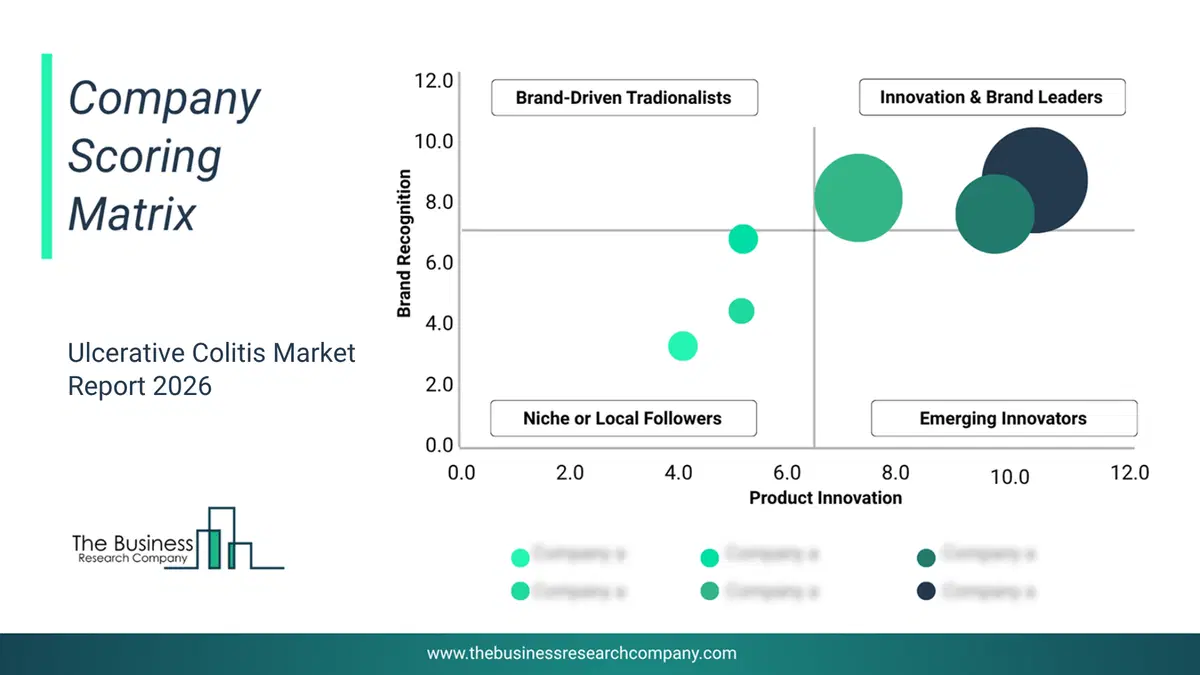
This chart maps companies by product innovation and brand strength, with bubble size indicating relative revenue, helping identify market leaders, challengers, and niche players. This is an illustrative chart; the full report provides a complete and accurate competitive analysis.
Global Ulcerative Colitis Market Trends and Insights
Major companies operating in the ulcerative colitis market are focusing on developing collaborative solutions, such as strategic co-development partnerships, to accelerate late-stage biologic development and expand global commercialization capabilities. Strategic co-development partnerships refer to agreements in which two pharmaceutical companies combine scientific resources, clinical trial expertise, and commercial infrastructure to jointly advance and market a therapeutic candidate under shared financial and operational responsibilities. For instance, in 2023, Sanofi S.A., a France-based healthcare and pharmaceutical company, introduced a strategic partnership with Teva Pharmaceuticals, a US-based subsidiary of Teva Pharmaceutical Industries Ltd., to jointly develop and commercialize TEV’574, a Phase 2b biologic candidate for Crohn’s disease and ulcerative colitis, featuring an upfront payment of €0.469 billion (USD 0.50 billion), eligibility for up to €0.94 billion (USD 1.0 billion) in developmental and commercialization milestones, and a cost- and profit-sharing model in which Sanofi leads commercialization in North America, Japan, and Asia while Teva leads in Europe, Israel, and select regions.What Are Latest Mergers And Acquisitions In The Ulcerative Colitis Market?
In March 2024, AbbVie Inc., a US-based biopharmaceutical company, acquired Landos Biopharma for an undisclosed amount. With this acquisition, AbbVie aimed to strengthen and diversify its immunology pipeline by adding a novel, first‑in‑class oral candidate that could expand its offerings in inflammatory and autoimmune diseases. Landos Biopharma Inc. is a US-based clinical‑stage biopharmaceutical company that provides treatments for ulcerative colitis (UC).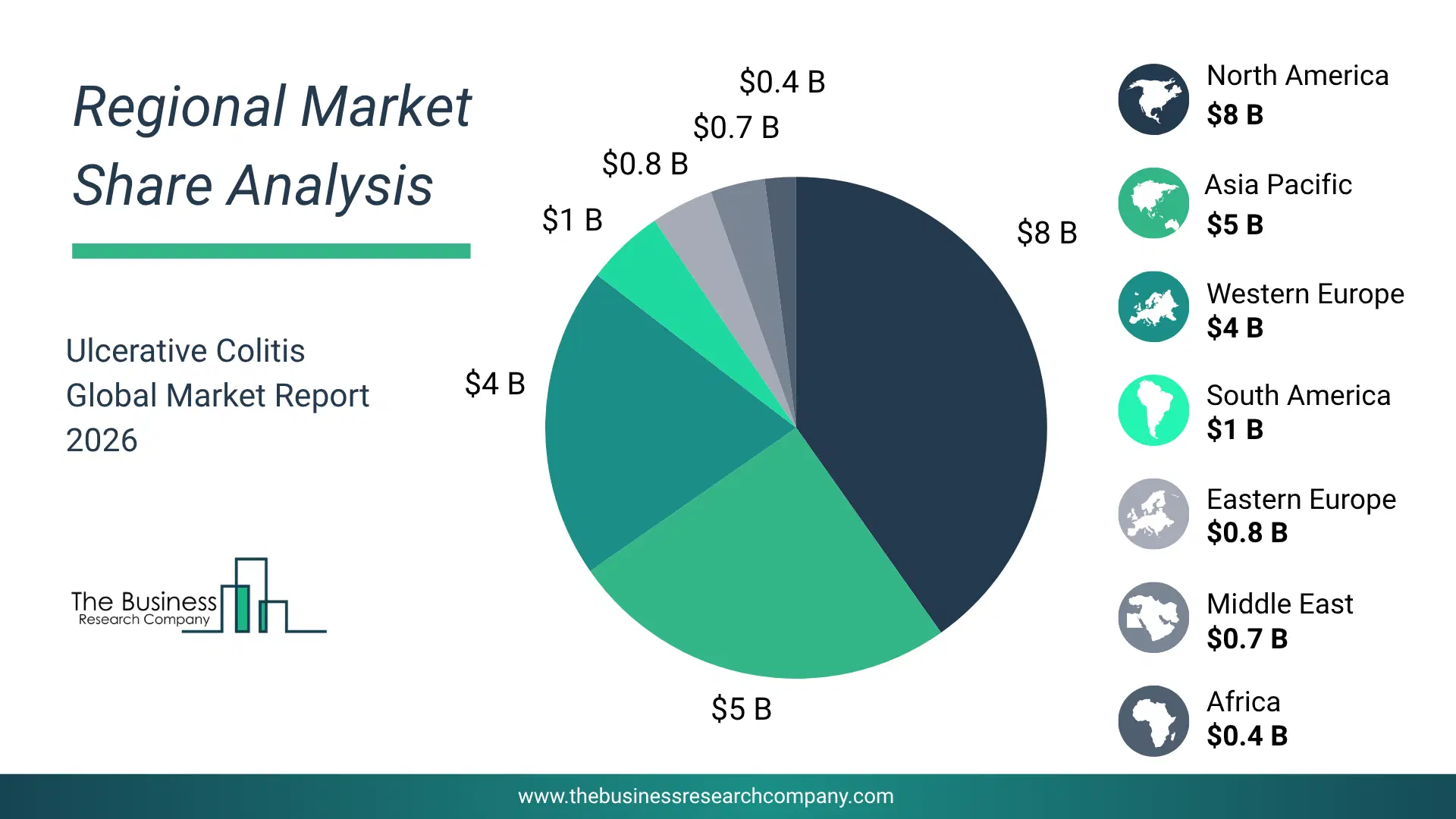
Regional Outlook
North America was the largest region in the ulcerative colitis market in 2025. The regions covered in this market report are Asia-Pacific, South East Asia, Western Europe, Eastern Europe, North America, South America, Middle East, Africa. The countries covered in this market report are Australia, Brazil, China, France, Germany, India, Indonesia, Japan, Taiwan, Russia, South Korea, UK, USA, Canada, Italy, Spain.What Defines the Ulcerative Colitis Market?
The ulcerative colitis market consists of sales of aminosalicylates and corticosteroids. Values in this market are ‘factory gate’ values, that is the value of goods sold by the manufacturers or creators of the goods, whether to other entities (including downstream manufacturers, wholesalers, distributors, and retailers) or directly to end customers. The value of goods in this market includes related services sold by the creators of the goods.How is Market Value Defined and Measured?
The market value is defined as the revenues that enterprises gain from the sale of goods and/or services within the specified market and geography through sales, grants, or donations in terms of the currency (in USD unless otherwise specified). The revenues for a specified geography are consumption values that are revenues generated by organizations in the specified geography within the market, irrespective of where they are produced. It does not include revenues from resales along the supply chain, either further along the supply chain or as part of other products.
This chart presents market attractiveness based on a quantitative evaluation of growth, competition, strategic alignment, and risk, offering a clear view of opportunity areas for decision-making. This chart is for illustrative purposes; the full report contains the complete analysis.

This chart highlights the Total Addressable Market (TAM) by estimating the maximum revenue opportunity using an assumption-driven approach, supporting strategic planning and opportunity sizing across markets. The chart is illustrative; the full report provides a more comprehensive analysis.
What Key Data and Analysis Are Included in the Ulcerative Colitis Market Report 2026?
The ulcerative colitis market research report is one of a series of new reports from The Business Research Company that provides market statistics, including industry global market size, regional shares, competitors with the market share, detailed market segments, market trends and opportunities, and any further data you may need to thrive in the ulcerative colitis industry. The market research report delivers a complete perspective of everything you need, with an in-depth analysis of the current and future state of the industry.Ulcerative Colitis Market Report Forecast Analysis
| Report Attribute | Details |
|---|---|
| Market Size Value In 2026 | $8.41 billion |
| Revenue Forecast In 2030 | $11.08 billion |
| Growth Rate | CAGR of 6.9% from 2026 to 2030 |
| Base Year For Estimation | 2025 |
| Actual Estimates/Historical Data | 2020-2025 |
| Forecast Period | 2026 - 2030 - 2035 |
| Market Representation | Revenue in USD Billion and CAGR from 2026 to 2030 |
| Segments Covered | Drug Type, Disease Type, Molecule Type, Route Of Administration, End-User |
| Regional Scope | Asia-Pacific, Western Europe, Eastern Europe, North America, South America, Middle East, Africa |
| Country Scope | The countries covered in the report are Australia, Brazil, China, France, Germany, India, Indonesia, Japan, Taiwan, Russia, South Korea, UK, USA, Canada, Italy, Spain. |
| Key Companies Profiled | AbbVie Inc., AstraZeneca plc, Bausch Health Companies Inc., Eli Lilly and Co., Johnson & Johnson, GlaxoSmithKline plc, Merck & Co. Inc., Novartis AG, Pfizer Inc., Sanofi S.A., Allergan plc, Bayer AG, Celgene Corporation, Bristol Myers Squibb Company, Takeda Pharmaceutical Company Limited, Genentech Inc., UCB S.A., Shire plc, Ferring Pharmaceuticals Inc., Salix Pharmaceuticals Inc., Dr. Falk Pharma GmbH, Tillotts Pharma AG, Cosmo Pharmaceuticals |
| Customization Scope | Request for Customization |
| Pricing And Purchase Options | Explore Purchase Options |